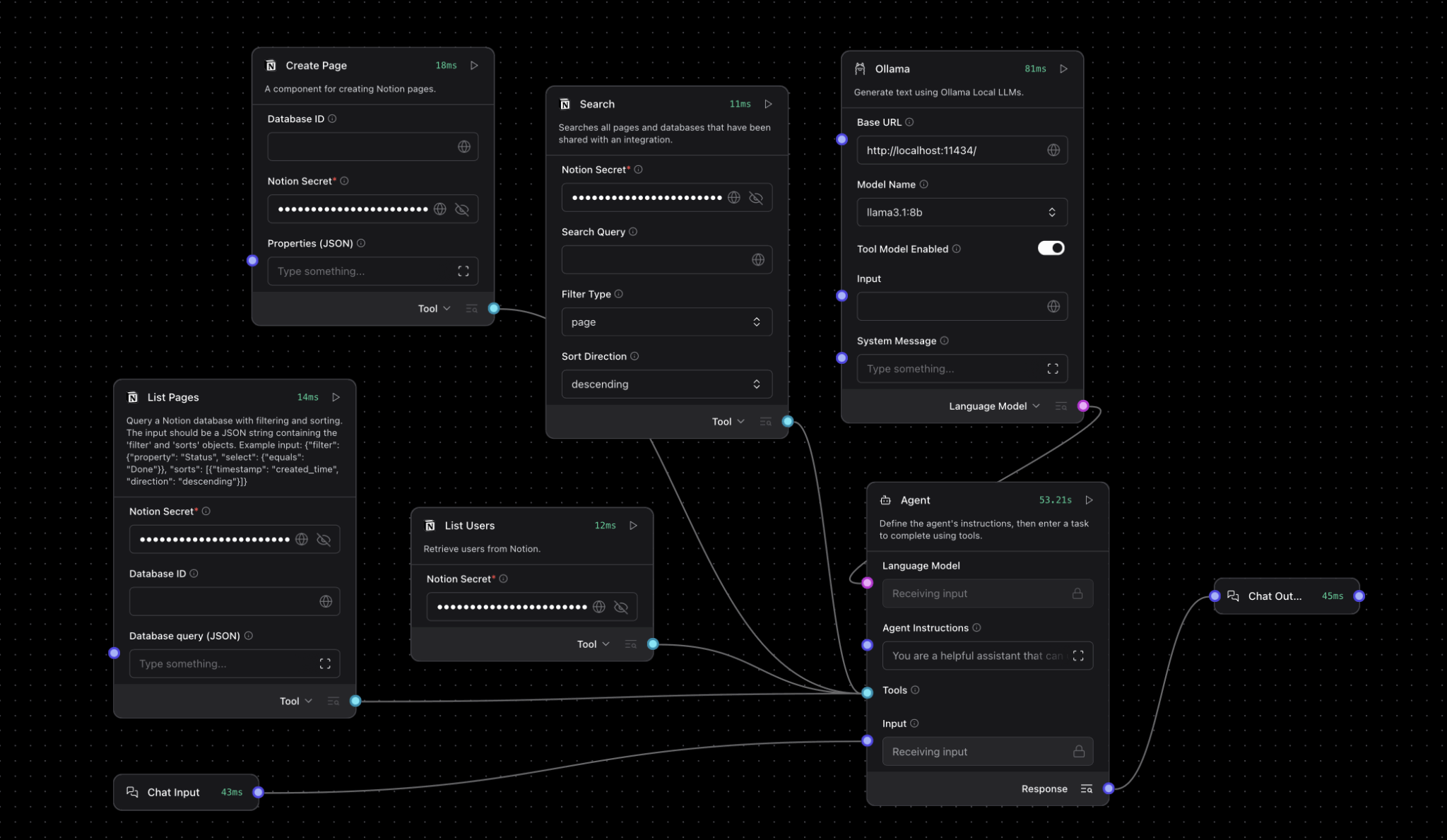
Hackers leveraged a critical vulnerability in the open-source AI workflow platform Langflow within hours of its disclosure, underscoring a sharp acceleration in cyberattack timelines and raising fresh concerns over the security of rapidly adopted artificial intelligence tools.
Security researchers reported that attackers moved to exploit the flaw roughly 20 hours after public details emerged, highlighting how threat actors are monitoring disclosures in real time and deploying automated tools to weaponise weaknesses at unprecedented speed. The incident reflects a broader trend in which the window between vulnerability disclosure and active exploitation has narrowed dramatically, leaving organisations with little margin to respond.
The vulnerability, identified in Langflow—a platform used to build and orchestrate applications powered by large language models—allowed unauthorised access that could potentially expose sensitive data or enable malicious code execution. While patches were issued, the rapid exploitation cycle has prompted warnings that many deployments may have remained exposed during the critical initial hours.
Cybersecurity firm Sysdig, citing data from the Zero Day Clock initiative, said the median time-to-exploit has collapsed from 771 days in 2018 to mere hours in 2024. By 2023, nearly 44 per cent of vulnerabilities were being exploited within a day of disclosure, reflecting a fundamental shift in attacker behaviour driven by automation, improved reconnaissance tools, and the commoditisation of exploit development.
The Langflow incident illustrates how AI-related infrastructure has become an emerging target. Platforms that integrate machine learning models, APIs and workflow automation are often deployed quickly to meet growing enterprise demand, sometimes without the rigorous security hardening applied to traditional systems. Analysts note that the complexity of these environments, combined with the pace of innovation, creates opportunities for attackers to identify overlooked weaknesses.
Security experts say the growing use of open-source AI frameworks compounds the risk. While open-source ecosystems foster innovation and collaboration, they also make codebases and vulnerabilities visible to adversaries. Once a flaw is disclosed publicly, attackers can analyse the same information as defenders, often at scale and with automated scanning tools that identify unpatched systems across the internet.
The shrinking response window is forcing a reassessment of how organisations manage vulnerabilities. Traditional patching cycles, which could stretch over days or weeks, are increasingly seen as inadequate. Companies are being urged to adopt real-time monitoring, automated patch deployment and proactive threat detection to keep pace with attackers.
Cloud environments further amplify the challenge. Many AI platforms, including Langflow, are deployed in cloud-native architectures that can scale rapidly but also expand the attack surface. Misconfigurations, exposed endpoints and insufficient access controls can provide entry points, particularly when combined with newly disclosed vulnerabilities.
Industry specialists also point to the role of exploit marketplaces and shared tooling among cybercriminal groups. Once a vulnerability is identified, exploit code can be quickly disseminated across forums and networks, enabling even less sophisticated actors to launch attacks. This democratisation of offensive capabilities has contributed to the sharp decline in time-to-exploit.
The implications extend beyond immediate breaches. Rapid exploitation increases the likelihood of supply chain risks, where compromised systems can be used as footholds to target downstream users or partners. In the case of AI platforms, there are additional concerns around data integrity, model manipulation and the potential misuse of generative systems for further attacks.
Organisations deploying AI-driven applications are being advised to prioritise security from the outset, integrating vulnerability management into development pipelines and adopting a “secure by design” approach. This includes regular code audits, dependency tracking, and the use of automated tools to detect anomalies in real time.
Follow Arabian Post
Select Arabian Post as your preferred source on Google and MSN News for trusted business news and Arab politics and updates.