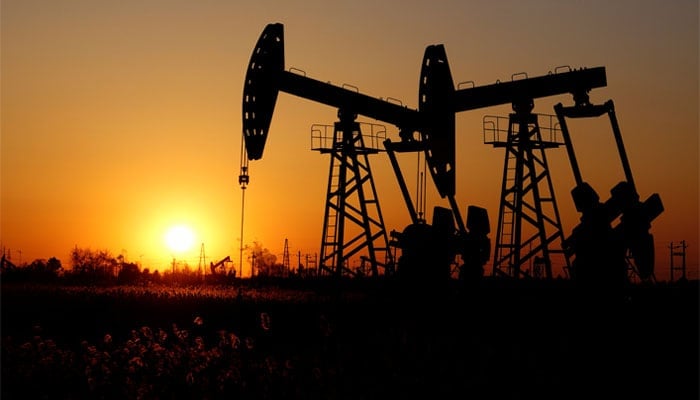
Oil prices pushed higher on Tuesday as Donald Trump intensified pressure on Iran, sharpening investor anxiety over the fate of the Strait of Hormuz and the risk of a wider supply shock across global energy markets. Brent crude traded above $110 a barrel and US West Texas Intermediate rose past $113, extending a rally driven by fears that a prolonged disruption in the Gulf could squeeze flows through one of the world’s most important oil transit routes.
The market reaction followed Trump’s ultimatum to Tehran to reopen the strait by Tuesday evening US time or face what he described as severe consequences. The language marked a further escalation in a confrontation that has already unsettled shipping, lifted freight costs and added a geopolitical premium to crude benchmarks. AP reported that Trump presented the deadline as final after several earlier extensions, while Reuters said Iranian forces had effectively kept the waterway shut after the conflict widened at the end of February.
The Strait of Hormuz carries roughly a fifth of the world’s oil flows, making any interruption there immediately significant for importers, refiners and central banks. That explains why traders have been quick to price in risk even before a full physical shortage is felt. Markets have also been tracking signs that tanker traffic remains limited and that two Qatari liquefied natural gas tankers were halted, adding to concern that the disruption could affect both crude and gas supply chains.
Crude’s advance is no longer just a headline-driven move. Reuters reported record premiums for US crude grades as Asian and European refiners competed for barrels to replace lost Middle East supply, a sign that stress is spreading through physical markets. Offers for WTI Midland cargoes delivered to North Asia climbed sharply above benchmark prices, underlining how quickly refiners are being forced to redraw procurement patterns. Freight rates have also come under pressure as buyers search farther afield for alternative cargoes.
Saudi Arabia and other Gulf producers remain central to the market’s calculation, but even where spare capacity exists, traders are doubtful it can fully offset the logistical damage caused by a blocked Hormuz route. Reuters said Saudi Aramco had already raised selling prices to Asia, while OPEC+ agreed only to a nominal supply increase that traders see as unlikely to ease the immediate tightness. That combination has reinforced the view that the market is being driven less by headline production targets than by the question of whether barrels can move safely and predictably.
Financial markets beyond oil are also reflecting the strain. Reuters reported that gold held firm as investors weighed inflation risks and geopolitical instability, while wider market coverage showed equities trading unevenly as traders reassessed the outlook for growth and interest rates. The rise in energy prices has revived worries that central banks, especially the Federal Reserve, may have less room to ease policy this year if imported inflation intensifies.
Those concerns were echoed by JPMorgan Chase chief executive Jamie Dimon, who warned that the Iran war could reignite inflation and keep interest rates higher for longer. His comments matter because they capture a broader shift in market thinking: what began as a geopolitical shock is increasingly being treated as a macroeconomic threat. Higher crude prices feed through quickly into transport, manufacturing and household costs, and a sustained disruption could test policymakers already balancing sticky inflation against slowing demand in some major economies.
Asian economies are among the most exposed. Japan’s central bank has warned that the Middle East conflict could weigh on regional economies by raising import costs and disrupting supply chains, particularly for energy-intensive industries. Currency markets are showing the same unease. Reuters reported that the rupee remained caught between domestic support measures and fears over the Iran confrontation, illustrating how oil-importing economies are being drawn into the fallout even without direct involvement in the conflict.
Diplomatic and legal tensions are rising alongside the market turmoil. AP reported that Trump’s threats to target Iranian infrastructure, including power plants and bridges, have drawn criticism from legal experts and concern from the United Nations, which has cautioned against attacks on civilian infrastructure. At the same time, the UN Security Council has been weighing a watered-down resolution aimed at protecting shipping, reflecting both the urgency of the crisis and the difficulty of securing consensus among major powers.
Follow Arabian Post
Select Arabian Post as your preferred source on Google and MSN News for trusted business news and Arab politics and updates.