

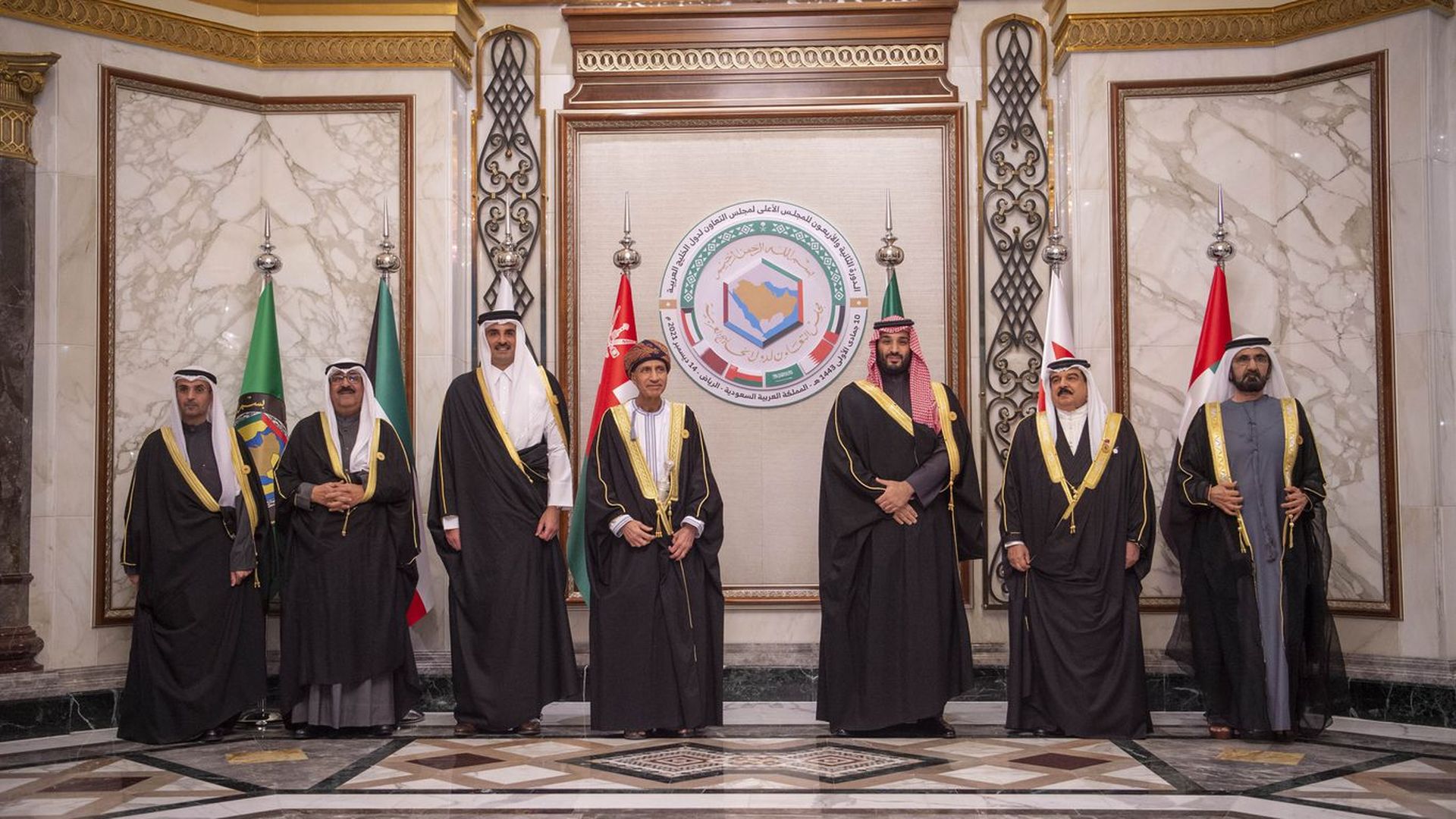
Saudi Arabia holds the largest portion of the Gulf Cooperation Council’s debt capital market , accounting for 44.8 percent of all outstanding issuances, according to recent data from Fitch Ratings. This makes the kingdom a dominant player within the region’s financial landscape, which has seen substantial growth over the past year.
The total value of the GCC’s debt capital market surpassed $1 trillion by the end of January 2025, marking a significant 10 percent increase year-on-year across all currencies. This milestone highlights the growing influence of the GCC nations in global financial markets, with Saudi Arabia and the UAE leading the charge.
The robust performance of the GCC’s DCM can be attributed to the increasing interest in sukuk and conventional bonds, with Saudi Arabia and the UAE at the forefront. Both nations have emerged as key issuers, benefiting from their established financial infrastructure and the steady demand for high-quality investment opportunities.
Fitch Ratings’ analysis also underscores the rising maturity of the GCC’s debt market, driven largely by the continued diversification efforts of its member states. This development is not only reshaping the region’s financial sector but also positioning it as an attractive destination for international investors.
Saudi Arabia’s dominance in the debt market is closely linked to its efforts to reduce reliance on oil revenue and broaden its economic base. The kingdom has been an active participant in global financial markets, utilising debt instruments to fund infrastructure projects and to attract foreign investment. Its success in maintaining a strong bond market presence can also be credited to its high credit rating and relatively stable fiscal outlook, making it an appealing option for both regional and international investors.
Alongside Saudi Arabia, the UAE continues to make significant strides in the DCM. The country’s stable economic environment and its efforts to modernise the financial sector have made it a key player in sukuk issuances, particularly in Islamic finance. The UAE’s financial policies also encourage investor confidence, and its regulatory framework has facilitated a growth-oriented market for both conventional bonds and sukuk.
The issuance of sukuk, a form of Islamic bond, has been an essential aspect of the GCC’s financial landscape. It represents a growing interest in Sharia-compliant investment options, which appeal to both local and international investors. Saudi Arabia and the UAE, in particular, have capitalised on the global demand for sukuk, establishing themselves as leaders in this space.
While Saudi Arabia and the UAE dominate the market, other GCC members such as Qatar and Kuwait have also made significant contributions to the debt capital market. Their efforts to diversify their economies and attract foreign investment have led to an increase in bond issuances, further expanding the size and scope of the region’s DCM.
As the GCC debt market continues to expand, its role in the global financial ecosystem becomes increasingly significant. The region’s economic diversification plans, combined with strong fiscal policies, provide a solid foundation for future growth in the DCM. These developments are expected to attract greater participation from both institutional investors and foreign entities looking to tap into the potential of the GCC market.
Follow Arabian Post
Select Arabian Post as your preferred source on Google and MSN News for trusted business news and Arab politics and updates.



