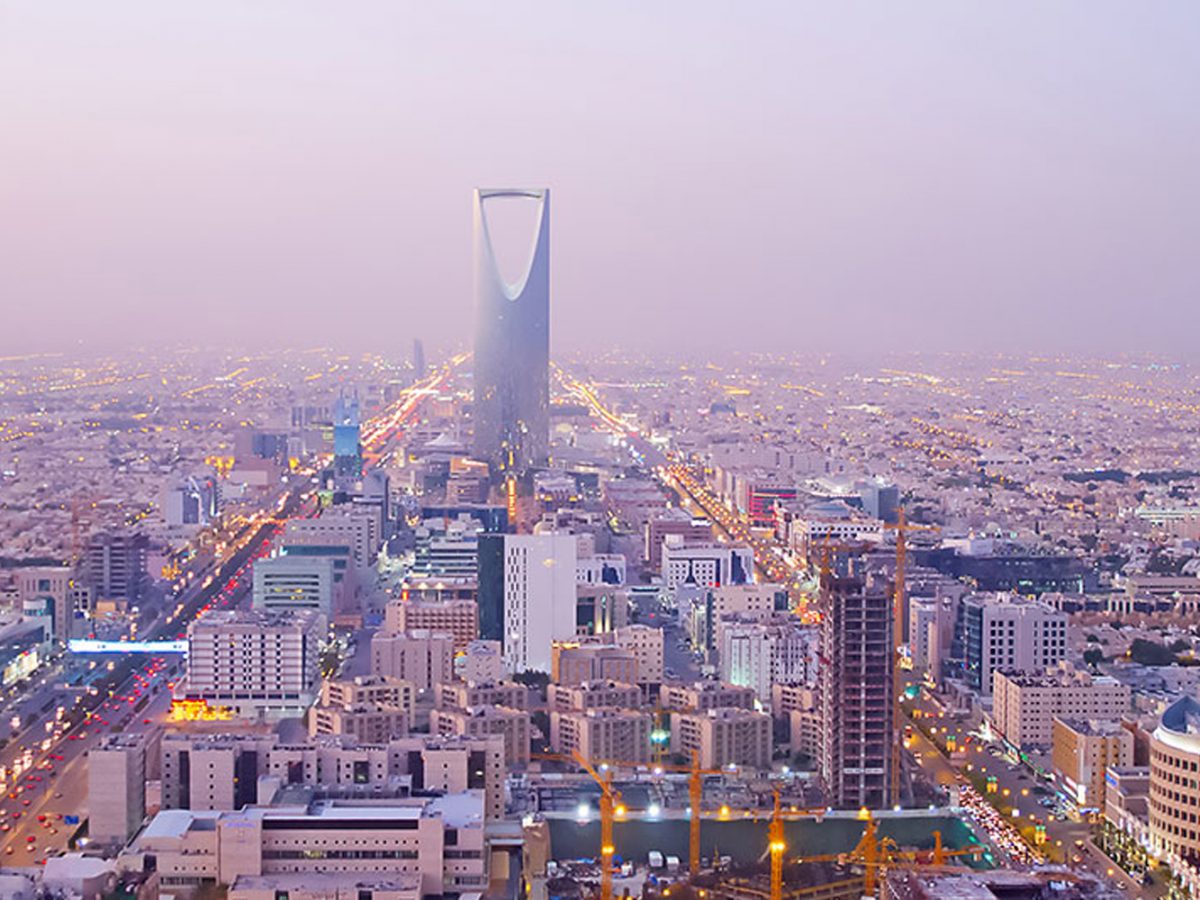
Saudi Arabia has announced that half of all jobs in licensed tourism establishments must be staffed by Saudi nationals by 2028, signalling a significant policy shift to move citizens into non-oil sectors. The Ministry of Tourism says the measure will tackle the overreliance on expatriate labour and realign the workforce with Vision 2030 economic diversification goals.
Under the new framework, the Saudisation ratio will rise gradually: 40 per cent by April 2026, 45 per cent by January 2027, and 50 per cent by 2028. The plan includes a prohibition on outsourcing jobs earmarked for localization to foreign entities, and stipulates that all tourism and hospitality facilities maintain a Saudi receptionist on duty during operational hours. Violations will face enforcement scrutiny.
Recruitment agencies and industry experts describe the goal as bold—and caution that execution will be complex. Nevin Lewis, chief executive of Black & Grey HR, argues that success hinges on building a robust talent pipeline, not simply imposing quotas. “If training and retention don’t match the ambition, the direction is right but the outcome is fragile,” he says.
The regulatory shift is backed by a procedural guide released by the Ministry of Human Resources and Social Development in coordination with the Ministry of Tourism. It defines phased Saudisation targets across 41 tourism professions. Some roles, such as front-desk, reception, and guest information, are slated for full Saudi staffing as early as April 2026. More technical and managerial positions will follow under looser quotas before 2028.
To ease the transition, employers will have access to support measures including recruitment assistance, training subsidies, and job matching services. The Ajeer platform will serve as the mandatory channel for registering contracts, including for seconded, seasonal, or subcontracted workers. Nonetheless, firms will remain responsible even when functions are outsourced; the principal employer must ensure compliance for all workers in designated roles.
Employers warn that attracting Saudis into tourism jobs presents cultural and perception hurdles. The private sector has long relied on expatriates willing to accept longer hours, lower pay and greater flexibility. Some Saudis have prioritised civil service roles with stronger benefits and stability. Observers say that to shift attitudes, tourism work must be reframed as a respected career path rather than a stopgap.
Expats, meanwhile, will continue to fill specialised and senior roles for the foreseeable future. Roles such as chefs, engineers, event managers and revenue specialists, especially in new mega-projects like Qiddiya, Diriyah and NEOM’s Trojena, will remain open to foreign expertise in part because local capacity remains limited.
Businesses will face increasing pressure to document their hiring practices. Every non-Saudi recruit must be justified with proof that national candidates were considered. Failure to comply could affect licensing or incur sanctions.
Saudi tourism expansion also raises the stakes: the sector welcomed 116 million domestic and inbound visitors in 2024, up 6 per cent from the previous year. Tourism spending reached roughly 284 billion riyals, indicating strong momentum. Major infrastructure projects and airport expansions are underway to absorb projected growth.
Follow Arabian Post
Select Arabian Post as your preferred source on Google and MSN News for trusted business news and Arab politics and updates.