News related to
ADNOC

Greenlogue/AP A consortium led by Abu Dhabi Future Energy Company Masdar has achieved financial close for Oman’s first utility-scale solar power project integrated with battery energy storage, marking a significant step in the Sultanate’s clean energy transition and long-term decarbonisation strategy. The project, located in the Wilayat of Manah in the Ad Dakhiliyah Governorate, is designed to supply enough electricity to power about 33,000 homes while avoiding […]

Arabian Post Staff -Dubai Abu Dhabi National Oil Company, the United Arab Emirates’s flagship petroleum producer, is evaluating options to enter Venezuela’s energy industry with a focus on gas projects, signalling a potential strategic pivot that could reshape international investment patterns in one of the world’s most under-utilised hydrocarbon reserves. This deliberation forms part of Adnoc’s broader international expansion plans via its overseas investment arm, XRG, and […]

ADNOC Drilling has formally entered Oman’s onshore drilling services sector, marking a strategic expansion beyond its core home market after completing the purchase of a controlling stake in a land-rig joint venture with SLB that operates six rigs in the sultanate. The move positions the company to participate more directly in Oman’s upstream development plans at a time when regional producers are prioritising operational efficiency, drilling intensity […]

Arabian Post Staff -Dubai Abu Dhabi National Oil Company has finalised a $2 billion green financing facility backed by the Korea Trade Insurance Corporation, strengthening its funding base for lower-carbon projects as it seeks to align hydrocarbon operations with long-term energy transition goals. The facility, structured under ADNOC’s Sustainable Finance Framework, is earmarked for eligible investments across the company’s upstream, downstream and chemicals businesses, including emissions-reduction technologies, […]

Greenlogue/AP ADNOC Gas and EMSTEEL formalised a long-term arrangement that will guarantee supply of lower-carbon natural gas to power EMSTEEL’s industrial operations. The agreement, spanning 20 years and valued between US$3.5 billion and US$4.2 billion, takes effect from 1 January 2027 and underlines the strategic bond between the integrated gas supplier and one of the region’s largest steel and building materials manufacturers. Under the deal, EMSTEEL will […]

Abu Dhabi based investment firm Lunate has escalated its global ambitions after deploying roughly US$13.5 billion and signalling plans to raise even larger funds for 2026 launches. Founded in 2023 and backed by the emirate’s investment ecosystem, Lunate raised about US$17 billion in 2024 for its flagship funds and has invested around 80 per cent of that amount, according to individuals familiar with its operations. The firm […]

Global alternative asset manager KKR & Co. has inaugurated a new office within the Abu Dhabi Global Market financial district, marking a significant expansion of its Middle East footprint. The office will be led by Julian Barratt‑Due, Managing Director and Head of Middle East Investing at KKR, with David Petraeus serving as Chairman of KKR Middle East, reinforcing the firm’s commitment to the region.

KKR’s decision underscores its confidence in Abu Dhabi as a gateway for global capital targeting the Gulf region. With assets under management totalling around US$720 billion, the firm already operates hubs in Dubai’s DIFC and Riyadh and views ADGM as a strategic next step.

The Abu Dhabi office aims to enhance KKR’s capacity to serve institutional clients and invest in a range of sectors including infrastructure, technology, and alternative assets across the Gulf. The move aligns with the firm’s broader strategy of partnering for long-duration assets in the region, as evidenced by its acquisition of a minority stake in ADNOC Gas Pipeline Assets LLC and investment commitments in the data centre platform Gulf Data Hub.

Abu Dhabi’s appeal lies in its stable economic foundations, regulatory clarity via ADGM’s common-law framework, and its ambition to become a major global financial centre. ADGM emphasised that KKR’s arrival reflects the city’s expanding role in the global investment ecosystem.

From KKR’s perspective, the firm has stated that the new presence will enable closer collaboration with regional partners and enhance responsiveness to market opportunities. The leadership structure signals that KKR is aiming for a long-term, on-the-ground commitment rather than a passive regional representation.

This move comes amid a broader industry trend of asset managers shifting focus toward the Gulf region. Firms such as PGIM have previously opened offices in ADGM, responding to abundant regional capital, favourable tax regimes, and dynamic infrastructure programmes.

Investors highlight that the Gulf markets are undergoing structural transformation, driven by diversification away from hydrocarbon dependence, growth of digital economies and infrastructure modernisation. KKR’s investments in energy and data-centre platforms illustrate how global managers are aligning with those shifts.

For Abu Dhabi, the addition of a major player like KKR bolsters its ambition to attract global financial services and alternative-capital players. ADGM’s track record of rising company registrations and assets under management suggests the jurisdiction is gaining momentum.

However, experts caution that competition is intensifying: neighbouring hubs such as Dubai and Riyadh are also targeting global managers, meaning KKR and similar firms will need to demonstrate differentiated value-propositions to win deal flow and client mandates. Some analysts note that while large sovereign wealth funds in the region remain dominant allocators, attracting third-party capital remains a challenge.

Operationally, establishing a local hub brings costs, regulatory obligations and talent-acquisition hurdles. While KKR cites its established regional presence and leadership under Petraeus and Barratt-Due as advantages, execution will be scrutinised by investors seeking measurable regional capital deployment and returns.

In the context of broader global asset-management dynamics, the Gulf real-assets market offers long-term, low-yield, inflation-hedged opportunities—an appealing counterbalance to the high-rate, equity-valued portfolios that dominate Europe and North America. KKR appears to be positioning itself to capture that shift, reinforcing its global expansion strategy.


Advertisements

Abu Dhabi’s state-owned oil giant, ADNOC, has received a conditional nod from the European Commission for its 14.7 billion euro acquisition of the German chemicals firm Covestro. The approval, granted on Friday, hinges on ADNOC adhering to specific commitments outlined by the Commission, including modifying its articles of association and sharing Covestro’s sustainability-related patents with competitors in certain areas.

The deal represents ADNOC’s strategic push into the global chemicals market, marking a significant expansion beyond its traditional oil and gas operations. Covestro, a leader in high-performance plastics and other chemical products, has long been a key player in the European industrial landscape. This acquisition could give ADNOC greater access to advanced materials used in various sectors, including automotive, construction, and electronics.

In its ruling, the European Commission emphasised that ADNOC’s commitment to altering its corporate structure and making proprietary technologies available to others in the field of sustainability is crucial to maintaining competitive conditions in the European market. The deal, which was first announced earlier this year, is contingent upon ADNOC meeting these demands to ensure no harm to competition in the chemical and sustainability markets.

The approval came after several rounds of regulatory scrutiny, including concerns over potential monopolistic effects in certain segments of the chemicals industry. However, ADNOC’s willingness to adapt its operational framework and engage in collaboration with other market players ultimately paved the way for the European Commission’s greenlight.

The Commission’s conditional approval also reflects the growing importance of sustainability within corporate transactions. By requiring ADNOC to share Covestro’s patents, the EU is ensuring that the intellectual property crucial to advancing eco-friendly and sustainable technologies does not remain under the control of a single entity. This step is seen as a way of fostering innovation and preventing market consolidation that could stifle progress in critical sectors like renewable energy and environmental protection.

ADNOC’s acquisition of Covestro aligns with its broader strategy to diversify its business interests and strengthen its presence in high-value industries. The company has been increasing its investments in chemicals and other non-oil sectors in recent years, as it seeks to become less reliant on fossil fuels amid the global push for cleaner energy sources. For ADNOC, acquiring a major chemical manufacturer is an opportunity to leverage its substantial financial resources and access new markets for its products, particularly in Europe, which has a strong demand for advanced materials.

The deal is also seen as a win for the UAE’s broader economic vision, which aims to position the country as a global leader in sustainable development and innovation. ADNOC’s willingness to share Covestro’s sustainability patents is part of its commitment to contributing to the global fight against climate change, which is increasingly a focal point for both the public and private sectors.

While the conditional approval is a significant step forward, the acquisition is far from complete. ADNOC must now comply with the European Commission’s stipulations, which could include more detailed negotiations with competitors and stakeholders in the sustainability sector. It is expected that the full regulatory process will take several months before the deal can be finalised.

Covestro, for its part, stands to benefit from ADNOC’s financial backing and expertise in the chemicals sector. As a global leader in the production of polyurethanes and polycarbonates, the company is well-positioned to expand its reach and scale its operations, particularly in emerging markets where demand for high-performance materials is growing rapidly. ADNOC’s financial strength, coupled with Covestro’s established market position, could create a powerful synergy capable of driving innovation and expanding the companies’ collective influence in the global chemicals market.

Abu Dhabi National Oil Company is poised to significantly ramp up its global trading operations, with plans to increase the volume it handles by two-thirds over the next few years. This expansion is part of a broader strategy to strengthen ADNOC’s position on the global stage and tap into new revenue streams. The move signals the growing ambition of the UAE’s state-owned oil giant to enhance its commercial footprint beyond traditional oil and gas production.

Since the establishment of its trading arm in 2018, ADNOC has been gradually building its global network, positioning itself as a major player in international energy markets. The company has already set up trading offices in key financial hubs such as Singapore and Geneva, with the United States next on its list. This expansion is seen as a strategic initiative aimed at consolidating ADNOC’s presence in both the fuel trading and energy markets, where it competes with some of the world’s largest oil companies.

Ahmed Bin Thalith, CEO of ADNOC Global Trading, outlined the company’s goals during a recent interview. He explained that ADNOC’s trading operations are central to its broader strategy of extracting greater value from the fuel produced not only in the UAE but from global markets. Thalith emphasized that the expansion of the trading unit is integral to ADNOC’s vision of becoming a more diversified energy enterprise, moving beyond its traditional role as a major oil producer.

The UAE, known for its vast reserves of oil and natural gas, is under pressure to diversify its economy, which is heavily dependent on hydrocarbons. By expanding its trading operations, ADNOC seeks to secure additional revenue streams from the global sale of fuel products, a vital step as the world moves towards a more sustainable energy future. The move aligns with the UAE’s broader vision of positioning itself as a global energy hub, diversifying into renewable energy and other industries, such as technology and manufacturing.

ADNOC’s global trading expansion follows a series of similar moves by other Gulf oil companies seeking to broaden their operations beyond the traditional export of crude oil. Companies like Saudi Aramco have been pursuing similar strategies to increase their influence in the global energy trading market. However, ADNOC’s strategy to build a robust trading platform since 2018 gives it a more established presence in the field. The company is now looking to leverage its growing infrastructure to manage an even greater volume of trades, both within the Middle East and globally.

In addition to expanding its physical presence in strategic locations, ADNOC Global Trading is also exploring new technologies to improve its operations. This includes the use of data analytics and advanced digital tools to monitor and predict market trends, a crucial aspect for maintaining competitiveness in the volatile global energy market. By integrating cutting-edge technology into its trading practices, ADNOC aims to stay ahead of the curve and better position itself in a market where agility and adaptability are paramount.

The decision to enter the U. S. market is one of the more ambitious elements of ADNOC’s expansion plans. The company aims to tap into the largest energy market in the world, which has seen significant changes in recent years due to the shale revolution and growing interest in alternative energy sources. By establishing a presence in the U. S., ADNOC hopes to gain access to new trading opportunities, as well as foster relationships with key players in the global energy sector.

The expansion also reflects ADNOC’s long-term vision of becoming a more diversified energy company that is not solely reliant on crude oil exports. The UAE has been increasingly investing in renewable energy, and ADNOC’s trading division is seen as a key pillar in achieving this transition. As part of its sustainability strategy, ADNOC has set ambitious targets for reducing its carbon footprint and increasing its investment in cleaner energy technologies, including solar power and hydrogen.

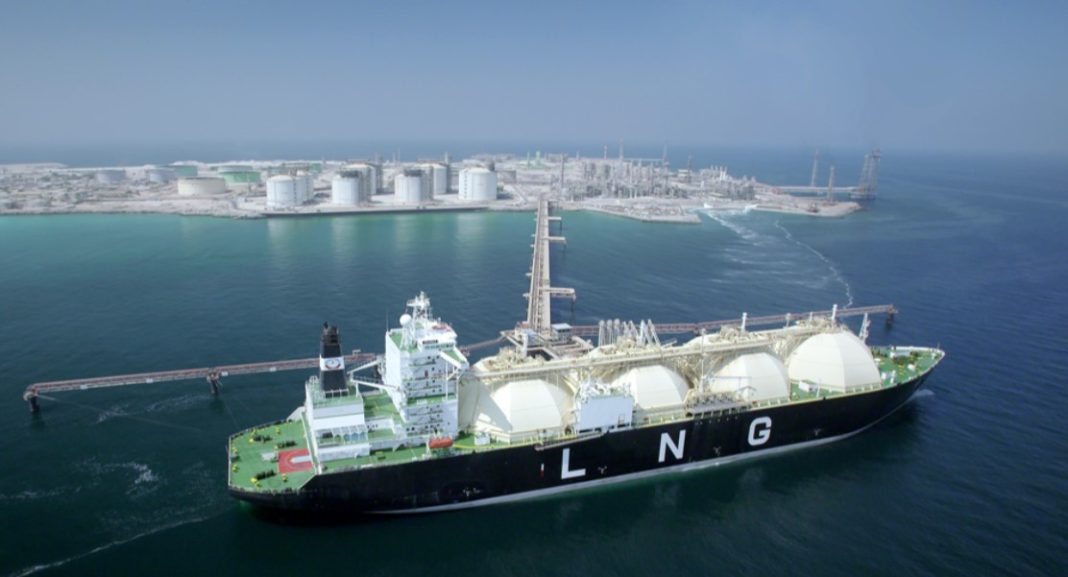
Abu Dhabi’s state energy company signed a 15-year sales and purchase agreement with a unit of British energy major for the delivery of up to 1 million tonnes per annum of liquefied natural gas. The contract represents the first long-term LNG sales deal between the company and Shell and marks the eighth offtake agreement secured for its new export facility.

The LNG will be supplied from the Ruwais LNG project in Al Ruwais Industrial City, Abu Dhabi, which is under development and is set to become the first LNG export plant in the Middle East and Africa region to operate on clean power. Shell holds a 10 per cent equity stake in the project. The agreement converts a previous heads of agreement into a definitive contract and accelerates the project’s commercial timeline.

By securing this deal, more than 8 mtpa of the facility’s planned 9.6 mtpa capacity has already been contracted across Asia and Europe, just 16 months after the project’s final investment decision in July 2024. The project comprises two liquefaction trains of 4.8 mtpa each and is designed to more than double the company’s existing LNG production capacity to around 15 mtpa.

The deal is timed to global gas-market conditions where demand is picking up and energy security is a key concern for buyers. By locking in long-term supply, the exporting company seeks to position itself as a “reliable global supplier of lower-carbon LNG”, while the buyer views the contract as a strategic commitment to expanding its LNG portfolio and securing long-term supplies.

For the seller, the rapid pace at which contract commitments have been won is significant. The chief executive of the gas-division described the achievement of contracting more than 80 per cent of the plant’s capacity within roughly a year of FID as “a new benchmark” for large-scale LNG projects globally, and noted that construction, contractor mobilisation and site works remain on track for commissioning by the end of 2028. The buyer emphasised its long-standing partnership of more than fifty years with the Abu Dhabi exporter and said the agreement supports its global LNG-expansion strategy.

Analysts note that the project’s clean-power design, advanced technology deployment, and rapid contracting distinguish it in the LNG market. That said, while the exporting company releases its ambition to expand its LNG portfolio, competitors in the region are also pursuing aggressive growth, raising competitive risk. Moreover, delivering commercial operations at a low-carbon intensity adds complexity and cost — achieving the projected timeline and performance will require careful execution.

On the demand side, the contract underscores how buyers are increasingly seeking longer-term and lower-emissions supply arrangements in the transition-era gas market. For the buyer, the deal adds to its diversified portfolio of LNG suppliers as it faces intensified competition for cargoes from traditionally dominant exporters. The seller’s ability to secure multiple offtake agreements rapidly helps de-risk the project and supports financing and construction momentum.

One key theme emerging is the alignment of LNG expansion with sustainability credentials. The Ruwais facility’s design to run on clean grid-powered operations, along with claims of being among the lowest-carbon intensity LNG plants globally, reflects a shift in gas-project metrics: projects are now evaluated not solely on cost and capacity but also on carbon footprint and technology sophistication. This trends suggests that access to lower-carbon LNG could become a differentiator among suppliers and a value driver for buyers.

However, achieving this low-carbon ambition may face challenges such as securing clean-power infrastructure, managing capital-cost escalation, and meeting stringent environmental and regulatory expectations across export markets. The broader LNG market is also subject to volatility in feed-gas supply, shipping capacity constraints, and fluctuating demand growth in key markets such as Asia and Europe.

Abu Dhabi-based energy major Abu Dhabi National Oil Company has sealed three new agreements with US-based robotics specialist Gecko Robotics aimed at embedding artificial intelligence and robotics into its operations while accelerating the development of local skills for nationals. The accords were signed at the ENACT Majlis forum in Abu Dhabi and span a multi-year deployment for ADNOC Gas, a collaboration with the group’s training arm ADNOC […]

The cancellation of the highly anticipated initial public offering by UAE-based classifieds giant Dubizzle has raised serious concerns about the current state of the Middle East’s equity capital markets. Once viewed as a promising player in the region’s IPO landscape, Dubizzle’s decision to abandon its listing highlights the significant challenges the Middle East faces in generating investor confidence after a year of lacklustre aftermarket performance.

Dubizzle’s IPO was set to value the company at approximately US$2 billion, a deal that was initially expected to attract substantial interest from both regional and international investors. However, a series of setbacks, including a sharp downturn in market conditions, led to its eventual abandonment. “It’s a complete disaster for the region,” remarked a UAE-based investor, underscoring the gravity of the situation. This sentiment is echoed by many analysts who point to the stark contrast between the current climate and the boom years that saw the Middle East emerge as a dominant force in EMEA ECM.

The UAE’s IPO market has long been a significant player in the regional capital markets. Over the last few years, the area had enjoyed strong performances from listings such as the floatation of ADNOC Drilling and Dubai’s top retail operator, EMIRATES NBD. These successes painted a rosy picture of the region as a flourishing hub for high-profile public offerings. However, 2024’s market performance has been far from reflective of that growth. The Dubizzle setback is just the latest in a series of underwhelming IPO results, a trend that analysts attribute to a combination of factors, including investor caution, regional political instability, and global market headwinds.

Investor sentiment had already been fragile due to the underperformance of several high-profile companies post-IPO. Notably, Talabat, the online delivery service, saw its stock plunge nearly 40% from its initial issue price, while construction giant Alec Holdings also experienced significant losses. Both companies, initially thought to be solid IPO candidates, have fallen victim to what some analysts are calling an “overheated market” in 2023, where optimism led to inflated valuations. These negative outcomes have made investors more reluctant to engage in new listings, further dampening the appeal of subsequent IPOs, including Dubizzle.

Market observers point out that the combination of volatile regional economic conditions, which include oil price fluctuations and rising inflation, has contributed to a cautious outlook. The global economic environment, particularly in Europe and the United States, also has ripple effects in emerging markets like the UAE, with rising interest rates and a slowing global economy compounding investor fears of weak returns. These external pressures have combined with a tightening regulatory environment in the region, adding to the difficulties of orchestrating a successful IPO.

As the region grapples with these challenges, many are questioning whether the Middle East’s ECM sector can regain its former momentum. The last few years witnessed an influx of private equity and venture capital investments into the region’s tech startups, which fueled expectations that these companies would eventually go public and bolster the stock market. However, the persistent volatility and failure of IPOs to deliver on their promise have now raised doubts over whether such investments will yield the expected returns.

European Commission officials are poised to grant approval to Abu Dhabi’s state oil company for its €14.7 billion acquisition of Germany’s Covestro, conditional on minor adjustments to compliance measures, according to sources familiar with the process. The decision could mark one of the most significant Gulf-to-EU corporate takeovers to date.

Brussels opened a detailed investigation into the deal earlier this year under its Foreign Subsidies Regulation, citing concerns that the United Arab Emirates might have leveraged state-backed advantages—such as an unlimited state guarantee and pledged capital injections—to win the bid. The Commission’s probe, initially suspended in September pending additional information, has now resumed as ADNOC submits remedial proposals.

In its revised remedy package, ADNOC has committed to removing language referencing the unlimited guarantee from Covestro’s articles of association and to preserving Covestro’s intellectual property within Europe. Sources suggest the Commission may insist on further tweaks before final clearance, but no major restructuring is expected.

ADNOC’s international investment arm, XRG, has framed the concessions as reflective of its long-term investor stance and asserted confidence that the proposals are “robust and proportionate.” The supreme size of the deal amplifies scrutiny—a deal described by analysts as ADNOC’s largest ever and among the biggest foreign acquisitions of a European company by a Gulf state.

Opponents and industry peers have raised flags about the competitive effects of the transaction. Critics argue that ADNOC’s state backing might have deterred rival bidders, distorting the playing field in Europe’s chemicals sector. Regulators collected feedback from market participants as part of the remedy review, a standard stage in EU merger oversight.

In September, the EU paused its review, citing gaps in the information submitted by the parties. ADNOC responded by accusing the Commission of issuing “disproportionate and invasive” demands. It warned such tactics jeopardised the deal’s viability. Brussels has indicated it will reset its decision deadline after receiving all necessary material. Its previous deadline had been 2 December.

Analysts suggest that the minimal expected adjustments reflect the Commission’s confidence that the core concerns have been addressed. Some believe that failure to clear the deal now would signal strained investment relations between EU institutions and sovereign-backed acquirers. Others caution that even small remedial changes—especially on governance rights or intellectual property handling—could materially alter deal returns.

Covestro, a leader in polymer materials, chemicals, coatings and adhesives, stands to bolster its growth potential under ADNOC’s ownership. The acquisition aligns with ADNOC’s drive to diversify beyond hydrocarbons toward higher-value downstream chemical operations. Yet the deal also pits strategic ambition against regulatory sensitivity—a balancing act now unfolding in the corridors of Brussels.

Abu Dhabi National Oil Company announced that its six publicly traded subsidiaries will distribute AED 158 billion in dividends through to 2030, nearly doubling the AED 86 billion cumulative payout since the first listing in 2017.

The announcement came during ADNOC’s inaugural Investor Majlis in Abu Dhabi, where the group underscored its commitment to shareholder returns and transparent governance. The dividend programme is subject to customary approvals and will provide long-term visibility to investors across its diversified portfolio of listed entities.

ADNOC’s six listed companies currently account for more than AED 550 billion in market capitalisation on the Abu Dhabi Securities Exchange and represent nearly 40 percent of the annual dividends distributed on the market. Under the new plan, three additional entities—ADNOC Distribution, ADNOC Gas, and ADNOC Logistics & Services—will join ADNOC Drilling in issuing quarterly dividends.

Dr Sultan Ahmed Al Jaber, ADNOC’s Managing Director and CEO, also serving as UAE Minister of Industry and Advanced Technology, described the dividend target as a “landmark step” adding clarity to the group’s capital return path. He stated the move would “enhance value” for citizens, residents, and partners, and reaffirmed ADNOC’s focus on cost discipline, efficiency and growth.

Each listed unit announced specific dividend floors and policy reforms. ADNOC Drilling set a cumulative floor of AED 25 billion by 2030, representing a 26 percent minimum return over the period. ADNOC Gas pledged a target of AED 90 billion, with dividends moving to a quarterly basis from 2025 onward. ADNOC Logistics & Services raised its guidance to AED 8.1 billion for 2025–2030 and intends to adopt quarterly distributions from the third quarter of 2025.

Other units will also tighten their dividend structures. ADNOC Distribution expanded its dividend policy through 2030 and targets cumulative returns exceeding 30 percent over the 2025–2030 period. Borouge affirmed a dividend floor for 2025 and envisaged a payout ratio of 90 percent of net profit in future years. Fertiglobe flagged interim dividend payments and share buybacks for 2025 to support yield.

Beyond dividends, ADNOC disclosed key developments across its upstream, LNG and petrochemical segments. ADNOC Gas has secured a long-term feedstock agreement worth AED 147 billion with its Ruwais LNG facility. Over 80 percent of project capacity is under contract. The group also reported that the merger of its petrochemical assets with OMV—that is, combining Borouge and Borealis into Borouge Group International —remains on course for completion in Q1 2026. Financing for the transaction, valued at AED 56.6 billion, is in place and synergies of at least AED 1.8 billion annually have been identified.

Earlier this year, ADNOC transferred its stakes in several listed subsidiaries—namely Distribution, Drilling, Gas and Logistics & Services—to its wholly owned investment arm, XRG, via off-market moves. The transfers, completed or pending regulatory clearance, were explicitly stated not to affect operations, leadership or dividend policies. Control remains with ADNOC via its 100 percent ownership of XRG.

Analysts view the dividend pledge as a strategic signal in a more competitive capital-raising environment. It strengthens the case for long-term investor confidence, especially amid global volatility in energy markets and shifting sector dynamics. Some warn, however, that such large commitments require careful balance with capital expenditure demands, especially for exploration, decarbonisation and upstream expansion to meet rising regional energy and gas demand.

Dubai Aerospace Enterprise has enlisted a consortium of international and regional banks to host a series of fixed income investor calls beginning 6 October 2025, with the aim of gauging demand for a potential benchmark 5-year senior unsecured US dollar sukuk issuance. The mandate positions Emirates NBD Capital, First Abu Dhabi Bank, Goldman Sachs International and HSBC as active bookrunners, while Abu Dhabi Commercial Bank, Ajman Bank, […]

Global investment firm KKR has acquired a minority stake in ADNOC Gas Pipeline Assets LLC, reinforcing its commitment to Middle East energy infrastructure. ADNOC retains full operational control and ownership of the pipelines. KKR’s move builds on longstanding ties with Abu Dhabi’s national energy group. In 2019, KKR and BlackRock acquired a portion of ADNOC’s oil pipeline business in a landmark deal; that investment was later sold […]

Global investment giant KKR has acquired a minority stake in the entity leasing Abu Dhabi National Oil Company’s gas pipeline assets, bridging further into the Gulf’s energy infrastructure sphere. The financial terms were undisclosed; key rights and management powers remain with ADNOC. This marks a continuation of KKR’s partnership with ADNOC: in 2019, it invested in the oil pipeline business—then among the first foreign institutional investments into […]

Global private equity heavyweight KKR has acquired a minority share in the company that leases Abu Dhabi National Oil Company’s gas pipelines, deepening its commitment to the UAE’s energy infrastructure. The financial terms and precise percentage of the stake were not disclosed. The deal gives KKR exposure to ADNOC Gas Pipeline Assets LLC, which holds the lease rights for a network of 38 pipelines across the UAE, […]

Abu Dhabi-based XRG P. J. S. C. has finalised its acquisition of an 11.7 percent equity interest in Phase 1 of the Rio Grande LNG project in Brownsville, Texas, marking the company’s first natural gas investment in the United States. The purchase was made through a joint-venture structure involving Global Infrastructure Partners, an investment vehicle affiliated with BlackRock. Phase 1 of Rio Grande LNG is one of […]

Abu Dhabi’s real estate market posted a 42 percent leap in value of property deals during the first half of 2025, with total transaction values reaching AED 54 billion. Residential unit sales were a major contributor, rising by 38 percent to AED 25 billion. The number of transactions climbed 25 percent to 15,578 deals over the same period.

Population growth in the emirate—specifically crossing four million residents in 2024—has intensified demand for housing, boosting both apartment and villa/town-house sectors. Apartment prices jumped 14 percent year-on-year in Q2, while villa and townhouse prices rose by 11 percent. Premium properties now account for 57 percent of apartment sales value, more than double their share last year. Saadiyat Island saw the highest apartment values per square metre, while Ramhan Island led villa/town house prices.

Economic expansion has underpinned the property market upswing. The non-oil sector increased by 6.2 percent, making up 54.7 percent of Abu Dhabi’s gross domestic product, which grew 3.8 percent to about AED 1.2 trillion. Real estate development continues apace, with master-planned communities like Al Hudayriat, Balghailyam in Yas Island, Mamsha Gardens and Saadiyat Lagoons fuelling supply.

Supply still trails demand. Existing residential inventory stood at approximately 400,000 units at mid-2025, while projections suggest that by 2028, the supply will grow by 4.6 percent annually, adding roughly 64,000 new units. Developers such as Aldar have released a number of high-value projects: town houses at Al Deem, Fahid Beach Residences, The Beach House, and the Waldorf Astoria Residences on Yas Island together pulling in billions of dirhams in sales.

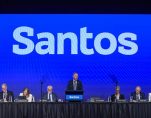
Abu Dhabi’s XRG, the ambitious investment arm of ADNOC, has abandoned its US$18.7–19 billion bid to acquire Australia’s Santos Ltd after failing to agree on key commercial terms, while its takeover attempt of German chemicals firm Covestro AG faces serious threats from an EU competition and subsidy probe. The Santos takeover fell apart largely over valuation disagreements and tax liabilities, according to people familiar with the negotiations. […]

Shares in Santos plunged by up to 13.6% as the Abu Dhabi National Oil Company-backed XRG consortium formally withdrew its A$36.4 billion takeover offer, stating it could not reach agreement with Santos on critical commercial terms.

The consortium, which includes ADQ and Carlyle alongside XRG, had proposed A$8.89 per share in June, equivalent to US$5.76 at the time. Santos had adjusted that for a dividend and told XRG on Monday that it was prepared to accept US$5.626 per share.

This marks the third unsuccessful major offer for Santos over seven years, including a rejected bid from Harbour Energy in 2018 and abandoned merger talks with Woodside Energy. Analysts warn that repeated deal failures erode investor confidence in the company’s ability to seal a large-scale acquisition.

Investor concern was immediately reflected in the market. Santos shares dropped to A$6.61 in early trading, their lowest level since June 10, as the premium embedded in the bid evaporated. The benchmark S&P/ASX200 index was marginally down.

Analysts and banks responded by downgrading the stock. Jarden cut its rating from “overweight” to “underweight”, lowering its 12-month target from A$8.40 to A$7.05 per share. turn0news10turn0search1turn0search2

Santos leadership emphasised its strong project pipeline, pointing to the Barossa gas project in northern Australia and the Pikka oil venture in Alaska as key future growth drivers. Company chair Keith Spence reiterated that Santos has a clear strategy to generate cash, reward shareholders, reinvest in infrastructure and grow production while maintaining safety and reliability.

XRG stated that a “combination of factors, when considered collectively, have impacted the Consortium’s assessment of its indicative offer”, including inability to agree on terms under the Scheme Implementation Agreement. Among sticking points was the demand that the consortium assume certain regulatory and tax-risk obligations, which XRG considered unacceptable.

European regulators are finalising a set of remedies with Abu Dhabi-based oil major ADNOC for its €14.7 billion bid to acquire chemical manufacturer Covestro, adjustments that aim to satisfy concerns under the EU’s Foreign Subsidies Regulation.

ADNOC is expected to convert a planned €1.2 billion capital increase into a shareholder loan bearing market terms. The move seeks to counter claims by the European Commission that the proposed capital equity injection could constitute unfair foreign aid under EU rules. In addition, ADNOC will likely address issues around an alleged unlimited state guarantee and commit to keeping Covestro’s intellectual property and technology within Europe.

The EU launched its formal investigation in July to assess whether UAE-based government support might distort competition in the internal market. Scrutiny has focused on whether ADNOC’s offer price, bolstered by state subsidies such as guarantees and capital injections, created an unlevel playing field. A regulatory deadline of 2 December looms for the European Commission’s final decision.

ADNOC has expressed frustration with the breadth of information requests from the Commission, describing them as “disproportionate and invasive.” The company warned that such demands could threaten the viability of its acquisition bid if not managed carefully.

Negotiations involve high level officials: ADNOC CEO Sultan Ahmed Al Jaber spoke with EU antitrust chief Teresa Ribera about the remedy proposals. ADNOC will likely mirror similar steps taken by UAE telecoms group e&, which recently prevailed in an EU review by eliminating an unrestricted state guarantee and following domestic bankruptcy statutes more closely.

Covestro, which produces materials used in insulation, automotive parts and consumer goods, would be one of the biggest acquisitions of an EU firm by a Gulf state if the deal proceeds. The transaction, announced in October, has drawn close attention for being ADNOC’s largest ever and for raising questions about foreign capital’s role in European markets.

du is offering up to 342 million shares—equating to 7.55 per cent of its share capital and roughly three-quarters of Mamoura’s holding—to the public under a secondary offering that boosts liquidity and investor access. The shares are priced between AED 9.00 and AED 9.90, with the final offer price announced via a book-building process set for 15 September. This sale, orchestrated entirely by Mamoura Diversified Global Holding, […]

VISHNU RAJA
RYO YAMADA
HITORI GOTOH
IKUYO KITA