News related to
ADNOC

Abu Dhabi’s state‑owned oil giant ADNOC has unveiled plans to escalate its U.S. energy investments six‑fold over the next decade, targeting a total of $440 billion. Speaking in Washington on 17 June, Sultan al‑Jaber, ADNOC Chief Executive and UAE Minister of Industry and Advanced Technology, declared that the American market is “not just a priority; it is an investment imperative” for the company’s global expansion.

Al‑Jaber underlined the urgency of the move, emphasising that artificial intelligence represents a “once‑in‑a‑generation investment opportunity.” He pointed out that the growth of data centres driven by AI will demand substantial power— “The next stage of evolution” in energy consumption, he said. The planned investments will span a wide spectrum: anchor stakes in the largest liquefied natural gas facility in Texas, petrochemical plants, and the deployment of 5.5 gigawatts of renewable energy paired with storage systems “from coast to coast”.

ADNOC’s international investment arm, XRG, is cementing its presence with a new Washington office, aimed at steering these high‑stakes ventures. XRG has already struck a deal with Occidental’s 1PointFive for a direct air capture project in Texas, with potential investment reaching $500 million. Additional widescale cooperation includes agreements to develop U.S. gas, LNG, specialty chemicals and energy infrastructure.

The announcement synchronises with a broader bilateral strategy: in March, senior UAE officials committed to a ten‑year, $1.4 trillion investment framework in the U.S., covering sectors such as AI, energy, semiconductors and manufacturing. As part of that pact, U.S. companies agreed to invest $60 billion in UAE energy assets. The XRG–Occidental partnership, as well as other collaborations involving ExxonMobil, Japanese firms Inpex and JODCO, is expected to expand capacity at Abu Dhabi’s major offshore oil field, Upper Zakum.

At the Atlantic Council Global Energy Forum in Washington, al‑Jaber addressed the broader challenge of powering AI, stating that U.S. energy infrastructure must undergo a “system‑wide shift” to keep pace. He highlighted the need to hyperscale energy supply—from gas, renewables with storage and nuclear—to meet the projected requirement of 50–150 GW of new capacity just in the next five years. He warned against prematurely retiring existing power plants, advocating instead for grid modernisation and rapid permitting for new infrastructure.

Environmental groups have voiced concern that the surge in AI‑driven energy demand could lead to rising carbon emissions unless clean energy is prioritised. In response, al‑Jaber suggested that AI could, in fact, offer solutions—optimising grid efficiency and managing load fluctuations, effectively “unlocking its own energy challenge”.

The energy‑AI summit ENACT, hosted by XRG and MGX alongside the Atlantic Council, gathered leading figures from across the energy, tech and finance sectors. Delegates, including representatives from Exxon, OpenAI and BP, discussed mid‑ and long‑term strategies to address the escalating power needs of hyperscale data centres.

These developments are set against a backdrop of rising instability in the Middle East, where al‑Jaber cautioned that energy remains a “cornerstone of peace, stability and prosperity,” signalling that the new chapter of collaboration aims to underpin global energy security.

For the U.S., the influx of investment promises a host of benefits: large‑scale infrastructure expansion, high‑task employment, and reinforced energy resilience. Projects under the UAE umbrella—from LNG plants to hydrogen and carbon capture initiatives—are poised to generate thousands of jobs, while U.S. energy firms gain access to new development avenues both at home and back in the Gulf.

Yet questions remain. Policy experts stress that realisation of al‑Jaber’s ambitious vision will depend heavily on ensuring timely regulatory approvals and creating an effective risk environment for private capital. Moreover, balancing fossil fuel commitments with the drive toward decarbonisation will require clear direction from both governments and industry stakeholders.
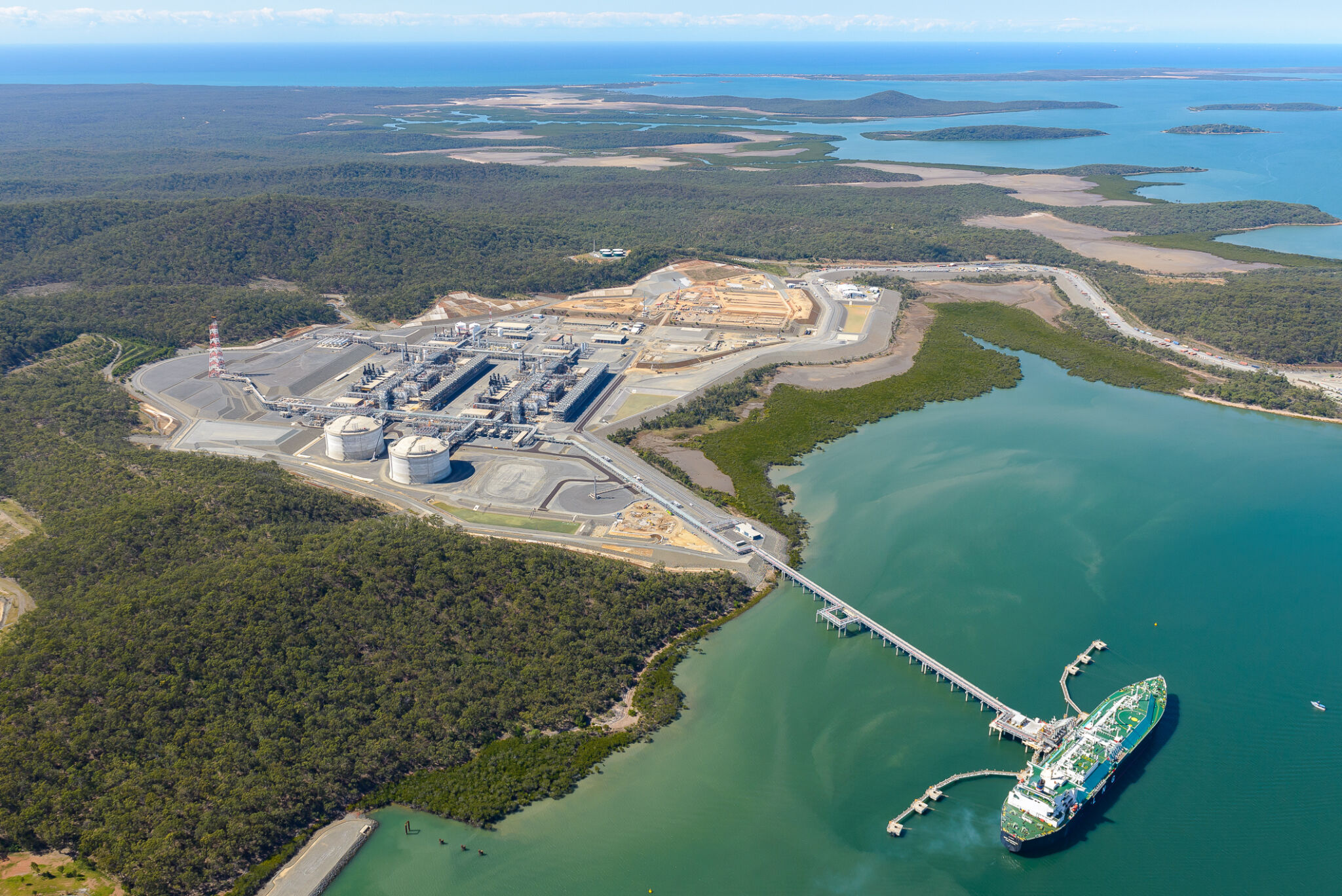
Abu Dhabi National Oil Company, via its XRG investment arm, has launched an A$8.89‑per‑share all‑cash takeover offer worth roughly US$18.7 billion for Santos, Australia’s second‑largest gas producer. The bid has ignited intense scrutiny from Australian regulators concerned about safeguarding domestic gas supply and securing critical infrastructure. Simultaneously, XRG has pledged to accelerate key gas‑project development, a strategy aimed at wining over skeptical authorities and stakeholders.

The takeover offer emerges at a pivotal moment: Santos’ shares closed at A$7.73 following the announcement, indicating investor scepticism over regulatory clearance, even as the A$8.89 bid reflects a healthy 28 per cent premium. Jamie Hannah, deputy head at VanEck Australia, acknowledged that while the path ahead “is not going to be smooth sailing”, the “very attractive” straight‑cash offer underscores its appeal.

Regulatory risk centres on the critical role Santos plays in Australia’s energy system. The firm possesses about 5 per cent of eastern and 24 per cent of western domestic gas market share, essential for supplying both export and local needs. Analysts warn that the Foreign Investment Review Board, charged with vetting significant foreign acquisitions, will scrutinise ADNOC’s control over gas assets, particularly given concerns of an east‑coast gas shortfall projected by 2027.

Yet ADNOC is banking on its deep financial resources to tip the scales. XRG has emphasised it can fast‑track Santos’ stalled projects, such as Narrabri and Beetaloo, pledging to develop them faster and more robustly than Santos’ previous plan to boost shareholder returns. UBS’s Tom Allen highlighted this strength, saying regulators may view ADNOC’s funding as a delivery mechanism for the gas Australia needs.

The layered bid comes from a consortium that includes not only ADNOC’s XRG, but also Abu Dhabi Development Holding Company and private‑equity giant Carlyle, valuing Santos at some US$36.4 billion including debt – making it the largest all‑cash corporate takeover ever in Australia.

Despite such scale, state‑level political concerns are emerging. South Australia’s Premier Peter Malinauskas and Energy Minister Tom Koutsantonis have called for protections on local jobs, licence control, and keeping Santos’s headquarters in Adelaide. Meanwhile, new state legislation adds weight to ministerial approval of petroleum licence transfers, granting South Australia extra leverage in the process.

At the federal level, Treasurer Jim Chalmers holds the ultimate authority. His decision will rely closely on FIRB advice, with insiders describing it as a pivotal “captain’s call” for the Albanese government. The broader Ministry of Energy and Resources, currently reviewing gas supply strategies, may leverage the bid to extract concessions in line with looming energy security needs.

Santos CEO Kevin Gallagher, whose compensation could wind up exceeding A$50 million if the deal proceeds, has maintained discretion, saying he will “let the process take its course”. Gallagher previously brought forward a stalled bid with Woodside, signalling a strategic interest in consolidation.

Market sentiment remains guarded but not dismissive. Santos shares rallied approximately 11 per cent in the wake of the board’s backing of the bid and release of due‑diligence exclusivity. Analysts point to ADNOC’s deep capital reserves and the trade deal with the UAE as factors that may cushion adversities and lend credence to the offer.

One area of uncertainty is the domestic Narrabri gas project in New South Wales: although Novation from the recent Native Title Tribunal clearance supports its long‑anticipated development, ongoing regulatory review and possible asset spin‑offs to comply with FIRB guidelines could delay its final investment decision. Analysts have speculated that domestic‑facing assets might be excluded or managed separately, potentially involving Carlyle as a local partner to satisfy national interest criteria.

This complex engineering of commercial ambition and governmental oversight places energy security at the centre of the acquisition narrative. While ADNOC’s financial might and project‑acceleration promise may reassure regulators, political and community stakeholders are tightening the lens on national asset control, job retention, and supply resilience. The outcome will hinge on whether FIRB, acting on Chalmers’s counsel, accepts the consortium’s assurances — or opts for a compromise that safeguards domestic gas capacity.

Burjeel Holdings PLC has entered into a significant agreement with the Abu Dhabi National Oil Company to operate and manage the newly established Das Hospital on Das Island. This collaboration aims to enhance healthcare services for ADNOC employees and the island’s residents.

The state-of-the-art facility is designed to serve as the primary healthcare and emergency response hub for Das Island. Equipped with advanced infrastructure, it offers round-the-clock care, including outpatient specialties such as general surgery, internal medicine, family medicine, occupational health, ENT, dental, ophthalmology, and dedicated cardiac and pulmonary units. The hospital also features a fully equipped emergency department with a minor operating room, licensed pharmacies, and a dedicated blood bank.

Dr. Ghuwaya Al Neyadi, Senior Vice President of Group Medical & Wellbeing at ADNOC, emphasized the importance of this partnership, stating that the hospital will provide top-tier healthcare and emergency services, reinforcing ADNOC’s commitment to employee wellbeing.

John Sunil, Group CEO of Burjeel Holdings, expressed pride in the collaboration, highlighting the company’s dedication to extending high-quality healthcare to strategic and remote locations. He noted that the initiative reflects Burjeel Holdings’ commitment to clinical excellence, innovation, and agile operations in support of ADNOC’s vision for a safer and healthier future.

The hospital includes 23 inpatient beds across male and female quarantine and critical care units, capable of managing both acute and chronic cases. Advanced diagnostic imaging services, including X-ray, CT scan, and ultrasound, support comprehensive patient care. Additionally, a dedicated physiotherapy and rehabilitation unit, decontamination unit, ambulance bays, and a helipad are integral parts of the facility, ensuring readiness for medical evacuations and emergency responsiveness.

This development builds upon the foundation of the former Das Medical Center, significantly enhancing healthcare provision on the island. With the integration of inpatient facilities, advanced diagnostic capabilities, and surgical services, the new hospital ushers in a new era of comprehensive, high-quality care for the Das community. It will also serve as the first responder for medical emergencies while supporting preventive and rehabilitative care aligned with ADNOC’s occupational health guidelines.

ADNOC Drilling has entered into an agreement to acquire a 70% stake in SLB’s land drilling rigs business in Kuwait and Oman for $112 million. The joint venture encompasses eight fully operational land rigs—two in Kuwait and six in Oman—currently under contract with the respective national oil companies. The transaction, pending customary regulatory approvals, is anticipated to close in the first quarter of 2026. ADNOC Drilling plans […]

Abu Dhabi National Oil Company has entered into framework agreements valued at Dhs6 billion with 12 UAE-based manufacturers to produce critical industrial equipment locally. This initiative, part of the “Make it in the Emirates” programme, aims to enhance the resilience of the nation’s supply chain and create up to 1,300 skilled private-sector jobs.

The agreements focus on the domestic production of cables and pressure vessels, essential components in ADNOC’s operations. By localising the manufacturing of these items, ADNOC seeks to ensure timely availability, reduce dependency on international suppliers, and mitigate global supply chain disruptions.

The signing took place during the “Make it in the Emirates” forum in Abu Dhabi, attended by Dr Sultan Ahmed Al Jaber, Minister of Industry and Advanced Technology and ADNOC’s Managing Director and Group CEO. Dr Al Jaber emphasised the importance of strengthening local manufacturing capabilities to support the UAE’s industrial growth and economic diversification.

This move aligns with ADNOC’s broader strategy to stimulate domestic manufacturing. Previously, the company announced agreements with over 60 companies to locally produce critical non-oil products, aiming to manufacture AED70 billion worth of products in its procurement pipeline by 2027. These efforts are expected to create thousands of job opportunities and enhance the resilience of the local supply chain.

In addition to the current agreements, ADNOC has committed over AED20 billion for the procurement of structures and metal products from national companies. This commitment is part of a broader initiative to stimulate industrial growth and create more private-sector jobs for UAE nationals.

The “Make it in the Emirates” initiative, led by the Ministry of Industry and Advanced Technology, aims to position the UAE as a global hub for advanced industry and innovation. The programme encourages local manufacturing, supports the development of national talent, and promotes sustainable industrial practices.

ADNOC’s investment in local manufacturing is complemented by its focus on sustainability and technological innovation. The company has been leveraging artificial intelligence and advanced technologies to optimise operations and reduce emissions. Facilities like the Habshan 5 gas processing plant and Zirku Island offshore operations have been at the forefront of deploying such technologies, contributing to ADNOC’s goal of becoming a low-carbon energy leader.

ADNOC’s In-Country Value programme incentivises suppliers to adopt clean technologies and establish new manufacturing facilities in the UAE. Since its inception, the ICV programme has driven significant investment back into the UAE economy, supporting the nation’s Net Zero by 2050 Strategic Initiative.

The “Make it in the Emirates” forum serves as a platform for collaboration between government entities, industry leaders, and investors. It showcases the UAE’s commitment to fostering a robust industrial sector, enhancing economic resilience, and achieving sustainable growth.

Artificial Intelligence is expected to contribute around US$320 billion to the Middle East’s Gross Domestic Product (GDP) by 2030, with the Gulf Cooperation Council countries accounting for nearly 80 percent of that impact, translating to approximately US$260 billion, according to a latest report by global accounting firm PriceWaterhouseCoopers (PwC). The Gulf Cooperation Council (GCC) countries—Bahrain, Kuwait, Oman, Qatar, Saudi Arabia, and the United Arab Emirates—are at a […]

The United Arab Emirates has unveiled a Dh40 billion financing initiative aimed at accelerating the growth of its industrial sector over the next five years. Announced by Dr Sultan Al Jaber, Minister of Industry and Advanced Technology, during the Make it in the Emirates forum in Abu Dhabi, the plan seeks to enhance the nation’s manufacturing capabilities and diversify its economy.

The financing will be facilitated through a consortium of major banks, including Emirates Development Bank , First Abu Dhabi Bank, Mashreq, Emirates NBD, Abu Dhabi Commercial Bank, Abu Dhabi Islamic Bank, and Wio Bank. These institutions will offer competitive loans to industrial companies, supporting projects that align with the UAE’s strategic economic objectives.

Dr Al Jaber emphasized the multiplier effect of industrial investments, stating that each investment stimulates growth in related sectors. He highlighted that the initiative is part of the broader Operation 300bn strategy, which aims to increase the industrial sector’s contribution to the UAE’s GDP to Dh300 billion by 2031.

The Make it in the Emirates forum also saw the announcement of additional incentives, including Dh23 billion in guaranteed offtake agreements, bringing the total value of captive procurement opportunities to Dh143 billion. These agreements are designed to encourage local manufacturing of over 2,000 products, with significant procurement commitments from entities like ADNOC and Pure Health.

New industrial projects and investments worth Dh20 billion were unveiled, alongside co-lending financial solutions of Dh1 billion to empower small and medium enterprises . The government also introduced comparative electricity tariffs in the northern Emirates and launched an AI innovation programme providing Dh370 million to targeted technology startups.

Emirates Development Bank has played a pivotal role in supporting the UAE’s industrial sector. Since the launch of its strategy in 2021, EDB’s financing has reached Dh15.7 billion, contributing Dh7.4 billion to the industrial GDP by the end of 2024. The bank has also facilitated Dh50.2 billion in capital expenditure financing, supported Dh15 billion in greenfield projects, and attracted Dh7 billion in foreign direct investment.

In 2024 alone, EDB provided Dh8.7 billion in financing, marking a 222% increase from the previous year. This financing supported the creation of over 14,000 industrial jobs and contributed Dh4.1 billion to the UAE’s industrial GDP. The manufacturing sector received the largest share, with Dh4.23 billion, accounting for 49% of total disbursements.

The bank’s focus on key sectors includes advanced technology, which received Dh3 billion in financing, and renewable energy projects, which secured Dh1.2 billion. Additionally, the food security and healthcare sectors received Dh1.22 billion and Dh1.14 billion, respectively.

EDB’s support for micro, small, and medium enterprises remained a core priority, with total financing reaching Dh3 billion in 2024. This includes Dh758 million through the bank’s Credit Guarantee Scheme in partnership with 11 commercial banks, Dh2.1 billion in direct financing to mSMEs, and Dh107 million to SME-Micro projects.

The bank’s strong financial performance and strategic focus have been recognized by S&P Global, which upgraded EDB’s credit rating to AA, the highest among financial institutions in the UAE and MENA region. This milestone underscores the bank’s robust financial profile and alignment with national development priorities.

Advertisements

Abu Dhabi National Oil Company has granted contracts totaling Dh65.7 billion to nearly 400 local suppliers, contractors, and service providers during the first half of 2025. This extensive award reflects ADNOC’s ongoing commitment to strengthening the United Arab Emirates’ economy through its In-Country Value programme, which aims to bolster domestic industries and national supply chains. The contracts cover a diverse range of sectors vital to ADNOC’s operations, […]

The United Arab Emirates has committed to increasing its energy sector investments in the United States to $440 billion over the next decade, a significant expansion from the current $70 billion. This strategic move was announced by Sultan Al Jaber, chief executive of Abu Dhabi National Oil Company , during a high-profile meeting with US President Donald Trump amid his Gulf tour aimed at fostering major business […]

Arabian Post Staff -Dubai The United States has pledged a $60 billion investment in the United Arab Emirates’ energy sector, as part of a broader $440 billion joint initiative extending through 2035. This commitment was announced during President Donald Trump’s visit to the Gulf, underscoring a significant deepening of economic relations between the two nations. Sultan al-Jaber, chief executive of the Abu Dhabi National Oil Company , […]

Abu Dhabi’s International Holding Company has joined forces with US-based investment giant BlackRock to establish a $1 billion reinsurance platform headquartered in the Abu Dhabi Global Market . The initiative, which also includes Lunate, an Abu Dhabi-based alternative investment manager, aims to underwrite liabilities exceeding $10 billion and is poised to reshape the global reinsurance landscape.

The yet-to-be-named platform will adopt a buy-and-build strategy, focusing on acquiring and developing reinsurance capabilities. BlackRock will contribute its insurance asset management expertise, advisory services, and Aladdin technology platform to the venture. Additionally, BlackRock is expected to make a minority investment commitment upon the finalization of the deal.

Lunate’s participation marks its entry into the reinsurance sector, expanding its investment portfolio beyond its existing $105 billion in assets under management. The firm has been actively investing across various sectors, including energy infrastructure and climate finance, as evidenced by its acquisition of a 40% stake in ADNOC Oil Pipelines and the establishment of the $30 billion ALTÉRRA climate investment vehicle.

The collaboration between IHC, BlackRock, and Lunate underscores Abu Dhabi’s strategic push to position itself as a global hub for financial services and reinsurance. The ADGM’s progressive regulatory framework and its appeal to international financial institutions have made it an attractive destination for such ventures.

This partnership is expected to leverage the strengths of each entity: IHC’s expansive investment portfolio and regional influence, BlackRock’s global asset management capabilities, and Lunate’s innovative investment strategies. Together, they aim to address the growing demand for reinsurance solutions and contribute to the diversification of Abu Dhabi’s financial sector.

Abu Dhabi National Oil Company Group’s six publicly traded subsidiaries have secured shareholder approval to distribute a combined $6.7 billion in dividends for the fiscal year 2024, underscoring their robust financial health and dedication to shareholder value. This substantial payout follows a collective net profit exceeding $9 billion and total revenues of $49.7 billion across the listed entities. ADNOC Gas emerged as the leading contributor, confirming a […]

Abu Dhabi National Oil Company has finalised two significant liquefied natural gas supply agreements with Chinese firms ENN Natural Gas and Zhenhua Oil, underscoring the strengthening energy ties between the United Arab Emirates and China. ENN Natural Gas has entered into a 15-year contract with ADNOC to receive approximately one million metric tonnes of LNG annually. This agreement represents ADNOC’s largest LNG commitment to a Chinese buyer […]

ADNOC Drilling has been awarded a $1.63 billion contract by ADNOC Offshore to deliver Integrated Drilling Services over a five-year period, marking a significant expansion of its offshore operations. The contract encompasses a comprehensive suite of services, including directional drilling, drilling fluids, cementing, wireline logging, and tubular running services. It also entails engineering and technical support for the execution of extended reach and maximum reservoir contact wells […]

Abu Dhabi National Oil Company is evaluating a potential acquisition of Aethon Energy Management’s US-based natural gas assets, a move that could significantly bolster its presence in the North American energy market. The assets under consideration are valued at approximately $9 billion and are primarily located in the Haynesville shale region spanning Louisiana and East Texas.

Aethon Energy Management stands as one of the largest privately held natural gas producers in the United States, with a focus on the Haynesville shale formation. The company has been exploring strategic options, including a potential sale or initial public offering, with valuations reportedly reaching up to $10 billion. Discussions regarding the acquisition are in preliminary stages, and no definitive agreements have been reached.

This potential acquisition aligns with ADNOC’s broader strategy to diversify its energy portfolio and expand its global footprint. The company has been actively investing in gas, chemicals, liquefied natural gas , and renewable energy sectors. Notably, ADNOC has established XRG, an international investment arm with an enterprise value exceeding $80 billion, aimed at capitalizing on the global demand for lower-carbon energy solutions.

ADNOC’s recent investments include a stake in NextDecade’s LNG export project in Texas, accompanied by a 20-year supply agreement. Additionally, the company has acquired a 10% equity stake in the Area 4 concession of Mozambique’s Rovuma basin, enhancing its LNG production capacity. These strategic moves underscore ADNOC’s commitment to becoming a leading player in the global energy transition.

Stock markets across the United Arab Emirates have witnessed notable declines, influenced by escalating global trade tensions and fluctuating oil prices. The Dubai Financial Market and the Abu Dhabi Securities Exchange have both been affected, reflecting broader regional economic concerns.

The DFM’s main index recorded a 3.1% drop, with Dubai Islamic Bank experiencing a 5.7% decline. Similarly, the ADX index fell by 2.6%, influenced by a 5% decrease in ADNOC Gas shares. These downturns align with a broader trend observed across Gulf Cooperation Council markets, as investors react to the intensifying trade disputes between major global economies.

U.S. President Donald Trump’s recent implementation of comprehensive tariffs has heightened fears of a global recession. In retaliation, China announced a 34% tariff on American goods, effective April 10. President Trump stated he would not engage in negotiations with China until the U.S. trade deficit is addressed. These developments have contributed to increased volatility in global markets, with the S&P 500 companies in the U.S. losing $5 trillion in value over two days.

Oil prices, a critical component of Gulf economies, have also been affected. Brent crude prices declined nearly 15% over five days to just over $64 per barrel, marking a 30% decrease from the previous year. This decline is well below the break-even point for many Middle Eastern oil producers, adding to the economic strain in the region.

The Saudi stock market has not been immune to these pressures. The Saudi benchmark index experienced a 6.8% drop, its sharpest fall since May 2020. Major financial institutions like Al Rajhi Bank and Saudi National Bank lost nearly 6%, while oil giant Saudi Aramco fell 5.3%. These declines underscore the pervasive impact of global trade tensions on the region’s financial markets.

Analysts suggest that Gulf nations may need to consider austerity measures and fiscal cutbacks in response to these economic challenges. The increased tariffs and declining oil revenues could compel governments to reassess their spending and economic strategies to navigate the turbulent financial landscape.

The broader implications of these developments are significant. The escalating trade war between the U.S. and China has the potential to disrupt global supply chains, affecting economies worldwide. For the Gulf region, which is heavily reliant on oil exports and international trade, the ramifications could be particularly severe.

European Union antitrust regulators are set to announce by May 12 their decision regarding the Abu Dhabi National Oil Company’s proposed €15.9 billion acquisition of German chemicals manufacturer Covestro. This transaction, initiated in October 2024, represents ADNOC’s most significant foray into the European chemicals sector. The European Commission, responsible for ensuring fair competition within the EU’s 27 member states, faces several options: granting unconditional approval, approving the […]

Greenlogue/AP Abu Dhabi National Oil Company has initiated a tender process for the engineering, procurement, and construction of Project Rabdan, a low-carbon ammonia production facility slated for construction in the Taziz industrial complex. The plant is designed to produce one million tonnes per year of blue ammonia, leveraging natural gas feedstocks while capturing and storing carbon dioxide emissions to reduce its carbon footprint. The EPC tender follows […]

The United Arab Emirates has announced an unprecedented commitment to invest $1.4 trillion in the United States over the next decade, marking a significant deepening of economic ties between the two nations. This ambitious investment framework aims to bolster key sectors of the U.S. economy, including artificial intelligence infrastructure, semiconductors, energy, and manufacturing. The announcement follows a series of high-level meetings in Washington, D.C., where UAE National […]

Abu Dhabi’s renewable energy company, Masdar, is nearing a $200 million agreement to acquire a 49.9% stake in a 450-megawatt solar portfolio managed by Spanish utility Endesa. This strategic move aims to bolster Masdar’s presence in Spain, aligning with its ambition to achieve 100 gigawatts of global renewable energy capacity by 2030. A Masdar spokesperson commented on the company’s expansion goals, stating that they are actively exploring […]

Arabian Post Staff -Dubai President Donald Trump hosted Sheikh Tahnoon bin Zayed Al Nahyan, the United Arab Emirates’ National Security Adviser and Deputy Ruler of Abu Dhabi, at the White House on Tuesday evening. The meeting underscored the enduring ties between the two nations and focused on enhancing cooperation in technology and investment sectors. In a statement following the dinner, President Trump highlighted the significance of the […]

Abu Dhabi National Oil Company is evaluating a potential acquisition of energy assets from Mubadala Investment Company, a sovereign wealth fund, in a transaction that could be valued at approximately $10 billion, according to individuals familiar with the matter.

Discussions between the two entities commenced late last year but have encountered obstacles in recent months due to disagreements over asset valuation. The negotiations have since stalled, with both parties yet to reach a consensus on the terms of the deal.

This prospective acquisition aligns with ADNOC’s strategic objective to expand its global energy portfolio and diversify its operations. The state-owned oil giant has been actively pursuing international investments to strengthen its presence in the global energy market. In February 2025, ADNOC announced plans to transfer stakes in some U.S. assets to its newly established international investment firm, XRG PJSC, as part of a broader initiative to create an $80 billion global venture.

Mubadala Investment Company, established in 2002, manages a diverse portfolio spanning various sectors, including energy, utilities, and real estate. The potential divestment of its energy assets could be part of Mubadala’s strategy to rebalance its investment portfolio and focus on other sectors.

ADNOC’s interest in Mubadala’s energy assets reflects a broader trend among Middle Eastern oil companies to diversify their holdings and invest in downstream and international assets. This strategy aims to mitigate risks associated with fluctuating oil prices and to capitalize on emerging opportunities in the global energy landscape.

The outcome of the negotiations remains uncertain, and it is unclear whether the parties will resume discussions to finalize the deal. Both ADNOC and Mubadala have declined to comment on the ongoing negotiations.

In a related development, ADNOC has been considering an international listing for its newly established investment arm, XRG. Initial discussions suggest that a minority stake could be listed in approximately five years, with guidance from Bank of America. This move aligns with ADNOC’s strategy to diversify its revenue streams and strengthen its global investment mandate.

ADNOC has been actively pursuing international acquisitions to bolster its global presence. In March 2024, the company, in collaboration with Austrian energy producer OMV AG, planned to acquire Canada’s Nova Chemicals Corp. This acquisition was part of efforts to form a major global chemical company, reflecting ADNOC’s commitment to expanding its footprint in the global energy and chemicals sectors.

The potential acquisition of Mubadala’s energy assets underscores ADNOC’s strategic intent to diversify its portfolio and enhance its position in the global energy market. As the energy landscape continues to evolve, such strategic moves are indicative of the company’s efforts to adapt and thrive in a dynamic environment.

The global energy sector has been witnessing significant shifts, with companies seeking to diversify their portfolios and invest in sustainable energy solutions. ADNOC’s recent activities, including the establishment of XRG and the pursuit of international acquisitions, highlight its commitment to aligning with global energy trends and securing its position as a leading energy provider.

AIQ, a subsidiary of Presight, has secured a $340 million contract from Abu Dhabi National Oil Company to deploy its ENERGYai platform and associated artificial intelligence solutions across ADNOC’s upstream operations. This three-year agreement marks a significant advancement in integrating AI within the energy sector, aiming to enhance efficiency and operational performance. The contract follows the successful completion of a proof-of-concept phase, during which ENERGYai demonstrated its […]

Abu Dhabi National Oil Company is exploring the possibility of listing its international investment subsidiary, XRG, on a stock exchange outside the United Arab Emirates. This strategic move could position XRG among the world’s largest publicly traded energy entities.

According to individuals familiar with the matter, discussions are in the preliminary stages, with Bank of America providing strategic guidance. The potential public offering would involve a minority stake and is anticipated to occur within the next five years. Prior to any listing, ADNOC must appoint a Chief Executive Officer for XRG and transfer relevant assets to the subsidiary.

Established in late 2024, XRG serves as ADNOC’s vehicle for expanding into lower-carbon energy, natural gas, and chemicals sectors. The subsidiary’s formation aligns with ADNOC’s broader strategy to diversify its portfolio beyond traditional oil revenues, reflecting a global industry trend towards sustainable and diversified energy solutions.

Potential venues for the listing include major international exchanges such as London and New York. Each offers distinct advantages, with London providing a robust investor base for energy companies and New York offering unparalleled liquidity and global visibility. The final decision will hinge on various factors, including valuation prospects and strategic alignment with XRG’s growth objectives.

With an estimated valuation exceeding $80 billion, XRG’s public debut would mark a significant milestone in the energy sector. For context, Saudi Aramco’s initial public offering in 2019 raised $25.6 billion, underscoring the scale of XRG’s potential market entry.

ADNOC’s recent activities underscore its commitment to global expansion and diversification. The company has been actively involved in international deals, including mergers and acquisitions in petrochemicals, chemicals, liquefied natural gas , and hydrogen projects. Notably, ADNOC has transferred its U.S. investments, such as stakes in an ExxonMobil hydrogen plant and NextDecade’s LNG export facility in Texas, to XRG. This move signifies ADNOC’s intent to consolidate its international ventures under the XRG umbrella, streamlining operations and enhancing strategic focus.

VISHNU RAJA
RYO YAMADA
HITORI GOTOH
IKUYO KITA
Just in:
Xi Jinping Preparing For A Trilateral Summit With Trump And Putin At APEC Summit On Nov 18-19 // Millions Of Indians May Soon Be Deprived Of Government Assistance // Geely’s i-HEV Intelligent Hybrid Technology Offers a New Direction Vision for Gasoline-Powered Vehicles // Elephant calf on death line airlifted for treatment in Gujarat // Geely’s i-HEV Intelligent Hybrid Technology Offers a New Direction for Gasoline-Powered Vehicles // Battle Uttar Pradesh Will Be Tougher For Yogi Than Expected // e-Crime Bureau Signs Cybersecurity Partnership With Smart Africa, Reinforcing Its Global Expansion // Trump’s Iran War Has A Share Of Contribution To His Midterm Debacle // Excise chief shunted out in bar licence dispute // Ningbo Consensus on Collaborative Development released at 2026 Global Mayors Dialogue · Ningbo // Microfinance case trouble for Vellappally // Oil advances towards $100 as tanker attacks persist // CR Longdation Aethereal Cybersecurity × Global Cybersecurity Alliance (GCSA) Join Hands to Establish the “AI and Cybersecurity Research Centre” // Motorola introduces Signature 27 flagship priced at $1,599 // UK air traffic outage inflicted £33m financial losses // The “1st Greater Bay Area Health and Longevity Summit & Awards Ceremony” concludes successfully in Macao // OpenAI abandons secrecy agreements for future data centres // Emaar approves Development buyout ahead of planned delisting // TVM –Mangaluru Vande Bharat claims top spot // Dubai details five-year visa benefits for returning visitors //