Just in:
HC nullifies assets FIR against minister // Anthropic’s debut is lifting markets, but someone is still paying for it // Alibaba shares slip despite 53% cloud revenue growth // Sui activates Hashi Bitcoin lending across partner network // Workday targets Honeydew purchase to unify AI metrics // Dalilk Academy reaches 27 million, targets 100 million by 2030 // PicCollage extends photo editing platform to web browsers // NASA tests supersonic Mars rotors for heavier payloads // Thailand’s Most Iconic New Year’s Celebration Returns: ICONSIAM Unveils “Amazing Thailand Countdown 2027” // Promoting Common Human Development Through Exchanges and Mutual Learning Among Civilizations // International Business Leaders Say Xi’s Speech Boosts Confidence in Asia-Pacific Cooperation // AXS and PayerMax Advance Omnichannel Payment Acceptance for Merchants // Yeebo Announces Interim Results for FY26/27 Revenue Increases by 45.5% to HK$806.7 Million Profit Attributable to Owners Surges 87.6% to HK$2,284.7 Million // Jaiedco and Golden Bridge Announce Strategic Collaboration for a New Dubai Islands Development // Russia permits retail cryptocurrency purchases under regulated framework // Dar Global unveils $700m Trump development in Qatar // Anthropic shares finish above offer price after Nasdaq debut // Phancy Announces Business Performance for the Nine Months Ended September 30, 2026 // Women held for plot to rob pilgrims // Hackers exploit public notes to distribute NodeLinkRAT malware //

News related to
Agency

Global financial markets reeled on Monday following Moody’s Investors Service’s decision to downgrade the United States’ sovereign credit rating from Aaa to Aa1. The move, citing escalating fiscal deficits and a ballooning national debt, has intensified scrutiny over Washington’s economic policies and triggered a wave of investor unease.

The downgrade has led to a sharp rise in U.S. Treasury yields, with the 30-year bond yield climbing to 5.03%, its highest level since November 2023. The 10-year yield also surged to 4.55%, reflecting growing apprehension about the sustainability of U.S. fiscal policy. Concurrently, the U.S. dollar weakened against major currencies, while global equity markets experienced significant declines.

Moody’s action follows the narrow approval of President Donald Trump’s $3.8 trillion tax-cut package by the House Budget Committee. The legislation, which aims to extend the 2017 tax cuts and introduce new reductions on tips and overtime income, is projected to add between $3 trillion and $5 trillion to the national debt over the next decade. Analysts warn that such measures could exacerbate fiscal imbalances and undermine investor confidence.

European markets responded negatively, with the pan-European STOXX 600 index falling by 0.7%, ending a five-week winning streak. Luxury stocks, heavily reliant on Chinese demand, were particularly affected due to disappointing retail sales data from China. In the UK, the FTSE 100 index dropped by 0.8%, while the midcap FTSE 250 fell by 1.3%, influenced by the U.S. credit downgrade and anticipation surrounding a UK-EU summit.

Asian markets mirrored this trend, with key indices declining amid concerns over the U.S. fiscal outlook. The downgrade has also stalled the recent Wall Street rally, with futures dipping and the dollar weakening. Investors are increasingly wary of the U.S.’s rising debt burden and the potential implications for global financial stability.

The concept of “bond vigilantes”—investors who sell off government bonds in response to fiscal irresponsibility—has resurfaced. Analysts caution that if yields continue to rise, it could lead to instability in both bond and stock markets, potentially forcing the Federal Reserve to intervene. Some foresee a scenario where yields could exceed 6%, posing significant risks to economic growth.

Moody’s downgrade aligns the U.S. with other major economies that have lost their triple-A ratings, such as the UK and France. The agency projects that the U.S. debt-to-GDP ratio could reach 134% by 2035, up from 98% last year. The federal deficit, currently at 6.4% of GDP, is expected to rise to 9% by 2035, driven by increased interest payments and entitlement spending.

Despite these warnings, Treasury Secretary Scott Bessent dismissed the downgrade, asserting that the tax cuts would spur economic growth sufficient to offset the increased debt. However, nonpartisan analysts and some lawmakers express skepticism, highlighting the lack of substantial spending cuts or new revenue measures to balance the budget.

The political landscape remains divided, with hardline Republicans advocating for deeper cuts to programs like Medicaid and the repeal of green tax credits. Moderate Republicans and some senators oppose such measures, citing potential harm to vulnerable populations and the broader economy. The proposed cuts could result in 8.6 million people losing Medicaid coverage, raising concerns about the social impact of fiscal austerity.
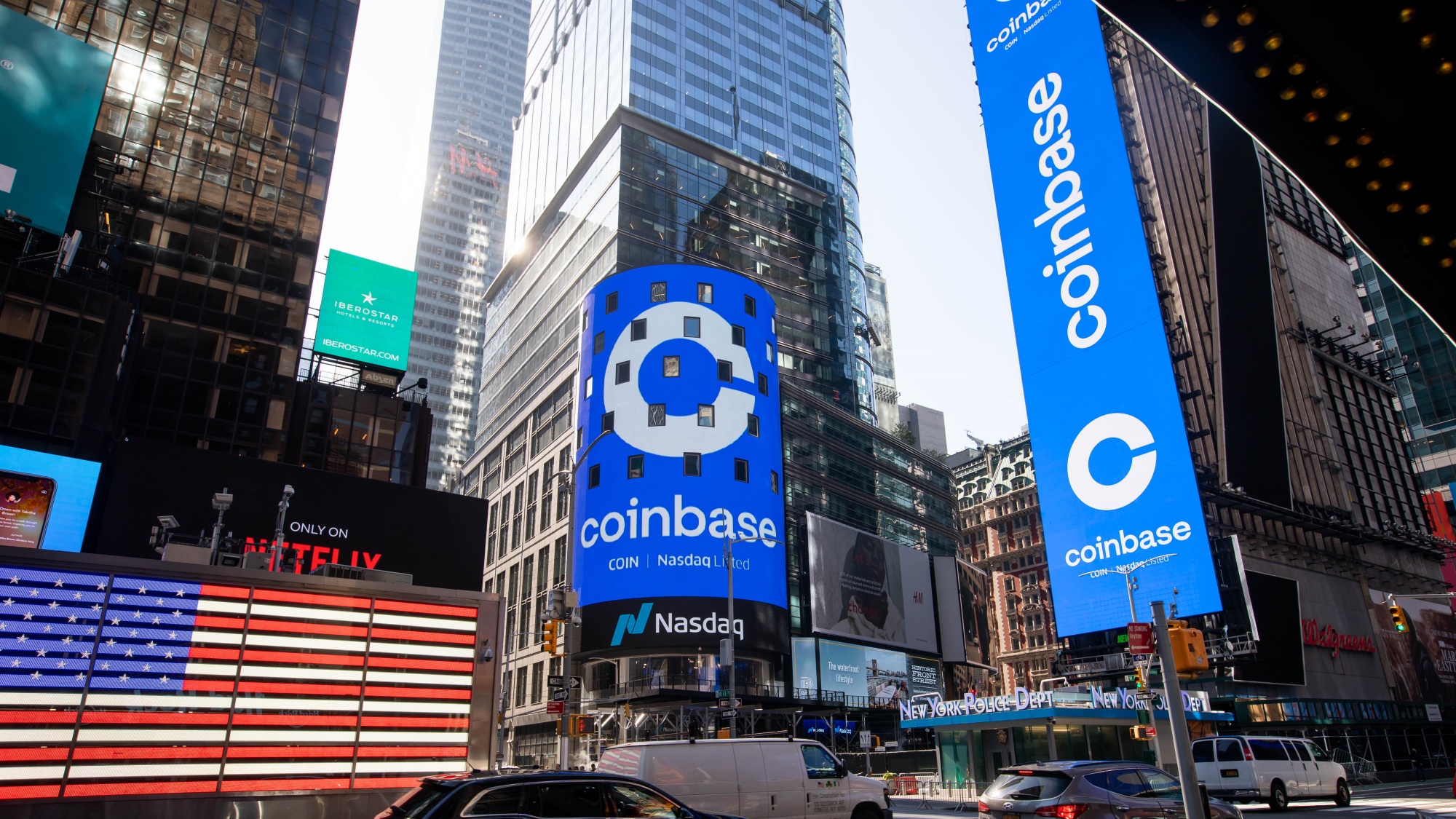
The U.S. Securities and Exchange Commission is intensifying its investigation into Coinbase Global Inc., focusing on whether the cryptocurrency exchange misrepresented user metrics in its disclosures surrounding its 2021 initial public offering . Central to the inquiry is the “verified users” metric, a figure that has drawn scrutiny for potentially overstating the platform’s active user base.

The SEC’s probe, initiated during the Biden administration and continuing under the current leadership, seeks to determine if Coinbase’s reported user numbers provided a misleading picture to investors. The agency is examining the methodology behind the “verified users” count and its correlation to actual platform engagement and revenue generation.

Coinbase defines “verified users” as individuals or entities that have registered on the platform and confirmed their email address or phone number. However, this metric does not necessarily indicate active trading or revenue-contributing activity. In a 2022 filing, Coinbase acknowledged that the “verified users” figure might overstate the number of unique customers, as individuals could register multiple accounts using different credentials.

Further complicating matters, Coinbase announced in early 2023 that it would cease reporting the “verified users” metric, citing its limited relevance to business performance. The company stated that the metric did not effectively track user activities leading to revenue generation and, therefore, was not indicative of overall performance.

The SEC’s investigation also encompasses a broader examination of Coinbase’s compliance with securities laws. In June 2023, the agency filed a lawsuit alleging that Coinbase operated as an unregistered broker, exchange, and clearing agency. The lawsuit contends that Coinbase facilitated trading of at least 13 crypto assets deemed securities, which should have been registered with the SEC prior to their issuance.

Coinbase has consistently denied these allegations, asserting that it does not list securities and that its operations are compliant with existing regulations. The company has also accused the SEC of failing to provide clear regulatory guidance for the cryptocurrency industry, leading to a lack of clarity and inconsistent enforcement actions.

Franklin Templeton has secured regulatory approval from the Monetary Authority of Singapore to launch the Franklin OnChain U.S. Dollar Short-Term Money Market Fund, marking the first tokenised fund accessible to retail investors in Singapore. The fund requires a minimum investment of US$20, aiming to democratise access to money market instruments through blockchain technology.

The fund is structured under the Franklin Templeton Investments Variable Capital Company and will be managed by Templeton Asset Management Ltd, with Franklin Advisers Inc serving as the sub-manager. It seeks to provide investors with exposure to a portfolio of high-quality, short-term securities, including transferable securities and money market instruments of governments, as well as eligible securities of companies worldwide, primarily denominated in or hedged to the U.S. dollar.

Shares of the fund will be issued and managed through Franklin Templeton’s proprietary blockchain-integrated transfer agency platform. This approach is designed to enhance transparency, security, and efficiency in asset management by leveraging blockchain technology to record transactions and share ownership.

The launch of this tokenised fund aligns with Singapore’s broader efforts to position itself as a hub for digital asset innovation. Franklin Templeton’s participation in Project Guardian, an initiative by MAS to explore the potential of decentralised finance and asset tokenisation, underscores its commitment to advancing financial technology in the region.

The fund mirrors the investment strategy of Franklin Templeton’s existing U.S. Dollar Short-Term Money Market Fund, which manages approximately US$1.7 billion in assets. By offering a tokenised version of this fund, Franklin Templeton aims to provide retail investors in Singapore with a familiar investment product enhanced by the benefits of blockchain technology.

Shares of eToro surged 29% to close at $67 on its first day of trading on the Nasdaq, valuing the Israeli trading platform at approximately $5.4 billion. The company raised nearly $620 million by selling 11.9 million shares at $52 each, exceeding its initial target of 10 million shares priced between $46 and $50.

This strong market entry reflects renewed investor optimism amid a broader rebound in the IPO market. BlackRock played a pivotal role as a cornerstone investor, expressing interest in purchasing up to $100 million in shares. Other firms like Robinhood, Chime, Figma, Aspen Insurance, and American Integrity Insurance have also entered or planned to enter the IPO market, signaling a revived appetite for public listings.

Founded in 2007 by Yoni Assia and his brother, eToro focuses on mobile stock and crypto trading, boasting 40 million users across 75 countries. In 2024, eToro reported a significant leap in net income to $192.4 million from $15.26 million in 2023, with revenues also climbing from $3.43 billion to $12.64 billion. Assia highlighted the importance of profitability and user engagement, particularly during market volatility, in driving the company’s success.

The company’s U.S. operations, however, are currently limited to trading in Bitcoin, Ethereum, and Bitcoin Cash due to a settlement with the Securities and Exchange Commission . In September 2024, eToro agreed to pay a $1.5 million fine to settle charges that it operated as an unregistered broker and clearing agency. As part of the settlement, eToro restricted its U.S. crypto offerings to the three aforementioned cryptocurrencies and provided users with a 180-day period to liquidate or transfer other crypto assets.

Despite these limitations, eToro’s global operations remain robust, with the company offering over 100 crypto assets to users outside the U.S. The platform’s unique social trading features, which allow users to share strategies and mimic top investors, have contributed to its popularity, with over half of its funded accounts engaging socially on the platform in 2023.

U.S. President Donald Trump has announced plans to lift longstanding U.S. sanctions on Syria, in place since 1979 and intensified during the Syrian Civil War. During his Middle East tour, Trump revealed the decision at the U.S.-Saudi Investment Forum, describing the sanctions as historically significant yet now detrimental. The sanctions had frozen Syrian assets, banned petroleum imports, and isolated the country from the global economy. Critics highlight […]

Ripple Labs has reached a landmark settlement with the U.S. Securities and Exchange Commission , concluding a protracted legal battle that has significantly influenced the cryptocurrency sector. The agreement entails Ripple paying a reduced fine of $50 million, down from the initially imposed $125 million, without admitting any wrongdoing. This settlement, pending approval from the SEC and the presiding judge, marks a pivotal moment in the ongoing discourse surrounding digital asset regulation.

The SEC’s lawsuit, initiated in December 2020, accused Ripple of raising over $1.3 billion through unregistered securities offerings by selling its XRP token. A critical development occurred in July 2023 when U.S. District Judge Analisa Torres ruled that while XRP sales to institutional investors violated securities laws, XRP sales on public exchanges did not constitute securities transactions. This nuanced decision provided a partial victory for Ripple and set a precedent for how digital assets might be classified in the future.

The resolution of this case has had immediate market implications. XRP’s price surged by approximately 14%, reaching highs of $2.59, reflecting renewed investor confidence. The token’s market capitalization also saw a significant increase, positioning XRP as the third-largest cryptocurrency by market value. This market response underscores the broader industry’s anticipation for regulatory clarity and the potential for increased institutional adoption.

The settlement aligns with a broader shift in the SEC’s approach to cryptocurrency regulation under the current administration. The agency has recently dropped several high-profile cases against major crypto exchanges, signaling a move towards a more collaborative regulatory framework. President Donald Trump’s administration has expressed support for the crypto industry, with initiatives such as the establishment of a government crypto reserve that includes XRP and the nomination of Paul Atkins, known for his pro-crypto stance, to chair the SEC.

Ripple’s legal victory also opens the door for potential advancements in the cryptocurrency market infrastructure. Analysts suggest that the favorable outcome could pave the way for the approval of an XRP-based exchange-traded fund , further legitimizing the asset class and providing investors with more accessible investment vehicles. Additionally, the classification of XRP as a commodity rather than a security could lead to less stringent oversight and encourage broader adoption.

Opec+ has made significant moves in recent months, shifting from a neutral to a more aggressive stance. After a period of gradual production increases, the group, led by Saudi Arabia, has opted for a sharp rise in output, signalling a strategic push to regain market share. However, with key members such as Iraq and Kazakhstan failing to meet targets, the question remains: who will bear the brunt […]

Advertisements

Salik, Dubai’s exclusive toll gate operator, has entered into a strategic partnership with ENOC Group to enable seamless, contactless payments at fuel stations across the emirate. The agreement, formalised through a memorandum of understanding signed at ENOC’s headquarters, will allow motorists to pay for fuel and services using Salik’s e-wallet, with charges automatically deducted via automatic number plate recognition technology.

The collaboration marks a significant step in both companies’ digital transformation strategies. Salik’s CEO, Ibrahim Sultan Al Haddad, emphasised that the initiative reinforces the company’s commitment to delivering advanced technologies that simplify transactions and improve operational efficiency. ENOC’s Group CEO, Saif Humaid Al Falasi, highlighted that the partnership enhances the customer journey and opens new avenues to add value and strengthen ENOC’s market position.

The MoU outlines joint technical integration efforts, a phased introduction of the new payment system across ENOC outlets, and upcoming co-branded marketing campaigns to increase public awareness. The two entities are also considering a broader strategic alliance.

This development follows Salik’s implementation of a variable toll pricing system across all Salik gates, effective from January 31, 2025. The new system offers different rates for peak and off-peak hours, aiming to ease congestion and improve traffic flow during peak times.

The integration of Salik’s e-wallet with ENOC’s fuel stations is part of a broader push towards customer-focused mobility solutions. By offering simple and secure ways to pay, the partnership aims to make everyday life in Dubai more convenient.

The new payment system will utilise ANPR technology, already deployed by Salik at over 25 parking locations and soon expanding to 127 locations, to offer contactless payments at ENOC’s retail and service network. This technology allows for automatic deduction of transaction values through vehicle number plate recognition, eliminating the need for cash or card payments.

Both companies are exploring further collaboration to extend these services across ENOC’s full network, reinforcing Dubai’s broader vision of a connected, smart economy. The partnership is expected to support Salik’s goal to grow ancillary revenue streams and expand its role in Dubai’s smart mobility infrastructure.

The agreement also includes joint marketing efforts, plans for phased technical integration, and potential for a deeper strategic partnership. ENOC, meanwhile, said the collaboration reflects its commitment to enhancing customer experience and exploring new digital revenue channels.

The partnership leverages automatic number plate recognition technology, already deployed by Salik at over 25 parking locations and soon expanding to 127 locations, to offer contactless payments at ENOC’s retail and service network. It marks a significant step in both companies’ digital transformation strategies.

Salik said the agreement supports its goal to grow ancillary revenue streams and expand its role in Dubai’s smart mobility infrastructure. ENOC, meanwhile, said the collaboration reflects its commitment to enhancing customer experience and exploring new digital revenue channels.

The new system will allow customers to pay for fuel and services without physical interaction, with charges automatically deducted from their Salik accounts based on vehicle number plates. This move is part of a larger plan by both companies to go digital and make things easier for customers. It will help save time, reduce the need for cash or card payments, and improve the overall experience for drivers.

The agreement was formalised at ENOC’s headquarters in Dubai, with Salik CEO Ibrahim Sultan Al Haddad and ENOC Retail Managing Director Zaid Alqufaidi signing on behalf of their respective organisations. The partnership is expected to support Salik’s goal to grow ancillary revenue streams and expand its role in Dubai’s smart mobility infrastructure.

ENOC, meanwhile, said the collaboration reflects its commitment to enhancing customer experience and exploring new digital revenue channels. The agreement also includes joint marketing efforts, plans for phased technical integration, and potential for a deeper strategic partnership.

Both companies are exploring further collaboration to extend these services across ENOC’s full network, reinforcing Dubai’s broader vision of a connected, smart economy. The partnership is expected to support Salik’s goal to grow ancillary revenue streams and expand its role in Dubai’s smart mobility infrastructure.

HONG KONG SAR – Media OutReach Newswire – 7 May 2025 – Blue Cross (Asia-Pacific) Insurance Limited (“Blue Cross”) reported outstanding performance in the 2024 provisional statistics for Hong Kong general insurance business released by the Insurance Authority: Blue Cross achieved a 22.1% year-on-year growth in gross written premiums, significantly outpacing the market average of 6.3%1. Blue Cross’s overall market share has also increased. Non-medical business experienced […]

Greenlogue/AP Iraq’s Ministry of Electricity is intensifying efforts to bolster its renewable energy capacity, engaging in virtual discussions with officials from the UAE’s Masdar to expedite the development of solar power projects totaling 1,000 megawatts across the provinces of Maysan, Dhi Qar, and Anbar. The meeting, led by Electricity Minister Ziyad Ali Fadel, focused on finalising power purchase agreements and addressing implementation challenges, according to a statement […]

UAE Cybersecurity Powerhouse CPX Appoints Tenet as Digital Growth Partner to Accelerate Regional and Global Expansion Award-winning UI/UX and growth marketing agency Tenet (We are Tenet) selected to spearhead CPX’s digital transformation efforts and accelerate global market expansion following strategic G42 acquisition. Abu Dhabi, UAE – May 5, 2025 – Tenet (We are Tenet), a globally recognized growth marketing and UI/UX design agency, today announced its appointment […]

United Airlines has cut 35 daily flights at Newark Liberty International Airport, citing a critical shortage of air traffic controllers and repeated failures in the Federal Aviation Administration’s infrastructure. The move, which affects approximately 10% of United’s domestic round-trip operations at the airport, follows days of severe delays, cancellations, and diversions that have rippled across the national aviation network. Chief Executive Scott Kirby described the situation as […]

As Dubai continues to expand its real estate offering, a noticeable shift is underway in how residential developments are being conceptualized and delivered. Traditional high-rise towers, long considered the hallmark of urban prestige in Dubai, are increasingly being complemented — and in some cases, replaced — by boutique-scale, low-rise residential buildings designed for privacy, walkability, and long-term lifestyle value. At the center of this movement is Dubai […]

The U.S. Securities and Exchange Commission has concluded its investigation into PayPal’s U.S. dollar-backed stablecoin, PYUSD, without pursuing any enforcement action, according to the company’s regulatory filing dated April 29. This development removes a significant regulatory hurdle for PayPal’s digital asset initiative.

The SEC’s inquiry began in November 2023 when PayPal received a subpoena from the Division of Enforcement, requesting documents related to the launch and structure of PYUSD. PayPal stated that it fully cooperated with the SEC’s requests. In February, the SEC notified PayPal that it had concluded its investigation and did not intend to recommend any enforcement action. Investigation With No Enforcement Action, The SEC drops investigation into PayPal’s stablecoin – Mitrade)

PYUSD, launched in August 2023, is designed to be fully backed by U.S. dollar deposits, including short-term Treasuries and cash equivalents, and is redeemable at a 1:1 ratio with the U.S. dollar. Despite its backing and PayPal’s prominent position in the digital payments space, PYUSD has faced challenges in gaining significant market share in a stablecoin market dominated by competitors like Tether and Circle. Investigation With No Enforcement Action, PayPal Says SEC Drops Probe Into Its Dollar-Pegged Stablecoin)

As of April 2025, PYUSD’s market capitalization stands at approximately $880 million, representing less than 1% of Tether’s $148.5 billion market cap. However, the stablecoin has experienced growth in 2025, with a 75% increase in circulating supply since the beginning of the year, although it remains 14% below its peak supply of just over $1 billion in August 2024.

PayPal has introduced initiatives aimed at bolstering PYUSD’s adoption. On April 23, the company announced a new loyalty offering that allows U.S. users to earn 3.7% annually for holding PYUSD on the platform. Additionally, on April 24, PayPal revealed a partnership with Coinbase to enhance the adoption of PYUSD, aiming to drive new and innovative use cases within the cryptocurrency community.

The SEC’s decision to close the investigation into PYUSD without enforcement action aligns with a broader trend of the agency concluding several crypto-related cases. In recent months, the SEC has ended probes into companies such as Crypto.com, Robinhood Crypto, Coinbase, and Gemini, indicating a potential shift in the regulatory approach towards the cryptocurrency industry. Investigation With No Enforcement Action)

This regulatory clarity comes as PayPal reported strong first-quarter earnings, with earnings per share surpassing Wall Street forecasts at $1.33 and revenue rising 1% year-over-year to $7.8 billion. The company also highlighted the completion of significant share repurchase activities during the quarter. Investigation With No Enforcement Action)

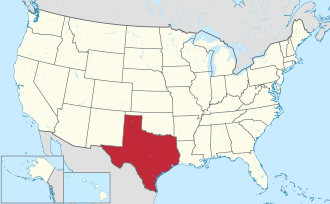
A federal judge in Texas has ruled that the U.S. Treasury Department’s Office of Foreign Assets Control acted beyond its legal authority when it sanctioned the cryptocurrency mixer Tornado Cash, permanently barring the agency from reimposing such sanctions.

Judge Robert Pitman of the U.S. District Court for the Western District of Texas issued the decision on April 28, stating that OFAC’s designation of Tornado Cash’s smart contracts in August 2022 exceeded the agency’s statutory powers. The court’s ruling follows OFAC’s earlier action on March 21, 2025, when it officially removed Tornado Cash from its Specially Designated Nationals and Blocked Persons List, effectively lifting the sanctions.

The sanctions had been imposed on Tornado Cash for allegedly facilitating the laundering of over $7 billion in virtual currencies, including funds stolen by North Korea’s Lazarus Group. However, the court found that OFAC’s action against the platform’s autonomous smart contracts was not supported by the International Emergency Economic Powers Act , which governs the agency’s sanctioning authority.

In November 2024, the U.S. Court of Appeals for the Fifth Circuit had already determined that OFAC had overstepped its authority by sanctioning Tornado Cash’s immutable smart contracts, which do not qualify as “property” under federal law. This appellate decision laid the groundwork for the Texas district court’s subsequent ruling, which emphasized that OFAC cannot reimpose sanctions on Tornado Cash in the future.

Despite the lifting of sanctions, the legal challenges for Tornado Cash’s developers persist. Roman Storm and Roman Semenov, co-founders of the platform, were indicted in August 2023 by the U.S. Department of Justice on charges including conspiracy to commit money laundering, conspiracy to operate an unlicensed money transmitting business, and conspiracy to violate the IEEPA. The DOJ alleges that Tornado Cash was used to launder more than $1 billion in criminal proceeds, including hundreds of millions of dollars for the Lazarus Group.

Roman Storm was arrested in Washington State and is currently awaiting trial, scheduled for July 2025. Roman Semenov remains at large and has been added to OFAC’s sanctions list. Additionally, Alexey Pertsev, another developer associated with Tornado Cash, was arrested in the Netherlands in August 2022 and was sentenced in May 2024 to five years and four months in prison for money laundering.

The court’s decision has significant implications for the regulation of decentralized technologies. By ruling that OFAC cannot sanction autonomous smart contracts, the judgment underscores the challenges regulators face in applying traditional legal frameworks to decentralized platforms that operate without centralized control.

Iran is offering its sanctioned economy as an investment opportunity to the United States, presenting an unconventional proposition amid ongoing negotiations over its nuclear programme. With diplomatic discussions showing momentum, Iranian officials are openly pitching economic engagement with Washington as a path toward a more durable and beneficial agreement, marking a shift not seen in decades. Talks have gained ground as both sides weigh the possibility of […]

Loan Assets Reach a Record High of HK$3.13 billion Customer Deposits Have Significant Growth of 74% Net Interest Income Surged 70% to over HK$130 million In 2024, PAObank achieved outstanding performance across key operational indicators, with net interest income increasing significantly by 70% year-on-year to over HK$130 million. Dedicated to empowering SMEs, PAObank remains committed to supporting their upgrade and transformation. In 2024, total loans and advances […]

A strong surge in Dubai’s vehicle rental sector has been recorded in 2024, with the Roads and Transport Authority reporting a 43 per cent increase in newly registered commercial vehicles compared to 2023. The authority also noted a substantial 33 per cent rise in the number of newly licensed rental companies, highlighting the emirate’s strengthening position as a regional transport and logistics hub.

The RTA’s Licensing Agency confirmed that 867 new rental companies were registered, bringing the total to 3,494 companies operating across the city, up from 2,627 the previous year. The commercial rental fleet grew markedly, reaching 71,040 vehicles compared to 49,725 in 2023, underscoring a clear trend of expansion in Dubai’s transport and mobility sectors.

Ahmed Mahboob, CEO of the Licensing Agency at RTA, attributed the growth to Dubai’s continued focus on facilitating business-friendly conditions and enhancing transport infrastructure. “The increase in the number of newly registered vehicles and companies operating in the commercial transport sector demonstrates Dubai’s competitiveness and appeal in attracting businesses to this sector. It also underscores the emirate’s commitment to accelerating economic growth and fulfilling its overarching development vision,” Mahboob stated.

Industry observers point out that Dubai’s strategic location, ambitious economic diversification initiatives, and robust regulatory framework are critical factors behind the expanding rental market. The city’s focus on preparing for major upcoming global events, such as COP28 and other international conferences, has also fuelled demand for flexible mobility solutions. Analysts further emphasise that the transport sector’s upswing aligns with Dubai’s broader ambitions under its D33 Economic Agenda, aimed at doubling the size of its economy over the next decade.

Market players in the rental industry are experiencing heightened demand from sectors such as tourism, logistics, real estate, and technology. The influx of expatriates, professionals, and digital nomads has significantly contributed to the appetite for short- and medium-term vehicle rentals. According to the Dubai Department of Economy and Tourism, the emirate welcomed 17.15 million international overnight visitors in 2023, a number expected to rise in 2024, thereby strengthening mobility requirements across the board.

The preference for rental vehicles over private ownership is also being driven by lifestyle shifts, with a growing emphasis on convenience, flexibility, and cost-effectiveness. According to a recent mobility survey conducted by consultancy firm Arthur D. Little, nearly 35 per cent of respondents in the UAE indicated a preference for rental or subscription-based vehicle services, suggesting a broader behavioural transformation underway in the transportation domain.

Commercial fleet operators have seized the opportunity by expanding their offerings beyond conventional vehicles to include electric vehicles , luxury cars, and specialised logistics transporters. Several leading rental companies have announced plans to increase their EV fleet components, aligning with the Dubai Green Mobility Strategy 2030, which targets a 30 per cent electrification rate across public and private fleets.

The supportive regulatory environment has played a pivotal role in boosting confidence among rental businesses. Dubai’s Licensing Agency has streamlined procedures for company registration and vehicle licensing, introduced digital platforms for permit applications, and incentivised fleet modernisation programmes. The introduction of smart traffic management systems and expansion of dedicated transport zones have further enhanced operational efficiency for rental operators.

Challenges remain, however, particularly concerning market saturation and competitive pricing pressures. As more companies enter the sector, maintaining profitability while ensuring high service standards has become a balancing act for operators. Experts warn that without continuous innovation, quality assurance, and diversification into niche services, some smaller players may struggle to sustain operations over the long term.

On the technological front, rental companies are investing heavily in digital transformation initiatives. Mobile booking apps, AI-powered fleet management systems, and customer service chatbots are becoming standard across the sector. Industry executives acknowledge that tech-driven operational efficiencies are crucial to managing costs, enhancing customer satisfaction, and scaling up rapidly to meet growing demand.

The integration of mobility-as-a-service platforms is emerging as a key trend, with rental companies partnering with public transport providers and ride-sharing apps to offer seamless transport solutions. This model aims to cater to a diverse customer base seeking unified, flexible options that combine private rentals with metro, tram, and bus networks. Such integration aligns with Dubai’s broader Smart City ambitions and Vision 2021 goals for sustainable urban mobility.

Economic analysts at Emirates NBD note that the transport and storage sector in Dubai grew by 11.5 per cent in 2023, reflecting the importance of mobility services to the emirate’s GDP. With new infrastructure projects, including expansion of Al Maktoum International Airport and investments in Dubai South, the momentum is expected to continue, providing further impetus to ancillary industries like vehicle rentals.

The city’s drive towards autonomous vehicle deployment and smart transport ecosystems is encouraging rental companies to prepare for future demand shifts. Partnerships between Dubai’s government agencies and global automotive technology firms signal a readiness to embrace disruptive mobility solutions. Rental companies that can adapt to these technological shifts are likely to be better positioned for long-term success.

The demographic dynamics of Dubai also contribute significantly to the expanding rental landscape. A youthful, tech-savvy population with a preference for service-oriented consumption models tends to favour rental and subscription services over traditional ownership. Additionally, Dubai’s tax-free environment, high disposable incomes, and strong entrepreneurial culture attract business travellers and start-up communities that rely heavily on flexible transport solutions.

Temperatures soared close to 50°C across the United Arab Emirates today as fierce dusty winds swept through several areas, amplifying already sweltering conditions and causing widespread disruption. Authorities issued multiple weather alerts, urging residents to take precautions against heat-related illnesses and reduced visibility caused by the dust-laden atmosphere.

The National Centre of Meteorology confirmed that desert regions and inland cities recorded some of the highest temperatures, with Al Dhafra region touching 49.2°C by mid-afternoon. Urban centres such as Abu Dhabi, Dubai, and Sharjah experienced highs ranging between 45°C and 47°C, with humidity levels compounding the oppressive weather. The agency also noted that wind speeds varied between 15 to 25 kilometres per hour, occasionally surging to 45 kilometres per hour, stirring up dense dust clouds that blanketed highways and neighbourhoods.

In a parallel statement, emergency services intensified public advisories, warning of potential heat strokes and respiratory difficulties due to the airborne dust particles. Hospitals reported an uptick in patients exhibiting symptoms linked to dehydration and breathing complications, prompting health officials to reinforce messages about hydration and limited exposure during peak hours.

Traffic authorities reported several minor accidents and traffic snarls across the country, attributing them to diminished visibility caused by the dust storms. Motorists were urged to maintain safe distances and use fog lights even during daytime driving. Residents living in low-lying desert suburbs faced particularly challenging conditions, with winds strong enough to whip up sand dunes onto major roads, affecting mobility and safety.

While the UAE is no stranger to harsh summer conditions, the severity of today’s heatwave stands out, underscoring the growing frequency of extreme weather patterns in the region. Meteorologists pointed to a combination of regional atmospheric pressure systems and seasonal climatic shifts driving the sudden spike in temperatures. These changes mirror a broader trend observed across the Gulf, where weather extremes have become more pronounced over the past few years.

Labour authorities called for strict enforcement of the mandatory midday break for outdoor workers, which bars any construction or manual labour under direct sunlight between 12:30 pm and 3:00 pm. Inspectors were dispatched across industrial zones and construction sites to ensure compliance. Non-adherence carries substantial penalties under UAE labour regulations aimed at safeguarding workers’ health during summer months.

Energy consumption surged as residents and businesses ramped up air conditioning use to combat the intense heat. Officials from the Federal Electricity and Water Authority advised the public to conserve energy wherever possible to prevent grid overloads. Measures included setting thermostats to a minimum of 24°C and limiting the use of heavy appliances during peak demand hours.

Educational institutions that remained operational through the summer period either shifted classes online or modified school timings to avoid exposing students to extreme outdoor temperatures. Parents were advised to ensure children stayed indoors, wore light cotton clothing, and remained hydrated at all times.

Air quality across major emirates deteriorated markedly as a result of the dust storms. Environmental agencies recorded significant rises in particulate matter concentrations, warning that prolonged exposure could aggravate pre-existing respiratory conditions such as asthma and bronchitis. Health experts advised wearing masks outdoors and using air purifiers indoors to mitigate the health risks associated with poor air quality.

Tourist activities also took a hit, with desert safaris, outdoor markets, and public beach outings largely suspended. Many tour operators either cancelled excursions or adjusted schedules to early morning and late evening slots to avoid the worst of the heat. Shopping malls, indoor parks, and entertainment complexes saw a sharp rise in footfall as residents and visitors sought respite in air-conditioned venues.

Agricultural communities in rural parts of the Emirates voiced concern over crop damage due to the combination of excessive heat and abrasive winds. Farmers noted that young plants, particularly those without adequate shade or irrigation, showed signs of wilting and dehydration. Agriculture departments mobilised support initiatives to help farmers protect their yields, including advisories on irrigation management and shade-net installations.

Looking ahead, forecasters predict that elevated temperatures and dusty conditions are likely to persist over the coming days, though a marginal drop may occur towards the end of the week. Authorities continue to monitor the situation closely and are prepared to escalate measures if conditions worsen.

Healthcare providers across the Emirates remained on high alert. Medical professionals reiterated the importance of staying hydrated, avoiding caffeinated drinks, and recognising early signs of heat exhaustion, such as dizziness, headache, and muscle cramps. People with chronic illnesses, the elderly, and young children were especially advised to remain indoors and maintain cool environments.

The civil aviation sector reported no major flight disruptions despite the challenging weather. However, operational teams were instructed to remain vigilant, and minor adjustments were made to ground handling procedures at airports to ensure worker safety amid high temperatures and dusty winds. Pilots and crew members were also advised to factor in weather conditions during flight operations, especially during take-offs and landings.

Retailers noted a spike in sales of cooling appliances, water bottles, sunscreens, and protective wear such as hats and UV-resistant sunglasses. Pharmacies experienced heightened demand for electrolyte solutions and hydration tablets. Businesses adapted by launching promotional campaigns aimed at helping residents equip themselves against the heatwave.

Number of New Business Policies tops the market for 11 consecutive years HONG KONG SAR – Media OutReach Newswire – 25 April 2025 – AIA Hong Kong continues to lead the industry with 9 market No.1 in 2024, according to the Provisional Statistics of the Insurance Authority on Hong Kong Long-Term Insurance Business1: Number of Inforce Policies Number of New Business Policies (Top the market for 11 […]

S&P Global has downgraded Bahrain’s economic outlook from “stable” to “negative,” citing growing concerns over the country’s financial stability. The global ratings agency’s decision reflects a combination of market volatility, higher social spending, and an increasingly strained fiscal environment. The shift in outlook suggests that Bahrain faces heightened risks that could further destabilise its economic trajectory. The decision comes at a time when Bahrain is grappling with […]

HAIKOU, CHINA – Media OutReach Newswire – 23 April 2025 – At the 5th China International Consumer Products Expo held in Hainan recently, Wang Kangzheng, a marketing staff member of the Hainan Haiken Marine Industry Group Co., Ltd., has been busy showcasing premium seafood. Golden pompano produced in the deep-sea aquaculture base was a bestseller at the exhibition, and many buyers and visitors stopped to inquire, taste, […]

Safe, Tasty, Premium, Nutritious, and Ethical — Experience New Zealand’s Treasured Flavours at Cold Storage & CS Fresh SINGAPORE – Media OutReach Newswire – 17 April 2025 – From 17 April to 7 May, Singapore’s food lovers can journey through New Zealand’s magnificent landscapes featuring a wide range of safe, tasty, nutritious, ethical and premium quality food and beverage products through the “Discover a Taste of New […]

Oil prices have plummeted to a four-year low, posing significant challenges for Saudi Arabia’s budget, which heavily relies on oil revenues to fund its extensive economic transformation initiatives. The decline is attributed to a combination of factors, including increased oil output from OPEC+ members and escalating trade tensions between the United States and China. Brent crude, the benchmark for Middle Eastern oil, has experienced a drop of […]

VISHNU RAJA
RYO YAMADA
HITORI GOTOH
IKUYO KITA
Just in:
NASA tests supersonic Mars rotors for heavier payloads // Dar Global unveils $700m Trump development in Qatar // Dubai Introduces SHARH, an AI-Powered Platform Helping Entrepreneurs Buy, Sell and Manage Businesses in the UAE // International Business Leaders Say Xi’s Speech Boosts Confidence in Asia-Pacific Cooperation // Thailand’s Most Iconic New Year’s Celebration Returns: ICONSIAM Unveils “Amazing Thailand Countdown 2027” // Malappuram hartal over Western Ghats // Alibaba shares slip despite 53% cloud revenue growth // Sharjah clears Kalba free zone plan for 400MW complex // PicCollage extends photo editing platform to web browsers // Hackers exploit public notes to distribute NodeLinkRAT malware // Yeebo Announces Interim Results for FY26/27 Revenue Increases by 45.5% to HK$806.7 Million Profit Attributable to Owners Surges 87.6% to HK$2,284.7 Million // Oil futures rebound after Riyadh strikes and tanker alerts // Coinbase targets 2027 launch amid state gambling lawsuits // LittleLives, Little Lab and SEGi College Sign MOU to Explore Early Childhood Education Collaboration Across ASEAN // Jaiedco and Golden Bridge Announce Strategic Collaboration for a New Dubai Islands Development // Toward a Shared Future for Humanity: Rethinking Civilizational Exchange // Russia permits retail cryptocurrency purchases under regulated framework // AXS and PayerMax Advance Omnichannel Payment Acceptance for Merchants // Anthropic’s debut is lifting markets, but someone is still paying for it // Antony’s wife called to police station with husband over complaint //