News related to
Agency

SINGAPORE – Media OutReach Newswire – 16 October 2024 – Homegrown air conditioning specialists, Newway SG, demonstrates a strong commitment to managing the impacts of indoor air quality (IAQ) on health and productivity, with the launch of a new environmental research and testing facility under the brand “Newway Laboratories”. Newway SG New Indoor Environmental Quality (IEQ) Laboratory Addressing Critical Air Quality Concerns The initiative aims to provide […]

A significant shift in global oil prices has occurred, triggered by reports that Israel will not target Iranian energy facilities during its ongoing military operations. The announcement has contributed to a notable decrease in crude oil prices, with Brent crude futures falling to approximately $83.50 per barrel, a drop of nearly 5%. West Texas Intermediate (WTI) also experienced a decline, trading around $78.50 per barrel. The news of a potential de-escalation of tensions has sparked optimism among traders and analysts, prompting discussions about the implications for oil supply and regional stability.

This development follows heightened concerns about the geopolitical landscape in the Middle East, particularly since the onset of hostilities involving Israel and Hamas. Market observers had speculated that any escalation involving Iran could disrupt oil supply chains, especially given Iran’s substantial role in the global oil market. The country, a member of the Organization of the Petroleum Exporting Countries (OPEC), has consistently been a significant player in oil production, with its output averaging around 3 million barrels per day prior to the imposition of sanctions.

Analysts have noted that the decision to refrain from targeting Iranian facilities could stabilize oil prices in the short term. Such stability is crucial, as fluctuations in oil prices often reflect broader economic sentiments and can influence inflation rates worldwide. The International Energy Agency (IEA) had previously warned that any conflict in the region could lead to a supply shock, resulting in further price surges. However, the latest assurances have alleviated some of these fears, allowing for a moment of respite in oil markets.

The interplay between Israel and Iran extends beyond military engagements, encompassing significant economic implications as well. Iran’s oil exports have faced restrictions due to sanctions imposed by Western nations, limiting its ability to engage in international trade. Despite these challenges, Iran has sought to bolster its oil exports through partnerships with countries such as China, which has emerged as a primary importer of Iranian crude.

This latest news has prompted reactions from various stakeholders in the oil market. Major oil companies are closely monitoring the situation, as any potential escalation could alter their operational strategies and long-term investment plans in the region. Executives from companies like BP and Shell have expressed cautious optimism, reiterating their commitment to maintaining stable supply chains while navigating geopolitical uncertainties.

While the immediate outlook appears more favorable for oil prices, analysts caution that the situation remains fluid. The potential for conflict in the Middle East has not dissipated, and other geopolitical factors could still influence market dynamics. For instance, the ongoing conflict in Ukraine and its ramifications for global energy supply also weigh heavily on market sentiment. European countries continue to seek alternatives to Russian gas, further complicating the energy landscape and contributing to price volatility.

Market analysts are keeping a close eye on OPEC’s strategies in response to shifting demand dynamics. The organization has historically played a critical role in managing oil supply to influence prices. The group is likely to convene in the coming weeks to assess the current situation and consider adjustments to their production quotas. OPEC’s decisions are crucial for maintaining market equilibrium, especially during times of uncertainty.

In the context of these developments, there has been a renewed focus on the importance of diversifying energy sources and enhancing energy security. Nations worldwide are increasingly exploring renewable energy options as part of their long-term strategies to reduce dependence on fossil fuels. This transition has been accelerated by rising global temperatures and the urgent need to address climate change, prompting many governments to invest in sustainable energy infrastructure.

Power outages persist across North Carolina in the wake of Hurricane Helene, which left a trail of devastation that has upended communities. In Buncombe County, more than 25,000 households have been left without electricity for three weeks, as severe flooding damaged critical infrastructure, slowing efforts to restore power. The statewide impact has been significant, with nearly 100,000 households still struggling with outages, as local utilities and government agencies work to rebuild in the aftermath of one of the worst hurricanes the state has experienced in recent history.

The storm made landfall with Category 4 intensity, bringing winds exceeding 130 mph and unleashing torrential rains that led to flash flooding in several regions. Rural and urban areas alike suffered widespread damage, with roads washed away, bridges collapsing, and homes submerged under several feet of water. Emergency services have been stretched thin, with thousands of rescue operations underway, especially in hard-hit areas like Asheville, where rivers swelled to dangerous levels, overwhelming the city’s flood defenses.

In Buncombe County, the power grid took a particularly hard hit due to the storm’s ferocity. Many of the county’s substations were submerged under floodwaters, making it difficult for utility crews to assess the extent of the damage. Roads leading to key infrastructure have been washed away or remain inaccessible due to debris, further delaying repair efforts. The combination of flood damage and fallen trees from the hurricane’s high winds has left electrical lines in disarray, forcing residents to endure an extended blackout.

Local officials have been working round-the-clock to mitigate the impact of the prolonged outages. However, challenges remain as access to remote areas continues to be obstructed. Governor Roy Cooper emphasized that while progress is being made, the scale of destruction is unprecedented, and recovery will take time. He urged residents to remain patient and assured that federal disaster relief funds would be allocated to expedite repairs. Meanwhile, the National Guard has been deployed to assist with clearing roadways and delivering essential supplies to isolated communities.

As temperatures dropped, concerns about the well-being of those without power have increased. Residents in Buncombe County, in particular, have voiced frustration as they continue to grapple with the lack of electricity, while others are facing challenges related to food preservation and heating. The disruption of public services has compounded the difficulties, with schools in the area remaining closed and businesses struggling to reopen without reliable access to power. Many families have been forced to relocate temporarily, seeking refuge in shelters set up by the Red Cross and local churches.

The hurricane also triggered a cascading effect on other vital services. Hospitals, nursing homes, and other critical care facilities have faced mounting pressure to maintain operations using backup generators, while others have been forced to transfer patients to unaffected regions. Water treatment plants were similarly overwhelmed, leading to boil-water advisories in several towns, as the risk of contamination rose due to floodwaters breaching sanitation systems.

The agricultural sector in North Carolina has also borne the brunt of the hurricane’s devastation. Farmers in the eastern part of the state reported catastrophic losses as fields were submerged and livestock perished in the floods. Early estimates suggest that the damage to crops, particularly soybeans, tobacco, and corn, could reach into the hundreds of millions of dollars. Livestock farmers have also struggled, with large numbers of cattle and poultry succumbing to the rising waters. Agricultural experts warn that the full scope of the damage may not be realized for several weeks, as fields remain waterlogged and the logistical challenges of restoring farming operations persist.

Environmental experts have raised concerns about the long-term impact of Hurricane Helene on North Carolina’s ecosystems. Flooding has resulted in large-scale soil erosion, while contaminants from industrial sites and agricultural runoffs have mixed with floodwaters, potentially causing lasting harm to water sources and habitats. The state’s fisheries, a key economic driver, could see prolonged disruptions as rivers and estuaries remain clouded with debris and pollutants, threatening aquatic life and commercial fishing operations.

Insurance companies are bracing for what is expected to be an unprecedented number of claims. Early projections indicate that Hurricane Helene may be one of the costliest storms in the state’s history, with damages potentially exceeding $10 billion. Insurers have been mobilizing teams of adjusters to assess the damage, but the sheer scale of destruction, combined with ongoing access issues, has slowed the process. Many homeowners, however, are discovering that their policies do not fully cover the extent of the damage caused by flooding, leaving them facing substantial out-of-pocket expenses for repairs.

Rebuilding efforts are now the primary focus for state and local authorities, as they work to restore power and infrastructure in the affected areas. Federal assistance has been crucial in these efforts, with the Federal Emergency Management Agency (FEMA) coordinating aid and providing financial support to expedite recovery. President Joe Biden, during a briefing, promised continued federal assistance to North Carolina, acknowledging the hurricane’s devastation and the long road to recovery.


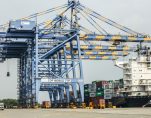
DP World is moving forward with a $1.3 billion investment in its London Gateway port, reaffirming its commitment to one of the United Kingdom’s most significant infrastructure projects. This announcement from the British government comes after concerns emerged that the UAE-based logistics giant had put the project on hold following public criticism of its subsidiary, P&O Ferries. The government’s confirmation of the investment marks a significant win for the UK as it continues to court global investors, particularly ahead of a key business conference in the coming days.

Last week, speculation surfaced that DP World had paused the expansion in response to comments made by two ministers, who condemned the handling of layoffs at P&O Ferries. The subsidiary had attracted widespread criticism in 2022 when it abruptly fired 800 workers and replaced them with cheaper agency labor. The backlash sparked intense scrutiny of the company, with government officials calling the layoffs “shameful” and questioning DP World’s role in overseeing such practices. However, the firm’s decision to proceed with the London Gateway investment suggests that the tensions have not derailed its long-term infrastructure ambitions in the UK.

DP World, which operates ports, terminals, and logistics hubs worldwide, sees London Gateway as a key part of its global strategy. The expansion is expected to boost the capacity of the UK’s busiest deep-sea container port, enhancing its ability to handle larger vessels and more cargo. London Gateway, strategically located on the Thames Estuary, serves as a major logistics hub connecting Britain to global trade routes. The additional investment will fund the construction of a fourth berth at the port, along with supporting infrastructure to improve efficiency and sustainability.

The port’s expansion is not only a significant development for the UK’s maritime sector but also a reflection of DP World’s growing footprint in Europe. Since acquiring P&O Ferries and establishing a presence in the UK, the company has been a major player in the nation’s logistics network. Its London Gateway terminal already handles millions of containers annually, and the latest investment will further increase capacity, helping to meet growing demand for international trade.

The timing of DP World’s decision to move forward is critical. The UK government has been keen to secure high-profile investments as it seeks to rebuild investor confidence following a series of economic challenges. A number of global companies had expressed concerns about the country’s post-Brexit trade environment, and the British government is eager to demonstrate that the UK remains an attractive destination for foreign capital. The upcoming Global Investment Summit, where international investors are expected to gather, will likely be framed around the message that Britain is open for business. DP World’s continued commitment to the London Gateway project is expected to serve as a highlight of that narrative.

However, while the project’s progress is a positive signal, the controversy surrounding P&O Ferries has not entirely dissipated. The government’s reaction to the layoff scandal has been under scrutiny, with some critics accusing officials of not doing enough to hold DP World accountable for its subsidiary’s actions. There were calls for the government to review DP World’s involvement in UK ports, particularly given the outcry over P&O Ferries’ labor practices. The company’s decision to move forward with the London Gateway investment, despite the tensions, suggests a pragmatic approach by both sides, focusing on economic interests rather than dwelling on past conflicts.

The expansion of the port also aligns with broader trends in the shipping and logistics industry. Global supply chains have faced unprecedented disruptions in recent years, from the COVID-19 pandemic to geopolitical tensions and environmental concerns. As a result, ports and logistics companies worldwide are looking to increase capacity and resilience. London Gateway’s expansion is a clear example of this trend, with DP World investing heavily to future-proof its operations in the UK.

The project is also expected to create hundreds of new jobs, both during construction and in the long term. As a major employer in the region, DP World has committed to working with local communities and the British government to ensure that the benefits of the investment are widely felt. This is particularly important in the context of the ongoing debates over labor rights and corporate responsibility, which have been central to the P&O Ferries controversy.

From a financial perspective, the $1.3 billion investment is a testament to DP World’s confidence in the UK market. Despite the challenges of Brexit and economic uncertainty, the company clearly views the country as a vital hub for its global operations. The expansion of London Gateway is expected to further strengthen the UK’s position as a leading player in international trade, with the port set to handle even greater volumes of cargo in the coming years.

SHANGHAI, CHINA – Media OutReach Newswire – 12 October 2024 – China-based esports tournament organizer VSPO announced that it has appointed a new CEO and has engaged in an “international brand alignment,” renaming itself to “Hero Esports.” Danny Tang, co-founder and current CFO, will become the company’s new CEO, with the mission of expanding the company’s “operations and driving international growth.” Dino Ying, Founder and CEO of […]

SIE is poised to revive the beloved horror franchise “Siren” with an eagerly anticipated release on PlayStation 4 and PlayStation 5. This launch is scheduled for October 15, 2024, and is part of a broader offering of new games for subscribers of PlayStation Plus. The return of “Siren” marks a notable moment for fans of survival horror, promising a fresh experience while evoking the chilling atmosphere that […]

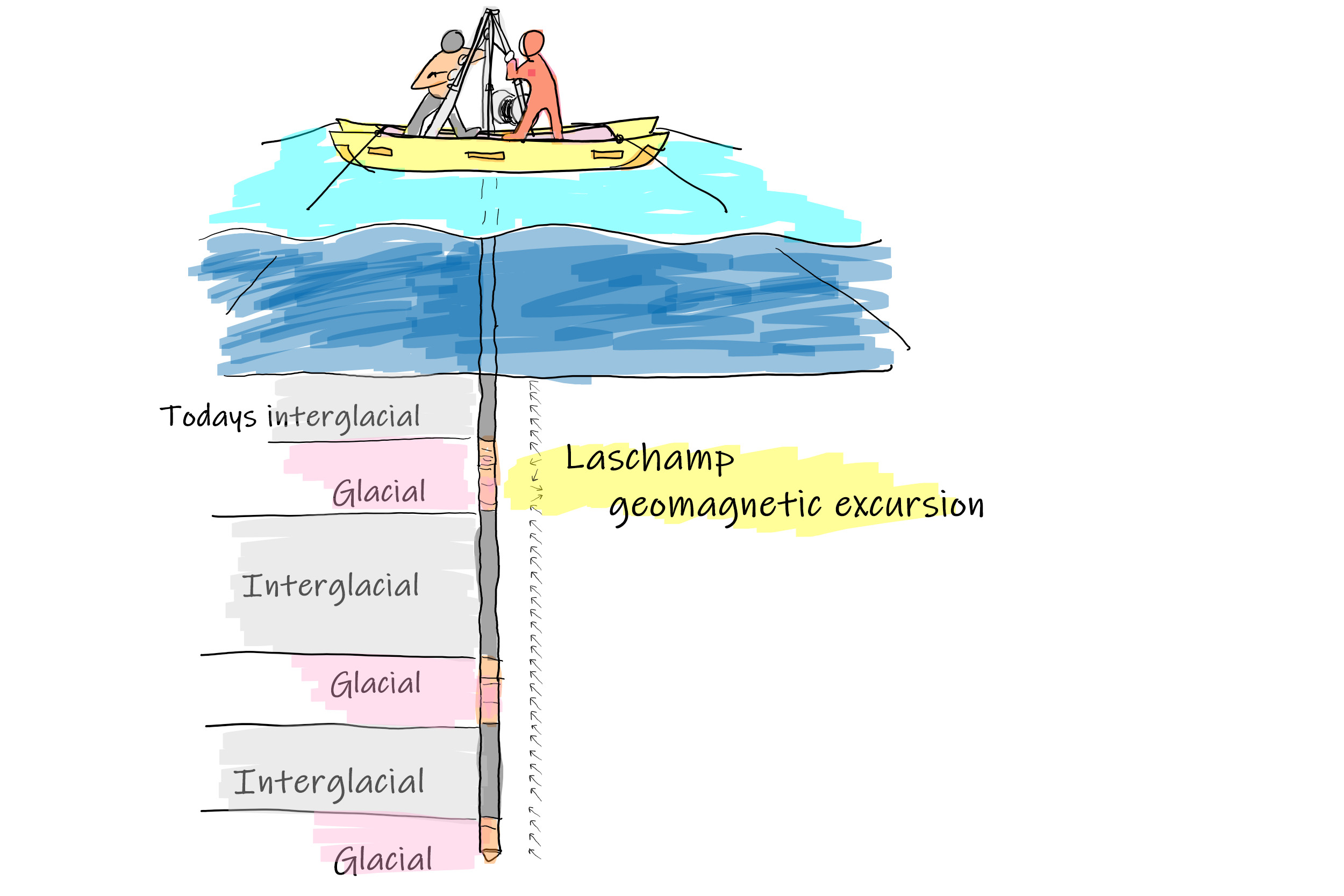
Advanced research into Earth’s magnetic field has enabled scientists to create a sound representation of the Laschamp Event, a significant geomagnetic reversal that occurred approximately 41,000 years ago. This groundbreaking work utilizes data collected by the European Space Agency’s Swarm mission, which employs three satellites to study the complexities of Earth’s magnetic environment. By converting this magnetic data into sound, researchers have offered a new auditory perspective on past geomagnetic events, enhancing our understanding of planetary processes.

The Laschamp Event is particularly notable due to its implications for the stability of Earth’s magnetic field. During this period, the magnetic field weakened significantly, which could have exposed the planet to increased levels of cosmic radiation. This weakening was accompanied by a rapid flip of the magnetic poles, a phenomenon that has piqued the interest of geophysicists and environmental scientists alike. The sound visualization project, spearheaded by a team of researchers, is seen as a novel approach to studying these complex events.

Dr. Romain L. Garret, one of the leading researchers involved in the sound mapping project, explained that the sounds created from the magnetic data capture the fluctuations in the magnetic field during the Laschamp Event. These sounds not only provide a unique listening experience but also serve as an effective tool for understanding the dynamics of geomagnetic reversals. The integration of auditory and scientific data bridges the gap between abstract scientific concepts and public understanding, enabling a more profound appreciation of Earth’s magnetic history.

The Swarm mission, launched in 2013, consists of three satellites working in tandem to gather data on the Earth’s magnetic field with unprecedented precision. The mission’s objectives include monitoring variations in magnetic intensity, mapping the gravitational field, and understanding the effects of magnetic forces on the planet’s climate and environment. The rich dataset produced by Swarm has opened new avenues for scientific inquiry, particularly in the fields of geology and climatology.

Through careful analysis of the data, researchers were able to pinpoint specific moments during the Laschamp Event when significant shifts occurred. This data was transformed into a soundscape that reflects the magnetic fluctuations over time. By listening to these sound waves, scientists and the public alike can grasp the magnitude of these changes in a more visceral manner, translating complex geophysical phenomena into an engaging auditory experience.

In addition to enhancing public engagement with scientific research, this sound mapping effort also has implications for ongoing studies related to current and future geomagnetic shifts. Understanding past magnetic reversals, such as the Laschamp Event, allows scientists to develop predictive models that may shed light on the behavior of Earth’s magnetic field today and in the future. These models are crucial for anticipating the potential impacts of geomagnetic changes, which could affect satellite operations, navigation systems, and even power grids.

Research indicates that geomagnetic reversals, while rare, can have profound effects on life on Earth. The last major reversal, the Brunhes-Matuyama transition, occurred approximately 780,000 years ago. Scientists have posited that as the magnetic field weakens, it may provide an opportunity for more solar radiation to penetrate the atmosphere, potentially affecting climate patterns and biological processes.

As the Swarm mission continues to gather data, the potential for further discoveries remains high. The ongoing analysis of Earth’s magnetic field not only aids in understanding our planet’s past but also informs preparations for its future. With advancements in technology and interdisciplinary research efforts, scientists are uncovering new insights into the interactions between the Earth’s magnetic field and various geological processes.

The sound visualization of the Laschamp Event represents a pivotal moment in Earth sciences, as it illustrates the power of innovative methodologies in presenting scientific findings. By transforming magnetic data into sound, researchers are fostering a more inclusive dialogue between the scientific community and the general public, demystifying complex scientific processes. This approach exemplifies how art and science can intersect, creating new pathways for education and engagement.

The visualization project also highlights the collaborative efforts required in modern scientific research. Teams comprising geophysicists, sound engineers, and educators worked together to develop this unique soundscape, demonstrating the benefits of interdisciplinary collaboration in advancing scientific understanding. By fostering partnerships across various fields, researchers can tackle complex questions about Earth’s past and present with a multifaceted approach.

Advertisements

A significant issue has emerged following Microsoft’s decision to integrate its Windows Recall feature into the 24H2 update of Windows 11, leading to reported malfunctions in File Explorer. Users are expressing frustration as disabling this feature inadvertently results in critical functionalities being compromised. The rollout of the 24H2 update introduced Windows Recall as a core feature designed to enhance user experience by integrating AI capabilities, particularly the […]

A new chapter has emerged in the gaming world as a group of former ZA/UM developers has established Dark Math Games, signaling their intent to create a spiritual successor to the acclaimed role-playing game Disco Elysium. This development comes on the heels of ZA/UM’s restructuring and staff layoffs, leading many of its key talents to seek new creative ventures. Dark Math Games plans to develop a detective […]

Ambitious renewable energy goals set by the UAE have not only been met but are expected to be exceeded by 2030, according to a recent report from the International Energy Agency (IEA). The report highlights the nation’s strategic investments and policies that have accelerated the development of renewable energy sources, particularly solar and wind power. With a commitment to diversifying its energy mix and reducing reliance on […]

ADNOC L&S, the shipping and logistics arm of the Abu Dhabi National Oil Company (ADNOC), has signed a joint venture agreement to build two ammonia carriers valued at $250 million. This move marks a significant step in ADNOC’s growing role in the global energy transition and reflects the increasing demand for low-carbon fuel transport. The vessels, which will be used to transport blue ammonia, align with the company’s strategic objectives in clean energy, offering a glimpse into the future of shipping for energy companies worldwide.

The joint venture, formed between ADNOC L&S and the Norwegian shipping giant, Navig8, will oversee the construction of these ammonia carriers, marking an important development in the regional and international maritime landscape. This agreement signifies ADNOC’s intent to expand its green energy shipping capacity, positioning itself as a key player in the ammonia market as the world continues to shift towards cleaner energy solutions.

Blue ammonia, produced using natural gas where the resulting carbon emissions are captured and stored, has become a crucial part of ADNOC’s broader decarbonization strategy. Ammonia’s potential as a hydrogen carrier makes it a vital component in the global energy transition, and the demand for such low-carbon fuels has surged amid the drive toward net-zero emissions. These new vessels will meet international standards for transporting this form of ammonia and enhance ADNOC’s logistical capabilities, ensuring that the company can meet growing market demands.

The ships will be designed to transport ammonia safely over long distances and are expected to play a critical role in serving both regional and international markets. The ammonia trade is poised to grow, with several energy producers looking at ammonia not only as a fuel but also as a means of storing and transporting hydrogen, which is increasingly viewed as a key element in the decarbonization of heavy industries. With ADNOC’s growing emphasis on its low-carbon projects, the joint venture’s investment highlights the Middle East’s rising prominence in clean energy innovation.

This joint venture comes at a time when ADNOC is accelerating its investments in energy transition initiatives. The ammonia carriers will add to ADNOC’s existing fleet, which already plays a pivotal role in transporting various energy products, including crude oil, liquefied petroleum gas (LPG), and refined products. The company’s ongoing commitment to sustainable shipping is evident in its drive to incorporate low-carbon solutions within its broader fleet strategy.

The deal is also a milestone for Navig8, whose expertise in managing shipping assets and operations on a global scale complements ADNOC’s ambitions. Navig8 will bring its deep technical and operational expertise in the maritime sector, ensuring the successful delivery and management of the ammonia carriers. This collaboration aligns with the broader industry trend toward partnerships that bridge regional energy players with international logistics and shipping firms, furthering decarbonization efforts across supply chains.

Ammonia’s importance has been highlighted by both industry experts and governments, with many viewing it as a significant enabler in the global transition to a cleaner energy future. The International Energy Agency (IEA) has underscored ammonia’s potential, particularly in helping countries meet their climate goals by providing a versatile, storable fuel that can be used in various industries. The vessels being built under this agreement will serve a growing number of markets, enabling the secure and efficient delivery of low-carbon ammonia to key hubs around the world.

ADNOC’s investment in ammonia carriers coincides with a broader push within the company to diversify its portfolio beyond oil and gas. The company is exploring a range of clean energy initiatives, including renewable energy projects and carbon capture technologies. By investing in vessels that can transport ammonia, ADNOC is positioning itself to take advantage of the rising demand for green hydrogen and its derivatives, a market that is expected to grow exponentially over the next decade.

As the demand for cleaner energy sources increases, the global maritime industry has been under pressure to adapt to new regulations and fuel standards. The International Maritime Organization (IMO) has set ambitious targets to reduce carbon emissions from ships, pushing shipping companies to innovate and find new ways to meet these demands. The ammonia carriers being constructed through the ADNOC-Navig8 joint venture will not only support the energy industry’s needs but also contribute to the maritime sector’s efforts to lower its carbon footprint.

The vessels, scheduled for delivery by 2026, will operate under ADNOC’s clean energy logistics strategy, furthering the company’s capabilities in handling low-carbon fuels. This move signals ADNOC’s readiness to be at the forefront of the evolving global energy market, where clean fuel transport is becoming increasingly vital. The global transition toward decarbonized industries is gathering pace, and ADNOC’s latest joint venture is set to strengthen its foothold in the green fuel sector, positioning the company to meet the demands of both regional and global customers.

OKX has officially launched a new cryptocurrency exchange in Dubai, marking a significant milestone as the first global digital asset platform in the UAE to operate under a full license from the Virtual Assets Regulatory Authority (VARA). This development underscores the growing significance of Dubai as a hub for digital currencies and crypto innovations, attracting global players eager to establish a foothold in the region. The newly […]

SHANGHAI, CHINA – Media OutReach Newswire – 11 October 2024 – The 11th edition of the China Shanghai International Children’s Book Fair (CCBF) will take place from November 15-17, 2024 in Shanghai. As the leading event in the Asia Pacific region dedicated to children’s books and content, the 2024 CCBF is expected to host 480 exhibitors from over 30 countries and regions, with an anticipated attendance of […]

The revival of Silent Hill 2 has captivated gamers, sparking a wave of modding that transforms the atmospheric horror experience. Players have been removing the iconic fog that once defined the game’s visual style, revealing a wealth of hidden details that were previously obscured. This phenomenon highlights the intersection of nostalgia and modern technology, as fans leverage new tools to explore the game in unprecedented ways. Upon […]

Gulf states are rapidly advancing their initiatives to produce low-carbon metals as the European Union prepares to implement its carbon border adjustment mechanism (CBAM). This development represents a significant shift in the region’s industrial strategy, focusing on sustainable practices to align with global decarbonization trends. The EU’s carbon tax is designed to reduce greenhouse gas emissions by imposing tariffs on imported goods that do not meet certain […]

The 15th edition of IGEM will bring together thought leaders worldwide to share breakthrough technologies and strategies for achieving net zero emissions. KUALA LUMPUR, MALAYSIA – Media OutReach Newswire – 4 October 2024 – The International Greentech & Eco Products Exhibition and Conference Malaysia (IGEM) returns for its landmark 15th edition from 9 to 11 October 2024. As one of Southeast Asia’s largest green technology showcases, IGEM […]

Coinbase has taken legal action to compel the U.S. Commodity Futures Trading Commission (CFTC) to release communications with the issuers of specific tokens at the center of a lawsuit brought by the U.S. Securities and Exchange Commission (SEC). The cryptocurrency exchange is requesting documents that it believes are pivotal to defending against the SEC’s allegations, which accuse Coinbase of listing tokens that should have been registered as securities.

The SEC’s case, filed earlier this year, centers on the claim that several tokens listed on Coinbase’s platform qualify as securities under the Howey Test, a legal framework used to determine whether a financial asset constitutes an investment contract. Coinbase, however, disputes this classification, arguing that the tokens in question do not meet the criteria for securities and should be treated as commodities or other types of financial assets not subject to the same regulatory requirements.

Coinbase’s legal team is now pushing for the CFTC’s communications with the token issuers, which they argue will provide key insights into whether these assets should be categorized as securities. Paul Grewal, Coinbase’s Chief Legal Officer, stated that these documents are essential to determining whether the development and use of the tokens align with the definition of investment contracts. The exchange had previously succeeded in a similar effort to compel the SEC to provide communications with token issuers, which could shed light on how these assets were treated by regulatory bodies before the lawsuit.

While the CFTC has resisted complying with Coinbase’s subpoena, citing the broad scope of the request and the burden of producing the documents, Coinbase remains adamant about the importance of this information. The exchange has even offered to cover the costs associated with retrieving and reviewing the requested materials, highlighting the urgency and significance of the case.

The lawsuit against Coinbase is part of a broader regulatory crackdown on the cryptocurrency industry by the SEC. The commission has been scrutinizing the classification and regulation of digital assets, leading to legal challenges for several major crypto exchanges. Coinbase’s defense hinges on proving that the tokens listed on its platform do not meet the legal definition of securities, and obtaining the CFTC’s communications could help establish this argument. The tokens involved in the SEC’s lawsuit are central to the case, and Coinbase hopes that the CFTC’s documents will reveal whether they were viewed or treated differently by the agency, which regulates commodities.

This legal battle is just one of many facing the cryptocurrency industry as regulators tighten their oversight of digital assets. The SEC’s lawsuit against Coinbase follows a series of enforcement actions aimed at ensuring that cryptocurrency exchanges comply with U.S. securities laws. However, Coinbase and other industry players have argued that the regulatory framework is outdated and does not account for the unique nature of digital assets, leading to confusion and legal disputes.

Coinbase’s move to involve the CFTC in its defense strategy underscores the complex regulatory landscape that the crypto industry is navigating. While the SEC has taken a strict stance on digital assets, viewing many of them as securities, the CFTC has historically focused on commodities and derivatives markets. The overlap between these regulatory frameworks has created uncertainty for companies like Coinbase, which are seeking clarity on how their platforms and listed assets should be classified and regulated.

This development is being closely watched by other cryptocurrency exchanges and stakeholders, as the outcome of the case could set a precedent for how digital assets are regulated in the U.S. If Coinbase is successful in obtaining the CFTC’s communications, it could bolster its defense against the SEC’s allegations and potentially reshape the regulatory approach to cryptocurrencies.

Despite the ongoing legal challenges, Coinbase continues to operate its platform and maintain its position as one of the largest cryptocurrency exchanges in the world. The exchange has been vocal about its commitment to working with regulators to establish clear and fair rules for the crypto industry. However, the company has also been critical of what it sees as inconsistent and overly burdensome regulations, which it argues stifle innovation and hinder the growth of the digital asset market.

Gurbir Grewal has announced his departure from the U.S. Securities and Exchange Commission (SEC), where he served as the Director of the Enforcement Division. His tenure is marked by a significant uptick in enforcement actions that led to record penalties and rewards, shaping the agency’s approach to financial oversight. Although he did not disclose future plans upon leaving the SEC, Grewal’s impact on the regulatory landscape has been substantial.

Since his appointment in July 2021, Grewal spearheaded over 2,400 enforcement actions, resulting in a staggering $20 billion in penalties. His aggressive enforcement strategy included 340 bars from the industry, aimed at holding individuals and entities accountable for misconduct. Grewal’s leadership also saw the SEC issue more than $1 billion in whistleblower awards, fostering a culture of transparency and encouraging individuals to report violations.

The SEC, an independent federal agency, has the critical role of regulating the securities industry and protecting investors. Under Grewal’s direction, the Enforcement Division enhanced its efforts to combat various forms of fraud and misconduct, including insider trading, market manipulation, and accounting fraud. This comprehensive approach underscored the agency’s commitment to maintaining market integrity and protecting investor interests.

Grewal’s departure comes amidst a broader discussion regarding the SEC’s future direction under the leadership of Chair Gary Gensler. Gensler has emphasized the importance of robust enforcement to deter violations and ensure fair markets. The SEC’s enforcement actions during Grewal’s tenure have garnered attention, reflecting a shift towards a more proactive and assertive regulatory stance.

The agency’s increased enforcement measures were well-timed, as the financial landscape faced unprecedented challenges, including the rise of digital assets and evolving market practices. Grewal’s leadership aligned with the SEC’s broader goal of adapting to these changes and ensuring that the regulatory framework effectively addressed emerging risks.

A significant aspect of Grewal’s tenure was the emphasis on collaboration with other regulatory bodies and law enforcement agencies. This approach allowed for more comprehensive investigations and the pooling of resources to tackle complex financial crimes. Such collaboration was essential in addressing multifaceted cases that required a coordinated response across jurisdictions.

Grewal played a pivotal role in advancing the SEC’s initiatives to modernize its technology and enhance its data analytics capabilities. These advancements have proven crucial in detecting fraudulent activities and monitoring market behaviors, thus allowing the SEC to respond swiftly to potential violations. Grewal’s focus on technological innovation reflected a recognition of the evolving nature of financial markets and the need for regulators to stay ahead of emerging threats.

As Grewal departs the SEC, questions arise regarding his potential successor and the future direction of the Enforcement Division. The agency has historically emphasized the importance of continuity in its enforcement approach, particularly during times of transition. Grewal’s departure may open the door for new strategies and perspectives that could further shape the SEC’s enforcement agenda.

Industry experts speculate on the challenges that lie ahead for the SEC. The regulatory landscape is becoming increasingly complex, with the rise of cryptocurrencies and decentralized finance presenting new hurdles for oversight. The next leader of the Enforcement Division will likely need to navigate these complexities while maintaining the momentum built during Grewal’s tenure.

In his farewell, Grewal expressed gratitude for the opportunity to serve at the SEC and emphasized the importance of the agency’s mission to protect investors and ensure fair markets. His leadership has left an indelible mark on the agency, and his departure signifies a pivotal moment in the SEC’s evolution.

As the SEC continues its work, the implications of Grewal’s departure will undoubtedly be felt in the coming months. Stakeholders across the financial sector are keenly observing how the agency will adapt to the changing regulatory environment and maintain its commitment to enforcement.

Standard & Poor’s has downgraded Israel’s credit rating from A+ to A, primarily citing increased security risks stemming from escalating tensions in the region. The decision reflects the rating agency’s assessment that the current geopolitical climate may hinder Israel’s economic stability and growth prospects.

The S&P report highlighted that the downgrade is attributed to the intensification of military conflicts, particularly involving militant groups in Gaza and Hezbollah in Lebanon. This situation has led to rising security expenditures and concerns over potential disruptions to the economy. Analysts argue that the ongoing conflict could deter foreign investment, impact tourism, and affect the overall economic environment.

Israel’s military actions, particularly in response to rocket fire from Gaza, have drawn international scrutiny. The cycle of violence and retaliatory strikes has strained relationships with neighboring countries and raised fears of a broader regional conflict. The deteriorating security situation has also sparked protests within Israel, with citizens demanding a reevaluation of the government’s military strategy and its implications for daily life.

The economic implications of the downgrade are significant. Israel’s economy has shown resilience in recent years, bolstered by technological advancements and a robust startup ecosystem. However, analysts fear that the heightened security risks could stifle this growth, particularly as the nation grapples with the dual challenges of military expenditures and maintaining investor confidence.

The downgrading comes at a time when Israel’s economy is experiencing inflationary pressures, further complicating the financial landscape. Rising living costs, coupled with increased defense spending, pose challenges to fiscal stability. Policymakers may need to implement measures to counteract these pressures, potentially involving budget reallocations and strategic economic initiatives.

Economists have pointed out that the current security environment may necessitate increased dialogue and diplomatic efforts aimed at stabilizing the region. There is a growing consensus among experts that sustainable peace initiatives could alleviate some of the financial burdens linked to security expenditures. Strengthening diplomatic relations with neighboring states may be essential for fostering an environment conducive to economic growth and stability.

Reactions to the downgrade have varied among local political leaders. While some have criticized the government’s handling of security issues, others argue that the rating reflects broader geopolitical realities that are beyond Israel’s immediate control. As the nation navigates these complex dynamics, the government’s approach to national security and foreign relations will likely play a pivotal role in shaping future economic trajectories.

In response to the downgrade, Israeli Finance Minister Bezalel Smotrich emphasized the importance of a balanced approach to security and economic growth. He stated that maintaining robust defense capabilities is crucial while also recognizing the need for economic resilience. Smotrich’s comments indicate an understanding that both aspects are interlinked, and a sustainable approach will be necessary to bolster investor confidence.

The impact of the downgrade on Israel’s bond market has been immediate, with yields rising as investors reassess risk levels. The move by S&P may prompt other rating agencies to reevaluate their assessments, further complicating Israel’s financial standing in international markets. Observers are closely monitoring how the government responds to these challenges and whether it can implement effective policies to stabilize the economy amidst security concerns.

As Israel grapples with these challenges, key sectors such as technology and tourism are being scrutinized for their resilience. The technology sector, a significant driver of economic growth, may face increased pressure if security concerns impact investment flows. Conversely, the tourism industry, already affected by the pandemic, may struggle to recover fully without improved security conditions.

Investors and analysts are also concerned about the long-term implications of the downgrade on Israel’s geopolitical strategy. The current environment necessitates a recalibration of priorities, with potential shifts in foreign investment patterns and trade relationships. Maintaining a favorable business climate while addressing security challenges will require careful policy considerations.

International reactions to the S&P downgrade have been mixed, with some analysts suggesting that it underscores the need for global stakeholders to engage more actively in peace initiatives in the region. Collaborative efforts to address underlying tensions may not only enhance regional stability but also contribute positively to Israel’s economic outlook.

Growing concerns surrounding geopolitical instability in the Middle East are contributing to heightened volatility in the oil markets, as traders anticipate further price increases. Recent analyses indicate that the tensions between various regional players and broader global dynamics are significantly influencing supply concerns, leading to increased buying activity in oil options. This is particularly evident as major crude benchmarks, including Brent crude and West Texas Intermediate (WTI), have seen notable fluctuations driven by investor sentiment and strategic positioning.

Market data reveals a surge in options trading, suggesting that traders are preparing for potential price movements. Open interest in call options, which give the buyer the right to purchase oil at a predetermined price, has risen sharply. This indicates that market participants expect prices to climb, driven by fears of supply disruptions due to geopolitical unrest, particularly in key oil-producing countries such as Saudi Arabia, Iran, and Iraq. Analysts suggest that the current landscape is reminiscent of past crises, wherein escalating tensions have historically led to significant price spikes.

As oil prices approach the $100 per barrel mark, analysts warn that sustained increases could have broader economic implications. The International Energy Agency (IEA) has projected a potential supply shortfall if geopolitical tensions escalate, particularly with ongoing conflicts in Ukraine and regional disruptions in the Middle East. In this context, market experts emphasize the importance of monitoring geopolitical developments closely, as these factors will be critical in shaping oil price trajectories in the coming months.

The dynamics of oil trading have shifted, with many investors now viewing geopolitical events as pivotal catalysts for price changes. The strategic importance of the Middle East, often referred to as the world’s energy hub, cannot be overstated. The region accounts for a significant portion of global oil supply, and any disruptions can lead to immediate and substantial price reactions in the market.

In light of these developments, the oil market is exhibiting signs of increased speculation. Hedge funds and other large investors have ramped up their positions in oil futures and options, further reflecting the bullish sentiment permeating the market. This trend has been particularly pronounced in the context of the ongoing discussions regarding production cuts by the Organization of the Petroleum Exporting Countries (OPEC) and its allies. OPEC’s decisions will play a crucial role in determining supply levels and influencing price stability.

Saudi Arabia, a leading member of OPEC, has signaled its willingness to adjust production levels in response to market dynamics. The kingdom’s recent commitments to reducing output in order to stabilize prices have fueled discussions regarding potential collaborative efforts among OPEC members to manage supply effectively. This strategy aims to counterbalance the impact of external geopolitical risks and market volatility.

Iran’s continued efforts to revitalize its oil production in the wake of sanctions further complicates the scenario. The Iranian oil sector is poised for growth, but any increase in output is contingent upon the delicate diplomatic landscape. Investors are acutely aware that shifts in U.S. policy towards Iran can have immediate repercussions for oil supply and pricing, leading to a cautious approach in trading activities.

Market sentiment is also influenced by macroeconomic factors, including inflation and interest rates. Recent data suggest that rising inflationary pressures are leading to increased uncertainty regarding economic growth, which could, in turn, impact oil demand. Investors are weighing the potential for a slowdown in global economic activity against the backdrop of supply-side constraints. This balancing act adds another layer of complexity to trading strategies.

Analysts are observing emerging trends in the energy sector, particularly the transition towards renewable energy sources. As nations grapple with climate change initiatives, the demand for traditional fossil fuels is being challenged. However, in the short term, oil remains a critical component of the global energy mix, especially amid geopolitical uncertainties that necessitate a reliable energy supply.

The current landscape underscores the importance of strategic foresight for traders and investors. Understanding the interconnectedness of geopolitical developments, production decisions, and market sentiment will be essential in navigating the complexities of oil trading. Traders are increasingly incorporating a broader range of indicators and data points into their analyses, reflecting the dynamic nature of the oil market.

Engage with global policymakers, thought leaders, and innovators at Asia’s premier cybersecurity event SINGAPORE – Media OutReach Newswire – 3 October 2024 – The GovWare Conference and Exhibition 2024 will take place from 15 to 17 October 2024 at the Sands Expo and Convention Centre Singapore, gathering over 12,000 policy makers, cyber and corporate leaders, practitioners, and academia worldwide to address modern security issues, rebuild trust, and […]

The importation of cars from other regions to the United Arab Emirates (UAE) has gained traction over the years. Essentially, there has been an increasing trend of importing from the US to the UAE, particularly American-spec vehicles, in recent years.  Many Emiratis and the Emirate’s expatriate population now opt for U.S. spec cars for leisure drives or daily commutes. Others take them to car events and shows […]

A significant step towards enhancing its renewable energy landscape has been initiated by Abu Dhabi, as it officially announced the launch of a competitive bidding process for the 1.5-gigawatt (GW) Al-Zarraf solar independent power project (IPP). This initiative aligns with the emirate’s ambitious targets to achieve net-zero greenhouse gas emissions by 2050, while simultaneously increasing the share of clean energy in its overall energy mix. The Al-Zarraf […]

Emirates National Oil Company (ENOC) is contemplating an expansion of its Jebel Ali Oil Refinery, as articulated by its CEO. This initiative aims to enhance operational capacity and cater to rising regional and global demands for refined products. Currently, the refinery has a processing capacity of 140,000 barrels per day, primarily producing a range of fuels and petrochemical products. The Jebel Ali facility has been instrumental in […]

VISHNU RAJA
RYO YAMADA
HITORI GOTOH
IKUYO KITA