News related to
Agency

HONG KONG SAR & PARIS, FRANCE – Media OutReach Newswire – 21 February 2025 – The Hong Kong Furniture and Decoration Trade Association (HKF&DA) proudly announces that its first time participation in the Maison&Objet interior design trade fair has successfully concluded in January 2025 in Paris, France, with the Cultural and Creative Industries Development Agency (CCIDA) of the Government of the Hong Kong Special Administrative Region as […]

A series of explosions on three parked buses in Bat Yam, a suburb south of Tel Aviv, has prompted Israeli authorities to launch an intensive security operation in the West Bank. The blasts, which occurred on Thursday evening, resulted in no casualties but have raised significant concerns about a resurgence of coordinated militant attacks within the country. The incidents involved three empty buses that exploded almost simultaneously […]

Israeli Prime Minister Benjamin Netanyahu has directed the military to intensify operations in the occupied West Bank after explosions damaged three buses near Tel Aviv. The incidents, which authorities are treating as suspected terrorist attacks, occurred on Thursday evening in the suburbs of Bat Yam and Holon. Fortunately, no casualties were reported, as the buses were unoccupied at the time. The explosions took place while the buses […]

The U.S. Senate has confirmed Kash Patel as the new Director of the Federal Bureau of Investigation with a narrow 51-49 vote. Patel, a long-time adviser to President Donald Trump, is set to lead the nation’s premier law enforcement agency, succeeding Christopher Wray, who resigned prior to the completion of his term.

Patel’s confirmation has been met with significant debate, primarily due to his close ties to President Trump and his previous criticisms of the FBI. Democratic senators have expressed concerns that his appointment could lead to the politicization of the bureau. Senator Dick Durbin highlighted Patel’s past statements and actions, suggesting they might compromise the FBI’s impartiality.

Adding to the controversy are Patel’s financial disclosures, which reveal substantial investments in the cryptocurrency sector. According to official filings, Patel holds up to $115,000 in Bitcoin and has invested between $50,001 and $100,000 in Core Scientific, a prominent Bitcoin mining company. These holdings have raised questions about potential conflicts of interest, especially given the FBI’s role in regulating and investigating cryptocurrency-related activities.

During his confirmation hearing, Patel addressed these concerns, stating that his investments are part of a diversified portfolio and asserting that they would not influence his duties as FBI Director. He emphasized his commitment to maintaining the bureau’s integrity and impartiality.

Republican senators have largely supported Patel’s appointment, viewing his leadership as an opportunity to reform the FBI and address perceived biases within the agency. Senator Chuck Grassley expressed confidence in Patel’s ability to restore public trust and ensure the bureau operates without political influence.

Patel’s professional background includes roles as a public defender, a trial attorney at the Department of Justice, and various positions during President Trump’s first term. His supporters cite this experience as evidence of his qualifications to lead the FBI.

However, critics remain skeptical. Concerns have been raised about Patel’s previous appearances on platforms known for promoting conspiracy theories and his past statements regarding internal FBI matters. Some former Justice Department officials have publicly opposed his nomination, suggesting that his leadership could undermine the bureau’s mission and integrity.

As Patel assumes his new role, he faces the immediate challenge of addressing internal morale within the FBI and external perceptions of the bureau’s impartiality. His approach to handling his cryptocurrency investments and potential conflicts of interest will be closely scrutinized by both lawmakers and the public.

The confirmation of Kash Patel marks a significant moment for the FBI, as the agency navigates complex political dynamics and emerging technological challenges. How Patel balances his personal investments with his professional responsibilities will play a crucial role in shaping the bureau’s future direction and public perception.

In the coming weeks, all eyes will be on Director Patel as he outlines his vision for the FBI and addresses the myriad issues facing the agency. His actions and decisions will be pivotal in determining the bureau’s trajectory during his tenure.

As the FBI embarks on this new chapter under Patel’s leadership, the interplay between personal interests and public duty will be a focal point of discussion and analysis among policymakers, law enforcement professionals, and the American public.

The Senate’s confirmation of Kash Patel as FBI Director underscores the deep divisions within the political landscape and highlights the ongoing debates surrounding the role of personal investments in public service. Patel’s tenure will undoubtedly be closely monitored as he steps into this critical position at a pivotal time for the nation.

As Director Patel begins his term, the balance between innovation in financial sectors and the ethical obligations of public office holders will remain a topic of significant importance and scrutiny.

The coming months will reveal how Patel navigates these challenges and whether his leadership will bring the reforms and renewed trust that his supporters anticipate. The outcomes of his decisions will have lasting implications for the FBI and its role in upholding justice and security in the United States.

Director Patel’s approach to his new role will be instrumental in shaping the future of the FBI and its relationship with both the government and the public it serves. His ability to address internal and external concerns will define his legacy and the bureau’s path forward.

As the nation watches, Director Patel’s actions will speak to his commitment to justice, integrity, and the principles that underpin the Federal Bureau of Investigation. The challenges ahead are significant, but so too are the opportunities for positive change under his leadership.

In this critical period, the direction set by Director Patel will influence not only the FBI’s operations but also the broader discourse on ethics, governance, and public trust in federal institutions. His tenure promises to be a defining chapter in the bureau’s storied history.

As Director Patel takes the helm, the interplay between his personal financial interests and his public responsibilities will be a key area of focus, with implications that extend beyond the FBI to the broader landscape of public service ethics.

The path Director Patel charts in addressing these complex issues will be closely observed, setting precedents for future leaders and shaping the narrative of accountability and transparency in government roles.

In navigating the responsibilities of his position, Director Patel’s decisions will resonate through the corridors of power, influencing policy, public perception, and the very fabric of the nation’s approach to law enforcement and justice.

As the FBI enters this new era under Director Patel, the balance he strikes between personal interests and public duty will serve as a barometer for the agency’s commitment to its foundational values and its adaptability in a rapidly evolving societal landscape.

The tenure of Director Patel is poised to be a transformative period for the FBI, with his leadership style and ethical considerations setting the tone for the agency’s future and its role in safeguarding the nation’s security and upholding the rule of law.


Nissan Motor Co. experienced an 11% surge in its share price on Friday following reports that a prominent Japanese consortium is formulating plans to attract investment from Tesla Inc. This development comes on the heels of Nissan’s unsuccessful merger discussions with Honda Motor Co., highlighting the automaker’s ongoing efforts to stabilize its financial standing. The initiative is spearheaded by Hiro Mizuno, a former Tesla board member, with […]

TrinaTracker, a subsidiary of Trinasolar Co. Ltd and a global leader in smart solar tracking solutions, has inaugurated a manufacturing facility in Saudi Arabia. Located in Jeddah’s 3rd Industrial City, the plant is slated to commence operations in the first quarter of 2025, specializing in the production of the Vanguard series of solar trackers and smart control systems. This development underscores TrinaTracker’s commitment to localization and enhancing […]

Sharjah and Neuchâtel have embarked on a collaborative venture to enhance manufacturing and innovation sectors. A business roundtable, organised by Invest in Sharjah in partnership with the Consulate General of the UAE in Geneva, served as the platform for this initiative. The event aimed to explore synergies and establish robust economic ties between the UAE and Switzerland.

The roundtable witnessed the participation of key stakeholders from both regions, including government officials, industry leaders, and representatives from academic institutions. Discussions centred on potential partnerships, knowledge exchange, and investment opportunities in advanced manufacturing technologies and innovative solutions.

Switzerland, renowned for its precision engineering and technological advancements, presents a valuable model for Sharjah’s burgeoning industrial sector. Conversely, Sharjah offers a strategic gateway to Middle Eastern markets, providing Swiss enterprises with avenues for expansion and collaboration.

The UAE and Switzerland have a history of strong bilateral relations, with the UAE being Switzerland’s most significant trading partner in the Middle East. The annual trade volume between the two nations stands at approximately CHF 15 billion, encompassing sectors such as precious metals, jewellery, and pharmaceuticals. This collaboration seeks to build upon existing ties, fostering economic growth and technological innovation.

Invest in Sharjah, the investment promotion agency of the emirate, has been instrumental in facilitating such international partnerships. By organising events like the business roundtable, the agency aims to position Sharjah as a hub for innovation and industry, attracting foreign investments and fostering a conducive environment for business growth.

The Consulate General of the UAE in Geneva has also played a pivotal role in bridging the gap between Emirati and Swiss entities. Through diplomatic channels and economic forums, the consulate strives to enhance mutual understanding and cooperation, paving the way for successful collaborations.

Participants at the roundtable expressed optimism about the prospects of this partnership. They highlighted the complementary strengths of Sharjah and Neuchâtel, emphasising that combined efforts could lead to significant advancements in manufacturing processes and innovative practices.

This initiative aligns with the UAE’s broader vision of economic diversification and technological advancement. By leveraging international collaborations, the nation aims to reduce its reliance on traditional industries, embracing a knowledge-based economy driven by innovation and sustainability.

As Sharjah and Neuchâtel embark on this collaborative journey, both regions anticipate a fruitful exchange of ideas, resources, and technologies. This partnership not only strengthens economic ties but also fosters cultural and academic exchanges, enriching the social fabric of both communities.

Advertisements

“Thermo Earth of Love Project” to Enhance Surface Temperature Observation and Advance its Solutions Further TOKYO, JAPAN – Media OutReach Newswire – 20 February 2025 – On January 27, 2025, Tenchijin announced the launch of “Thermo Earth of Love Project,” a proprietary satellite program aimed at enhancing surface temperature monitoring capabilities. The company’s satellite is scheduled for launch in 2027. Thermo Earth of Love Project – LST […]

The U.S. Securities and Exchange Commission has officially withdrawn its appeal against a federal court ruling that invalidated its attempt to broaden the definition of “dealer” to encompass decentralized finance platforms and crypto liquidity providers. This move marks a significant shift in the regulatory landscape for the cryptocurrency industry.

In a filing submitted to the Fifth Circuit Court of Appeals on February 19, the SEC requested the voluntary dismissal of its appeal, a motion that faced no opposition. This decision effectively concludes the legal battle initiated by crypto advocacy groups, including the Blockchain Association and the Crypto Freedom Alliance of Texas, which challenged the SEC’s proposed rule change.

The contested rule, introduced in February 2024, sought to mandate that all crypto liquidity providers and automated market makers with over $50 million in capital register as dealers with the SEC. Critics argued that this expansion of the “dealer” definition would impose onerous regulatory requirements on DeFi protocols, many of which operate without centralized control and would struggle to comply with traditional Know Your Customer and Anti-Money Laundering regulations.

In November 2024, U.S. District Judge Reed O’Connor of the Northern District of Texas ruled against the SEC, stating that the agency had “exceeded its statutory authority” by attempting to enforce such a broad definition. The SEC’s recent decision to abandon its appeal upholds this ruling, preventing the implementation of the controversial dealer rule.

Kristin Smith, CEO of the Blockchain Association, lauded the SEC’s withdrawal as a decisive victory for the crypto industry. In a statement, she emphasized that the rule represented an “unlawful power grab” and that its defeat allows the industry to “breathe a sigh of relief.”

This development coincides with significant leadership changes within the SEC. Former Chair Gary Gensler, known for his stringent regulatory stance on cryptocurrencies, stepped down in January 2025 as President Donald Trump assumed office. Under the interim leadership of Acting Chair Mark Uyeda, the SEC has demonstrated a shift toward a more collaborative approach to crypto regulation.

One of Uyeda’s initial actions was the establishment of a Crypto Task Force, led by Commissioner Hester Peirce, who is recognized for her crypto-friendly views. The task force’s mandate includes developing a comprehensive regulatory framework for digital assets, aiming to provide clarity and support for innovation within the industry.

The SEC has also paused or delayed several enforcement actions against crypto firms that were initiated during Gensler’s tenure. These moves suggest a reevaluation of the agency’s approach to cryptocurrency regulation, potentially fostering a more conducive environment for industry growth.

Industry stakeholders view the SEC’s withdrawal of the dealer rule appeal as indicative of this evolving regulatory philosophy. By choosing not to pursue further legal action, the SEC appears to acknowledge the unique operational structures of DeFi platforms and the challenges of applying traditional regulatory frameworks to decentralized systems.

The original dealer rule aimed to address concerns about market stability and investor protection by bringing significant crypto market participants under the SEC’s regulatory umbrella. However, opponents contended that the rule failed to consider the decentralized nature of many crypto entities, rendering compliance both impractical and potentially stifling to innovation.

The legal challenge, initiated in April 2024, argued that the SEC’s rulemaking was “arbitrary and capricious,” lacking a clear statutory basis. Judge O’Connor’s ruling in favor of the plaintiffs underscored the necessity for regulatory agencies to operate within the bounds of their designated authority, especially when addressing emerging technologies and markets.

As the SEC recalibrates its approach under new leadership, the crypto industry remains attentive to how future regulations will balance oversight with the need to support technological advancement. The formation of the Crypto Task Force and the dismissal of the dealer rule appeal suggest a potential for more nuanced and informed policymaking that considers the distinct characteristics of digital assets and decentralized platforms.

Leading figures in the cryptocurrency sector, including Coinbase, a16z, Paradigm, Kraken, and Uniswap, have collectively urged the U.S. Congress to repeal a tax policy introduced by the Internal Revenue Service that mandates decentralized finance brokers to report user information. The coalition contends that this regulation could severely impede DeFi innovation by imposing traditional brokerage data collection and reporting requirements on decentralized platforms.

The IRS finalized this significant digital asset broker rule between Christmas and New Year’s Eve, just days before the transition to President Donald Trump’s administration. The rule aims to subject DeFi brokers to the same information-reporting obligations as traditional securities brokers and exchanges. Critics argue that this approach demonstrates a fundamental misunderstanding of DeFi technology and oversteps regulatory boundaries.

Under the Congressional Review Act, recently approved regulations can be rescinded. Senator Ted Cruz, a Republican from Texas, introduced a resolution last week seeking to nullify the IRS’s DeFi broker rule. In a unified response, the Blockchain Association, alongside industry giants such as Coinbase, a16z, Paradigm, Kraken, Uniswap, Anchorage Digital, and numerous others, submitted a letter to congressional leaders advocating for the adoption of Senator Cruz’s resolution.

The letter asserts that the DeFi broker rule, finalized in the closing days of the Biden administration, represents regulatory overreach, fundamentally misinterprets the technology it seeks to regulate, and disregards congressional intent. The coalition emphasizes that utilizing Congress’s authority to overturn federal agency regulations offers a clear and definitive path to revoke this detrimental rule before it takes effect.

Industry leaders express concern that the rule disproportionately targets U.S.-based companies, imposing stringent requirements that foreign competitors are not obligated to follow when serving American customers. This disparity, they argue, could stifle DeFi innovation within the United States, as domestic firms would face unique compliance burdens not shared by their international counterparts.

The Congressional Review Act serves as a potent mechanism for reversing federal regulations, though its application can have lasting implications. Once a rule is nullified under this act, any future attempt to introduce a similar regulation is effectively barred, potentially complicating efforts to establish more balanced oversight in the same domain.

This collective action by the cryptocurrency industry underscores the escalating tension between innovative financial technologies and existing regulatory frameworks. As DeFi platforms continue to evolve, they challenge traditional notions of financial intermediaries, prompting regulators to adapt their approaches. The outcome of this legislative push could set a significant precedent for how decentralized technologies are governed in the future.

In a related development, venture capital firm a16z Crypto has expressed support for a legal challenge against the IRS’s new DeFi rules. The firm argues that the regulations exceed governmental authority, infringe upon constitutional rights, and could adversely affect the United States’ position in the global digital economy. This lawsuit, backed by the Blockchain Association, DeFi Education Fund, and Texas Blockchain Council, contends that the mandated reporting requirements threaten user privacy and could deter innovation in the DeFi space.

The IRS’s finalized rule stipulates that “front-end” crypto service providers adhere to the same tax reporting standards as traditional securities brokers. This encompasses the collection and reporting of user trading information, a requirement that many in the industry view as incompatible with the decentralized nature of DeFi platforms. Critics contend that enforcing such regulations could drive DeFi activities offshore, where U.S. regulatory reach is limited, thereby diminishing the country’s influence in the burgeoning digital asset sector.

The debate over the IRS’s DeFi broker rule highlights the broader challenge of applying existing regulatory paradigms to emerging technologies that operate outside traditional frameworks. As policymakers grapple with these issues, the balance between fostering innovation and ensuring compliance remains a contentious and evolving discourse.

The cryptocurrency community’s unified stance against the IRS’s reporting mandate reflects a broader concern that ill-fitting regulations could hamper the growth and potential of decentralized financial systems. As this situation unfolds, it will serve as a critical test of how regulatory bodies and innovative industries can navigate the complexities of technological advancement in the financial sector.

The outcome of this legislative and legal challenge may well determine the trajectory of DeFi development in the United States and influence how other jurisdictions approach the regulation of decentralized financial technologies. Stakeholders across the spectrum will be closely monitoring the proceedings, recognizing the profound implications for the future of finance and technology integration.

Focusing on Three Key Areas to Develop a Professional Basketball Ecosystem and Promote a Healthy and Active Lifestyle HONG KONG SAR – Media OutReach Newswire – 19 February 2025 – Sun Life and the Basketball Association of Hong Kong, China (BAHKC) held a partnership signing ceremony today (February 19), officially announcing an investment of over HK$10 million for a three-year collaboration. This strategic partnership will focus on […]

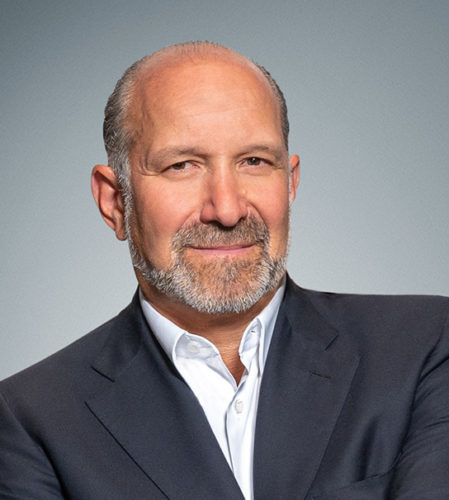
Howard Lutnick, the former CEO of Cantor Fitzgerald, has been confirmed by the U.S. Senate as the new Secretary of Commerce under President Donald Trump. The Senate approved his nomination with a 51-45 vote, positioning Lutnick to oversee a department responsible for a wide array of economic activities, from trade policy to technology regulation.

Lutnick’s confirmation marks a significant moment in the Trump administration’s efforts to reshape the nation’s economic and regulatory landscape. Known for his resilience in rebuilding Cantor Fitzgerald after the tragic loss of 658 employees during the September 11 attacks, Lutnick brings a wealth of experience from the financial sector. His leadership during that crisis, including the distribution of $180 million to victims’ families, has been widely recognized.

As Commerce Secretary, Lutnick is expected to play a pivotal role in implementing President Trump’s trade policies, which have recently included the announcement of potential 25% tariffs on foreign automobiles, semiconductors, and pharmaceuticals. These measures are part of a broader strategy to bolster domestic manufacturing and reduce reliance on foreign imports.

In addition to Lutnick’s appointment, the Trump administration is advancing a series of nominations for key regulatory positions, particularly in agencies overseeing financial markets and emerging technologies. Paul Atkins, a former Securities and Exchange Commission commissioner known for his free-market philosophy, has been nominated to lead the SEC. Atkins has a history of advocating for reduced regulatory burdens and is anticipated to foster a more accommodating environment for financial innovation, including cryptocurrencies.

Brian Quintenz, who previously served as a commissioner at the Commodity Futures Trading Commission from 2017 to 2021, has been nominated to return as the agency’s chairman. During his prior tenure, Quintenz was recognized for his expertise in both traditional finance and the burgeoning cryptocurrency sector. His recent role as head of policy at a16z Crypto, the cryptocurrency division of venture capital firm Andreessen Horowitz, underscores his deep engagement with digital assets. Quintenz’s return to the CFTC is expected to influence the agency’s approach to regulating complex financial instruments and fostering innovation in blockchain technologies.

Jonathan Gould, a legal professional with extensive experience in banking and financial regulation, has been nominated to lead the Office of the Comptroller of the Currency . Gould’s background includes serving as senior deputy comptroller and chief counsel at the OCC, where he provided legal oversight on a range of banking issues. His appointment is seen as a continuation of the administration’s trend toward installing regulators who are knowledgeable about and potentially supportive of cryptocurrency and fintech developments.

These nominations reflect President Trump’s broader strategy to reshape financial regulation in favor of innovation and reduced federal oversight. The administration has been critical of previous regulatory approaches that it perceives as overly restrictive, particularly concerning emerging financial technologies. By appointing individuals with pro-crypto leanings and a history of advocating for lighter regulatory frameworks, the administration aims to create an environment conducive to growth in the fintech and cryptocurrency sectors.

However, these appointments have not been without controversy. Critics argue that reducing regulatory oversight could lead to increased financial instability and potential exploitation within rapidly evolving markets. Supporters, on the other hand, contend that a more permissive regulatory environment is necessary to foster innovation and maintain the United States’ competitive edge in global financial markets.

The Senate’s confirmation of these nominees will be closely watched, as their leadership will significantly influence the direction of U.S. financial regulation in the coming years. As these individuals assume their respective roles, stakeholders across the financial spectrum—from traditional banking institutions to emerging fintech startups—will be assessing how the new regulatory landscape will impact their operations and strategic planning.

In the context of global trade, Lutnick’s role as Commerce Secretary will be particularly critical. His support for President Trump’s tariff policies suggests a continuation of protectionist measures aimed at strengthening domestic industries. This approach has garnered both praise and criticism, with proponents arguing that it safeguards American jobs and industries, while detractors warn of potential retaliatory measures from trading partners and the risk of escalating trade wars.

As the administration moves forward with its economic agenda, the interplay between these regulatory appointments and broader trade policies will be pivotal in shaping the U.S. economic landscape. The emphasis on accommodating financial innovation, particularly in the realm of cryptocurrencies, alongside a protectionist trade stance, represents a distinctive approach that will have lasting implications for both domestic and international economic relations.

By Swarati Sabhapandit SOCIAL media influencer Ranveer Allahabadia’s question to a contestant on the online show ‘India’s Got Latent’ has attracted not only public outrage, but systematic response from various State authorities. By mid-February, the Maharashtra Cyber Department had filed a First Information Report (‘FIR’) against Allahabadia, comedian Samay Raina, and other artists from the […]

BANGKOK, THAILAND – Media OutReach Newswire – 19 February 2025 – Bangkok is no longer just a city of vibrant lights and ceaseless energy—it has emerged as a design hub that’s driving transformative change in urban living. By addressing challenges in city infrastructure, quality of life, environmental sustainability, and business innovation, Bangkok has positioned itself as a global leader in leveraging design to shape a better future. […]

By Dr. Gyan Pathak The data that PM Narendra Modi government has been churning out since 2014 have always been a suspect. Now, by no less a person than PM Narendra Modi’s own Economic Advisor has indicated that many of the data earlier produced even under the Modi regime were “influenced” while chiefly targeting the […]


Personnel from SpaceX are joining the Federal Aviation Administration at the agency’s Air Traffic Control Command Centre in Virginia to assist in the redevelopment of its air traffic control systems, following a significant incident involving Washington airspace. This partnership marks a significant step in the ongoing efforts to modernise the US air traffic system and address critical vulnerabilities that were highlighted by the recent air traffic failure. […]

By Kunal Bose The world, much to its disappointment, is seeing the United States of America, which is the world largest economy and mightiest military power, rapidly embracing raw, unrestrained capitalism under the newly inaugurated second-term Presidency of Donald John Trump abandoning all traces of egalitarianism. Induction of Tesla chairman Elon Musk to head the […]

The U.S. Securities and Exchange Commission is encountering mounting challenges in its oversight of cryptocurrency exchanges, with key cases involving Binance and Coinbase experiencing temporary halts. These legal pauses have raised questions about the agency’s ability to regulate the burgeoning crypto industry effectively. Now, the potential for similar delays in the high-profile case against Ripple further complicates the SEC’s crypto enforcement strategy.

The SEC’s legal actions against Binance and Coinbase, two of the largest cryptocurrency exchanges in the world, have been central to its efforts to impose stricter controls on the sector. However, court decisions have led to delays in these proceedings, with both companies seeing temporary relief from their legal battles. These pauses have intensified the debate on whether the SEC is losing its grip on cryptocurrency regulation and whether its approach is becoming increasingly ineffective in the face of mounting industry resistance.

The SEC’s lawsuits against Binance and Coinbase have attracted significant attention due to their implications for the broader cryptocurrency market. Binance, which operates globally, has been accused of violating U.S. securities laws by facilitating the trading of unregistered securities. Meanwhile, Coinbase, based in the U.S., has faced similar allegations, drawing the SEC’s scrutiny for listing tokens deemed to be securities under federal law. Both exchanges have denied the allegations, with Binance calling the SEC’s charges “unfounded” and Coinbase asserting that it complies with all relevant regulations.

John Reed Stark, a former SEC official, has played a significant role in commenting on the ongoing legal landscape surrounding cryptocurrency. Stark, who served as Chief of the SEC’s Office of Internet Enforcement, recently speculated that the Ripple case could follow a similar path. He suggested that the outcome of the case, which involves accusations that Ripple’s XRP token constitutes an unregistered security, could determine the future direction of the SEC’s crypto-related litigation. Stark’s remarks highlight growing concerns that the SEC’s attempts to regulate the crypto space might face significant setbacks if its cases continue to stall.

As the legal battles continue, the broader cryptocurrency market is watching closely. Industry advocates and experts argue that regulatory clarity is essential for the sector’s long-term growth. The volatility surrounding these high-profile lawsuits underscores the challenge of applying traditional securities laws to a rapidly evolving technological field. The crypto community remains divided on the effectiveness of the SEC’s approach, with some advocating for a more tailored regulatory framework that considers the unique nature of digital assets.

The delays in the cases against Binance and Coinbase have also brought renewed attention to the SEC’s overall strategy. Some analysts believe that the agency’s aggressive stance may be backfiring, with legal challenges creating uncertainty for both investors and businesses within the crypto space. The possibility that the SEC’s approach may not result in swift, clear decisions has prompted calls for a more measured approach, one that balances enforcement with the need for regulatory clarity and innovation.

Ripple, which has been embroiled in its own legal battle with the SEC for several years, has been another focal point in this ongoing debate. The case hinges on whether XRP, Ripple’s native cryptocurrency, should be classified as a security under U.S. law. If the court rules in favour of Ripple, it could set a significant precedent that limits the SEC’s power to regulate other cryptocurrencies in the same way. However, if the SEC prevails, it could cement its authority over digital assets, further consolidating its control over the market.

Despite the uncertainty, the SEC’s enforcement actions have had tangible effects on the cryptocurrency industry. Many smaller exchanges and crypto firms have taken precautionary measures to ensure they comply with U.S. regulations, fearing similar legal repercussions. Additionally, some companies have begun to relocate their operations overseas to avoid the SEC’s jurisdiction, further complicating the regulatory landscape.

As the lawsuits progress, the SEC faces increasing pressure to demonstrate the effectiveness of its regulatory actions. Industry stakeholders are pushing for a more coherent framework that can accommodate the complexities of blockchain technology while ensuring investor protection. The pause in the cases against Binance and Coinbase, coupled with the ongoing uncertainty surrounding Ripple, leaves the SEC’s crypto enforcement strategy in a state of flux.

The Trump administration has directed the Department of Homeland Security to terminate all climate-related activities, effectively removing climate considerations from the agency responsible for managing disaster responses across the United States. This directive, issued through an internal memo, signifies a substantial shift in federal disaster preparedness and response strategies. The memo, disseminated to DHS leadership, mandates the cessation of programs and initiatives that address climate change impacts, […]

A federal judge in Washington, D.C., has approved a 60-day halt to the U.S. Securities and Exchange Commission’s civil lawsuit against Binance, the world’s largest cryptocurrency exchange. This decision follows a joint motion by both parties, aiming to allow time for the SEC’s newly established crypto task force to potentially influence the case’s resolution.

The lawsuit, initiated by the SEC in June 2023, accuses Binance and its founder, Changpeng Zhao, of multiple violations, including artificially inflating trading volumes, diverting customer funds, and misleading investors about regulatory oversight. These allegations have been a significant point of contention between the regulatory body and the crypto exchange.

The recent establishment of the SEC’s crypto task force, led by Commissioner Hester Peirce, known for her supportive stance on digital assets, signifies a potential shift in the agency’s approach to cryptocurrency regulation. This development comes under the administration of President Donald Trump, who has expressed intentions to position the United States as a global hub for the crypto industry. The nomination of Paul Atkins, a pro-crypto attorney, as the new SEC chair further underscores this directional change, although his confirmation by Congress is still pending.

In their joint motion, the SEC and Binance highlighted that the task force’s work “may impact and facilitate the potential resolution of this case.” They proposed to submit a joint status report at the end of the 60-day period to inform the court about the case’s status and the necessity of extending the stay.

This pause in legal proceedings reflects a broader trend within the SEC, as the agency reassesses its regulatory framework concerning digital assets. Under the previous leadership of Gary Gensler, the SEC adopted a stringent stance towards cryptocurrency platforms, leading to multiple lawsuits and enforcement actions. The current shift suggests a more collaborative approach, aiming to develop clear guidelines that balance investor protection with industry innovation.

Binance has welcomed this development, reiterating its commitment to compliance and regulation. A spokesperson for the company stated, “The SEC’s case has always been without merit, and we are eager to put this behind us and to continue our focus on keeping Binance the most secure, licensed, and trusted exchange in the world.”

Dubai’s Roads and Transport Authority has completed a significant upgrade to Kite Beach Street in Jumeirah, effectively doubling its capacity and reducing travel time from 15 minutes to just 5 minutes. The project expanded the road from a single lane in each direction to two lanes in the same direction, addressing congestion issues caused by parking and pedestrian pathways.

The RTA announced the completion of this project on February 13, 2025, as part of its ongoing efforts to enhance traffic flow across the emirate. The authority stated that the modifications are in line with continuous efforts towards smoother traffic movement in various areas of Dubai, particularly to manage the high traffic volumes on Kite Beach Road.

In addition to lane expansion, the RTA has introduced extra parking spaces to accommodate the increasing number of visitors to Kite Beach, one of Dubai’s most popular leisure destinations. These enhancements aim to alleviate traffic congestion exacerbated by limited parking and pedestrian activity in the area.

Hussain Al Banna, CEO of the Traffic and Roads Agency at RTA, highlighted that these improvements have played a crucial role in optimizing vehicle movement on major roads while increasing the capacity of road networks as well as entry and exit points. He emphasized that the project aligns with the city’s urban expansion and the need to accommodate growing traffic volumes.

This initiative is part of a broader strategy by the RTA, which completed traffic enhancements at more than 50 locations across Dubai in 2024. These efforts have collectively improved the efficiency of the city’s roads, achieving a 60% reduction in travel time and increasing road capacity by up to 20% in various areas.

The comprehensive plan includes the Dh16 billion Main Roads Development Plan for 2024-2027, unveiled by Sheikh Hamdan bin Mohammed bin Rashid Al Maktoum, Crown Prince of Dubai and Chairman of the Dubai Executive Council. This plan encompasses 22 strategic projects aimed at bolstering the city’s infrastructure to support Dubai’s expanding population, benefiting over six million residents and enhancing connectivity across the emirate.

Key projects under this development plan include the Latifa bint Hamdan Street and Meydan Road developments, which are expected to boost road capacity and significantly reduce travel times in critical areas. These projects are designed to address the increasing demand on Dubai’s road networks and to facilitate smoother traffic flow throughout the city.

In line with Dubai’s commitment to incorporating technology-driven solutions in public transit, the RTA has integrated AI-powered traffic management systems and autonomous transport initiatives. These advancements are part of the city’s Smart Self-Driving Transport Strategy, aiming to transform 25% of total mobility journeys in Dubai into driverless journeys by 2030.

The city’s road network has seen substantial growth, expanding from 8,715 lane-kilometers in 2006 to 18,990 lane-kilometers, now facilitating 2.2 million daily public transport riders. This expansion reflects Dubai’s rapid urban development and the RTA’s proactive approach to infrastructure planning and traffic management.

The RTA’s continuous efforts to enhance road infrastructure and traffic flow are pivotal in accommodating the city’s growth and ensuring a high quality of life for residents and visitors alike. The successful upgrade of Kite Beach Street serves as a testament to Dubai’s commitment to developing efficient and sustainable urban mobility solutions.

As Dubai continues to evolve, the RTA remains dedicated to implementing strategic projects that address current challenges and anticipate future needs. The integration of advanced technologies and comprehensive planning underscores the city’s vision of becoming a global leader in smart and sustainable transportation.

The recent enhancements to Kite Beach Street not only improve the daily commute for motorists but also contribute to the overall safety and accessibility of the area. By providing additional parking and expanding road capacity, the RTA ensures that both residents and tourists can enjoy one of Dubai’s most cherished beachfronts with greater ease and convenience.

Elon Musk’s Department of Government Efficiency has commenced significant layoffs within the U.S. federal workforce, issuing termination notices to over a dozen employees at the U.S. Digital Service . This action aligns with President Donald Trump’s directive to streamline government operations and reduce expenditures. The layoffs have sparked nationwide protests, with demonstrators targeting Tesla showrooms to express their dissent against Musk’s cost-cutting measures and perceived influence over […]

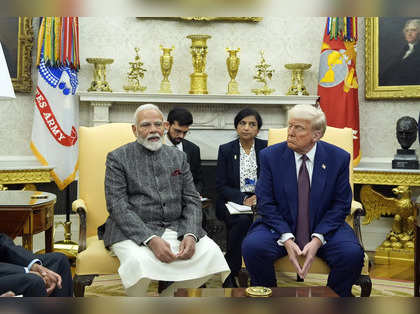
By T N Ashok WASHINGTON: Indian Prime Minister Narendra Modi’s visit the United States is more significant than ever at a time when the geo-political situation is fast changing, and new leaders take over in many countries. Modi’s scheduled meeting with US President Donald Trump on Thursday in White House offered positive results for the […]

KUALA LUMPUR, MALAYSIA – Media OutReach Newswire – 14 February 2025 – HolidayGoGoGo, a leading travel agency in Malaysia, is excited to introduce a brand-new range of overseas tour packages designed for adventure-seekers and leisure travellers. Travellers of every budget can now explore stunning beaches, endangered marine life, or iconic cultural sites with HolidayGoGoGo’s customisable packages, providing them the perfect opportunity to explore Southeast Asia and beyond. […]

VISHNU RAJA
RYO YAMADA
HITORI GOTOH
IKUYO KITA