News related to
Agency

Five leading financial industry groups, including the American Bankers Association and the Securities Industry and Financial Markets Association , have formally urged the U.S. Securities and Exchange Commission to revoke its rule mandating public companies to disclose material cybersecurity incidents within four business days. The coalition contends that the regulation compromises ongoing investigations, exposes sensitive information, and may inadvertently aid cybercriminals.

The SEC’s rule, adopted in July 2023, requires companies to report significant cyber incidents promptly, unless disclosure poses a substantial risk to national security or public safety. The financial groups argue that this timeline is insufficient for thorough internal assessments and coordination with law enforcement, potentially leading to premature disclosures that could hinder response efforts and mislead investors.

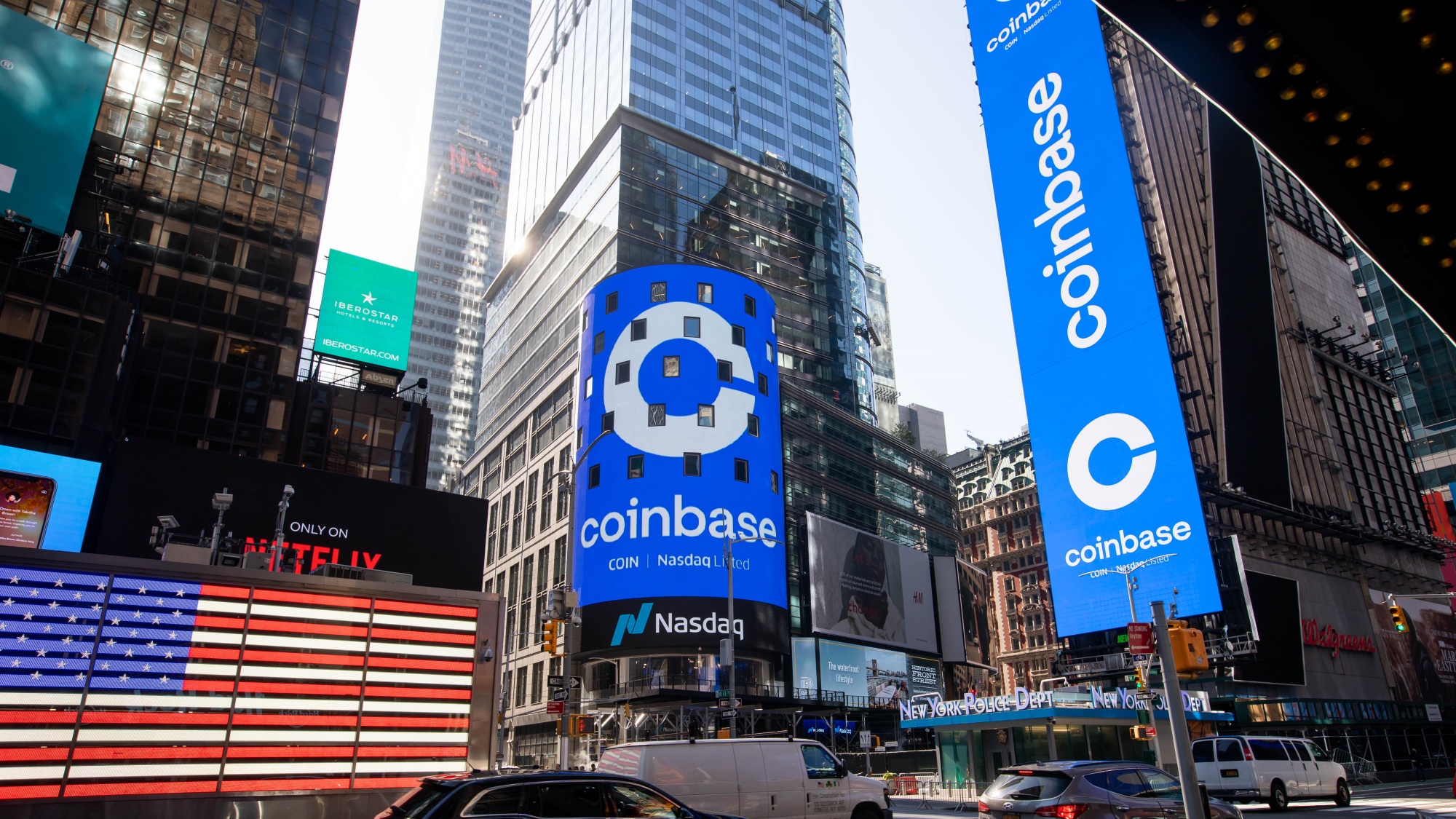
A recent cyberattack on Coinbase, a major cryptocurrency exchange, underscores the concerns raised by these financial entities. Hackers infiltrated Coinbase’s systems by bribing third-party customer service agents, obtaining personal data of approximately 97,000 users. The attackers demanded a $20 million ransom, which Coinbase refused to pay, opting instead to offer a $20 million reward for information leading to their arrest. The breach is expected to cost Coinbase between $180 million and $400 million in remediation and customer reimbursements.

The financial groups emphasize that mandatory rapid disclosure could alert other malicious actors to vulnerabilities before companies have secured their systems. They advocate for a more flexible approach that allows organizations to manage incidents effectively without the pressure of an inflexible reporting deadline.

The SEC maintains that timely disclosure of cyber incidents is crucial for investor protection and market integrity. However, the financial industry coalition insists that the current rule may do more harm than good, potentially exacerbating the very risks it aims to mitigate.

By Nantoo Banerjee Pakistan is back in the business of pushing Jihadists into India. It is the same old story. Last week, barely 12 days after the announcement of a ceasefire on 10 May, Pakistani terrorists in Jammu & Kashmir’s Kishtwar district killed an Indian soldier in an encounter with the security forces. When were […]

A surge in fraudulent activities targeting Schengen visa applicants has prompted urgent warnings from VFS Global and European embassies, as scammers increasingly exploit the high demand for travel to Europe.

In a notable case, a 38-year-old man from Kanyakumari was arrested at Thiruvananthapuram International Airport after attempting to travel to Slovakia with a forged Schengen visa. The visa, procured through an Angamaly-based agency for ₹7 lakh, initially passed scrutiny by Slovakian embassy officials in India. However, Sharjah immigration authorities identified it as counterfeit, leading to his deportation and subsequent arrest. Upon investigation, local police found his claims credible, releasing him on station bail while he assists in identifying the perpetrators.

This incident underscores a broader trend. Data from the district crime records bureau indicates a sharp increase in visa fraud cases, from 15–20 annually between 2021 and 2023 to 66 in 2024, with 23 cases already reported in 2025.

VFS Global, the official visa outsourcing partner for multiple Schengen countries, has reiterated that it does not collaborate with third-party entities for appointment bookings. All appointments must be scheduled through its official website, www.vfsglobal.com. The company warns against individuals or agencies claiming association with VFS Global and offering guaranteed appointments or expedited processing for a fee.

Bernard Vijaykumar, VFS Global’s Head for North Asia and the Philippines, emphasized the importance of early application to mitigate risks. “We strongly encourage all travellers to apply for their visas well in advance of their intended travel dates,” he stated. “Waiting until the last moment not only increases the risk of delays but also exposes applicants to fraudulent entities seeking to exploit their urgency.”

European embassies have echoed these concerns. Veronika Hadravova, Head of the Consular Section at the Embassy of Czechia in Bangkok, advised applicants to book appointments only through VFS Global and to be wary of scammers exploiting peak travel seasons. Similar advisories have been issued by embassies of Austria, Germany, Hungary, and Switzerland.

Common tactics employed by fraudsters include requesting advance payments to personal bank accounts, seeking personal information under the guise of application validation, and using fabricated email IDs to send fraudulent job offers or immigration communications. Applicants are advised to be cautious of pixelated or disproportionate logos on documentation and to avoid sharing sensitive information on public domains or social media platforms.

VFS Global has also highlighted that visa appointments are free of charge and should only be booked through its official website. The company does not influence visa decisions, which are solely at the discretion of the respective embassies or consulates. Applicants are urged to report any suspicious activity to the relevant authorities and to avoid engaging with unauthorized agents promising guaranteed approvals or expedited services.

Leading Educational Experts Convene at Knowledge Exchange Festival 2025 Navigating Collective Creative Futures through Arts Education HONG KONG SAR – Media OutReach Newswire – 24 May 2025 – To foster greater understanding and facilitate dialogue on creative teaching and learning among stakeholders in education and the arts, AFTEC, with funding from The Hong Kong Jockey Club Charities Trust, presents the Knowledge Exchange Festival on 23 – 24 […]

New York-based consulting firm Elevate has acquired RISE Group, a marketing and commercial services consultancy headquartered in Riyadh and Dubai. The acquisition, for an undisclosed amount, is pending customary regulatory approvals. This move marks Elevate’s strategic entry into the Middle East and North Africa region, aiming to capitalise on the burgeoning sports and entertainment sectors. As part of the agreement, RISE co-founders Seth Holmes and Tom Berrington […]

The Commodity Futures Trading Commission has affirmed that crypto perpetual futures are allowed for trading within the United States, providing much-needed regulatory clarity to market participants and investors in the digital asset space. This confirmation signals a significant development in the regulation of cryptocurrency derivatives, which have previously operated in a somewhat ambiguous legal environment. The CFTC’s explicit stance is expected to bring greater legitimacy and stability to an increasingly popular segment of the crypto market, while also setting the tone for future regulatory frameworks.

Crypto perpetual futures, a type of derivative contract that allows traders to speculate on the price movements of cryptocurrencies without an expiry date, have gained widespread traction globally. Unlike traditional futures contracts with fixed settlement dates, perpetual futures enable continuous trading, providing liquidity and hedging opportunities that attract institutional and retail investors alike. However, their regulatory status has often been unclear, causing uncertainty among exchanges and traders, especially in the US, where regulatory agencies tend to apply stringent oversight to financial instruments.

The CFTC’s confirmation comes amid growing scrutiny of the broader cryptocurrency ecosystem, which has faced regulatory challenges regarding investor protection, market manipulation, and systemic risks. The agency clarified that perpetual futures on cryptocurrencies fall under its jurisdiction as derivatives products, which means platforms offering these contracts must comply with relevant CFTC rules and regulations. This includes registration requirements for exchanges, adherence to anti-fraud measures, and maintaining transparent market practices.

Market leaders in crypto derivatives, such as Binance.US, FTX , and CME Group, have actively developed or listed perpetual futures contracts, but the lack of a formal regulatory framework had limited broader institutional adoption. The CFTC’s clear position may pave the way for more exchanges to offer these products, potentially increasing market liquidity and fostering innovation. The move also aligns with the agency’s broader approach to fostering responsible innovation in the derivatives market while safeguarding investor interests.

Industry experts note that the CFTC’s position contrasts with the Securities and Exchange Commission’s approach toward cryptocurrencies, which is generally more cautious, particularly regarding spot trading and certain crypto tokens. The delineation between the two agencies’ jurisdictions has been a subject of ongoing debate, especially since the SEC considers many digital assets as securities, thus subject to more stringent rules. The CFTC’s focus on futures and derivatives, rather than spot trading, offers a clearer regulatory path for these instruments.

This clarification from the CFTC also coincides with increased legislative and policy interest in digital assets at both federal and state levels. Lawmakers have debated comprehensive crypto regulatory frameworks to unify the patchwork of existing rules and provide consistency for market players. The CFTC’s explicit statement on perpetual futures could serve as a foundation for such legislative efforts, informing standards that balance innovation with risk management.

The implications of this regulatory clarity extend beyond the immediate crypto derivatives market. Institutional investors, including hedge funds, asset managers, and pension funds, have expressed cautious interest in digital asset products but often cite regulatory uncertainty as a key barrier. With perpetual futures formally recognised by the CFTC, these market participants may feel more confident engaging in cryptocurrency markets, potentially unlocking fresh capital inflows.

At the same time, consumer advocates and regulatory observers remain watchful. The high leverage and volatility inherent in perpetual futures trading can pose significant risks to less experienced traders, raising concerns about potential losses and market manipulation. The CFTC’s mandate includes protecting market integrity and consumer interests, so its enforcement actions and rulemaking around these contracts will likely intensify to address these risks effectively.

Cryptocurrency exchanges operating within the US have welcomed the announcement, viewing it as a step toward harmonising regulatory oversight and reducing operational uncertainty. Many platforms have invested heavily in compliance infrastructure, knowing that robust regulatory approval is crucial for long-term sustainability and growth. The clear jurisdictional guidance from the CFTC provides a framework for exchanges to innovate within established legal boundaries.

Internationally, regulatory bodies are also grappling with the rapid evolution of crypto derivatives. Countries such as Singapore, Switzerland, and the United Kingdom have developed varying approaches to the supervision of perpetual futures and similar instruments. The US’s decision to permit these contracts under the CFTC’s regulatory umbrella could influence global standards, encouraging a more coherent international regulatory environment.

Financial analysts highlight that the integration of crypto perpetual futures into regulated markets may increase price transparency and reduce volatility over time. By bringing these products under official oversight, the CFTC enables enhanced surveillance tools and risk controls, potentially deterring manipulative trading practices that have plagued the crypto space.

This regulatory clarity comes as decentralised finance platforms continue to explore perpetual futures through automated protocols. While the CFTC’s ruling primarily affects centralised exchanges and traditional trading venues, it sets a precedent that could influence regulatory approaches to DeFi derivatives as well. Authorities are closely monitoring DeFi developments, which challenge conventional frameworks due to their borderless and algorithm-driven nature.

Industry voices underscore the importance of balancing innovation with prudent oversight. The CFTC’s confirmation reflects a broader shift towards integrating cryptocurrency markets into the mainstream financial system while managing systemic risks. The move is likely to spur further collaboration between regulators, industry stakeholders, and market participants to develop standards that protect users without stifling technological advancement.

This regulatory milestone arrives amid a period of consolidation and maturation in the crypto market. After years of rapid growth, speculative excesses, and high-profile failures, the sector is increasingly focused on compliance, institutionalisation, and sustainable development. The CFTC’s stance on perpetual futures underlines the evolving recognition that digital assets and their derivatives require clear, enforceable rules tailored to their unique characteristics.


KUALA LUMPUR, MALAYSIA – Media OutReach Newswire – 23 May 2025 – Asian countries are navigating uncertainty amidst the U.S. tariff pause. The region runs a large trade surplus with the U.S., and many countries’ economies rely heavily on exports. Now, the Asian states have about seven weeks left to negotiate new trade deals with the U.S. Octa Broker looks at the progress made so far and […]

Advertisements

Global financial markets reeled on Monday following Moody’s Investors Service’s decision to downgrade the United States’ sovereign credit rating from Aaa to Aa1. The move, citing escalating fiscal deficits and a ballooning national debt, has intensified scrutiny over Washington’s economic policies and triggered a wave of investor unease.

The downgrade has led to a sharp rise in U.S. Treasury yields, with the 30-year bond yield climbing to 5.03%, its highest level since November 2023. The 10-year yield also surged to 4.55%, reflecting growing apprehension about the sustainability of U.S. fiscal policy. Concurrently, the U.S. dollar weakened against major currencies, while global equity markets experienced significant declines.

Moody’s action follows the narrow approval of President Donald Trump’s $3.8 trillion tax-cut package by the House Budget Committee. The legislation, which aims to extend the 2017 tax cuts and introduce new reductions on tips and overtime income, is projected to add between $3 trillion and $5 trillion to the national debt over the next decade. Analysts warn that such measures could exacerbate fiscal imbalances and undermine investor confidence.

European markets responded negatively, with the pan-European STOXX 600 index falling by 0.7%, ending a five-week winning streak. Luxury stocks, heavily reliant on Chinese demand, were particularly affected due to disappointing retail sales data from China. In the UK, the FTSE 100 index dropped by 0.8%, while the midcap FTSE 250 fell by 1.3%, influenced by the U.S. credit downgrade and anticipation surrounding a UK-EU summit.

Asian markets mirrored this trend, with key indices declining amid concerns over the U.S. fiscal outlook. The downgrade has also stalled the recent Wall Street rally, with futures dipping and the dollar weakening. Investors are increasingly wary of the U.S.’s rising debt burden and the potential implications for global financial stability.

The concept of “bond vigilantes”—investors who sell off government bonds in response to fiscal irresponsibility—has resurfaced. Analysts caution that if yields continue to rise, it could lead to instability in both bond and stock markets, potentially forcing the Federal Reserve to intervene. Some foresee a scenario where yields could exceed 6%, posing significant risks to economic growth.

Moody’s downgrade aligns the U.S. with other major economies that have lost their triple-A ratings, such as the UK and France. The agency projects that the U.S. debt-to-GDP ratio could reach 134% by 2035, up from 98% last year. The federal deficit, currently at 6.4% of GDP, is expected to rise to 9% by 2035, driven by increased interest payments and entitlement spending.

Despite these warnings, Treasury Secretary Scott Bessent dismissed the downgrade, asserting that the tax cuts would spur economic growth sufficient to offset the increased debt. However, nonpartisan analysts and some lawmakers express skepticism, highlighting the lack of substantial spending cuts or new revenue measures to balance the budget.

The political landscape remains divided, with hardline Republicans advocating for deeper cuts to programs like Medicaid and the repeal of green tax credits. Moderate Republicans and some senators oppose such measures, citing potential harm to vulnerable populations and the broader economy. The proposed cuts could result in 8.6 million people losing Medicaid coverage, raising concerns about the social impact of fiscal austerity.

The U.S. Securities and Exchange Commission is intensifying its investigation into Coinbase Global Inc., focusing on whether the cryptocurrency exchange misrepresented user metrics in its disclosures surrounding its 2021 initial public offering . Central to the inquiry is the “verified users” metric, a figure that has drawn scrutiny for potentially overstating the platform’s active user base.

The SEC’s probe, initiated during the Biden administration and continuing under the current leadership, seeks to determine if Coinbase’s reported user numbers provided a misleading picture to investors. The agency is examining the methodology behind the “verified users” count and its correlation to actual platform engagement and revenue generation.

Coinbase defines “verified users” as individuals or entities that have registered on the platform and confirmed their email address or phone number. However, this metric does not necessarily indicate active trading or revenue-contributing activity. In a 2022 filing, Coinbase acknowledged that the “verified users” figure might overstate the number of unique customers, as individuals could register multiple accounts using different credentials.

Further complicating matters, Coinbase announced in early 2023 that it would cease reporting the “verified users” metric, citing its limited relevance to business performance. The company stated that the metric did not effectively track user activities leading to revenue generation and, therefore, was not indicative of overall performance.

The SEC’s investigation also encompasses a broader examination of Coinbase’s compliance with securities laws. In June 2023, the agency filed a lawsuit alleging that Coinbase operated as an unregistered broker, exchange, and clearing agency. The lawsuit contends that Coinbase facilitated trading of at least 13 crypto assets deemed securities, which should have been registered with the SEC prior to their issuance.

Coinbase has consistently denied these allegations, asserting that it does not list securities and that its operations are compliant with existing regulations. The company has also accused the SEC of failing to provide clear regulatory guidance for the cryptocurrency industry, leading to a lack of clarity and inconsistent enforcement actions.

Franklin Templeton has secured regulatory approval from the Monetary Authority of Singapore to launch the Franklin OnChain U.S. Dollar Short-Term Money Market Fund, marking the first tokenised fund accessible to retail investors in Singapore. The fund requires a minimum investment of US$20, aiming to democratise access to money market instruments through blockchain technology.

The fund is structured under the Franklin Templeton Investments Variable Capital Company and will be managed by Templeton Asset Management Ltd, with Franklin Advisers Inc serving as the sub-manager. It seeks to provide investors with exposure to a portfolio of high-quality, short-term securities, including transferable securities and money market instruments of governments, as well as eligible securities of companies worldwide, primarily denominated in or hedged to the U.S. dollar.

Shares of the fund will be issued and managed through Franklin Templeton’s proprietary blockchain-integrated transfer agency platform. This approach is designed to enhance transparency, security, and efficiency in asset management by leveraging blockchain technology to record transactions and share ownership.

The launch of this tokenised fund aligns with Singapore’s broader efforts to position itself as a hub for digital asset innovation. Franklin Templeton’s participation in Project Guardian, an initiative by MAS to explore the potential of decentralised finance and asset tokenisation, underscores its commitment to advancing financial technology in the region.

The fund mirrors the investment strategy of Franklin Templeton’s existing U.S. Dollar Short-Term Money Market Fund, which manages approximately US$1.7 billion in assets. By offering a tokenised version of this fund, Franklin Templeton aims to provide retail investors in Singapore with a familiar investment product enhanced by the benefits of blockchain technology.

Shares of eToro surged 29% to close at $67 on its first day of trading on the Nasdaq, valuing the Israeli trading platform at approximately $5.4 billion. The company raised nearly $620 million by selling 11.9 million shares at $52 each, exceeding its initial target of 10 million shares priced between $46 and $50.

This strong market entry reflects renewed investor optimism amid a broader rebound in the IPO market. BlackRock played a pivotal role as a cornerstone investor, expressing interest in purchasing up to $100 million in shares. Other firms like Robinhood, Chime, Figma, Aspen Insurance, and American Integrity Insurance have also entered or planned to enter the IPO market, signaling a revived appetite for public listings.

Founded in 2007 by Yoni Assia and his brother, eToro focuses on mobile stock and crypto trading, boasting 40 million users across 75 countries. In 2024, eToro reported a significant leap in net income to $192.4 million from $15.26 million in 2023, with revenues also climbing from $3.43 billion to $12.64 billion. Assia highlighted the importance of profitability and user engagement, particularly during market volatility, in driving the company’s success.

The company’s U.S. operations, however, are currently limited to trading in Bitcoin, Ethereum, and Bitcoin Cash due to a settlement with the Securities and Exchange Commission . In September 2024, eToro agreed to pay a $1.5 million fine to settle charges that it operated as an unregistered broker and clearing agency. As part of the settlement, eToro restricted its U.S. crypto offerings to the three aforementioned cryptocurrencies and provided users with a 180-day period to liquidate or transfer other crypto assets.

Despite these limitations, eToro’s global operations remain robust, with the company offering over 100 crypto assets to users outside the U.S. The platform’s unique social trading features, which allow users to share strategies and mimic top investors, have contributed to its popularity, with over half of its funded accounts engaging socially on the platform in 2023.

U.S. President Donald Trump has announced plans to lift longstanding U.S. sanctions on Syria, in place since 1979 and intensified during the Syrian Civil War. During his Middle East tour, Trump revealed the decision at the U.S.-Saudi Investment Forum, describing the sanctions as historically significant yet now detrimental. The sanctions had frozen Syrian assets, banned petroleum imports, and isolated the country from the global economy. Critics highlight […]

Ripple Labs has reached a landmark settlement with the U.S. Securities and Exchange Commission , concluding a protracted legal battle that has significantly influenced the cryptocurrency sector. The agreement entails Ripple paying a reduced fine of $50 million, down from the initially imposed $125 million, without admitting any wrongdoing. This settlement, pending approval from the SEC and the presiding judge, marks a pivotal moment in the ongoing discourse surrounding digital asset regulation.

The SEC’s lawsuit, initiated in December 2020, accused Ripple of raising over $1.3 billion through unregistered securities offerings by selling its XRP token. A critical development occurred in July 2023 when U.S. District Judge Analisa Torres ruled that while XRP sales to institutional investors violated securities laws, XRP sales on public exchanges did not constitute securities transactions. This nuanced decision provided a partial victory for Ripple and set a precedent for how digital assets might be classified in the future.

The resolution of this case has had immediate market implications. XRP’s price surged by approximately 14%, reaching highs of $2.59, reflecting renewed investor confidence. The token’s market capitalization also saw a significant increase, positioning XRP as the third-largest cryptocurrency by market value. This market response underscores the broader industry’s anticipation for regulatory clarity and the potential for increased institutional adoption.

The settlement aligns with a broader shift in the SEC’s approach to cryptocurrency regulation under the current administration. The agency has recently dropped several high-profile cases against major crypto exchanges, signaling a move towards a more collaborative regulatory framework. President Donald Trump’s administration has expressed support for the crypto industry, with initiatives such as the establishment of a government crypto reserve that includes XRP and the nomination of Paul Atkins, known for his pro-crypto stance, to chair the SEC.

Ripple’s legal victory also opens the door for potential advancements in the cryptocurrency market infrastructure. Analysts suggest that the favorable outcome could pave the way for the approval of an XRP-based exchange-traded fund , further legitimizing the asset class and providing investors with more accessible investment vehicles. Additionally, the classification of XRP as a commodity rather than a security could lead to less stringent oversight and encourage broader adoption.

Opec+ has made significant moves in recent months, shifting from a neutral to a more aggressive stance. After a period of gradual production increases, the group, led by Saudi Arabia, has opted for a sharp rise in output, signalling a strategic push to regain market share. However, with key members such as Iraq and Kazakhstan failing to meet targets, the question remains: who will bear the brunt […]

Salik, Dubai’s exclusive toll gate operator, has entered into a strategic partnership with ENOC Group to enable seamless, contactless payments at fuel stations across the emirate. The agreement, formalised through a memorandum of understanding signed at ENOC’s headquarters, will allow motorists to pay for fuel and services using Salik’s e-wallet, with charges automatically deducted via automatic number plate recognition technology.

The collaboration marks a significant step in both companies’ digital transformation strategies. Salik’s CEO, Ibrahim Sultan Al Haddad, emphasised that the initiative reinforces the company’s commitment to delivering advanced technologies that simplify transactions and improve operational efficiency. ENOC’s Group CEO, Saif Humaid Al Falasi, highlighted that the partnership enhances the customer journey and opens new avenues to add value and strengthen ENOC’s market position.

The MoU outlines joint technical integration efforts, a phased introduction of the new payment system across ENOC outlets, and upcoming co-branded marketing campaigns to increase public awareness. The two entities are also considering a broader strategic alliance.

This development follows Salik’s implementation of a variable toll pricing system across all Salik gates, effective from January 31, 2025. The new system offers different rates for peak and off-peak hours, aiming to ease congestion and improve traffic flow during peak times.

The integration of Salik’s e-wallet with ENOC’s fuel stations is part of a broader push towards customer-focused mobility solutions. By offering simple and secure ways to pay, the partnership aims to make everyday life in Dubai more convenient.

The new payment system will utilise ANPR technology, already deployed by Salik at over 25 parking locations and soon expanding to 127 locations, to offer contactless payments at ENOC’s retail and service network. This technology allows for automatic deduction of transaction values through vehicle number plate recognition, eliminating the need for cash or card payments.

Both companies are exploring further collaboration to extend these services across ENOC’s full network, reinforcing Dubai’s broader vision of a connected, smart economy. The partnership is expected to support Salik’s goal to grow ancillary revenue streams and expand its role in Dubai’s smart mobility infrastructure.

The agreement also includes joint marketing efforts, plans for phased technical integration, and potential for a deeper strategic partnership. ENOC, meanwhile, said the collaboration reflects its commitment to enhancing customer experience and exploring new digital revenue channels.

The partnership leverages automatic number plate recognition technology, already deployed by Salik at over 25 parking locations and soon expanding to 127 locations, to offer contactless payments at ENOC’s retail and service network. It marks a significant step in both companies’ digital transformation strategies.

Salik said the agreement supports its goal to grow ancillary revenue streams and expand its role in Dubai’s smart mobility infrastructure. ENOC, meanwhile, said the collaboration reflects its commitment to enhancing customer experience and exploring new digital revenue channels.

The new system will allow customers to pay for fuel and services without physical interaction, with charges automatically deducted from their Salik accounts based on vehicle number plates. This move is part of a larger plan by both companies to go digital and make things easier for customers. It will help save time, reduce the need for cash or card payments, and improve the overall experience for drivers.

The agreement was formalised at ENOC’s headquarters in Dubai, with Salik CEO Ibrahim Sultan Al Haddad and ENOC Retail Managing Director Zaid Alqufaidi signing on behalf of their respective organisations. The partnership is expected to support Salik’s goal to grow ancillary revenue streams and expand its role in Dubai’s smart mobility infrastructure.

ENOC, meanwhile, said the collaboration reflects its commitment to enhancing customer experience and exploring new digital revenue channels. The agreement also includes joint marketing efforts, plans for phased technical integration, and potential for a deeper strategic partnership.

Both companies are exploring further collaboration to extend these services across ENOC’s full network, reinforcing Dubai’s broader vision of a connected, smart economy. The partnership is expected to support Salik’s goal to grow ancillary revenue streams and expand its role in Dubai’s smart mobility infrastructure.

HONG KONG SAR – Media OutReach Newswire – 7 May 2025 – Blue Cross (Asia-Pacific) Insurance Limited (“Blue Cross”) reported outstanding performance in the 2024 provisional statistics for Hong Kong general insurance business released by the Insurance Authority: Blue Cross achieved a 22.1% year-on-year growth in gross written premiums, significantly outpacing the market average of 6.3%1. Blue Cross’s overall market share has also increased. Non-medical business experienced […]

Greenlogue/AP Iraq’s Ministry of Electricity is intensifying efforts to bolster its renewable energy capacity, engaging in virtual discussions with officials from the UAE’s Masdar to expedite the development of solar power projects totaling 1,000 megawatts across the provinces of Maysan, Dhi Qar, and Anbar. The meeting, led by Electricity Minister Ziyad Ali Fadel, focused on finalising power purchase agreements and addressing implementation challenges, according to a statement […]

UAE Cybersecurity Powerhouse CPX Appoints Tenet as Digital Growth Partner to Accelerate Regional and Global Expansion Award-winning UI/UX and growth marketing agency Tenet (We are Tenet) selected to spearhead CPX’s digital transformation efforts and accelerate global market expansion following strategic G42 acquisition. Abu Dhabi, UAE – May 5, 2025 – Tenet (We are Tenet), a globally recognized growth marketing and UI/UX design agency, today announced its appointment […]

United Airlines has cut 35 daily flights at Newark Liberty International Airport, citing a critical shortage of air traffic controllers and repeated failures in the Federal Aviation Administration’s infrastructure. The move, which affects approximately 10% of United’s domestic round-trip operations at the airport, follows days of severe delays, cancellations, and diversions that have rippled across the national aviation network. Chief Executive Scott Kirby described the situation as […]

As Dubai continues to expand its real estate offering, a noticeable shift is underway in how residential developments are being conceptualized and delivered. Traditional high-rise towers, long considered the hallmark of urban prestige in Dubai, are increasingly being complemented — and in some cases, replaced — by boutique-scale, low-rise residential buildings designed for privacy, walkability, and long-term lifestyle value. At the center of this movement is Dubai […]

The U.S. Securities and Exchange Commission has concluded its investigation into PayPal’s U.S. dollar-backed stablecoin, PYUSD, without pursuing any enforcement action, according to the company’s regulatory filing dated April 29. This development removes a significant regulatory hurdle for PayPal’s digital asset initiative.

The SEC’s inquiry began in November 2023 when PayPal received a subpoena from the Division of Enforcement, requesting documents related to the launch and structure of PYUSD. PayPal stated that it fully cooperated with the SEC’s requests. In February, the SEC notified PayPal that it had concluded its investigation and did not intend to recommend any enforcement action. Investigation With No Enforcement Action, The SEC drops investigation into PayPal’s stablecoin – Mitrade)

PYUSD, launched in August 2023, is designed to be fully backed by U.S. dollar deposits, including short-term Treasuries and cash equivalents, and is redeemable at a 1:1 ratio with the U.S. dollar. Despite its backing and PayPal’s prominent position in the digital payments space, PYUSD has faced challenges in gaining significant market share in a stablecoin market dominated by competitors like Tether and Circle. Investigation With No Enforcement Action, PayPal Says SEC Drops Probe Into Its Dollar-Pegged Stablecoin)

As of April 2025, PYUSD’s market capitalization stands at approximately $880 million, representing less than 1% of Tether’s $148.5 billion market cap. However, the stablecoin has experienced growth in 2025, with a 75% increase in circulating supply since the beginning of the year, although it remains 14% below its peak supply of just over $1 billion in August 2024.

PayPal has introduced initiatives aimed at bolstering PYUSD’s adoption. On April 23, the company announced a new loyalty offering that allows U.S. users to earn 3.7% annually for holding PYUSD on the platform. Additionally, on April 24, PayPal revealed a partnership with Coinbase to enhance the adoption of PYUSD, aiming to drive new and innovative use cases within the cryptocurrency community.

The SEC’s decision to close the investigation into PYUSD without enforcement action aligns with a broader trend of the agency concluding several crypto-related cases. In recent months, the SEC has ended probes into companies such as Crypto.com, Robinhood Crypto, Coinbase, and Gemini, indicating a potential shift in the regulatory approach towards the cryptocurrency industry. Investigation With No Enforcement Action)

This regulatory clarity comes as PayPal reported strong first-quarter earnings, with earnings per share surpassing Wall Street forecasts at $1.33 and revenue rising 1% year-over-year to $7.8 billion. The company also highlighted the completion of significant share repurchase activities during the quarter. Investigation With No Enforcement Action)

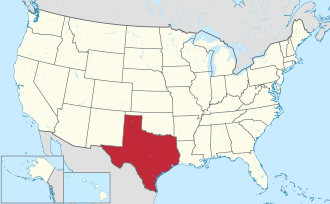
A federal judge in Texas has ruled that the U.S. Treasury Department’s Office of Foreign Assets Control acted beyond its legal authority when it sanctioned the cryptocurrency mixer Tornado Cash, permanently barring the agency from reimposing such sanctions.

Judge Robert Pitman of the U.S. District Court for the Western District of Texas issued the decision on April 28, stating that OFAC’s designation of Tornado Cash’s smart contracts in August 2022 exceeded the agency’s statutory powers. The court’s ruling follows OFAC’s earlier action on March 21, 2025, when it officially removed Tornado Cash from its Specially Designated Nationals and Blocked Persons List, effectively lifting the sanctions.

The sanctions had been imposed on Tornado Cash for allegedly facilitating the laundering of over $7 billion in virtual currencies, including funds stolen by North Korea’s Lazarus Group. However, the court found that OFAC’s action against the platform’s autonomous smart contracts was not supported by the International Emergency Economic Powers Act , which governs the agency’s sanctioning authority.

In November 2024, the U.S. Court of Appeals for the Fifth Circuit had already determined that OFAC had overstepped its authority by sanctioning Tornado Cash’s immutable smart contracts, which do not qualify as “property” under federal law. This appellate decision laid the groundwork for the Texas district court’s subsequent ruling, which emphasized that OFAC cannot reimpose sanctions on Tornado Cash in the future.

Despite the lifting of sanctions, the legal challenges for Tornado Cash’s developers persist. Roman Storm and Roman Semenov, co-founders of the platform, were indicted in August 2023 by the U.S. Department of Justice on charges including conspiracy to commit money laundering, conspiracy to operate an unlicensed money transmitting business, and conspiracy to violate the IEEPA. The DOJ alleges that Tornado Cash was used to launder more than $1 billion in criminal proceeds, including hundreds of millions of dollars for the Lazarus Group.

Roman Storm was arrested in Washington State and is currently awaiting trial, scheduled for July 2025. Roman Semenov remains at large and has been added to OFAC’s sanctions list. Additionally, Alexey Pertsev, another developer associated with Tornado Cash, was arrested in the Netherlands in August 2022 and was sentenced in May 2024 to five years and four months in prison for money laundering.

The court’s decision has significant implications for the regulation of decentralized technologies. By ruling that OFAC cannot sanction autonomous smart contracts, the judgment underscores the challenges regulators face in applying traditional legal frameworks to decentralized platforms that operate without centralized control.

Iran is offering its sanctioned economy as an investment opportunity to the United States, presenting an unconventional proposition amid ongoing negotiations over its nuclear programme. With diplomatic discussions showing momentum, Iranian officials are openly pitching economic engagement with Washington as a path toward a more durable and beneficial agreement, marking a shift not seen in decades. Talks have gained ground as both sides weigh the possibility of […]

Loan Assets Reach a Record High of HK$3.13 billion Customer Deposits Have Significant Growth of 74% Net Interest Income Surged 70% to over HK$130 million In 2024, PAObank achieved outstanding performance across key operational indicators, with net interest income increasing significantly by 70% year-on-year to over HK$130 million. Dedicated to empowering SMEs, PAObank remains committed to supporting their upgrade and transformation. In 2024, total loans and advances […]

VISHNU RAJA
RYO YAMADA
HITORI GOTOH
IKUYO KITA