News related to
Arabian Post Special

Abu Dhabi’s state-owned holding company ADQ has assumed responsibility for managing two critical urban mobility systems in the emirate, DARB and Mawaqif. This decision marks a significant move within the UAE’s capital as part of ADQ’s ongoing strategy to consolidate its influence across key sectors, including transport and infrastructure. With ADQ at the helm, the management of these systems is expected to enhance efficiency, integrate technological advancements, and drive further development across the region’s mobility infrastructure.

The acquisition of DARB and Mawaqif, which manage road tolls and public parking respectively, signifies a larger push toward creating an interconnected transportation ecosystem in Abu Dhabi. The integration of these platforms under ADQ aims to bolster the emirate’s urban mobility framework, aligning with broader objectives to position Abu Dhabi as a leader in smart city development. The transition is being seen as a major step towards modernizing the city’s infrastructure while ensuring sustainability and ease of mobility for residents.

DARB, the road toll system in Abu Dhabi, was introduced as part of an initiative to reduce traffic congestion and promote the use of alternative transportation methods. The toll system uses automated technology to charge drivers passing through designated gates without requiring any physical tollbooths. This shift toward automation aligns with ADQ’s broader agenda of adopting cutting-edge solutions to enhance public services. The company is expected to focus on improving the technological framework of DARB, making it more user-friendly and efficient.

Mawaqif, on the other hand, is Abu Dhabi’s public parking management system, ensuring that parking spaces are utilized effectively across the city. The system operates through an integrated technology platform that allows residents and visitors to manage parking payments seamlessly through mobile applications and online systems. With ADQ assuming control of Mawaqif, there is speculation that the system could see further integration with other smart city services, enhancing the overall user experience and contributing to the wider development of a unified, technologically advanced infrastructure.

This move fits into ADQ’s long-term plan of building cluster ecosystems, where interconnected industries and services work cohesively to foster growth. The entity has been instrumental in managing a diverse portfolio that includes healthcare, energy, logistics, and utilities. By taking control of DARB and Mawaqif, ADQ is consolidating its role in the urban planning and development space, ensuring that these systems contribute meaningfully to the emirate’s economic and social objectives.

Moreover, ADQ’s involvement in the transportation sector underlines the company’s commitment to aligning its activities with the UAE’s national vision, which emphasizes sustainability, technological innovation, and efficient public services. The integration of DARB and Mawaqif under a single managerial entity allows for streamlined decision-making, faster implementation of improvements, and better coordination between different urban mobility projects. ADQ’s history of successfully managing large-scale projects also boosts confidence in the future of these systems, particularly in terms of reliability and technological advancement.

As the emirate continues to expand, ensuring a sustainable and efficient transport system remains critical. Abu Dhabi has been heavily investing in smart infrastructure, and the transportation sector is a central pillar of these developments. ADQ’s takeover of DARB and Mawaqif will likely bring in significant improvements, especially in terms of adopting newer technologies such as AI-driven traffic management and real-time data analytics. These innovations could lead to optimized traffic flow, better management of urban spaces, and an enhanced quality of life for residents.

Additionally, this transition reflects a broader trend in the region, where governmental entities are increasingly collaborating with semi-autonomous holding companies like ADQ to implement large-scale infrastructure projects. This approach allows for better flexibility in execution while ensuring that public services remain in line with the country’s long-term strategic objectives. The growing influence of such entities, including ADQ, is seen as a key driver of economic diversification in the UAE, reducing dependency on oil revenues and fostering growth in other critical sectors.

While the exact financial details of ADQ’s takeover of DARB and Mawaqif have not been disclosed, industry analysts suggest that the move could lead to a significant increase in revenue generation for the holding company, particularly as the systems expand their scope in the coming years. Both DARB and Mawaqif are essential to Abu Dhabi’s day-to-day urban management, affecting millions of residents and commuters. By streamlining the operations of these systems, ADQ is positioned to ensure that they operate more efficiently and continue to meet the growing demands of the city.

The leadership transition is being watched closely by industry experts, who believe that ADQ’s role could extend beyond operational management to involve strategic decision-making on future expansions of the mobility infrastructure. This could include initiatives such as expanding public transportation options, integrating electric vehicle (EV) infrastructure, and further leveraging digital platforms to make transportation and parking more accessible. The potential for cross-sector collaboration, especially with ADQ’s involvement in utilities and logistics, opens the door to even more comprehensive urban planning initiatives in the future.


Emirates REIT has announced the appointment of a new Chief Financial Officer, Ali Kazim, a former banker with Abu Dhabi Islamic Bank (ADIB), as the company prepares for a critical sukuk maturity. This move comes amid heightened scrutiny over the real estate investment trust’s financial health as it faces a significant payment deadline.

Kazim’s selection is seen as part of the REIT’s strategy to strengthen its financial leadership and navigate a complex financial landscape. With the sukuk set to mature in December, Emirates REIT is under pressure to outline a clear plan for repayment or refinancing. Investors and analysts are closely watching how the Dubai-based company will handle the $400 million Islamic bond, which has been a central focus in its financial operations.

Emirates REIT, a sharia-compliant investment trust that manages a diverse portfolio of commercial and residential properties, has been in a challenging position over the past few years. Declining property values in the region, exacerbated by the global economic downturn and shifting investor sentiment, have contributed to its difficulties. The appointment of Kazim is seen as a key step in bolstering investor confidence as the sukuk repayment date approaches.

The company’s debt, which includes this substantial sukuk, has been a focal point for market watchers. Emirates REIT has attempted to alleviate concerns through various strategic decisions, including asset sales and cost-cutting measures. However, questions about its ability to meet the upcoming obligations remain. Kazim’s role will be pivotal in addressing these concerns, as he brings extensive experience in Islamic finance from his time at ADIB, a leading player in the Gulf’s financial sector.

Ali Kazim’s background includes over two decades of experience in banking and finance, particularly in Islamic finance. During his tenure at ADIB, he played a critical role in managing sukuk issuances, capital raising, and restructuring debt for major corporates. His appointment signals Emirates REIT’s commitment to leveraging expertise in Islamic banking to navigate the complexities of sukuk finance and ensure compliance with sharia principles while securing favorable terms for investors.

Market analysts view this appointment as a positive move but remain cautious about the broader financial outlook for Emirates REIT. The Dubai property market has seen volatility over the past decade, and while there has been some stabilization, risks remain. Property values, rental yields, and occupancy rates have all fluctuated, influencing the REIT’s performance. The upcoming sukuk repayment adds to the uncertainty, and how the new CFO manages this situation will be critical.

Kazim’s immediate focus will likely be on negotiating with bondholders and exploring refinancing options. With the sukuk’s maturity date drawing near, Emirates REIT must either arrange for the repayment of the bond or renegotiate terms with investors. There has been speculation in financial circles about the possibility of extending the maturity or restructuring the debt, although no official announcement has been made on this front.

The broader economic environment, particularly in the Gulf, will also play a significant role in shaping Emirates REIT’s strategy. The UAE’s real estate sector has been undergoing a period of transformation, with developers and investment trusts alike adjusting to shifting demand patterns, especially in the commercial property segment. Increased interest in flexible workspaces, changes in retail real estate, and new government regulations have all impacted market dynamics. Emirates REIT’s property portfolio spans both commercial and residential assets, and the performance of these sectors will directly influence its ability to meet financial commitments.

The sukuk, which was originally issued in 2017, has been a defining financial instrument for Emirates REIT. Sukuk, as an Islamic financial certificate, differs from conventional bonds by adhering to sharia principles, including the prohibition of interest. This makes managing and refinancing such instruments more complex, as sharia compliance must be maintained throughout the process. Kazim’s deep understanding of these intricacies will be essential as he steps into his new role.

Despite the challenges, Emirates REIT’s management has expressed optimism about the future. The company has undertaken several measures to strengthen its balance sheet, including divesting non-core assets and reducing operational costs. These efforts have been aimed at improving liquidity and preparing for the sukuk’s maturity. However, the market remains skeptical, and all eyes are on Kazim and the steps he will take in the coming months.

This leadership change also comes at a time when corporate governance and transparency are under increased scrutiny across the Gulf’s financial sector. The region has seen several high-profile corporate restructurings and defaults, and investors are paying closer attention to how companies manage debt obligations. Emirates REIT, which is one of the few real estate investment trusts in the region, must now demonstrate that it can navigate these challenges effectively while adhering to Islamic financial principles.

Kazim’s appointment is expected to bring a more disciplined approach to financial management at Emirates REIT. His track record at ADIB includes successful debt restructurings and managing complex financial transactions, which will be invaluable as the company works through the sukuk repayment process. Market participants are hopeful that his leadership will provide the clarity and direction needed to steer the company through this critical period.

Dubai International Financial Centre (DIFC) is spearheading a series of new initiatives aimed at positioning itself as a global hub for wealth management and asset management firms. As Dubai continues to solidify its reputation as a key financial center, the strategic move by the DIFC underscores the increasing interest from international firms looking to establish a presence in the region.

With the region’s financial landscape rapidly evolving, the DIFC’s efforts target the growing influx of high-net-worth individuals and institutional investors. A range of programs designed to enhance operational efficiencies for firms, alongside regulatory advancements and incentives, has been rolled out to attract global firms seeking to expand their wealth and asset management portfolios.

This development comes as the Middle East has emerged as a significant player in global wealth management. With a booming ultra-high-net-worth population and growing institutional investments, Dubai is making strides to become a central hub for wealth and asset management activities. The DIFC, long regarded as the financial heartbeat of Dubai, is now doubling down on its efforts to ensure that the city remains competitive on the global stage.

Key among the new initiatives are specialized regulatory frameworks tailored to the asset management sector. These frameworks have been designed to simplify the process for international firms looking to set up operations in Dubai. The objective is to provide a clear and efficient regulatory environment, reducing administrative burdens and encouraging more firms to base their operations in the DIFC.

As part of these efforts, the DIFC has also introduced a range of incentives for firms to expand their footprint in the region. These include tax exemptions, streamlined licensing processes, and enhanced access to a global network of clients and investors. By offering a competitive regulatory and business environment, Dubai aims to draw in more firms, contributing to the city’s long-term financial growth.

Dubai’s wealth management sector has seen significant expansion over the past few years. A growing number of family offices, private equity firms, and institutional investors have established themselves in the DIFC. The trend reflects the region’s increasing importance in the global financial ecosystem, driven in part by the region’s geographic location and its robust infrastructure.

The DIFC’s strategic location at the crossroads of Asia, Europe, and Africa has long made it an attractive destination for financial services. The center is now leveraging this advantage to deepen its focus on wealth and asset management. With growing geopolitical shifts and economic trends driving more capital to the Middle East, Dubai is well-positioned to capture a significant share of this market.

Global asset management firms have already begun to capitalize on the opportunities presented by the DIFC. Several prominent international firms have recently established their regional headquarters in Dubai, underscoring the city’s appeal as a base for financial operations. This growing influx of firms is expected to boost the region’s financial services sector, creating new jobs and driving further investment.

Moreover, the DIFC’s reputation as a secure, transparent, and well-regulated environment has played a critical role in attracting global investors. The center’s robust legal framework, which is based on international standards, provides firms and investors with the confidence needed to operate in the region. This legal certainty is particularly attractive to firms navigating complex international markets.

Another significant factor driving the DIFC’s initiatives is the growth of Islamic finance. As the demand for Sharia-compliant financial products continues to rise globally, Dubai is positioning itself as a leading hub for Islamic asset management. The DIFC has introduced several initiatives aimed at facilitating the growth of Islamic finance, including the establishment of dedicated frameworks for Sharia-compliant investments. These initiatives have positioned the DIFC as a key player in the global Islamic finance market, attracting firms from across the globe.

Dubai’s economic diversification strategy is another driving force behind the DIFC’s latest efforts. As the city looks to reduce its reliance on oil revenues, financial services have emerged as a critical pillar of Dubai’s economy. By fostering a competitive and dynamic financial sector, the DIFC is playing a central role in Dubai’s economic transformation.

The DIFC’s latest initiatives also align with Dubai’s broader strategy to become a global leader in innovation and technology. The center has placed a significant focus on fintech, with several programs aimed at fostering innovation within the financial services sector. The growing importance of digital transformation in financial services is further positioning Dubai as a key destination for firms seeking to innovate in asset management and wealth management.

ADVERTISEMENT

The dominance of the US stock market in recent years, led by tech giants like Apple, Microsoft, and Nvidia, has been undeniable. These Magnificent Seven companies have driven much of the growth in US equities, with the S&P 500 reaping the rewards of their strong earnings performance. However, as we sit in September 2024, global investors should seriously reconsider their portfolios. Relying heavily on US stocks, especially […]

The Emirates Development Bank (EDB) has introduced the AGRIX Accelerator, a pivotal initiative designed to revolutionize the agricultural sector in the UAE. This flagship program aligns with the UAE’s National Food Security Strategy 2051, aiming to enhance food security by providing farmers, agribusinesses, and tech innovators with targeted financial support and advanced agricultural technologies.

Spanning a 20-week duration, the AGRIX Accelerator program offers a comprehensive package that includes funding, mentorship, and access to state-of-the-art agri-tech tools. The initiative is crafted to address the evolving needs of the agricultural sector, ensuring participants are equipped to meet the challenges of modern farming and agribusiness.

Central to the AGRIX Accelerator’s mission is its emphasis on integrating cutting-edge technology with traditional farming practices. The program will facilitate the adoption of innovative agri-tech solutions, such as precision agriculture, smart irrigation systems, and data analytics platforms. These technologies are expected to optimize resource use, increase crop yields, and improve overall efficiency in the sector.

Financial backing is a cornerstone of the AGRIX Accelerator. Participants will have the opportunity to access specialized financial solutions tailored to the unique requirements of the agricultural industry. This support aims to alleviate some of the financial barriers that often impede the adoption of new technologies and practices.

The program is structured into several phases, each focusing on different aspects of agricultural innovation. Initial stages will include workshops and training sessions led by industry experts, covering topics from advanced farming techniques to effective business management. Following these educational components, participants will receive hands-on experience with the latest agri-tech tools and solutions.

One of the key features of the AGRIX Accelerator is its mentorship component. Participants will benefit from guidance and insights provided by experienced professionals and thought leaders in the agricultural and technology sectors. This mentorship is designed to help participants navigate the complexities of integrating new technologies and developing sustainable business models.

The AGRIX Accelerator also emphasizes collaboration among stakeholders. By bringing together farmers, agribusinesses, and technology providers, the program fosters a collaborative environment where ideas can be shared, partnerships can be formed, and innovations can be developed. This collaborative approach is expected to drive significant advancements in the agricultural sector and contribute to the UAE’s broader food security goals.

The launch of the AGRIX Accelerator comes at a time when the UAE is making substantial investments in its agricultural sector to ensure long-term food security. As part of its National Food Security Strategy 2051, the UAE is focusing on enhancing domestic food production capabilities and reducing reliance on food imports. The AGRIX Accelerator is a critical component of this strategy, providing the necessary resources and support to drive innovation and sustainability in agriculture.

The program’s impact will be closely monitored throughout its duration. Success will be measured by the achievements of participating businesses and the advancements made in agricultural technology and practices. The AGRIX Accelerator aims to create a ripple effect in the sector, encouraging more farmers and agribusinesses to embrace innovative solutions and contribute to the UAE’s food security objectives.

Advertisements
ADVERTISEMENT

The Dubai International Financial Centre (DIFC) has unveiled its latest strategic initiative aimed at bolstering the wealth and asset management sector. The DIFC Funds Centre is set to enhance the region’s appeal as a global hub for financial services, addressing the growing demand for sophisticated investment solutions and fostering a conducive environment for the sector’s expansion.

Designed to attract and support an increasing number of wealth and asset management firms, the DIFC Funds Centre will offer a comprehensive suite of services tailored to the needs of institutional and individual investors. This new initiative reflects DIFC’s commitment to strengthening its position as a leading financial centre in the Middle East and North Africa (MENA) region.

The DIFC Funds Centre will serve as a centralized platform for the creation and management of investment funds, facilitating seamless operations through advanced technological infrastructure and regulatory support. By integrating with existing DIFC frameworks, the Funds Centre aims to streamline fund administration processes and provide a robust regulatory environment for fund managers and investors.

This move comes in the wake of several other strategic actions by DIFC to enhance its offerings. The Centre has recently forged partnerships with prominent alternative investment firms and international financial institutions, further cementing its role as a key player in the global finance landscape. These collaborations are designed to attract a diverse range of investment strategies, including private equity, venture capital, and hedge funds.

The DIFC Funds Centre will feature a range of innovative tools and services, including bespoke fund structures, regulatory guidance, and investor relations support. This initiative is expected to significantly reduce the time and cost associated with fund setup and management, offering a competitive edge to firms operating within the DIFC ecosystem.

As part of its strategic vision, DIFC has also introduced enhanced measures to foster a more dynamic and inclusive investment environment. This includes a focus on sustainable investment strategies and the integration of advanced financial technologies. By doing so, DIFC aims to cater to the evolving preferences of investors who are increasingly seeking environmentally and socially responsible investment opportunities.

The launch of the DIFC Funds Centre aligns with broader trends in the global financial industry, where there is a growing emphasis on specialized investment solutions and bespoke financial services. The initiative reflects the shifting landscape of wealth management, where there is a heightened demand for tailored investment products and comprehensive asset management services.

The DIFC’s proactive approach in addressing these trends highlights its role as a forward-thinking financial hub, dedicated to adapting to the evolving needs of the global investment community. With its state-of-the-art facilities and strategic partnerships, the DIFC Funds Centre is poised to attract a significant influx of wealth and asset management firms seeking to leverage the Centre’s capabilities and network.

Furthermore, the DIFC’s emphasis on innovation and regulatory excellence underscores its commitment to maintaining the highest standards of financial services. By providing a platform that combines technological advancements with a strong regulatory framework, DIFC aims to ensure that its clients and partners can operate with confidence and efficiency.

The DIFC Funds Centre represents a critical component of DIFC’s broader strategy to enhance its global competitiveness and appeal. The initiative is expected to contribute to the Centre’s continued growth and success, reinforcing its status as a premier destination for financial services in the region.

ADVERTISEMENT

Boeing and the International Association of Machinists and Aerospace Workers (IAM), the union representing 33,000 employees, have reached a tentative agreement to avoid a looming strike that was set to begin this week. The deal, which was reached after intense negotiations, will be put to a vote by union members over the coming days. This agreement marks a crucial step in resolving a potential labor dispute that could have disrupted Boeing’s operations on the West Coast, particularly at its facilities in Washington, Oregon, and California.

The impending strike was driven by the union’s demand for better wages, benefits, and job security for its members. The original labor contract between Boeing and IAM had expired, leaving thousands of workers with the prospect of walking off the job. Boeing, already grappling with supply chain challenges and increased production demands, sought to prevent a work stoppage that could severely impact its aircraft production schedules.

The tentative deal includes a framework that addresses some of the union’s key concerns. According to union officials, the agreement offers enhanced wage increases, improved health benefits, and stronger job protections. The union’s leadership expressed cautious optimism about the terms, noting that while the deal may not meet all expectations, it represents significant progress compared to the company’s earlier proposals. Both sides had been under mounting pressure to avoid a strike, given Boeing’s critical role in global aerospace production and the potential ripple effects on the broader supply chain.

Boeing, one of the largest aerospace companies in the world, has been working to ramp up production of its 737 MAX and 787 Dreamliner models amid rising demand for commercial aircraft. A strike at this stage would have disrupted operations and exacerbated the challenges Boeing faces as it seeks to recover from the dual impacts of the pandemic and the 737 MAX grounding. Additionally, Boeing is under pressure from its airline customers to meet delivery deadlines, which have already been delayed by various logistical and technical issues.

Union members had been preparing for a strike after rejecting Boeing’s previous offers, which they deemed insufficient in addressing concerns over inflation and rising healthcare costs. The union had argued that the workers, many of whom are highly skilled machinists, deserve a greater share of Boeing’s profits, especially as the company has resumed strong financial performance following years of setbacks. Boeing had initially pushed back, citing its need to maintain cost controls to stay competitive in the global aerospace market.

The negotiations have been watched closely by other unions and industries, as the outcome could set a precedent for labor relations in sectors that rely on skilled manufacturing workers. Labor experts note that the broader economic context, marked by inflation and a tight labor market, has strengthened the bargaining position of unions across the U.S. Workforce shortages in critical industries, including aerospace, have further complicated negotiations, as companies are increasingly concerned about retaining experienced workers while managing operational costs.

Boeing’s leadership expressed relief that a tentative deal had been reached, but emphasized that it is only a step toward securing labor peace. “We are committed to providing competitive compensation packages for our employees while ensuring the long-term success of our company,” a Boeing spokesperson said in a statement. “This agreement reflects our shared commitment to meeting the needs of our workforce and delivering on our commitments to customers.”

For union members, the next few days will be pivotal as they review the details of the agreement and prepare to vote on whether to accept the terms. Union leaders have acknowledged that there may be some hesitation among members, particularly those who had hoped for more substantial gains in areas such as pensions and job security. However, they have urged workers to consider the broader context and the improvements that have been achieved compared to earlier proposals.

The possibility of a strike had sent ripples through the aerospace industry, with analysts warning that any disruption to Boeing’s production lines could have far-reaching consequences for both domestic and international markets. Airlines, already facing delays in aircraft deliveries, had expressed concerns that a strike could lead to further setbacks, complicating fleet expansion plans and route scheduling. Suppliers, too, were bracing for potential disruptions, as Boeing’s manufacturing operations rely on a complex network of parts and materials sourced from around the world.

The tentative agreement provides a temporary reprieve, but labor relations at Boeing remain a delicate issue. The company has faced criticism from workers and union representatives in the past for not doing enough to address job security concerns amid shifting industry dynamics. Boeing’s strategic decisions, including outsourcing some manufacturing operations and increasing automation in its factories, have sparked tensions with labor groups who fear these moves could lead to job losses or reductions in wages.

Saudi Arabia’s push towards sustainability and a clean energy future will take center stage at the EV Auto Show 2024, one of the most significant gatherings for the electric vehicle (EV) industry in the Middle East. From September 17th to 19th, the Riyadh International Convention and Exhibition Centre will host automakers, industry experts, and technology innovators from around the world. As the nation seeks to reduce its dependence on fossil fuels, this event marks a key moment in advancing electric mobility in the region.

The EV Auto Show 2024 is expected to attract some of the biggest names in electric vehicle manufacturing, as well as developers of charging infrastructure and related technologies. These participants will be instrumental in Saudi Arabia’s ambitious goals to become a global leader in sustainable energy. The event is more than a showcase of cutting-edge EV models; it represents a broader initiative aligned with the Kingdom’s Vision 2030 plan to diversify its economy and promote environmental responsibility.

Among the most anticipated exhibits are electric cars, commercial trucks, buses, and motorcycles that promise to reshape Saudi Arabia’s automotive landscape. Automakers from across Europe, the US, and Asia will be presenting their latest EV models, reflecting the global momentum in the shift towards electric transportation. Some companies are expected to unveil new vehicles tailored specifically to the needs of the Gulf region, focusing on extreme climate durability, high-performance batteries, and long-range capabilities that meet the challenges posed by the vast Saudi landscape.

Saudi Arabia’s commitment to electric vehicles has been clear over the past few years, as the Kingdom invests heavily in building EV infrastructure. Recent partnerships between the Saudi government and international EV manufacturers have already set the stage for increased local production and assembly of electric vehicles. The show is poised to bring these efforts into sharper focus, with an emphasis on collaborative innovation.

Several regional and international brands will showcase their EV charging solutions at the event. Saudi-based energy firms and multinational companies will demonstrate cutting-edge charging technologies and battery solutions, focusing on both residential and commercial applications. These technologies are pivotal for the growth of the EV market, as reliable and widespread charging infrastructure remains a key challenge in Saudi Arabia’s transition to electric vehicles. The event will feature panels on overcoming these hurdles, with industry leaders and government officials expected to discuss strategies for expanding the country’s EV charging network.

Energy and technology companies are increasingly looking at ways to integrate EVs with renewable energy sources such as solar power. Saudi Arabia’s abundant sunlight presents a significant opportunity to harness clean energy for EVs, reducing both emissions and energy costs in the long term. At the show, experts will discuss how solar-powered EV charging stations can support the country’s sustainability goals, especially as the Kingdom ramps up investment in its burgeoning solar industry.

Key figures in Saudi Arabia’s automotive and energy sectors have noted that the transition to electric vehicles is no longer a distant goal but an immediate priority. The EV Auto Show is expected to catalyze both consumer interest and industry momentum, with stakeholders eager to capitalize on the growing demand for sustainable transportation options. With gasoline prices fluctuating and global environmental policies tightening, EV adoption is not just a matter of preference but a strategic imperative for the Kingdom.

Public interest in electric vehicles has surged across Saudi Arabia, particularly among younger consumers who are increasingly aware of the environmental impacts of traditional gasoline-powered cars. To meet this rising demand, several local companies are making strides in EV development and marketing. In particular, Saudi Arabia’s own Public Investment Fund (PIF) has invested billions in Lucid Motors, a leading American EV manufacturer. Lucid has already established a production facility in King Abdullah Economic City (KAEC), marking a major milestone in local EV manufacturing. The partnership is seen as a crucial step in positioning the Kingdom as a future hub for electric vehicle production in the region.

Beyond private investment, government support for EVs in Saudi Arabia has been robust. In line with Vision 2030, the Saudi government has implemented policies designed to encourage both manufacturers and consumers to embrace electric mobility. Incentives such as tax breaks for EV buyers, subsidies for local manufacturers, and government contracts for EV fleets are just some of the measures aimed at fostering a supportive environment for the industry’s growth. These policies, coupled with investments in renewable energy, are part of a broader strategy to position the Kingdom as a leader in the clean energy transition.

The environmental impact of EV adoption is also a significant consideration for Saudi Arabia. While the country is one of the largest producers of oil globally, its leaders are keen to diversify its energy sources to ensure long-term sustainability. Reducing emissions from transportation is a key component of this strategy, as the sector accounts for a considerable portion of the country’s carbon footprint. With electric vehicles seen as a crucial solution to lowering emissions, the EV Auto Show serves as a platform to demonstrate the feasibility and necessity of electric mobility in achieving Saudi Arabia’s environmental goals.

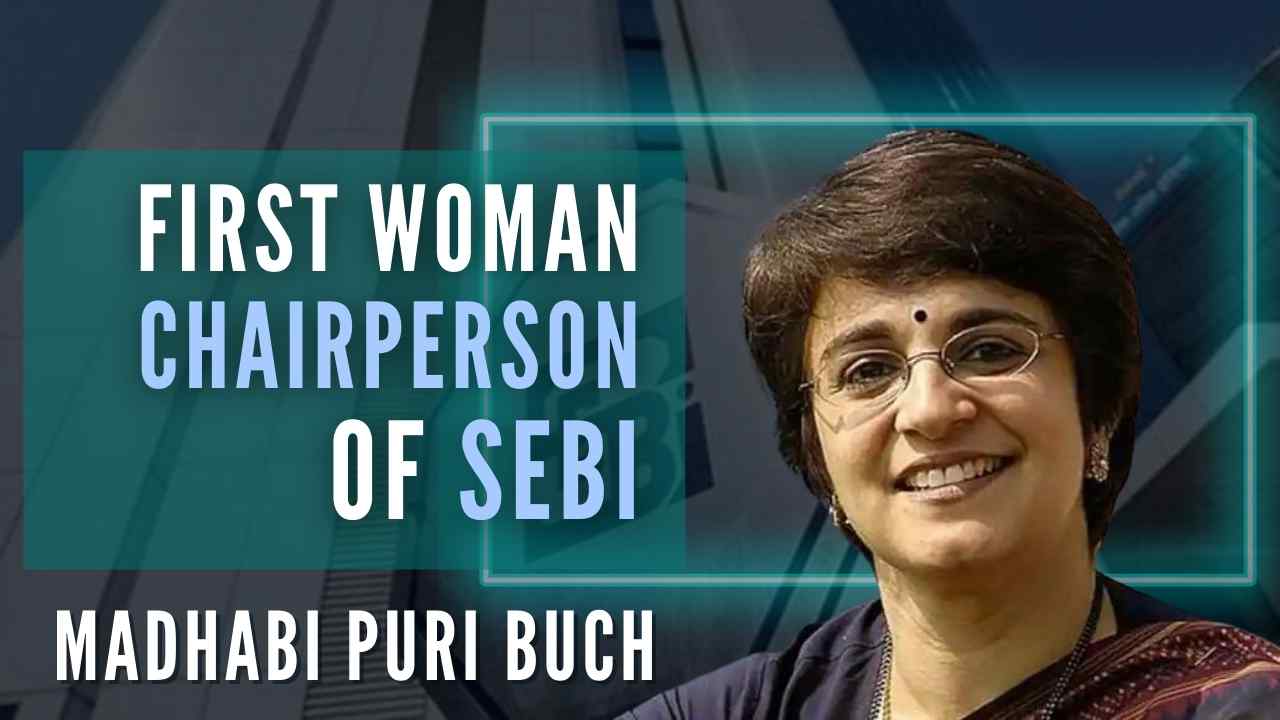
By K Raveendran The allegations of misconduct and irregularities surrounding SEBI chairperson Madhabi Puri Buch’s tenure have cast a long shadow over the institution, shaking public confidence and raising questions about the integrity of India’s financial regulatory system. This development gains even more significance in the light of the Supreme Court’s 2018 observation on institutional […]
Bahrain’s Economic Development Board (EDB) is set to embark on a multi-city tour across India, aiming to deepen bilateral ties and strengthen economic collaboration. The initiative, scheduled for September 9-14, comes as part of Bahrain’s broader efforts to attract investments and enhance partnerships across key sectors. Spearheaded by Noor bint Ali Al Khulaif, Bahrain’s Minister of Sustainable Development and Chief Executive of the EDB, the delegation will engage with top Indian business leaders, investors, and policymakers in Mumbai, New Delhi, Bengaluru, and Hyderabad.

Bahrain’s move to engage directly with India underscores the increasing significance of bilateral relations between the two countries. India, a rapidly growing economy and a key player in global trade, has been identified as a strategic partner for Bahrain’s economic ambitions. The tour is expected to showcase the Gulf nation’s business-friendly environment, investment opportunities, and the diverse sectors open to collaboration, including finance, manufacturing, technology, and logistics.

The Bahrain Economic Development Board, responsible for promoting investment in the Kingdom, has been working to position Bahrain as a hub for international businesses seeking a foothold in the Middle East and North Africa (MENA) region. By targeting India, Bahrain aims to tap into one of the world’s largest consumer markets and the fast-developing Indian economy, which is increasingly driven by innovation, technology, and industrial growth.

Bahrain’s strategic geographical location, coupled with its investor-friendly regulatory environment, is likely to be a focal point of discussions during the India tour. The Kingdom offers 100% foreign ownership in many sectors, low operational costs, and access to the Gulf Cooperation Council (GCC) market of over 50 million consumers. These advantages are expected to appeal to Indian companies looking to expand their presence in the Gulf region, particularly those involved in sectors such as financial services, logistics, ICT, and manufacturing.

The India visit also marks a significant opportunity for both nations to explore new areas of collaboration, particularly in emerging technologies. Bahrain has positioned itself as a leader in fintech, having launched a number of initiatives in recent years to support the sector. The Kingdom’s regulatory sandbox for fintech startups has attracted numerous international firms, and there is considerable scope for Indian technology companies to collaborate with Bahrain on financial innovation and digital services.

Moreover, Bahrain has been keen to bolster its manufacturing sector, especially in fields such as chemicals, food processing, and aluminum production. India’s robust manufacturing base makes it a natural partner for collaboration in these industries. The visit will likely focus on building synergies in these areas, with discussions centered on how Indian businesses can leverage Bahrain’s competitive edge as a production hub for the GCC market.

The tour will also provide a platform for discussions on sustainable development and climate change. Bahrain, through its Vision 2030 economic plan, has placed sustainability at the heart of its development strategy. Minister Noor bint Ali Al Khulaif, a key proponent of sustainable economic growth, is expected to highlight Bahrain’s initiatives in this area, which align with India’s own commitment to sustainable development. Both countries are signatories to the Paris Agreement and are looking to collaborate on green technologies, renewable energy, and sustainable infrastructure projects.

The Bahrain-India relationship is not limited to trade and investment. The two nations share a long history of cultural and diplomatic ties, with a sizable Indian expatriate community living in Bahrain. These deep-rooted connections are likely to be emphasized during the tour, as both sides seek to build on their historical relationship and foster stronger people-to-people ties.

On the economic front, bilateral trade between Bahrain and India has shown steady growth. According to the latest data, total trade between the two countries stood at around $1.4 billion in 2022. India is among Bahrain’s top trading partners, and there is potential for further expansion in sectors such as hydrocarbons, engineering goods, pharmaceuticals, and food products. Bahrain is also home to several prominent Indian companies, and the EDB’s tour is expected to explore new avenues for Indian firms to increase their presence in the Kingdom.

In addition to meetings with business leaders and investors, the Bahrain delegation is expected to hold discussions with Indian government officials on strengthening bilateral relations. These talks could pave the way for future cooperation agreements in areas such as trade, investment, and technology transfer. The tour aligns with India’s own foreign policy objectives of enhancing relations with Gulf countries, which have become critical economic partners for New Delhi in recent years.

The timing of Bahrain’s outreach to India is also notable, coming at a time when global economic dynamics are shifting. Both nations are looking to diversify their economies and reduce dependence on traditional industries, such as oil and gas. For Bahrain, India represents a key partner in its efforts to modernize and diversify its economic base, while for India, Bahrain provides access to the GCC and MENA markets, which are crucial for India’s energy security and trade.

ADVERTISEMENT

Banking regulators in the United States, including the Federal Reserve, Federal Deposit Insurance Corporation (FDIC), and Office of the Comptroller of the Currency (OCC), are expected to release significant revisions to bank capital requirements this month. These changes, which aim to strengthen the resilience of the financial system, are part of the larger “Basel III endgame” framework. The upcoming rules are targeted at banks with over $100 billion in assets, with the intention of bolstering their ability to withstand future financial crises.

The planned regulations will eliminate the use of banks’ internal risk models in favor of standardized models, addressing longstanding concerns about inconsistencies in how banks evaluate their risk exposure. If implemented, the new capital requirements will be phased in over three years, beginning in July 2025. However, the proposal has met with significant resistance from the banking industry, which argues that the regulations could lead to reduced lending capacity, stifling economic growth and affecting consumer credit availability.

The proposed revisions represent a culmination of years of efforts by regulators to tighten capital standards in the aftermath of the 2008 financial crisis. Banks have faced increasing scrutiny from both regulators and lawmakers over the adequacy of their capital buffers. Stress tests conducted by U.S. authorities have consistently shown that the nation’s banking system remains well-capitalized, but concerns linger about whether current rules are sufficient to safeguard against future economic shocks.

Among the major changes expected is the implementation of higher capital buffers for banks, particularly those with significant trading operations. This would affect major Wall Street firms, including JPMorgan Chase, Goldman Sachs, and Citigroup. These institutions could be required to hold substantially more capital against their trading assets, which has drawn criticism from the financial sector. The American Bankers Association (ABA) and other industry groups have argued that excessive capital requirements could reduce profitability and hamper their ability to finance economic activity.

Despite these objections, proponents of the new rules, including key regulatory figures, have emphasized the importance of ensuring that banks are prepared for a range of potential crises. Federal Reserve officials have expressed confidence in the banking system’s current stability but have stressed that more stringent capital requirements would reduce the likelihood of taxpayer-funded bailouts in the future. They have also pointed to the Basel III guidelines as an international standard, which the U.S. must comply with to maintain financial stability on a global scale.

Opponents within the banking sector are mounting an aggressive lobbying campaign to delay or modify the rulemaking. They argue that the proposed rules do not take into account the economic impact of stricter capital standards, especially at a time when inflation and interest rate hikes are already placing significant pressure on the industry. Large banks, which are likely to be most affected by the new regulations, have voiced concerns that they will be forced to cut back on lending activities to meet the higher capital requirements.

The pushback has been particularly vocal from some of the biggest players in the financial industry, who warn that the new capital rules could lead to reduced lending to businesses and consumers. The ABA, in a statement, expressed support for strong capital requirements but urged regulators to strike a balance that does not stifle economic growth. They argue that while the banking sector remains resilient, overly stringent capital rules could inadvertently weaken it by making credit more expensive and difficult to obtain.

At the heart of the debate is the balance between financial stability and economic growth. Regulators believe that higher capital buffers will protect the economy from future crises, ensuring that banks can absorb losses without threatening the broader financial system. On the other hand, industry critics argue that the proposed rules may do more harm than good, reducing banks’ ability to lend at a critical time for the economy.

ADVERTISEMENT

CERT and IIT Madras have officially embarked on a landmark collaboration aimed at fostering global innovation and strengthening educational excellence. The memorandum of understanding (MoU) signed between the two entities is set to create a dynamic platform that will leverage both organizations’ strengths in cutting-edge research, academic distinction, and technological development.

This strategic alliance is expected to pave the way for a series of initiatives that will not only boost the institutions’ reputations on the global stage but also have a far-reaching impact on industries worldwide. By integrating the expertise of IIT Madras, a leader in academic research, and CERT’s proficiency in cybersecurity and technology solutions, the partnership seeks to address pressing global challenges and advance technological solutions across various sectors.

The collaboration outlines several key areas of focus, including research in artificial intelligence, cybersecurity, and advanced technology solutions, all of which are critical in today’s digital age. The MoU also emphasizes the importance of fostering innovation in education through joint efforts to develop advanced curricula and research programs that cater to the evolving needs of industries and academia alike.

Industry experts have lauded the move as a significant step towards bridging the gap between academia and industry. The combination of IIT Madras’s academic prowess and CERT’s technical expertise in cybersecurity will serve to fuel research that addresses complex global issues, especially in sectors such as healthcare, finance, and critical infrastructure. This partnership is poised to contribute to the development of solutions that could be transformative for both the education system and the industrial sector at large.

One of the primary goals of the collaboration is the establishment of a joint innovation lab that will focus on research in emerging technologies. This lab will act as a hub for students, faculty, and industry professionals to collaborate on projects that have the potential to generate innovative solutions to real-world problems. The innovation lab will facilitate the development of products and services that align with global industry standards, positioning both CERT and IIT Madras as leaders in technological advancement.

Furthermore, the partnership will work on creating academic programs that integrate real-world technological challenges into the curriculum. Students from IIT Madras will have the opportunity to collaborate with experts from CERT on cutting-edge research projects, gaining hands-on experience in fields like artificial intelligence and cybersecurity. This exchange of knowledge and expertise is expected to produce graduates who are not only academically proficient but also equipped with the practical skills required in the global workforce.

As part of the agreement, CERT and IIT Madras plan to host joint conferences, workshops, and seminars, bringing together thought leaders from various industries to discuss the latest trends in technology and innovation. These events will serve as platforms for exchanging ideas, promoting interdisciplinary collaboration, and inspiring the next generation of innovators.

The strategic partnership between CERT and IIT Madras also includes provisions for developing joint patent filings and intellectual property management. This aspect of the collaboration is particularly significant as it will encourage the commercialization of new technologies and innovations, contributing to the global tech ecosystem. Both institutions are keen on ensuring that the research and development emerging from this partnership can be translated into practical solutions that have a tangible impact on industries.

CERT, a renowned name in cybersecurity and risk management, brings a wealth of experience in handling complex cyber challenges. Its collaboration with IIT Madras, known for its expertise in technology and engineering education, represents a fusion of academia and industry that is expected to produce groundbreaking research. Both institutions have expressed their commitment to pushing the boundaries of innovation and expanding their influence beyond their respective regions to the global stage.

In addition to technological advancements, the partnership aims to enhance educational frameworks by developing new methods of teaching and learning. IIT Madras is already known for its forward-thinking approach to education, and this collaboration is expected to further enrich its programs by incorporating global industry perspectives. The collaboration will likely see a revamping of existing curricula to ensure they meet the demands of a rapidly changing technological landscape, preparing students for the challenges and opportunities of the future.

On a broader scale, this collaboration marks an important milestone in international academic and industry partnerships. The global push for innovation, particularly in the realms of artificial intelligence, cybersecurity, and advanced technology, has made partnerships like this one increasingly essential. With the global economy becoming more interconnected, the exchange of knowledge and expertise between institutions like CERT and IIT Madras will be instrumental in addressing complex global issues and driving sustainable development.

As both organizations work towards achieving their shared objectives, there is an expectation that this partnership will serve as a model for other academic and industrial collaborations. The blend of academic excellence and industry know-how is a recipe for success, not only in terms of producing world-class research but also in ensuring that the results of this research can be applied in practical and impactful ways.

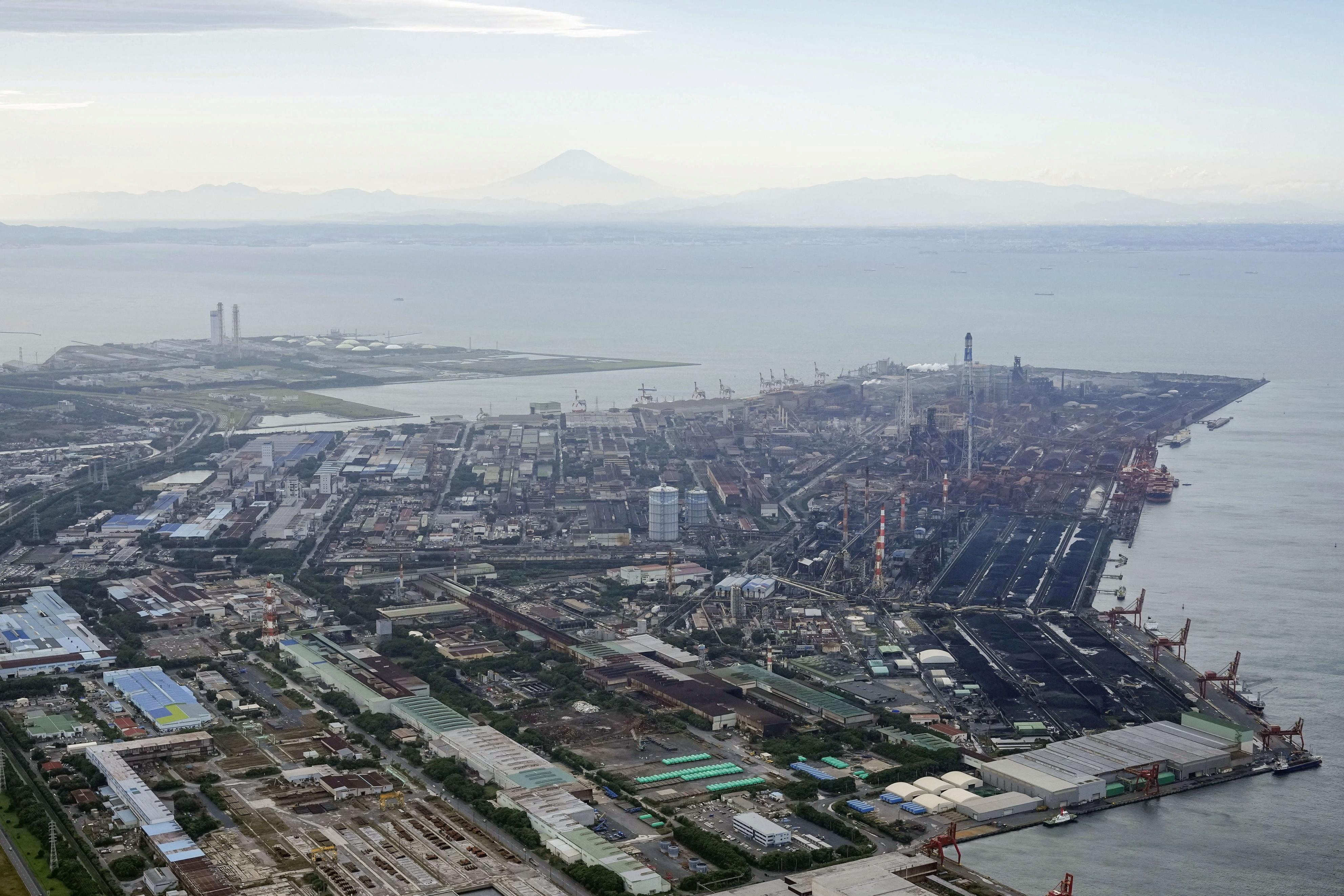
Nippon Steel Corp.’s ambitious $14.1 billion takeover of United States Steel Corp. appears to be in jeopardy, with the Biden administration signaling its intention to block the deal. The acquisition, seen as a strategic move by the Japanese steel giant to secure a larger foothold in the U.S. market, has run into significant political opposition as the White House prepares to intervene on grounds of national security and competition concerns. The move could derail what was shaping up to be one of the most significant cross-border acquisitions in the steel industry in years.

The takeover bid, which has been in the works for months, aimed to combine two of the world’s leading steel producers in a move that would have created a global steel powerhouse. Nippon Steel, already a major player in the industry, viewed the acquisition as a way to strengthen its presence in the U.S. market, where demand for steel is expected to surge due to infrastructure projects and defense contracts. U.S. Steel, on the other hand, has been grappling with aging infrastructure and rising costs, making it a potential target for foreign buyers seeking growth opportunities.

However, the proposed deal has drawn scrutiny from U.S. lawmakers and regulatory authorities, particularly due to the strategic importance of the steel sector to national defense. The Biden administration, keen on maintaining control over critical industries, is reportedly preparing to invoke regulatory powers to block the acquisition, citing national security concerns. Officials are reportedly worried that the sale of U.S. Steel to a foreign entity, even one as established as Nippon Steel, could pose risks to the country’s defense capabilities, especially with steel being a critical component in military hardware and infrastructure.

Nippon Steel’s interest in acquiring U.S. Steel is part of a broader strategy by the company to expand its global operations and secure a stable supply chain. With steel prices fluctuating and supply chains becoming more fragile in the aftermath of the COVID-19 pandemic, securing production capacity in key markets has become a priority for many manufacturers. The acquisition of U.S. Steel, with its extensive domestic production facilities and established relationships with American contractors, was seen as an ideal fit for Nippon Steel’s long-term plans.

The Biden administration’s opposition to the deal reflects a broader shift in U.S. trade and industrial policy, which has become increasingly protectionist under the current leadership. As part of its strategy to bolster domestic manufacturing and reduce reliance on foreign suppliers, the White House has taken a more aggressive stance on foreign takeovers, particularly in sectors deemed critical to national security. The steel industry, long considered a backbone of the U.S. economy and defense capabilities, has become a focal point of this policy shift.

Political opposition to the deal has been growing steadily. U.S. lawmakers have raised concerns over the potential loss of control over domestic steel production, pointing to the importance of maintaining a strong domestic industry in the face of global uncertainties. The U.S. Congress has also weighed in, with some members advocating for a review of the transaction under the Committee on Foreign Investment in the United States (CFIUS), which has the authority to block deals that pose a threat to national security.

At the same time, industry insiders argue that Nippon Steel’s acquisition of U.S. Steel would bring much-needed investment to the American company, which has struggled to modernize its operations in the face of mounting competition from international players. U.S. Steel, once a symbol of American industrial might, has seen its market share erode in recent years as cheaper imports and rising production costs have taken their toll. Proponents of the deal argue that foreign investment, particularly from a company with the resources and expertise of Nippon Steel, could revitalize U.S. Steel and strengthen the domestic industry in the long run.

The Biden administration’s stance, however, suggests that political considerations will ultimately outweigh economic arguments. With the 2024 elections looming, the White House is under pressure to demonstrate its commitment to protecting American jobs and industries, especially in critical sectors like steel. Blocking the Nippon Steel takeover allows the administration to signal its support for domestic manufacturing while reinforcing its broader trade policy objectives.

For Nippon Steel, the collapse of the deal would represent a significant setback in its efforts to expand its global footprint. The Japanese company has been aggressively pursuing international acquisitions in recent years as part of a strategy to diversify its operations and reduce its reliance on domestic markets. The U.S. market, with its robust demand for steel and favorable economic conditions, was seen as a key target for expansion. Losing out on the U.S. Steel acquisition would force Nippon Steel to reevaluate its options and look for alternative avenues for growth.

Bill Gates’ seminal essay on the dominance of content—aptly titled “Content is King”—has proven remarkably prescient as we navigate the digital landscape of 2024. His prediction that the future of online attention and revenue would pivot around content creation has come to fruition, with creators becoming pivotal players in a burgeoning trillion-dollar economy. Yet, despite the centrality of creators in this landscape, SocialFi platforms, which marry social media and decentralized finance, have yet to fully capture the mainstream audience’s imagination. For the true potential of SocialFi to be realized, a hybrid approach that synergizes its inherent benefits with traditional social media mechanics may be key.

At the heart of SocialFi’s promise is its commitment to empowering Web3 natives—those who operate within the decentralized realm of blockchain and cryptocurrency. These platforms aim to reimagine how creators monetize their content by integrating financial incentives directly into the social engagement ecosystem. Theoretically, this model is compelling: creators can earn from their work not just through indirect means, such as advertising revenue or sponsorships, but through direct interactions and transactions facilitated by blockchain technology. This could revolutionize the way content creators operate, giving them more control and financial reward.

However, the promise of SocialFi remains largely untapped outside of the Web3 niche. Mainstream users, who are more accustomed to traditional social media platforms like Instagram, TikTok, and Twitter, have yet to fully embrace the benefits of decentralized finance. One reason for this hesitation is the complexity and unfamiliarity of blockchain technology for the average user. SocialFi platforms often require a degree of technical understanding and crypto-literacy that can be a barrier to entry for many potential users. Moreover, the user experience on these platforms often lacks the polish and simplicity that mainstream social media giants have perfected over the years.

To address these challenges, SocialFi platforms could benefit from adopting a hybrid approach that blends their core decentralized features with elements from established social media platforms. This would involve creating a more user-friendly interface and offering seamless integration with existing social media accounts. By lowering the barrier to entry, SocialFi platforms could potentially attract a broader audience, including those who are less familiar with blockchain technology but are interested in the financial opportunities it presents.

Moreover, incorporating features from mainstream social media could enhance user engagement on SocialFi platforms. For instance, platforms could integrate familiar content discovery algorithms and social sharing features that users have come to expect. This would not only make SocialFi more accessible but also more engaging for users who are accustomed to scrolling through content feeds and interacting with a variety of posts.

Another significant factor in boosting SocialFi’s mainstream appeal is enhancing the creator experience. While financial incentives are a compelling draw, creators also seek robust tools to manage their content and interact with their audience. SocialFi platforms need to offer comprehensive analytics, easy content management systems, and effective community-building tools. By addressing these needs, SocialFi can provide creators with a compelling reason to transition from traditional social media platforms to a decentralized model.

The hybrid approach could also involve partnerships with existing social media platforms. By collaborating with these giants, SocialFi platforms could leverage their established user bases and technological infrastructure to introduce decentralized features gradually. For instance, a partnership could involve integrating SocialFi’s financial incentives into existing social media platforms, allowing users to earn rewards for engagement without requiring them to switch platforms entirely. This could serve as a bridge for mainstream users to experience the benefits of SocialFi without the need for a complete overhaul of their online habits.

Furthermore, education plays a crucial role in this transition. For SocialFi to gain traction, there needs to be a concerted effort to demystify blockchain technology and its applications. Educational campaigns, workshops, and simplified guides can help bridge the knowledge gap and make the concept of decentralized finance more approachable to the general public. As more users become familiar with the benefits and mechanics of SocialFi, the adoption rate is likely to increase.

SocialFi platforms also have an opportunity to differentiate themselves by focusing on niche communities and specialized content. While mainstream platforms cater to a broad audience, SocialFi can carve out a space for more targeted communities and content creators. By providing a platform for niche interests and specialized content, SocialFi can attract dedicated user bases that are passionate about specific topics, thus fostering a more engaged and supportive community.

The Japanese yen has gained ground against the US dollar as the Bank of Japan (BOJ) signals a shift in its monetary policy, indicating the possibility of further interest rate hikes. This comes as part of an effort by the central bank to combat inflationary pressures that have persisted in Japan’s economy. The BOJ’s move marks a departure from its traditionally dovish stance, which has seen the bank maintain ultra-low interest rates for years to stimulate growth.

Japan’s bond yields have surged to their highest levels in over a decade, driven by the bank’s decision to allow more flexibility in managing its yield curve control policy. This has caused government bond yields to touch levels not seen since 2008. Bank shares also responded positively, benefiting from the prospect of higher interest rates, which generally increase profitability for financial institutions.

BOJ Governor Kazuo Ueda’s remarks have been crucial in shaping market expectations, as he emphasized that the central bank is closely monitoring inflation trends and could further adjust its policies depending on the economic outlook. Inflation in Japan has consistently stayed above the bank’s 2% target, which is a significant factor in the BOJ’s recalibration of its strategies.

Investors and analysts are paying close attention to the yen’s movements in response to these changes. The USD/JPY pair, a key indicator of global currency dynamics, has reflected the yen’s resurgence as the BOJ signals a break from its previous ultra-loose policies. Despite this strengthening, the yen remains volatile due to the uncertain nature of Japan’s future economic direction.

This development has also had broader implications for international markets, especially as Japan’s stance on monetary tightening contrasts with other central banks, such as the Federal Reserve and the European Central Bank, which have been raising rates more aggressively over the past year. Japan’s slow approach, however, could see further adjustments if inflation continues to outpace forecasts.

Japan’s government bonds have also garnered significant interest from investors globally, as the rising yields offer better returns compared to the low or negative yields that have characterized the Japanese bond market for years. This shift has led to increased foreign capital inflows, which in turn supports the yen’s value.

VISHNU RAJA
RYO YAMADA
HITORI GOTOH
IKUYO KITA
Social Media Auto Publish Powered By : XYZScripts.com