Armenian and Turkish Envoys Set for Key Border Talks
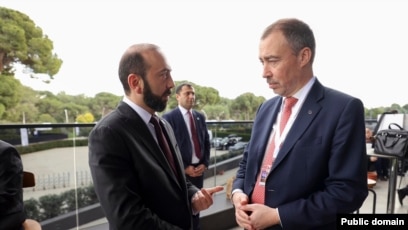
Armenia and Turkey are poised to engage in significant negotiations aimed at normalizing relations, with Armenian representative Ruben Rubinyan and Turkish special envoy Serdar Kilic scheduled to meet at the border. The upcoming talks signify a pivotal moment in the diplomatic efforts between the two nations, reflecting a mutual interest in addressing long-standing issues and advancing cooperation.
The meeting, which will take place at the Armenia-Turkey border, is part of ongoing diplomatic efforts to mend ties that have been historically strained. Both sides have expressed a commitment to addressing contentious issues through dialogue, marking a notable step in efforts to overcome decades of tension. This development follows a series of preliminary discussions and confidence-building measures designed to lay the groundwork for more comprehensive negotiations.
Rubinyan and Kilic, key figures in their respective governments, have been central to the dialogue process. Their engagement represents a significant commitment to addressing bilateral concerns, which include historical grievances and regional security issues. The talks aim to tackle these challenges head-on, fostering an environment conducive to lasting resolution and mutual understanding.
The Armenian-Turkish relationship has been fraught with historical disputes, including disagreements over the recognition of the Armenian Genocide and territorial issues. However, the current diplomatic efforts reflect a willingness on both sides to move beyond past conflicts and explore opportunities for cooperation. This shift in approach highlights the evolving geopolitical landscape and the potential for positive change in regional dynamics.
The normalization talks come amid a broader context of shifting alliances and geopolitical realignments in the region. Both Armenia and Turkey have demonstrated a readiness to engage in dialogue as a means of addressing complex issues and promoting stability. The discussions at the border are expected to cover a range of topics, including economic cooperation, regional security, and cultural exchanges, with the aim of building a foundation for long-term collaboration.
International observers and stakeholders are closely monitoring the talks, recognizing their potential impact on regional stability and relations between the two countries. The successful resolution of outstanding issues could pave the way for enhanced diplomatic and economic ties, contributing to a more stable and cooperative regional environment.
As the meeting approaches, both Armenia and Turkey have expressed optimism about the prospects for productive discussions. The engagement of Rubinyan and Kilic underscores the seriousness with which both nations are approaching the normalization process. The outcome of the talks will likely influence the trajectory of future relations and the broader regional landscape.
The negotiations represent a critical juncture in Armenian-Turkish relations, with the potential to redefine historical narratives and open new avenues for collaboration. The outcome of the talks will be closely watched by international observers and could have far-reaching implications for regional diplomacy and stability.
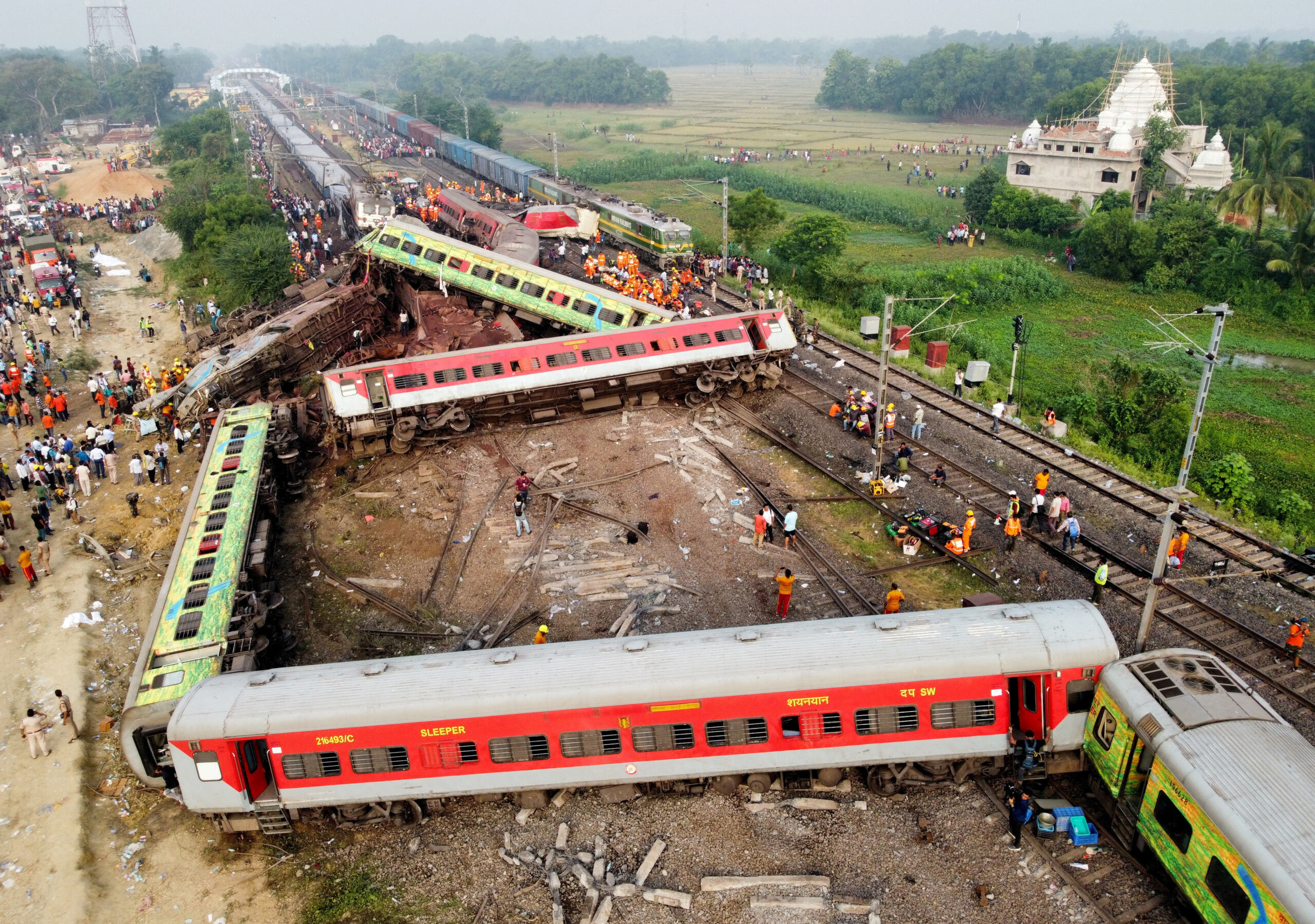
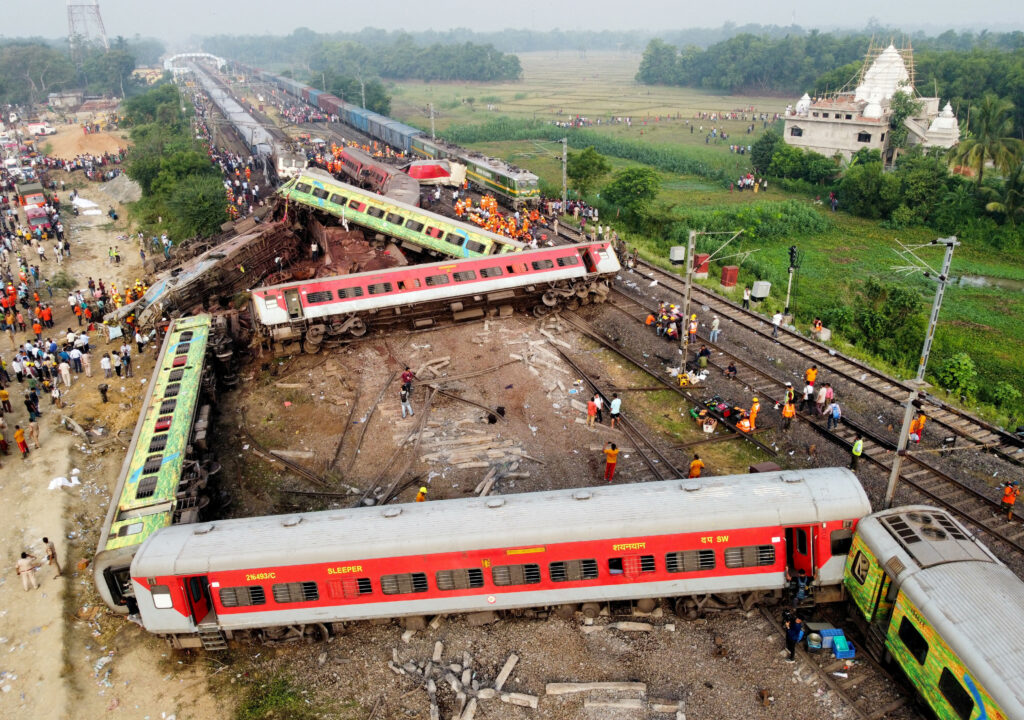 By Arun Srivastava Give a bad name to the dog and kill it. This is actually happening with the railways. Recurring train accidents are the best motives for marketing the train services to private sector. Selling a profit making organisation would invite severe public outcry and criticism. It would give a bad name to the […]


 By Sushil Kutty Prominent voices in Pakistan have realized that diplomatic engagement between India and Pakistan is a Pakistani pipedream. The multilateral Shanghai Cooperation Organisation summit to be held in Islamabad in October holds promise but Pakistanis know Prime Minister Narendra Modi is unbending. The setback to Modi in Lok Sabha elections 2024 hasn’t helped. […]
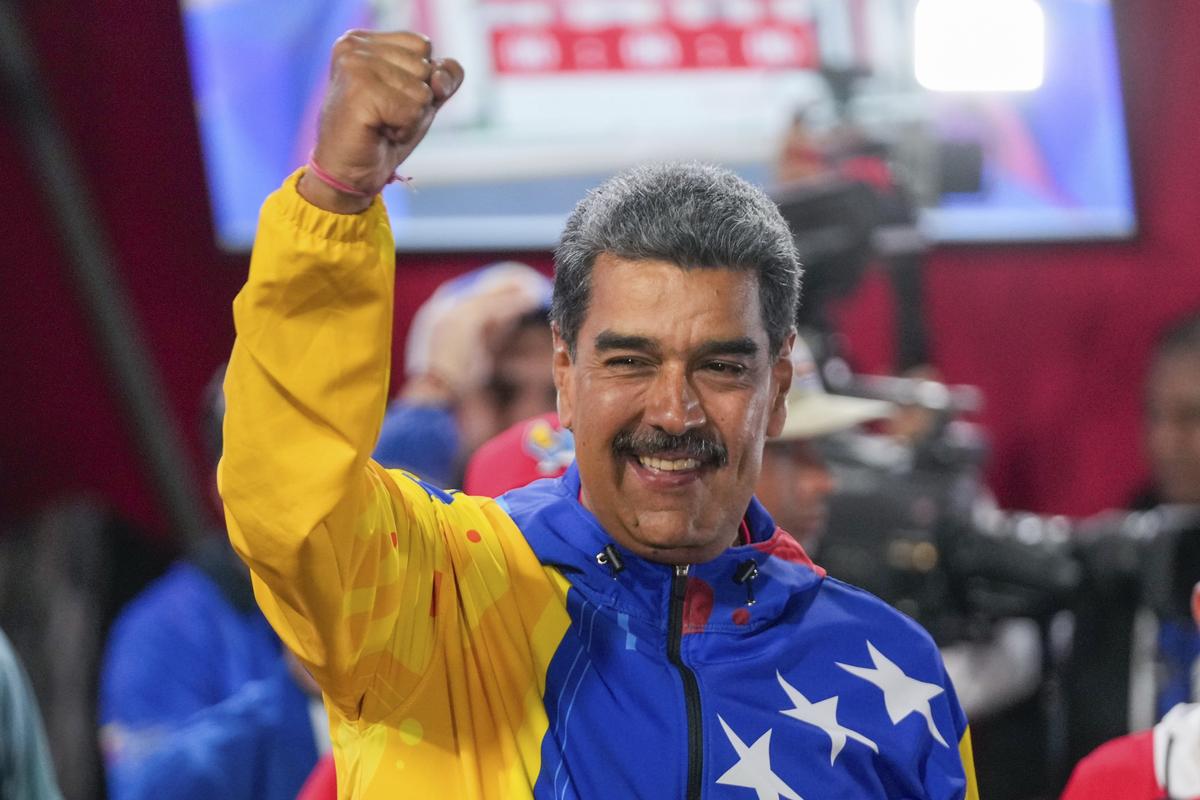
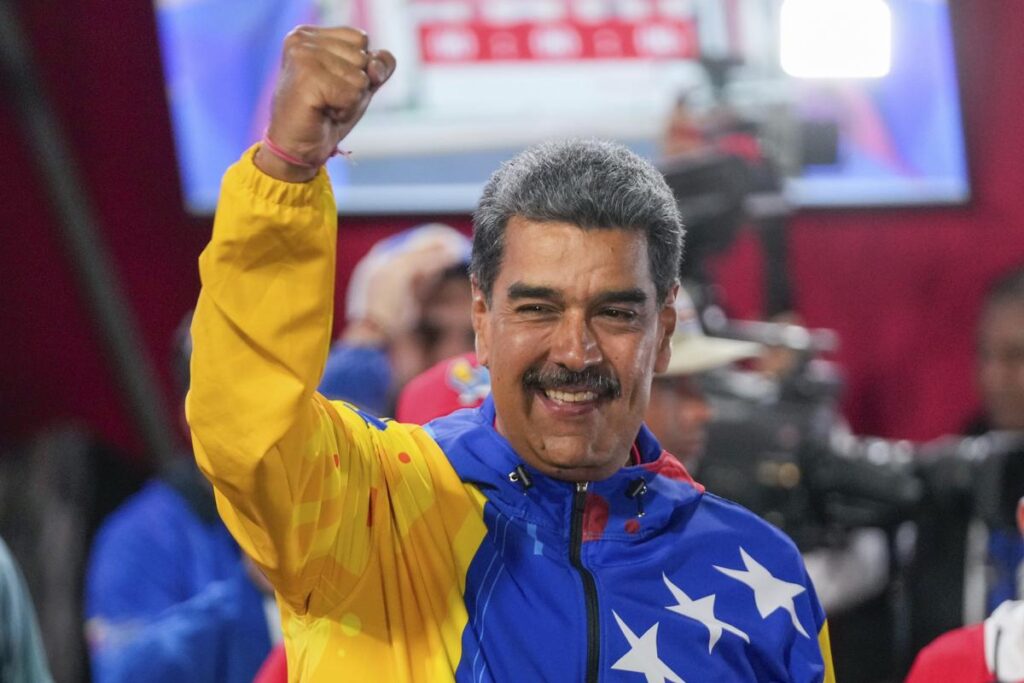 By Satyaki Chakraborty President of Venezuela Nicholas Maduro won the Presidential elections held on July 28 by defeating the national opposition candidate Edmundo Gonzalez. As per the election council announcement, Maduro got 51.2 per cent of the votes polled as against 44.2 per cent received by Gonzalez. The council said that with about 80 per […]
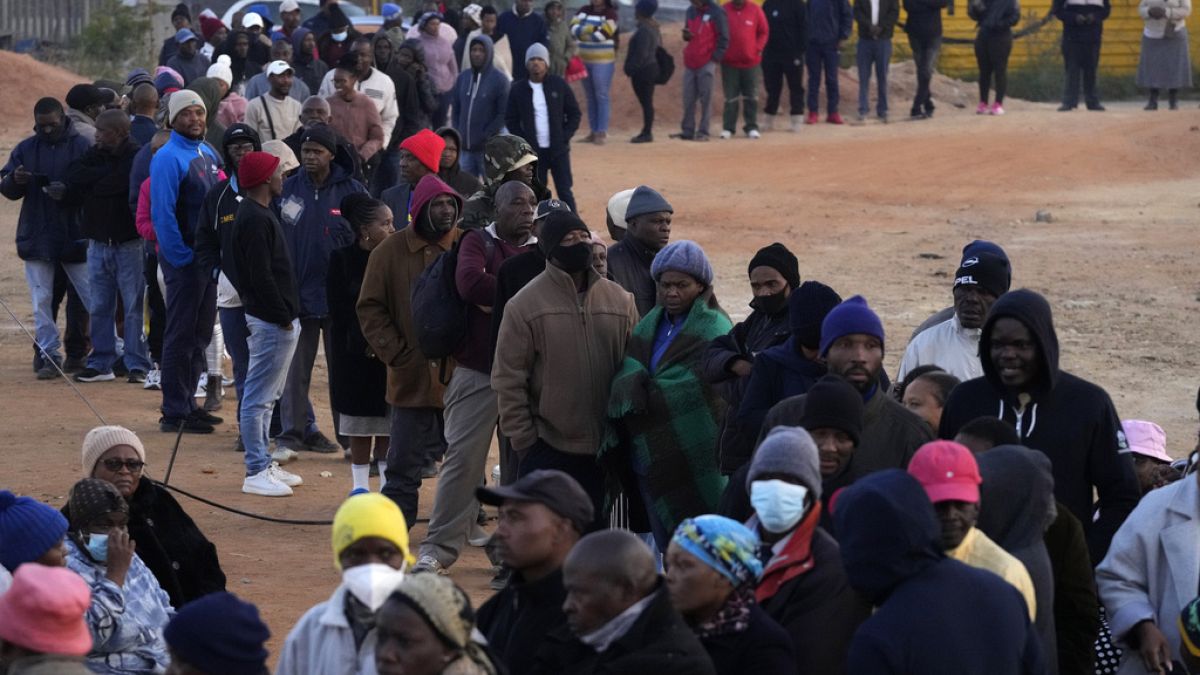
 By Satyaki Chakraborty The new coalition government of South Africa formed last month after the national elections on May 29 is facing a major crisis as the leading party African National Congress (ANC) has been taken to court by its partner Democratic Alliance (DA) on the issue of a speech delivered by the President Cyril […]
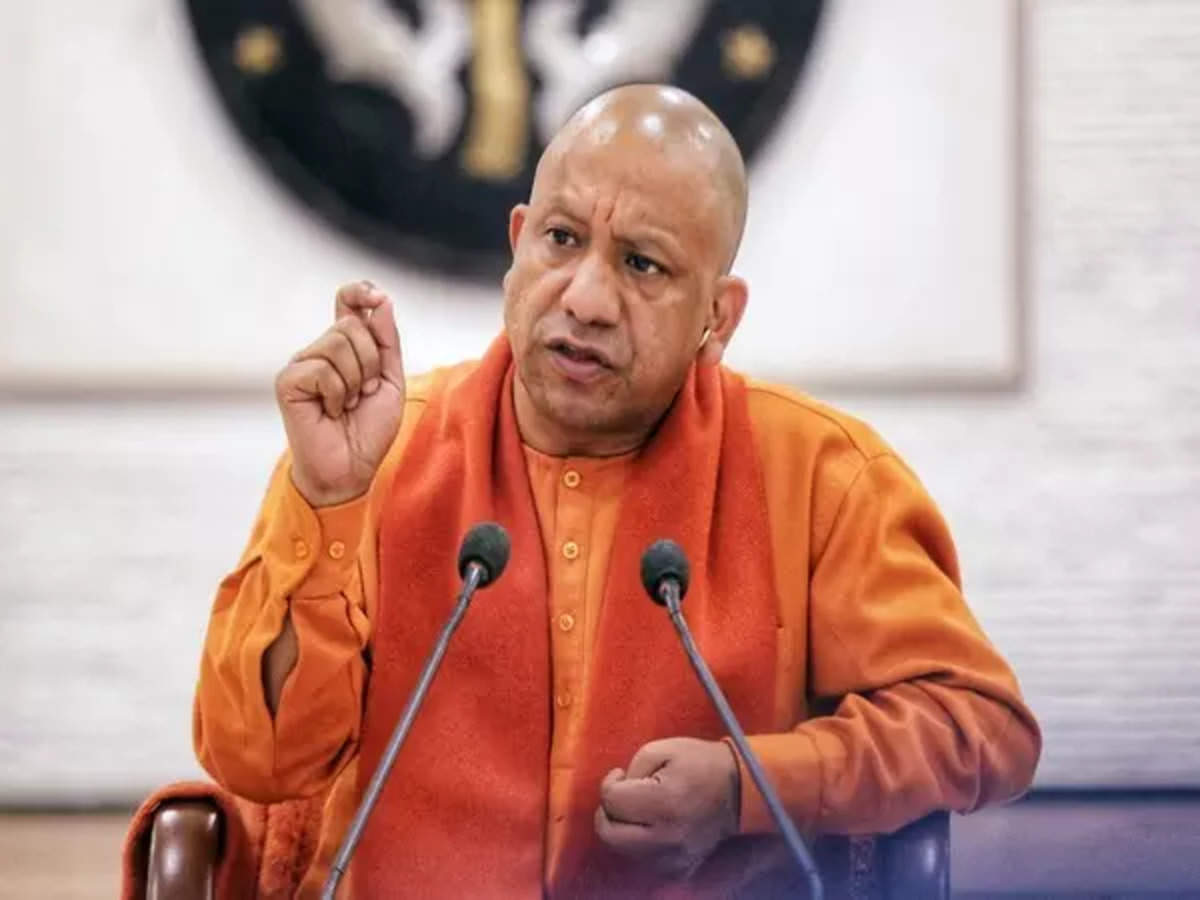
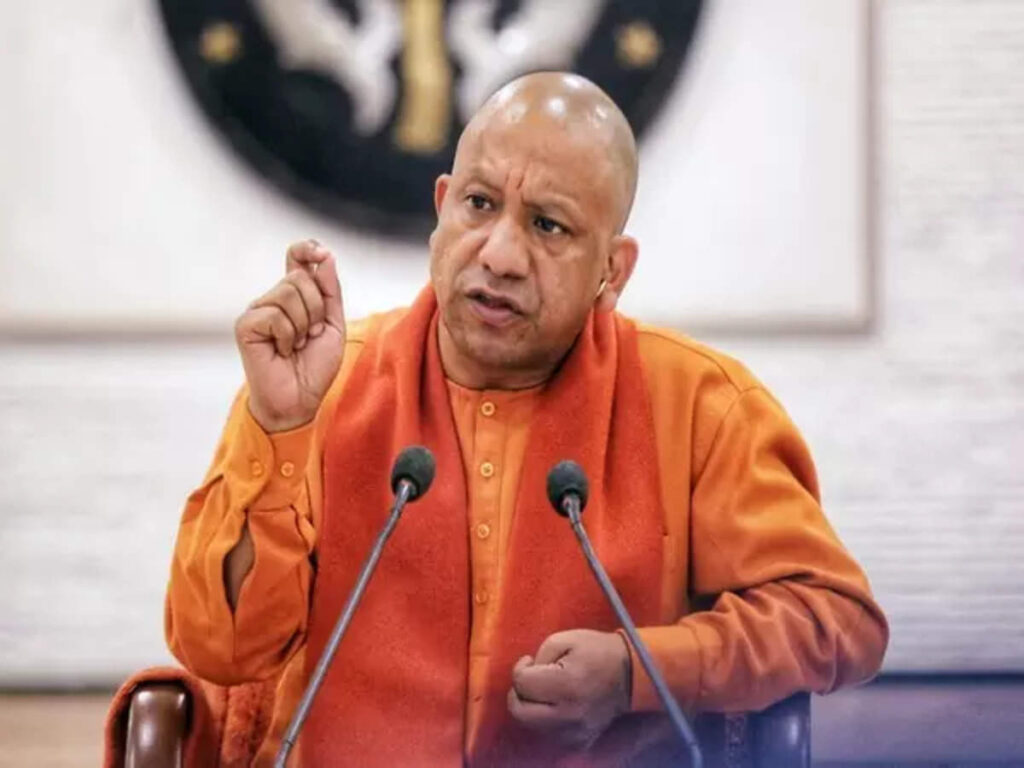 By Sushil Kutty Who benefits from blaming Chief Minister Yogi Adityanath for the BJP’s poor Lok Sabha polls performance in Uttar Pradesh? As things have moved, Deputy Chief Minister Keshav Prasad Maurya is the dark horse though Union Home Minister Amit Shah is also talked about as somebody who gains from a downgraded Yogi. OBC […]
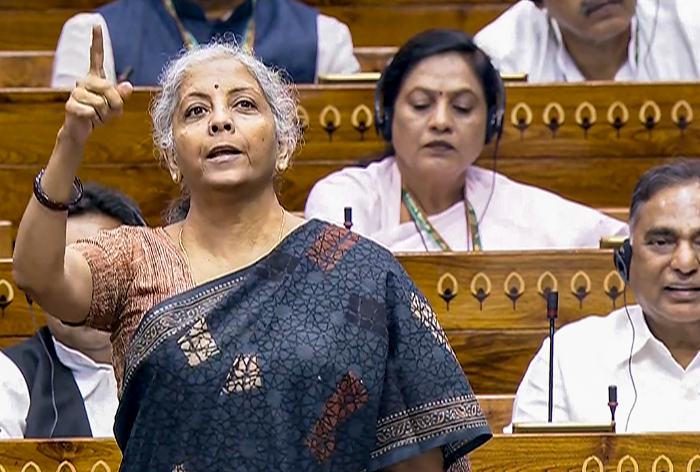
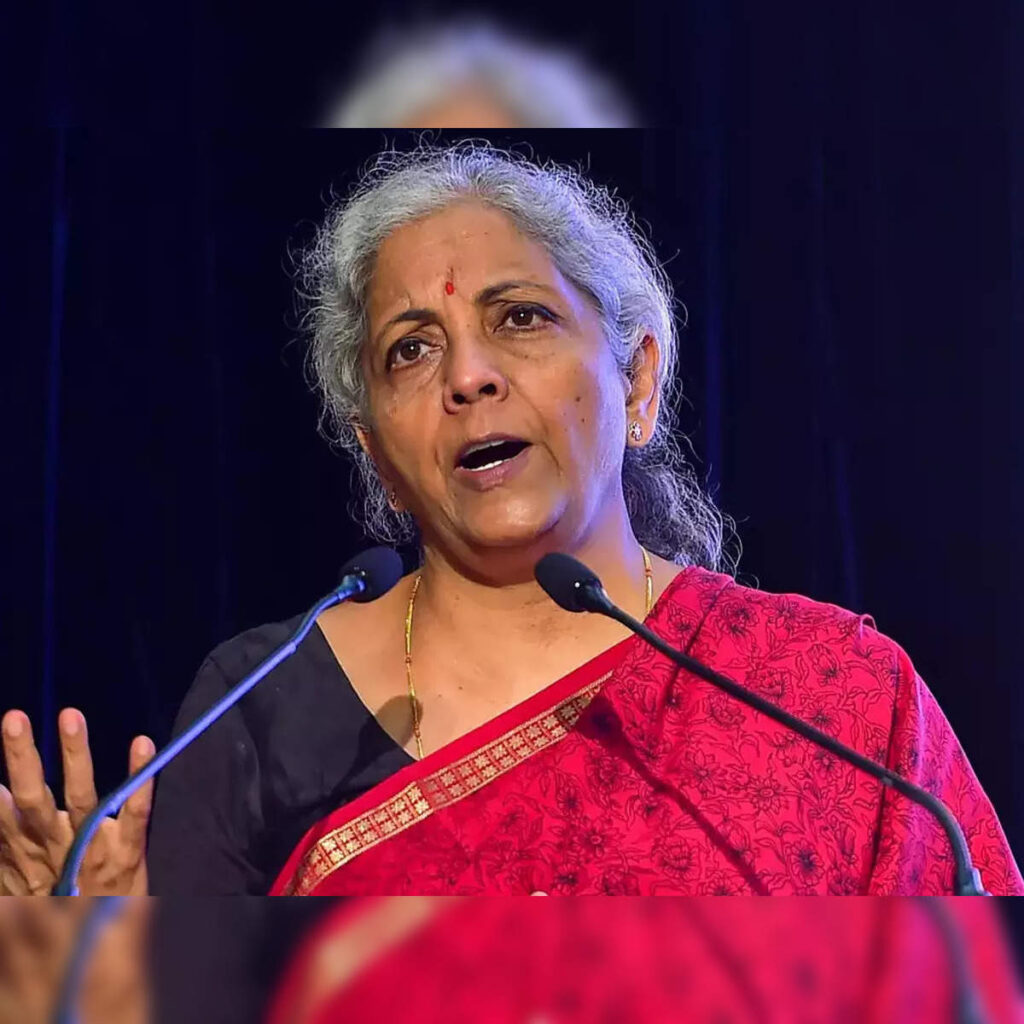 By K Raveendran Rahul Gandhi and a host of Congress leaders have criticised Nirmala Sitharaman and the Modi government for copy-pasting from the Congress manifesto while formulating the new budget. Looking at the issue from another perspective, they must be happy that the finance minister has given Congress their best campaign point for the coming […]
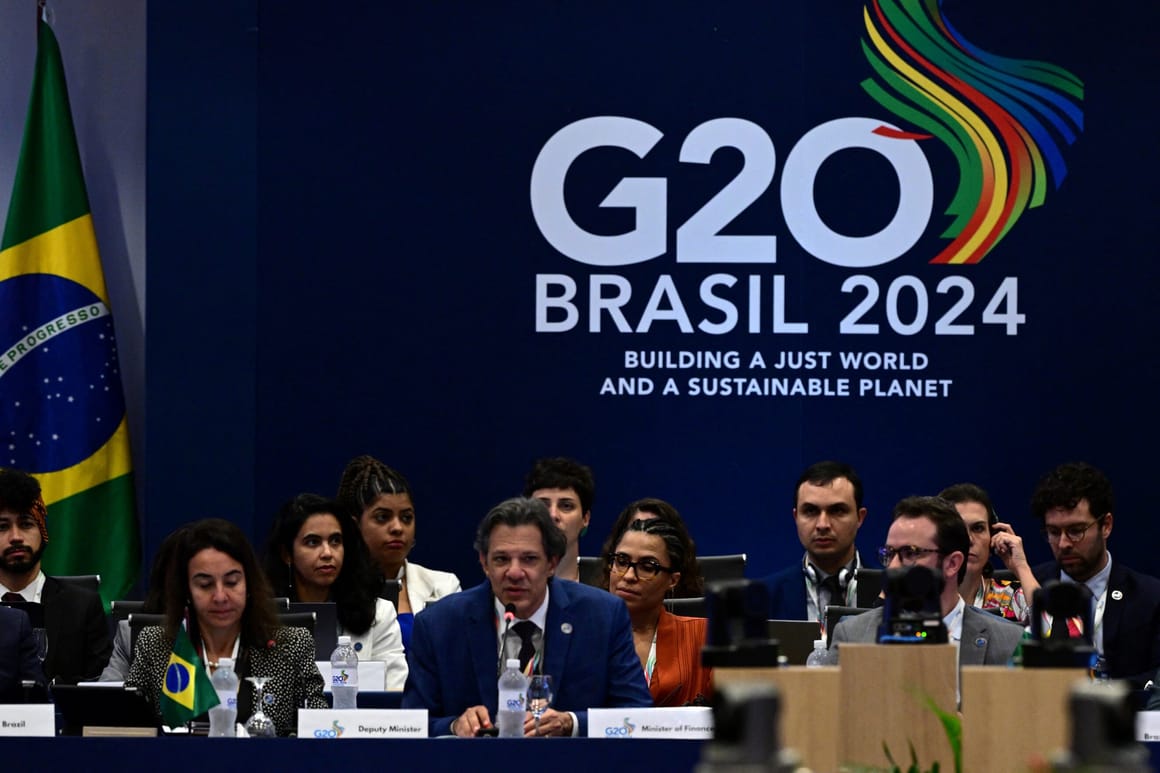
 By Dr. Gyan Pathak G20 has made a history to agree on working together to ensure ultra-rich are taxed effectively, even after the United States dismissed the need for an international accord on the matter for now. The agreement was reached on July 25 at a meeting of G20 finance ministers in Rio de Janeiro. […]
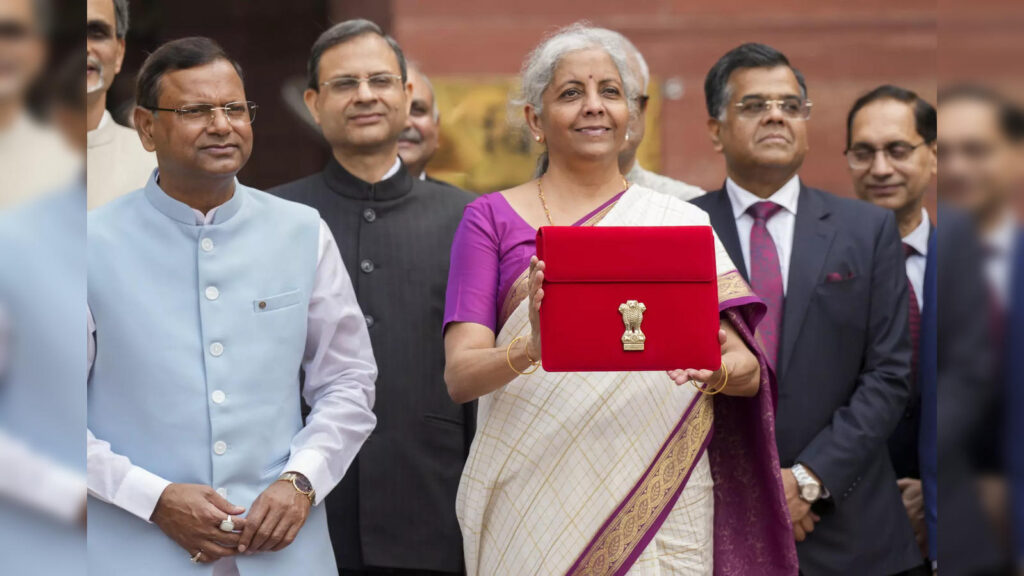 By P. Sudhir The Indian economy is at a critical cross-road, where the GDP growth is in no way boosting the employment generation capacity. Even within the jobs created, 57.3 per cent are self-employed, 18.3 per cent are unpaid household workers and more than 45 per cent are employed in agriculture. The Production Linked Incentive […]
 By K Raveendran Finance minister Nirmala Sitharaman has provided a theoretical framework, explained in the acronym EMPLOYMENT, for her budget formulation: E for Employment and Education, M for MSMEs, P for Productivity, L for Land, O for Opportunity, Y for Youth, M for Middle Class, E for Energy Security, N for New Generation Reforms, and […]