Just in:
Promoting Common Human Development Through Exchanges and Mutual Learning Among Civilizations // Diabetes Malaysia And Alpro Pharmacy Set National Record With 11,007 Most Blood Glucose Screenings Conducted Across Malaysia In Just 48 Hours // Dar Global unveils $700m Trump development in Qatar // Thailand’s Most Iconic New Year’s Celebration Returns: ICONSIAM Unveils “Amazing Thailand Countdown 2027” // Padmini follows Padmaja for ‘ghar vapsi’ // Dubai Introduces SHARH, an AI-Powered Platform Helping Entrepreneurs Buy, Sell and Manage Businesses in the UAE // Alibaba shares slip despite 53% cloud revenue growth // Russia permits retail cryptocurrency purchases under regulated framework // Anthropic shares finish above offer price after Nasdaq debut // Travel Insurance Was Built for the Few Who Claim. Ancileo’s Felt Coverage™ is for Everyone Else // Sabarimala booking discrepancies prompt sabotage angle probe // Balagopal challenges CM over tax revenue // Sui activates Hashi Bitcoin lending across partner network // Toward a Shared Future for Humanity: Rethinking Civilizational Exchange // Saudi Arabia schedules multinational top-up tax for 2027 // Dalilk Academy reaches 27 million, targets 100 million by 2030 // Coinbase targets 2027 launch amid state gambling lawsuits // ED searches five districts in probe against hawala // International Business Leaders Say Xi’s Speech Boosts Confidence in Asia-Pacific Cooperation // Sharjah clears Kalba free zone plan for 400MW complex //

News related to
Dividend

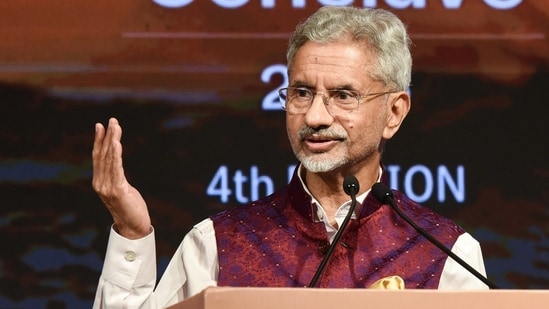
By Nitya Chakraborty Indian foreign policy makers have at last showing some mature understanding of the geopolitics of the post-Trump.2 months if the external affairs minister Dr. S Jaishankar’s observations at the concluding session of Kautilya Economic Conclave in New Delhi on Sunday, are any indication. The minister was quite candid in explaining the complexity […]

The article EAM Jaishankar Is Right: Trump Has To Respect India’s Red Lines appeared first on Latest India news, analysis and reports on Newspack by India Press Agency).

South African equities climbed to unprecedented levels on Thursday, driven by buoyant momentum in mining and financial sectors. The benchmark FTSE/JSE All-Share Index rose past its prior peak, cementing the capital market’s status as one of the continent’s top performers this year. The rally has been underpinned by a strong commodity backdrop: iron ore, platinum, and gold all posted gains, boosting mining stocks across the board. The […]

Dubai’s engineering and construction powerhouse ALEC Holdings PJSC has fixed its IPO share price between AED 1.35 and AED 1.40, opening subscriptions for a 20 percent stake in the company. The offering will feature 1 billion existing shares, valuing the company at AED 6.75 billion to AED 7 billion at the time of listing. The subscription period began on 23 September and will close on 30 September […]

Alec Holdings is set to list about 20% of its shares in an initial public offering on the Dubai Financial Market, while Binghatti Holding is preparing for a possible IPO, as both seek to harness surging demand in Dubai’s real estate sector. These moves reflect growing confidence among developers and investors in a rapidly expanding market. Alec, wholly owned by the Investment Corporation of Dubai, will offer […]

Shares in Santos plunged by up to 13.6% as the Abu Dhabi National Oil Company-backed XRG consortium formally withdrew its A$36.4 billion takeover offer, stating it could not reach agreement with Santos on critical commercial terms.

The consortium, which includes ADQ and Carlyle alongside XRG, had proposed A$8.89 per share in June, equivalent to US$5.76 at the time. Santos had adjusted that for a dividend and told XRG on Monday that it was prepared to accept US$5.626 per share.

This marks the third unsuccessful major offer for Santos over seven years, including a rejected bid from Harbour Energy in 2018 and abandoned merger talks with Woodside Energy. Analysts warn that repeated deal failures erode investor confidence in the company’s ability to seal a large-scale acquisition.

Investor concern was immediately reflected in the market. Santos shares dropped to A$6.61 in early trading, their lowest level since June 10, as the premium embedded in the bid evaporated. The benchmark S&P/ASX200 index was marginally down.

Analysts and banks responded by downgrading the stock. Jarden cut its rating from “overweight” to “underweight”, lowering its 12-month target from A$8.40 to A$7.05 per share. turn0news10turn0search1turn0search2

Santos leadership emphasised its strong project pipeline, pointing to the Barossa gas project in northern Australia and the Pikka oil venture in Alaska as key future growth drivers. Company chair Keith Spence reiterated that Santos has a clear strategy to generate cash, reward shareholders, reinvest in infrastructure and grow production while maintaining safety and reliability.

XRG stated that a “combination of factors, when considered collectively, have impacted the Consortium’s assessment of its indicative offer”, including inability to agree on terms under the Scheme Implementation Agreement. Among sticking points was the demand that the consortium assume certain regulatory and tax-risk obligations, which XRG considered unacceptable.

/India Press Agency/

By Nitya Chakraborty Prime Minister Narendra Modi has stepped into his 75th year on Wednesday, September 17.His birthday is being celebrated by the BJP nationally. The significance is much more as PM’s 75th birthday celebrations have coincided with the centenary programmes on the founding of the RSS in 1925.On October 2 this year, Vijaya Dasami […]

The article Decoding Prime Minister Narendra Modi As A Political Leader On His 75th Birthday appeared first on Latest India news, analysis and reports on IPA Newspack.

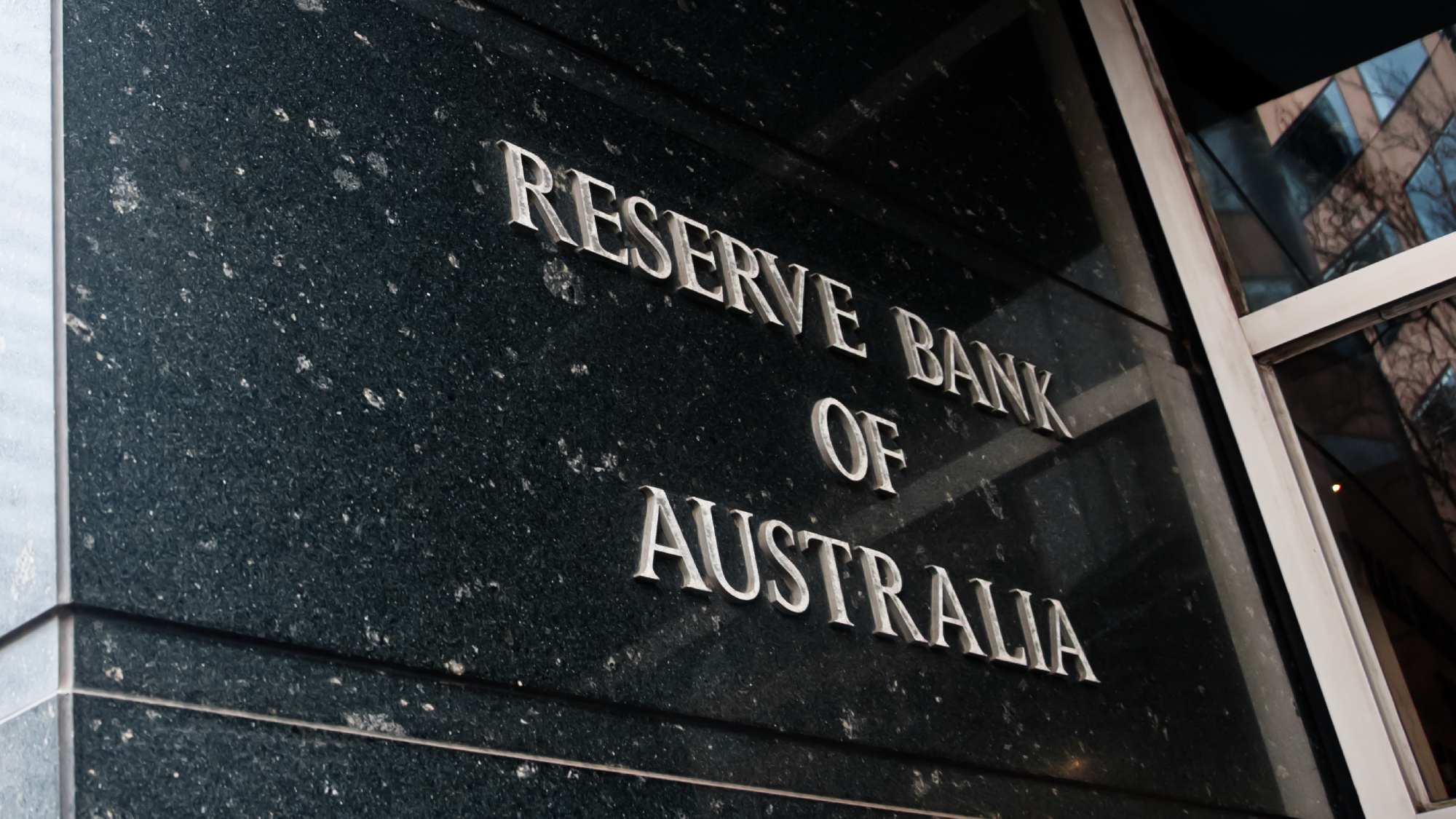
Australia’s Reserve Bank, through Assistant Governor Brad Jones, has warned that the era of stability and integration following the Cold War has given way to a more contested strategic environment that carries elevated risk for governments, financial institutions, and markets. At a FINSIA event in Sydney on 12 September, Jones declared that “the era of the peace dividend is over,” citing geopolitical, technological and operational disruptions reshaping the global financial order.

Jones described the international security and economic system as undergoing “seismic adjustment — on a scale and speed unseen in eight decades.” He flagged multiple forces contributing to instability: rising strategic rivalry, weakening tenets of the rules-based order, frictions in globalisation, and increasing emphasis on self-insurance by nations and firms against a broader set of possible harms.

Technological advances form one front of the risk profile. Jones spoke of an expanding surface for cyber-attacks driven by digitalisation, concerns over concentration risk in cloud services, and quantum computing’s looming threat to encryption systems. Artificial intelligence, while promising productivity gains, poses risks of misinformation, fraud, and systemic instability due to herding behaviour.

Critical infrastructure exposures were cited as especially vulnerable: telecommunications networks, the electrical grid, payment systems, and market infrastructure. Jones referenced a recent example in Europe, where cascading power outages in the Iberian Peninsula disrupted both households and economic activity, pointing out that such disruptions would be far more dangerous if key financial infrastructure were affected.

To respond, the RBA is pressing for what it calls an “anti-fragile” financial system—one not simply capable of withstanding shocks but able to adapt and improve because of them. Innovation, competition, and efficiency are being positioned not as opposing goals to resilience but as complementary. Initiatives under way include work with industry to bolster payments resilience, frameworks to ensure that future payments systems embed reliability and recoverability, migration to quantum-safe encryption standards, and reforms aimed at enabling new entrants in financial market infrastructure to reduce concentration risk.

These concerns build on earlier warnings in the RBA’s Financial Stability Review, which noted that heightened geopolitical tensions, trade uncertainty, and technological vulnerabilities could interact with existing financial system risks. The review flagged operational risks from interconnectedness and dependency on third parties for infrastructure and services.

The shift has implications for monetary policy, regulatory oversight, and business strategy. Regulators are likely to place greater emphasis on risk scenarios involving geopolitics, cyber-threats and supply-chain disruptions; financial institutions will need to review and stress-test against non-traditional threats while ensuring agility; and policy frameworks may need to evolve to address threats outside standard macroeconomic shocks.

Advertisements

Shares of Orascom Construction leapt sharply when the company began trading on the Abu Dhabi Securities Exchange, underscoring investor appetite for infrastructure-linked growth in the Gulf. The stock closed its first session up about 27 per cent at AED 38.10, having opened near AED 30.15, valuing the company at approximately AED 4.2 billion. Orascom Construction shifted its primary listing from Nasdaq Dubai, while maintaining its secondary listing […]

African Rainbow Minerals has suspended all mining activity at its unprofitable Bokoni platinum mine while it refines a scaled-down development proposal. The decision comes amid sharply declining earnings and a substantial impairment charge, underscoring the mine’s failure to deliver expected returns. ARM announced a 2.2-billion-rand impairment for Bokoni, attributing the write-down to delays in ramping up operations and a shift in mining methodology. This loss dragged the […]

A surge in players has lifted Hollow Knight to an unprecedented level: on 3 September 2025, the game recorded an all-time high of 72,916 concurrent users on Steam, more than tripling its previous benchmark and underscoring an extraordinary revival in interest. This spike follows the official announcement of Hollow Knight’s sequel, Silksong, scheduled to launch on 4 September 2025. The announcement has ignited widespread anticipation, drawing both […]

Saudi Aramco is poised to issue U. S.‑dollar denominated sukuk within September in a bid to fortify its financial position amid subdued oil prices. The company aims to raise between $3 billion and $4 billion through Shariah‑compliant bonds, according to insiders familiar with the matter.

Aramco’s timing underscores a strategic response to heightened volatility in oil markets. The company’s dividend payouts remain intact—$21.1 billion in Q2 and still on track for an $85.4 billion annual total—demonstrating a commitment to returns despite pressure on profit margins. The sukuk issuance follows a $5 billion conventional bond sale in May, as indicated by Aramco’s sukuk prospectus filing with the London Stock Exchange on 30 May. That filing allows up to one year for issuance, signalling flexibility in debt deployment.

Despite the fall in crude prices, Aramco’s gearing remains among the lowest in the global oil industry—a point highlighted during the company’s August earnings call. That financial cushion gives it room to tap capital markets when conditions are favourable.

The sukuk issuance aligns with broader Kingdom‑level bond activity. Saudi Arabia has raised $5.5 billion through a dual‑tranche sukuk offering, comprising a $2.25 billion five‑year tranche and a $3.25 billion ten‑year tranche—sold at spreads of 65 bps and 75 bps over U. S. Treasuries respectively, substantially tighter than initial guidance. Investor demand exceeded $17 billion.

Aramco’s anticipated issuance would tap into the same deep liquidity pool, appealing to Islamic finance and ESG‑oriented investors while preserving fiscal discipline. This approach mirrors the Kingdom’s strategy to diversify its funding base and reduce reliance on hydrocarbons. The proceeds are likely to support refinancing, cost‑management efforts, and strategic asset redeployment.

In parallel, measures such as an $11 billion lease‑and‑leaseback deal for Jafurah gas processing assets with a BlackRock‑led consortium, reflect efforts to raise liquidity without reducing shareholder returns. CFO Ziad Al‑Murshed emphasised the aim to “redirect capital away from low‑return assets to core operations” during the earnings briefing.

This financial planning arrives at a time when Aramco continues to face earnings pressure—second‑quarter profit fell by 22 per cent—but the dividend pledge remains firm, maintaining investor confidence.

Aspen Pharmacare recorded a full‑year after‑tax loss of 1.1 billion rand in the year to 30 June 2025, a dramatic reversal from the previous year’s profit of 4.4 billion rand. The principal cause of this downturn was a contractual manufacturing dispute concerning an mRNA product agreement, compounded by asset impairments amounting to 4.1 billion rand. Revenue across the group grew marginally by 1 percent to 43 billion rand. However, manufacturing revenue plunged […]

Borouge Plc confirmed shareholder approval at its 29 August General Assembly Meeting for an interim dividend of US$660 million, equating to 8.1 fils per share. The move underscores sustained financial strength driven by robust pricing premia, disciplined cost management and strategic inventory realisation.

The corporation reaffirmed its intention to deliver a total dividend of 16.2 fils per share for 2025—a rise from 15.88 fils in 2024—with the final instalment of 8.1 fils set to be disbursed in the first quarter of 2026. Since its IPO in June 2022, Borouge has returned US$4.24 billion in dividends, equating to a 30 per cent total shareholder return.

Chief executive Hazeem Sultan Al Suwaidi emphasised that the dividend distribution reflects the company’s “consistent track record of strong shareholder returns,” grounded in disciplined cost oversight, steady pricing margins and robust operations. He also pointed to progress toward forming Borouge Group International in early 2026 and remarked that the company remains committed to delivering resilient performance and one of the highest dividend returns on the ADX.

Financial results for the first half of the year reinforce the dividend decision. Borouge posted a net profit of US$474 million, lifted by sustained volumes, favourable pricing premia and cost efficiencies. Operationally, the pivotal Borouge 4 mega‑project has surpassed 90 per cent completion and is on target for delivery by the end of 2026. Upon completion, it will add 1.4 million tonnes of annual polyolefin capacity, unlocking substantial embedded value for shareholders.

Further details of the company’s broader strategic direction were outlined. Borouge Group International, the planned global entity, is on track for completion in the first quarter of 2026, with regulatory filings and integration processes already under way. The newly formed firm is projected to become a US$60 billion global petrochemicals powerhouse and the world’s fourth‑largest polyolefins company. Following completion, the intention is to maintain an annual minimum dividend of 16.2 fils per share through to at least 2030, subject to approval.

Earlier, Borouge had signalled its intent to distribute this interim dividend when the board proposed a US$663 million interim payout on 30 July, equivalent to 8.1 fils per share, inviting shareholders to convene on 29 August. Market commentary from the second quarter further framed the dividend rationale: net profit reached US$193 million in Q2, buoyed by the timely execution of the Borouge 3 turnaround—completed ahead of schedule and within budget. EBITDA stood at US$440 million with a margin of 34 per cent, reinforcing the company’s resilience amid asset maintenance.

Proposed an interim dividend of HK11.0 cents per share Highlights: Revenue increased to approximately HK$1,436.6 million. Gross profit increased to approximately HK$518.2 million. Profit attributable to owners of the Company amounted to approximately HK$120.7 million. As at 30 June 2025, the Group operated a total of 178 chain retail stores Basic earnings per share was approximately HK12.1 cents. The Board recommended the payment of interim dividend of […]

Berkshire Hathaway’s National Indemnity Company has lifted its stake in Mitsubishi Corporation to 10.23 %, up from 9.74 % earlier, signalling a reinforced commitment to Japan’s leading trading house. The investment follows similar moves in March across other sogo shosha, including Mitsui & Co.

The decision reflects Warren Buffett’s enduring confidence in Japanese megatraders, whose disciplined capital allocation, governance reforms, and investor-friendly policies align strongly with Berkshire’s investment philosophy. As Buffett admired in his annual letters, these firms’ governance improvements, such as stronger board oversight and enhanced transparency, have elevated their attractiveness globally.

Markets responded with optimism. Mitsubishi shares advanced approximately 1.8 %, while Mitsui and its peers—including Sumitomo, Itochu, and Marubeni—also rose, lifting the Nikkei 225. Notably, Berkshire’s growing yen‑denominated dividend income, estimated at $812 million, substantially exceeds its $135 million in interest costs—from its debt exposure—further underscoring the financial logic behind the move.

Buffett first entered these companies around 2019, building stakes across five major trading houses. At that time, the positions were modest—roughly 5 % each—and have been gradually expanded as corporate reform deepened. Last year, ownership in these firms reached as high as 9.8 %. At the annual shareholder meeting in Omaha, Buffett stressed his intention to hold these stakes “for many decades,” a sentiment shared by vice‑chairman Greg Abel.

Several strategic and structural factors underpin this move. Japanese trading houses are diversifying rapidly—expanding into renewable energy, logistics, tech, and sustainable infrastructure—which offers resilience against inflation and trade volatility. Their shareholder returns via dividends and share buybacks, combined with conservative executive pay, align with Berkshire’s preference for capital‑efficient businesses.

Buffett’s growing exposure coincides with Japan’s corporate governance revolution. Since former Prime Minister Abe’s reforms and the stewardship code, sogo shosha have improved transparency, board independence, and capital discipline—making them far more attractive to foreign investors.

Berkshire’s strategic calculation is also macro‑driven. In a year when the iShares MSCI Japan ETF has gained around 17 %, outperforming the S&P 500, the broader market trend reinforces the allure of Japanese equities.

Saudi Arabian Oil Company disclosed net profit of $22.67 billion for the second quarter of 2025, marking a 22 per cent year‑on‑year decline and extending the downturn to its tenth straight quarter. The drop coincided with a missing of the $23.7 billion analyst consensus estimate, underscoring pressure from weakening crude prices and softer demand. Revenue downturn was central to this performance. Total income fell to $101.02 billion, down 11 per cent from the same […]

A surge in travellers tracing the on‑screen footsteps of K‑dramas is reshaping tourism across unexpected global landscapes. From lakeside Swiss villages to tranquil Japanese islets and coastal Korean towns, the ‘K‑Wave’ is turning fictional settings into real‑world destinations.

Fans of Crash Landing On You have placed the Swiss lakeside village of Iseltwald on the map. A modest community of 406 residents now sees approximately 1,000 visitors daily at the dock featured in the series. Access fees have yielded nearly 245,000 Swiss francs in 2024, with public toilet revenues adding a further 58,000 francs. Local authorities emphasise that funds are channelled into essential services, including waste management, restroom upkeep and additional staffing, rather than generating profit. Authorities also responded to the influx by installing signage and creating an informational website to encourage respectful tourist behaviour.

In Asia, Korea’s own locales continue to benefit from film‑induced tourism. Following the broadcast of Winter Sonata, visits to Nami Island soared, rising from 250,000 to over 650,000 — the iconic kissing‑spot statue now a pilgrimage for fans. Similarly, Hometown Cha‑Cha‑Cha elevated Pohang’s tourism profile, revitalising its commercial district, while Yangju’s Chang Ucchin Museum of Art attracted enquiries after featuring in episode twelve, prompting VR‑based fan tours leveraging immersive content.

This pattern extends beyond Korea. Swiss sites exemplify how global K‑drama audiences are contributing to local economies, especially in destinations outside traditional tourism circuits. The case of Iseltwald illustrates both the economic boost and the logistical strains of sudden fame. On the other hand, domestic examples underline how coordinated efforts—with content, tourism boards and local authorities collaborating—can shape sustained visitor interest.

Tourism experts note a broader shift: entertainment has become a powerful impetus for travel, transcending conventional marketing. The emotional investment viewers feel with characters and storylines often precedes a desire to experience the settings firsthand. In South Korea, advertisers and tourism agencies have capitalised on this trend. Data from 2025 shows searches for Seoul increased by 30 per cent in the first half of the year, while Busan’s surged by 50 per cent, fuelled by exposure in K‑dramas and social media travel content. Over 32 per cent of young global travellers cited K‑pop or K‑dramas as their primary reason for visiting, with 60 per cent motivated by food and cultural experiences.

Meanwhile, the broader economic ripple effect is apparent. A recent report highlights that the Korean Wave is driving increases in tourist spending across multiple regions and sectors—far beyond traditional attractions. Cultural soft power, rooted in entertainment, fashion, cuisine and beauty, is proving a more enduring and profitable tourism strategy.

This phenomenon underscores the dual nature of film-induced tourism. On one hand, it delivers tangible economic dividends—reviving rural towns, funding infrastructure, generating income for small businesses. On the other hand, communities face challenges: overburdened infrastructure, privacy concerns, and maintaining authenticity amid influxes of enthusiastic visitors.

The contrast between organic growth in Korean towns and the spontaneous boom in European villages like Iseltwald highlights critical factors. Locally coordinated strategies, preparedness and managed growth tend to yield more sustainable outcomes. Yet even unplanned surges can be harnessed—if responded to with planning, investment and community engagement.

Saudi Aramco’s initial public offering has become one of the most talked-about events in global finance, with its ambitious approach to market entry setting a precedent for the world’s largest oil company. The IPO, which was launched in 2019, sought to achieve a staggering $2 trillion valuation, a figure that stirred controversy and scepticism within financial circles. But despite its high-profile marketing campaign and the sweeping promises […]

Implementing the Core Strategy of “Single Brand, Multi-Categories, Diversified Channels” | Excelling Through Professionalism, Strengthening Strategic Foundations FINANCIAL HIGHLIGHTS In the first half of the year, the Group recorded the following operating results: – Revenue rose by 3.3% to RMB14,817 million; gross profit margin declined by 0.4 percentage points to 50% – Net operating cash inflow was RMB2,411 million – Net profit attributable to equity holders was […]

ADNOC Group’s six publicly listed entities posted a combined net profit of USD 4.7 billion for the first half of 2025, underscoring how the widespread deployment of advanced artificial intelligence across operations has sharpened efficiency and underpinned robust growth.

At the heart of this transformation lies MEERAi, ADNOC’s proprietary AI platform. It is deployed across ADNOC Gas, ADNOC Distribution, ADNOC Drilling, ADNOC Logistics & Services, Fertiglobe and Borouge, delivering real-time, data-driven insights that are elevating decision-making and operational precision across the board.

ADNOC Gas achieved a record Q2 net income of USD 1.385 billion, marking a 16 per cent year-on-year rise, while EBITDA increased 8 per cent to USD 2.256 billion, propelled by surging local demand and operational prowess. Investors will see the payoff as the board approved an interim dividend of USD 1.792 billion, up 5 per cent, due for disbursement in September 2025. MEERAi’s impact was central in guiding the board’s strategic decisions.

ADNOC Distribution delivered its highest first-half EBITDA to date—USD 566 million, up 10 percent—with net profit climbing 12.2 percent to USD 358 million. Fuel volumes surged to a record 7.62 billion litres, and non-fuel retail gross profit lifted 14.9 percent. The AI-driven enhancements include predictive fuel-demand forecasting, intelligent assortment planning and hyper-personalised customer offerings. The company introduced MEERAi to its board for real-time strategic oversight, and it expects to distribute a USD 350 million dividend in October 2025.

ADNOC Drilling also delivered standout performance, with management attributing its ability to scale through diverse energy cycles to advanced technologies including AI. The board approved a USD 217 million second-quarter dividend in August 2025. The company is also pursuing regional expansion, including a majority stake acquisition in SLB’s land drilling business across Kuwait and Oman.

Borouge’s AI, digitalisation and technology programme generated USD 307 million in value, including an AI-powered control room in collaboration with Honeywell and integration with MEERAi. New product innovations such as medical-grade polyolefins and recyclable packaging also featured prominently.

Meanwhile, ADNOC’s broader push to harness AI is also playing a central role in its clean-energy pivot. Following earlier investments in AI tools like RoboWell and AR360, which generated USD 500 million in value and reduced around one million tonnes of CO₂ emissions between 2022 and 2023, the company is now deploying AI to advance low-carbon energy frontiers including hydrogen and carbon management, in partnership with entities such as SOCAR, Microsoft and Masdar.

Across all six listed companies, the near-term financial performance echoes the effectiveness of ADNOC’s strategy of embedding AI across both core operations and emerging markets. The unified deployment of MEERAi is not just enhancing control-room functions, but reshaping boardroom dynamics, driving smarter strategy execution, operational optimisation, emissions reduction and product innovation.

Key players in this transformation include the leadership of ADNOC Distribution, championing digital retail evolution; ADNOC Drilling’s CEO Abdulla Ateya Al Messabi, who has publicly credited AI for the company’s resilience and growth momentum; and the broader ADNOC executive team, aligning technology and energy transition goals. Their collective efforts are reinforcing ADNOC’s position as a global energy player committed to leveraging AI for sustainable value creation.


Dubai Electricity and Water Authority has unveiled its strongest-ever financial performance for the first half of 2025, with significant growth across all key metrics. The company achieved an impressive revenue of AED14.6 billion, an EBITDA of AED7.0 billion, and a net profit of AED2.9 billion, marking notable year-on-year increases. DEWA’s results for H1 2025 reflect the effectiveness of its ongoing investments in infrastructure, as well as its […]

Deepening “One Core and Two Wings” Strategic Layout Steady Improvement in Business Quality Continuously Enhancing Shareholder Returns HONG KONG SAR – Media OutReach Newswire – 5 August 2025 – The world’s largest telecommunications infrastructure service provider China Tower Corporation Limited (“China Tower”, or the “Company”) (Stock Code: 0788.HK) is pleased to announce its interim results for the six months ended 30 June 2025. Performance Highlights RMB Million […]

Walking 7000 steps daily has been linked to a significant reduction in the risk of early death, a global review of 57 studies has revealed. This threshold, often thought to be overshadowed by the more ambitious 10,000-step target, shows substantial health benefits across a range of conditions, from heart disease to dementia. The comprehensive analysis, which examined data from diverse populations around the world, found that those […]

Emirates Integrated Telecommunications Company PJSC, known as du, has reported significant financial growth for the second quarter of 2025, continuing a trend of robust performance established in the previous quarter. The company recorded an 8.6% year-over-year increase in revenues, signalling strong performance across its various business segments. This growth highlights du’s solid market position and operational efficiency in a highly competitive telecommunications sector. The company’s EBITDA saw […]

VISHNU RAJA
RYO YAMADA
HITORI GOTOH
IKUYO KITA
Just in:
Sui activates Hashi Bitcoin lending across partner network // Alibaba shares slip despite 53% cloud revenue growth // Toward a Shared Future for Humanity: Rethinking Civilizational Exchange // Travel Insurance Was Built for the Few Who Claim. Ancileo’s Felt Coverage™ is for Everyone Else // Anthropic shares finish above offer price after Nasdaq debut // LittleLives, Little Lab and SEGi College Sign MOU to Explore Early Childhood Education Collaboration Across ASEAN // Diabetes Malaysia And Alpro Pharmacy Set National Record With 11,007 Most Blood Glucose Screenings Conducted Across Malaysia In Just 48 Hours // Padmini follows Padmaja for ‘ghar vapsi’ // Yeebo Announces Interim Results for FY26/27 Revenue Increases by 45.5% to HK$806.7 Million Profit Attributable to Owners Surges 87.6% to HK$2,284.7 Million // International Business Leaders Say Xi’s Speech Boosts Confidence in Asia-Pacific Cooperation // Sharjah clears Kalba free zone plan for 400MW complex // Phancy Announces Business Performance for the Nine Months Ended September 30, 2026 // Workday targets Honeydew purchase to unify AI metrics // PayerMax and ShopeePay Strengthen Strategic Partnership to Advance Digital Payment Collaboration in Southeast Asia // Crypto market loses $150 billion amid broad sell-off // European Commission takes systems offline after AI cyberattack // Dubai Introduces SHARH, an AI-Powered Platform Helping Entrepreneurs Buy, Sell and Manage Businesses in the UAE // Russia permits retail cryptocurrency purchases under regulated framework // ED searches five districts in probe against hawala // Oil futures rebound after Riyadh strikes and tanker alerts //