News related to
Dividend

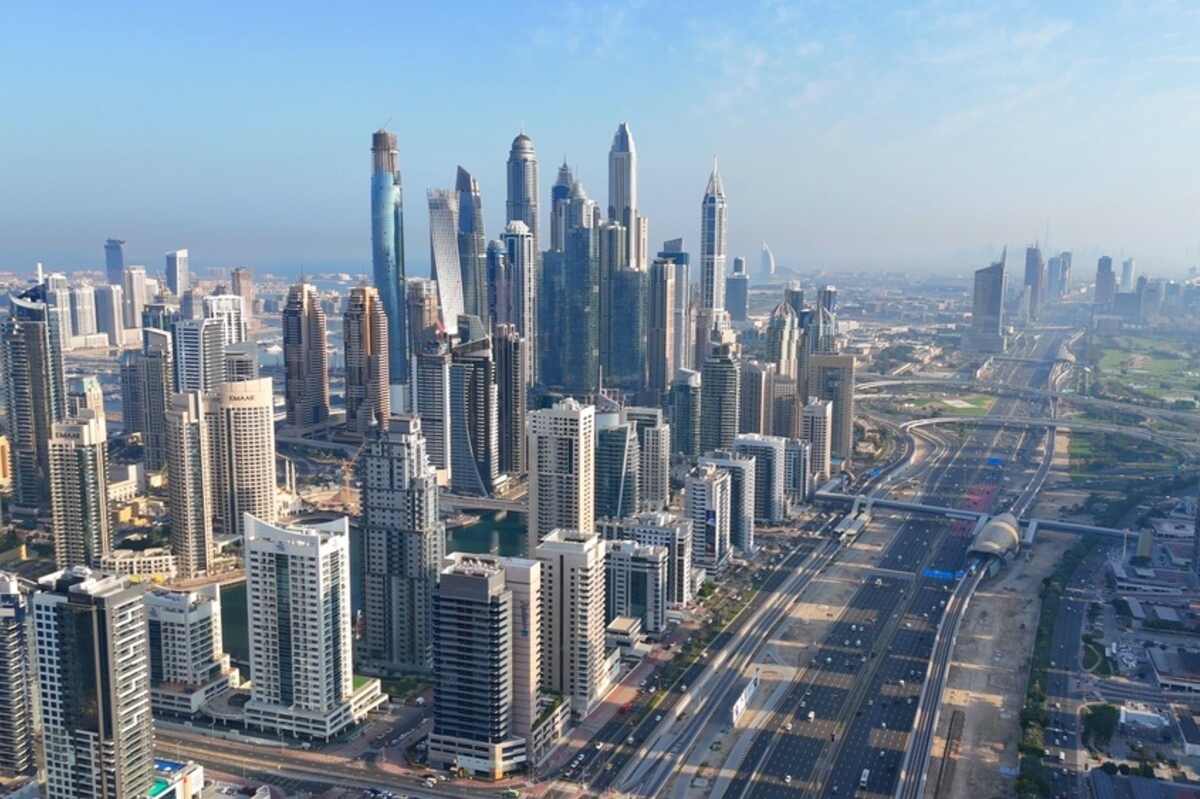
Dubai Residential REIT’s debut on the Dubai Financial Market marked a significant milestone, closing nearly 14% higher at AED 1.25 per unit from its offer price of AED 1.10. The $584 million offering, backed by Dubai Holding, attracted overwhelming demand, with the IPO oversubscribed 26 times, reflecting strong investor confidence in Dubai’s residential real estate sector. The REIT, focusing exclusively on residential leasing, launched with a market […]

Saudi Aramco has filed a new prospectus for an Islamic bond issuance programme, indicating a potential return to the debt markets following a $5 billion conventional bond sale earlier this week. The prospectus, dated 30 May, was submitted to the London Stock Exchange, where the sukuk would be listed. Under its terms, Aramco has a year to issue the Islamic bonds. This move comes as the company […]

Morgan Stanley has firmly denied accusations from the Dutch Public Prosecution Service alleging the financial giant evaded tax on dividends worth nearly $1 billion more than ten years ago. The dispute centres on complex tax structures employed by the bank that Dutch authorities contend were designed to avoid paying the appropriate tax on substantial dividend income. Dutch prosecutors assert that the investment bank engaged in schemes dating […]

Saudi Aramco has secured $5 billion through a three-part bond sale, signalling its commitment to leveraging debt markets to sustain growth and maintain financial stability amidst declining oil revenues. The bond issuance, comprising five-, ten-, and thirty-year tranches, attracted strong investor interest, with spreads tightening significantly from initial guidance, reflecting confidence in the company’s creditworthiness despite a challenging energy market landscape. The bond sale follows a 4.6% […]

Demonstrating Financial Stability, Proposed Final Dividend of HK$0.81 cents per share, Exploring Overseas Market to Diversify Income Source HONG KONG SAR – Media OutReach Newswire – 27 May 2025 – The board of directors of Oi Wah Pawnshop Credit Holdings Limited (HKEx stock code: 1319.HK, the “Group” or “Oi Wah”) announced its annual results and its financial position. For the year ended 28 February 2025 (“FY2025”), the […]

If you’ve spent the past few months watching the Trump tariff drama unfold, AI stocks become volatile and listening to everyone from your broker to your barista talk about rate cuts and inflation, you might think the only path to investment success in 2025 runs through stocks. But quietly, away from the hype, a growing number of individual investors are making a different move: they’re locking in […]

Dubai Holding has successfully raised AED 2.14 billion through the initial public offering of its Dubai Residential REIT, marking the largest real estate investment trust listing in the Gulf Cooperation Council to date. The offering, priced at AED 1.10 per unit, attracted substantial investor interest, with total demand exceeding AED 56 billion, leading to an oversubscription rate of 26 times. Originally set to offer 12.5% of the […]

Advertisements

Saudi Aramco is exploring asset sales to bolster its balance sheet as it navigates declining oil revenues and intensifies its international expansion efforts. The state-owned oil giant has engaged investment banks to propose strategies for monetising its assets, according to individuals familiar with the matter. While specific assets and banks involved remain undisclosed, the move underscores Aramco’s proactive approach to financial management amid market challenges.

The company’s net income fell by 12% to $106.2 billion in 2024, down from $121.3 billion the previous year, primarily due to lower oil prices and reduced production volumes. Consequently, Aramco plans to cut its total dividend payout by nearly a third in 2025, distributing $85.4 billion compared to $124 billion in 2024. This reduction is expected to impact Saudi Arabia’s budget, which heavily relies on Aramco’s dividends to fund its Vision 2030 economic diversification initiative.

In response to these financial pressures, Aramco is actively seeking investors for infrastructure assets in its $100 billion Jafurah gas project, aiming to become a major global natural gas player. The company intends to maintain majority ownership and operational control while attracting external investments to support development. This strategy follows previous deals, including nearly $28 billion raised in 2021 through selling 49% stakes in its oil and gas pipeline subsidiaries.

Aramco’s international expansion includes signing preliminary agreements with U.S. companies valued at up to $90 billion, encompassing sectors such as liquefied natural gas, artificial intelligence, and technology. Key deals involve a 20-year LNG purchase agreement with NextDecade’s Rio Grande LNG export project in Texas and collaborations with ExxonMobil to upgrade the Samref refinery in Saudi Arabia. Additionally, Aramco is in discussions to invest in two new refineries in India, seeking stable markets for its crude amidst increased competition from cheaper sources like Russia.

Despite the dividend cut, Aramco plans capital investments between $52 billion and $58 billion in 2025, focusing on expanding its gas capabilities and integrating its upstream and downstream businesses. The company expects potential operating cash flows of $9 billion to $10 billion from growth in its upstream gas business and $8 billion to $10 billion from its downstream business by 2030.

Aramco’s financial adjustments come amid a broader context of declining oil prices, with Brent crude trading around $70 a barrel, down from approximately $100 three years ago. The company’s performance-linked dividend has seen a significant reduction, reflecting broader struggles in the oil industry. Analysts suggest that Aramco may need to tap into debt markets to finance its dividend and capital expenditure commitments if oil prices remain subdued.

Dubai Holding has increased the size of its Dubai Residential REIT initial public offering to 15% of the entity’s capital, up from the previously announced 12.5%, in response to robust investor interest. The offering now comprises 1.875 billion units, with the institutional tranche expanded to 1.7875 billion units, while the retail tranche remains unchanged. Based on the price range of AED 1.07 to AED 1.10 per unit, […]

Saudi Basic Industries Corporation is advancing plans to list its gas subsidiary, National Industrial Gases Company , potentially within the current year. The Riyadh-based industrial giant is in early-stage talks with major financial advisers, including Lazard Inc., HSBC Holdings, JPMorgan Chase & Co., and Morgan Stanley, aiming to navigate the initial public offering process. This move reflects SABIC’s strategic intent to unlock value from its non-core assets […]

Dunamu, the parent company of South Korea’s largest cryptocurrency exchange Upbit, concluded 2024 with a substantial Bitcoin reserve of 16,839 BTC, valued at approximately $1.1 billion based on year-end prices. This accumulation primarily stems from trading and withdrawal fees collected over the years, reflecting the firm’s dominant position in the domestic digital asset market.

The disclosure of these holdings coincides with Dunamu’s announcement of an 85.1% year-over-year increase in operating profit, reaching 1.18 trillion Korean won , and a 22.2% rise in net profit to 983.8 billion won for 2024. The company attributes this financial upswing to heightened trading activity following Bitcoin’s halving event in April, which reduced mining rewards and historically leads to increased market volatility and investor interest.

Contributing to the favorable market conditions were global macroeconomic factors, including expectations of U.S. interest rate cuts and a pro-cryptocurrency stance from the administration of President Donald Trump. These elements fostered increased liquidity and investor confidence, benefiting platforms like Upbit.

In response to its robust financial performance, Dunamu announced a tripling of shareholder dividends, distributing 8,777 Korean won per common share, up from 2,937 won the previous year. The total dividend payout amounts to nearly 300 billion won , signaling the company’s confidence in its sustained growth trajectory.

Despite these achievements, Dunamu faces significant regulatory challenges. South Korea’s Financial Intelligence Unit imposed a three-month suspension on Upbit, citing violations related to transactions with unregistered virtual asset operators and deficiencies in Know Your Customer protocols. The suspension specifically targeted new customer registrations and their ability to transfer virtual assets.

Dunamu contested the FIU’s decision, arguing that the sanctions were disproportionate and did not consider the company’s compliance efforts. A Seoul court temporarily lifted the suspension, granting Dunamu a 30-day injunction to challenge the regulatory action. This legal reprieve allows Upbit to continue operations while the dispute is adjudicated.

The regulatory scrutiny has had a tangible impact on Dunamu’s market valuation. Reports indicate that the company’s unlisted stock price declined by nearly 30% amid the ongoing investigations and enforcement actions. Analysts suggest that the outcome of the legal proceedings and Dunamu’s ability to address compliance concerns will be critical in restoring investor confidence.

Upbit maintains a commanding presence in South Korea’s cryptocurrency market, accounting for over 70% of domestic trading volume. In February 2024, the exchange reported a monthly trading volume of $101 billion, underscoring its significance in the country’s digital asset ecosystem.

Saudi Aramco has reported a decline of 4.6% in its first-quarter profit, totalling 97.54 billion riyals for the period ending March 31. This drop in profit is attributed to lower sales and increased operating costs, with the economic uncertainty weighing heavily on the global crude markets. Despite this decline, Aramco’s performance still exceeded analysts’ expectations, as the company had previously provided a median forecast of $25.36 billion. […]

By Saifur Rahman The Emirates Group reported an 18 percent growth in profit before tax exceeding US$6.2 billion (Dh22.7 billion) – a new record – in the financial year 2024-25. This is the first financial year that the UAE corporate tax, enacted in 2023, is applied to the Emirates Group. After accounting for the 9 percent tax charge, the Group’s profit after tax reached US$5.6 billion (Dh20.5 […]

Dubai Holding, a leading global investment conglomerate, has announced the listing of its Dubai Residential Real Estate Investment Trust on the Dubai Financial Market . This marks the first initial public offering in Dubai for the year, reflecting the continuing strength of the emirate’s thriving property sector.

The Dubai Residential Reit, a sharia-compliant fund that generates income through investments in residential real estate, is set to offer 1.625 billion units, representing 12.5 per cent of the total stake in the trust. Dham Investments, a fully owned subsidiary of Dubai Holding, is behind the move, aiming to diversify the company’s portfolio and expand its reach in the regional real estate market.

The subscription period for the offering will run from May 13 to May 20, 2025. After this, the final offer price will be disclosed on May 21, with the trading of the Reit’s units expected to commence on the Dubai Financial Market on May 28, 2025. The offer is poised to attract a wide range of investors, from institutional to retail, as the Dubai property market continues to attract significant interest from global investors.

The Dubai property market has shown remarkable resilience in the face of global economic challenges, with both residential and commercial segments witnessing robust growth. With high demand for luxury homes, rental properties, and mixed-use developments, the Reit presents a strategic opportunity for investors to gain exposure to the lucrative Dubai real estate market.

This IPO comes amid a boom in the emirate’s property market, fuelled by strong investor confidence, favourable government policies, and an influx of expatriates looking to secure a foothold in one of the world’s most dynamic cities. Dubai’s real estate market has been one of the most resilient globally, thanks to a range of measures introduced by the government to attract foreign investment, including long-term residency options for investors and property owners.

The listing is also significant for Dubai Holding, which has consistently sought to diversify its investment portfolio across various sectors, including real estate, hospitality, and technology. As one of the largest investment companies in the UAE, Dubai Holding’s strategic shift into the publicly traded real estate space could potentially open doors for further capital raising and market expansion in the region.

The offering is expected to draw attention not only from regional investors but also from international funds, as Dubai continues to be a top destination for global real estate investments. With property prices expected to maintain upward momentum in the coming months, the timing of the IPO could prove advantageous, particularly as Dubai continues to grow as an international business hub.

The Dubai Residential Reit has a strong portfolio of residential assets, strategically located in prime areas across the emirate. These properties are anticipated to generate consistent rental income, making the Reit an attractive investment for those seeking exposure to Dubai’s booming property market without the complexity of direct property ownership. Investors will also benefit from the fund’s income-distributing structure, with regular dividend payouts projected over time.

The IPO follows Dubai Holding’s broader strategy of strengthening its presence in key sectors and diversifying its investment base. With the growing demand for real estate in the region, Dubai Holding’s decision to list the Reit is seen as a move to unlock value from its high-quality assets while expanding its footprint in the public capital markets.

As with all public offerings, the success of this IPO will depend on the investor appetite, market conditions, and the overall economic landscape. Despite this, Dubai’s real estate sector remains resilient, buoyed by strong fundamentals and continuous infrastructure development that supports both residential and commercial property demand.

The Dubai Financial Market has positioned itself as a key player in the region’s capital markets, and the listing of Dubai Residential Reit is expected to contribute to further growth in market activity. It marks a significant milestone for the DFM, which has seen a series of successful listings in recent years, strengthening its position as a leading financial hub in the Middle East.


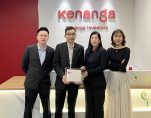
KUALA LUMPUR, MALAYSIA – Media OutReach Newswire – 5 May 2025 – Kenanga Investors Berhad (“Kenanga Investors”) has been awarded Best Malaysia Large-Cap Equity Fund at the Morningstar Awards 2025, recognising the strong performance of the Kenanga Blue Chip Fund (“KBCF”). This achievement marks a significant milestone for the firm, as KBCF celebrates its third win at this prestigious award and continues to deliver consistent results across […]

TECOM Group PJSC has reported a 21% year-on-year increase in revenue, reaching AED 680 million for the first quarter of 2025. Net profit rose by 23% to AED 361 million, reflecting strong operational performance and strategic investments across its diversified asset portfolio. The company’s EBITDA grew by 23% year-on-year to AED 540 million, with the EBITDA margin improving to 79%. These figures underscore the group’s commitment to […]

HSBC Holdings Plc has disclosed an anticipated pre-tax loss of up to $1.6 billion following the dilution of its stake in China’s Bank of Communications . This development arises from BoCom’s private share placement, part of a broader initiative by Chinese state-owned banks to bolster their capital reserves.

The dilution reduces HSBC’s holding in BoCom from 19.03% to approximately 16%, a consequence of the Chinese government’s strategy to strengthen its banking sector. The $71.5 billion recapitalization effort aims to enhance the capacity of major state-owned banks, including BoCom, to support the national economy.

Despite the substantial charge, HSBC has indicated that the loss will not significantly impact its capital ratios or dividend distributions. The bank emphasized that the investment in BoCom is long-term, and the charge is a non-cash accounting adjustment due to the dilution.

This is not the first time HSBC has faced financial repercussions related to its BoCom investment. In the previous year, the bank reported a $3 billion impairment on its stake, citing challenges in China’s financial sector, particularly the ongoing property market crisis.

The latest charge coincides with HSBC’s announcement of a 25% decline in first-quarter pre-tax profits, amounting to $9.5 billion. This downturn is attributed to one-time losses from business disposals in Canada and Argentina. Nevertheless, the results surpassed analyst expectations, which had projected profits of $7.8 billion.

In response to the profit decline, HSBC has initiated a $3 billion share buyback and declared a first-quarter dividend of $0.10 per share. The bank’s CEO, Georges Elhedery, who assumed the role in September, is spearheading a cost-cutting initiative targeting $1.5 billion in annual savings by 2026. This strategy includes restructuring business segments and divesting operations in Germany, South Africa, France, and Malta.

HSBC has also raised its bad loan provisions by $202 million to $876 million in the first quarter, reflecting economic uncertainty and the impact of higher tariffs. Of this amount, $100 million is allocated for exposure to Hong Kong’s commercial property sector. The bank anticipates lending demand to remain subdued throughout the year and projects a potential $500 million increase in loan loss provisions if global economic conditions deteriorate further.

Arabian Post Staff -Dubai Unveiling its latest flagship devices at a grand event in Singapore, POCO made a strong statement with the launch of the POCO F7 Ultra and POCO F7 Pro, positioning itself more firmly within the premium smartphone segment. The UAE market, where young, tech-savvy consumers are increasingly demanding top-tier performance without exorbitant pricing, is poised to become a key battleground for these new devices. […]

Investing isn’t what it used to be, and that’s a good thing. Gone are the days when access to high-value assets, such as real estate, fine art, or company shares, was reserved for the wealthy few. Tokenization is a groundbreaking concept that’s opening doors for a much wider pool of investors. At its core, tokenization means converting rights to an asset into digital tokens stored securely on […]

Abu Dhabi National Oil Company Group’s six publicly traded subsidiaries have secured shareholder approval to distribute a combined $6.7 billion in dividends for the fiscal year 2024, underscoring their robust financial health and dedication to shareholder value. This substantial payout follows a collective net profit exceeding $9 billion and total revenues of $49.7 billion across the listed entities. ADNOC Gas emerged as the leading contributor, confirming a […]

HONG KONG SAR – Media OutReach Neswire – 20 April 2025 – The 2025 World Internet Conference Asia-Pacific Summit successfully took place from April 14 to 15 at the Hong Kong Convention and Exhibition Centre. This marks the first international summit of the World Internet Conference held in Hong Kong in its 11-year history, attracting nearly a thousand government officials, experts, scholars, and business representatives from over […]

Every investor, whether novice or seasoned, faces the timeless question: “Is now a good time to buy stocks?” The answer is rarely straightforward. It depends on a range of factors—macroeconomic trends, market valuations, investor sentiment, and personal financial goals. Today’s market environment, marked by uncertainty, mixed signals, and rapid shifts in momentum, makes this question more relevant—and more complicated—than ever. To evaluate whether it’s a good time […]

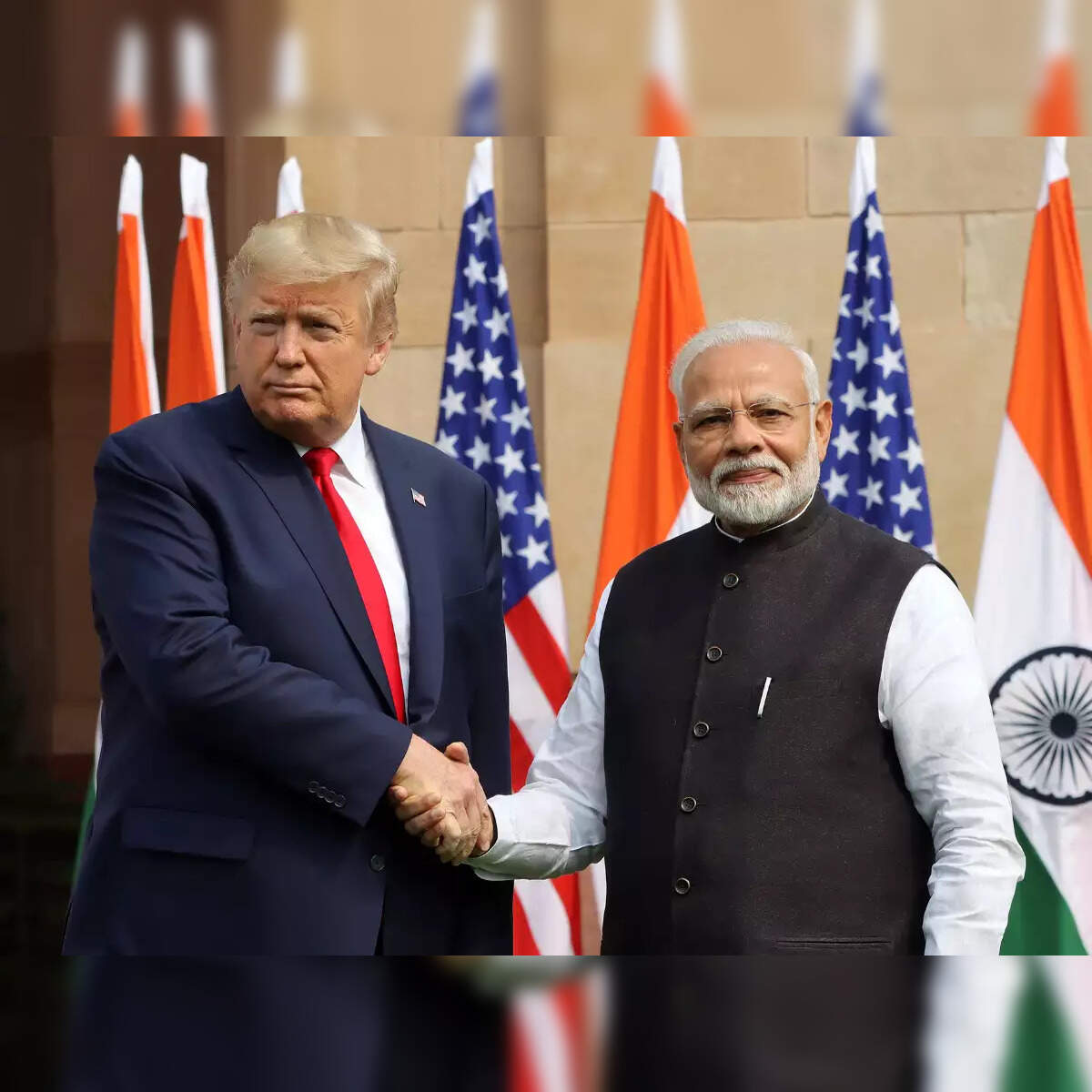
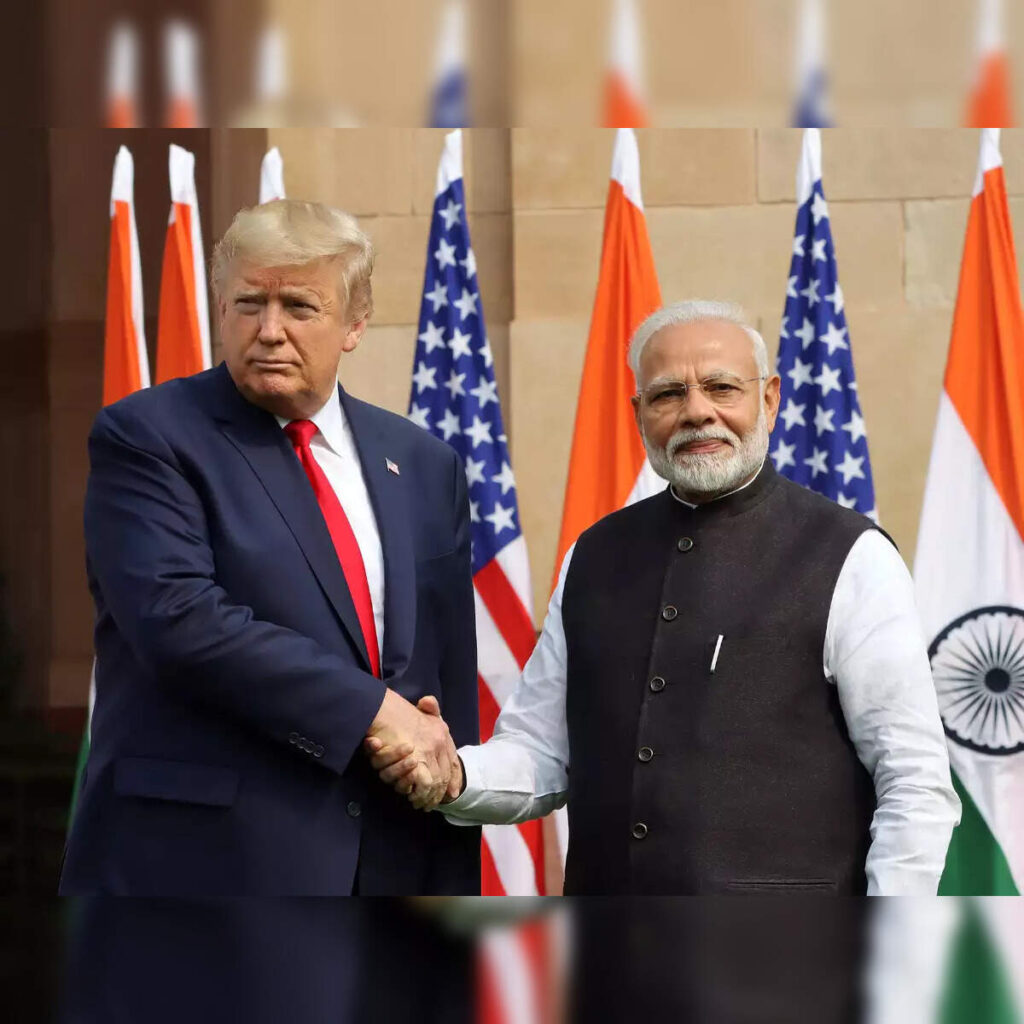
By K Raveendran In both foolhardiness in decision making and shameless flip-flop in dealing with disastrous aftermaths, Narendra Modi and Donald Trump have exhibited a total lack of honesty in admitting their mistakes. The similarity is too striking to be missed. Thanks to recklessness and impulsiveness in decision making—Narendra Modi with demonetization and Donald Trump […]


Global oil prices have fallen to their lowest levels in over four years, driven by escalating trade tensions and fears of a global economic slowdown. Brent crude dropped by 3.79% to $60.44 per barrel, while West Texas Intermediate declined by 4.13% to $57.12, marking their lowest points since February 2021. This decline follows the United States’ implementation of 104% tariffs on Chinese imports, after Beijing maintained its 34% retaliatory tariffs on U.S. goods. The escalating tit-for-tat measures have dampened hopes for a swift resolution, raising concerns about a deepening global recession and diminishing energy demand.

Compounding the situation, the Organization of the Petroleum Exporting Countries and its allies plan to increase output by 411,000 barrels per day in May, potentially leading to a supply surplus. Analysts warn that this move could further destabilize the market. Despite a slight easing from a 1.1 million-barrel decrease in U.S. crude inventories, overall sentiment remains bearish. Goldman Sachs forecasts further declines in oil prices through 2025 and 2026. Additionally, Russia’s ESPO Blend oil has, for the first time, dropped below the $60 Western price cap, underlining the global pressure on oil markets.

In Canada, oil and gas executives are adopting a cautious approach in response to the price slump. Doug Bartole, CEO of InPlay Oil, indicated that while immediate cutbacks in production or spending are not planned, sustained low prices, especially around $50 per barrel, could prompt strategic reassessments. InPlay recently completed a C$321 million acquisition of Alberta oil assets from Obsidian Energy, despite market uncertainties. Analysts from ATB Capital Markets have downgraded InPlay’s share target based on current low WTI price levels. Economist Peter Tertzakian noted that while major oil sands companies can sustain lower prices, smaller firms may need to adjust capital expenditures if the price slump continues. Meanwhile, Birchcliff Energy CEO Chris Carlsen highlighted a potential benefit for natural gas producers, as reduced oil drilling may decrease associated gas output, potentially tightening supply.

The sharp decline in oil prices poses significant challenges for Saudi Arabia’s ambitious Vision 2030 megaprojects, including the futuristic Neom city. Oil remains the backbone of the kingdom’s economy, despite efforts to diversify. With Brent crude recently falling to $62 a barrel and forecasts suggesting further declines due to global economic instability and increased OPEC+ output, the country faces a budget deficit and reduced oil-derived income. Saudi Aramco’s anticipated dividends have dropped significantly, compounding financial pressures. Analysts expect the government may scale back or delay lower-priority projects, focus on key investments like global events, or increase borrowing and taxation. Notably, plans for “The Line” have reportedly been reduced to a 1.5-mile stretch associated with the 2034 FIFA World Cup. Despite reassurances from Saudi officials, concerns persist that the ambitious Neom development, championed by Crown Prince Mohammed bin Salman, may need to be downsized unless oil revenues recover.

The U.S. administration’s tariff policies have been a significant factor in the market’s volatility. While some argue that the tariffs, impacting about 1% of the $28 trillion U.S. economy, are intended to shift global trade dynamics in favor of the United States and counter countries like China, others believe that the market’s reaction has been exaggerated. Despite the uproar, these tariffs would channel approximately $300 billion annually to the U.S. Treasury. Critics argue that the U.S., while the world’s largest importer, has a relatively low import-to-GDP ratio compared to other countries. They contend that China has more to lose in a trade war due to its export-reliant economy and employment structure. American public sentiment appears cautiously supportive of fair trade measures, especially against perceived Chinese industrial subsidies. Some suggest that markets should adopt a wait-and-see approach rather than panicking, likening the administration’s stance to the backlash faced by UK Prime Minister Liz Truss over her economic reform attempts, suggesting a resistance to market-driven pressure.

Falling oil prices, encouraged by policies aimed at reducing regulatory burdens, may bring lower gasoline costs but also discourage new oil production due to unprofitable pricing levels and economic uncertainty. Efforts to stimulate future energy production, such as expanding drilling access and reviving coal via executive order, are counterbalanced by cautious industry investment amidst global trade tensions. Additionally, March 2025 was the second-warmest on record globally, with Arctic sea ice hitting a near half-century low, continuing a concerning trend of climate anomalies. On the tech front, battery startup Bedrock Materials is shutting down due to competitiveness issues against cheaper lithium-ion technology from China. Meanwhile, Tesla alum Drew Baglino’s Heron Power is raising $50 million to develop advanced solid-state transformers, reflecting continued clean-tech investment. Furthermore, the Bezos Earth Fund and Global Methane Hub announced a $27.4 million initiative to identify and breed cattle and sheep that emit less methane, a step toward sustainable livestock farming. These developments reflect significant intersections between policy, environment, and innovation shaping global energy and climate landscapes.

VISHNU RAJA
RYO YAMADA
HITORI GOTOH
IKUYO KITA