Just in:
Eisenkot Has A Tough Task To Form A Sustainable Coalition Govt In Israel With Arab Parties // SIR Must Be Scrapped Because It Shows Large Number Of Live Voters Dead // SIR Must Be Scrapped Because It Shows Large Number Of Live Voters Dead // Far Right Defeat In U.S. Mid Term Polls Has Lessons For Indian Polity // High Court strikes down police curbs on hotel night life // The MICHELIN Guide Thailand Celebrates Its Landmark 10th Edition with Record Numbers of Entries and MICHELIN-Starred Dining Venues // Toyota Land Cruiser 2025 and 2026. What Each Trim Costs in the UAE // ADNOC Gas quarterly profit doubles to $1.34 billion // US relocates tankers from second British base amid threats // Moonless skies improve stargazing conditions across northern Saudi Arabia // Eisenkot Has A Tough Task To Form A Sustainable Coalition Govt In Israel With Arab Parties // Far Right Defeat In U.S. Mid Term Polls Has Lessons For Indian Polity // CPM wants abandoned power deal probed // BJP complaint against Murali over Vande Mataram // Prudential announces title sponsorship of “Prudential Hong Kong Winter Wonderland in Tsim Sha Tsui”, lighting up Victoria Harbour this winter // Iran displays school strike memorial at COP31 summit // OnePlus 16 India debut reconsidered amid launch discussions // GCC defence ministers discuss military coordination amid Iran conflict // New Two Way Trade Momentum Highlighted at China-Africa Cooperation Forum in Yiwu // BJP complaint against Murali over Vande Mataram //

News related to
Entrepreneur Middle East

The trail blazed by Hamza, founder of Hexona Systems and the architect of one of the world’s largest AI automation communities, is leading him back to the Middle East, a region that played a significant role in his past. Hamza’s journey is that of a visionary who travelled across the globe to gain wisdom and novel experiences but eventually came back to his homeland with a more […]

Abu Dhabi has unveiled Hub71+ Life Sciences, a specialist platform designed to speed up the path from laboratory research to patient-ready products across biotechnology, medical technology and digital health, with the launch staged at Hub71’s Impact Event 2025 in the UAE capital. Founders are promised streamlined access to regulators, hospitals, investors and corporate partners to test, validate and scale products from the emirate. New platform powers Abu […]

Washington’s plan to sharply raise the cost of H-1B visas—the key route for skilled overseas professionals into the United States—has consequences far beyond immigration policy. It signals a potential reallocation of talent, capital and innovation that could redefine where the next wave of technology growth takes place. If the US prices out the world’s top engineers, data scientists and entrepreneurs, those individuals will gravitate toward regions offering […]

Emergent today announced it has secured a total of USD 30 million in funding, led by a USD 23 million Series A round from Lightspeed, marking a strategic push into the Middle East and North Africa region. The Bengaluru-based startup, founded in 2025, is already claiming USD 15 million in annual recurring revenue within 90 days of launch, underlining strong investor confidence in its rapid growth model. […]

With Singapore as its regional headquarters in APAC and new operations in China, the payments orchestrator is simplifying cross-border commerce for global merchants. Yuno is also announcing the regional availability of NOVA, the company’s first-of-its-kind suite of agentic AI solutions that turn payment friction into growth. SINGAPORE & NEW YORK, US – Media OutReach Newswire – 25 September 2025 – Yuno, the global payment orchestration platform, today […]

SINGAPORE – Media OutReach Newswire – 17 September 2025 – The National University of Singapore (NUS) Business School’s Master of Business Administration (MBA) is ranked first in Asia for the third year in a row in the Quacquarelli Symonds (QS) Global MBA Rankings 2026. The NUS MBA programme rose two places to 23rd worldwide, achieving its highest-ever global position in an evaluation pool that expanded by almost […]

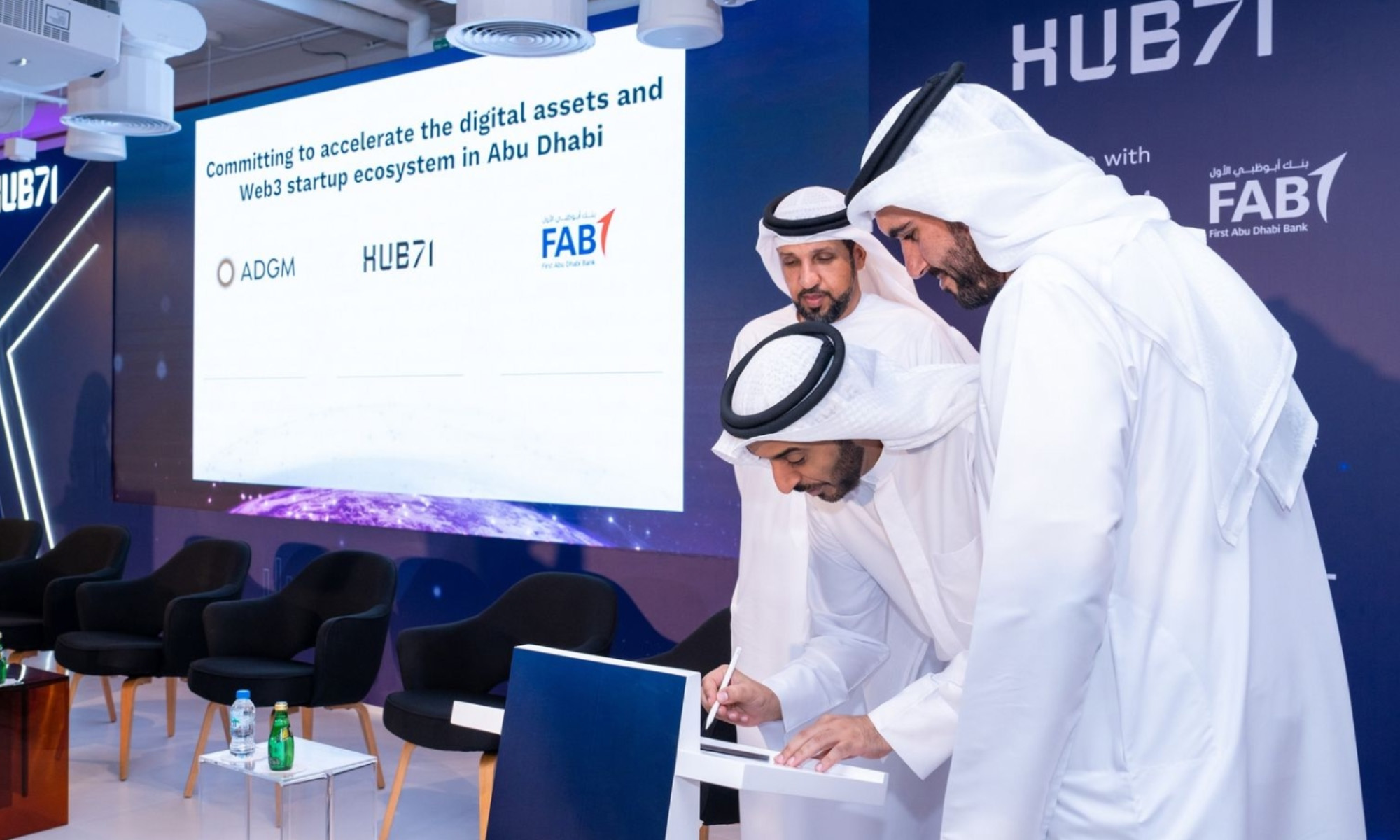
Abu Dhabi’s Hub71 has forged a strengthened alliance with the Japan External Trade Organization aimed at building deeper cross-border innovation, particularly in Web3, AI, spatial intelligence and sustainable tech sectors. Hub71 used its presence at Tokyo’s WebX and the Blockchain Leaders Summit to push forward new collaboration programmes and investment pathways.

At these events, Hub71 spotlighted a number of startups from Abu Dhabi—among them bitgrit, xMap, Aqua Development, Chainsight, Nodeshift, Bit2Me and 1Money—making connections with Japanese investors, corporate entities and ecosystem partners. The showcasing was closely aligned with Japan’s innovation priorities, including governance in blockchain and sustainable water solutions.

Key to the partnership is the launch of the J-StarX Programme, developed jointly by Hub71, JETRO and Elixir Capital, which will host seven Japanese Web3 startups in Abu Dhabi to facilitate scale-ups, market access, and ecosystem integration. Entrepreneurs in this programme will benefit from capital, mentoring, regulatory guidance and networking in the UAE’s tech environment.

Hub71 also assumed title-sponsorship of the Blockchain Leaders Summit in Tokyo, delivering the opening keynote. Executives emphasised the UAE’s position as an enabling region for innovators seeking overseas expansion, and positioned Abu Dhabi as a gateway for startups to penetrate Asia on one side and Middle East markets on the other.

Peter Abou Hachem, Head of Growth and Strategy at Hub71, stated that the collaboration underscores “the value of global connectivity”, and that Japan’s leadership in Web3 and innovation aligns with Hub71’s mission. He noted that through partners like JETRO, both ecosystems can unlock opportunities in market reach, talent exchange and frontier technologies.

Advertisements

Swiss private bank Lombard Odier executives have stressed that the Middle East is no more inherently risky than other global markets—but warned that wealth managers must perform rigorous due diligence to avoid regulatory pitfalls in future. The bank is increasing its investment in the region and is aiming to more than double its assets under management there. Frédéric Rochat, managing partner at Lombard Odier, and Ali Janoudi, […]

AI-Driven Innovation Unlocks the Missing Piece in Digital Entertainment HONG KONG SAR – Media OutReach Newswire – 12 September 2025 – The Digital Entertainment Leadership Forum 2025 (DELF 2025), Cyberport’s annual flagship event, officially kicked off today. Under the theme “Adventure Island: Unlock Innovation with The Missing Piece”, the three-day event (12–14 September) welcomes industry professionals and the public to immerse themselves in a carnival-style programme. Highlights […]

Ajman is preparing to host the Big Bad Wolf book sale for the first time, as the world’s biggest travelling book fair descends on the emirate. The sale runs from 25 September to 5 October 2025 at Youth X HUB, open daily from 10 am to 9 pm, with free admission throughout. Book enthusiasts can explore more than 250,000 titles across genres—from children’s stories to science fiction, […]

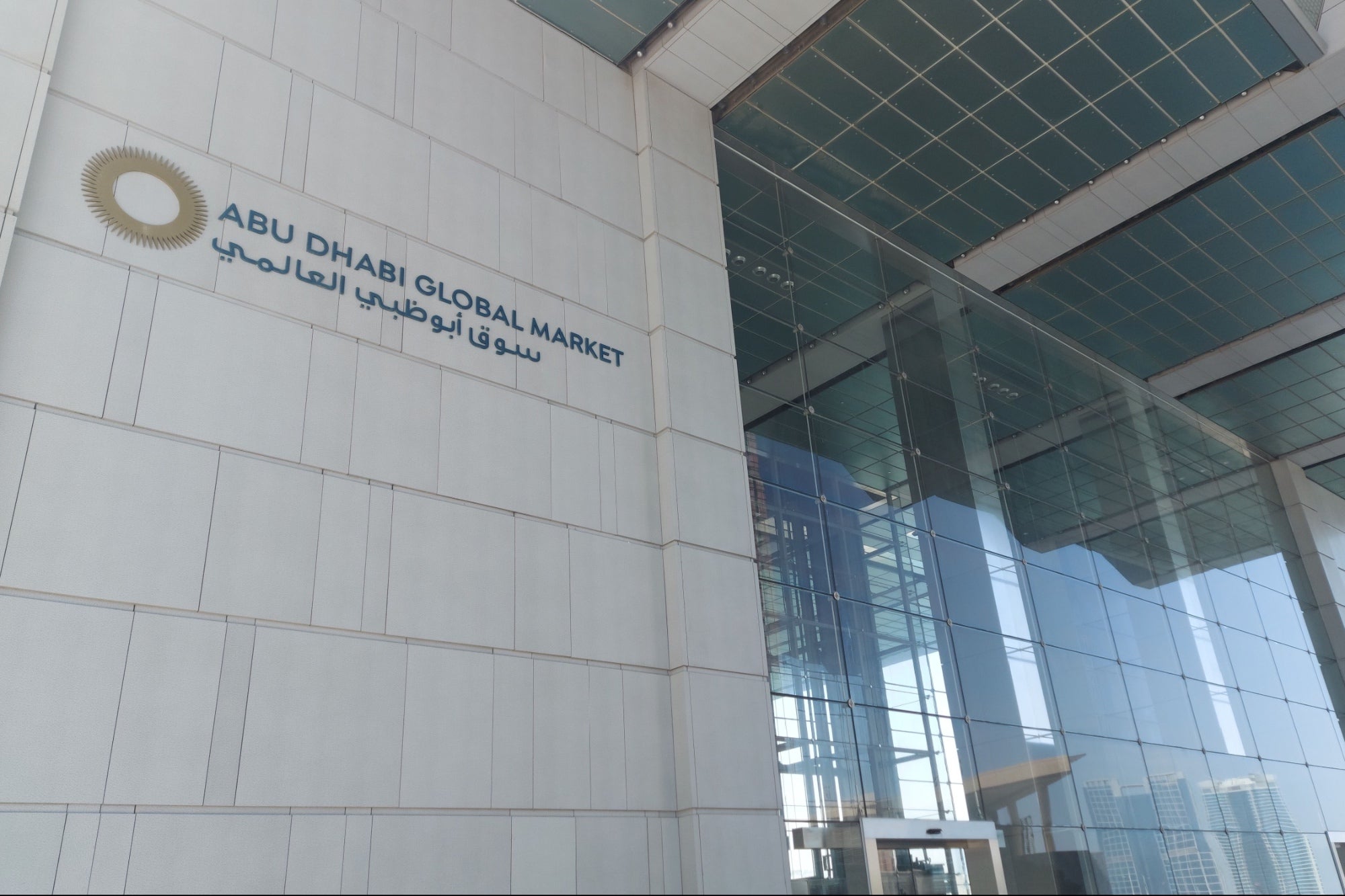
Abu Dhabi Global Market recorded more than 11,000 active licences and a striking 42 per cent rise in assets under management in the first half of 2025, underpinning its emergence as the Middle East and North Africa region’s leading international financial centre. ADGM Exceeds 11,000 Licences, AUM Surges 42 %.

The expansion sees ADGM surpass AED 500 billion in market capitalisation of its listed entities on the Abu Dhabi Securities Exchange, reflecting its pivotal role in strengthening the emirate’s non-oil economy, which grew to 9.1 per cent in the first quarter of 2025.

More than 2,970 firms—comprising 308 financial and 2,664 non-financial entities—are now operating from ADGM, marking a 42 per cent year-on-year increase. The centre issued 1,869 new licences during the period, the highest ever in a half-year span, up by 47 per cent from the previous year.

Asset management continued to thrive: ADGM is now home to 154 fund and asset managers overseeing 209 funds, driving AUM up by 42 per cent over the year to June 2025.

Powerful global partnerships fuelled the centre’s momentum. Fortress Investment Group set up an office in ADGM and joined a US$1 billion co-investment venture with Mubadala. Kimmeridge opened its ADGM branch and inked an MoU with Mubadala Energy to develop natural gas and LNG projects. Meanwhile, IHC, BlackRock and ADGM-based Lunate launched an AI-native reinsurance platform worth over US$1 billion. A private credit joint venture between Mubadala and Alpha Dhabi scaled to US$2.5 billion—all anchored at ADGM.

ADGM’s increasing workforce reflects its expanding influence: by end-June 2025, nearly 36,000 professionals were working across Al Maryah and Al Reem Islands.

ADGM’s achievements are underpinned by enhanced regulatory frameworks. The Financial Services Regulatory Authority issued 52 In-Principle Approvals and 45 new Financial Services Permissions. The Registration Authority implemented improvements such as the AccessRP digital platform for property interest verification, Commercial Permit Regulations to support non-financial businesses, and revised fees to simplify market entry. Mutual recognition of digital platforms with Astana International Financial Centre and a 223 per cent increase in supervision assessments further underscore ADGM’s commitment to governance and global alignment.

International engagement has also grown: ADGM participated in CityWeek 2025 in London, held roadshows in China and Japan, and concluded MoUs with regulators in Azerbaijan, Bhutan, Hong Kong and Sweden. These moves have promoted cross-border regulatory collaboration, innovation in capital markets, and sustainable finance initiatives.

As the morning light kisses the glazed curtain wall of the Burj Khalifa over the Persian Gulf, and the evening breeze of Doha whispers against the dome of the Museum of Islamic Art, a practice team named “Weihai Yangxing” from Weiyang College of Tsinghua University is measuring the lands of the Middle East with their footsteps and building bridges of cooperation through dialogue. From August 14 to 24, […]

Dubai is witnessing a sharp rise in gold-driven fortunes as long-established Indian entrepreneurs reshape its jewellery sector. Titan Company, known for its Tanishq brand, will acquire 67 per cent of Damas, a leading luxury jewellery retailer with some 146 outlets across the Gulf, for 1.04 billion dirhams, in a deal expected to close by 31 January 2026. This bold expansion markedly strengthens Titan’s foothold under its emerging […]

Beautyworld Middle East will run from 27 to 29 October 2025 at the Dubai World Trade Centre, drawing an extensive global delegation of beauty professionals to explore innovations across the full spectrum of the industry. Organised by Messe Frankfurt Middle East, the event has become the region’s preeminent platform for unveiling trends, forging partnerships, and showcasing global brands and breakthrough technologies. Projected attendance data highlights the scale […]

Alibaba cloud to dedicate its global capabilities to support Bosch’s technology stack Both intend to deepen collaboration in leveraging Alibaba’s AI strength to facilitate Bosch’s business innovations, such as smart cockpit Bosch to expand its e-commerce presence in Southeast Asia, Spain, and Latin America through Alibaba’s global platforms HANGZHOU, CHINA – Media OutReach Newswire – 2 September 2025 – Bosch, a leading global supplier of technology and […]

StuDIYo Lab, a design‑technology and woodworking centre for young learners based in Dubai, has entered into a five‑year memorandum of understanding with the Bhubaneswar City Knowledge Innovation Cluster Foundation, under the Office of the Principal Scientific Adviser to the Government of India. The agreement sets a clear trajectory for rolling out maker‑based education, inclusive workshops, bootcamps and vocational training across India and the UAE.

The collaboration begins by launching School Innovation Labs in targeted Indian states. Over the next six months, the partners plan to establish up to four pilot labs, train some 20 educators, and engage over 500 learners. The agenda emphasizes accessibility for underserved groups, including tribal communities and neurodiverse participants, aiming to extend the reach of creative, skill‑based education beyond urban centres.

As part of the initiative, vocational programmes will be tailored specifically for women and youth, while inclusive workshops will cater to special‑needs learners. Innovation and entrepreneurship bootcamps are also planned to nurture student‑led startups and ideas.

This partnership represents a strategic convergence of StuDIYo Lab’s international pedagogical expertise and BCKIC’s deep grassroots network in India, reflecting a commitment to equitable and experiential learning. Capt. G. S. R., Adviser to the foundation, and Lina Sadek, founder and CEO of StuDIYo Lab, were present during the signing of the MoU in August 2025.

StuDIYo Lab has earned the Certified Autism Center™ designation, a mark of its dedication to inclusive environments and creative engagement for sensory‑sensitive individuals. The CAC accreditation underscores the lab’s commitment to accessibility and may enhance the quality and inclusivity of programmes deployed under the new agreement.

BCKIC has a track record of forging multi‑sector partnerships to support innovation, sustainable livelihoods, and inclusive growth across communities. Its ecosystem‑building efforts have previously included collaborations with educational institutions, startups, NGOs and research organisations.

This latest MoU follows a pattern of strategic alliances BCKIC has been cultivating. Earlier in August 2025, BCKIC signed a pact with AIIMS Bhubaneswar and KIIT‑TBI to support healthcare innovation, start‑up incubation and the development of joint Centres of Excellence. The new partnership with StuDIYo Lab signals an expansion of its mandate into design-oriented and maker-based learning pathways.

The timing reflects growing attention to bridging practical skill development with innovation ecosystems. By emphasising maker labs, vocational training, and inclusion across demographic and geographic lines, the pact contributes to a broader agenda of democratizing access to creative and technological learning.

This alliance also opens doors for corporate social responsibility initiatives from Middle Eastern and philanthropic partners, creating a channel for investment into inclusive educational infrastructure and innovation in India.

With its applied learning model and certified inclusivity, StuDIYo Lab brings a distinctive approach that complements BCKIC’s innovation cluster framework. The aim is to replicate scalable, equitable education solutions across diverse Indian regions—encompassing tribal, rural, urban and neurodiverse communities alike.

The experimental nature of the pilot labs and the focused goals for learner and teacher engagement indicate a test-and-scale strategy. If successful, this could form a template for expanding maker-based, design-driven learning nationwide.

By linking UAE’s expertise in accessible, hands-on learning with a credible Indian innovation ecosystem actor, the partnership may serve as a model of cross-border collaboration in education—a bridge between global pedagogy and local implementation at scale.

Bilateral non-oil trade between the UAE and India surged past US $37.6 billion in the first half of 2025, marking a 33.9 per cent increase compared with the same period in the previous year. The UAE’s Foreign Trade Minister, Dr Thani bin Ahmed Al Zeyoudi, highlighted during his Mumbai visit the pivotal role of the Comprehensive Economic Partnership Agreement in propelling this growth. Discussions focused on expanding cooperation across pharmaceuticals, food and logistics, alongside Bharat Mart, a 2.7 million sq ft trade complex in Jebel Ali Free Zone designed for Indian exporters to reach markets across the Middle East, Africa and Europe.

Trade figures underscore that CEPA has significantly deepened economic ties. In 2024, non-oil trade between the two nations topped US $65 billion, reflecting a 19.7 per cent increase from 2023 and more than doubling the 2020 tally of US $27.9 billion. UAE investments in India reached around US $17 billion by late 2023, while Indian investments in the UAE climbed to approximately US $8 billion—total mutual investment topping US $25 billion, with the UAE accounting for 70 per cent of that figure.

This dynamic was further backed by the UAE-India CEPA Council’s Start-up Series, which has drawn more than 10,000 applications from Indian entrepreneurs since its launch in June 2025. The initiative, showcased in New Delhi by Ahmed Aljneibi, has made stops at leading institutions including Banaras Hindu University and the Master’s Union School of Business, offering mentorship, regulatory guidance and pathways for cross-border scale-up.

The strategic focus on innovation also extends beyond startups. Sheraa, Sharjah’s entrepreneurship centre, and Startup Middle East signed a memorandum to establish an India Startup Hub in Sharjah, aimed at facilitating the entry of Indian ventures into the UAE market and strengthening regional innovation ecosystems.

Policy measures in the UAE are evolving to match this economic outreach. Amendments to more than 40 laws, most notably the Commercial Companies Law enabling 100 per cent foreign ownership, are part of a broader strategy to double the non-oil economy—from US $381 billion to US $762 billion—by 2030. Foreign trade is viewed as central to achieving that ambition, with the UAE’s connectivity, infrastructure and logistics network seen as vital assets for Indian businesses seeking wider regional access.

CEPA’s architecture underscores its comprehensive approach: since its implementation in May 2022, tariffs on more than 80 per cent of Indian exports to the UAE have been reduced or eliminated immediately, benefiting sectors from gems and jewellery to pharmaceuticals and automobiles. Additional gains accrue from streamlined customs protocols, regulatory harmonisation and a joint committee addressing market-access and technical barriers.

Experts point to CEPA as transformative for both economies. Indian gems and jewellery exports more than doubled from US $4.9 billion to US $8 billion in fiscal year 2024, aided by duty removals. Labour-intensive industries such as textiles, leather, footwear, sports goods, plastics, furniture, engineering goods, agricultural produce and food items have also gained momentum, while regulatory alignment has accelerated entry of generic drugs and medical devices, boosting health-sector cooperation and supply-chain resilience.

Further integration is visible in emerging fintech and logistics initiatives. Bharat Mart reinforces logistical synergy, while the nascent Virtual Trade Corridor, fintech sandboxes and experiments such as India’s MagRail pilot demonstrate growing interoperability in digital trade and compliance systems.

At the political level, the CEPA enters its third year this February. Al Zeyoudi noted that India remains the UAE’s second-largest non-oil export destination, accounting for 13.5 per cent of total non-oil exports in 2024—a 75.2 per cent rise year-on-year. Conversely, the UAE is India’s third-largest trading partner and a major investor, illustrating the strategic depth CEPA has added to bilateral ties.

Dubai’s education sector is set for a substantial transformation as the city prepares to welcome six new schools, 16 early childhood centres, and three prestigious international universities in the 2025–26 academic year. This growth is part of the emirate’s ongoing commitment to becoming a global hub for top-tier education and family-friendly living, making it an increasingly attractive destination for expatriates and local families alike. The new institutions […]

Dubai has taken a significant step toward boosting its business environment with the launch of the ‘One Freezone Passport,’ an innovative initiative designed to ease the process of business expansion within the city’s free zones. The move is expected to simplify operations for companies looking to scale, while also enhancing the emirate’s competitive edge in the global market.

The initiative allows businesses licensed in one of Dubai’s free zones to extend their operations into other zones without the need for additional licenses, thus lowering the financial and administrative burden of expansion. It is part of Dubai’s wider strategy to foster a more streamlined, investor-friendly ecosystem, which has seen numerous developments aimed at reducing bureaucracy and increasing operational efficiency.

The Dubai Free Zones Council, which spearheaded the initiative, expressed that the launch of the ‘One Freezone Passport’ marks a key achievement in Dubai’s economic diversification efforts. The programme is designed to remove regulatory bottlenecks, encouraging smoother transitions for businesses operating across multiple zones. This move comes as part of the city’s broader vision outlined in the Dubai Economic Agenda D33, which aims to double the size of the economy and strengthen its position as a leading global business hub by 2033.

The introduction of the ‘One Freezone Passport’ is aligned with the goals of easing market entry for foreign investors and facilitating greater cross-border trade. By eliminating the need for multiple permits, businesses can now streamline their processes, save costs, and significantly reduce time-to-market. The DFZC’s initiative represents a decisive shift towards creating a more cohesive and interconnected free zone network that could have widespread benefits for companies operating in Dubai.

One of the early adopters of this new system is global luxury brand Louis Vuitton, which has embraced the streamlined process. The company will now operate its warehouse in the Jebel Ali Free Zone, while establishing its corporate office at One Za’abeel, part of the Dubai World Trade Centre Free Zone. This move highlights the growing appeal of Dubai’s free zones for multinational companies, particularly in sectors such as luxury goods and technology.

The ‘One Freezone Passport’ also represents a step forward in Dubai’s ongoing efforts to attract multinational corporations and high-net-worth investors. Dubai’s free zones have long been a cornerstone of its economic strategy, offering companies a range of benefits such as tax exemptions, full ownership rights, and 100% repatriation of profits. With the introduction of the ‘One Freezone Passport,’ the emirate now aims to make it even easier for businesses to operate in multiple free zones simultaneously.

For companies such as Louis Vuitton, the new initiative offers an opportunity to leverage Dubai’s strategic location as a gateway to both regional and international markets. By simplifying the regulatory landscape, businesses can better focus on expanding their operations and exploring new market opportunities across the Middle East, Africa, and beyond.

The initiative’s potential extends well beyond large corporations. Start-ups and small-to-medium enterprises are also expected to benefit from a more accessible and flexible business environment. The ability to operate across multiple free zones without incurring additional licensing fees will likely encourage new ventures, thereby supporting Dubai’s entrepreneurial ecosystem.

The launch of the ‘One Freezone Passport’ is expected to drive a rise in investments within Dubai’s free zone economy. As businesses can now expand their footprint more easily, it opens the door for greater collaboration between sectors, fostering innovation and accelerating growth. Additionally, by streamlining regulatory processes, Dubai aims to position itself as a hub for both regional and international businesses seeking to establish a base in the Middle East.

The programme also underscores Dubai’s broader efforts to integrate digital solutions and technology into its regulatory systems. The ‘One Freezone Passport’ is supported by a digital platform that enables businesses to manage their operations across multiple zones efficiently. This platform allows for the centralisation of licenses, making it easier to handle logistics, administrative tasks, and compliance requirements.

As Dubai continues to enhance its infrastructure and regulatory landscape, the introduction of the ‘One Freezone Passport’ signals a broader trend of business-friendly reforms that cater to a dynamic and diverse economy. The ease of access to Dubai’s free zones, combined with the benefits offered by the initiative, has the potential to attract more companies to establish their operations in the emirate.

PUTRAJAYA, MALAYSIA – Media OutReach Newswire – 18 August 2025 – Islamic Tourism Month (ITM) 2025 returns for its fourth and most exciting edition yet, inviting Malaysians and global travelers to embark on a journey of rediscovery through the rich lens of Muslim-Friendly Tourism and Hospitality (MFTH). Organised by the Islamic Tourism Centre (ITC), ITM 2025 takes place from 18 August to 30 September, showcasing the beauty, […]

Signing Multiple MoUs to Drive Regional FinTech Collaboration and Innovation HONG KONG SAR – Media OutReach Newswire – 8 August 2025 – Cyberport led a delegation of its FinTech start-ups to participate in MyFintech Week 2025 (MyFW 2025), held in Kuala Lumpur from 4 to 7 August. During the event, Cyberport witnessed its community start-ups signing multiple Memorandum of Understanding (MoUs) with international and local FinTech partners, […]

A major economic migration is shaping the global landscape, with the UAE emerging as a primary destination for millionaires seeking new opportunities. In 2025, projections indicate that over 140,000 affluent individuals will relocate across borders, and the UAE is set to capture a substantial portion of this wealth migration. Among the largest share of the 142,000 millionaires relocating worldwide, the UAE is expected to see 9,800 of […]

Dubai’s tourism sector has shown impressive growth, with 9.88 million international visitors recorded in the first half of 2025, a significant achievement that underscores the city’s growing prominence on the global tourism map. Crown Prince Sheikh Hamdan bin Mohammed highlighted this milestone, attributing the success to the leadership and vision of Vice President and Ruler of Dubai, Sheikh Mohammed bin Rashid.

This surge in visitor numbers aligns with the ambitions outlined in the Dubai Economic Agenda D33, a strategic plan aiming to position the emirate among the world’s top three tourism destinations. Under this agenda, Dubai seeks to expand its appeal, diversify its tourism offerings, and enhance its global standing, with a clear goal of fostering sustained growth in the sector. The half-year figures reflect strong international interest and robust demand for Dubai’s varied tourism attractions, spanning luxury shopping, iconic architecture, and cultural experiences.

The Dubai government’s commitment to the tourism sector has been evident in a series of high-profile initiatives and investments designed to enhance the city’s appeal. From the development of world-class infrastructure to hosting global events such as Expo 2020 and numerous international conferences, Dubai has positioned itself as a key player in the competitive global tourism market. The city’s tourism recovery, which began after the pandemic, has been swift, drawing millions from across the globe, particularly from Asia, Europe, and the Middle East.

A significant driver of Dubai’s tourism growth is its extensive air connectivity, facilitated by Dubai International Airport, one of the busiest airports in the world. DXB has consistently served as a global hub for international travel, with Emirates airline offering seamless connections to key markets. The airport’s strategic location and connectivity have been instrumental in attracting a steady flow of travellers, particularly from Europe and Asia, who increasingly view Dubai as a prime destination for both business and leisure.

Dubai’s luxury sector, including five-star hotels and upscale shopping malls, has continued to thrive, attracting affluent tourists seeking high-end experiences. The city’s offerings have evolved, with a growing emphasis on experiential travel, which includes culinary tourism, wellness retreats, and adventure tourism. The government’s continued investment in cultural infrastructure, including the Louvre Abu Dhabi and Museum of the Future, enhances Dubai’s appeal to cultural tourists, complementing its already robust retail and entertainment scenes.

Dubai’s rise in the global tourism ranks is not merely the result of external factors, but the active cultivation of a highly attractive destination. The city is known for its safety, cleanliness, and well-organised tourism offerings, with services ranging from luxury experiences to budget-friendly options catering to diverse traveller needs. As tourism numbers continue to rise, Dubai is expected to further strengthen its position as a hub for international events, exhibitions, and conferences.

In line with its long-term goals, Dubai has introduced several initiatives aimed at increasing tourism numbers, such as the Dubai Tourism Strategy 2025, which includes a broader approach to tourism marketing. The strategy focuses on creating innovative marketing campaigns, expanding the city’s digital presence, and engaging with emerging travel trends such as eco-tourism and sustainable travel.

The city’s strategic location, combining Eastern and Western influences, has further cemented Dubai’s appeal as a cultural melting pot, drawing people from all corners of the world. Notable growth has been observed from markets in Asia, particularly China and India, with Dubai becoming an increasingly important destination for affluent travellers looking for luxury, leisure, and business opportunities in a safe and accessible environment.

Dubai’s status as a global financial and business centre has also contributed to the rise in international visits, particularly among business executives and entrepreneurs attending conferences and exhibitions. The emirate’s commitment to enhancing its business tourism infrastructure, including the expansion of its conference venues and the hosting of high-profile business events, is expected to contribute further to the sector’s growth.


The Dubai Chamber of Digital Economy has introduced The Entrepreneur’s AI Playbook, a strategic guide designed to equip businesses with essential tools to leverage artificial intelligence for growth and innovation. This new initiative is set to support entrepreneurs in integrating AI technologies into their operations and improve overall business performance.

The playbook offers a comprehensive approach to understanding and implementing AI in various sectors, including retail, finance, logistics, and manufacturing. It features step-by-step instructions on how to start using AI, from adopting the right technologies to ensuring scalability. By emphasising AI’s transformative potential, the Dubai Chamber aims to accelerate the digital economy and position the UAE as a global leader in tech-driven entrepreneurship.

Dubai has been at the forefront of the digital transformation in the Middle East, and the launch of this playbook aligns with the Chamber’s vision to create a robust ecosystem for technology adoption across businesses. The playbook is intended to help both established companies and startups identify the most suitable AI tools to streamline their processes, enhance customer experiences, and drive profitability.

The timing of this release comes as AI continues to disrupt industries worldwide, creating both challenges and opportunities for business owners. AI’s ability to automate routine tasks, enhance decision-making, and personalise services makes it an attractive option for companies looking to stay competitive in a rapidly evolving market. However, despite the benefits, many entrepreneurs still face significant barriers to AI adoption, including a lack of understanding, high implementation costs, and concerns about data privacy.

The playbook addresses these challenges by providing clear, actionable insights that guide users on how to navigate these hurdles. It covers various AI applications, including machine learning, natural language processing, and automation tools, providing practical case studies to demonstrate their effectiveness in real-world business scenarios. The playbook also provides resources for entrepreneurs to upskill their workforce, ensuring that companies can build internal capabilities to manage AI integration seamlessly.

One of the key features of the playbook is its emphasis on ethical AI use. As AI systems become more advanced, ethical considerations around data privacy, bias, and transparency are gaining importance. The playbook includes guidelines on how entrepreneurs can ensure their use of AI remains ethical, highlighting the need for responsible data handling practices and fairness in AI-driven decisions.

Experts believe the playbook could significantly improve the UAE’s competitive edge in the global digital economy. By enabling entrepreneurs to harness the power of AI effectively, the initiative could drive innovation across multiple sectors and attract international investments. The playbook also represents the Dubai Chamber’s commitment to creating a future-ready business environment that fosters innovation and digital growth.

The release of The Entrepreneur’s AI Playbook is a part of a broader initiative by the Dubai Chamber to cultivate a thriving digital economy. The Chamber has been actively working to expand the reach of AI and other emerging technologies, offering various training programs, workshops, and collaborations with industry leaders to further the development of digital capabilities among businesses in the UAE.

Entrepreneurs and business owners in Dubai have welcomed the introduction of the playbook, with many highlighting its practical approach to AI implementation. For small and medium-sized enterprises, the playbook offers a valuable resource to overcome the complexity of AI adoption. Entrepreneurs can now explore how AI can be a game-changer in driving efficiency and customer satisfaction without the need for massive upfront investments in technology infrastructure.

VISHNU RAJA
RYO YAMADA
HITORI GOTOH
IKUYO KITA