News related to
Microsoft

Microsoft has officially open-sourced its Windows Subsystem for Linux , marking a significant milestone in the company’s ongoing engagement with the open-source community. Announced at the Build 2025 developer conference in Seattle, this move allows developers worldwide to access, modify, and contribute to the WSL codebase directly via GitHub. WSL, introduced in 2016, enables users to run a Linux environment natively on Windows without the need for […]

Taiwan’s healthcare system is undergoing a significant transformation with the introduction of Nurabot, an AI-powered nursing assistant developed by Foxconn in collaboration with Kawasaki Heavy Industries. Designed to alleviate the workload of nursing staff, Nurabot is currently being trialed in several of Taiwan’s leading hospitals, including Taichung Veterans General Hospital , Baishatun Tung Hospital, Mazu Hospital, and Cardinal Tien Hospital. Equipped with advanced real-time sensing capabilities, Nurabot […]

Huawei has launched its first laptops powered by its proprietary HarmonyOS 5, marking a significant move away from reliance on U.S. technologies. The newly introduced MateBook Fold and MateBook Pro models aim to challenge the dominance of Microsoft’s Windows and Apple’s macOS in the global PC market. The MateBook Fold, priced at 23,999 yuan , features an 18-inch OLED foldable screen without a physical keyboard, catering to […]

AI security solution integrated with NVIDIA Enterprise AI Factory validated design HONG KONG SAR – Media OutReach Newswire – 19 May 2025 – Trend Micro Incorporated (TYO: 4704; TSE: 4704), a global cybersecurity leader, today announced its bringing powerful and simplified security capabilities to NVIDIA Enterprise AI Factory validated design, helping organizations worldwide safely transform their business with next-gen AI infrastructure. Eva Chen, Co-Founder and CEO at […]

Open source software has received a significant injection of support from leading companies such as Canonical, Zerodha, and other major industry players, marking a pivotal moment for the global development community. This wave of generous contributions comes as open source projects continue to underpin vast segments of the digital infrastructure powering everything from cloud computing to fintech applications. Canonical, known globally as the company behind the Ubuntu […]

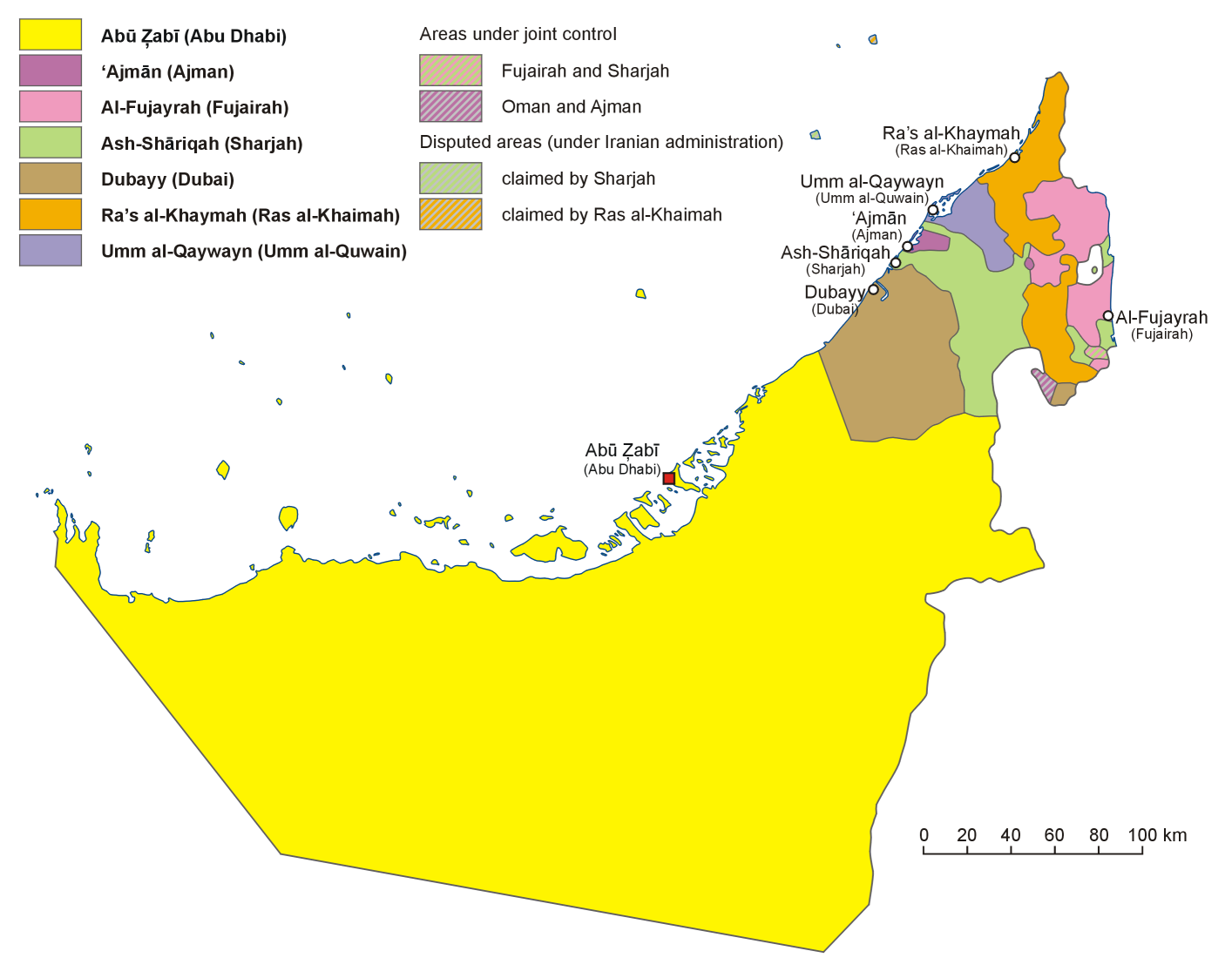
The United Arab Emirates has finalised a significant agreement with the United States to import advanced American-made artificial intelligence semiconductors, marking a pivotal step in Abu Dhabi’s ambition to become a global AI hub. The deal, announced during President Donald Trump’s Gulf tour, permits the UAE to import 500,000 Nvidia H100 chips annually, facilitating the development of large-scale data centres in the region.

This agreement coincides with the UAE’s broader commitment to invest $1.4 trillion in the U.S. over the next decade, focusing on sectors such as AI infrastructure, semiconductors, energy, and manufacturing. The investment framework includes partnerships with major U.S. companies like BlackRock, Microsoft, and Global Infrastructure Partners, aiming to mobilise up to $100 billion for next-generation data centres and energy infrastructure.

A key component of the deal is the construction of a 10-square-mile, 5-gigawatt data centre in Abu Dhabi, led by Emirati firm G42 and involving several U.S. tech companies. This facility is set to be the largest of its kind outside the United States, significantly enhancing the UAE’s data processing capabilities and supporting its AI initiatives.

The agreement also includes substantial U.S. investments in the UAE, with American energy companies expected to invest in upstream oil and gas and unconventional energy projects. Top U.S. firms such as ExxonMobil, Oxy, and EOG Resources are involved in these initiatives, reflecting a deepening of bilateral energy ties.

President Trump’s Gulf tour, which included visits to Saudi Arabia, Qatar, and the UAE, focused on securing financial commitments from wealthy energy producers to boost the U.S. economy and create jobs. The UAE’s pledge to increase its energy sector investments in the United States to $440 billion by 2035, up from the current $70 billion, underscores the success of this diplomatic effort.

The UAE’s strategic shift towards the U.S. in technology and energy sectors is seen as a move to decouple from Chinese influence, particularly in AI. Emirati officials have explicitly pursued this realignment to secure U.S. technology transfers, including advanced semiconductors like Nvidia’s H100 GPUs. This pivot follows U.S. pressure to remove Chinese equipment from critical infrastructure, exemplified by G42’s removal of Huawei technology from its data centres.

The $1.4 trillion investment framework also encompasses initiatives in critical minerals and industrial capacity. The UAE’s $1.2 billion mining partnership with Orion Resource Partners targets lithium, cobalt, and rare earth metals essential for AI hardware and renewable energy systems. Additionally, Emirates Global Aluminum plans to build the first new aluminum smelter in the U.S. in 35 years, aiming to nearly double the country’s domestic production.

President Donald Trump has unveiled a series of agreements with the United Arab Emirates totalling over $200 billion, encompassing significant investments in aviation and artificial intelligence. The announcements followed Trump’s meeting with UAE President Sheikh Mohamed bin Zayed Al Nahyan, underscoring a deepening strategic partnership between the two nations. Etihad Airways has committed $14.5 billion to acquire 28 wide-body Boeing aircraft, including 787 Dreamliners and 777X models, […]

Advertisements

Apple continues to hold its position as the world’s most valuable brand, maintaining a dominant lead in the annual Kantar BrandZ rankings. The technology giant’s brand value remains firmly ahead of its competitors, driven by sustained innovation, strong consumer loyalty, and expanding services. Among the global giants, Saudi Aramco stands out as the only company from the Gulf Cooperation Council and Middle East region to secure a spot within the Top 100, reflecting its growing international recognition amid shifting energy markets.

The Kantar BrandZ report evaluates thousands of brands worldwide based on consumer perceptions, financial performance, and market presence. Apple, which has consistently topped the rankings for several years, saw its brand value strengthen further due to its diversified product ecosystem and significant investments in augmented reality, artificial intelligence, and subscription services. Its ability to integrate hardware, software, and services continues to set it apart, contributing to record-breaking revenues and reinforcing customer engagement across the globe.

The inclusion of Saudi Aramco in the Top 100 highlights the resilience and strategic positioning of this energy giant amid global transitions. As the world accelerates its shift towards renewable energy, Saudi Aramco’s presence in the rankings underscores its efforts to diversify and adapt to evolving demands. The company has been investing heavily in cleaner energy technologies and sustainability initiatives, while still capitalising on its vast oil reserves and refining capabilities. This dual approach has helped maintain its strong financial standing and global brand stature.

Saudi Aramco’s entry into the list marks an important milestone for the GCC and the Middle East, regions that have been working to boost their global business profiles beyond the traditional hydrocarbon sector. The company’s brand value benefits from its critical role in global energy supply chains and its status as one of the largest integrated energy and chemicals companies worldwide. Its prominence in the BrandZ ranking reflects the ongoing transformation of the regional economy and the growing importance of Gulf-based enterprises in international markets.

Technology companies dominate the upper echelons of the BrandZ Top 100, with Apple’s closest rivals including Microsoft, Amazon, Google, and Samsung. These brands owe their high valuations to their broad global reach, innovation pipelines, and ability to capture consumer attention in a fast-evolving digital landscape. The report shows a marked increase in the value of brands involved in cloud computing, software services, and digital entertainment, signalling shifts in consumer behaviour and business investment.

Financial services and luxury goods brands also feature prominently, with firms such as Visa, Mastercard, and Louis Vuitton holding strong positions. These sectors benefit from sustained consumer demand and adaptation to digital channels, including e-commerce and fintech innovations. Luxury brands have further capitalised on expanding affluent markets in Asia and the Middle East, contributing to their steady brand valuation growth.

Saudi Aramco’s inclusion is particularly notable given the absence of other Middle Eastern brands in the Top 100, illustrating the challenging environment for regional companies in competing at this global scale. Despite high national revenues and significant economic influence, many Gulf firms have yet to establish the kind of global brand recognition needed to appear alongside the world’s largest multinational corporations. This reflects broader economic and strategic factors, including the diversification efforts underway across GCC countries and their focus on building competitive industries beyond energy.

The report also highlights evolving consumer expectations around sustainability and corporate responsibility, with brands that demonstrate genuine commitment to environmental and social governance increasingly favoured in valuation metrics. For energy companies like Saudi Aramco, this presents both challenges and opportunities, as stakeholders scrutinise their environmental impact and transition strategies. The company’s public commitments to reducing carbon emissions and investing in alternative energy projects are critical to its ongoing reputation and brand strength.

Among the factors contributing to Apple’s sustained brand leadership is its capacity to maintain premium pricing while expanding its user base globally. Its flagship products such as the iPhone, iPad, and Mac continue to enjoy strong demand, while services like Apple Music, iCloud, and the App Store generate consistent recurring revenue streams. Innovations in health technology, privacy features, and integration with smart home devices further deepen consumer engagement and brand loyalty.

The Kantar BrandZ rankings serve as a barometer for global business trends, reflecting shifts in consumer sentiment, technological advancement, and economic power distribution. Apple’s dominance underlines the continuing importance of technology innovation as a driver of brand value, while Saudi Aramco’s position signals the evolving role of energy companies in the global economy. As the world grapples with climate change and digital transformation, these rankings highlight how adaptability and strategic vision underpin the most valuable brands.

The presence of Saudi Aramco in the Top 100 is likely to inspire other Gulf-based companies to pursue greater international brand recognition through strategic investments, partnerships, and innovation. Governments across the region have increasingly prioritised economic diversification and global competitiveness, aiming to foster industries such as technology, finance, tourism, and renewable energy. Building strong, globally respected brands will be essential to this long-term vision.

This year’s BrandZ report underscores the growing concentration of brand value among a relatively small group of global leaders, with the top 10 brands accounting for a significant share of total valuation. While new entrants occasionally disrupt the rankings, the core list remains dominated by technology firms and consumer-focused corporations with expansive ecosystems and high consumer trust.

Saudi Aramco’s performance within this competitive context is a testament to its strategic management and financial robustness. It reflects its ability to navigate geopolitical uncertainties, market volatility, and the pressures of a shifting energy paradigm. As international investors and consumers become more conscious of sustainability, Saudi Aramco’s ongoing brand strategy will likely focus on balancing its traditional strengths with innovation in low-carbon energy solutions.

The Kantar BrandZ Top 100 also illustrates broader global economic trends, including the rise of Asian brands and the shifting influence of different markets. Chinese companies such as Tencent, Alibaba, and Huawei continue to climb the rankings, leveraging vast domestic markets and aggressive expansion strategies. Meanwhile, European brands have seen mixed fortunes amid economic challenges and regulatory shifts, emphasising the competitive pressures on established global players.


The United States is deliberating a significant agreement that would permit the United Arab Emirates to acquire over one million advanced Nvidia AI chips, a move that could reshape the technological landscape in the Gulf region. The proposed arrangement, still under negotiation, would allow the UAE to import 500,000 of Nvidia’s most sophisticated chips annually through 2027. Approximately 20% of these chips are earmarked for G42, an Abu Dhabi-based artificial intelligence firm, while the remainder would support U.S. companies establishing data centers within the UAE.

This potential deal marks a notable shift from the stringent export controls implemented during the Biden administration, which aimed to limit the proliferation of advanced AI technologies to certain regions. The Trump administration’s consideration of this agreement aligns with its broader strategy to bolster alliances and counterbalance China’s growing technological influence.

G42 has been at the forefront of the UAE’s AI ambitions, developing a bilingual Arabic-English large language model named Jais and collaborating with global tech giants to enhance its capabilities. The firm’s efforts to sever ties with Chinese entities and comply with U.S. regulations have been pivotal in facilitating this prospective deal.

The U.S. Department of Commerce’s introduction of the Validated End User program has further streamlined the export process for advanced technologies to trusted partners. Under this program, foreign data centers that meet rigorous security and compliance standards can receive AI chips without the need for individual export licenses. This initiative aims to safeguard national security while promoting international technological collaboration.

Nvidia’s advanced chips, particularly the H100 and the newer GB300 Blackwell models, are integral to the development of cutting-edge AI applications. The company’s collaboration with Saudi Arabia’s AI startup, Humain, to deliver 18,000 AI chips underscores the region’s commitment to becoming a global AI hub. These chips are set to power a 500-megawatt data center in Saudi Arabia, reflecting the Gulf’s substantial investments in AI infrastructure.

The UAE’s strategic partnerships extend beyond Nvidia. A notable collaboration between Microsoft and G42 has received U.S. approval, allowing the export of advanced AI chips to a Microsoft-operated facility in the UAE. This partnership is part of a broader U.S. effort to counter China’s Digital Silk Road initiative by strengthening technological ties with Gulf nations.

Despite these advancements, concerns persist regarding the potential for U.S. technologies to be accessed by adversarial nations. The U.S. government has imposed strict conditions on these deals, including prohibitions on the use of exported chips for model training by individuals from countries under U.S. arms embargoes, such as China. Regular audits and compliance checks are mandated to ensure adherence to these restrictions.

The UAE’s pursuit of AI sovereignty is evident in its initiatives to develop indigenous AI capabilities and infrastructure. Core42, a subsidiary of G42, has established a “regulated technology environment” to deploy Nvidia’s H100 Tensor chips securely within the country. This setup ensures that sensitive technologies are handled under strict guidelines, aligning with the UAE’s objectives to safeguard data and maintain control over its AI systems.

Saudi Arabia has launched HUMAIN, a new artificial intelligence company under the Public Investment Fund , aiming to position the kingdom as a global leader in AI innovation. Chaired by Crown Prince Mohammed bin Salman, HUMAIN is set to provide advanced AI services, including next-generation data centres, AI infrastructure, cloud capabilities, and sophisticated AI models. A key focus will be the development of one of the world’s […]

OpenAI is engaged in high-stakes negotiations with Microsoft to restructure their multibillion-dollar partnership, aiming to secure new funding and lay the groundwork for a potential initial public offering . The discussions focus on revising equity arrangements and long-term access to OpenAI’s advanced artificial intelligence technologies.

Microsoft, having invested over $13 billion in OpenAI since 2019, is reportedly willing to adjust its equity stake in exchange for extended access to OpenAI’s AI models beyond the current 2030 agreement. This move reflects Microsoft’s strategic interest in maintaining a competitive edge in AI integration across its products and services.

The renegotiation also involves updating broader contractual terms established during Microsoft’s initial $1 billion investment in 2019. These revisions are crucial as OpenAI transitions into a public benefit corporation , a structure that balances profit motives with its mission to develop AI for the public good.

OpenAI’s shift to a PBC comes after abandoning plans to become a for-profit entity, following criticism from stakeholders concerned about deviating from its nonprofit origins. The new structure allows for conventional equity holdings by investors and employees while ensuring that the nonprofit entity retains significant control over the company’s direction.

The company’s recent fundraising efforts underscore its ambitions, with $6.6 billion raised in October 2024 and an additional $40 billion in March 2025, elevating its valuation to approximately $300 billion. These funds are intended to support OpenAI’s pursuit of artificial general intelligence and the development of AI technologies that can be broadly beneficial.

However, the partnership’s evolution has not been without tension. OpenAI’s engagements with other tech giants like SoftBank and Oracle have reportedly caused friction with Microsoft. Despite these challenges, both companies recognize their mutual dependence, particularly as Microsoft continues to integrate OpenAI’s technologies into its offerings.

Critics, including co-founder Elon Musk, have expressed concerns that OpenAI’s restructuring could compromise its nonprofit mission. Legal scrutiny from authorities in California and Delaware adds another layer of complexity to the company’s transformation. OpenAI must navigate these regulatory landscapes carefully to maintain its mission-driven approach while accommodating investor interests.

Abu Dhabi’s Mubadala Investment Company reported a 33.7% surge in capital deployment in 2024, reaching AED 119 billion , positioning it as the most active sovereign wealth fund globally, according to data from Global SWF. This uptick coincided with a 9% year-on-year increase in assets under management , now totaling AED 1.2 trillion , and a five-year annualised return of 10.1%.

The fund’s intensified investment activity was largely driven by strategic allocations in artificial intelligence , semiconductors, and private equity sectors. Notably, Mubadala’s investments in North America nearly doubled, underscoring its confidence in the U.S. market despite prevailing economic uncertainties. In a significant move, Mubadala acquired a 50% stake in MGX, an AI-focused entity that collaborated with BlackRock and Microsoft in a $30 billion AI infrastructure fund.

Mubadala’s portfolio composition remained relatively stable, with 40% allocated to private equity, 23% to public markets, and 17% to infrastructure and real estate. This allocation reflects a strategic emphasis on sectors poised for long-term growth. The fund also expanded its private credit holdings to $20 billion, aligning with its broader investment strategy.

In the healthcare sector, Mubadala finalized the acquisition of an 80% stake in Global Medical Supply Chain and Al Ittihad Drug Store, enhancing its presence in healthcare logistics and pharmaceutical distribution. Additionally, the fund invested in Zelis, a U.S.-based healthcare technology firm, alongside Norwest and HarbourVest.

Mubadala’s commitment to clean energy was evident through Masdar’s acquisition of a 50% stake in the Big Beau combined solar and battery storage project in California. Furthermore, Mubadala Capital announced a $13.5 billion investment in a biofuels project in Brazil, marking a significant step in sustainable energy initiatives.

The fund’s strategic partnerships extended to the financial sector, with the acquisition of Fortress Investment Group from SoftBank, following regulatory approval from the Committee on Foreign Investment in the United States . This acquisition bolsters Mubadala’s position in global credit markets.

Mubadala’s CEO, Khaldoon Al Mubarak, emphasized the fund’s focus on future-oriented sectors, stating that the portfolio is constructed to navigate market cycles and scale sectors such as AI, clean energy, life sciences, semiconductors, and advanced manufacturing, aligning with national priorities.

The fund’s strategic initiatives also include the establishment of Space42, a space and satellite technology entity formed through the merger of Yahsat and Bayanat, and M42, a tech-enabled healthcare company, both in collaboration with Abu Dhabi’s tech group G42.

Mubadala’s approach to sustainable finance was highlighted by the issuance of its inaugural green bond, aligning with the UAE’s commitment to Net Zero by 2050. The fund maintains a conservative gearing ratio of 10.3% and a strong liquidity position, ensuring resilience amid global economic fluctuations.

In the realm of private equity, Mubadala Capital raised $3.1 billion for its latest fund, surpassing the initial target of $2 billion. The fund aims to invest between $150 million and $500 million per deal, focusing on acquiring large holdings in private equity markets.

TeleMessage, a messaging application employed by former U.S. National Security Adviser Mike Waltz, has suspended its services following a cyberattack that compromised sensitive government and corporate data. The breach has intensified scrutiny over the use of unofficial communication tools within high-level government operations. The application, known as TM Signal, is a modified version of the open-source Signal platform, developed by Israeli company TeleMessage and later acquired by […]

OpenAI is advancing towards acquiring Windsurf, an AI-powered coding assistant formerly known as Codeium, in a transaction valued at approximately $3 billion. If finalized, this acquisition would represent OpenAI’s largest to date, underscoring its commitment to enhancing its capabilities in AI-driven software development. Windsurf, founded in 2021 by MIT alumni Varun Mohan and Douglas Chen, has rapidly gained prominence in the developer tools sector. The company offers […]

Goldman Sachs is intensifying its commitment to digital assets, with plans to expand crypto lending operations and accelerate efforts in asset tokenization. Mathew McDermott, the bank’s global head of digital assets, has outlined a strategic roadmap that positions the firm at the forefront of blockchain integration within traditional finance.

The bank is preparing to spin off its digital asset platform, GS DAP®, into an independent entity within the next 12 to 18 months. This move aims to foster a more collaborative and decentralized ecosystem, enabling broader participation from industry stakeholders. McDermott emphasized that such a structure would better serve the goal of creating a truly decentralized platform.

Goldman Sachs’ investment in the digital asset space is substantial, having already invested in 11 digital asset companies. These investments span services such as compliance, cryptocurrency data, and blockchain management. The firm’s digital asset team has grown to over 70 members, including a dedicated crypto options and derivatives trading desk.

A significant aspect of Goldman Sachs’ strategy is the tokenization of traditional financial instruments. The bank is leveraging blockchain technologies and smart contracts to enable digital issuance for clients across debt, equities, funds, and derivatives. This approach aims to digitize the end-to-end lifecycle of these assets, enhancing efficiency and liquidity.

McDermott highlighted the benefits of tokenization, noting that digitizing the lifecycle of asset issuance not only improves operational efficiency but also increases liquidity by potentially bringing in a wider group of investors. He pointed out that fractionalizing products and offering them to a broader universe of investors could broaden distribution channels and concentrate more secondary liquidity.

The bank’s involvement in the Canton Network, a public blockchain network developed for financial institutions, underscores its commitment to blockchain integration. Launched in 2023 by a consortium including Goldman Sachs, Microsoft, and Deloitte, the network aims to connect disparate financial systems while meeting regulatory and privacy requirements. In October 2024, a pilot involving 27 market participants, including Euroclear and the World Gold Council, successfully tokenized gilts, eurobonds, and gold on the Canton Network.

Goldman Sachs is also exploring opportunities in the crypto bankruptcy claims market. McDermott indicated that the bank is actively looking at investing in crypto bankruptcy claims, viewing it as a strategic opportunity amid the evolving digital asset landscape.

The bank’s focus on digital assets extends to its own product offerings. In April, Goldman Sachs launched its first bitcoin-secured loan and executed its first bitcoin options trade, marking significant milestones for a major Wall Street bank. These developments are part of the firm’s broader strategy to expand its crypto product suite while adhering to regulatory standards.

Microsoft’s fiscal third-quarter earnings surpassed Wall Street expectations, propelled by a 33% year-over-year surge in Azure cloud revenue and robust enterprise demand for AI-driven services. The company’s stock climbed over 7% in after-hours trading, reflecting investor confidence in its cloud and AI strategy. Total revenue for the quarter reached $70.1 billion, marking a 13% increase from the same period last year. Net income rose to $25.8 billion, […]

Microsoft CEO Satya Nadella has confirmed that between 20% and 30% of the company’s code is now written by artificial intelligence , underlining a significant shift in how software is being developed. Speaking at Meta’s LlamaCon conference, Nadella explained that AI’s growing role in coding reflects broader trends in the tech industry, where machine learning models and advanced algorithms are streamlining development processes and augmenting human programmers’ […]

Nscale, a rapidly growing artificial intelligence startup, is positioning itself to raise around $2.7 billion in funding as it prepares for a high-profile partnership with ByteDance Ltd. The deal comes at a crucial time for Nscale, which is also grappling with a significant debt load estimated at $1.8 billion. The company, which is less than a year old, has quickly captured attention in the AI sector with […]

A bold step into AI-powered web browsing has arrived with Perplexity’s launch of its new Comet browser, sharply intensifying debates around user surveillance and data privacy. The company, best known for its AI-driven search engine, announced that Comet would seamlessly integrate artificial intelligence to enhance browsing, but analysts caution that the browser’s data collection practices could mark a concerning new standard for digital tracking. Perplexity’s Comet browser […]

Technology stocks surged on April 24, 2025, lifting broader U.S. markets as optimism grew over easing tariff tensions between the United States and China. Investors responded positively to reports suggesting that trade officials from both countries were nearing a compromise to de-escalate tariffs imposed over the past two years. The Nasdaq Composite climbed 2.5% to close at 16,012.34, marking its highest level in over five months. The […]

Russian-linked cyber operatives have been leveraging legitimate Microsoft OAuth 2.0 authentication processes to compromise Microsoft 365 accounts of individuals and organisations associated with Ukraine and human rights advocacy. Cybersecurity firm Volexity has been monitoring this activity since early March 2025, identifying two threat clusters, UTA0352 and UTA0355, as the primary actors behind these campaigns. The attackers initiate contact by impersonating European political officials, reaching out to targets […]

Dubai-based startup The Game Company has introduced its AI-powered cloud gaming platform during Dubai AI Week 2025, an event held under the directives of His Highness Sheikh Hamdan bin Mohammed bin Rashid Al Maktoum. The platform aims to deliver high-performance, low-latency gaming experiences without the need for specialized hardware, marking a significant step in the evolution of gaming technology. TGC’s platform leverages proprietary low-latency technology, enabling users […]

Emirates Integrated Telecommunications Company has entered into a landmark agreement with Microsoft to construct a state-of-the-art hyperscale data centre in the UAE. The project, valued at approximately 2 billion dirhams , marks a significant development in the country’s growing data infrastructure sector.

This collaboration, unveiled during Dubai AI Week, aims to create a cutting-edge facility that will offer cloud computing and data storage solutions for businesses across the region. With Microsoft as the primary tenant, the data centre is expected to scale its operations in phases, enhancing the UAE’s digital landscape over time.

Hyperscale data centres, like the one planned in partnership with Microsoft, are vast facilities designed to handle massive amounts of data, providing essential services for enterprises in various sectors, from finance to telecommunications. These centres are vital for enabling cloud-based operations and the increasing reliance on digital platforms.

Fahad Al Hassawi, CEO of du, highlighted the significance of the project, stating that the development represents a major step forward in the UAE’s ambition to lead in the global digital economy. “This deal marks a pivotal leap in our strategic goal to revolutionise the digital ecosystem of the UAE,” Al Hassawi said in his statement.

As the demand for cloud services continues to rise across the Middle East, this hyperscale data centre is poised to address the growing need for data storage, backup, and processing power. The centre will serve as a critical hub, supporting both local businesses and multinational companies looking to expand their presence in the region.

The data centre is also expected to help drive advancements in artificial intelligence , a technology that is rapidly gaining traction across various industries. By providing a robust infrastructure for AI development, the facility will bolster the UAE’s position as a leader in digital innovation. Microsoft’s involvement will bring in not only expertise in cloud technologies but also access to their vast network of global services, including Azure, which powers a wide range of enterprise solutions.

This partnership highlights the UAE’s commitment to investing in next-generation technologies to support the region’s economic diversification. With cloud computing continuing to be a fundamental driver of the digital economy, the development of such facilities is a clear reflection of the country’s long-term strategy to enhance its technological capabilities and attract international investment.

The project will further contribute to the UAE’s broader vision of becoming a global tech hub. The strategic location of the data centre in Dubai offers a significant advantage, given the city’s status as a business and logistics hub connecting Europe, Asia, and Africa. The development of this data centre aligns with the UAE’s long-standing goals of promoting innovation, sustainability, and digital transformation across multiple sectors.

The deal underscores the UAE’s efforts to improve its digital infrastructure in line with global standards. The hyperscale facility will provide businesses with enhanced access to cloud-based services, ensuring that they have the flexibility to scale operations efficiently. This is expected to benefit sectors like finance, e-commerce, and telecommunications, which are increasingly dependent on cloud technology.

The hyperscale data centre also aligns with the UAE’s broader ambitions to become a global leader in technology and digital services. As the country moves towards a knowledge-based economy, investments in data infrastructure are seen as critical to sustaining long-term economic growth. The UAE’s strategic investments in this sector are expected to have far-reaching effects on both local and international markets, with businesses set to benefit from enhanced access to cloud services and data storage.

The scale and scope of the partnership between du and Microsoft also reflect the increasing importance of international collaborations in the tech industry. Such collaborations are essential for fostering innovation and ensuring that businesses in the UAE have access to world-class technologies. By partnering with a global tech leader like Microsoft, du is positioning itself to be at the forefront of the digital revolution in the region.

As the UAE continues to expand its digital footprint, this project represents a significant step in its journey towards becoming a hub for advanced technologies in the Middle East. The hyperscale data centre will not only meet the growing demand for cloud services but also play a pivotal role in the broader development of AI and digital transformation initiatives in the region.

As the ongoing antitrust case against Google progresses, OpenAI has expressed interest in acquiring Google Chrome, should the US Department of Justice force the tech giant to divest the browser as part of its antitrust settlement. The revelations came during a recent hearing in which Nick Turley, the head of OpenAI’s ChatGPT division, provided insights into the company’s potential strategic moves. OpenAI’s interest in Chrome highlights the […]

VISHNU RAJA
RYO YAMADA
HITORI GOTOH
IKUYO KITA