News related to
Riyadh

RIYADH, SAUDI ARABIA – Media OutReach Newswire – 6 October 2024 – Sahm Capital transformed Al Othaim Mall into a vibrant hub of celebration and community engagement for Saudi National Day with the “Journey of Fun with Sahm!” event, held at Al Othaim Mall Rabwa, Saffori Land, from September 19 to 25. This week-long celebration fostered community spirit while highlighting the joys of investing. The festival created […]

Creators from across the Middle East gathered in Riyadh last month for the TikTok Creator Summit, which provided a platform for content creators to delve into new trends and learn strategies to enhance their presence on the popular platform. The event, hosted by TikTok, showcased the company’s commitment to the evolving content landscape in the Middle East, focusing on content strategy, creator education, and the platform’s role […]

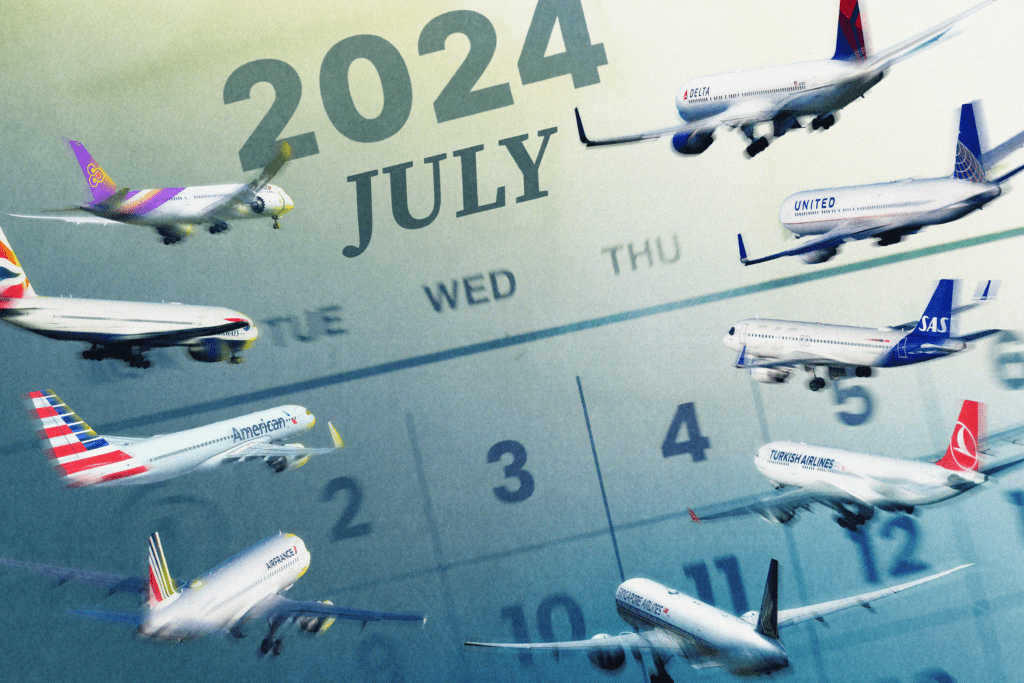
Saudia and Delta Air Lines have announced a strategic partnership aimed at significantly enhancing their global network, promising to expand travel options for passengers around the world. This collaboration is expected to strengthen their respective positions in the aviation market, allowing for a more integrated travel experience for customers flying between the United States and the Middle East.

Under the agreement, both airlines will offer reciprocal codeshare flights, facilitating smoother connections and increased travel options. This partnership is set to take effect soon, allowing travelers to book flights seamlessly across the two carriers’ networks. Customers will benefit from access to a broader range of destinations and improved connectivity between major cities in the United States, Saudi Arabia, and other international locations.

The collaboration comes at a time when the aviation industry is gradually rebounding from the challenges posed by the COVID-19 pandemic. Demand for air travel has been on the rise, particularly in the long-haul market, and both Saudia and Delta are eager to capitalize on this trend. The partnership allows both airlines to leverage their strengths, with Saudia providing extensive connections in the Middle East and Delta offering a robust presence in North America.

Delta Air Lines, based in Atlanta, Georgia, has long been a key player in the U.S. aviation sector, known for its extensive domestic and international network. Saudia, the national carrier of Saudi Arabia, boasts a strong foothold in the Middle East and Asia, operating flights to numerous destinations across the globe. By joining forces, both airlines aim to enhance their operational efficiencies while providing better service to their customers.

The expansion of the partnership is particularly timely as travel demand surges in key markets. The Middle East, in particular, has seen a significant increase in tourism and business travel, driven by a growing appetite for international travel. Saudia’s existing routes to cities like Riyadh, Jeddah, and Dammam complement Delta’s offerings from various U.S. hubs, creating a more attractive proposition for travelers looking to explore these regions.

This alliance reflects a broader trend in the aviation industry where airlines are increasingly seeking strategic partnerships to bolster their networks and market share. Codeshare agreements allow airlines to collaborate on pricing, scheduling, and marketing, thereby enhancing their competitive edge. As air travel continues to evolve, such partnerships are likely to become more common as airlines adapt to changing market conditions.

With this partnership, passengers will also have the advantage of combined loyalty programs, allowing travelers to earn and redeem miles across both airlines. This integration is expected to enhance customer satisfaction and encourage loyalty, as travelers increasingly prefer airlines that provide seamless travel experiences.

The collaboration aligns with the growing focus on sustainability in the aviation industry. Both Saudia and Delta have committed to reducing their carbon footprints and improving operational efficiencies. This partnership is expected to facilitate more efficient route planning and flight scheduling, ultimately contributing to a greener aviation sector.

Industry analysts view this collaboration as a significant move, potentially reshaping the competitive landscape in international air travel. By combining their resources, Saudia and Delta can provide more comprehensive travel solutions, catering to the needs of both leisure and business travelers. As global travel restrictions ease and demand for air travel grows, this partnership positions both airlines well to capture a larger share of the market.

In addition to expanding their network, this collaboration is likely to benefit cargo operations as well. Both Saudia and Delta have strong cargo divisions, and the partnership may lead to increased efficiency in cargo transportation between the U.S. and the Middle East. This could be particularly advantageous for businesses looking to streamline their supply chains and enhance their logistics capabilities.

The partnership is expected to evolve further, with both airlines exploring additional areas of collaboration. This may include joint marketing initiatives, shared airport lounges, and other customer-centric services that enhance the overall travel experience. As the aviation industry continues to recover, partnerships like this one will be crucial for airlines seeking to innovate and adapt to new market realities.

As the collaboration between Saudia and Delta Air Lines unfolds, it will be essential for both airlines to maintain a keen focus on customer service and operational excellence. Travelers will be looking for reliable, efficient, and enjoyable travel experiences, and both carriers will need to deliver on these expectations to ensure the partnership’s success.


DUBAI, UAE – EQS Newswire – 1 October 2024 – Dubai Electricity and Water Authority (DEWA) (www.DEWA.gov.ae) organises the 26th Water, Energy, Technology and Environment Exhibition (WETEX) from 1 to 3 October 2024 at the Dubai World Trade Centre. The exhibition is a standout event in the global sustainability calendar. It is the largest exhibition in the region in energy, water, green development, sustainability, decarbonisation, green mobility, […]

RIYADH, SAUDI ARABIA – Media OutReach Newswire – 30 September 2024 – This past Saturday, the Annual Financial Services Forum in Riyadh successfully convened regulatory and industry leaders to discuss the future of the Saudi financial landscape. Hosted by j. awan & partners, the forum emphasized key strategies to enhance Saudi Arabia’s position as a global financial hub. In attendance at the forum were key figures such […]

COP16 Riyadh has emerged as a pivotal platform for discussing urgent global challenges, particularly land degradation. The conference, hosted by Saudi Arabia, aims to galvanize international action and foster collaborative strategies among nations to address the growing crisis affecting arable land and ecosystems worldwide. Saudi Arabia’s Minister of Environment, Water, and Agriculture, Abdulrahman Al-Fadley, underscored the significance of unified efforts, emphasizing that combatting land degradation requires a […]

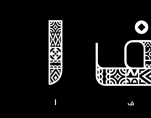
A new typeface named “I AM SAUDI” has been launched, embodying the rich cultural diversity and historical heritage of Saudi Arabia. This initiative, aimed at unifying the nation’s unique identity, highlights contributions from various regions, weaving a narrative of togetherness and pride. The font emerges at a time when the Kingdom is seeking to enhance its cultural exports and reinforce its image on the global stage.

“I AM SAUDI” is designed in the simplified Kufic style, a geometric-display font that beautifully fuses traditional aesthetics with modern design sensibilities. The result is a bold and elegant visual representation of the Saudi identity, crafted to resonate with both locals and international audiences. Each letter in this typeface showcases contrasting shapes and designs, reflecting the artistic legacies of different regions across the Kingdom, from the coastal cities of Jeddah to the desert landscapes of Riyadh and beyond.

This initiative not only serves a practical purpose in terms of typography but also acts as a cultural ambassador for Saudi Arabia. As the Kingdom endeavors to diversify its economy and promote its cultural heritage, “I AM SAUDI” stands as a testament to the blending of tradition with contemporary aspirations. It encapsulates a narrative that extends beyond mere letters; it tells the story of a nation that values its past while looking confidently towards its future.

The launch of this typeface comes amid Saudi Arabia’s broader Vision 2030 initiative, which aims to reshape the nation’s economic landscape by fostering innovation, tourism, and cultural engagement. By promoting the use of this new font, the Kingdom seeks to instill a sense of national pride and identity in its citizens, encouraging them to embrace and share their unique heritage. The availability of “I AM SAUDI” for public download further emphasizes this goal, making it accessible for use in various applications ranging from marketing materials to educational resources.

The typeface has been well-received, with early feedback indicating that it resonates deeply with both Saudi citizens and expatriates living in the Kingdom. Graphic designers and branding experts have highlighted its versatility, noting that it can be utilized effectively across digital and print media, enhancing the visibility of Saudi brands while enriching the visual landscape of the nation. As businesses and organizations begin to adopt this font, it is expected to play a significant role in creating a cohesive visual identity for the Kingdom.

Cultural commentators have pointed out that “I AM SAUDI” aligns perfectly with the Kingdom’s efforts to promote its cultural heritage through various platforms, including art, music, and literature. The font serves as a medium through which Saudi stories can be told and shared, inviting both locals and visitors to engage more deeply with the rich tapestry of Saudi history and culture.

The introduction of this typeface reflects a growing trend among nations to leverage design as a means of soft power. By crafting a unique visual identity that encapsulates its essence, Saudi Arabia aims to enhance its cultural footprint globally, inviting the world to engage with its rich history and vibrant future.

With its clear lines and geometric precision, “I AM SAUDI” has the potential to become a recognizable symbol of Saudi Arabia’s brand. As more entities embrace this typeface, it will likely foster a sense of unity among Saudis, promoting a shared cultural narrative that resonates across different demographics and regions. The font stands as a reminder of the shared values and aspirations that bind the Kingdom’s diverse population.

In addition to its cultural implications, the launch of “I AM SAUDI” reflects a strategic move to invest in local design talent and innovation. By showcasing the work of Saudi designers and emphasizing the importance of homegrown creativity, this initiative underscores a commitment to nurturing the Kingdom’s artistic community. It encourages young Saudis to explore their creative potential while reinforcing the significance of cultural expression in a rapidly changing global landscape.

As the typeface gains traction, its adoption in various sectors—including advertising, education, and government communications—will play a pivotal role in establishing a cohesive national identity. The use of “I AM SAUDI” in official documents and promotional materials will signify a new era for Saudi Arabia, where design and culture converge to tell a compelling story of a nation in transformation.

Advertisements

Dar Global, the luxury property developer listed on the London Stock Exchange (LSE), has reported a net loss for the first half of 2024. The company, which specializes in high-end residential projects across key markets, highlighted market shifts and fluctuating costs as key factors contributing to the loss. Dar Global, a spinoff from Dubai-based Dar Al Arkan, had made waves in the real estate sector, aiming to […]

Saudi Arabia has emerged as the leading G20 nation in international tourism growth during the initial seven months of 2024, setting remarkable benchmarks in both tourist numbers and tourism revenue. According to data released by the UN Tourism Barometer at the recent G20 Tourism Ministerial Meeting in Belem, Brazil, the Kingdom recorded an impressive 73% increase in international tourist arrivals compared to the same period in 2019. Equally striking, international tourism revenues soared by 207%, signaling a robust recovery and expansion of the sector post-pandemic.

This surge aligns with Saudi Arabia’s ambitious Vision 2030 initiative, which aims to diversify the economy away from oil dependency by promoting tourism and entertainment. The Kingdom’s strategic investments in infrastructure and its efforts to enhance the overall visitor experience have played a crucial role in attracting global travelers. Significant projects, such as the NEOM city and various mega resorts along the Red Sea, exemplify Saudi Arabia’s commitment to creating world-class tourism destinations.

Tourism has been identified as a key pillar for economic diversification, providing job opportunities and stimulating local economies. The Kingdom’s strategic location, rich cultural heritage, and unique offerings, such as historical sites, desert experiences, and modern entertainment complexes, contribute to its appeal. The government’s proactive measures to streamline visa processes, including the introduction of e-visas and a visa-on-arrival system for certain nationalities, have further facilitated travel to the country.

Riyadh, the capital, has seen a notable influx of international tourists, bolstered by high-profile events and festivals. The Saudi Seasons initiative, which hosts a variety of cultural and entertainment events throughout the year, has attracted millions of visitors. Additionally, major sporting events, such as the Saudi Arabian Formula E race and international concerts, have significantly enhanced the Kingdom’s visibility on the global tourism map.

The report highlights that several other G20 countries also witnessed growth in their tourism sectors, but none matched the scale of Saudi Arabia’s advancements. Countries like Mexico and Italy showed positive trends, with increases in both tourist arrivals and revenues, yet their figures fell short in comparison to the Kingdom’s exponential growth rates.

Emerging trends within the tourism sector suggest a shift in traveler preferences. Tourists are increasingly seeking immersive cultural experiences and sustainable travel options. Saudi Arabia’s focus on heritage tourism, particularly through its UNESCO World Heritage sites like Al-Ula and Diriyah, aligns with these trends. The government has invested in preserving and promoting these sites, allowing visitors to engage deeply with the Kingdom’s history and traditions.

The Kingdom is positioning itself as a hub for eco-tourism. Initiatives such as the Red Sea Project aim to create a sustainable tourism model that minimizes environmental impact while maximizing visitor engagement with the natural beauty of the region. This focus on sustainability resonates with a growing segment of travelers who prioritize environmental responsibility in their choices.

Key players in the Saudi tourism landscape include both state-owned and private enterprises. The Saudi Tourism Authority plays a central role in promoting the Kingdom as a premier tourist destination, while private companies are rapidly emerging to offer diverse travel packages, accommodations, and experiences tailored to international tourists. Collaborative efforts between these entities are vital for ensuring the seamless integration of services and maintaining high standards of hospitality.

Despite the optimistic growth trajectory, challenges remain. The global tourism industry is still navigating the complexities introduced by the COVID-19 pandemic, including changing travel restrictions and health regulations. Additionally, geopolitical factors in the region can influence tourist perceptions and decision-making. The Kingdom must continue to cultivate a safe and welcoming environment to maintain its competitive edge.

Market analysts suggest that the momentum seen in the first half of 2024 could pave the way for sustained growth, provided that the Kingdom continues to innovate and adapt to changing market dynamics. As the global tourism landscape evolves, Saudi Arabia’s commitment to enhancing its offerings and promoting itself effectively on the world stage will be critical in attracting and retaining international visitors.

The collaboration between various sectors—government, hospitality, transport, and cultural organizations—will be essential for creating a cohesive tourism strategy. This integrated approach not only enhances visitor experiences but also maximizes the economic benefits derived from tourism, fostering community development and cultural exchange.

Gulf Cooperation Council (GCC) countries are making steady progress towards a unified economic framework that would grant economic citizenship across the bloc. The move aims to boost regional integration, attract investments, and facilitate smoother economic relations among the six member states. These efforts are considered essential for strengthening economic cooperation, a goal that has been part of the bloc’s broader vision since its establishment in 1981. The […]

Arabian Post Staff -Dubai Dubai, Abu Dhabi, and Riyadh are on track to become major global hubs for the ultra-wealthy, according to the latest findings from Henley & Partners’ Centi-Millionaire Report 2024. The forecast indicates that the number of residents in these cities with liquid investable assets exceeding $100 million is set to surge by over 150% by 2040. Currently, Dubai leads the trio with a centi-millionaire […]

Saudi Arabia’s investment landscape has evolved substantially over the past year, with major milestones in financial growth and investor maturity. In 2023, the Kingdom reaped the rewards of its strategic economic initiatives, reflecting a heightened level of investor sophistication. Key players in the market, including the Saudi Public Investment Fund (PIF) and large private entities, have been instrumental in driving this shift. As Vision 2030 accelerates, Saudi […]

China’s Premier Li Qiang has advocated for accelerated trade negotiations with Gulf nations during his visit to Riyadh. Li’s call for swift advancement in economic relations underscores the growing strategic importance of the Gulf region to China’s global trade network. This visit highlights a pivotal moment in the bilateral relationship between China and Gulf Cooperation Council (GCC) countries, focusing on enhancing economic cooperation and investment. Li’s remarks […]

Saudi Arabia’s Vision 2030 initiative, a comprehensive plan aimed at diversifying the nation’s economy away from oil dependency, has seen its portfolio of projects reach an impressive valuation of $1.3 trillion. This substantial figure reflects the ambitious scale and economic impact of the country’s efforts to transform its infrastructure, technology, and business sectors by 2030.

Among the most notable projects under this vision is the NEOM megacity, a $500 billion endeavor designed to be a hub for innovation, technology, and sustainable living. NEOM will stretch across 10,230 square miles, integrating artificial intelligence, robotics, and renewable energy sources to create a futuristic urban environment. The city is expected to drive significant economic growth and attract international investors and technology firms.

Another significant element is the Red Sea Project, an extensive tourism development plan set to transform the coastline into a luxury travel destination. With an estimated value of $10 billion, this project aims to develop 50 islands and a series of high-end resorts, enhancing Saudi Arabia’s position in the global tourism market. This development is aligned with the broader goal of increasing the tourism sector’s contribution to the national economy.

The King Salman Park, a $23 billion initiative, represents a major urban development project. Spanning 13.4 square miles in Riyadh, the park will feature green spaces, recreational areas, and cultural facilities, designed to improve the quality of life for residents and support Saudi Arabia’s environmental and sustainability goals.

Significant investment is also flowing into the entertainment and cultural sectors. The $15 billion Qiddiya project is set to become a leading entertainment and cultural hub, incorporating theme parks, sports facilities, and cultural venues. This project aims to diversify Saudi Arabia’s entertainment offerings and attract tourists from around the world.

In the energy sector, the Saudi Arabian Oil Company (Aramco) is spearheading several major initiatives to invest in renewable energy and technology. The company’s investments are part of a broader strategy to reduce reliance on oil and position itself as a global leader in energy innovation. This includes substantial funding towards solar and wind energy projects, as well as advancements in hydrogen fuel technology.

The development of the Saudi Arabian Industrial Investments Company (SAIIC) is another crucial aspect of Vision 2030. SAIIC’s focus is on fostering the growth of new industrial sectors and attracting foreign investment into Saudi Arabia’s manufacturing and high-tech industries. This includes significant investments in sectors such as aerospace, automotive, and electronics.

Education and research are also pivotal in the Vision 2030 framework. The establishment of new universities and research centers, such as the King Abdullah University of Science and Technology (KAUST), represents a $15 billion investment in developing a knowledge-based economy. These institutions are aimed at fostering innovation and supporting the country’s shift towards high-value industries.

The real estate sector is booming as well, with significant investments flowing into residential and commercial developments. Mega-projects like the Riyadh Metro, a $23 billion investment, are designed to address urban congestion and improve public transportation infrastructure. The metro system is expected to enhance connectivity within the city and support the broader goals of urban development and sustainability.

In addition to these major projects, the Vision 2030 initiative includes numerous smaller-scale projects aimed at improving various aspects of daily life, including healthcare, education, and public services. These projects collectively contribute to the overarching goal of transforming Saudi Arabia into a global investment powerhouse and a leading example of modern economic diversification.

The success of Vision 2030 will largely depend on the effective implementation and management of these diverse projects. The Saudi government has been actively seeking international partnerships and investments to support its ambitious plans. This includes efforts to enhance regulatory frameworks, streamline business processes, and create an environment conducive to growth and innovation.

British advertising mogul Martin Sorrell’s investment company, S4 Capital, is relocating its headquarters for its Middle Eastern operations from Dubai to Riyadh, Saudi Arabia. The move signifies a strategic pivot as the company aims to tap into Saudi Arabia’s burgeoning market and align with the kingdom’s ambitious Vision 2030 plan, which seeks to diversify its economy away from oil dependency. The decision to shift the headquarters comes […]

China’s self-driving car industry, a rapidly advancing sector fueled by technological prowess and substantial investments, is now testing its limits on the global stage. As autonomous vehicle manufacturers from China seek to establish a foothold in international markets, they encounter significant challenges, primarily related to data privacy and regulatory compliance. Guangzhou-based WeRide is at the forefront of this expansion. The company’s autonomous vehicles have recently showcased their […]

RIYADH, SAUDI ARABIA – Media OutReach Newswire – 8 September 2024 – Steven Chou, Chairman of Sahm Capital and Chief Strategy Officer of Valuable Capital Group Limited, highlighted the transformative role of technology in Saudi Arabia’s financial sector during his speech at the 24 Fintech in Riyadh. The event attracted 36,959 visitors, 300+ brands and 350 sector investors, making it a key platform for discussion on fintech […]

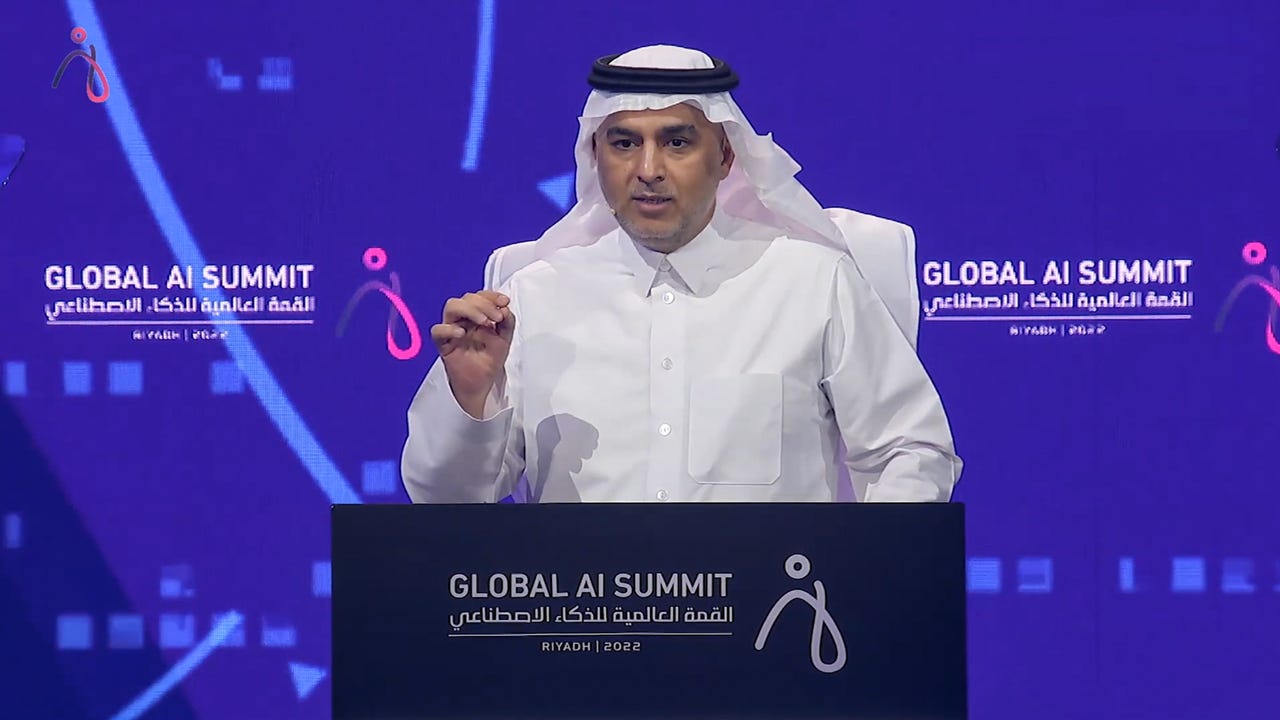
Cristiano Amon, President and CEO of Qualcomm, will deliver a keynote address at the Global AI Summit (GAIN) in Riyadh, Saudi Arabia, set to take place in October. The summit, organized by the Saudi Data and Artificial Intelligence Authority (SDAIA), aims to gather leaders and innovators from the AI industry to discuss emerging trends and breakthroughs in artificial intelligence.

GAIN, a pivotal event in the tech calendar, is expected to draw significant attention from industry experts, policymakers, and tech enthusiasts. The summit’s agenda includes discussions on the future of AI technologies, their ethical implications, and their role in transforming various sectors. This year’s event will spotlight advancements in AI that promise to drive innovation and economic growth globally.

Cristiano Amon’s participation underscores Qualcomm’s commitment to advancing AI technology. Under his leadership, Qualcomm has been at the forefront of developing cutting-edge solutions that leverage AI to enhance mobile and connected experiences. His keynote will likely address the intersection of AI with wireless technologies and the future of connected devices.

The summit will feature a diverse lineup of speakers, including AI researchers, entrepreneurs, and government officials. These sessions are designed to foster collaboration and knowledge exchange among attendees, setting the stage for future partnerships and innovations in AI.

Saudi Arabia’s investment in AI is part of its broader Vision 2030 initiative, which seeks to diversify the economy and establish the country as a leading hub for technological innovation. The GAIN summit aligns with this vision by promoting discussions on how AI can be harnessed to achieve economic and social benefits.

The event will also include panel discussions and workshops focusing on practical applications of AI in various industries, from healthcare to finance. Participants will have the opportunity to engage with cutting-edge technologies and explore how they can be applied to solve real-world problems.

As the AI landscape continues to evolve, GAIN serves as a critical platform for showcasing the latest research and applications. The summit aims to highlight how AI can drive progress across different domains and address challenges such as data privacy and ethical considerations.

In addition to Amon’s keynote, the summit will feature presentations from other prominent figures in the AI field. These sessions will provide insights into the latest developments in machine learning, robotics, and data analytics, offering attendees a comprehensive view of the current state of AI technology.

Saudi Arabia’s focus on AI and its integration into various sectors reflects a global trend towards leveraging technology for economic and social advancement. The GAIN summit represents a significant opportunity for stakeholders to engage in meaningful dialogue and shape the future of AI.

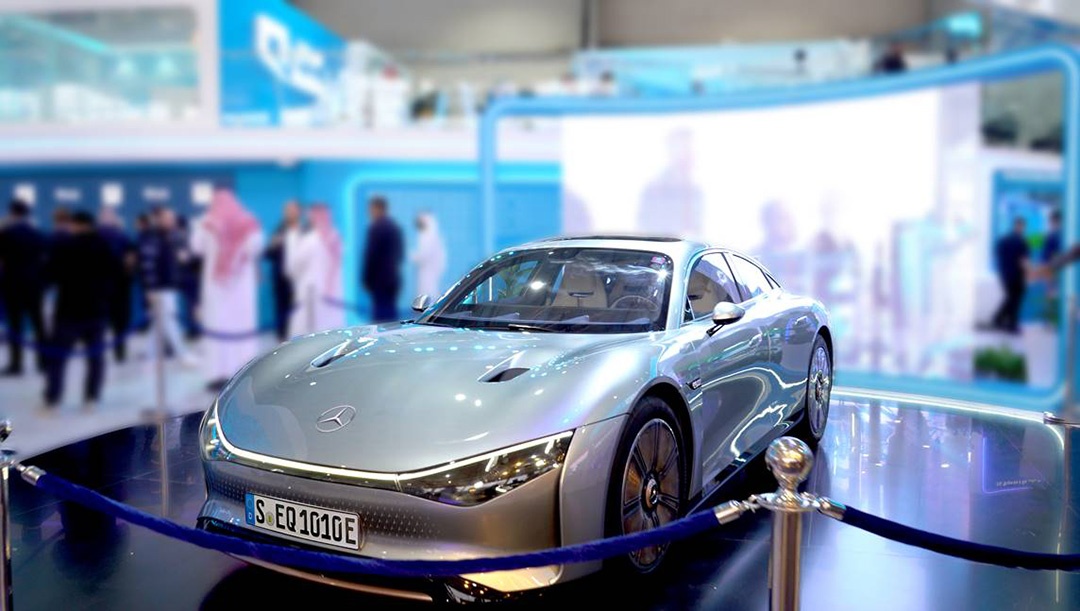
Saudi Arabia’s push towards sustainability and a clean energy future will take center stage at the EV Auto Show 2024, one of the most significant gatherings for the electric vehicle (EV) industry in the Middle East. From September 17th to 19th, the Riyadh International Convention and Exhibition Centre will host automakers, industry experts, and technology innovators from around the world. As the nation seeks to reduce its dependence on fossil fuels, this event marks a key moment in advancing electric mobility in the region.

The EV Auto Show 2024 is expected to attract some of the biggest names in electric vehicle manufacturing, as well as developers of charging infrastructure and related technologies. These participants will be instrumental in Saudi Arabia’s ambitious goals to become a global leader in sustainable energy. The event is more than a showcase of cutting-edge EV models; it represents a broader initiative aligned with the Kingdom’s Vision 2030 plan to diversify its economy and promote environmental responsibility.

Among the most anticipated exhibits are electric cars, commercial trucks, buses, and motorcycles that promise to reshape Saudi Arabia’s automotive landscape. Automakers from across Europe, the US, and Asia will be presenting their latest EV models, reflecting the global momentum in the shift towards electric transportation. Some companies are expected to unveil new vehicles tailored specifically to the needs of the Gulf region, focusing on extreme climate durability, high-performance batteries, and long-range capabilities that meet the challenges posed by the vast Saudi landscape.

Saudi Arabia’s commitment to electric vehicles has been clear over the past few years, as the Kingdom invests heavily in building EV infrastructure. Recent partnerships between the Saudi government and international EV manufacturers have already set the stage for increased local production and assembly of electric vehicles. The show is poised to bring these efforts into sharper focus, with an emphasis on collaborative innovation.

Several regional and international brands will showcase their EV charging solutions at the event. Saudi-based energy firms and multinational companies will demonstrate cutting-edge charging technologies and battery solutions, focusing on both residential and commercial applications. These technologies are pivotal for the growth of the EV market, as reliable and widespread charging infrastructure remains a key challenge in Saudi Arabia’s transition to electric vehicles. The event will feature panels on overcoming these hurdles, with industry leaders and government officials expected to discuss strategies for expanding the country’s EV charging network.

Energy and technology companies are increasingly looking at ways to integrate EVs with renewable energy sources such as solar power. Saudi Arabia’s abundant sunlight presents a significant opportunity to harness clean energy for EVs, reducing both emissions and energy costs in the long term. At the show, experts will discuss how solar-powered EV charging stations can support the country’s sustainability goals, especially as the Kingdom ramps up investment in its burgeoning solar industry.

Key figures in Saudi Arabia’s automotive and energy sectors have noted that the transition to electric vehicles is no longer a distant goal but an immediate priority. The EV Auto Show is expected to catalyze both consumer interest and industry momentum, with stakeholders eager to capitalize on the growing demand for sustainable transportation options. With gasoline prices fluctuating and global environmental policies tightening, EV adoption is not just a matter of preference but a strategic imperative for the Kingdom.

Public interest in electric vehicles has surged across Saudi Arabia, particularly among younger consumers who are increasingly aware of the environmental impacts of traditional gasoline-powered cars. To meet this rising demand, several local companies are making strides in EV development and marketing. In particular, Saudi Arabia’s own Public Investment Fund (PIF) has invested billions in Lucid Motors, a leading American EV manufacturer. Lucid has already established a production facility in King Abdullah Economic City (KAEC), marking a major milestone in local EV manufacturing. The partnership is seen as a crucial step in positioning the Kingdom as a future hub for electric vehicle production in the region.

Beyond private investment, government support for EVs in Saudi Arabia has been robust. In line with Vision 2030, the Saudi government has implemented policies designed to encourage both manufacturers and consumers to embrace electric mobility. Incentives such as tax breaks for EV buyers, subsidies for local manufacturers, and government contracts for EV fleets are just some of the measures aimed at fostering a supportive environment for the industry’s growth. These policies, coupled with investments in renewable energy, are part of a broader strategy to position the Kingdom as a leader in the clean energy transition.

The environmental impact of EV adoption is also a significant consideration for Saudi Arabia. While the country is one of the largest producers of oil globally, its leaders are keen to diversify its energy sources to ensure long-term sustainability. Reducing emissions from transportation is a key component of this strategy, as the sector accounts for a considerable portion of the country’s carbon footprint. With electric vehicles seen as a crucial solution to lowering emissions, the EV Auto Show serves as a platform to demonstrate the feasibility and necessity of electric mobility in achieving Saudi Arabia’s environmental goals.

UAE-based Harwal Group, a prominent player in the building materials sector, is preparing to merge two of its subsidiaries and subsequently list the newly formed entity on Saudi Arabia’s NOMU market. This strategic move is aimed at capitalizing on the substantial growth opportunities within the Gulf Cooperation Council (GCC) region’s construction sector.

The merger will bring together TSSC KSA and Interplast Riyadh, two key companies within Harwal’s portfolio. Together, these firms generate an annual turnover of approximately SAR 355 million, equivalent to $100 million. This consolidation is expected to streamline operations and enhance market competitiveness, positioning the new entity to leverage the expanding construction opportunities in Saudi Arabia and beyond.

Saudi Arabia’s construction sector has witnessed a significant surge, driven by the country’s Vision 2030 initiative, which includes numerous mega-projects such as NEOM and the Red Sea Project. These projects are designed to diversify the economy away from oil dependence and stimulate substantial infrastructural and commercial growth. Harwal’s strategic entry into the NOMU market aims to position it advantageously to tap into this growth wave.

TSSC KSA, a leader in manufacturing and supplying high-quality building materials, and Interplast Riyadh, known for its innovative plastic solutions, are set to merge their operations. This amalgamation is anticipated to create a more robust and diversified entity, enhancing its ability to meet the increasing demand for construction materials driven by Saudi Arabia’s ambitious infrastructure plans.

By listing on NOMU, the secondary market of the Saudi Stock Exchange (Tadawul), Harwal Group intends to access capital necessary for its GCC expansion strategy. The NOMU market, which caters to small and medium-sized enterprises (SMEs) and provides a platform for growth-focused companies, offers Harwal an opportunity to raise funds and boost its operational capabilities.

The move aligns with a broader trend of increased regional investment in construction and infrastructure. Saudi Arabia’s proactive approach to economic diversification and infrastructure development has attracted significant attention from investors and companies looking to capitalize on the burgeoning market. Harwal’s planned listing on NOMU reflects its confidence in the sustained growth prospects within the region’s construction sector.

Harwal Group’s decision to merge TSSC KSA and Interplast Riyadh and subsequently list the combined entity highlights its strategic focus on enhancing operational efficiency and expanding its market footprint. The merger is expected to create synergies between the two companies, allowing for more streamlined operations and enhanced competitive positioning.

The merger and listing also underscore Harwal’s commitment to expanding its presence in the GCC region. The company aims to leverage its strengthened market position to tap into new opportunities and drive further growth. The listing on NOMU will provide Harwal with the capital necessary to support its expansion plans and invest in new projects, bolstering its ability to meet the evolving demands of the construction sector.

This strategic move comes at a time when the GCC construction sector is experiencing unprecedented growth, fueled by large-scale projects and increasing investments. Harwal’s entry into the NOMU market positions it to benefit from the sector’s expansion and capitalize on emerging opportunities.

The Hia Hub event has made its return to Riyadh, capturing attention with an expanded platform that bridges the worlds of fashion, beauty, and lifestyle. This year’s edition of the highly anticipated event, organized by *Hia* magazine, is set to further establish itself as a leading gathering for industry professionals, designers, influencers, and entrepreneurs from the Middle East and beyond.

Taking place in Riyadh’s cultural district, the event aims to showcase a diverse range of talents and innovations, drawing an impressive roster of both regional and international participants. With an emphasis on sustainable fashion and beauty, the platform seeks to explore the intersections between creativity, business, and evolving consumer trends, particularly as Saudi Arabia continues its journey of economic transformation.

A key feature of this year’s Hia Hub is the inclusion of sustainability-focused discussions, highlighting the importance of ethical practices within the fashion and beauty industries. With sustainability at the forefront of global fashion conversations, the Riyadh gathering provides an essential platform for dialogue on how brands and creators can incorporate eco-friendly practices into their designs and operations. The program includes workshops and panel discussions led by industry leaders who are shaping the future of fashion and beauty.

Notable attendees this year include regional fashion designers who are increasingly making their mark on the global stage. Saudi designers, in particular, are using this opportunity to not only highlight their work but also engage in conversations around local craftsmanship and the global appeal of Middle Eastern aesthetics. The event is positioned as a key contributor to the development of the country’s burgeoning fashion industry, in line with Saudi Arabia’s Vision 2030, which emphasizes diversification beyond oil, including investments in culture and the creative industries.

The fashion showcase features the works of emerging designers alongside established brands, allowing for a mix of styles and perspectives. This aspect of the event has been praised for creating an inclusive environment where creativity can thrive, with both regional and global talents being recognized. Many of these designers have incorporated traditional elements with modern fashion, representing a cultural fusion that reflects Saudi Arabia’s growing role in global fashion markets.

Beauty, another central pillar of Hia Hub, is also receiving significant attention this year. Global and regional beauty brands have been invited to present their latest products and innovations, catering to the sophisticated tastes of the Saudi market. The beauty segment of the event emphasizes the rapidly growing demand for high-quality, luxurious products in the region, driven by a young and increasingly affluent population. This sector, like fashion, has also seen a shift towards sustainability, with several brands unveiling eco-friendly products and packaging that align with consumer preferences for cleaner, ethically sourced items.

In addition to the fashion and beauty elements, Hia Hub is also focusing on lifestyle trends that resonate with the Middle Eastern market. The event includes curated experiences related to wellness, luxury living, and technology’s role in shaping modern lifestyles. These elements reflect broader trends within the region, where lifestyle preferences are evolving in line with global shifts towards wellness, self-care, and the use of cutting-edge technology in everyday life.

Industry observers have noted that Hia Hub is not just a showcase but a vital platform for business networking and collaboration. The event fosters connections between designers, entrepreneurs, and potential investors, with several discussions centered around scaling local fashion and beauty businesses to compete on an international level. With Saudi Arabia’s ongoing efforts to develop its cultural and creative sectors, this event plays a crucial role in positioning the country as a growing hub for fashion and beauty innovation.

The participation of high-profile influencers and celebrities further amplifies the reach of the event, creating a ripple effect that extends beyond the physical venue. Social media coverage of the event is vast, with influencers sharing key moments and collaborations that take place during the showcase. This has helped boost the visibility of participating brands, particularly those that are new to the market or seeking to expand their presence in the Middle East.

In keeping with its status as a trendsetter, Hia Hub has integrated cutting-edge technology into the event experience. Attendees can engage with virtual reality displays, interactive fashion installations, and digital beauty try-ons, creating an immersive experience that bridges the gap between physical and digital worlds. These elements reflect a broader trend in the fashion and beauty industries, where technology is increasingly being used to enhance consumer experiences and offer personalized services.

A high-level meeting between Saudi Arabia and the United States has underscored the deepening strategic partnership between the two nations, with a particular focus on the digital economy and fostering innovation. The discussions, which brought together top officials from both countries, aimed at exploring new avenues for collaboration in technology, cybersecurity, and artificial intelligence, areas that are rapidly becoming pivotal in the global economy.

Saudi Arabia, under the leadership of Crown Prince Mohammed bin Salman, has been aggressively pushing forward its Vision 2030 initiative, a comprehensive plan aimed at diversifying the nation’s economy away from its heavy reliance on oil. Central to this vision is the development of a robust digital economy, which the Kingdom views as essential for its future prosperity. The discussions with the U.S. were seen as a critical step in bolstering this aspect of Saudi Arabia’s long-term economic strategy.

The meeting, which took place in Riyadh, featured prominent figures from both the public and private sectors. Key topics included enhancing bilateral cooperation in the digital sphere, fostering innovation ecosystems, and addressing the challenges posed by the rapidly evolving technology landscape. Both sides expressed a strong commitment to working together to advance these objectives, recognizing the mutual benefits that such collaboration could bring.

Saudi officials emphasized the Kingdom’s ambitious plans to become a global leader in technology and innovation. The nation has already made significant investments in this area, including the establishment of tech hubs, the promotion of digital entrepreneurship, and the implementation of advanced technological infrastructure. The U.S., with its well-established tech industry and expertise in innovation, is seen as an ideal partner to help Saudi Arabia achieve these goals.

A key element of the discussions was cybersecurity, an area of increasing concern for both nations. With the rise of digital threats, protecting critical infrastructure and ensuring the security of digital assets have become top priorities. The U.S. has been a leader in cybersecurity innovations, and its expertise is expected to play a crucial role in helping Saudi Arabia develop its capabilities in this domain. The discussions highlighted the importance of sharing knowledge and resources to build resilient cyber defenses that can withstand sophisticated attacks.

Artificial intelligence (AI) also featured prominently in the talks. Saudi Arabia has shown a strong interest in AI, viewing it as a transformative technology that can drive economic growth and improve various sectors, including healthcare, finance, and transportation. The U.S., home to many of the world’s leading AI research institutions and companies, is well-positioned to assist Saudi Arabia in harnessing the power of AI. The two nations discussed potential joint initiatives to develop AI applications that could benefit both countries, as well as the broader global community.

Innovation ecosystems were another focal point of the meeting. Saudi Arabia has been actively working to create a supportive environment for innovation, including the development of new regulations, the promotion of research and development, and the establishment of innovation centers. The U.S. has a long history of fostering innovation through its vibrant startup culture and well-established tech industry. The discussions explored ways to integrate these strengths, with the aim of creating a dynamic innovation ecosystem in Saudi Arabia that could serve as a model for the region.

Both sides also addressed the broader implications of their collaboration on the global stage. The digital economy is increasingly seen as a critical driver of global growth, and partnerships like the one between Saudi Arabia and the U.S. could have far-reaching impacts. By working together, the two nations aim to set new standards for digital innovation and leadership, potentially influencing the direction of the global digital economy.

Virgin Atlantic Airways is set to expand its global footprint with a new service to Riyadh, Saudi Arabia, marking its first direct route to the Kingdom. This move comes amid a surge in travel demand as Saudi Arabia continues to emerge as a significant player in the global tourism sector.

The new route will operate three times a week starting from next month, aiming to connect Riyadh with London’s Heathrow Airport. This expansion aligns with Saudi Arabia’s Vision 2030, which seeks to diversify the economy and boost tourism as a key sector. Virgin Atlantic’s entry into the Saudi market reflects a broader trend of international airlines increasing their presence in the region.

Saudi Arabia’s tourism industry has witnessed substantial growth due to the government’s efforts to open up the country to international visitors. Initiatives such as the introduction of new visa programs and the development of large-scale tourist attractions are contributing to this growth. The country’s investment in infrastructure, including the expansion of airports and the construction of luxury hotels, further supports this upward trajectory.

Virgin Atlantic’s decision to add Riyadh to its network comes as part of the airline’s strategy to leverage the increasing travel demand in the Middle East. The route is expected to cater not only to business travelers but also to tourists exploring Saudi Arabia’s cultural and historical landmarks. Riyadh, the capital city, has seen a rise in international visitors, drawn by its vibrant culture and economic opportunities.

This move is also significant in the context of competition within the Middle Eastern aviation market. Major carriers like Emirates, Qatar Airways, and Etihad have long dominated the region, but Virgin Atlantic’s entry represents a shift in the competitive landscape. The airline’s expansion strategy includes targeting key emerging markets, with Riyadh being a prime example of this approach.

Virgin Atlantic’s new service will offer passengers a range of amenities, including state-of-the-art cabin features and high-quality in-flight services. The airline is positioning itself as a premium choice for travelers between the UK and Saudi Arabia, differentiating itself with a focus on customer experience and modern aircraft.

The addition of Riyadh to Virgin Atlantic’s route map also highlights the growing importance of the Middle East as a travel hub. The region’s strategic location between Europe, Asia, and Africa makes it a key transit point for international travelers. As global travel patterns continue to evolve, airlines are increasingly looking to the Middle East to drive growth.

Saudi Arabia’s push to enhance its global tourism appeal includes not only traditional landmarks but also new attractions and events. The country’s efforts to host international conferences, festivals, and sporting events are part of its strategy to become a top tourist destination. Virgin Atlantic’s new route will likely benefit from these initiatives, as increased tourism activities drive demand for air travel.

The expansion also underscores the role of airlines in supporting economic development and cultural exchange. By connecting Riyadh with London, Virgin Atlantic is facilitating greater connectivity between two major global cities, promoting business and leisure travel. This service will likely foster increased bilateral trade and investment opportunities, benefiting both the UK and Saudi Arabia.

The Avenues Riyadh, a $4.58 billion project, has achieved 44.5% completion and is projected to open in early 2026. Located in northern Riyadh, this ambitious development promises to reshape the city’s retail landscape with its grand scale and distinctive design.

Spanning 390,000 square meters, the Avenues Riyadh is set to become one of the largest shopping destinations in the Middle East. The project is noted for its Salmani architectural style, which blends traditional Saudi elements with modern design principles. This fusion is expected to create a visually striking landmark in the region.

The Avenues Riyadh will feature a vast array of retail spaces, entertainment venues, and dining options, aiming to attract both local residents and international visitors. The development is being spearheaded by the Al Habtoor Group, which has a track record of delivering high-profile projects across the region.

Construction progress has been steady, with significant milestones achieved in the development of the mall’s infrastructure and exterior. The project’s design incorporates sustainable practices, including energy-efficient systems and environmentally friendly materials. This aligns with Riyadh’s broader urban development goals and sustainability initiatives.

Industry experts highlight the project’s potential to drive economic growth in the area. By attracting major global brands and providing a high-quality retail experience, the Avenues Riyadh is anticipated to boost tourism and create numerous job opportunities. The project also underscores Riyadh’s ambitions to enhance its status as a major regional commercial hub.

As construction continues, the focus will shift towards the interior development and finalizing tenant agreements. The Avenues Riyadh is set to feature a blend of luxury retail stores, entertainment options, and dining experiences, reflecting the city’s evolving consumer preferences and lifestyle aspirations.

VISHNU RAJA
RYO YAMADA
HITORI GOTOH
IKUYO KITA