Just in:
Xi Jinping Preparing For A Trilateral Summit With Trump And Putin At APEC Summit On Nov 18-19 // ADIA and partners establish $1.4 billion aviation venture // Meraas showcases five residential zones at Dubai Design Week // OpenAI identifies 948 Linux privilege escalation flaws using AI // CR Longdation Aethereal Cybersecurity × Global Cybersecurity Alliance (GCSA) Join Hands to Establish the “AI and Cybersecurity Research Centre” // Private varsities bill all set to face the axe // Ousted top Kochi cop gets IG post // Utilities pursue ₹1,992 cr in unpaid bills // Fast Just Got Fastest: STING Energy Boost™ Celebrates Kimi Antonelli’s Formula 1® World Championship and the Fan Energy Behind It // After Reaching 7 Million Users in the Philippines, Skyro Launches Transparent Cash Loans in Malaysia // Hong Kong mandates crypto transaction disclosures to tax authorities // Miss Universe Hong Kong Jen Zhou Departs for Puerto Rico to Compete in the 75th Miss Universe World Final // Kochi police detain two actors over bid to honey trap doctor // Trump’s Iran War Has A Share Of Contribution To His Midterm Debacle // Dubai boat show confirms international shipyard line-up for November // Emirates Group records AED 4.1 billion half-year profit // e-Crime Bureau Signs Cybersecurity Partnership With Smart Africa, Reinforcing Its Global Expansion // Cloudflare unveils Zero Wire vulnerability intelligence service // Middle East governments assess Iran war after US vote // Asia Left Behind: Ten international companies have yet to report delivering on their cage-free egg pledges across the region //

News related to
Riyadh

Agility Global, a leading logistics and supply chain services provider, has secured a $1.4 billion credit facility to support its ongoing operations and future growth initiatives. The financing comprises €1 billion and $370 million, with maturities of three and five years, respectively. This strategic move aims to enhance the company’s financial flexibility and fund its expansion plans across various markets. The credit facility was arranged with a […]

Saudi Arabia is ramping up its digital transformation within the transportation sector, unveiling a series of strategic initiatives aimed at improving mobility, boosting efficiency, and fostering economic growth. As the Kingdom continues its push to modernize under Vision 2030, these efforts reflect a growing focus on technology-driven solutions that are expected to reshape the way people and goods move across the country.

The government’s latest plans involve deploying cutting-edge technologies such as artificial intelligence (AI), Internet of Things (IoT), and smart mobility solutions across various transportation systems. A key component of this digital overhaul is the integration of data analytics to optimize traffic management, enhance logistics services, and provide a seamless experience for commuters. These efforts are designed not only to address current challenges but also to position Saudi Arabia as a leader in global transportation innovation.

One of the most ambitious projects is the introduction of autonomous vehicles within the Kingdom. Saudi Arabia has already begun trials of driverless cars, with the aim of incorporating them into public transport networks in major cities like Riyadh and Jeddah. This initiative is part of a broader effort to reduce road congestion and carbon emissions while improving safety and convenience for travelers.

The digitalization of the transport sector is also closely tied to Saudi Arabia’s efforts to expand its rail network. The Haramain High-Speed Railway, which connects Mecca and Medina, is a prime example of how digital systems are enhancing the efficiency of rail travel. With the integration of AI-powered systems, the railway’s operations are becoming more streamlined, with real-time data helping to manage train schedules, predict maintenance needs, and ensure the safety of passengers.

The Kingdom is investing heavily in the development of smart airports. King Khalid International Airport in Riyadh and King Abdulaziz International Airport in Jeddah are set to undergo major digital upgrades that will introduce biometric screening, automated check-ins, and enhanced baggage tracking. These advancements aim to make air travel more efficient and secure, aligning with global trends in aviation technology.

As part of the Vision 2030 initiative, Saudi Arabia is also enhancing its maritime transport sector. Digital tools are being implemented in port management to increase efficiency in cargo handling and reduce turnaround times for ships. The adoption of blockchain technology for logistics and supply chain management is also being explored, ensuring that Saudi Arabia’s ports remain competitive on the global stage.

The private sector is playing an integral role in these transformations, with a number of tech firms collaborating with the government to develop smart transportation solutions. For instance, partnerships with international companies are bringing advanced AI technologies and IoT systems to help manage urban mobility. These collaborations are not only helping to fast-track the digitalization process but also positioning Saudi Arabia as an attractive hub for global tech investors.

The government has also launched several initiatives to promote the development of digital skills among the Saudi workforce. A growing emphasis on tech education and training programs is expected to ensure that local talent is equipped to drive the digital revolution in transportation. This focus on education and workforce development is seen as crucial to the long-term sustainability of these innovations.

While the initiatives have been met with optimism, there are challenges that Saudi Arabia will need to address to fully realize the potential of its digital transformation. Cybersecurity concerns, the need for significant infrastructure investment, and the management of large-scale data systems will be key areas to monitor as the projects progress. Moreover, ensuring equitable access to these technologies, particularly in rural areas, will be an important consideration to avoid creating digital divides.

Internationally, Saudi Arabia’s digital transport initiatives are receiving attention as a model for other nations aiming to modernize their transportation systems. The Kingdom’s strategic location as a global logistics hub is further underscored by these projects, as they are expected to strengthen its position in the broader global supply chain network. As such, these developments not only serve local needs but also contribute to Saudi Arabia’s ambitions to diversify its economy and reduce its dependency on oil revenues.

BANGKOK, THAILAND – Media OutReach Newswire – 17 December 2024 – SCG International has proudly launched Siam Signature, a premium Thai food and beverage brand, at Tamimi Markets – An Nuzhah. This introduction heralds a new era of authentic Thai flavors available in the Saudi market. Premium Products of Siam Signature: Doi Kham: A sustainable brand initiated by Thai royalty, renowned for its exceptional quality. Thai Aree: […]

The Arab Coordination Group (ACG), an alliance of ten prominent development finance institutions, has pledged up to $10 billion by 2030 to address the escalating challenges of land degradation, desertification, and drought. This significant commitment was announced during the Ministerial Dialogue on Finance at the 16th session of the Conference of the Parties (COP16) to the United Nations Convention to Combat Desertification (UNCCD), held in Riyadh, Saudi […]

Parkin and BATIC, two prominent players in the realm of urban mobility solutions, have announced a strategic collaboration aimed at transforming parking systems in Saudi Arabia. The partnership focuses on leveraging cutting-edge technologies to enhance the efficiency and accessibility of parking infrastructure across key urban areas. Parkin, a company known for its innovative smart parking systems, and BATIC, a leader in digital transformation solutions for the transport […]

Saudi Global Ports Co., a state-backed entity, has engaged Goldman Sachs Group Inc. and HSBC Holdings Plc to assist in arranging a potential initial public offering (IPO) that could raise up to $1 billion. The IPO is anticipated to take place as early as next year, according to sources familiar with the matter.

The company, owned by Saudi Arabia’s sovereign wealth fund and Singapore’s PSA International Pte, is considering listing on the Riyadh stock exchange. This move aligns with Saudi Arabia’s broader strategy to diversify its economy and attract international investment.

Saudi Global Ports Co. operates several key ports in the kingdom, including the King Abdulaziz Port in Dammam and the King Fahad Industrial Port in Yanbu. These ports are vital to the nation’s trade infrastructure, handling a significant portion of Saudi Arabia’s imports and exports.

The potential IPO is part of a series of privatizations and public offerings initiated by the Saudi government to reduce its reliance on oil revenues and stimulate the non-oil economy. The Public Investment Fund (PIF), which owns Saudi Global Ports Co., has been instrumental in these efforts, investing in various sectors such as technology, entertainment, and infrastructure.

The selection of Goldman Sachs and HSBC underscores the importance of the IPO and the government’s commitment to ensuring its success. Both banks have extensive experience in managing large-scale IPOs and have been involved in several high-profile offerings in the region.

The planned IPO is expected to attract significant interest from both domestic and international investors, given the strategic importance of the ports and the government’s push for economic diversification. The funds raised from the offering are intended to support the expansion and modernization of port facilities, enhancing Saudi Arabia’s position as a global logistics hub.

While the exact timing and valuation of the IPO are yet to be determined, the involvement of leading financial institutions indicates a well-prepared approach to the offering. The success of this IPO could set a precedent for future privatizations and public offerings in Saudi Arabia, potentially influencing the broader Middle East and North Africa (MENA) region’s capital markets.

Dan Company, a subsidiary of Saudi Arabia’s Public Investment Fund (PIF) specializing in agritourism, ecotourism, and adventure tourism, has entered into a contract with Abdulmohsen Al-Tamimi Contracting Company to develop the first luxury resorts in Al-Ahsa, Saudi Arabia.

The signing ceremony took place at Dan Company’s headquarters in Riyadh, with Chairman Saad Abdulaziz Al-Kroud and Abdulmohsen Al-Tamimi Contracting Company’s Chairman Yousef Abdul Mohsen Al-Tamimi in attendance. The agreement was formalized by Dan Company’s CEO, Abdulrahman Abaalkhail, and Mohammed Abdul Mohsen Al-Tamimi, CEO of Abdulmohsen Al-Tamimi Contracting Company.

This project, branded as Tuaja Luxury Resorts, aims to enhance Saudi Arabia’s hospitality sector by integrating sustainability, innovation, and authentic hospitality. It also seeks to bolster Al-Ahsa’s appeal as a destination for both regional and international tourists.

Spanning 1.8 million square meters, the resort will feature 201 accommodation units, including hotel rooms and high-end villas, some equipped with private pools. The development will offer three distinct experiences:

– Tuaja Premium Farm Resort: Focused on luxury and exploration.

– Tuaja Eco Resort: An eco-friendly retreat emphasizing tranquility and contemplation.

– Tuaja Adventure Resort: Catering to guests seeking adventure and excitement.

Amenities will include diverse dining options featuring a ‘farm-to-table’ experience, a luxurious spa, a central activity area, a community center supporting local artisans, an event hall, and state-of-the-art sports facilities.

Chairman Saad Abdulaziz Al-Kroud stated, “We are pleased to announce the new resort, which aligns with the Kingdom’s efforts to enhance its hospitality and tourism offerings locally and internationally and reaffirms our commitment to contribute to the development of the tourism sector by leveraging the Kingdom’s enchanting natural landscapes and showcasing its rich natural diversity through agri, eco, and adventure tourism.”

Yousef Abdul Mohsen Al-Tamimi, Chairman of Abdulmohsen Al-Tamimi Contracting Company, expressed, “We are delighted to collaborate with Dan Company on this exceptional project, which underscores our unwavering commitment to shaping a sustainable future and actively contributing to the goals of Saudi Vision 2030.”

Dan Company is pursuing LEED (Leadership in Energy and Environmental Design) certification for the resort, emphasizing environmental conservation and sustainability. The project aims to blend modern sustainability practices with local traditions, preserving the region’s natural heritage and culture.

This initiative aligns with Saudi Arabia’s Vision 2030, which seeks to attract 150 million visitors by 2030 and increase the tourism sector’s contribution to the GDP from 6% to 10%. The development is expected to boost the local economy, create job opportunities, and elevate Al-Ahsa’s status as a premier tourist destination.

Abdulmohsen Al-Tamimi Contracting Company has a track record of involvement in significant projects within the Kingdom, including Red Sea Global, NEOM, and Qiddiya. Their collaboration with Dan Company reflects a shared vision to redefine hospitality and tourism in Saudi Arabia.

Al-Ahsa, recognized as a UNESCO World Heritage site, is renowned for its rich cultural and agricultural heritage. The introduction of Tuaja Luxury Resorts is poised to showcase the region’s unique character, offering guests immersive experiences in agritourism, ecotourism, and adventure tourism.

Advertisements

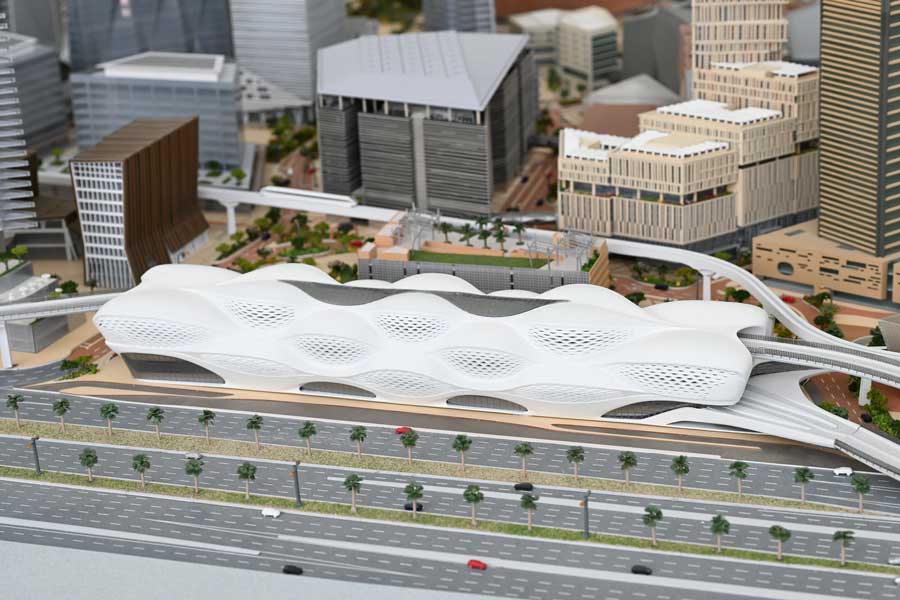
The Riyadh Metro project, a pivotal component of Saudi Arabia’s Vision 2030 strategy, has achieved another significant step forward with the inauguration of the Red and Green lines. These additions to the expansive transportation network underline the city’s ambitions to become a global urban hub and address critical challenges such as traffic congestion and carbon emissions.

The launch follows years of meticulous planning and phased implementation by the Royal Commission for Riyadh City (RCRC). With six lines spanning 176 kilometers and connecting 85 stations, the Riyadh Metro represents one of the largest urban transport initiatives in the Middle East. The network’s phased rollout began earlier this month, with the Blue, Yellow, and Purple lines debuting on December 1. The Orange Line is scheduled to complete the system’s full deployment in early January 2025.

The Green Line, traversing King Abdulaziz Road, and the Red Line, covering King Abdullah Road, collectively add over 38 kilometers of coverage. These routes aim to improve connectivity between key residential, commercial, and educational districts, including access to King Khalid International Airport and King Abdullah Financial District (KAFD), the latter a central hub for the kingdom’s economic diversification.

Operational details confirm daily metro services running from 6 a.m. to midnight, with high-tech, fully automated trains ensuring seamless transport. Travelers can choose between various ticketing options, ranging from SAR 4 for a two-hour pass to SAR 140 for a 30-day unlimited pass, while premium class tickets cater to those seeking enhanced comfort. The user-friendly Darb mobile app facilitates route planning and ticket purchases, promoting a convenient and integrated experience for commuters.

The Riyadh Metro is also celebrated for its eco-friendly design. Incorporating solar panels in station construction, the project offsets 20% of its energy needs through renewable sources. Once fully operational, the metro is projected to reduce 250,000 daily car journeys, saving approximately 400,000 liters of fuel and significantly cutting urban pollution levels. These measures align with the global push for sustainable urban development.

RCRC’s strategic vision extends beyond transportation, with metro stations doubling as community hubs. Major stations such as KAFD Metro Station and Qasr Al-Hukm District Station offer not only transit services but also retail outlets, air-conditioned lounges, and parking facilities accommodating thousands of vehicles. The separation of family and single carriages caters to cultural sensitivities, while a VIP class provides exclusive amenities for premium passengers.

following the structure and guidelines provided. I’ll research and return shortly with the completed piece.

Saudi Arabia aims to redefine global tourism with FIFA World Cup 2034

Saudi Arabia is gearing up to host the FIFA World Cup in 2034, an event set to elevate its global profile while aligning with its Vision 2030 objectives. This monumental occasion is more than just a sporting event; it serves as a platform for the Kingdom to showcase its ambitious advancements in real estate, infrastructure, and tourism, positioning itself as a premier global destination.

The Kingdom’s preparation includes massive investments in hospitality and tourism infrastructure. By 2030, it aims to double the capacity of hotel rooms to accommodate the influx of football fans and tourists. Landmark projects like NEOM and the Red Sea Project are expected to play pivotal roles, with a strong emphasis on integrating luxury, sustainability, and cutting-edge design. The Red Sea Project, for instance, prioritizes renewable energy, ecosystem preservation, and minimal carbon footprint, underlining Saudi Arabia’s commitment to sustainable tourism.

Riyadh, the capital city, will undergo a transformative urban upgrade, aiming to rival major global cities. Planned enhancements include a new airport terminal, efficient public transportation systems, and advanced stadium facilities. The World Cup is projected to attract millions of international visitors, offering a significant boost to local businesses and the hospitality sector. Furthermore, the Kingdom’s strategy involves leveraging digital innovations to provide seamless experiences for visitors, including advanced ticketing systems, smart tourism platforms, and AI-driven logistics management.

Cultural tourism will also be a focal point, with initiatives to promote Saudi Arabia’s rich heritage and traditions. Sites like Diriyah and AlUla, both recognized for their historical and archaeological significance, are being developed into world-class tourist attractions. These efforts aim to foster cultural exchange while boosting Saudi Arabia’s reputation as a diverse and inclusive travel destination.

Economic analysts anticipate a significant boost to the local economy, with increased job creation in sectors such as construction, transportation, and hospitality. The World Cup aligns closely with Vision 2030, which seeks to diversify the Kingdom’s economy by reducing reliance on oil revenues. By capitalizing on global events, Saudi Arabia is positioning itself as a hub for international investment, tourism, and cultural collaboration.

Saudi Arabia has unveiled an ambitious initiative aimed at enhancing global capabilities in forecasting and mitigating the effects of sand and dust storms. The program, introduced during the 16th session of the United Nations Convention to Combat Desertification (COP16) in Riyadh, underscores the Kingdom’s growing commitment to environmental resilience and its efforts to combat the detrimental effects of desertification on health, infrastructure, and ecosystems. This initiative is […]

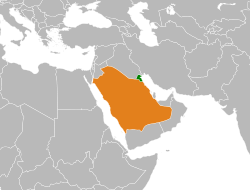
Saudi Arabia and Kuwait have concluded a significant agreement aimed at eliminating double taxation on income, marking a notable advancement in bilateral economic cooperation between the two Gulf nations. This treaty, announced after extensive negotiations, underscores a mutual commitment to fostering trade, investment, and economic collaboration in the region.

The agreement, officially signed in Riyadh, addresses taxation challenges for individuals and entities operating in both countries. It is structured to provide relief by preventing dual taxation and establishing clear tax allocation rules. Key provisions include reduced tax rates on cross-border dividends, interest, and royalties, and streamlined tax compliance mechanisms to encourage smoother business operations. The pact aligns with international standards, including guidelines from the Organisation for Economic Co-operation and Development (OECD), ensuring robust adherence to global tax practices.

This treaty also incorporates measures to prevent tax evasion, a critical concern for governments globally. Transparency and information exchange mechanisms are included to curb potential misuse, reflecting a shared dedication to fiscal accountability. The Saudi Ministry of Finance noted that the agreement would improve the ease of doing business while reinforcing investor confidence in the region.

Economic analysts view the deal as a strategic initiative to attract foreign investment. By mitigating the financial burdens of double taxation, it provides incentives for businesses to establish or expand operations in both Saudi Arabia and Kuwait. Observers also highlighted its potential to bolster intra-GCC (Gulf Cooperation Council) economic integration, a cornerstone of regional policy objectives.

The Kuwaiti government expressed optimism regarding the agreement, emphasizing its alignment with national economic reform goals. This move complements Kuwait’s strategy of diversifying its economy and strengthening its non-oil sectors. The agreement reflects a broader regional trend of adapting fiscal policies to enhance global competitiveness.

This taxation treaty comes amid a period of intensified economic diplomacy within the GCC. Saudi Arabia has been actively pursuing similar agreements with other nations as part of its Vision 2030 reforms. These efforts aim to position the kingdom as a leading hub for global business, promoting a diversified and resilient economy. Similarly, Kuwait has prioritized economic agreements to expand its international partnerships, reflecting a pragmatic approach to sustaining growth in the evolving global market.

The treaty’s implementation will involve detailed frameworks to ensure compliance and efficiency. Tax authorities in both countries are expected to establish bilateral mechanisms to facilitate smooth application, including dispute resolution protocols for any arising conflicts. Experts believe these operational guidelines will be crucial in realizing the full benefits of the agreement.

Economic ties between Saudi Arabia and Kuwait have been historically strong, driven by shared cultural and economic values. This latest agreement further solidifies their partnership, creating a model for regional cooperation that other GCC members may consider replicating. Analysts suggest it could pave the way for broader multilateral tax agreements within the GCC, fostering a more cohesive economic bloc.

As businesses and stakeholders prepare to navigate the new regulatory landscape, the focus remains on how effectively the agreement’s provisions are enacted. Both governments are expected to launch awareness campaigns to educate taxpayers on the treaty’s specifics, ensuring widespread understanding and compliance.

This treaty is set to take effect following ratification by both countries’ legislative bodies, a standard protocol for international agreements. Its ratification process is anticipated to progress swiftly, given the mutual benefits and strong political will driving the initiative.

Saudi Arabia has taken a significant step toward its environmental ambitions by officially launching the National Sustainability Committee. The initiative, which aligns with the Kingdom’s Vision 2030 reform program, aims to spearhead the country’s efforts in sustainability, focusing on comprehensive environmental reforms across various sectors. The committee’s formation is a direct response to the growing global demand for sustainable development practices, as well as the Kingdom’s commitment […]

Saudia, the Kingdom of Saudi Arabia’s national carrier, has entered into a strategic Memorandum of Understanding (MoU) with Air France-KLM to expand its maintenance, repair, and overhaul (MRO) capabilities, marking a significant step in its aviation development goals. This partnership aligns with Saudi Vision 2030’s emphasis on localization and technological advancement.

The agreement, signed in Riyadh, encompasses a range of collaborative efforts. Saudia will focus on localizing MRO services for GE90 engines, primarily used on Boeing 777 aircraft, with at least half of the work allocated to Air France-KLM. The partnership also explores establishing a joint venture for servicing GEnx engines, which power Boeing 787 jets. Saudia will leverage these initiatives to enhance its domestic technical capabilities while expanding its global operational reach.

Saudia’s collaboration extends beyond technical services. It aims to strengthen commercial ties with Air France-KLM by expanding codesharing agreements, providing increased connectivity on domestic and international routes, and improving operations at Paris Charles de Gaulle Airport. These efforts underscore the mutual benefits of the agreement for both airlines and the broader SkyTeam alliance, of which both are members.

RIYADH, SAUDI ARABIA – Media OutReach Newswire – 4 December 2024 – The prestigious Best Places to Work certification program has revealed its 2024 rankings, recognizing leading organizations in Saudi Arabia that excel in creating outstanding workplaces focused on employee satisfaction, engagement, and well-being. The rankings are divided into three categories based on company size: large, mid-sized, and small. In the Large Companies category (over 1,000 employees), […]

A pivotal global conference, COP16 of the UN Convention to Combat Desertification (UNCCD), has commenced in Riyadh, marking a significant step in addressing environmental degradation and climate change. This event, the largest multilateral gathering hosted by Saudi Arabia, underscores a unified commitment to tackle land degradation, with $2 billion pledged by international partners to combat global drought and desertification. The conference brings together leaders, environmentalists, and experts […]

Investment strategies must be aligned with global sustainability goals to ensure long-term growth that is both economically viable and environmentally responsible, according to James Zhan, chair of the World Investment Conference (WIC) executive board. His comments, made during the opening session of the Riyadh-based event, emphasized the urgency of reforming the global financial system to support broader social and environmental objectives. Zhan’s remarks came as the WIC […]

Saudi Arabia announced a series of major agreements in its metals and minerals sector, totaling over $9 billion. These deals, unveiled during the World Investment Conference in Riyadh under the Global Supply Chain Resilience Initiative, mark a significant step toward diversifying the kingdom’s economy and reducing its reliance on oil. The agreements aim to boost domestic production capabilities, enhance sustainability, and position Saudi Arabia as a key […]

Arabian Post Staff -Dubai Iraqi Prime Minister Mohammed Shia al-Sudani met with Saudi Arabian Energy Minister Prince Abdulaziz bin Salman and Russian Deputy Prime Minister Alexander Novak in Baghdad to address pressing concerns in global energy markets. The discussions, held on Tuesday, centered on ensuring stability in oil markets, balancing production, and meeting international demand.The high-level talks come at a pivotal moment as fluctuating oil prices and […]

Riyadh is set to mark a significant milestone in its urban development with the much-anticipated launch of the Riyadh Metro’s first phase on November 27. This phase will feature three key lines, marking the beginning of a transformative project aimed at reshaping the city’s public transport landscape.

The Riyadh Metro is one of the largest and most ambitious transportation projects in the world, spearheading the Saudi capital’s efforts to modernize infrastructure and reduce congestion. The first phase includes three lines: the Red Line, Green Line, and Blue Line. Together, these lines will cover a network spanning more than 40 kilometers and will offer commuters a fast, efficient, and environmentally friendly alternative to the city’s heavily congested roads.

The metro network is designed to cater to the growing population of Riyadh, which has seen rapid urbanization over the past few decades. With a population now surpassing 7.5 million, the city has been grappling with traffic congestion, air pollution, and a lack of efficient public transport options. The Riyadh Metro aims to address these challenges by providing a reliable, sustainable mode of transportation for both residents and visitors.

The project has been a long time in the making, with construction having begun in 2014. The Riyadh Metro is being developed by the Saudi Arabian government in collaboration with a number of international firms, including the Spanish company Obrascon Huarte Lain (OHL), the French multinational Alstom, and the American company Bechtel, among others. The project is a cornerstone of the Kingdom’s Vision 2030, which seeks to modernize and diversify the economy and improve the quality of life for Saudi citizens.

The Red Line, which will be the longest of the three, spans 22 kilometers and runs along a north-south axis, connecting key areas such as the King Abdulaziz Historical Center, King Saud University, and the King Khalid International Airport. This line is expected to significantly reduce travel times for residents and visitors moving between the city center and the airport, as well as improving access to cultural and commercial hubs.

The Green Line, at 13 kilometers in length, runs east-west and links some of Riyadh’s most densely populated neighborhoods. This line will provide an important service for commuters traveling between residential areas, business districts, and major shopping centers. The Green Line also intersects with the Red Line at several key points, allowing passengers to easily transfer between the two.

The Blue Line, though shorter at just 5 kilometers, will provide crucial access to critical sites within Riyadh’s urban core, including government buildings, commercial centers, and transportation hubs. This line is expected to help alleviate congestion in the city’s busiest areas, particularly during rush hours.

The Riyadh Metro’s infrastructure is designed with sustainability in mind, incorporating advanced technology to ensure minimal environmental impact. The system will be powered by electricity, which aligns with Saudi Arabia’s broader push toward cleaner, renewable energy sources. The trains are designed to be energy-efficient, with an automated system to reduce energy consumption during non-peak hours. In addition to being environmentally friendly, the metro is designed to handle high passenger volumes, with the system expected to carry around 1.16 million passengers per day once fully operational.

As the first phase of the Riyadh Metro prepares for its official launch, the city has been undergoing a significant transformation to accommodate the new system. New stations, depots, and maintenance facilities have been built, while roadways and pedestrian infrastructure have been upgraded to facilitate easy access to metro stations. Several test runs have been conducted to ensure the system operates smoothly and efficiently, and the Saudi government has promised to offer free rides during the initial months to encourage adoption among the city’s residents.

The Riyadh Metro will play a central role in addressing the Kingdom’s broader goals for urban mobility. Public transportation in Saudi Arabia has historically been limited, with car ownership and road travel being the primary modes of transport for most residents. The Riyadh Metro is expected to significantly reduce the city’s reliance on private cars, thus easing congestion and cutting down on air pollution. The metro is also expected to boost Riyadh’s economic development by providing better access to key business areas, enabling greater productivity and increasing the overall efficiency of the urban environment.

In addition to its environmental and economic benefits, the Riyadh Metro project is set to improve the quality of life for residents by reducing travel times and providing a safe, reliable, and convenient alternative to private cars. The metro stations have been designed with accessibility in mind, catering to the needs of people with disabilities, and offering modern amenities such as air-conditioned waiting areas, Wi-Fi, and ample space for commuters.

The completion of the first phase is just the beginning of a larger metro network planned for Riyadh. Future phases of the project will include additional lines, connecting more neighborhoods, business districts, and cultural centers. This expansion will help integrate the metro system into the city’s broader transportation ecosystem, which includes bus services, taxis, and ride-sharing options. The overall aim is to create a comprehensive, multimodal transportation system that enhances mobility and improves quality of life for all of Riyadh’s residents.


BlackRock, the world’s largest asset manager, has secured a commercial license to operate in Abu Dhabi, signaling its increased focus on the Middle Eastern market. The move positions BlackRock to further engage with the region’s wealth management firms, sovereign wealth funds, and investment vehicles, as the global financial giant seeks to deepen its footprint in a rapidly evolving financial hub. This expansion aligns with Abu Dhabi’s growing […]

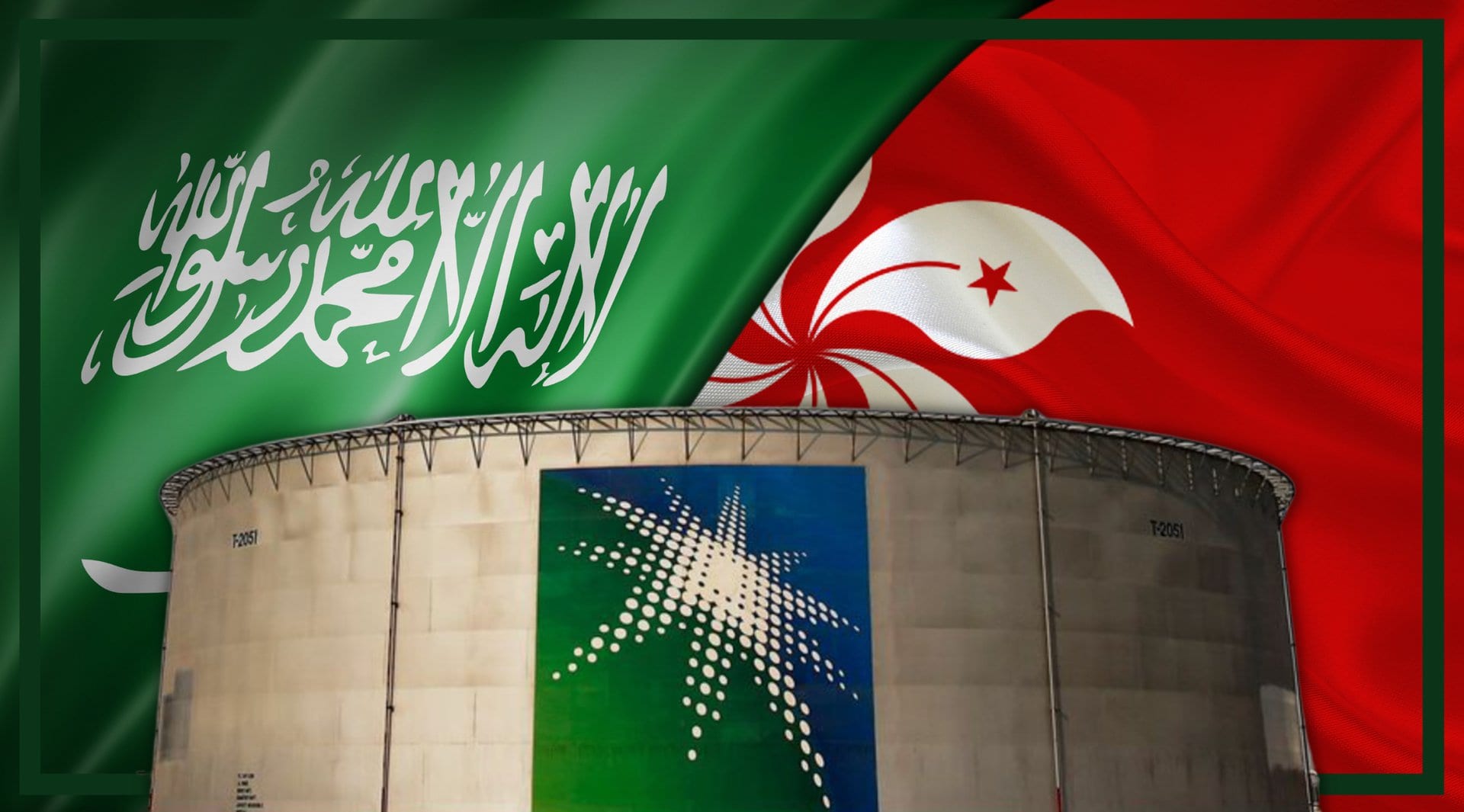
A growing number of Saudi companies are now contemplating initial public offerings (IPOs) on the Hong Kong Stock Exchange (HKEX), as part of a broader strategy to diversify their global market presence. This move comes as Saudi Arabia intensifies its push to increase investments and international trade under the Vision 2030 initiative. Companies, particularly those in tech, finance, and energy sectors, are attracted by Hong Kong’s established role as a bridge between the East and the West.

Saudi officials have been increasingly open to collaborating with Hong Kong, with significant efforts to foster bilateral economic ties. Last year, the Saudi Capital Market Authority and Hong Kong’s financial regulators signed an agreement to explore investment opportunities, signaling a concerted effort to deepen economic cooperation. The deal aims to streamline listing processes for Saudi firms on HKEX, offering them access to a broader range of investors and enhancing liquidity options.

HKEX, known for its favorable regulatory environment and its role as Asia’s top IPO venue, has positioned itself as an attractive listing destination for Saudi companies. The exchange’s listing reforms, which simplify the process for foreign firms, have been tailored to attract businesses seeking to expand their market footprint. Furthermore, its proximity to mainland China—home to a burgeoning investment pool—makes it particularly appealing for Saudi companies eyeing the Asian markets.

Several factors are driving Saudi companies to seek listings outside their home market. First, Hong Kong’s international investor base offers access to global capital markets. As the Saudi stock market matures, expanding into Hong Kong provides companies with greater exposure and a diversified shareholder structure. This aligns with the Kingdom’s desire to diversify its economy away from oil dependence, tapping into other industries that are pivotal to its long-term strategy.

Among the key players in this shift is Saudi Aramco, the state-owned oil giant, which has long been a strong contender in international markets. Although Aramco itself is already listed on the Riyadh exchange, its example serves as a precedent for other large state-owned enterprises (SOEs) in Saudi Arabia. There is an expectation that sectors like technology, healthcare, and green energy will be the primary industries to benefit from this push.

Hong Kong has been an appealing destination for IPOs due to its established infrastructure for foreign listings. The exchange provides a well-regulated environment, offers both local and international investors access, and has a relatively stable market compared to other global financial hubs. Moreover, Hong Kong’s legal system, which is based on English common law, offers transparency and protection for foreign investors, further enhancing its attractiveness.

While Saudi Arabia has made considerable strides in building its own financial markets, the global nature of Hong Kong’s market presents distinct advantages. Its exposure to the Asian markets, particularly China, allows Saudi firms to tap into a rapidly growing economic zone. This is seen as a strategic move in response to the shifting dynamics of global investment, with China playing an increasingly dominant role in global finance.

Saudi Vision 2030 has also made foreign investments a priority, and this shift to international IPOs aligns with the Kingdom’s goals to integrate more deeply into the global economy. By encouraging high-profile listings abroad, Saudi Arabia hopes to enhance its credibility on the world stage, attract more foreign direct investments, and boost its non-oil economy.

Saudi Arabia is set to host the 16th session of the United Nations Convention to Combat Desertification (UNCCD COP16) in Riyadh, marking the first time this global conference is held in the Middle East. Scheduled for December 2-13, 2024, the event will convene representatives from 197 parties, including world leaders, policymakers, and environmental advocates, making it the largest multilateral gathering ever hosted in the kingdom. This milestone […]

Lenovo Group, the world’s largest PC maker, has announced plans to establish a state-of-the-art manufacturing facility in Saudi Arabia. This move aligns with the Kingdom’s Vision 2030 strategy, which seeks to diversify the economy by developing its technology and manufacturing sectors. The new facility, which will focus on assembling and producing personal computers and IT equipment, is expected to strengthen Lenovo’s foothold in the Middle East while driving local job creation and technical skill development.

Set to be located in the King Abdulaziz City for Science and Technology (KACST) area, the factory underscores the growing importance of Saudi Arabia as a strategic hub for global technology companies. Lenovo’s decision to invest in this region comes as demand for PCs and enterprise IT solutions continues to grow across the Gulf Cooperation Council (GCC) countries. With an annual production capacity estimated to reach tens of thousands of units, the plant will play a key role in meeting the technology needs of government entities, enterprises, and individual consumers in the region.

The factory is expected to generate hundreds of jobs for Saudi nationals, with Lenovo committing to knowledge transfer and training programs aimed at fostering local expertise in advanced manufacturing processes. This initiative aligns with the Kingdom’s Saudization goals, which prioritize the integration of local talent into key economic sectors. Lenovo’s executives emphasized that the plant would not only serve regional markets but also have the potential to export products to neighboring countries, further positioning Saudi Arabia as a technological hub for the wider Middle East.

Lenovo’s partnership with local entities and stakeholders, including the Ministry of Investment and the Saudi Industrial Development Fund, highlights the collaborative approach that has characterized its entry into the market. By leveraging Saudi Arabia’s supportive regulatory environment and infrastructure, the company aims to streamline operations and maximize efficiency in its production pipeline. This collaboration marks another milestone in Saudi Arabia’s efforts to attract foreign direct investment into its high-tech industries, a key pillar of Vision 2030.

The timing of Lenovo’s announcement coincides with a global shift in manufacturing trends, as companies seek to diversify their supply chains and mitigate risks associated with overdependence on specific regions. Lenovo’s Saudi factory will help the company reduce logistical complexities and ensure supply chain resilience, especially in a post-pandemic world where disruptions to global trade have underscored the need for localized production hubs.

While Lenovo has long been a dominant force in the global PC market, this investment represents its first manufacturing venture in Saudi Arabia. It signals the company’s intent to deepen its engagement with Middle Eastern markets, which have experienced steady growth in digital adoption and IT spending. Analysts believe this move could serve as a blueprint for other tech companies looking to expand their presence in the region.

The announcement also reflects the Kingdom’s broader ambitions to become a leader in emerging technologies such as artificial intelligence, robotics, and cloud computing. Saudi Arabia’s investments in smart cities like NEOM and other large-scale infrastructure projects are expected to drive demand for IT hardware and services, providing a robust market for companies like Lenovo to tap into. Additionally, the factory’s establishment could catalyze the development of ancillary industries, such as component manufacturing and logistics, further enriching the local economy.

Observers note that Lenovo’s move could pave the way for increased competition among technology companies in the region, prompting other global players to explore similar opportunities. This competitive environment is likely to benefit end-users by improving access to cutting-edge technology and reducing costs through localized production.

As the factory’s construction progresses, Lenovo plans to roll out community engagement programs aimed at fostering innovation and interest in technology among Saudi youth. These initiatives, including internships and partnerships with local universities, are intended to ensure that the Kingdom’s workforce remains equipped to meet the demands of a rapidly evolving digital economy.

Saudi Arabia has further solidified its leadership in global green energy initiatives by signing a groundbreaking pact with Central Asian nations at COP29, amplifying efforts to address climate challenges and push for a greener future. This move, which underscores Riyadh’s commitment to transitioning to renewable energy, involves cooperation with countries such as Kazakhstan, Uzbekistan, and Turkmenistan. The deal aims to foster energy interconnections, share technology, and invest […]

VISHNU RAJA
RYO YAMADA
HITORI GOTOH
IKUYO KITA