Just in:
Galaxy Resort Presents: “Plácido Domingo & José Carreras: The Legends United Opera Gala” // JPMorgan restores transactions after banking payments disruption // Fraudsters register brand lookalikes within a day // First Abu Dhabi Bank proposes AED15 billion share sale // China’s Recombinant Collagen Technology Wins the INPD Innovative Manufacturing Process Award // TCMA Advances ASEAN Cement Decarbonization with 14.4 Mt. of CO₂ Reductions // Mangroves Documentary Premieres, Exploring How Cities and Wetlands Coexist // Optimizely breach exposes visitors across 178 organisations // Mubadala and Centerbridge secure £1.17bn Canaccord wealth agreement // Dubai airport passenger traffic drops 28.1% amid conflict // Mexican journalists demand accountability after Acapulco reporter killed // Singapore outlines three AI initiatives for financial services // Daughter resumes father’s eatery after fatal crash // Broermann Medical Innovation Award 2026: Three Pioneers of Modern Obesity and Diabetes Therapies Honored // Apple restores services after App Store and iCloud outages // Kuwait engages hostile drones as Bahrain intercepts attacks // Bora Group 3Q26: Revenue and Net Income Expansion Continues U.S. Manufacturing and Biologics Footprint Complete; Margin Expansion to Follow as Utilization Improves // ASEAN adopts binding pact on regional digital commerce // Ayara Kamala Reveals a Refreshed Vision for Wellness in Phuket // Microsoft restores cloud services after gateway software failure //

News related to
World

Jonathan Keyes has been appointed as the Head of Sustainable Finance for the Middle East by ING, the Dutch multinational banking and financial services corporation. This strategic move aligns with ING’s commitment to promoting sustainability and supporting clients in their transitions toward more sustainable business practices. Keyes, who previously held the position of Global Head of Sustainable Finance at the bank’s headquarters in Amsterdam, brings a wealth […]

Qatar’s Lesha Bank has finalized the acquisition of Bereke Bank in Kazakhstan, marking a significant expansion into Central Asia’s financial landscape. This strategic move aims to bolster Lesha Bank’s regional presence and enhance its service offerings, catering to a broader customer base in both retail and corporate banking sectors. The acquisition was officially announced following regulatory approval from Kazakhstan’s National Bank. This pivotal decision reflects a growing […]

Interest in real estate investment trusts (REITs) within the Gulf Cooperation Council (GCC) is increasing, fueled by favorable economic conditions, including lower interest rates and supportive government initiatives. These factors are positioning REITs as a viable investment avenue, particularly in the United Arab Emirates, where significant moves by key players signal a burgeoning market.

This week, reports emerged that Dubai Holding, a prominent state-backed conglomerate, is contemplating the establishment of a REIT, which underscores a growing trend among major firms in the region to explore this investment vehicle. The potential of a Dubai Holding REIT reflects the larger movement towards diversifying investment portfolios, a strategy encouraged by the UAE government as part of its broader economic goals.

Concurrently, the Dubai-based developer BinGhatti has expressed interest in launching a REIT, having previously issued a $200 million bond in a bid to bolster its financial footing. The firm’s initiative comes on the heels of increasing investor appetite for diversified real estate assets, particularly as traditional investment avenues face uncertainty.

Market analysts note that the current low interest rates create an attractive environment for real estate investment. With borrowing costs remaining subdued, developers and investors find it more feasible to finance property purchases and projects. This trend could potentially amplify returns on investments, particularly through REITs, which offer shareholders dividends from income generated by real estate investments.

The tax exemptions provided to REITs in the UAE further enhance their appeal. These exemptions, coupled with the government’s encouragement for diversified investments, aim to attract both domestic and foreign investors, positioning the UAE as a competitive market for REITs. By alleviating some financial burdens associated with real estate investments, the government hopes to stimulate growth in this sector, ultimately leading to more sustainable economic development.

Experts assert that the burgeoning interest in REITs also aligns with global investment trends. Investors worldwide are increasingly turning to REITs as a method of accessing real estate markets without the need for direct ownership. This trend is particularly appealing in regions experiencing rapid urbanization and population growth, such as the GCC. By investing in a REIT, individuals can gain exposure to a diversified portfolio of income-generating properties, which can be more stable compared to traditional equities.

The diversification of the investment landscape in the GCC is not limited to REITs. The broader trend toward alternative investments is gaining traction, with private equity and venture capital also drawing attention. Investors are exploring ways to balance risk and reward, seeking opportunities that traditional investment vehicles may not offer. As the GCC nations strive to diversify their economies away from oil dependency, the growth of alternative investments is expected to play a pivotal role in shaping the region’s financial landscape.

Dubai’s real estate market has demonstrated resilience, with property prices showing signs of recovery following previous downturns. This renewed confidence in the real estate sector, coupled with low interest rates, positions REITs as an attractive option for both local and international investors looking to tap into the UAE’s dynamic property market. The potential for stable income through dividends from REITs aligns with the growing demand for income-generating assets, particularly among retirees and long-term investors.

The development of the REIT sector in the GCC is still in its infancy, but the commitment from major firms like Dubai Holding and BinGhatti suggests a significant shift towards embracing this investment model. As these companies move forward with their plans, their success will likely pave the way for more firms to enter the market, fostering a competitive environment that could lead to further innovations in real estate investment.

The establishment of regulatory frameworks supporting REITs is essential for their growth. The UAE has made strides in creating a conducive environment for REITs, with guidelines that facilitate their operation while ensuring investor protection. Ongoing collaboration between the government, regulatory bodies, and the private sector will be crucial in driving the success of REITs in the region.

The global economy’s current landscape, characterized by uncertainty and volatility, emphasizes the importance of diversifying investment portfolios. As investors increasingly seek stable and resilient options, the GCC’s REITs present a promising alternative. The region’s economic diversification initiatives and the ongoing development of its real estate market contribute to a favorable outlook for REITs.


Located inside AEON Mall Huế – The First AEON Mall in the City HUE, VETNAM – Media OutReach Newswire – 10 October 2024 – Global fashion retailer H&M is proud to announce the opening of its first store in Huế, marking its 14th store in Vietnam. This exciting expansion into Central Vietnam highlights H&M’s commitment to bringing fashion to new regions across the country. Charli XCX and […]

SINGAPORE – Media OutReach Newswire – 10 October 2024 – Twist Media, a leading event company in Singapore, is excited to mark its 10th anniversary, celebrating a decade of delivering top-tier corporate events. Since its inception, Twist Media has built a reputation for crafting unique, memorable experiences for clients across a variety of industries. To celebrate this impressive milestone, Twist Media recently hosted a special event, bringing […]

A showcase of rare, fancy colour diamonds, a 126.92-carat natural rough diamond and High Jewellery Masterpieces will be on public view from 9 – 13 October at LANDMARK HONG KONG SAR – Media OutReach Newswire – 9 October 2024 – De Beers Jewellers, the leading diamond Jewellery House, and LANDMARK, a world-class luxury shopping destination, are proud to announce a one-of-a-kind exhibition titled “Inspired by Nature” in […]

TAIPEI, TAIWAN – Media OutReach Newswire – 9 October 2024 – To strengthen Taiwan’s tourism brand in the European market, the Tourism Administration of the Ministry of Transportation and Communications (MOTC) is hosting a special exhibition in Paris, the global capital of art. Held in the wake of a similar exhibition in London during September, the all-new TAIWAN – Waves of Wonder: Journey through Taiwan’s Four Seasons […]

Advertisements

Hafeet Rail has successfully secured $1.5 billion in project financing from a consortium of banks, marking a significant milestone in the development of rail infrastructure in the region. This funding will support the construction and operational phases of the Hafeet Rail project, which aims to enhance connectivity and economic activity across various regions. The financing consortium includes several prominent international banks, each bringing extensive expertise in infrastructure […]

QatarEnergy has finalized a significant 20-year naphtha supply agreement with Shell, marking a pivotal development in the global energy sector. The agreement, effective from April 2025, is set to deliver up to 18 million metric tons of naphtha to Shell’s operations, primarily supporting its petrochemical ventures. This deal underscores Qatar’s growing role as a key player in the global energy market, especially in petrochemical production, where naphtha is a vital feedstock.

The announcement was made by Saad al-Kaabi, the CEO of QatarEnergy and the state’s Minister of Energy. He emphasized the importance of this agreement, stating it represents QatarEnergy’s first long-term naphtha sales contract of such duration. Al-Kaabi highlighted the collaboration as part of a broader strategy to leverage Qatar’s vast energy resources, particularly from the North Field, the world’s largest natural gas field, shared with Iran and known as the South Pars gas field in Iran.

The strategic partnership between QatarEnergy and Shell is not new; it has been built over several years through joint ventures and investments in liquefied natural gas (LNG) projects, including the Pearl GTL (Gas-to-Liquids) facility, which is a significant project in Qatar’s energy landscape. The two companies are committed to further collaboration in various energy sectors, enhancing their capabilities in energy production and distribution.

As global energy demands continue to evolve, the deal also reflects the shifting dynamics in the petrochemical industry, where companies are increasingly focused on securing long-term supply contracts to stabilize their operations. Naphtha, derived from crude oil, serves as a critical raw material in producing various chemicals and plastics. The agreement with Shell positions Qatar as a reliable supplier in a market that is grappling with fluctuating energy prices and geopolitical uncertainties.

The significance of this deal extends beyond immediate commercial interests. It aligns with Qatar’s broader vision to diversify its economy and expand its influence in the global energy landscape. By solidifying such long-term contracts, QatarEnergy aims to enhance its competitive edge, ensuring a steady revenue stream while contributing to the stability of global energy supplies.

Industry experts view this agreement as a testament to Qatar’s strategic foresight in recognizing the importance of long-term partnerships in a sector that is increasingly volatile. The collaboration not only strengthens Qatar’s energy export capabilities but also reinforces Shell’s operational efficiency as it seeks to maintain its leadership position in the petrochemical market.

As global energy policies shift towards sustainability, this agreement is also anticipated to play a role in transitioning to more sustainable energy sources. QatarEnergy has been proactive in exploring cleaner energy alternatives and investing in technologies that reduce carbon emissions, reflecting a commitment to environmental stewardship.

Dubai has taken a significant step toward becoming a cashless economy with the launch of the “Dubai Cashless Strategy.” This ambitious initiative aims to boost the emirate’s position as a global digital economy leader by increasing cashless payments across both public and private sectors. The strategy’s goal is to ensure that 90% of all transactions in Dubai are digital by 2026, a move expected to generate over AED 8 billion in economic growth annually.

A key component of this transformation is fintech innovation, with particular focus on digital payment solutions driven by artificial intelligence and contactless technologies. These innovations will be instrumental in delivering seamless, secure payment experiences for businesses and consumers alike.

Abdulrahman Saleh Al Saleh, Director-General of Dubai’s Department of Finance, noted that Dubai already boasts an advanced financial ecosystem adhering to international standards. He emphasized that 97% of government transactions were conducted digitally in 2023, illustrating the strong foundation for this cashless transition. This effort aligns with the broader goals of the Dubai Economic Agenda (D33), which seeks to enhance the city’s economic standing on the world stage.

Hamad Obaid Al Mansoori, Director-General of Digital Dubai, reiterated the strategic significance of the initiative. He emphasized that the move toward cashless transactions not only enhances the ease of daily life but also reinforces Dubai’s attractiveness as an investment hub. The fintech sector, critical to this strategy, will help the city maintain its digital leadership while fostering new innovations in financial services.

India is set to become a global leader in sustainable aviation fuel (SAF) production by 2040, aiming for a target of 8-10 million tonnes annually. This ambitious goal is driven by the country’s commitment to decarbonizing its rapidly growing aviation sector, which ranks among the fastest-expanding in the world. The initiative is also expected to attract an estimated investment of USD 70-85 billion over the coming years, as reported by industry experts.

The planned SAF output could significantly contribute to reducing carbon emissions, with projections indicating a reduction of 20-25 million tonnes of carbon dioxide annually. This effort aligns with global sustainability goals and places India as a potential major player in the SAF market, not only meeting domestic demand but also catering to the international aviation industry. The country’s strategic location, close to major airline hubs in the Middle East and Europe, further enhances its potential as a key SAF exporter.

To realize these ambitions, India’s SAF production strategy focuses on leveraging its agricultural and municipal waste as primary feedstocks. The country produces around 230 million tonnes of surplus agricultural residue, which will be crucial for producing biofuels through advanced technologies. This includes the Alcohol-to-Jet (AtJ) process, which converts ethanol derived from agricultural waste into aviation fuel. Ethanol (second generation) produced from non-food sources like agricultural residue and municipal solid waste is expected to be a cornerstone of India’s SAF development.

The initiative aims to generate significant economic benefits. It is projected to create between 1.1 and 1.4 million jobs throughout the SAF production value chain. The reduction in crude oil imports, estimated at USD 5-7 billion annually, is another expected outcome of the country’s SAF development efforts.

India’s aviation sector has been exploring diverse feedstocks for SAF production, with options ranging from used cooking oil and municipal solid waste to more unconventional sources like sweet sorghum and seaweed. Experts believe that the scalability and success of these alternative materials will depend on technological advancements and regulatory support over the next decade.

A comprehensive SAF roadmap was recently unveiled, detailing the investments needed to meet production targets while also highlighting the environmental and economic benefits for India. Government policies, coupled with private sector involvement, are expected to play a crucial role in scaling up SAF production. The international market for SAF is expanding rapidly, and India’s competitive cost structures may position it favorably to supply global aviation giants as demand surges.

However, challenges remain in ramping up production and creating a reliable supply chain for SAF in India. Infrastructure bottlenecks, technological constraints, and the need for regulatory incentives are key issues that need to be addressed to achieve the ambitious targets set for 2040. Yet, experts remain optimistic that with sustained investment and collaboration between public and private sectors, India will be able to meet its SAF production goals.

This focus on SAF is part of a broader trend in India’s decarbonization efforts across multiple sectors. The aviation industry’s move towards cleaner fuels not only reduces greenhouse gas emissions but also aligns with India’s broader climate commitments under the Paris Agreement. As the global aviation industry looks for greener alternatives, India’s push for SAF could place it at the forefront of this transformation, catering to both domestic and international markets.

In addition to benefiting the environment, the production of SAF in India is expected to improve the incomes of local farmers by 10-15% through the utilization of agricultural residue that would otherwise be burned. This has the potential to address long-standing environmental issues like air pollution caused by crop stubble burning, particularly in northern India.

“Hub+” Unveiled: Disruptive Payment Integration Services, from “One Touch to Many” SINGAPORE – Media OutReach Newswire – 9 October 2024 – EFT Solutions Limited (“EFT Solutions“; stock code: 8062.HK), a leading electronic fund transfer point-of-sales (“EFT-POS”) solutions provider, is pleased to announce that it is joining an array of Asia’s leading technology providers and innovators at eCommerce Expo Asia from 9th to 10th October 2024. Taking stage […]

M A Hossain The upcoming US presidential election on November 5, 2024, carries significant implications for the entire world, including Bangladesh’s political landscape. With the recent ouster of Prime Minister Sheikh Hasina and her fleeing the country thus taking refuge in India, Bangladesh stands at a political crossroads, facing unprecedented geopolitical pressures. An intriguing aspect of this shift is the waning interest of foreign lobbyists in Washington, […]

Ryan Salame, the former co-CEO of FTX Digital Markets, has commenced his 7.5-year prison sentence as a result of his role in the collapse of the FTX cryptocurrency exchange. His sentencing on October 11 follows a guilty plea in September to charges related to campaign finance violations and operating an unlicensed money transmitting business, adding another chapter to the saga that has seen multiple executives from the […]

A significant investment agreement has been reached between the Public Investment Fund (PIF) of Saudi Arabia and Central Group, a leading Thai retail and property conglomerate, aimed at bolstering the Selfridges Group’s market position. This partnership, revealed by both entities, marks a strategic move to enhance the group’s retail and property development capabilities, ensuring its resilience in a rapidly evolving market landscape.

The transaction is poised to solidify Selfridges Group’s status within the luxury retail sector. The partnership between PIF and Central Group is projected to provide the necessary financial backing for various initiatives, including enhancing the brand’s e-commerce offerings and expanding its physical footprint across key markets. These developments come as luxury retail brands increasingly seek to adapt to changing consumer behaviors, particularly in light of the pandemic’s long-term impacts.

Selfridges, a well-known name in the luxury department store market, has faced challenges stemming from shifts in shopping habits, particularly a surge in online shopping. The investment from PIF, a sovereign wealth fund with significant resources, combined with Central Group’s retail expertise, positions Selfridges Group to better compete against both traditional rivals and online platforms. This collaboration is seen as an avenue to navigate these challenges while fostering innovation.

Key players in the retail sector have noted that this investment aligns with broader trends in the market where partnerships between traditional retailers and financial investors are becoming increasingly common. The infusion of capital from PIF, coupled with Central Group’s extensive experience in retail operations, will enable Selfridges Group to streamline its supply chain and enhance customer experience both online and in-store. The commitment to enhancing digital capabilities is particularly critical, as brands strive to create seamless shopping experiences for consumers who are now more accustomed to online transactions.

Analysts suggest that the strategic alliance could lead to an expansion of the Selfridges brand beyond its traditional boundaries. Central Group, which has a robust portfolio of retail operations in Thailand and other regions, brings a wealth of knowledge about consumer preferences and market dynamics. This expertise could facilitate the entry of Selfridges into new markets, leveraging Central Group’s established networks and distribution channels.

The agreement has garnered attention not just for its financial implications but also for its potential impact on the luxury retail landscape. As competition intensifies, particularly from digital-native brands and international luxury players, established brands like Selfridges must evolve to maintain relevance. The backing from PIF and Central Group is expected to drive innovation and adaptation strategies, including enhancing sustainability initiatives that resonate with the growing eco-conscious consumer base.

Experts in the field have noted that this investment represents a proactive approach to growth in an industry marked by uncertainty. The luxury retail sector has seen a shift toward sustainability, personalization, and technological integration, prompting brands to rethink their strategies. Selfridges Group’s focus on improving e-commerce capabilities is part of a broader industry trend where digital sales channels are no longer supplementary but central to retail success. The new investment will facilitate the necessary technological upgrades to meet these changing demands.

This deal could serve as a precedent for future investments in the luxury retail sector. It reflects a growing recognition among investors of the potential profitability of well-established retail brands that can successfully adapt to new market conditions. The collaborative effort between PIF and Central Group illustrates how financial institutions can play a critical role in supporting the transformation of traditional retail businesses.

While the financial specifics of the deal have not been publicly disclosed, it is widely acknowledged that both parties aim to maximize returns on their investment through careful strategic planning. The partnership is expected to unfold in stages, with initial focus areas likely including refurbishing existing stores, expanding product offerings, and enhancing the overall shopping experience.

The evolution of Selfridges Group under this new investment is anticipated to be closely watched by industry observers, particularly as the luxury retail sector navigates the complexities of a post-pandemic world. Retail experts are keen to see how effectively the company integrates technological advancements while retaining the unique brand identity that has made Selfridges a staple in luxury shopping.

Introducing a reimagined complimentary loyalty programme and digital experience LONDON, UK – Media OutReach Newswire – 9 October 2024 – Small Luxury Hotels of the World (SLH), renowned for its characterful portfolio of luxury boutique hotels, today announced a revamped, newly named loyalty programme, SLH Club, and an eagerly anticipated mobile app featuring new customer magazine, Swoon by SLH. The new offerings are designed to provide loyal […]

Abu Dhabi has emerged as the wealthiest city globally, boasting sovereign wealth funds (SWFs) that collectively manage assets worth $1.7 trillion. This ranking highlights the city’s financial significance and positions it as a critical player on the world stage.

The analysis, conducted by various financial institutions, underscores Abu Dhabi’s SWFs, including the Abu Dhabi Investment Authority (ADIA) and Mubadala Investment Company. These entities have strategically diversified their investments across sectors such as technology, infrastructure, healthcare, and renewable energy, driving substantial returns. As of this year, the ADIA alone manages assets estimated at over $700 billion, positioning it as one of the largest SWFs globally.

A crucial aspect of Abu Dhabi’s financial success stems from its oil and gas revenues, which have historically fueled the growth of these funds. The emirate has effectively transformed its natural resource wealth into a broad-based investment strategy, allowing it to capitalize on opportunities beyond hydrocarbons. Investments in international markets and partnerships with global firms have further diversified its portfolio and reduced dependency on oil revenues.

The financial environment in Abu Dhabi benefits from robust government support and a commitment to enhancing the investment climate. Initiatives to attract foreign direct investment (FDI) have played a vital role in expanding the emirate’s economic landscape. The introduction of new laws and reforms aimed at easing business operations, coupled with free trade zones, has made Abu Dhabi an appealing destination for global investors.

Recent developments indicate that the UAE, led by Abu Dhabi, is keen on positioning itself as a center for financial technology (fintech). The government has launched various initiatives to promote innovation in the financial sector, attracting startups and established companies to the region. These initiatives are expected to create a vibrant ecosystem that enhances the emirate’s economic resilience.

While Abu Dhabi’s wealth continues to grow, it faces challenges common to cities reliant on large-scale investments. The ongoing global shift towards sustainable investments and green energy poses both risks and opportunities. Abu Dhabi is already taking proactive measures to address these changes, with investments in renewable energy projects such as the Mohammed bin Rashid Al Maktoum Solar Park and the Barakah Nuclear Energy Plant.

Another key player in Abu Dhabi’s economic landscape is the Abu Dhabi Global Market (ADGM), an international financial center that has garnered attention for its regulatory framework and ease of doing business. ADGM has attracted numerous global financial institutions and fintech firms, enhancing the emirate’s reputation as a financial hub. This growth is evidenced by a significant increase in the number of registered entities within ADGM, reflecting the appeal of Abu Dhabi as a business destination.

The global economic climate, characterized by inflationary pressures and geopolitical uncertainties, also influences investment strategies in Abu Dhabi. Financial analysts note that the emirate’s diversified approach mitigates risks associated with market volatility. Its emphasis on long-term investments and sustainable growth positions Abu Dhabi favorably compared to cities that may rely heavily on cyclical industries.

Abu Dhabi’s wealth is not just confined to financial markets. The emirate has invested heavily in cultural and social projects aimed at enhancing quality of life and promoting tourism. Initiatives such as the Louvre Abu Dhabi and the Guggenheim Museum project exemplify the city’s commitment to fostering a rich cultural scene, making it an attractive destination for visitors and expatriates alike.

As global economies navigate the complexities of post-pandemic recovery, Abu Dhabi’s status as the world’s richest city reinforces its position as a resilient and adaptive financial center. The emirate’s strategic investments and commitment to innovation and sustainability ensure that it remains a focal point for wealth generation and investment opportunities.

The ranking of Abu Dhabi as the wealthiest city underscores not only its financial prowess but also the broader trends shaping global wealth distribution. As sovereign wealth funds gain prominence in the investment landscape, cities like Abu Dhabi exemplify how strategic asset management can lead to sustainable economic growth.

A major milestone has been reached by the latest MMORPG from NCsoft, Throne and Liberty, as it attracted over three million players within its launch week. This significant achievement underscores the game’s potential to capture a vast audience and reflects the high anticipation surrounding its release. With its blend of captivating graphics, intricate gameplay mechanics, and immersive storytelling, Throne and Liberty promises to redefine the standards of […]

The revival of Silent Hill 2 has captivated gamers, sparking a wave of modding that transforms the atmospheric horror experience. Players have been removing the iconic fog that once defined the game’s visual style, revealing a wealth of hidden details that were previously obscured. This phenomenon highlights the intersection of nostalgia and modern technology, as fans leverage new tools to explore the game in unprecedented ways. Upon […]

Cryptocurrency markets are experiencing notable fluctuations, with Bitcoin holding steady at approximately $62,000 despite significant swings in traditional financial assets like stocks and gold. The dynamics between these markets reveal a complex relationship, influenced by various economic indicators and investor sentiment. While risk assets such as equities have surged, driven by optimistic corporate earnings and robust economic data, precious metals like gold have faced downward pressure. Recent […]

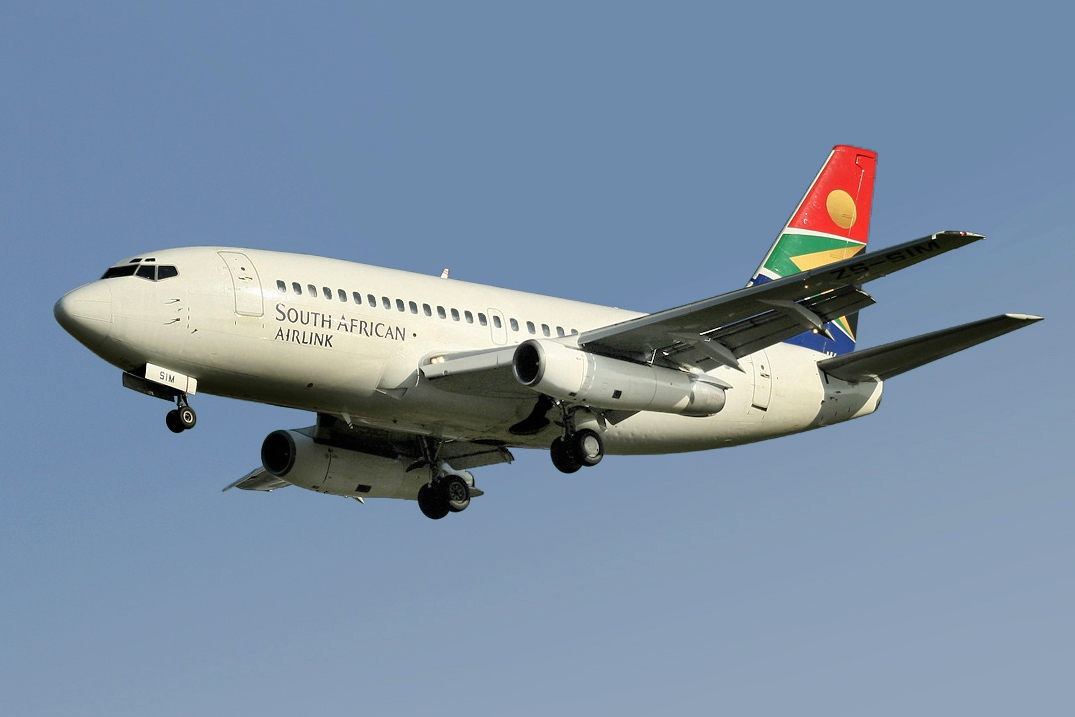
The US Federal Aviation Administration (FAA) has issued a safety alert for operators of Boeing 737 aircraft, warning of potential rudder system malfunctions that could impact aircraft control. This alert follows several reports of restricted or jammed rudder movement due to mechanical issues. The FAA emphasized the need for immediate inspection of the rudder components to mitigate the risks of uncommanded movements that could occur during flights. The affected aircraft include models within the Boeing 737 Next Generation series, widely used across airlines globally.

The warning highlights possible defects in certain hydraulic systems responsible for controlling rudder movements. A failure in these systems can restrict rudder function, potentially causing significant directional control problems. The FAA has called on airlines to conduct thorough checks and implement enhanced monitoring protocols to ensure passenger safety. Although no major incidents have been directly linked to this issue, the FAA’s proactive alert underscores the importance of maintaining strict oversight, especially as the Boeing 737 fleet is extensively relied upon worldwide.

Boeing has responded by stating that they are collaborating with airlines to address the problem. They have emphasized that while the issue is being investigated, affected operators are advised to follow the FAA’s safety recommendations to reduce operational risks. The company is also reviewing the manufacturing and maintenance practices associated with the rudder systems to identify any contributing factors. This comes as Boeing continues to navigate the scrutiny placed on its aircraft following previous technical challenges with other models.

The alert specifically focuses on hydraulic power control units (PCUs), which regulate rudder function. These units have been implicated in past aviation safety issues, and any mechanical faults can lead to deviations from normal flight paths. The FAA’s concerns are based on data collected from maintenance logs and incidents reported by airline operators, with pilots having experienced issues during flights where rudder control was limited or unavailable. In some cases, pilots reported feeling unusual resistance in the controls, prompting them to declare an emergency landing.

For airlines, this FAA directive will likely translate into additional costs and operational delays, as planes undergo inspections and repairs. Nonetheless, ensuring compliance is critical to preventing potential airborne hazards. Airlines, including some of the largest Boeing 737 operators in the US, have already started inspecting their fleets. Southwest Airlines and American Airlines are among the carriers taking immediate steps to ensure their aircraft meet the safety standards laid out by the regulator.

The Boeing 737, which includes several variants, is one of the world’s most widely used aircraft models, particularly for short to medium-haul routes. With thousands of units in service, any technical warning affecting its fleet has the potential to disrupt global air travel schedules. However, the FAA’s alert, while serious, is viewed as a precautionary measure to avert more significant incidents. The focus now remains on rectifying the underlying issues to maintain passenger confidence in the Boeing 737 series.

Aviation experts have noted that while rudder issues are not unprecedented, modern aircraft are designed with multiple redundancies to prevent loss of control during flight. The Boeing 737 Next Generation series has faced isolated rudder-related problems in the past, leading to design changes and updated maintenance protocols. However, given the FAA’s findings, it appears that further adjustments may be necessary to address the current concerns fully.

Frasers Property unveils its holistically integrated development in Bangkok, redefining urban living One of Thailand’s largest private sector developments, One Bangkok, with an investment value of USD3.2 billion, features world-class facilities, including premium office towers, luxury and lifestyle hotels and residences, and dynamic retail experiences. Designed by Skidmore, Owings & Merrill (SOM), the district features permanent public sculptures by Anish Kapoor and Tony Cragg; it also hosts […]

The Saudi Red Sea Authority (SRSA) has announced an ambitious target to attract 19 million tourists to the Red Sea coast by 2030. This move aligns with the Kingdom’s broader Vision 2030 strategy, which aims to diversify its economy away from oil dependence and boost tourism as a key economic pillar. By developing the Red Sea coastline, SRSA plans to contribute over SR85 billion to the national GDP and capture a significant portion of Saudi Arabia’s leisure tourism market.

The coastal tourism sector is central to Saudi Arabia’s efforts to transform its tourism industry, with the SRSA aiming to secure 30% of the Kingdom’s leisure tourism share and 40% of entertainment spending by the end of the decade. Moreover, the plan includes the creation of more than 210,000 jobs across various sectors, including hospitality, environmental services, and infrastructure.

SRSA’s strategy is focused on promoting sustainable tourism. Protecting the marine ecosystem of the Red Sea, which boasts some of the world’s most pristine coral reefs and diverse marine life, is a top priority. The authority emphasizes that environmental conservation is critical to ensuring long-term success in tourism development. By integrating sustainable practices, SRSA hopes to preserve natural resources while simultaneously fostering economic growth.

The government and SRSA are working together to create opportunities for both local and international investors to engage in the tourism sector. The Red Sea region’s unique combination of cultural heritage, biodiversity, and adventure tourism potential is set to become a significant draw for a global audience. These development projects include high-end resorts, eco-friendly lodges, and cultural attractions that highlight the region’s history and natural beauty.

The growth of the Red Sea tourism industry is expected to be driven by several key initiatives, including substantial investment in infrastructure, streamlining regulatory frameworks, and launching global marketing campaigns aimed at showcasing the Red Sea as a world-class tourist destination. By improving accessibility, especially through transportation networks and high-end facilities, the SRSA intends to attract a diverse range of travelers, from luxury tourists to eco-conscious adventurers.

SRSA is committed to working closely with private sector stakeholders and local communities to ensure that the benefits of this development are widely shared. Part of the strategy involves involving local populations in tourism projects, thereby creating jobs and improving living standards for residents along the coast.

This push for Red Sea tourism comes amid broader national reforms intended to increase the Kingdom’s appeal as a global tourist destination. Saudi Arabia has been aggressively easing its entry restrictions and developing its tourism infrastructure as it seeks to attract 100 million visitors annually by 2030, a figure that would position it among the world’s top tourist destinations.

While tourism has traditionally played a limited role in Saudi Arabia’s economy, Vision 2030 is changing that by opening up previously restricted areas and promoting the Kingdom’s natural and cultural assets. The Red Sea Authority’s ambitious plans, backed by strong government support, are central to this transformation, positioning the region as a centerpiece of Saudi Arabia’s emerging tourism economy. The development also reflects a global trend toward coastal and eco-tourism, appealing to travelers looking for sustainable and authentic experiences.

Connecting the Future: Bridging The Worlds of Aesthetic Medicine, Skin Health Management, Surgical Treatments & Anti-aging in The Greater Bay Area HONG KONG SAR – Media OutReach Newswire – 8 October 2024 – Organized by Aesthetic Society for Asia Pacific and Deltus, Aesthetic Medicine & Surgery Conference & Exhibition (AMSC) Hong Kong will be held on 16-17 December at Hong Kong Convention & Exhibition Center (HKCEC) Level […]

VISHNU RAJA
RYO YAMADA
HITORI GOTOH
IKUYO KITA