Just in:
APT29-linked campaign exploits outdated Apple and Android software // OpenAI introduces GPT-6 Cyber with restricted security access // Emaar approves Development buyout ahead of planned delisting // Kochi police detain two actors over bid to honey trap doctor // Geely’s i-HEV Intelligent Hybrid Technology Offers a New Direction for Gasoline-Powered Vehicles // Xi Jinping Preparing For A Trilateral Summit With Trump And Putin At APEC Summit On Nov 18-19 // Meraas showcases five residential zones at Dubai Design Week // Asia Left Behind: Ten international companies have yet to report delivering on their cage-free egg pledges across the region // Technology shares plunge as Nasdaq enters correction // OpenAI identifies 948 Linux privilege escalation flaws using AI // Miss Universe Hong Kong Jen Zhou Departs for Puerto Rico to Compete in the 75th Miss Universe World Final // Private varsities bill all set to face the axe // Hong Kong mandates crypto transaction disclosures to tax authorities // Beyond the exhibition floor: How robots, AI and networks are moving into the real world // The “1st Greater Bay Area Health and Longevity Summit & Awards Ceremony” concludes successfully in Macao // Ousted top Kochi cop gets IG post // e-Crime Bureau Signs Cybersecurity Partnership With Smart Africa, Reinforcing Its Global Expansion // Dubai details five-year visa benefits for returning visitors // Millions Of Indians May Soon Be Deprived Of Government Assistance // Cloudflare unveils Zero Wire vulnerability intelligence service //

News related to
across

A major step toward fostering inclusive technological growth in Africa was taken as the United States and African nations jointly convened the 2024 Pan-African AI Conference in Lagos, Nigeria. This event, which drew delegates from over 30 African countries, saw tech leaders, policymakers, and entrepreneurs converge to address the challenges and opportunities posed by artificial intelligence (AI) on the continent. Held in one of Africa’s most dynamic tech hubs, the conference underscored the continent’s potential to play a critical role in the global AI landscape.

Nigeria’s Minister of Communications, Innovation, and Digital Economy, Bosun Tijani, opened the conference with a call for a human-centered approach to AI development, stressing the need for inclusivity and collaboration. His announcement of a $61,000 fund aimed at supporting local AI startups marked a strong commitment to advancing AI innovation within the country, with Lagos, often dubbed Africa’s “Silicon Valley,” providing the backdrop for these ambitious plans.

Central to the conference discussions was the need for an enabling framework to ensure that AI development is both safe and innovative. Dr. Seth Center, Acting Special Envoy for Critical and Emerging Technology from the United States, emphasized the dual challenge of establishing governance frameworks that inspire public confidence while simultaneously encouraging private sector investments in AI infrastructure across Africa. As Africa positions itself to harness the transformative power of AI, the continent’s collaboration with global partners like the United States remains crucial in navigating the complex technological future.

Engineers and architects are exploring an innovative solution to the world’s energy storage challenges through towering skyscrapers capable of holding vast amounts of power. These ambitious designs are being developed by Skidmore, Owings & Merrill (SOM), a global architecture and engineering firm, in collaboration with Energy Vault, a pioneering energy storage company. Together, they aim to integrate gravity-based energy storage systems into the design of skyscrapers, creating buildings that not only serve as urban landmarks but also contribute to renewable energy infrastructure.

SOM’s skyscrapers could reach heights up to 1,000 meters—nearly three times the height of London’s iconic Shard. The idea of combining energy storage with urban architecture marks a significant step forward in the push for sustainable development. This novel concept of using buildings as massive storage devices leverages gravity batteries, an emerging technology that promises to address the challenge of energy storage in an environmentally sustainable way.

Gravity batteries store energy by using the excess electricity generated from renewable sources like solar or wind to power a system that lifts heavy weights within the building. This energy is stored as gravitational potential energy, ready to be converted back into electricity when needed by lowering the weight. This technology is seen as an efficient and environmentally friendly alternative to conventional batteries, which rely on resource-intensive materials like lithium.

Bill Baker, an engineer at SOM and a leading figure in the development of the project, emphasized the potential of these skyscrapers to accelerate the carbon payback period of buildings, making them more environmentally sustainable over their lifespan. “These buildings could play a critical role in addressing two major challenges facing urban development: energy storage and carbon emissions,” Baker explained, noting that the inclusion of gravity-based energy storage systems can drastically reduce a building’s carbon footprint.

The partnership between SOM and Energy Vault was announced earlier this year, and the concept is gaining traction in both architectural and environmental circles. Energy Vault, known for its work in gravity energy storage, has already made waves in the energy sector with its innovative use of gravity to store renewable energy. By partnering with SOM, the firm is taking its vision to new heights—literally—by embedding its technology into urban architecture.

While the concept of gravity-based energy storage is still relatively new, it is viewed as a promising alternative to more conventional forms of energy storage like lithium-ion batteries. Unlike chemical-based batteries, gravity batteries have the advantage of being low-maintenance and long-lasting. They rely on basic physical principles, making them simpler to implement and scale. Moreover, they do not degrade over time like traditional batteries, which is a significant advantage in terms of long-term sustainability.

One of the most appealing aspects of this technology is its adaptability. Gravity batteries can be built into existing infrastructure, or in this case, integrated directly into new skyscraper designs. This means that cities can begin to incorporate energy storage solutions into their very fabric, rather than relying solely on grid-based energy storage systems that are often located outside urban areas. In dense, energy-hungry cities, this could provide a much-needed boost to renewable energy adoption by making energy storage more accessible.

SOM’s skyscraper designs are still in the prototype stage, but they have already sparked significant interest. The buildings are envisioned as both functional and visually striking, with the potential to become new symbols of sustainable urban development. At a time when cities around the world are grappling with how to reduce their carbon footprints and become more energy-efficient, these gravity-powered skyscrapers could provide a solution that meets both aesthetic and environmental needs.

However, challenges remain. The initial cost of constructing such skyscrapers, particularly with the integrated gravity battery system, is expected to be high. Developers will need to weigh the long-term environmental and economic benefits against the upfront financial investment. Nonetheless, proponents of the technology argue that the cost could be offset by the savings in energy and carbon emissions over the building’s lifespan.

Another issue is the scalability of the technology. While the concept works well in theory and small-scale trials, implementing it in skyscrapers across major cities will require extensive testing and refinement. Factors like building materials, weight distribution, and energy conversion efficiency need to be carefully considered. However, SOM and Energy Vault remain optimistic about the project’s future, pointing to the global shift towards renewable energy as a strong motivator for continued innovation.

The potential benefits extend beyond energy storage. These skyscrapers could also serve as models for a new generation of smart buildings that are self-sustaining and energy-efficient. By integrating renewable energy storage with modern architecture, cities could drastically reduce their dependence on fossil fuels, cutting emissions and promoting sustainable growth. This would not only improve the quality of life in urban areas but also set a global standard for sustainable development in the 21st century.

While the United Kingdom is one potential market for these towering energy storage solutions, other regions may be quicker to adopt the technology. Countries with large-scale urbanization projects and a strong focus on renewable energy, such as those in the Middle East or East Asia, could be more likely to invest in these energy-storing skyscrapers as they seek to diversify their energy portfolios and meet growing energy demands.

BuySellVouchers.com has introduced a service that lets users recharge their mobile phones using cryptocurrencies like Bitcoin, Ethereum, and USDT, marking a significant step in integrating digital assets with everyday transactions. This development comes at a time when digital currencies are gaining broader acceptance globally, and the demand for services that cater to crypto holders is rising. The platform, which was initially popular for enabling the buying and […]

AMEA Power, a Dubai-based renewable energy developer, is making headlines with its ambitious plans to build Africa’s largest solar photovoltaic (PV) project in Egypt. The company has signed an agreement with the Egyptian government to develop a massive 1 gigawatt (GW) solar PV facility, which will also include a significant 600-megawatt-hour (MWh) battery energy storage system (BESS). The project marks a critical milestone for Egypt’s energy transition, aiming to significantly bolster its renewable energy capacity while reducing its dependence on fossil fuels.

As part of the deal, AMEA Power’s total capacity in Egypt is expected to rise to over 2,000 megawatts (MW), including both solar and wind power projects, positioning the country as a leader in renewable energy in the region. The Egyptian government, driven by its 2035 energy strategy, has been seeking to expand its renewable energy portfolio to meet growing domestic demand and reduce its environmental footprint.

This new project, which will be located in the Aswan Governorate, not only underscores Egypt’s commitment to green energy but also AMEA Power’s rapidly growing influence in the renewable sector. AMEA’s track record includes a portfolio of major projects across the Middle East and Africa, contributing significantly to the global shift toward clean energy. According to the company, the Aswan project will generate enough electricity to power over a million homes and mitigate millions of tons of CO2 emissions over its lifetime.

Egypt’s energy landscape is still dominated by fossil fuels, with more than 50 gigawatts of fossil fuel-based generation. However, this new development reflects the country’s strategic push towards increasing its renewable energy share. The International Energy Agency notes that solar PV, despite its modest role, is becoming an increasingly crucial part of Egypt’s energy mix, accounting for 28% of its renewable capacity. With the new 1GW solar project, the country is making significant progress toward achieving its ambitious goal of producing 42% of its energy from renewable sources by 2035.

The incorporation of the battery energy storage system is another critical feature of the project. The 600MWh BESS will ensure the solar power generated is stored and used efficiently, even when the sun isn’t shining. Battery energy storage is increasingly becoming a key component of large-scale renewable projects, allowing for more stable integration of solar and wind energy into national grids. This technology helps address the intermittent nature of renewable energy and supports grid stability, especially in a country like Egypt, which faces peak demand during the evening.

The project will be developed through a 25-year power purchase agreement (PPA) with the Egyptian government, further cementing Egypt’s focus on long-term renewable energy infrastructure. It will also create thousands of jobs in the construction and operational phases, contributing to the local economy. AMEA Power has underscored its commitment to sustainability and community development in all its projects, aligning with Egypt’s broader development goals.

This initiative is part of Egypt’s broader efforts to attract foreign investment into its energy sector. The country has already seen substantial interest from international players, especially after the success of the Benban Solar Park, one of the largest solar installations in the world. AMEA Power’s involvement in the Aswan project is seen as a natural extension of this momentum, with the company already holding stakes in various wind and solar ventures across the continent.

With this project, AMEA Power is poised to be a major player in Egypt’s renewable energy landscape. The firm has already established itself as one of the key developers in the region, with ongoing projects across Africa and the Middle East. This solar PV project will be among its largest to date, and the combination of solar power with battery storage will serve as a model for future renewable energy projects in emerging markets.

Egypt’s renewable energy ambitions have gained global attention, particularly as the country works to diversify its energy mix and reduce its reliance on imported energy sources. This is particularly crucial given the growing demand for electricity in the country, driven by a rising population and economic expansion. AMEA Power’s latest initiative is expected to play a pivotal role in helping Egypt meet its energy needs sustainably while attracting further investments into the sector.

HONG KONG SAR – Media OutReach Newswire – 13 September 2024 – Digital Business Lab, a Hong Kong-born social media agency with 11 years of expertise across Asia, is pleased to announce the opening of its new office in Shenzhen, China. This expansion builds on the agency’s established presence in Hong Kong and Singapore, marking a significant step in its efforts to deepen connections within mainland China […]

Blackstone, one of the world’s largest private equity firms, is weighing the sale of its majority stake in Dubai-based visa services giant VFS Global. The move comes after several investors reportedly expressed interest in the asset, which is expected to fetch a valuation of around $7 billion. This development signals the latest shift in the global visa outsourcing industry, which has seen increased interest from financial investors […]

Mashreq Bank, one of the most prominent financial institutions in the UAE, has finalized the sale of a significant 65% stake in NeoPay, a subsidiary under its IDFAA Payments Services division, to Arcapita Group Holdings and the Turkish fintech firm Dgpays. The deal, valued at $385 million, marks a strategic move for Mashreq Bank, aligning itself with the rapidly growing fintech sector while ensuring NeoPay’s future growth through this partnership.

NeoPay, a major player in the digital payment space, specializes in processing point-of-sale (POS) and e-commerce transactions, along with mobile payments and other non-cash payment solutions. The company’s innovative approach has made it a key enabler for businesses seeking seamless payment systems across different platforms. By offloading a majority stake, Mashreq Bank aims to tap into new technological advancements and the evolving payment landscape while retaining influence over the company’s future direction through a long-term shareholder agreement with Arcapita and Dgpays.

Arcapita, a global alternative asset manager, has been increasingly focused on fintech and digital payments. This investment is part of its broader strategy to capitalize on high-growth sectors, particularly in regions like the GCC, UK, and the U.S. Meanwhile, Dgpays, a well-established Turkish fintech company, brings extensive experience in providing ground-breaking financial technology solutions across multiple markets, including the UAE, Luxembourg, and the U.S., making it an ideal partner for NeoPay’s expansion strategy.

Advertisements

The legendary opera singer Plácido Domingo returns to Macau for the first time in nine years, alongside a world-class lineup of exceptional musical talent performing famous operas at Galaxy International Convention Center MACAU SAR – Media OutReach Newswire – 13 September 2024 – Building on its commitment to enhance Macau’s status as a vibrant international metropolis, Galaxy Macau™ continues its mission to bring unique global events to […]

In an increasingly digital world, online security and privacy have become paramount, especially in regions like the Middle East, where business, politics, and technology are booming. As more individuals and companies in the UAE and surrounding countries embrace digital tools, the demand for secure internet access has risen sharply. One solution that has gained popularity is the use of a free VPN (Virtual Private Network), offering users […]

New AWS Region Boosts Cloud Capabilities in ASEAN SUBANG JAYA, MALAYSIA – Media OutReach Newswire – 13 September 2024 – G-AsiaPacific, subsidiary of K-One Technology Berhad, recently crowned the AWS Partner of the Year Malaysia 2024, celebrates the launch of the AWS Asia Pacific (Malaysia) Region, a strategic move that positions Malaysia as a key digital transformation hub in Asia. G-AsiaPacific and AWS Celebrate for third AWS […]

Adobe’s stock experienced a significant drop following its third-quarter fiscal 2024 earnings report, which showcased strong performance but was overshadowed by disappointing guidance for the upcoming fourth quarter. This development saw the stock fall by 10% in post-market trading, largely driven by investor concerns about Adobe’s softer-than-expected projections for both revenue and earnings per share (EPS) in Q4.

The third quarter results exceeded market expectations, with revenue and adjusted EPS both outperforming analysts’ consensus estimates. Adobe posted a 10% year-over-year growth in revenue, reaching $4.89 billion, while its adjusted EPS stood at $4.65, beating the $4.53 estimate. The company’s Digital Media segment, which includes its popular Creative Cloud and Document Cloud services, played a pivotal role in the revenue boost, driven by the rising demand for digital content creation tools.

However, the positive results were quickly dampened by the guidance for the final quarter of the fiscal year. Adobe forecasts revenue between $5.5 billion and $5.55 billion, with an EPS range of $4.63 to $4.68. The midpoint of these projections fell short of market expectations, with analysts having anticipated revenue of $5.6 billion and an EPS of $4.67. This has created some anxiety among investors, who expected stronger growth momentum given Adobe’s position in the burgeoning software market.

The subdued guidance suggests that Adobe is grappling with macroeconomic challenges, including rising competition and potential economic headwinds that could affect its performance in the short term. The company’s leadership, however, remains optimistic about its long-term prospects. Adobe’s CFO Dan Durn emphasized that despite near-term volatility, the company is well-positioned to sustain growth and maintain industry leadership, particularly in large and evolving markets like generative AI and cloud services.

This optimism has yet to be fully embraced by the market. Investors appear to be cautious, particularly as Adobe’s Q4 outlook coincides with broader market concerns over inflation and rising interest rates, which are contributing to volatility across tech stocks. As a result, Adobe’s stock movement reflects a broader trend of investor wariness towards companies providing softer forward-looking guidance, even when current financial performance is strong.

Astera Labs, a leading provider of semiconductor-based connectivity solutions for AI and cloud infrastructure, has opened a new research and development center in Bengaluru, further strengthening its global presence. This strategic expansion marks a critical step in the company’s mission to accelerate the deployment of AI at cloud-scale. Dr. Shivananda Koteshwar, a renowned figure in the semiconductor industry, has been appointed Managing Director of the India operations, bringing over three decades of expertise to guide the company’s growth in the region.

The announcement comes as Astera Labs, headquartered in Santa Clara, California, is riding the momentum of a successful initial public offering (IPO) earlier this year. The company’s AI-driven Intelligent Connectivity Platform has been pivotal in advancing cloud-scale technologies, and the opening of the new R&D hub in Bengaluru aligns with the company’s trajectory towards becoming a key player in the global AI ecosystem. The Bengaluru facility is set to play a vital role in expanding product development operations and establishing a world-class engineering team.

Astera Labs has positioned itself as a significant player in the semiconductor industry, particularly in creating solutions that enable AI applications to function seamlessly across cloud infrastructures. The new office in Bengaluru is part of the company’s broader strategy to meet the growing global demand for AI solutions that require robust, high-speed data connectivity.

Dr. Shivananda Koteshwar, a native of Bengaluru, brings a wealth of experience to his new role. With an extensive career spanning leadership roles at major tech companies like Synopsys and MediaTek, Dr. Koteshwar is well-equipped to lead Astera Labs’ efforts in India. His deep understanding of the semiconductor industry and his expertise in building innovative teams make him a valuable addition to Astera Labs’ leadership team.

Before joining Astera Labs, Dr. Koteshwar was the Vice President of the EDA (Electronic Design Automation) Group in South Asia at Synopsys, a global leader in electronic design automation software. During his tenure at Synopsys, he led the company’s operations in the region, creating a highly efficient organizational structure and spearheading revenue growth initiatives. His leadership was instrumental in fostering partnerships and driving thought leadership within the semiconductor ecosystem.

At MediaTek, another major player in the semiconductor space, Dr. Koteshwar was responsible for setting up the Bengaluru site as Site Head and General Manager. His work at MediaTek involved defining growth strategies, fostering innovation capabilities, and building ecosystems that supported the company’s expansion into new markets. His successful track record in establishing and scaling operations at these tech giants has positioned him as the ideal leader to oversee Astera Labs’ R&D initiatives in Bengaluru.

The Bengaluru R&D hub is expected to drive the development of innovative connectivity solutions that will further Astera Labs’ mission of enabling AI at cloud-scale. The company’s Intelligent Connectivity Platform, which has garnered widespread attention for its role in unleashing the full potential of AI applications, will be a focal point of research and development at the new facility. By leveraging Bengaluru’s status as a global technology hub, Astera Labs is poised to tap into the region’s vast talent pool of engineers and innovators.

Astera Labs’ President and Chief Operating Officer, Sanjay Gajendra, expressed his confidence in Dr. Koteshwar’s leadership and the company’s growth prospects in India. “We are in a tremendous growth phase, and the company’s trajectory is accelerating since the successful IPO earlier this year. Our Intelligent Connectivity Platform has proven essential to unleashing AI at cloud-scale. I’m thrilled to welcome Dr. Koteshwar at this critical time as he brings vast operational leadership and semiconductor expertise to the company, which will be extremely valuable as we execute on our expansion in India,” Gajendra said.

The decision to establish a research and development center in Bengaluru reflects Astera Labs’ commitment to expanding its global footprint and responding to the growing demand for advanced AI and cloud infrastructure solutions. Bengaluru, often referred to as India’s “Silicon Valley,” has become a hotspot for tech innovation, particularly in the fields of AI, cloud computing, and semiconductor technologies. The city offers access to a highly skilled workforce, a well-established tech ecosystem, and a thriving innovation culture—key factors that influenced Astera Labs’ decision to invest in the region.

Astera Labs is also positioning itself to address the increasing complexity of AI workloads that require seamless data transfer and low-latency connections across cloud infrastructures. As AI applications continue to evolve, the demand for faster, more efficient data processing capabilities is growing. Astera Labs’ solutions, including its flagship AI-driven Intelligent Connectivity Platform, are designed to address these challenges, ensuring that AI applications can scale effectively in cloud environments.

The opening of the Bengaluru R&D hub signifies the company’s commitment to innovation and its confidence in the Indian market as a key contributor to its global growth. By establishing a strong presence in one of the world’s leading technology centers, Astera Labs is well-positioned to continue its leadership in the semiconductor industry, particularly in the realm of AI and cloud infrastructure.

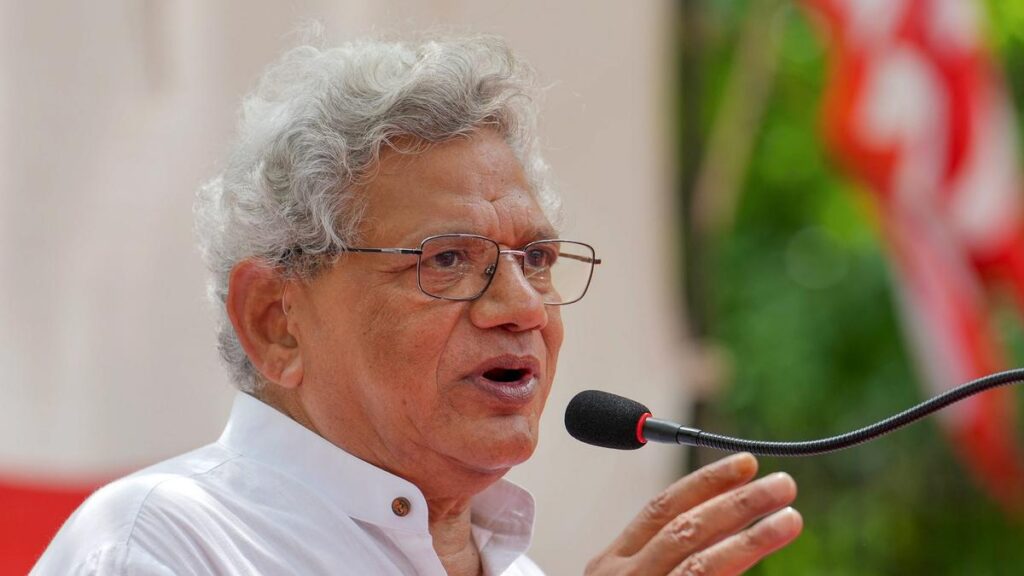
By Nitya Chakraborty The Communist Party of India (Marxist) general secretary Sitaram Yechury, who passed away on Thursday, September 12 after a fatal bout of respiratory illness at the age of 72, has left a deep void just not in the leadership of the CPI(M), but also in the functioning of the INDIA bloc, that […]

1 Innovative Product “WeMedi HK Dental Protector D2” 2 Product Offers with Attractive Discounts 3 Grand Prizes of Free Round-Trip Tickets to Saipan HONG KONG SAR – Media OutReach Newswire – 13 September 2024 – Blue, Hong Kong’s first digital life insurer, announced today that in celebration of its 6th anniversary, it is launching new product, promotions, and rewards. These include the new innovative “WeMedi HK Dental […]

Microsoft’s ambitious leap into the world of generative AI with its Copilot tool has garnered widespread attention. Positioned as an AI-powered assistant integrated into nearly all Microsoft 365 services, Copilot promises to revolutionize the way businesses operate. The company is marketing Copilot as a game-changer, boosting productivity and potentially transforming enterprise workflows. Its integration into Microsoft’s suite of products suggests a long-term commitment to AI-powered solutions. However, as Copilot’s adoption accelerates, security concerns are casting a shadow over its potential. Industry analysts and cybersecurity experts are sounding the alarm about the security vulnerabilities this generative AI assistant may introduce, especially when utilized alongside Microsoft 365.

For Microsoft, Copilot has already proven to be a substantial revenue driver. Reports of a 60% surge in sales within a single quarter show that enterprises are interested in leveraging its capabilities. The tool’s rapid expansion into organizations of all sizes highlights the growing demand for AI-driven solutions in enhancing productivity. According to Microsoft’s CEO, the growth of Copilot for Microsoft 365 has outpaced all other software launches for the office suite, an indication that businesses are embracing the potential efficiency gains. This uptake is not surprising, given the promise of Copilot to automate tasks, simplify workflows, and assist employees with complex processes.

Despite these impressive sales figures, the challenges ahead may undermine Copilot’s continued growth. Experts have flagged several security vulnerabilities that could derail its adoption, particularly for enterprise users handling sensitive data. The integration of AI into essential productivity tools opens up a host of security questions, and researchers are urging caution as organizations explore the use of Copilot in their operations. While the technology has significant upside, its security risks must be addressed to ensure long-term success.

One of the primary concerns surrounding Copilot is the nature of its access to corporate data. Given that Copilot functions as an AI assistant, it requires extensive access to company files, emails, documents, and other sensitive information stored within Microsoft 365. The scope of this access is where the security risks begin. By design, the AI needs to draw upon vast amounts of data to provide relevant and contextually appropriate assistance to users. However, this same feature could potentially open up new vulnerabilities.

The potential for misuse of this access is a major worry. Hackers, insiders, or even external parties could exploit security gaps, gaining unauthorized access to confidential information. The AI’s deep integration with core systems provides an appealing target for bad actors. This is compounded by the fact that AI systems like Copilot can be difficult to monitor. Their operation often involves learning and making decisions based on the data they interact with, making it challenging for organizations to fully control or predict their actions.

While Microsoft has stressed that Copilot’s design includes stringent security measures, including encryption and advanced threat detection, some experts remain skeptical. Security protocols that might be effective for conventional software may not fully protect systems that rely on generative AI. The sheer volume of data that Copilot processes raises additional concerns about how well security measures can keep pace. Analysts from cybersecurity firms are warning that traditional security strategies may need to evolve to address these unique risks.

There’s also concern about the risks posed by inadvertent misuse within companies. Employees using Copilot could unintentionally expose sensitive data or trigger breaches without realizing it. The AI’s ability to pull from a wide array of corporate resources means it could retrieve or expose information that should remain confidential, even if done unintentionally. Ensuring that Copilot’s access is limited appropriately and that users understand the security implications of their interactions with the AI is essential. Organizations must invest in rigorous training and develop protocols to prevent accidental data leaks or breaches.

Another layer of concern relates to how Copilot integrates with existing Microsoft 365 features. Many organizations have already invested heavily in Microsoft’s cloud services, and Copilot’s introduction adds another complex layer to their systems. This interconnectedness, while beneficial for workflow automation, creates a situation where vulnerabilities in one part of the system could compromise the entire infrastructure. If Copilot becomes an entry point for cyberattacks, the potential damage could extend across the entirety of an organization’s Microsoft ecosystem.

Gartner has added to the chorus of concerns, with warnings about the potential security challenges that enterprises could face when using Copilot in conjunction with Microsoft 365. Their assessment has caught the attention of IT professionals, some of whom are hesitant to fully embrace the technology. Despite Microsoft’s assurances that Copilot is secure, there’s a growing belief that the risk environment for AI-powered productivity tools is still evolving. Enterprises that operate in sectors requiring strict data protection standards, such as finance or healthcare, may find it particularly difficult to justify adopting Copilot without robust security guarantees.

Additionally, the complexity of generative AI introduces concerns about transparency. AI systems, by their nature, can be opaque. Their decision-making processes are often not fully understood, even by the engineers who design them. This creates a dilemma for organizations that need to ensure compliance with regulations and internal security policies. If Copilot makes a decision or provides an output that leads to a security issue, it may be difficult to trace the root cause or assign responsibility. This lack of transparency could make some organizations wary of trusting their most sensitive information to a generative AI system.

There are also issues of compliance and regulatory challenges. For companies that operate in highly regulated industries, the introduction of AI assistants like Copilot may require new compliance strategies. Questions surrounding data privacy, user consent, and cross-border data transfers could complicate the use of AI tools, particularly in regions with stringent privacy laws such as the European Union’s General Data Protection Regulation (GDPR). Companies will need to ensure that Copilot’s operation aligns with these legal frameworks to avoid regulatory pitfalls.

Microsoft, for its part, appears to be aware of these concerns and is likely working to address them. The company has a track record of adapting its security practices in response to emerging threats, and it’s reasonable to assume that they will continue to improve Copilot’s security as new risks emerge. However, until these improvements are fully realized, the apprehension surrounding Copilot’s security is unlikely to dissipate entirely.

Despite these warnings, it’s also possible that fears of Copilot’s security vulnerabilities are overstated. Microsoft has long been a dominant player in enterprise software, and its reputation for securing its platforms is strong. The company is no stranger to navigating security concerns, and its investment in AI safety and security research could lead to breakthroughs that mitigate the risks associated with Copilot. Furthermore, early adopters of Copilot may find that the productivity gains outweigh the security risks, particularly if their operations don’t involve handling highly sensitive data.

Yet, the caution expressed by cybersecurity experts and analysts cannot be ignored. The introduction of AI-powered tools like Copilot represents a significant shift in how businesses manage their data and productivity. The allure of AI-enhanced workflows is undeniable, but the accompanying security risks could be enough to slow Copilot’s momentum, especially among large enterprises that prioritize data security above all else.


HONG KONG SAR – Media OutReach Newswire – 13 September 2024 – The climate crisis is an urgent issue in today’s society. To achieve the goal of carbon neutrality by 2050, CS Tech Solution Limited (CS Tech) has taken the lead in introducing and developing carbon capture and utilization (CCU) technology tailored specifically for the Asian market. CS Tech is dedicated to developing cutting-edge technology that captures […]

SINGAPORE – Media OutReach Newswire – 13 September 2024 – SpeakIn, Asia’s largest digital platform for professional learning, has launched FindACoach, a 1:1 personalized coaching platform. SpeakIn FindACoach is the first coaching platform built for the Asian market and is committed to empowering working professionals across the region to navigate their careers. SpeakIn FindACoach brings the collective experience and expertise of Asia’s top thought leaders, subject matter […]

Check Point Software Technologies has been distinguished as a leader in the GigaOm Radar report for Security Policy as Code. The company’s recognition highlights its significant advancements in automating security policy management through code, reflecting an increasing trend towards integrating security into the development lifecycle. Security Policy as Code (SPaC) has emerged as a critical component in modern cybersecurity strategies, providing organizations with a means to define, […]

The International Digital Energy Expo 2024, held in Shenzhen, has become a key event spotlighting cutting-edge developments in smart and digital energy solutions. Drawing participants from across the globe, the expo showcases the latest in energy technology, with a strong focus on innovation, sustainability, and integration of digital solutions in the energy sector. This year’s expo has highlighted new products, partnerships, and initiatives that aim to revolutionize energy management and delivery in a world increasingly focused on carbon reduction and efficiency.

One of the primary themes of the 2024 expo has been the role of digitalization in creating more sustainable energy systems. The event features a variety of smart energy management tools, from next-generation solar panels and wind turbines to advanced AI-driven energy distribution networks. These innovations are designed to optimize the generation, storage, and consumption of energy, reducing waste and enhancing efficiency across the board. Attendees are particularly drawn to displays on smart grids, which integrate renewable energy sources with traditional power infrastructure, offering solutions to one of the biggest challenges in modern energy systems: reliability and scalability.

Digital energy innovation also extends into residential and commercial settings, with numerous companies presenting smart home and office energy systems that allow users to monitor and control their energy use through advanced apps and platforms. Devices powered by the Internet of Things (IoT) are key features at this year’s expo, enabling users to automate energy-saving strategies such as adjusting lighting and heating systems based on real-time data. This shift towards integrating smart devices in everyday energy use is being viewed as an important step toward achieving energy sustainability on a larger scale.

Another highlight of the event is the collaboration between energy companies and tech giants, particularly in the realm of artificial intelligence (AI) and big data. AI is increasingly being used to predict energy demand, optimize resource allocation, and even anticipate system failures before they occur, providing greater resilience in power grids. Leading companies are showcasing how big data analysis can streamline energy production and distribution, allowing utilities to adjust to fluctuating demands more efficiently and reduce overall operational costs.

As part of its forward-looking agenda, the expo is also hosting discussions on the intersection of energy and transport. With electric vehicles (EVs) on the rise globally, the challenge of creating infrastructure capable of supporting an all-electric future is a major focus. Exhibitors are unveiling new EV charging solutions designed to be more efficient and cost-effective, while several panel discussions address how cities can adapt to the anticipated surge in electric transportation. Some of the most notable innovations come from companies presenting wireless charging technology, which promises to further simplify the charging process for electric vehicle users.

Energy storage remains a critical issue in the push for cleaner energy. Several companies are presenting advanced battery technologies, particularly lithium-ion and solid-state batteries, which offer higher efficiency and longer life cycles compared to traditional storage solutions. Energy storage systems are seen as pivotal to balancing intermittent renewable energy sources such as wind and solar. Alongside this, hydrogen technology is gaining traction at the expo, with numerous firms showcasing hydrogen-based energy storage systems that could provide a cleaner alternative to traditional fossil fuels.

The expo isn’t solely about the technology. Experts from around the world are sharing insights into regulatory frameworks, government incentives, and public-private partnerships that can help accelerate the transition to a digital and smart energy future. Countries like China, already a global leader in renewable energy production, are seen as key players in this transition, and there is significant international interest in how policy and business are aligning to drive innovation forward. Keynote speakers emphasize the importance of global collaboration in building more resilient and sustainable energy systems, particularly as the world grapples with climate change and resource depletion.

Base Therapeutics’ AccuBase® Base Editor Receives Overseas Patent Authorization HONG KONG SAR – Media Outreach Newswire – 12 September 2024 – Base Therapeutics recently announced the completion of its A2 round financing, raising tens of millions of RMB. This round of financing was led by AEF Greater Bay Area Fund, managed by Gobi Partners GBA and will be used to strengthen Base Therapeutics’ R&D team, optimize its […]

The OPEC Fund for International Development has approved nearly US$1.2 billion in new funding aimed at advancing development initiatives across several sectors in partner countries. This substantial commitment reflects the organization’s ongoing mission to enhance socio-economic growth through financial support, specifically in areas such as agriculture, energy, and infrastructure.

The approval of this new round of funding aligns with OPEC’s broader mandate to reduce poverty and drive sustainable development. Established in 1976, the OPEC Fund operates as an intergovernmental development finance institution, providing support to low- and middle-income countries, primarily through public sector lending, private sector operations, and trade finance. Its operations span a wide range of sectors, including energy, education, health, water, and sanitation, with each project designed to meet local needs while contributing to global development goals.

Agriculture remains a key focus for the organization, which has historically provided financing to boost food security by improving rural infrastructure and supporting small-scale farmers. In this latest tranche, substantial portions of the funding will be channeled toward enhancing agricultural productivity through investments in irrigation systems and rural storage facilities. These initiatives aim to reduce hunger and promote food security, particularly in regions where agriculture plays a vital role in the local economy.

Energy projects will also see significant backing, with a focus on expanding access to sustainable and affordable energy. The OPEC Fund has been a lead partner in the United Nations’ Sustainable Energy for All initiative, which aims to provide universal access to sustainable energy by 2030. This commitment continues with new energy projects that include building and upgrading infrastructure to meet growing demand while promoting renewable energy solutions to reduce environmental impact.

Beyond agriculture and energy, transportation and infrastructure development are other priority sectors. The approved funds will support several large-scale projects aimed at enhancing connectivity and improving transportation networks. These investments, which include the construction of roads, railways, and seaports, are critical for trade facilitation and economic growth in developing countries. Improved transportation infrastructure not only boosts local commerce but also enables these nations to better integrate into the global economy.

This round of funding also underscores the OPEC Fund’s emphasis on health and education. Previous efforts by the organization in these areas have contributed to the construction and rehabilitation of hospitals, schools, and other critical public facilities. Current plans include extending support to primary healthcare programs, as well as building new health clinics and modernizing existing facilities. The ultimate aim is to enhance healthcare delivery and educational outcomes, which are essential for long-term socio-economic development.

In line with its goal of addressing social and economic inequality, the OPEC Fund will continue to focus on the needs of marginalized and vulnerable populations. This is particularly evident in the water and sanitation sector, where previous efforts have contributed to the construction of water storage, treatment, and distribution systems in underserved regions. New investments in this sector will support initiatives aimed at providing clean drinking water and safe sanitation systems to rural and urban areas alike.

The OPEC Fund’s development financing is made possible by voluntary contributions from its member countries, along with accumulated reserves from past operations. This latest round of approvals brings the total amount of development assistance provided by the organization since its inception to more than US$24 billion. With its headquarters based in Vienna, Austria, the OPEC Fund has become a critical player in global efforts to combat poverty and promote sustainable development.

Mair Group for Strategic Investments has officially launched its operations in Abu Dhabi, marking a significant step in enhancing the UAE’s economic growth and diversification efforts. The newly established venture is poised to drive innovation and strategic value across multiple sectors, including food retail, commercial real estate, and infrastructure. By providing a combination of financial backing and hands-on strategic guidance, Mair Group aims to unlock potential within […]

The President of the United Arab Emirates, Sheikh Mohamed bin Zayed Al Nahyan, and Premier Li Qiang of China have engaged in high-level discussions aimed at reinforcing their countries’ Comprehensive Strategic Partnership. This dialogue marks a significant step in deepening the bilateral ties between the two nations, reflecting their mutual interests in expanding cooperation across various sectors. During their meeting, Sheikh Mohamed and Premier Li underscored the […]

ENBD REIT, the real estate investment trust managed by Emirates NBD Asset Management, has disclosed a significant 40% decrease in its Funds From Operations (FFO) for the latest financial quarter. This sharp decline is primarily attributed to a substantial rise in provisions related to potential loan defaults and valuation adjustments.

The financial report reveals that the trust’s FFO fell to AED 28.4 million in the second quarter of 2024, down from AED 47.4 million in the previous quarter. This downturn reflects broader challenges within the real estate sector, including increased provisioning against loan impairments and a weakening of property valuations.

The provision for impairments surged to AED 18 million, compared to AED 7 million in the preceding quarter. This increase underscores growing concerns over the stability of income streams from ENBD REIT’s property portfolio, which includes a mix of commercial and residential assets across the UAE.

According to industry analysts, the heightened provisions signal a cautious outlook from ENBD REIT regarding the performance of its assets. This trend is part of a larger pattern affecting many real estate trusts in the region, driven by ongoing economic uncertainties and fluctuations in property values.

ENBD REIT’s management has emphasized that despite the current decline in FFO, the trust remains committed to its strategic objectives and operational efficiency. The team is actively reviewing its portfolio and financial strategies to mitigate risks and enhance long-term value.

The real estate sector in the UAE has faced various headwinds, including fluctuating demand and evolving economic conditions. Analysts suggest that these factors have contributed to a tightening of credit and increased scrutiny on asset valuations, which in turn affects the financial performance of REITs like ENBD.

The broader real estate market dynamics include a mixed performance across different property segments. While some areas, particularly those linked to tourism and retail, show signs of recovery, others, especially in the office space sector, continue to struggle with high vacancy rates and reduced rental yields.

As ENBD REIT navigates these challenges, the focus is shifting towards strategic asset management and cost control measures. The trust is also exploring potential opportunities for diversification and enhancing its revenue streams to counterbalance the pressures on its existing portfolio.

The downturn in FFO for ENBD REIT is part of a wider trend observed among similar investment vehicles in the region. Real estate investment trusts are increasingly grappling with the effects of economic fluctuations, regulatory changes, and market volatility, which have collectively impacted their financial stability.

In response to these pressures, ENBD REIT is expected to implement several strategic initiatives aimed at bolstering its financial position. These may include adjustments in asset management strategies, enhancements in operational efficiencies, and a focus on acquiring high-yield assets that can provide more stable income streams.

The trust’s latest financial performance underscores the importance of adaptive strategies in a challenging economic environment. Investors and stakeholders will be closely monitoring how ENBD REIT manages its asset portfolio and provisions in the upcoming quarters to gauge its resilience and potential for recovery.

VISHNU RAJA
RYO YAMADA
HITORI GOTOH
IKUYO KITA