News related to
across

HANGZHOU, CHINA – Media OutReach Newswire – 22 November 2024 – As the 2024 World Internet Conference Summit opened in Wuzhen, Zhejiang province on November 20, showcasing China’s latest achievements in artificial intelligence and digital technology, a foreigner who has called China home for 15 years witnessed firsthand how one particular technology – 5G – is revolutionizing everyday life in this eastern province. Yegor Shyshov, who has […]

Demand for diversified services and strategic investments are significantly driving the expansion of businesses in the Gulf Cooperation Council (GCC) region, setting a course for sustained economic growth. Efforts to localize supply chains, foster digital transformation, and promote infrastructure development are key contributors to this dynamic growth landscape. Strategic sectors such as technology, real estate, healthcare, and tourism have emerged as focal points for investments. Countries like […]

Masdar, the UAE’s leading renewable energy company, has forged a strategic partnership with China’s Silk Road Fund to advance a series of renewable energy projects. This collaboration is expected to boost global efforts in sustainable energy development, with a particular focus on wind and solar energy initiatives. By combining Masdar’s expertise in renewable energy with the Silk Road Fund’s financial capacity, the partnership is poised to drive […]

Lulu Group International has reported a remarkable leap in profits for the third quarter, marking a significant milestone in the company’s financial journey following its initial public offering (IPO). The group, known for its retail and wholesale operations across the Middle East and Asia, saw its profit more than double compared to the same period last year. This surge in earnings is the first after Lulu’s IPO, […]

A company and its director based in Abu Dhabi have been penalized with a hefty fine of Dh118,500 for engaging in fraudulent activities involving the falsification and concealment of documents. The legal case, which has attracted attention from both local and international business communities, underscores the serious ramifications of corporate dishonesty in the UAE.

The Abu Dhabi Economic Department (ADED) acted on a complaint alleging that the company, identified as a prominent player in the sector, had been involved in fabricating financial and operational records to mislead authorities and stakeholders. The director, who was accused of orchestrating the fraudulent acts, was also held accountable for failing to comply with regulatory standards, putting the company’s operations and the integrity of its industry in jeopardy.

The fine imposed is a reflection of the UAE’s commitment to maintaining a robust regulatory environment for businesses. UAE authorities have been keen to enforce corporate governance and ensure that enterprises adhere to legal frameworks that protect consumers, investors, and the market as a whole. Falsification of documents is considered a serious breach of trust, and the legal consequences for those involved can be far-reaching, affecting not only financial outcomes but also the reputation of companies and their leaders.

Experts suggest that this case serves as a stark reminder of the increasing scrutiny that businesses face in the region. With the UAE positioning itself as a global business hub, it has been tightening regulations on corporate behavior to attract foreign investment and ensure market transparency. The country’s legal framework has evolved over the years, placing more emphasis on corporate responsibility and ethical practices.

The incident came to light after an audit conducted by the ADED revealed discrepancies in the company’s financial and operational documentation. According to sources close to the investigation, the falsified records were intended to present an inflated image of the company’s profitability and operational scale. These actions were not only illegal but also placed investors at significant risk, as the fraudulent documents misrepresented the actual performance of the business.

The investigation also uncovered that the director had personally instructed staff to alter the documents, and in some cases, to completely conceal crucial financial transactions. This led to a violation of several sections of the UAE’s Commercial Companies Law, which requires businesses to maintain accurate records for transparency and accountability. The penalties for such offenses are designed to act as a deterrent to others considering similar actions.

The company in question, which operates in the manufacturing sector, has faced significant backlash from both industry regulators and the public. While the ADED’s investigation was thorough, some experts argue that the legal framework surrounding corporate accountability could still be more robust in tackling such cases before they escalate to this extent. Calls for stronger preemptive checks and balances have emerged, as businesses strive to align with international standards.

Local legal professionals have pointed out that the case highlights the ongoing trend of increased vigilance within the UAE’s regulatory environment. The government has made significant strides in updating its corporate laws to address issues like document falsification and other fraudulent activities. However, experts agree that a collaborative effort between regulatory bodies, businesses, and investors is essential to maintaining transparency and trust across the market.

The fine imposed on both the company and its director is one of the largest of its kind in the sector, and it serves as a warning to other firms operating in the UAE. As more businesses seek to expand their presence in the region, compliance with legal requirements and ethical standards is becoming increasingly critical.

The ADED’s decision has been widely supported by industry observers who emphasize the importance of fostering an environment where businesses operate with integrity. The fine also underscores the UAE’s zero-tolerance policy toward corporate fraud, with authorities signaling that they will continue to enforce strict penalties for those found guilty of engaging in unethical or illegal activities.

This development has brought to light the need for enhanced corporate governance in the UAE, particularly as the country continues to attract a wide array of international businesses. The regulatory landscape is expected to evolve further as authorities continue to refine policies and measures aimed at ensuring accountability and transparency within the business community.

For companies operating in the UAE, this case serves as a stark reminder that maintaining proper documentation and adhering to legal standards are not just ethical obligations, but essential to the sustainability and growth of their businesses. As the global business environment becomes more interconnected, the repercussions of failing to meet regulatory standards can extend beyond national borders, impacting relationships with international partners and investors.

Egypt and the United Arab Emirates have entered into a series of agreements aimed at boosting their renewable energy collaboration. These deals, announced during a high-level diplomatic visit, underscore the strengthening economic partnership between the two nations. With both countries prioritizing energy transition strategies, the agreements could play a crucial role in achieving their sustainability and energy security goals.

The signing ceremony, held in Cairo, marks a significant milestone in the growing economic cooperation between the two nations, particularly in the renewable energy sector. Under the terms of the deals, the UAE will contribute both expertise and financial support to help Egypt accelerate its renewable energy initiatives. The projects will focus on solar and wind energy, aligning with Egypt’s broader objective to increase its renewable energy capacity in the coming decades.

The partnership is built on a foundation of shared strategic interests in energy security and sustainability. Egypt has set ambitious targets to generate 42% of its energy from renewable sources by 2035, with a particular emphasis on expanding its solar and wind energy capacities. Meanwhile, the UAE, which has been a leader in the renewable energy space through investments such as the Masdar energy initiative, is eager to bolster its influence in the Middle East and North Africa (MENA) region by supporting Egypt’s green energy transition.

Egypt, located at the crossroads of Africa and the Middle East, offers vast opportunities for renewable energy investments due to its geographic advantages, including abundant sunlight and wind potential. As part of the deal, the UAE’s energy firms will help finance and develop large-scale solar parks, as well as offshore wind farms along Egypt’s Mediterranean coastline. These ventures are expected to enhance Egypt’s energy export potential, particularly to Europe, which has shown increasing interest in diversifying its energy supply sources in light of current geopolitical tensions.

The strategic importance of this collaboration is further underscored by the fact that it comes amid global energy shifts. As countries around the world work toward meeting climate change goals, many have turned their attention to renewable energy as a key pillar of energy security. For both Egypt and the UAE, this agreement represents a significant step toward achieving their respective goals of reducing dependence on fossil fuels, creating green jobs, and positioning themselves as leaders in the global renewable energy market.

Both nations have been active participants in the global push to combat climate change. The UAE has been a strong advocate for decarbonization and played a leading role in the 2023 COP28 climate summit, which took place in Dubai. Egypt, on the other hand, hosted the COP27 summit in Sharm El Sheikh in 2022, focusing on solutions for sustainable development and advancing renewable energy technologies. This shared commitment to environmental stewardship is expected to deepen their collaborative efforts in the years to come.

The Egyptian government has expressed optimism that these agreements will bring not only energy transformation but also broader economic benefits. By expanding its renewable energy capacity, Egypt aims to create jobs, boost foreign direct investment, and reduce its energy import dependency. Additionally, the projects could help Egypt manage its growing energy demands as the population expands and industrial development accelerates.

The UAE’s role in these developments is also seen as a key element in its strategy to diversify its economy beyond oil and gas. With the UAE’s heavy investments in clean energy technologies, the country is positioning itself as a regional leader in the green energy revolution. Through Masdar, one of the UAE’s leading renewable energy companies, the country has been actively involved in solar and wind energy projects across the globe. By partnering with Egypt, the UAE is not only extending its energy portfolio but also reinforcing its influence in one of the region’s largest economies.

Both Egypt and the UAE have set ambitious goals for their renewable energy initiatives. Egypt has a target to generate 20 gigawatts of renewable energy by 2025, and it is currently one of the largest producers of solar energy in the MENA region. Meanwhile, the UAE has invested heavily in technologies such as carbon capture and storage, green hydrogen production, and nuclear energy, with plans to become a global leader in clean energy innovation.

The deals are also expected to benefit local communities in Egypt by providing much-needed infrastructure, skills development, and employment opportunities. As Egypt continues to expand its renewable energy sector, the demand for technical expertise and local labor is expected to rise. Both Egyptian and UAE officials have emphasized the importance of creating long-term, sustainable benefits for the local workforce, including vocational training and capacity-building programs.

Energy cooperation between Egypt and the UAE is not limited to just these renewable energy projects. Both countries have also been discussing potential collaborations in other sectors, such as agriculture, water management, and technology. These efforts are part of a broader economic strategy aimed at fostering deeper ties between the two nations, which share strong trade relations and mutual interests in advancing economic growth and regional stability.


Three senior Bank of America executives in India have stepped down amid an internal investigation into alleged irregularities in equity market dealings. Debasish Purohit, co-head of investment banking in India; Subhrajit Roy, managing director and head of global capital markets for India; and Vikram Khaitan, director of investment banking, are reportedly at the center of this inquiry.

This probe underscores potential governance and compliance concerns, prompting significant changes within the leadership of one of the largest foreign banks operating in the Indian financial ecosystem. The investigation appears to focus on equity market transactions handled under the purview of these executives, but specific details about the alleged wrongdoing remain undisclosed. Bank of America has so far declined to comment on the situation.

Debasish Purohit, a seasoned investment banker with decades of experience, has been integral to Bank of America’s operations in the region. Similarly, Subhrajit Roy, a prominent figure in India’s capital markets, has held leadership roles at multiple global banks, contributing to major transactions across the corporate landscape. Vikram Khaitan’s expertise further bolstered the bank’s strategic advisory functions, making these departures significant for the institution’s operations in the country.

Advertisements

US authorities are investigating allegations of bribery involving the Adani Group, focusing on whether its founder Gautam Adani or entities linked to the conglomerate engaged in improper practices to secure benefits on energy projects. The probe, led by the US Department of Justice and the Eastern District of New York, aims to determine if payments were made to officials for favorable treatment. The allegations center on the renewable energy sector, including Azure Power Global, a company associated with Adani’s network.

This investigation has reignited discussions around the Quebec-based Caisse de dépôt et placement du Québec’s (CDPQ) dealings with Adani. CDPQ, one of Canada’s largest pension funds, already faced challenges with its $150 million investment in Azure Power, a venture that faltered after governance and compliance issues surfaced. The fund has expressed concern over the deteriorating investment, which once symbolized a push toward renewable energy but has now become a source of embarrassment.

The Adani Group, a key player in India’s energy and infrastructure sectors, has consistently denied wrongdoing. In response to the ongoing US inquiry, the group stated that it was unaware of any such investigation, maintaining its position that the company abides by the highest standards of compliance. The company also faces allegations from the Hindenburg Research report published earlier this year, accusing Adani entities of stock manipulation and accounting fraud, allegations which the conglomerate has strongly denied.

The unfolding situation adds further strain on CDPQ, whose strategic investments in developing economies aimed at boosting sustainable energy initiatives have come under fire. Critics argue that due diligence in such high-stakes markets requires more robust frameworks to mitigate risks tied to governance challenges. Meanwhile, the Adani Group’s broader operations, spanning ports, energy, and agriculture, are being closely scrutinized globally amid calls for greater corporate transparency.

The implications of the US investigation could significantly impact Adani’s international reputation and investor confidence. As regulatory oversight tightens, the group’s ability to attract foreign investment, critical for its expansion plans, may face hurdles. Observers highlight that the outcomes of such probes could set a precedent for multinational operations in emerging markets, emphasizing the need for stringent ethical compliance.

The developments underline the interconnected nature of global finance, where the consequences of allegations against one entity reverberate across continents, affecting public institutions and private stakeholders alike. As CDPQ and Adani grapple with these challenges, the case serves as a cautionary tale about navigating complex, high-growth environments with greater vigilance.

HANOI, VIETNAM – Media OutReach Newswire – 22 November 2024 – By capitalizing on its first-mover advantage, Vincom Retail has had a profound impact on Vietnamese leisure culture. Over the past two decades, the company has demonstrated significant growth through a tripartite strategy: expanding its footprint, diversifying its retail real estate formats to cater to a wide range of consumer needs, and continuously pioneering to stay ahead. […]

PayPal users across the globe were met with frustration as the platform faced a significant outage, causing disruptions to transactions and access to accounts. Reports indicate that users encountered issues logging into their accounts and completing payments, with many voicing their concerns on social media platforms about the impact on both personal and business transactions. The outage, which reportedly affected multiple PayPal services, left users unable to […]

Russia has announced the deployment of a hypersonic ballistic missile in the ongoing conflict with Ukraine, a move that Moscow claims is a direct response to Western military aid, including U.S. and British weaponry. President Vladimir Putin stated that this advanced missile system was launched during intensified fighting, marking a significant escalation in the conflict. This development comes against the backdrop of continued Russian missile strikes across […]

Political divisions are increasingly shaping public health outcomes, creating barriers to effective healthcare and widening disparities across communities. The interplay between ideological and partisan identities has significant consequences on health policies, behaviors, and outcomes, as seen during the COVID-19 pandemic and beyond.

Polarization occurs when societal opinions, beliefs, or interests split into opposing extremes. This trend has grown over decades in the United States, fueling challenges in addressing public health crises. Researchers Shana Kushner Gadarian, Jay J. Van Bavel, Eric Knowles, and Kai Ruggeri highlight these impacts, emphasizing the urgent need to mitigate the health risks tied to political polarization.

The COVID-19 pandemic exemplified how political affiliations influence health behaviors. Data from 2020 to 2021 showed that individuals who supported Donald Trump were less likely to adopt recommended measures such as mask-wearing and social distancing. This partisan divide extended to vaccination rates, resulting in significantly higher COVID-19-related death rates among Republican voters compared to Democrats.

The research underscores that polarization doesn’t just influence individual behavior—it also stymies public health policymaking. When political leaders prioritize partisan interests over evidence-based strategies, essential compromises become elusive. The aftermath of the Affordable Care Act’s passage revealed this dynamic, with Republican voters less inclined to enroll in the program despite its benefits. Similarly, legislative battles over abortion rights and Medicaid expansion highlight how political divides obstruct progress on crucial health initiatives.

State-level policies further exacerbate health inequities. In the U.S., states with more liberal policies, such as Medicaid expansion, stricter tobacco regulations, higher minimum wages, and tighter gun control, tend to see better health outcomes and longer lifespans. Conversely, conservative-leaning states often resist such measures, leading to poorer health outcomes. This growing divide reflects the broader implications of polarization on individual and community well-being.

Polarization also hinders local governments’ ability to enact health policies. As state-level leaders increasingly preempt local regulations, measures such as paid sick leave, minimum wage adjustments, and firearm safety laws face significant hurdles. This limits the effectiveness of public health strategies and exacerbates disparities between states.

At an individual level, polarization can erode trust in healthcare systems and experts. People with strong partisan identities are more likely to reject contradictory information, even when it pertains to critical health risks or preventive measures. This resistance can lead to lower rates of flu vaccinations, unhealthy dietary choices, and reluctance to seek medical care.

The researchers also observed a link between extreme political beliefs and poorer physical and mental health outcomes. Individuals who align more ideologically with the extremes, compared to their state’s average voter, tend to experience worse overall health. These findings suggest that extreme partisanship not only divides communities but also harms individual well-being.

SINGAPORE – Media OutReach Newswire – 22 November 2024 – Wine enthusiasts in Singapore can embark on a global wine adventure at Wine Connection’s Wine Tasting Fair 2024. Held on November 23rd and 24th at the Wine Connection Bistro @ Robertson Walk, the two-day event offers a chance to explore over 170 wines from across the globe, including exclusive sneak peeks at the upcoming 2025 New Collection. […]

BANGKOK, THAILAND – Media OutReach Newswire – 22 November 2024 – Michelin, world-leading manufacturer of life-changing composites and experiences, welcomed international media to its two-day Asia Pacific Media Event at Michelin’s Talent Campus, located in Chon Buri, Thailand. The event focused on the theme “Innovating for a Sustainable Future” and Michelin’s dedication to innovation and sustainability, outlined through its All-Sustainable Strategy: People X Profit X Planet. MICHELIN […]

U.S. Securities and Exchange Commission (SEC) Chair Gary Gensler has confirmed plans to step down on January 20, 2025, coinciding with the inauguration of President-elect Donald Trump. Gensler’s tenure, initially set to conclude on June 5, 2026, will end prematurely, paving the way for the incoming administration to appoint a new leader at the regulatory body.

Gensler, who has led the SEC since 2021, championed an ambitious agenda focusing on regulatory reforms, including a contentious approach to cryptocurrency oversight. Under his leadership, the SEC expanded its regulatory purview, initiating high-profile enforcement actions against major crypto firms and tightening disclosure requirements across various industries. These measures sparked debates about their impact on innovation and market dynamics, drawing both praise and criticism from stakeholders.

The decision to step down aligns with historical patterns in the SEC, where chairs often resign following a change in administration. Speculation surrounding Gensler’s departure intensified after Trump’s electoral victory, with reports indicating internal discussions about his successor. Potential candidates for the role include former SEC Commissioner Paul Atkins, ex-CFTC Chair Heath Tarbert, and Robinhood’s Chief Legal Officer Dan Gallagher. Each brings a unique perspective to regulatory policy, potentially signaling a shift in the SEC’s strategic priorities under new leadership.

Trump’s administration is expected to prioritize deregulation, particularly in the financial and technology sectors. This approach contrasts with Gensler’s tenure, which emphasized stringent compliance measures and consumer protections. Industry analysts anticipate that the forthcoming appointment will significantly influence the direction of securities regulation, particularly regarding emerging technologies and digital assets.

Featuring Hong Kong’s first ink art carnival InkFinity Fair with a blend of interactive games and art engagements HONG KONG SAR – Media OutReach Newswire – 21 November 2024 – UOB Art Academy and UOB Hong Kong are pleased to announce the return of the “UOB Art in Ink Festival” (Festival), Hong Kong’s premier ink art celebration, running from 13 to 29 December 2024 at the West […]

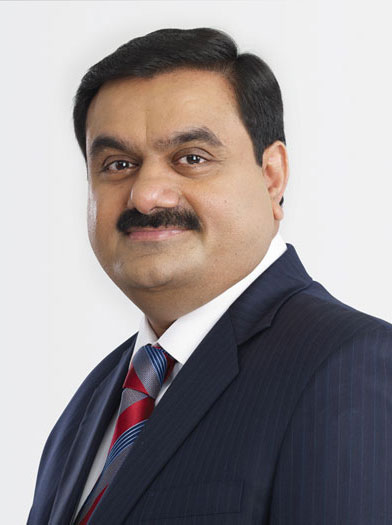
Billionaire Gautam Adani, head of the Adani Group, is under investigation in the United States for alleged involvement in a multibillion-dollar bribery scheme. U.S. authorities have indicted the mogul, accusing him of orchestrating fraudulent activities tied to his global business empire. This investigation has already led to the cancellation of a major bond deal, further compounding the challenges for Adani, whose conglomerate had faced mounting scrutiny over financial practices and corporate governance in recent years. The charges are part of an ongoing effort by U.S. regulators to target global corruption networks with cross-border implications.

The controversy surrounding Adani has sparked international concern, with the group’s complex web of operations spanning multiple sectors, including infrastructure, energy, and logistics. In light of the charges, the financial community has reacted swiftly, with investors and stakeholders reassessing the risks involved in partnering with the Adani Group. Additionally, the cancellation of the bond deal highlights the growing caution among international financiers in relation to the conglomerate’s financial stability.

Authorities are examining multiple aspects of the group’s operations, particularly those involving alleged illicit financial transactions. The investigation centers on whether Adani, along with other key figures within his organization, utilized corrupt practices to secure key business deals across the globe. These actions, if proven, would violate both U.S. anti-bribery laws and international standards of corporate conduct.

OPPO Find X8 and Find X8 Pro launched in global markets Find X8 Series delivers ultra-grade cameras, performance and battery life ColorOS 15 debuts on Find X8 Series with cutting-edge OPPO AI JAKARTA, INDONESIA – Media OutReach Newswire – 21 November 2024 – OPPO, the world’s leading smart device brand, today announced the global availability of its Find X8 and Find X8 Pro flagship smartphones. Each delivers […]

EdgeNebula, an innovative player in the data center sector, is setting a new benchmark for facility transformation by converting underutilized or abandoned spaces into state-of-the-art AI data centers in a mere two months. This rapid turnaround is part of the company’s strategic vision to address the surging demand for artificial intelligence infrastructure and data processing capabilities. With over a century of combined experience in the field, EdgeNebula’s […]

Cologix, a leading provider of network-neutral interconnection and hyperscale edge data centers across North America, has announced a $7 billion investment to build an advanced AI-ready data center campus in Central Ohio. This major development marks a significant step toward enhancing the region’s digital infrastructure, catering to the rising demand for high-performance computing needed by artificial intelligence (AI) technologies.

The company plans to establish the expansive campus near Johnstown, Ohio, strategically positioning it within the region’s burgeoning tech ecosystem. The decision to invest in this project comes at a time when the demand for AI services, cloud computing, and data storage is reaching unprecedented levels. According to Cologix, the facility will be designed to meet the growing needs of businesses operating at the forefront of digital transformation, including AI-driven enterprises.

A key element of the investment will be the development of state-of-the-art data center facilities capable of handling vast amounts of computational power. The campus will feature cutting-edge infrastructure, including high-density compute facilities, advanced cooling solutions, and secure power systems to support AI applications. As AI technologies demand more robust and efficient computing resources, the facility is expected to become a vital component of the region’s technological landscape.

Cologix’s decision to choose Central Ohio as the site for its new AI-ready data center campus comes amidst a broader push by the state to foster its tech industry. The Ohio government has been actively working to attract technology investments, with initiatives aimed at developing infrastructure to support the evolving needs of the digital economy. Cologix’s project aligns with these efforts, positioning Ohio as a key player in the nation’s rapidly expanding tech ecosystem.

The new facility will cater to the needs of a wide range of industries, from cloud service providers to content delivery networks and enterprise customers who are increasingly adopting AI solutions. This includes the growing demand for infrastructure that can support machine learning, large-scale data processing, and the development of sophisticated AI models. The move also supports the broader trend of tech companies seeking to establish AI-optimized environments to accelerate their research and development efforts.

The data center campus will be designed with scalability in mind, allowing for rapid expansion as demand for AI infrastructure continues to rise. This forward-thinking approach is particularly important in the context of AI’s rapid evolution, which requires facilities that can accommodate new technological advancements and the increasing computational requirements of AI models. Cologix’s investment is seen as a response to these trends, signaling the company’s commitment to providing cutting-edge infrastructure for AI-driven enterprises.

The Ohio campus is also expected to bring significant economic benefits to the local community. The development of the data center will create thousands of construction jobs in the short term, followed by long-term employment opportunities once the facility is operational. The presence of a major tech infrastructure hub in the region could also spur additional investments in the local economy, particularly in related sectors such as telecommunications, cybersecurity, and AI research.

Cologix has been expanding its presence across North America, with a focus on providing interconnection services that enable seamless communication between networks, cloud platforms, and other digital infrastructure. The company’s data centers are known for their reliability, security, and scalability, making them ideal for hosting AI applications that demand high levels of performance and uptime.

AI is increasingly seen as a transformative force across industries, driving innovations in healthcare, finance, logistics, and beyond. As businesses continue to integrate AI into their operations, the need for specialized data center facilities that can support these technologies will only grow. Cologix’s investment in Ohio reflects this demand, positioning the company as a key player in the development of AI-optimized infrastructure.

The $7 billion investment also reflects Cologix’s commitment to sustainability, with the company emphasizing its plans to incorporate green energy solutions and environmentally friendly practices into the design and operation of the new data center. This commitment to sustainability aligns with broader trends in the tech industry, where companies are under increasing pressure to reduce their environmental impact while maintaining the high levels of performance required by AI applications.

Saudi Aramco and its Chinese partner, Rongsheng Petrolem, have signed a pivotal agreement to expand the Sasref refinery, a key asset in the Kingdom’s petrochemical sector. The deal, valued at billions of dollars, marks a significant milestone in both companies’ strategic ambitions to bolster refining capacity and enhance the downstream oil and gas value chain. Sasref, located in Saudi Arabia’s Eastern Province, has long been a vital […]

Oil companies are intensifying their investments in biofuels as governments and industries move toward cleaner energy alternatives. Major players in the oil sector, including BP, Shell, and ExxonMobil, are expanding their biofuel production capabilities in response to a global push for decarbonization. These companies are positioning biofuels as a key component of their strategies to reduce carbon emissions while meeting the surging demand for cleaner energy solutions […]

The rise of stablecoin adoption in Africa has sparked a surge of digital economic activity, with US-based crypto startups leading the charge. This financial shift is largely driven by increasing demand for stable, blockchain-backed currencies that offer a hedge against inflation and volatility, a feature that aligns with the continent’s unique economic challenges. Stablecoins have become a critical tool in enhancing financial inclusion, particularly for underserved populations and markets traditionally excluded from the global financial system.

Several US companies are at the forefront of this movement, offering accessible platforms that enable seamless cryptocurrency transactions across the continent. For example, companies like Yellow Card and other crypto exchange platforms have seen exponential growth in the region, facilitating cross-border payments and enabling users to store wealth in a more stable digital format compared to local currencies that are susceptible to inflation.

Between 2021 and 2022, Africa witnessed a staggering 1200% surge in cryptocurrency adoption, with stablecoins playing a pivotal role in this transformation. As the most widely used digital assets in many African nations, stablecoins provide a vital service by offering an alternative to traditional financial systems that many Africans find inaccessible. These cryptocurrencies are typically pegged to stable assets, like the US dollar, which helps shield users from currency devaluation. They have proven particularly useful for businesses and individuals looking to avoid the risks associated with rapidly fluctuating fiat currencies.

One of the key drivers behind the adoption of stablecoins in Africa is their use in remittances. With millions of Africans living abroad, remittances from the diaspora constitute a significant portion of the continent’s GDP. Traditional money transfer services often charge high fees and can be slow. However, stablecoins allow for nearly instant transfers with minimal fees, making them an appealing alternative for both senders and recipients.

The push for adoption is also supported by local cryptocurrency exchanges, like Yellow Card, which provide users with easy access to stablecoins. According to industry leaders, platforms that embrace stablecoins are able to tap into the growing demand for faster, cheaper, and more reliable digital payments. Furthermore, the integration of blockchain networks like Solana has also helped in reducing transaction fees and increasing the speed of transfers, making stablecoins even more accessible.

Despite the optimism, challenges remain, particularly regarding regulatory frameworks. While some African governments have embraced digital currencies and cryptocurrencies, others have imposed restrictions, complicating the regulatory environment. This has led to a fragmented landscape where the adoption of stablecoins varies significantly across countries. Some countries, such as Nigeria and South Africa, have shown proactive engagement, creating pilot projects and regulations that balance innovation with consumer protection. However, the lack of standardized regulations across the continent continues to pose a challenge.

Education also plays a crucial role in ensuring the success of stablecoin adoption. Many African users are still unfamiliar with how cryptocurrencies work, and a lack of awareness can be a barrier to widespread adoption. To address this, companies like Yellow Card have launched educational initiatives, such as the Yellow Card Academy, which provides free resources to help users understand digital currencies and blockchain technology. These programs aim to foster greater trust in stablecoins and expand the knowledge base, empowering individuals to make informed decisions about their finances.

A milestone decision has been reached by Gulf Cooperation Council (GCC) financial regulators, setting a framework for streamlined fund passporting within the bloc. This move is poised to enhance market integration and facilitate cross-border investments among member states. The announcement follows deliberations during the 29th meeting of the GCC Committee of Heads of Financial Market Authorities, underlining a collective aim to boost the region’s financial landscape.

The approved framework includes detailed passporting regulations designed to ease the registration of investment funds, enabling them to operate seamlessly across GCC markets. By adopting a unified approach, member states aim to attract international investors, create competitive opportunities for local fund managers, and strengthen the region’s position as a financial hub. The framework represents a critical step in fostering economic collaboration and reducing barriers to capital flow in the Gulf.

Authorities emphasized the significance of this framework in promoting transparency, improving operational efficiency, and aligning with global financial practices. They underscored that the initiative aims not only to streamline processes for fund managers but also to ensure investor protection through standardized regulatory oversight. By harmonizing regulations, the GCC markets are expected to enhance their collective appeal to institutional investors and global asset managers.

The passporting mechanism will allow funds licensed in one GCC state to be marketed in others without the need for separate approvals in each jurisdiction. This system mirrors successful models in regions like the European Union, which has demonstrated the benefits of regulatory alignment for mutual fund operations. Industry analysts predict that the GCC’s adoption of such a mechanism could significantly boost regional fund performance and attract higher levels of foreign direct investment.

Market participants have expressed optimism about the move, viewing it as a catalyst for growth in the asset management industry across the Gulf. The alignment of regulatory practices is expected to lower operational costs, reduce duplication of efforts, and enhance market efficiency. Fund managers stand to benefit from simplified procedures, while investors are likely to gain access to a broader range of investment opportunities within the region.

This development comes against the backdrop of ongoing efforts by GCC nations to diversify their economies and reduce reliance on oil revenues. The region has been investing heavily in financial sector reforms, infrastructure, and technology to create a more conducive environment for economic growth. Fund passporting is seen as an integral part of these reforms, aiming to stimulate capital markets and support the broader objectives of economic integration.

Implementation of the framework is expected to be phased, with member states aligning their domestic regulations to the new standards over the coming months. Industry experts believe that a successful rollout will depend on effective coordination between regulatory bodies and market players, ensuring that the framework’s benefits are realized without compromising market stability.

The GCC’s financial authorities have highlighted their commitment to addressing challenges and refining the framework as needed to meet evolving market demands. Regular consultations with stakeholders are planned to ensure the initiative remains responsive to industry trends and investor needs. This collaborative approach is anticipated to foster trust and confidence among market participants, paving the way for greater regional financial integration.

VISHNU RAJA
RYO YAMADA
HITORI GOTOH
IKUYO KITA