News related to
drone

SINGAPORE – Media OutReach Newswire – 7 November 2024 – Held at the Grand Hyatt Taipei on 13 September, the much-anticipated Asia Pacific Enterprise Awards (APEA) 2024 Taiwan recognized many leading companies and entrepreneurs for their success and excellent leadership. The APEA is Asia’s premier awards recognition program promoting outstanding entrepreneurship, bringing together top entrepreneurs, and fostering networking between various industries. Alljack Technologies, Inc. was among the […]

ABU DHABI, UAE – Media OutReach Newswire – 7 November 2024 – The Zayed Sustainability Prize, the UAE’s pioneering award for sustainability and humanitarianism, has announced 33 finalists for innovative solutions to global challenges from 5,980 submissions across 156 countries. These innovators leverage AI and advanced tech to address carbon capture, sustainability, and essential access to clean energy, water, food, and healthcare. Winners will be announced at […]

EDGE Group, a key player in the UAE’s defense and advanced technology sector, has entered into a strategic partnership with Italian shipbuilding giant Fincantieri to develop next-generation underwater solutions. This collaboration, announced in a series of formal statements, seeks to combine the strengths of both companies to advance the development of cutting-edge maritime technology. The joint venture is expected to significantly bolster both nations’ defense capabilities and […]

Eight fatalities have been confirmed following Israeli airstrikes in the Lebanese city of Sidon, with officials fearing that the death toll may rise further. The attacks, occurring amid ongoing tensions between Israel and Hezbollah, are reported to be the deadliest in Sidon since the resurgence of conflict over a year ago. Residents and local authorities have described the bombings as devastating, leading to significant destruction in the […]

HONG KONG SAR – Media OutReach Newswire – 18 October 2024 – Promoting high-quality development and expanding Hong Kong’s capacity for economic growth are core elements of the 2024 Policy Address, announced (October 16) by John Lee, Chief Executive of the Hong Kong Special Administrative Region. “Hong Kong is striving to become an international innovation and technology (I&T) centre by promoting the upgrading and transformation of traditional […]

Plans to enhance India’s maritime defense have taken a significant step forward with the announcement of the construction of two nuclear-powered submarines and the acquisition of 31 long-range drones. This move aims to bolster India’s strategic deterrence and address regional security concerns, particularly in the context of rising tensions with China.

The estimated investment for this defense initiative is around 350 billion rupees, equivalent to approximately $4.2 billion. Senior officials, familiar with the defense procurement process, confirmed that this decision aligns with India’s broader efforts to modernize its armed forces and enhance its naval capabilities.

The construction of the submarines will take place at the prestigious Hindustan Shipyard Limited in Visakhapatnam. This shipyard has been instrumental in India’s defense manufacturing capabilities and represents a significant leap forward in the country’s indigenous defense production. By building these submarines locally, India aims to reduce its dependence on foreign defense technology and strengthen its self-reliance in defense manufacturing.

The nuclear submarines, equipped with advanced stealth technologies, will enhance India’s strategic deterrent capability. These vessels will allow for prolonged underwater operations, significantly increasing the reach and flexibility of India’s navy in the Indian Ocean Region (IOR). Experts believe that the introduction of nuclear-powered submarines will provide India with a credible second-strike capability, thereby strengthening its position in regional security dynamics.

In addition to the submarines, the procurement of 31 US-made long-range drones marks another critical aspect of this defense strategy. These drones are designed for reconnaissance and surveillance operations, enhancing India’s intelligence-gathering capabilities. The drones are expected to operate alongside the Indian Navy’s existing fleet, providing real-time situational awareness in crucial maritime areas.

This procurement follows a series of high-level discussions between India and the United States, aimed at deepening defense cooperation and fostering greater interoperability between the two countries’ armed forces. The introduction of these drones is seen as a vital component of India’s efforts to modernize its military infrastructure and improve its capabilities in the face of emerging threats.

India’s decision to enhance its naval capabilities comes amid escalating tensions in the Indo-Pacific region. China’s growing assertiveness in the South China Sea and its expanding naval presence have raised concerns among its neighbors, including India. In response, India has been actively working to strengthen its defense partnerships with like-minded countries, such as the United States, Japan, and Australia, as part of the Quadrilateral Security Dialogue (Quad).

India’s commitment to strengthening its naval capabilities reflects a broader trend among nations in the region to invest in advanced military technologies. Countries such as Japan and Australia have also announced plans to enhance their naval forces in response to regional security challenges, underscoring the strategic importance of maritime security in the Indo-Pacific.

The move to construct nuclear submarines and acquire long-range drones aligns with India’s defense policy, which emphasizes a proactive approach to safeguarding its national interests. Defense experts argue that these developments will enable India to project power more effectively in the Indian Ocean, where it faces challenges from not only China but also from non-state actors engaged in maritime terrorism and piracy.

India’s push to develop indigenous defense capabilities has been a longstanding objective of the government. Initiatives such as “Make in India” aim to promote domestic defense manufacturing and reduce reliance on imports. The new submarines and drones are expected to incorporate advanced technologies and systems developed by Indian defense research organizations, further enhancing the country’s technological prowess.

As India embarks on this ambitious defense program, it will face challenges related to cost overruns, project timelines, and technological integration. Successful execution will depend on collaboration between various stakeholders, including the government, defense contractors, and research institutions. Additionally, ensuring the timely delivery of these submarines and drones will be critical to meeting the operational needs of the Indian Navy.

A prominent quantum computing firm has secured a $54.5 million contract with the U.S. Air Force Research Laboratory (AFRL), marking a significant step in the evolution of defense and quantum technologies. The partnership highlights the growing interest from defense sectors in quantum computing capabilities, signaling a broader commitment to integrating cutting-edge technologies into military applications. The deal involves advanced research and development aimed at harnessing quantum computing’s […]

Advertisements

Israeli Defense Forces (IDF) have initiated a ground offensive into southern Lebanon, focusing on military targets associated with Hezbollah. This operation, named “Northern Arrows,” aims to dismantle the militant group’s capabilities along the border and follows two weeks of airstrikes against Hezbollah positions. The escalation is a direct response to perceived threats to Israeli civilians, particularly following a series of rocket attacks that have heightened tensions in […]

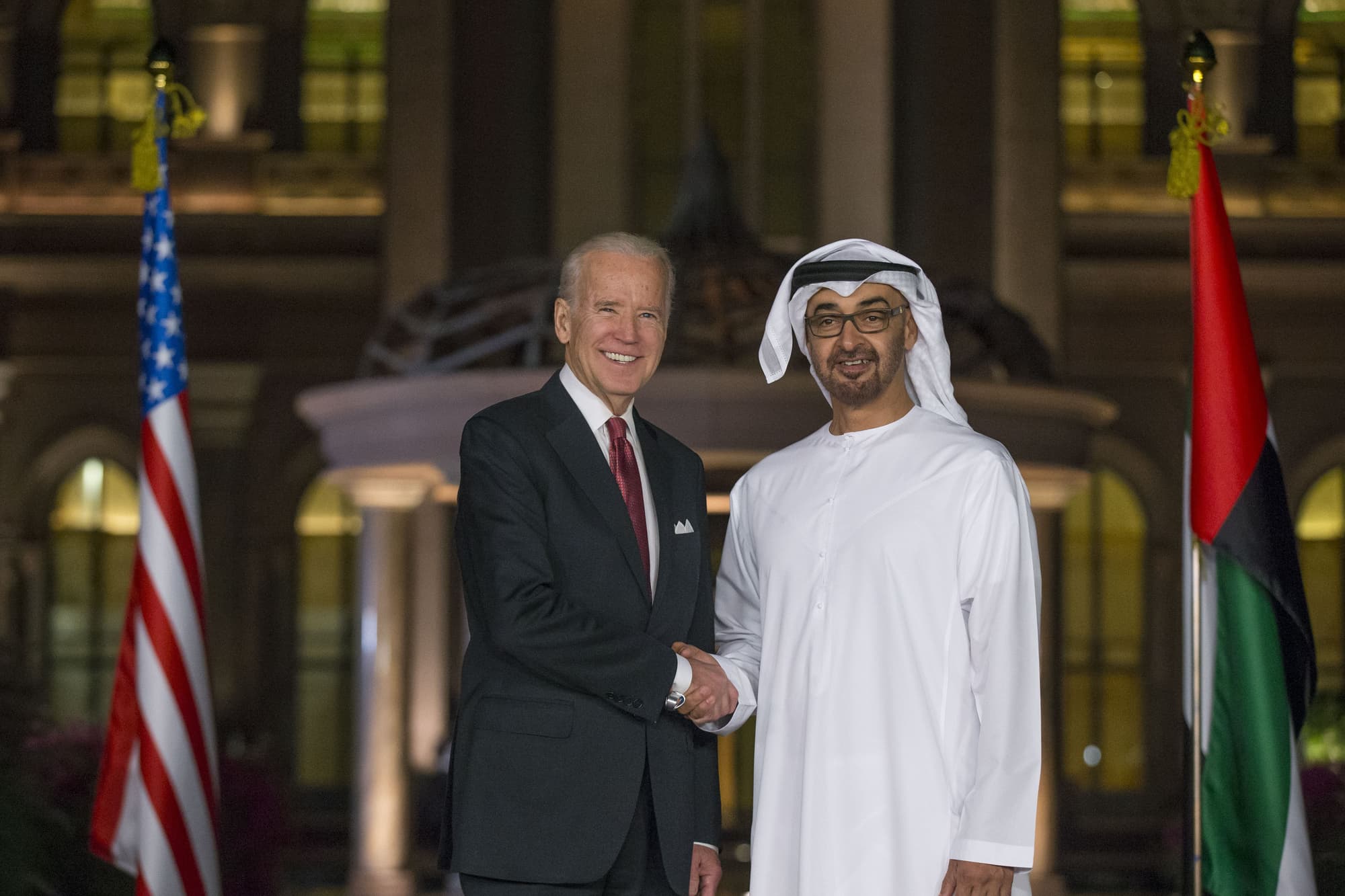
President Joe Biden has officially designated the United Arab Emirates as a major defense partner of the United States, solidifying the nation’s strategic role in the region. This move comes shortly after a similar designation was awarded to India, underscoring Washington’s efforts to build stronger alliances with Gulf and South Asian powers in the face of shifting global security dynamics. The announcement marks a significant step in US-UAE relations, enhancing defense cooperation and reaffirming the UAE’s importance in American military strategy.

The decision highlights the UAE’s evolving role as a critical player in regional security. With this designation, the UAE joins a select group of countries that enjoy preferential treatment when it comes to military cooperation with the United States. The relationship allows for greater access to advanced defense technology, streamlined military sales processes, and deeper intelligence collaboration. These developments come amid ongoing efforts by the US to recalibrate its security commitments in the Middle East, pivoting towards nations capable of contributing more significantly to their own defense.

Biden’s formal recognition of the UAE as a defense partner builds on decades of close military ties between the two nations. The UAE has long been a hub for US military operations in the region, hosting troops and serving as a staging ground for operations in neighboring conflict zones. The move is also seen as part of Washington’s broader strategy to reinforce its influence in the Gulf, where rising geopolitical tensions and the involvement of foreign powers like Russia and China continue to shape the security landscape.

For the UAE, this designation is not merely symbolic. It solidifies the nation’s status as a regional security leader and elevates its position on the global stage. It also provides the UAE with more direct access to sophisticated US defense systems, which will be critical in enhancing its defense capabilities amidst growing concerns over missile threats and other regional challenges. The UAE has long sought to upgrade its military arsenal, focusing on cutting-edge technology such as advanced fighter jets and missile defense systems. This new designation could accelerate these procurements, allowing for a faster, more seamless process.

The US government has been increasingly focused on forging deeper security ties with countries it sees as vital to countering both state and non-state actors. The UAE has been a crucial partner in US-led efforts to combat terrorism and ensure maritime security in the Gulf, particularly through its involvement in anti-piracy and anti-smuggling operations. The nation’s strategic location and military infrastructure have made it an indispensable ally in addressing threats posed by extremist groups and hostile states in the region.

Meanwhile, this development coincides with broader geopolitical shifts, as the US grapples with its role in a multipolar world. The Biden administration’s defense policy has focused on reducing its military footprint in some traditional hotspots while doubling down on partnerships that bolster regional security autonomously. The designation of both the UAE and India as major defense partners reflects a recalibrated approach to ensuring stability through cooperation, rather than direct military involvement.

The strategic importance of the UAE extends beyond the Middle East. Its influence in Africa, Central Asia, and the Indian Ocean region makes it a key player in a wider arc of geopolitical interests. With major global powers vying for influence in the Middle East, Washington’s decision to deepen its defense ties with Abu Dhabi also signals its intention to counter growing Russian and Chinese influence. China’s Belt and Road Initiative and increasing arms sales to Gulf countries, including the UAE, are clear indicators that the region is a key battleground for global influence.

The UAE’s defense relationship with the United States has grown in complexity in recent years. The two nations have regularly conducted joint military exercises, and the UAE has made substantial purchases of US-made defense equipment, including F-16 fighter jets, missile defense systems, and advanced drones. More recently, the UAE has expressed interest in acquiring next-generation US fighter jets, including the F-35, as part of its efforts to enhance its military edge. The partnership also extends to counterterrorism operations, where the two nations collaborate closely in intelligence sharing and tactical support to neutralize extremist threats.

The decision to elevate the UAE’s status comes against the backdrop of broader regional realignments. The Abraham Accords, which normalized diplomatic relations between the UAE and Israel, have reshaped the strategic landscape of the Middle East, offering new opportunities for cooperation between key US allies. This trilateral relationship between the US, UAE, and Israel is likely to deepen in the defense sphere, with potential collaborations in areas like missile defense and cybersecurity.

At the same time, the UAE faces growing security concerns closer to home. The conflict in Yemen, where the UAE has been heavily involved, continues to pose risks to regional stability. Iranian-backed Houthi rebels have launched missile and drone attacks against UAE infrastructure, raising the stakes for Abu Dhabi’s defense posture. The new designation from Washington could pave the way for more robust US support in addressing such threats, with the potential for more advanced defense systems aimed at countering missile and drone attacks.

US defense experts have praised the move, calling it a logical step in strengthening bilateral ties with a trusted partner in the Gulf. They argue that bolstering the UAE’s defense capabilities is not only in the interest of regional stability but also aligns with the US strategy of building self-reliant regional security partners. The UAE’s growing military spending and its focus on modernizing its armed forces further bolster the case for Washington’s decision.


BEIJING, CHINA – Media OutReach Newswire – 18 September 2024 – At the recent 2024 China International Fair for Trade in Services, the “Cultural Tourism Services” exhibition booth of the Beijing Economic-Technological Development Area (also known as Beijing E-Town) in Hall 9 of the Shougang Park captured attention with its strong “tech vibe.” Covering approximately 136 square meters, the booth was divided into three sections: “Technology Leading […]

A groundbreaking trial in London is about to reshape how blood samples are transported between hospitals, using drones to streamline the process. The six-month project, a collaboration between the National Health Service (NHS), drone service provider Apian, and technology firm Wing, aims to improve medical logistics by reducing delivery times for blood samples. This initiative is set to begin within weeks at Guy’s Hospital and St. Thomas’ […]

Chinese scientists have reportedly leveraged SpaceX’s Starlink satellite network to detect stealth aircraft, raising questions about the military implications of commercial satellite technologies. Through a method known as forward scatter radar detection, researchers claimed they could track stealth jets like the F-22 and F-35 using electromagnetic signals from Starlink. The experiment simulated the detection using a drone with radar properties similar to those of advanced fighters. However, critics emphasize that the technology remains far from military readiness, requiring significant development before practical applications can be considered.

The research team, from the Chinese State Radio Monitoring Centre, used off-the-shelf components to analyze Starlink signals despite restrictions on their access in China. Their work relied on disturbances in the satellite-ground transmission caused by an object, like an aircraft, passing through. This detection method creates a radar-like effect using non-military technology, which could bypass traditional anti-jamming systems.

By P. Sudhir It is sixteen months since the ethnic conflict erupted in Manipur. Over 250 people have been killed and many more injured during the violence and 60,000 people remained displaced and living as refugees. The central government and the BJP state government have abjectly failed to address the basic issues, which led to […]

Tensions between major global powers are escalating as intelligence reports reveal a concerning deepening of military ties between Iran and Russia. Central Intelligence Agency (CIA) Director William Burns has highlighted that Iran is poised to significantly increase its support for Russia by potentially supplying ballistic missiles to aid Moscow’s ongoing conflict in Ukraine. This move, according to Burns, could represent a “dramatic escalation” in the level of […]

The Internet of Things (IoT) market is set to experience exponential growth over the next decade, with projections estimating its value will soar to $5.33 trillion by 2032, according to industry forecasts. This surge is driven by technological advancements, increasing cloud adoption, and a steady rise in wireless networking capabilities, making IoT an integral part of modern industries and day-to-day life. Research highlights a compound annual growth […]

Arabian Post Staff -Dubai Leaked images of the retail packaging for the DJI Air 3S have sparked speculation about an imminent release. The unexpected preview of the drone’s box suggests that DJI, a leader in the consumer drone market, may be preparing to unveil its latest model sooner than anticipated. The DJI Air 3S, anticipated as a successor to the Air 2S, has generated significant buzz among […]

One of Ukraine’s F-16 fighter jets was downed while attempting to repel a large-scale Russian missile and drone attack earlier this week, marking the first loss of the U.S.-supplied aircraft since its introduction into the Ukrainian arsenal. The incident has sparked significant concern within Kyiv’s military leadership and resulted in the dismissal of the country’s air force commander, Lt. Gen. Mykola Oleshchuk.

The crash occurred amid an intensifying wave of Russian assaults across various regions of Ukraine. Although the exact cause of the crash remains under investigation, there have been unverified claims that the F-16 may have been mistakenly hit by a Patriot air-defense system. Ukrainian authorities have not confirmed this scenario, but the allegation has already led to heightened tensions within the Ukrainian government and military.

In a swift response, President Volodymyr Zelenskyy removed Oleshchuk from his position, citing the need to enhance the protection of military personnel and ensure stronger command-level decisions. Lt. Gen. Anatolii Kryvonozhko was appointed as the acting air force commander, with immediate tasks focused on reviewing the incident and maintaining operational effectiveness amidst the ongoing conflict.

The crash highlights the fragile balance in Ukraine’s efforts to counter Russia’s aerial superiority. While the introduction of F-16s from European allies has been hailed as a significant boost to Ukraine’s air capabilities, military analysts caution that these aircraft alone cannot drastically alter the course of the war. The Russian air force, backed by sophisticated defense systems, remains a formidable challenge, as evidenced by this latest loss.

On the ground, Russian forces have continued their offensive in eastern Ukraine, while Ukrainian troops strive to hold strategic positions. The F-16 crash underscores the broader difficulties faced by Kyiv in its efforts to sustain a robust defense against a well-equipped adversary.

Meanwhile, Russia’s attacks have also led to significant civilian casualties. A bombing raid on the northeastern city of Kharkiv resulted in the deaths of six people, including a 14-year-old girl, and left dozens wounded. Ukrainian officials argue that such attacks could be mitigated if Western partners further relaxed restrictions on the use of donated weapons, allowing Ukrainian forces to target Russian military assets more effectively.

As investigations into the F-16 crash continue, the incident serves as a stark reminder of the risks inherent in modern warfare and the complexities of coordinating an international coalition in support of Ukraine’s defense efforts. The outcome of this investigation could influence future military strategies and the deployment of critical air assets as Ukraine navigates its path through the ongoing conflict.

The downing of the F-16 and the subsequent shake-up in military leadership represent a critical moment in the war, highlighting both the challenges of integrating new technology into a warzone and the ongoing determination of Ukraine to adapt and respond to evolving threats.

SINGAPORE – Media OutReach Newswire – 30 August 2024 – Vizzio Technologies Pte Ltd has been awarded a groundbreaking patent by the United States Patent and Trademark Office (USPTO), marking a significant milestone in the field of 3D city mapping. This world-first patent recognises Vizzio Technologies for its innovative integration of 2D satellite imagery and state-of-the-art AI technology to produce highly detailed and geometrically accurate 3D city […]

HEFEI, CHINA – Media OutReach Newswire – 30 August 2024 – “Smart Manufacturing, Creating a Better Future” — the 2024 World Manufacturing Convention is scheduled to take place from September 20 to September 23 in Hefei, Anhui Province, China. This year’s convention will focus on the new stage of development, fully embracing new development strategies, and integrating into the global economic landscape. The convention aims to establish […]

More than 60 Expert Speakers Explore the Innovative Future of AI Driven Entertainment Industry HONG KONG SAR – Media OutReach Newswire – 19 August 2024 – The annual Digital Entertainment Leadership Forum 2024 (DELF 2024), organised by Cyberport concluded successfully yesterday. The three-day event featured rich programmes including industry forums, experiential zones, workshops, and competitions, attracting over 3,500 participants from both local and international regions, and garnered […]

Unveiling the Innovative Potential of AI and Web 3.0 Exploring the Innovative Future of Digital Entertainment and Smart Living HONG KONG SAR – Media OutReach Newswire – 16 August 2024 – The Digital Entertainment Leadership Forum (DELF) 2024, Cyberport’s flagship event has officially kicked off today. The ceremony was officiated by guests of honour including Paul Chan, Financial Secretary of the HKSAR Government; Lillian Cheong, Under Secretary […]

QUZHOU, CHINA – Media OutReach Newswire – 14 August 2024 – Aug. 15 of this year marks China’s second National Ecology Day. Across the country, various forms of ecological conservation education activities have been carried out recently, aiming to enhance the awareness of ecological protection among the entire society. Primary evergreen broadleaf forest in Qianjiangyuan Located in the eastern part of China, Zhejiang Province is home to […]

HONG KONG SAR – Media OutReach Newswire – 8 August 2024 – The annual Digital Entertainment Leadership Forum (DELF) 2024, organised by Cyberport, will be held from August 16 to 18 at the Cyberport campus. This year’s theme is “Imaginary Fairground: AI-Powered Entertainment in the Web 3.0 Era”. The event will feature industry forums, experiential zones, workshops, and competitions, allowing attendees to immerse themselves in a vibrant […]

Tensions between Israel and Hezbollah have reached a critical point, significantly affecting daily life in Lebanon. Over the past few days, Israeli airstrikes targeted multiple Hezbollah positions in southern Lebanon, including the villages of Maifadoun and Khiam. These strikes have resulted in the deaths of several Hezbollah members and disrupted the lives of civilians living nearby.

On Tuesday, Israeli warplanes carried out strikes on Hezbollah military bases in Yaroun and Kfarkela, which the Israeli Defense Forces (IDF) stated were used for terrorist activities. This response came after Hezbollah launched a series of drone and rocket attacks into northern Israel, injuring 19 Israelis in the city of Nahariya and causing substantial property damage. The IDF intercepted several of these drones and rockets, but not all, leading to civilian casualties and heightened fear among residents.

The current wave of violence was triggered by the assassination of Ismail Haniyeh, a prominent Hamas leader, in Tehran. This event, coupled with the killing of Hezbollah’s military commander Fuad Shukr in Beirut, has escalated the conflict. Iran has vowed retaliation, increasing the regional stakes and bringing more uncertainty to Lebanon’s already fragile state.

Hezbollah has been conducting regular attacks on Israeli border communities and military posts, citing support for Gaza amid the ongoing conflict with Hamas. These skirmishes have resulted in significant casualties on both sides. The IDF has reported the deaths of 25 civilians and 18 soldiers, while Hezbollah has acknowledged the loss of 399 members, mostly in Lebanon. Additionally, numerous civilians and operatives from other militant groups have also been killed.

Lebanon’s infrastructure and economy, already struggling, are further strained by this ongoing conflict. The continuous airstrikes and retaliatory attacks have disrupted daily activities, causing fear and uncertainty among the Lebanese population. The border regions are particularly affected, with residents facing constant threats to their safety and livelihoods.

The international community has expressed concern over the escalating violence, urging both sides to seek diplomatic solutions. However, with the cycle of retaliation and defense firmly in place, achieving peace remains a challenging prospect. The potential for a broader regional conflict looms large, with implications that could extend far beyond the immediate area.

In light of these developments, Lebanon finds itself at a crossroads, grappling with the immediate consequences of the conflict while seeking a path towards stability. The resilience of its people and the effectiveness of international diplomatic efforts will be crucial in navigating this tumultuous period.

The situation remains fluid, with new developments occurring rapidly, and the region bracing for further escalations. The impact on Lebanon’s socio-economic fabric is profound, with the specter of war casting a long shadow over its future.

VISHNU RAJA
RYO YAMADA
HITORI GOTOH
IKUYO KITA
Just in:
A Better Start, Ready for the Day: Green SM Elevates the Urban Mobility Experience in the U.S. // Mumbai to host global blockchain leaders at November conference // High Court opens toddy shop jobs to women // ZJLD Group Returns to Hong Kong Wine & Dine Festival 2026 // US intelligence suspects Megaspeed executive of Chinese espionage // Polymarket restores trading after third-party security breach // Anchored in Data Sovereignty, the Engagement Enables the Legal Sector to Adopt Generative AI Safely and Confidently // Lancet researchers seek global health emergency recognition for climate // Binance estimates $6.3 billion impact from security breach // Lancet researchers seek global health emergency recognition for climate // 10 CENTS CAPITAL Completes US$20 Million Financing and Sets Out a Phased Deployment Plan // UK competition watchdog examines Meta publisher contract terms // Strategy drives listed companies’ Bitcoin holdings to 1.3 million // 10 CENTS CAPITAL Completes US$20 Million Financing and Sets Out a Phased Deployment Plan // Lancet researchers seek global health emergency recognition for climate // Hill’s Enhances Cat and Dog Food with Prebiotics to Support Senior Pet Health in Hong Kong // Lancet researchers seek global health emergency recognition for climate // PSC probe closes in on chief // Crown Workspace wins Gold and special Trinity recognition at HR Vendors of the Year Awards 2026 // US intelligence suspects Megaspeed executive of Chinese espionage //