News related to
drone

Poland activated air defences and scrambled fighter jets after drones from Russia crossed into its airspace during overnight strikes on Ukraine, with the military confirming it used weapons to neutralise targets. The Operational Command said Polish airspace was “repeatedly violated by drone-type objects” and described an ongoing operation to identify and destroy them. Authorities placed ground-based systems and radar on maximum alert while Polish and allied aircraft […]

ORDOS, CHINA – Media OutReach Newswire – 8 September 2025 – From September 16 to 17, 2025, the 10th Kubuqi International Desert Forum will convene in Ordos, Inner Mongolia Autonomous Region. Recently, reporters visited the Kubuqi Desert to investigate desertification control measures. Seen from the air, 196,000 solar panels stretch across the Kubuqi Desert in a striking horse-shaped mosaic, while on the ground, visitors to Chaideng Village, […]

European leaders face mounting urgency to address critical deficiencies in their defence structures as uncertainty surrounds the reliability of U. S. backing. Many capitals hold onto hope that Donald Trump will honour his pledged security guarantees for Ukraine, even though concrete commitments remain vague. Europe’s Defence Gaps Expose Growing Reliance on U. S. Support captures the mounting tension between Europe’s persistent reliance and its growing intent to […]

Emergency crews are fighting a serious fire that has engulfed the upper floors of a nine-storey mixed-use building at the former BBC Television Centre on Wood Lane, White City. Around 100 firefighters attended the site by mid-morning on Saturday, joined by 15 fire engines and two 32-metre turntable ladders used as water towers. A drone team is aiding the operation by providing aerial oversight, while a rest […]

Saudi authorities have tested drone delivery of postal parcels in Jeddah, a pivotal move in modernising logistics and postal services. The General Authority of Civil Aviation and the Transport General Authority, backed by Dr Rumaih Al-Rumaih, Vice Minister of Transport and Logistic Services and Acting President of TGA, led the operation on Thursday, 4 September 2025. Saudi Drone Parcel Trial Signals Smarter Logistics encapsulates this milestone in eight purposeful words.

The trial, overseen by GACA and TGA, was executed under updated aviation safety regulations aligning with international standards such as those of ICAO and EASA, ensuring rigorous oversight of drone operations. GACA managed aviation-related protocols while TGA handled regulatory and legislative support for the postal sector.

Dr Al-Rumaih described the drone operation as a breakthrough that will “open new horizons” for expanding delivery services and fostering innovative logistics solutions in line with national digital transformation goals. Meanwhile, GACA’s Executive Vice President for Aviation Safety and Environmental Sustainability, Captain Suleiman Al-Muheimidi, said the trial heralds faster, greener, and more advanced delivery methods.

This initiative forms part of the Kingdom’s Vision 2030 strategy to boost transport efficiency, shorten delivery times, and integrate technology into everyday life. Authorities emphasised that advanced drone deployment promises safer, quicker, and more sustainable parcel delivery across the country.

The Kerala Aviation Summit has commenced in Kochi, bringing together industry leaders, policy makers, and investors to discuss the future of the aviation sector in the region. The event, inaugurated by Kerala’s Chief Minister, marks a significant step in the state’s efforts to position itself as a key player in India’s aviation industry.

Held at the state-of-the-art convention centre, the summit aims to attract both domestic and international investments while fostering innovation and sustainable growth in aviation. This year’s theme focuses on investment opportunities, the impact of new technologies on air travel, and the evolving aviation policy landscape. The event is expected to serve as a platform for discussion on the challenges and opportunities faced by the aviation sector, particularly in the context of global economic shifts and environmental concerns.

State authorities are keen to highlight Kerala’s strategic advantages for aviation growth. With its extensive coastline and proximity to international shipping routes, the state has long been an important transit point for both passengers and cargo. In recent years, Kerala’s airports have seen significant upgrades, positioning them to handle increased passenger traffic. The summit’s discussions will likely explore ways to further leverage these infrastructure improvements, including the role of private-public partnerships in expanding airport capacity and enhancing services.

Aviation experts gathered at the summit emphasised the need for a more robust policy framework that supports both air travel expansion and environmental sustainability. Experts have pointed out that despite the growth in air traffic, India’s aviation sector continues to face challenges, including fuel price volatility, regulatory hurdles, and a shortage of skilled workforce. The summit will feature panel discussions on these issues, with a particular focus on how Kerala can address these challenges to remain competitive in the rapidly evolving aviation landscape.

The event is also expected to showcase emerging technologies that are shaping the future of air travel. Innovations in electric and hybrid aircraft, along with developments in drone technology, will be a key talking point. Aviation companies and technology firms are increasingly exploring these new technologies as part of efforts to reduce the carbon footprint of the aviation industry. Kerala’s government is keen on integrating these advancements into its aviation strategy, aiming to create a sustainable aviation ecosystem that can meet the demands of a growing population while minimising environmental impact.

The summit is anticipated to have far-reaching effects on Kerala’s economy, with key players from the aviation industry looking to expand their presence in the state. This could include the establishment of new flight routes, further investment in airport infrastructure, and the growth of aviation-related businesses. Additionally, experts believe that the state’s focus on tourism and infrastructure will serve as a catalyst for more investment in regional airports, providing a vital boost to local economies.

The Kerala Aviation Summit also provides a platform for the state government to promote its aviation policies. In recent years, Kerala has introduced several initiatives aimed at reducing the cost of air travel, such as subsidies for airlines operating in regional airports. The state’s aviation policy is expected to evolve in response to emerging trends and changing market conditions, including growing demand for air travel in smaller cities and towns.

While much of the discussion will centre around investment, infrastructure, and policy, the summit will also highlight the need for enhanced training and education in the aviation sector. As the industry grows, there is a growing demand for a skilled workforce, from pilots and ground staff to engineers and air traffic controllers. The Kerala government is already working to meet this demand, with initiatives to develop training centres and promote aviation-related courses in local educational institutions.

By Nitya Chakraborty The prospects of arriving at a peace agreement between Ukraine and Russia to end the nearly three and half year old war have brightened after the Monday meeting of President Donald Trump with the Ukraine President Volodymyr Zelensky at the White House in the presence of the major European government heads. As […]
Advertisements

Dubai Police has added an Audi RS7 to their renowned luxury vehicle fleet, further enhancing their ability to patrol the city in style. The new addition is part of the force’s continuous strategy to maintain a cutting-edge, effective, and visually striking presence on the streets.

This high-performance sports sedan, known for its bold design and advanced technology, is not just a fast patrol car but also a symbol of Dubai’s commitment to innovation. With a 4.0-litre V8 engine that delivers 591 horsepower, the Audi RS7 can reach speeds exceeding 190 mph, making it an impressive tool for rapid response to emergencies.

Equipped with the latest in automotive technology, the RS7 comes with adaptive cruise control, a virtual cockpit, and a range of high-tech sensors designed to optimise the driving experience and enhance the vehicle’s performance during patrols. The inclusion of this car is a significant upgrade to the Dubai Police fleet, which already features luxury models like the Lamborghini Aventador and the Ferrari FF.

While the new Audi RS7 will serve its primary function as a high-speed pursuit vehicle, it is also designed to make a strong visual statement. The sleek lines of the car, along with its distinctive police livery, ensure that it is not just a functional asset but a powerful presence on Dubai’s roads.

The vehicle’s addition comes as part of Dubai’s broader approach to using advanced technology in law enforcement. The city’s police force has long been at the forefront of adopting futuristic tools, from drones to cutting-edge surveillance systems. With a history of utilising high-end vehicles for patrol, Dubai Police’s decision to integrate the Audi RS7 further reinforces the city’s status as a global leader in both innovation and public safety.

The luxury fleet serves multiple purposes. Not only does it offer superior performance for rapid response and high-speed chases, but it also projects a strong image of modernity and strength. For the city that is known for its extravagant skyline and technological innovations, the vehicles used by law enforcement need to mirror the forward-thinking ethos that characterises Dubai.

As part of Dubai’s broader strategy, the police department has also made considerable investments in eco-friendly and electric vehicles. This transition is in line with Dubai’s goal to become a global hub for green technology. The police force’s vehicle fleet includes hybrid and electric models, balancing the need for high performance with sustainability. While the Audi RS7 itself is a petrol-powered sports car, its inclusion is indicative of the continued diversity in the types of vehicles within the fleet.

Dubai is set to become the first city globally to introduce a commercial air taxi service, marking a significant milestone in the evolution of urban mobility. This groundbreaking move follows the successful completion of full-scale test flights by US-based Joby Aviation, a company leading the development of electric vertical takeoff and landing aircraft. The service is planned to roll out in 2026, making Dubai a frontrunner in […]

dnata has introduced six autonomous electric baggage tractors at Dubai World Central – Al Maktoum International Airport, marking a pioneering shift in airport ground operations. The EZTow tractors, designed by TractEasy, tow up to four baggage containers at speeds near 15 km/h, operating at Level 3 autonomy under limited human oversight. By early 2026 the system is set to upgrade to Level 4 self-driving capability. The AED 6 million rollout seeks to enhance […]

Emergency crews have paused operations in Kerr County today following a new surge of torrential rain across Central Texas that renewed flood risks and prompted evacuations. Authorities withdrew search teams from river corridors, citing a high likelihood of flash flooding. The decision came as weather alerts signalled up to two inches of rainfall per hour in parts of Kerrville and along the Guadalupe River, overwhelming swollen tributaries […]

Arabian Post Staff -Dubai French defence and technology group Thales is deepening its strategic footprint across the Gulf by advancing plans to build a radar production facility in Saudi Arabia and an AI research centre in the UAE. At the Paris Airshow, Pascale Sourisse, senior executive vice‑president of international development at Thales, confirmed discussions on expanding a joint venture with Saudi Arabian Military Industries beyond radar systems […]

By Nantoo Banerjee The techniques of traditional warfare seem to be fast changing. Attack drones are increasingly playing a significant role in military aggression alongside missiles. The 12-day Israel-Iran war and the ongoing Russia-Ukraine battle showed how devastating the role of drones in modern wars is. In one of the most daring attacks, Ukraine said […]

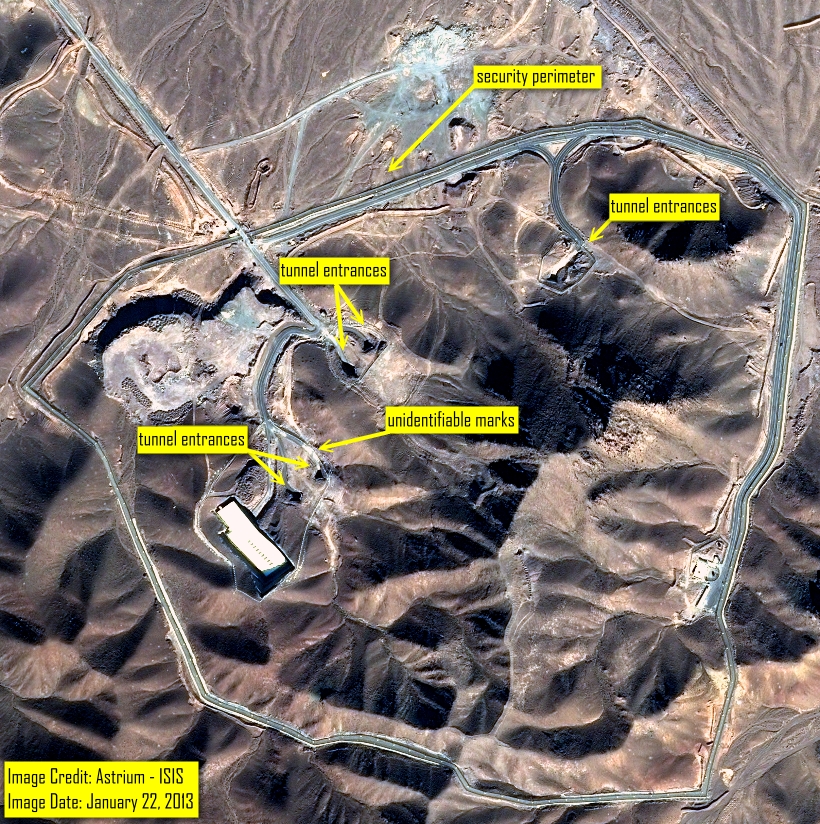
A U.S. intelligence assessment indicates that the air strikes on Iran’s nuclear facilities, including Fordow, Natanz and Isfahan, have damaged above-ground structures and access points but left underground enrichment infrastructure and uranium stockpiles largely undisturbed. The report by the Defence Intelligence Agency projects only a temporary setback—measured in months—to Iran’s nuclear programme, challenging assertions by the White House that the sites were “totally obliterated”.

Satellite imagery released after the strikes on 22 June shows craters and blocked entrances at Fordow, where bunker-busting Massive Ordnance Penetrators reportedly hit ventilation shafts, yet analysts emphasise that the subterranean halls housing centrifuges lie too deep to evaluate via overhead visuals. WMD experts note that centrifuges are “extremely vibration-sensitive”, suggesting potential internal damage, but absent on-site inspection, the extent remains uncertain.

The United Nations nuclear watchdog, the International Atomic Energy Agency, has urged renewed inspections at the sites. Director-General Rafael Grossi told an emergency Board of Governors session that significant underground damage was plausible, yet only rigorous inspections can confirm impact and assess stockpiles of enriched uranium, including the 400 kg of material enriched to 60 percent purity.

The DIA report also confirms that Iranian authorities pre-positioned crucial nuclear materials and equipment prior to the air campaign. High-resolution satellite images captured extensive vehicle activity—bulldozers, trucks and sealed tunnel exits—on 19–21 June, indicating a deliberate evacuation of enriched uranium and centrifuges. Analysts speculate this operation undercut the campaign’s intended impact, preserving Iran’s capacity to resume enrichment and reconstitution of its nuclear programme with comparative ease.

The White House disputes the DIA’s findings. Press Secretary Karoline Leavitt described the intelligence leak as “flat‑out wrong”, citing the precision of the bombing campaign and reiterating President Trump’s declaration of a “perfectly executed mission” and “total obliteration” of Iran’s nuclear infrastructure. Similarly, the Pentagon backs the President, contending that USAF and Navy strikes, featuring B‑2 stealth bombers flying 37‑hour missions deploying MOPs, decisively hit their targets.

Despite official optimism, several non-proliferation experts question whether the attacks achieved strategic success. David Albright, president of the Institute for Science and International Security, asserted that while imagery suggests severe impact at Fordow, conclusive assessment requires internal access. Jeffrey Lewis and other analysts emphasise that intact uranium stockpiles, even if held at other sites, provide Iran with a largely intact nuclear baseline.

The conflict has escalated beyond the nuclear dimension. Intermittent Iranian missile and drone fire has targeted U.S. and allied bases in the wider Middle East, prompting a U.S.-brokered ceasefire between Iran and Israel, while global oil prices fluctuated amid tensions.

IAEA technical teams have not yet been able to return to the sites. Grossi reminded parties that uninterrupted oversight is essential for both verifying the damage and ensuring no material has been diverted for weapons purposes. Iran has not formally objected to future inspections, although parliamentary figures have suggested curbs on IAEA activity if international hostility continues.

Assessment of long‑term outcomes remains contested. Pro‑strike voices argue that disrupting operations, even temporarily, imposes significant costs on Iran’s programme architecture. Critics warn that such tactics could drive Tehran’s nuclear scientific talent further underground or accelerate development of redundant facilities.

Meanwhile, intelligence officials and non‑proliferation authorities emphasise that blunts, quarterly backtracking cannot substitute for diplomacy. Restoring negotiations with Iran, potentially via intermediaries including the IAEA, remains the keystone for ensuring non‑weaponisation and preventing recurrence.

The DIA characterises damage as limited to “core components and stockpiles”—an interpretation not aligned with politically driven portrayals of mission success. As conflict fatigue weighs on global observers, the effectiveness of military action in halting nuclear proliferation faces renewed scrutiny.

Donald Trump proclaimed a full ceasefire between Israel and Iran on Monday, marking what he described as the end of a “12‑day war” that forced millions from Tehran and sparked grave fears of escalation. He posted on Truth Social that Iran would halt its operations at midnight ET, followed by Israel twelve hours later, culminating in a 24‑hour cessation of hostilities.

Trump touted the move as a diplomatic breakthrough, congratulating “both Countries, Israel and Iran, on having the Stamina, Courage, and Intelligence to end” the conflict. He asserted that the agreement was brokered in discussions with Prime Minister Netanyahu and through U.S. envoys in dialogue with Tehran, with Qatar playing a key intermediary role.

Iran’s foreign minister, Abbas Araghchi, echoed that Tehran’s forces stood down at 4 a.m. Tehran time if Israel ceased its attacks by then, though he clarified that a final decision on halting military operations was pending. Israel’s military has yet to formally acknowledge the ceasefire, and missile alerts and strikes were still reported over Tel Aviv, Beersheba and the Golan Heights in the hours following the announcement.

The conflict began on 13 June when Israel launched airstrikes on Iran’s nuclear and military infrastructure, including sites near Natanz, Isfahan and Tehran. That response, which Israeli authorities described as necessary to counter an alleged Iranian march towards nuclear weapons capability, included the destruction of centrifuge material and the deaths of senior Iranian military figures and nuclear scientists. Iran retaliated with waves of missiles and drones aimed at Israeli territory; Israel intercepted many of them, but civilian casualties were reported in Beersheba and Tel Aviv.

The conflict widened when the United States joined with bunker‑buster strikes on Iranian underground nuclear facilities over the weekend, prompting Iran to retaliate by targeting the U.S. air base at Al Udeid in Qatar. The attack caused no casualties, and Trump later thanked Iran for the “early notice,” calling it a “very weak response”.

Though Trump dismissed European diplomatic efforts as ineffective, he warned that U.S. involvement remained a distinct possibility if Iran escalated further, positioning American strikes solely against nuclear targets. Internal Israeli pressure also rose; Prime Minister Netanyahu reportedly instructed ministers to refrain from public commentary as military activity approached a pause.

Humanitarian fallout during this period has been acute. Over 650 Iranians have died, according to Iranian health data, including civilians, and over 200 Israeli military and civilian fatalities have been reported. Tehran saw large-scale evacuations as power and internet access faltered.

International bodies raised alarms over the bombardment of nuclear facilities. The International Atomic Energy Agency cautioned against striking enrichment sites due to risks of radiological contamination. Legal experts also voiced concerns that the strikes on civilian infrastructure—including hospitals and residential neighborhoods—could constitute violations under international humanitarian law.

Despite the ceasefire declaration, uncertainty remains. Iran’s foreign minister warned that if Israeli attacks persisted past 4 a.m. Tehran time, hostilities could resume. Similarly, Israeli officials reported continued launcher of missiles from Iran, demonstrating that the ceasefire may be fragile.

Regional and global reactions have been varied. Qatar’s prime minister was credited with facilitating Iran’s acceptance of the U.S.-proposed ceasefire. European negotiators, meanwhile, expressed frustration that efforts in Geneva had produced little movement before hostilities intensified. Both Russia and China urged restraint and urged full de‑escalation.

Markets responded positively to the ceasefire announcement, reflecting investor hopes for regional stability, yet the humanitarian toll and legal implications—the destruction of nuclear infrastructure, civilian casualties, and potential violations of international law—leave an ambiguous legacy for a war that surged in intensity over just under two weeks. The path ahead now hinges on whether both nations uphold the phased withdrawal and open room for diplomatic resolution amid deep mistrust.


Iran has launched a new wave of missile and drone strikes against Israel, following U.S. airstrikes that obliterated key Iranian nuclear facilities under Operation Midnight Hammer. The ripple effects are already being felt in global oil markets, while diplomatic channels strain under mounting pressure. The bombardment hit Israeli cities including Tel Aviv and Ashdod, with satellite monitoring confirming sirens and intercepted projectiles. Iran disclosed the deployment of […]

By Nantoo Banerjee It may be wrong to believe that Israel and the United States of America are the only two countries strongly against Iran’s bid to become a nuclear-armed country. The entire world is concerned about nuclear proliferation and nuclear smuggling and its falling into the wrong hands. The nature of the Iranian regime […]

Commercial carriers are suspending flights across Middle‑Eastern airspace following the US strike on Iranian nuclear facilities, with empty skies appearing over Iran, Iraq, Syria and Israel as airlines divert or cancel services. Singapore Airlines described the situation as “fluid”, cancelling its Singapore–Dubai service after a security review, while British Airways and Air France‑KLM also halted flights involving Dubai, Doha, Riyadh and Riyadh, indicating growing caution among global […]

UAE authorities have successfully airlifted both citizens and expatriate residents from Iran amid mounting regional tensions stemming from the ongoing Israel–Iran conflict. These evacuation flights were carried out in full coordination with Iranian officials, who provided necessary transit clearances and logistical assistance, according to the UAE’s Ministry of Foreign Affairs and International Cooperation.

Passengers greeted on arrival in Abu Dhabi included Emirati nationals and resident visa holders. Some were visibly emotional—footage released by WAM showed arrivals embracing airport staff, while others knelt in gratitude upon disembarking. UAE officials confirmed that all evacuees underwent health screening and security checks; no medical emergencies were reported during the operation.

The decision to evacuate was prompted by intensifying hostilities between Iran and Israel, which have resulted in reciprocal missile and drone strikes targeting Iran’s nuclear and military infrastructure. Since 13 June, airspace closures across Iran and neighbouring countries have disrupted commercial flights, leaving many foreign nationals stranded.

While Tehran’s nuclear sites have been under attack, Tehran’s government issued public messages minimising panic, yet civilians promptly fled towards northern provinces, leading to fuel shortages, transport gridlocks, and relief operations along highways. Over 100,000 people are believed to have relocated internally by 15 June, while a few hundred foreign evacuees have used authorised border crossings to exit Iran.

UAE’s timely action reflects an expansion of its foreign crisis response capabilities, built through previous evacuations from conflict zones such as Ukraine, Sudan, and Afghanistan. Evacuating via a mix of chartered aircraft and government-operated flights, the UAE used carefully planned air routes to skirt high-risk regions.

Parallel efforts by Gulf neighbours highlight broader regional coordination. Bahrain, Oman and others secured safe passage for their own nationals via land and air corridors; Oman alone registered over 150 evacuees through Bandar Abbas and Iraq logistics networks. Countries including India, China, the US, Germany and Poland activated repatriation schemes—India’s “Operation Sindhu” successfully repatriated 110 nationals through Armenia by 18 June.

While evacuation pipelines opened, Dubai and Abu Dhabi remain operational, and companies across the Gulf are updating contingency plans amid concerns over possible spill‑over and disruptions to critical infrastructure. Risk advisory firms are reporting heightened demand for intelligence services, crisis preparedness, and staff security measures.

The UAE Ministry of Foreign Affairs has reiterated its call for diplomacy as the sole pathway to stability. Its continuous diplomatic outreach has involved deep engagement with international partners and a strong appeal to the UN Security Council to broker de‑escalation amid what it describes as “exceptional circumstances”.

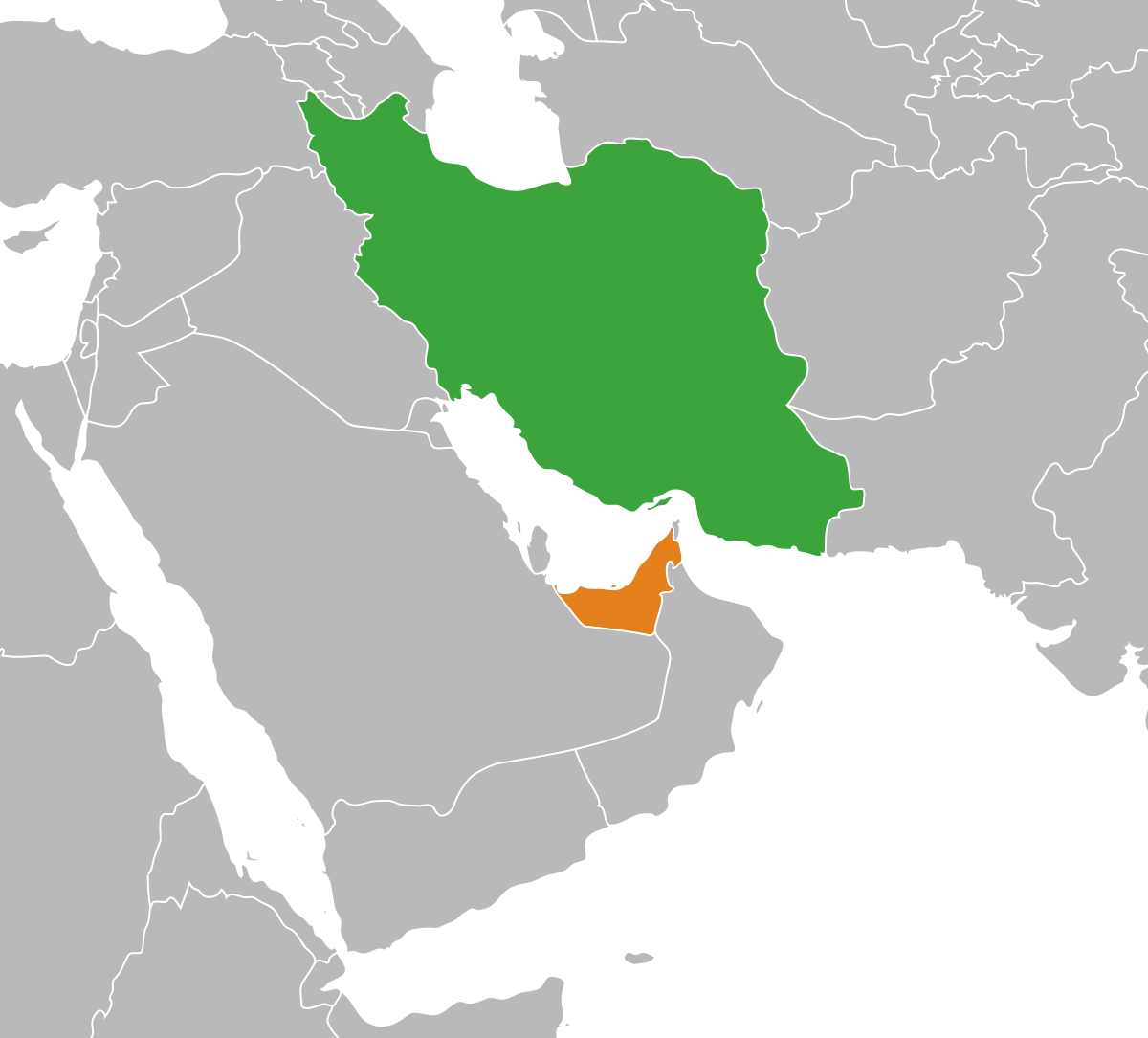
The evacuation marks a rare cooperative moment between the UAE and Iran, whose bilateral relations have at times been strained. Yet Iranian authorities’ facilitation of access to airports and transit permissions demonstrated a mutual willingness to protect civilians from broader geopolitical fallout.

With all Gulf evacuations through this phase concluded, attention now turns to whether diplomatic avenues will succeed in preventing further civilian displacement. Businesses and governments remain on alert, reinforcing emergency protocols and intelligence monitoring systems to safeguard personnel and operations in the face of uncertainty.

Tests by Thailand’s Pollution Control Department have revealed that arsenic concentrations in the Kok River and tributaries now exceed national safety limits by up to five times. Biochemical analysis indicates that these toxic levels are linked to unregulated mining operations in Shan State, Myanmar, particularly within territories controlled by the United Wa State Army.

The Kok River, which begins its 285km course in Myanmar’s Daen Lao Range before entering Thailand through Mae Ai and flowing into Chiang Rai and eventually the Mekong, has become the focus of mounting alarm. Tests conducted between late May and early June demonstrated elevated arsenic at all 15 tested points along the Kok and Sai rivers, with further contamination detected in two Mekong sampling sites.

Local fishermen have reported adverse impacts to aquatic life and livelihoods. Prices for catch in Chiang Rai have dropped by nearly half, as consumer fear surrounding contamination takes hold. Fisherman Sawat Kaewdam told AFP: “They say, ‘There’s arsenic. I don’t want to eat that fish.’”.

Satellite imagery and drone footage show dozens of active mining sites emerging since around 2022, believed to involve both gold and rare earth minerals. These mines operate under minimal environmental safeguards, with tailings and chemical-laden effluent discharged directly into rivers. One environmental campaigner described the situation as Thailand’s “largest-ever case of transboundary pollution”.

Health experts warn that while immediate poisoning symptoms may not materialise, long‑term exposure through contaminated water and fish consumption could lead to chronic arsenic poisoning. Somporn Phengkham of the Community Health Impact Assessment Platform emphasised the risk of gradual accumulation, urging increased scrutiny of wells and irrigation systems.

Communities along the Kok River have experienced unusual water discolouration, persistent skin irritations, and fish deformities. Chiang Rai environmentalists staged protests on 5 June, tying ribbons along the river bridge to demand intervention and mine closure. In Chiang Mai’s Mae Ai district, a monk from Wat Thaton confirmed that the river’s appearance and use had become culturally and practically untenable.

Thailand’s federal government has initiated emergency measures. Deputy Prime Minister Prasert Jantararuangtong has overseen a new response centre, while the Pollution Control Department is conducting enhanced sampling. Officials reassure domestic water supplies are safe, although the contamination source remains external.

Proposals for containment include constructing a dam across the Kok River to trap sediments, dredging heavily polluted sections, and pursuing diplomatic negotiations with Myanmar and China. The Foreign Affairs Committee is engaging Beijing to urge oversight of Chinese mining companies operating within UWSA territories.

Challenges persist as Shan State’s mines lie beyond Myanmar’s central control. With the UWSA exerting autonomy and Chinese-linked firms driving extraction operations, finding a direct negotiating partner proves elusive. Regional analysts warn that building physical barriers without curbing source pollution will yield temporary alleviation at best.

Environmental advocates underscore the urgency of scaling up real-time monitoring and cross-border coordination. They highlight growing concerns that contamination could extend throughout the Mekong basin, threatening agriculture, fisheries, and water security across Southeast Asia.

Experts like Tanapon Phenrat of Naresuan University stress that addressing the problem requires systemic reform: mandated tailings treatment, strict environmental standards, and international cooperation. “We need to act now,” he stated.

Arabian Post Staff -Dubai Major U.S. and European carriers have halted flights to key Gulf destinations amid escalating hostilities between Israel and Iran, while international regulators warn of heightened risk as far-flung air routes face rerouting challenges. American Airlines has paused its Philadelphia–Doha service until at least 22 June, citing growing security concerns, with a spokesperson affirming the decision would be reviewed “as needed”. United Airlines has similarly […]

Oil markets surged on Tuesday and Wednesday as escalating military exchanges between Iran and Israel sparked investor anxiety. Brent crude futures climbed approximately 2.1 per cent to $74.79 a barrel by 12:02 GMT, while US West Texas Intermediate settled near $73.19—following intraday swings exceeding 2 per cent gains and drops. The gains were driven by soaring geopolitical concerns after Israel bombed Iran’s South Pars gas field—shared with Qatar—igniting a fire that prompted Iran […]

The United Arab Emirates has cautioned against a dangerous spiral between Israel and Iran, as its foreign minister strongly warned that “uncalculated and reckless steps” might spread beyond the conflict zones. Sheikh Abdullah bin Zayed Al Nahyan expressed deep concern over escalating military actions that risk drawing in neighbouring states and aggravating regional instability, the UAE Foreign Ministry said on Tuesday. Abu Dhabi’s heightened alarm follows a sharp intensification of hostilities. […]

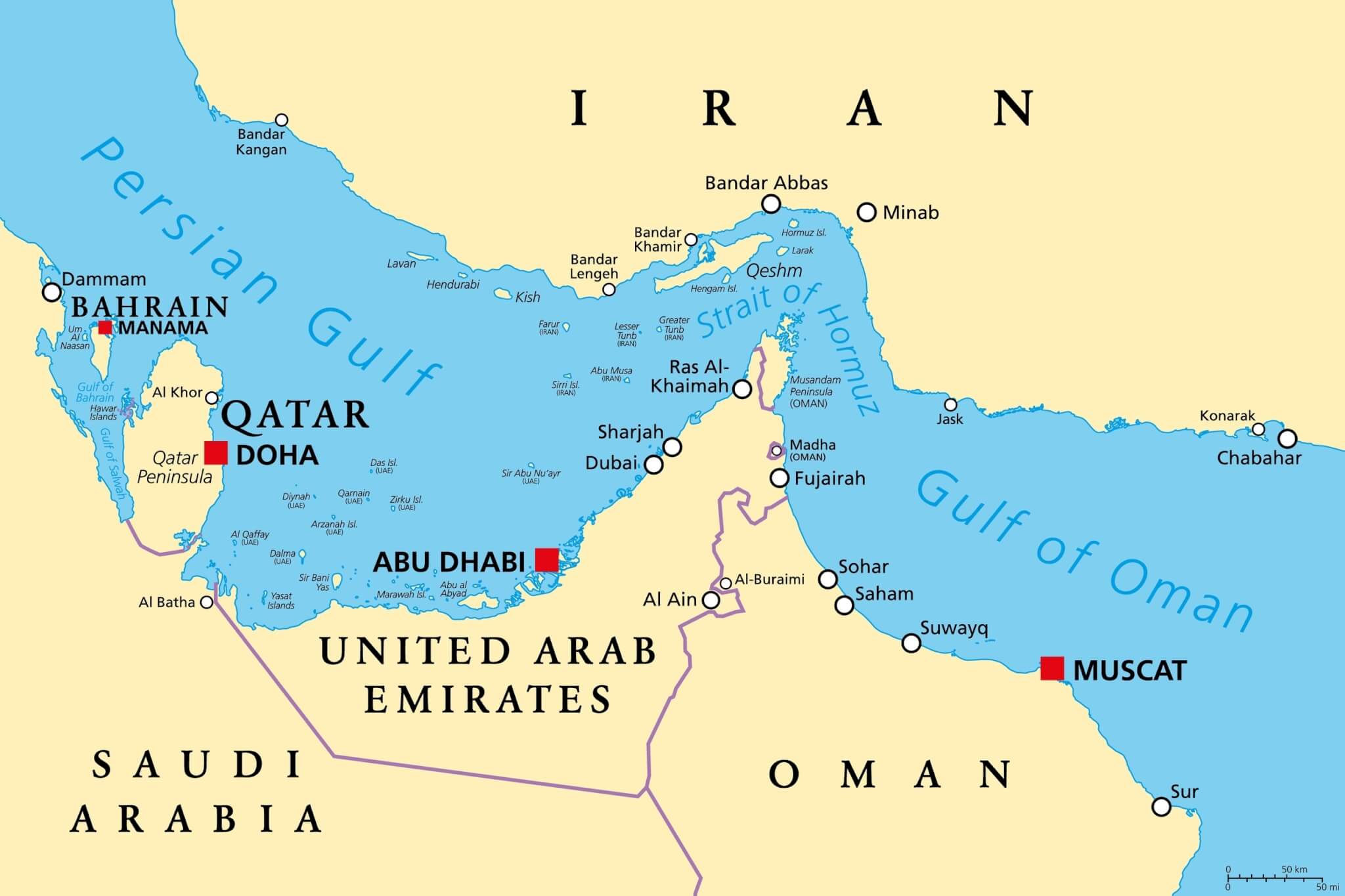
Qatar has instructed LNG carriers to remain outside the Strait of Hormuz until one day prior to loading operations as regional security risks heighten, with officials emphasising that this measure is precautionary and unlikely to disrupt overall supply volumes.

The directive from QatarEnergy affects vessels bound for the Ras Laffan terminal, one of the world’s largest liquefied natural gas export facilities. Around a dozen carriers are idling in ballast outside the terminal, awaiting final instructions before undertaking brief, tightly scheduled transits through the strait.

Market indicators reacted swiftly: European gas prices surged as much as 4.8%, while Asian benchmarks inched upward amid growing concern over potential delivery delays. Despite this, analysts and industry insiders maintain that the streamlined entry process—coupled with Qatar’s steady production—should keep cargo volumes within normal parameters.

This move aligns with contingency efforts by the world’s third-largest LNG exporter. Industry sources confirm that the carriers will execute “quick entry and speedy exits” across the Hormuz passage, necessitating precise scheduling and coordination with maritime authorities.

Analysts acknowledge that about 20–25% of global LNG traffic transits the Strait, underscoring its significance as a logistical chokepoint. Instructing vessels to loiter offshore aims to reduce their vulnerable exposure time in the strait.

Strategic analysts warn that escalating tensions—particularly after recent military exchanges involving Israel and Iran—increase risks for all Gulf shipping. Tehran has threatened to seal off the strait, which could strain Qatar’s export pipelines and ripple through global energy markets.

Despite geopolitical headwinds, Qatar’s production at the South Pars/North Field complex remains steady. The foreign ministry emphasised that LNG output and shipments continue to follow their usual course, even as the country takes enhanced security measures.

Operational insights from shipping analysts describe a familiar summer idling pattern, but note slight increases in loitering time and cautious routing. Vessels such as the tanker HLAITAN are reportedly waiting outside the strait in anticipation of load orders.

Market response has been modest. European gas hubs such as TTF recorded price rises of around 4–5%, while the Asia‑Pacific’s JKM benchmark reached nearly $14 per mmBtu, marking a $1.20 uptick since mid‑June. CNBC‑style commentary points out that the precautionary shift is “unlikely to cause major disruption,” although insurers are adjusting premiums to reflect the heightened transit risks.

For global exporters and importers, Qatar’s stance underscores a renewed emphasis on maritime risk management. Shipping firms are increasingly factoring geopolitical volatility into their routing and scheduling protocols. International insurers have begun revising coverage for LNG carriers traversing the Gulf, citing increased premiums tied to potential missile or drone threats in the region.

Qatar’s approach enables more controlled maritime planning: by delaying vessel entry until close to the loading window, the country limits their exposure to strategic bottlenecks and regional flare‑ups. This calculated move underscores Doha’s dual priorities of maintaining export reliability and protecting vital shipping assets.

VISHNU RAJA
RYO YAMADA
HITORI GOTOH
IKUYO KITA