

Arabian Post Staff -Dubai
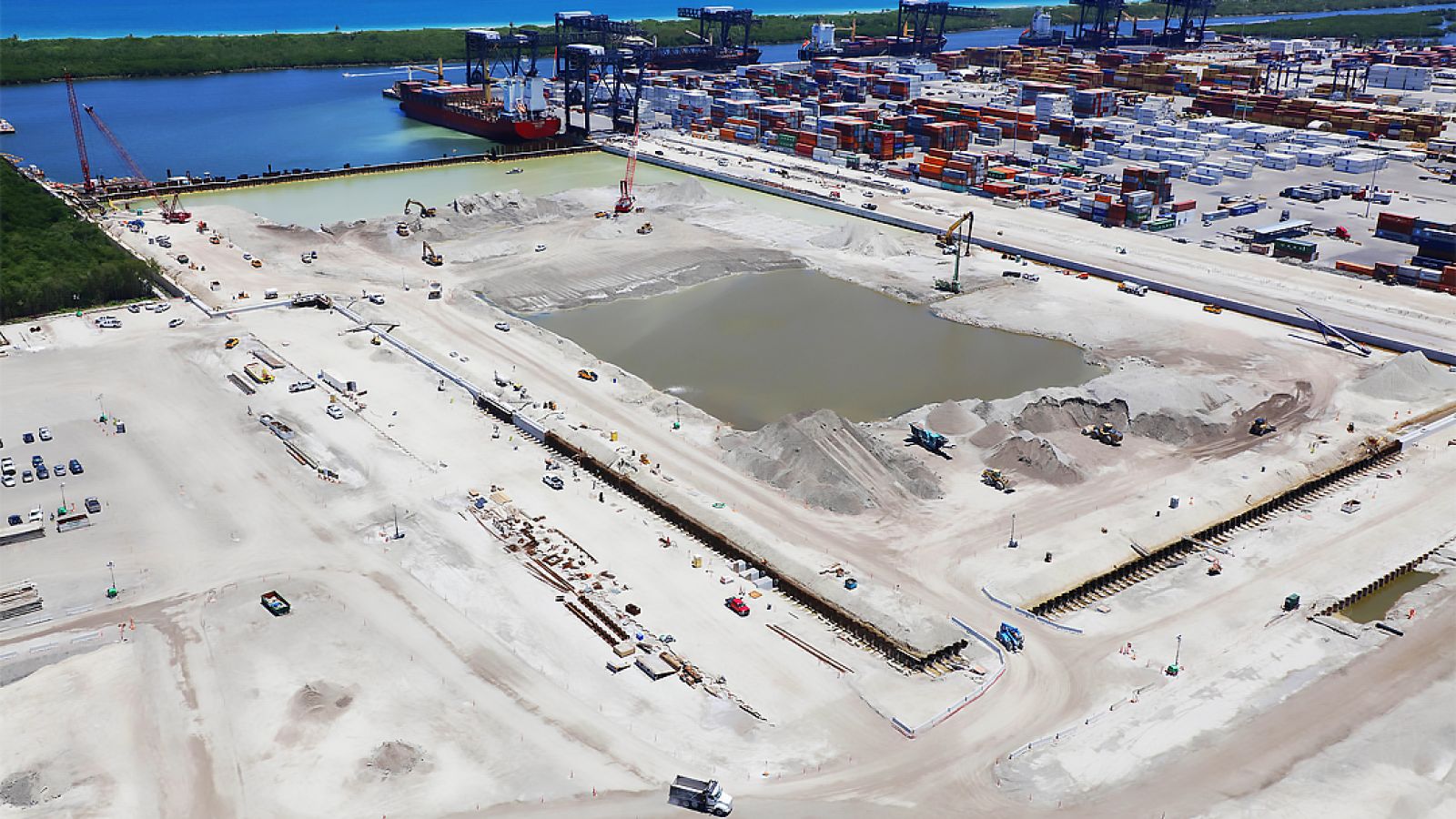
AD Ports Group is accelerating its effort to turn itself from a Gulf port operator into a broader trade and logistics network, using expansion in Egypt, Africa, Pakistan and the Mediterranean to win a larger role in global supply chains as companies seek more resilient routes and integrated cargo services.
For the Abu Dhabi-based group, 2025 marked another year of record financial growth. Revenue rose 20 per cent to AED 20.8 billion, net profit increased 17 per cent to AED 2.1 billion, and earnings before interest, tax, depreciation and amortisation climbed 12 per cent to AED 5.1 billion. The company also said it generated positive free cash flow for the full year for the first time since listing, a milestone that gives it more room to finance expansion while investors watch leverage and capital discipline closely.
That performance has been driven by a model that now extends well beyond quays and container yards. AD Ports has been knitting together ports, shipping, logistics, industrial zones and digital systems in a way designed to capture more value from each cargo movement. Rather than relying solely on trade volumes through Abu Dhabi, it is building positions along trade corridors that connect the Gulf with Africa, Central Asia, South Asia and parts of Europe.
The strategy has sharpened since the acquisition and integration of Noatum, which gave the group a far broader international logistics footprint. AD Ports says it now has a presence in more than 50 countries, while Noatum Ports operates terminals and customs facilities across multiple continents. That reach matters at a time when shipping lines, manufacturers and commodity traders are trying to reduce dependence on single routes and single-service providers.
Egypt has become one of the clearest examples of that push. Last year, the group signed a 50-year concession agreement with the Suez Canal Economic Zone to develop a logistics and industrial area east of Port Said. The first phase includes an initial commitment of $120 million for development and feasibility work. The move builds on earlier investments in Egyptian maritime assets and reflects a long-term bet that the eastern Mediterranean and Suez-linked trade will remain central to cargo flows between Asia, Europe and Africa.
Management has also stressed that the group’s international growth is being built through what it calls corridor densification rather than a simple rush into new flags on the map. In practical terms, that means adding linked assets and services where trade ties to the UAE are already strong. During 2025, this included the launch of container feeder services in West and East Africa, the start of multipurpose terminal operations and inland logistics in Angola, and further work in Pakistan, where dredging began and a clean bulk handling and storage project at Karachi Port was advanced with a global agricultural trading partner.
This approach offers clear advantages. It allows the group to spread geopolitical and traffic risk across several markets while giving customers access to bundled services covering port calls, feeder transport, warehousing, customs handling and industrial land. It also fits Abu Dhabi’s wider ambition to expand its non-oil economy through manufacturing, logistics and trade infrastructure.
Yet the plan carries risks that investors and industry watchers are unlikely to ignore. Ports and logistics are capital-intensive businesses, and returns often take years to mature. Expansion across volatile corridors can expose operators to security threats, regulatory shifts and trade disruptions. Those concerns have only grown more visible during the regional tensions that affected shipping patterns this year.
AD Ports has argued that its diversified network helps absorb such shocks. In March, the company said all operations remained normal despite regional developments, though it acknowledged that traffic through the Strait of Hormuz had fallen and that vessel calls at Khalifa Port were likely to decline. At the same time, it said rerouted trade could lift volumes across other parts of its global maritime network. That response underlined both the vulnerability of Gulf shipping chokepoints and the logic behind building assets outside them.
Another question is whether the company can preserve margins as it scales. The group’s earnings have benefited from strong contributions from ports, economic cities and maritime services, while logistics is expected to play a bigger role over time. Integrated networks can deepen customer loyalty, but they also demand disciplined execution, technology investment and careful control over acquisition-led growth.
Leadership changes and operational integration will therefore matter. AD Ports has continued reshaping management around its international brands, especially Noatum Logistics, Noatum Maritime and Noatum Ports, as it tries to convert a collection of acquired and legacy assets into a more unified global platform. The commercial test will be whether those assets generate stronger cross-selling, better asset utilisation and steadier long-term cash flow.
For Abu Dhabi, the wider significance is strategic as much as financial. AD Ports is becoming an instrument of economic statecraft, extending the emirate’s commercial reach into supply chains that matter for food, energy, industrial goods and manufactured exports. For the group itself, the next phase will depend less on announcing new deals than on proving that its corridor-based expansion can translate scale into durable profitability.
Follow Arabian Post
Select Arabian Post as your preferred source on Google and MSN News for trusted business news and Arab politics and updates.




