

Canonical has taken significant steps to address the needs of security-conscious organisations by introducing new features in both its Kubernetes distribution and Ubuntu Long Term Support offerings. The company’s latest enhancements focus on improving compliance and security, which are crucial for industries requiring stringent safeguards.
The addition of FIPS 140-3 validation to Canonical’s Kubernetes distribution marks a major update in the company’s commitment to security. FIPS 140-3 is a critical certification for cryptographic modules, particularly in environments where security is a top priority. This certification makes Kubernetes more suitable for sectors like healthcare, government, and finance, which often face rigorous regulatory requirements. Kubernetes, the open-source container orchestration platform, has become an essential tool in modern cloud environments, and the integration of FIPS-certified security aims to enhance its appeal to compliance-sensitive users.
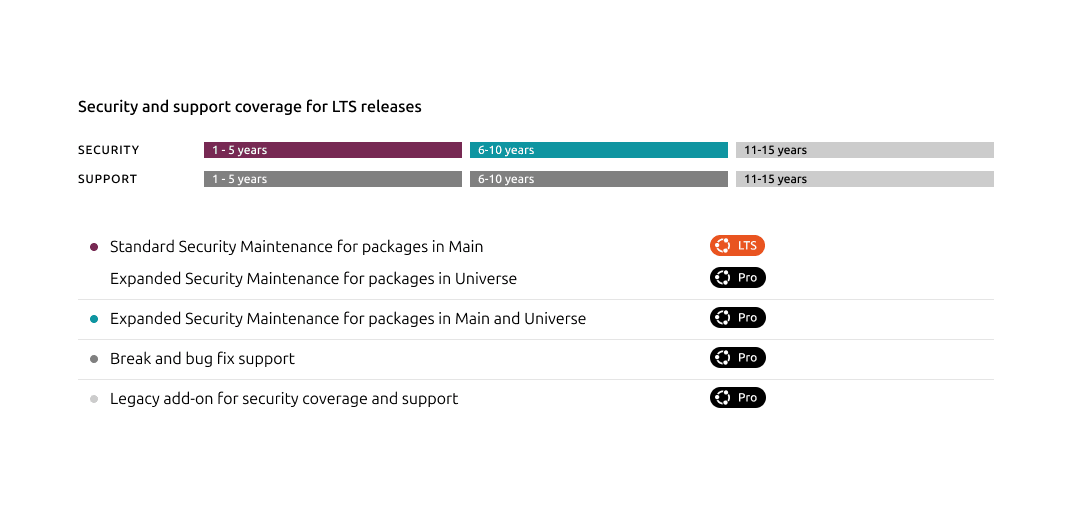
In addition to this, Canonical has announced an extension of the support lifecycle for Ubuntu LTS releases. Historically, Ubuntu LTS releases have been supported for five years, offering users a stable and secure environment. However, the company has now extended this period to up to 15 years, providing long-term stability and support for businesses and government agencies that require a more extended support window for critical infrastructure. This change ensures that Ubuntu can meet the needs of large organisations that depend on stability and long-term planning for their operations.
This extended lifecycle is particularly significant in the context of industries that rely on legacy systems and are hesitant to upgrade frequently due to the cost and complexity involved. By extending the LTS period, Canonical is aiming to reduce the burden of managing frequent upgrades while maintaining security and stability. The extended support also includes security patches, bug fixes, and updates, ensuring that organisations using Ubuntu LTS can confidently rely on it for many years to come.
Canonical’s move to integrate FIPS 140-3 capabilities with Kubernetes and offer longer-term support for Ubuntu LTS is a clear response to growing demand for secure, reliable, and long-lasting open-source solutions in sectors like finance, healthcare, and government. As businesses and institutions continue to digitise their operations and move to cloud environments, the need for robust security features that meet compliance standards is becoming more pronounced.
The company’s decision to offer FIPS certification alongside its Kubernetes distribution is also indicative of the broader trend towards increasing security in the open-source ecosystem. With Kubernetes playing a central role in containerised application deployment, its adoption across various industries is only expected to grow. By ensuring that Kubernetes is compliant with FIPS 140-3, Canonical is positioning itself as a leader in the security-focused Kubernetes space.
Canonical’s broader strategy with Ubuntu also highlights its focus on long-term user trust. By extending Ubuntu’s LTS lifecycle, the company is not only catering to security and compliance needs but also addressing concerns around the sustainability of open-source projects. The extended support lifecycle ensures that organisations can continue to use Ubuntu with the assurance that they will receive updates and security patches for an extended period, making it an attractive option for enterprises that rely on consistent and reliable software.
For organisations that are looking to deploy Kubernetes in a security-sensitive environment, Canonical’s offering now provides a compelling solution. With the added FIPS certification, Kubernetes can be trusted to meet the stringent requirements of government agencies and other compliance-heavy industries. The inclusion of FIPS 140-3 makes it easier for organisations to adhere to regulatory standards without having to compromise on the flexibility and scalability that Kubernetes offers.
Follow Arabian Post
Select Arabian Post as your preferred source on Google and MSN News for trusted business news and Arab politics and updates.



