Just in:
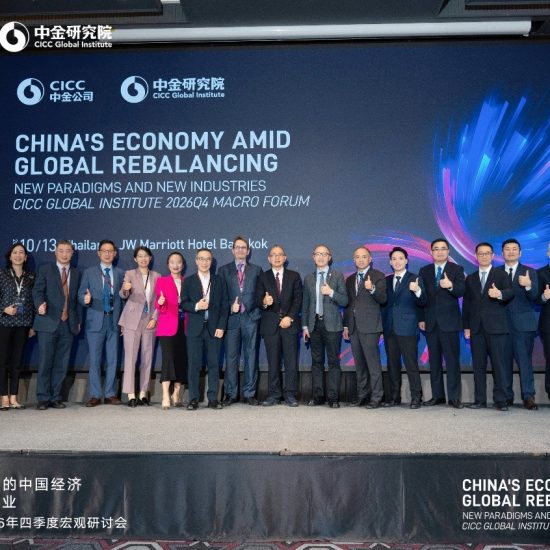
Microsoft introduces Maia 300 for large-scale AI deployment // Chamet Brings Real-Time AI Translation in 50+ Languages and Multimodal Safety AI to Cross-Border Video Chat // HKTDC Hong Kong International Lighting Fair (Autumn Edition) and Hong Kong International Outdoor and Tech Light Expo Set to Illuminate this October // Sprite Expands Global Basketball Footprint with NBA’s Nikola Jokić and New “Never Stop Refreshing The Game” Platform // UK widens Saudi travel warnings, raising insurance risks // Sheikh Mohammed bin Khalid investment arm backs COFE Tech // Panama mobilises emergency relief after widespread earthquake damage // CICC Global Institute 2026 Q4 Macro Forum on “China’s Economy amid Global Rebalancing: New Paradigms and New Industries” Successfully Held in Bangkok, Thailand // Attackers exploit Bricksforge flaw to breach WordPress websites // Fake Marketplace adverts exploit users’ names to solicit replies // Dubai Global Village prepares 31st season opening Wednesday // ADIA evaluates anchor stake as Zetwerk prices IPO // VinFast announces special incentives for new electric motorcycle showrooms in Indonesia and the Philippines, accelerating distribution network expansion // Meta bars ByteDance advertising across seven national markets // Anthropic disconnects internal AI tests after website breaches // Denza considers European financing arm for premium cars // Dubai Retail schedules 38 Ibn Battuta Mall openings // Dubai RISE Summit to convene global capital leaders // Rwanda secures decade-long Formula One Grand Prix agreement // KFC schedules Kenyan debut for Kentucky Town festival //

Chinese Social Media Users Rally Against Calls to Yield in Trade Dispute

Chinese social media platforms are abuzz with users expressing strong opposition to suggestions that Beijing should acquiesce to U.S. trade demands following President Donald Trump’s recent tariff escalations. The online discourse reflects a nationalistic sentiment, with many netizens urging the Chinese government to stand firm against what they perceive as economic intimidation.

President Trump announced a 10% baseline tariff on all imports, with significantly higher duties targeting specific countries, including a 54% tariff on Chinese goods. This move has intensified trade tensions between the world’s two largest economies. In retaliation, China imposed a 34% tariff on various American products, signaling its resolve to counter U.S. measures.

The Chinese Foreign Ministry’s spokesperson, Guo Jiakun, highlighted the global market’s adverse reaction to the U.S. tariffs, stating, “The market has spoken.” This remark underscores Beijing’s position that the U.S. actions are disruptive to international trade stability.

State-run media outlets have also weighed in, criticizing the U.S. administration’s approach. The Global Times labeled the tariff threats as “ridiculous” and indicative of “deep arrogance,” while China Daily warned that such actions could lead to a “mutually destructive tariff war.”

On platforms like Weibo and WeChat, Chinese citizens are vociferously rejecting any notion of capitulation. Users are calling for unity and resilience, emphasizing the importance of safeguarding national interests and economic sovereignty. This collective online sentiment reflects a broader public consensus supporting the government’s stance in the escalating trade dispute.


Notice an issue?

Arabian Post strives to deliver the most accurate and reliable information to its readers. If you believe you have identified an error or inconsistency in this article, please don't hesitate to contact our editorial team at editor[at]thearabianpost[dot]com. We are committed to promptly addressing any concerns and ensuring the highest level of journalistic integrity.


Loading next story…