terminus mars arabian post
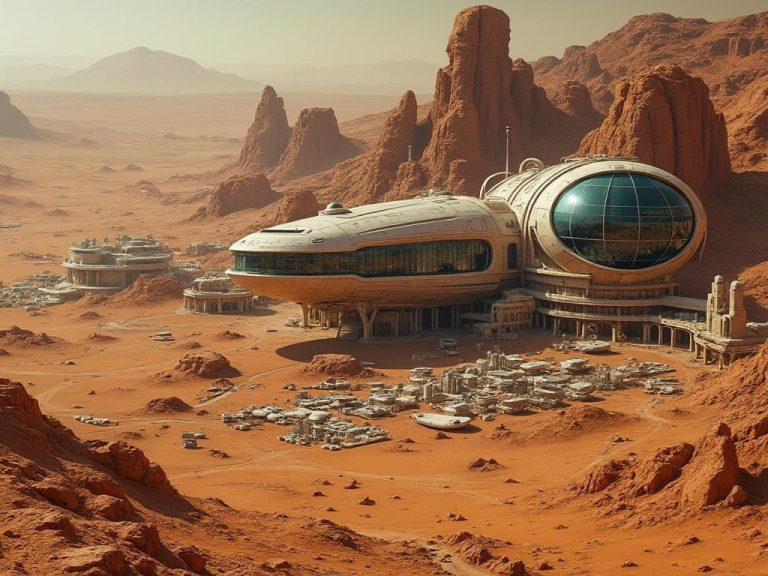
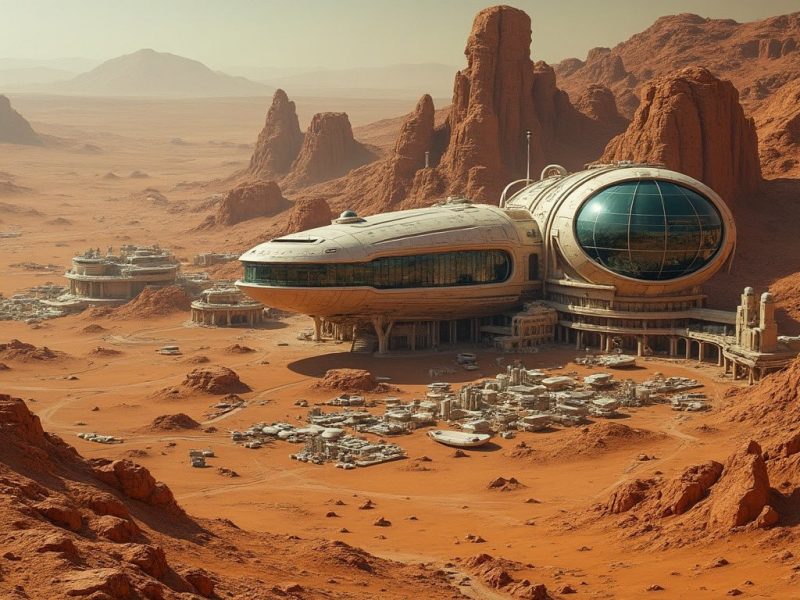
Elon Musk has revealed a concept video of “Terminus,” a proposed city on Mars designed to support human life and sustainable living on the Red Planet. The video, shared via SpaceX’s official platforms, offers a glimpse into Musk’s long-standing vision of interplanetary colonization. The concept, described as futuristic and ambitious, features advanced technologies that would enable the city to function in the harsh Martian environment.
The video showcases the sprawling design of Terminus, which includes towering structures, green spaces, and state-of-the-art infrastructure. A significant focus of the concept is sustainability, with renewable energy sources such as solar power and self-sustaining systems for food production, waste management, and water recycling. Musk envisions a self-sufficient colony that could serve as a launching point for further exploration of Mars and beyond.
Musk’s vision for Mars has evolved over the years, with SpaceX at the forefront of efforts to make human space travel and colonization a reality. Terminus, according to Musk, is not just a science fiction dream but a blueprint for what could eventually become a thriving human settlement on Mars. With SpaceX’s successful missions to the International Space Station and the continued development of the Starship rocket, the concept of a permanent Martian city is gaining credibility.
Building on the success of SpaceX’s Starship program, which aims to transport large numbers of people and cargo to Mars, Terminus would represent a pivotal step in humanity’s expansion beyond Earth. Musk’s company has already demonstrated that reusable rockets can lower the cost of space travel, a crucial factor for long-term Martian colonization.
The concept video highlights the city’s key features, including habitat modules for long-term residents, spaces for agriculture, and research facilities for scientific experimentation. The use of 3D printing to construct buildings on Mars is also part of the design, which could reduce the need for Earth-based supplies. The city is envisioned to be fully autonomous, relying on advanced robotics and AI to maintain and expand infrastructure.
One of the most striking elements of the Terminus concept is its ambitious scale. The city, with its self-contained ecosystems, would be a complete environment capable of supporting thousands of people. Musk has emphasized that establishing a city on Mars is not just about survival but about creating a thriving community capable of expanding humanity’s reach across the solar system.
For Musk, the idea of a Mars city is deeply intertwined with his broader vision of ensuring the survival of humanity. He has often stated that establishing a human presence on Mars would serve as a backup for humanity, ensuring that life can continue even in the event of a catastrophe on Earth. While his plans for Mars have often been criticized as overly optimistic, SpaceX’s continued progress in space technology has made his ideas seem more plausible over time.
The construction of Terminus would require groundbreaking advancements in a variety of fields, from space travel to life support systems. The harsh Martian environment presents significant challenges, such as extreme temperatures, high radiation levels, and a thin atmosphere. Musk has acknowledged these difficulties but remains optimistic about the potential of technology to overcome these obstacles. Innovations in artificial intelligence, robotics, and renewable energy would play a crucial role in making Terminus a reality.
SpaceX’s Starship, the rocket Musk envisions for carrying large numbers of passengers to Mars, is undergoing testing and has shown promise as the key vehicle for the Martian migration plan. Once operational, Starship could make frequent trips to Mars, transporting everything from construction materials to people. Musk’s ultimate goal is to establish a city that can function independently from Earth, creating a self-sustaining ecosystem on the planet.
While the concept video has sparked excitement among space enthusiasts, experts have raised questions about the feasibility of Musk’s timeline. Establishing a self-sustaining city on Mars would require enormous investment, technological breakthroughs, and international cooperation. Critics have pointed out that while Musk’s ideas are visionary, they may underestimate the time and resources required to tackle the myriad challenges associated with building a city on Mars.
The Mars city concept is part of Musk’s larger ambitions to revolutionize space exploration and make space travel accessible to the masses. SpaceX has already reduced the cost of launching payloads into orbit, and with the development of reusable rocket technology, it has made space more accessible than ever before. The creation of Terminus would be the next logical step in Musk’s goal of expanding humanity’s presence beyond Earth.
Follow Arabian Post
Select Arabian Post as your preferred source on Google and MSN News for trusted business news and Arab politics and updates.