Siemens has completed its acquisition of Altair Engineering in a £8.3 billion all-cash transaction, signalling a significant evolution in its industrial software strategy. The integration of Altair’s high-performance computing, data analytics and simulation portfolio into the Siemens Xcelerator platform represents a major leap in the company’s ambition to lead in AI-powered engineering.
At the heart of this consolidation lie clear financial and strategic benefits. The deal, offering Altair shareholders US $113 per share, reflected a near 19 percent premium on its pre-announcement price. Siemens anticipates that digital revenues will rise by about €600 million in its 2023 financial results, with annual revenue gains projected at US $500 million in the medium term and potentially more than US $1 billion over the long term.
Siemens president and CEO Roland Busch underlined the move as essential to cementing Siemens’ industrial software position. He described Altair as a “diamond, a unique opportunity” with complementary strengths across regions—Altair strong in the US, Siemens dominant in Europe and Asia. Managing board member Cedrik Neike noted Siemens’ capacity to continue making strategic acquisitions, heralding a new phase of expansion in the software arena.
Altair, founded in 1985 and headquartered in Troy, Michigan, specialises in computer‑aided engineering software such as HyperWorks, as well as in cloud‑based simulation, IoT, AI and HPC services. Its client base spans industries from automotive and aerospace to consumer electronics, underscoring its global relevance. The company has been delivering an average revenue growth of roughly 12 percent per year—a pace Siemens is keen to elevate.
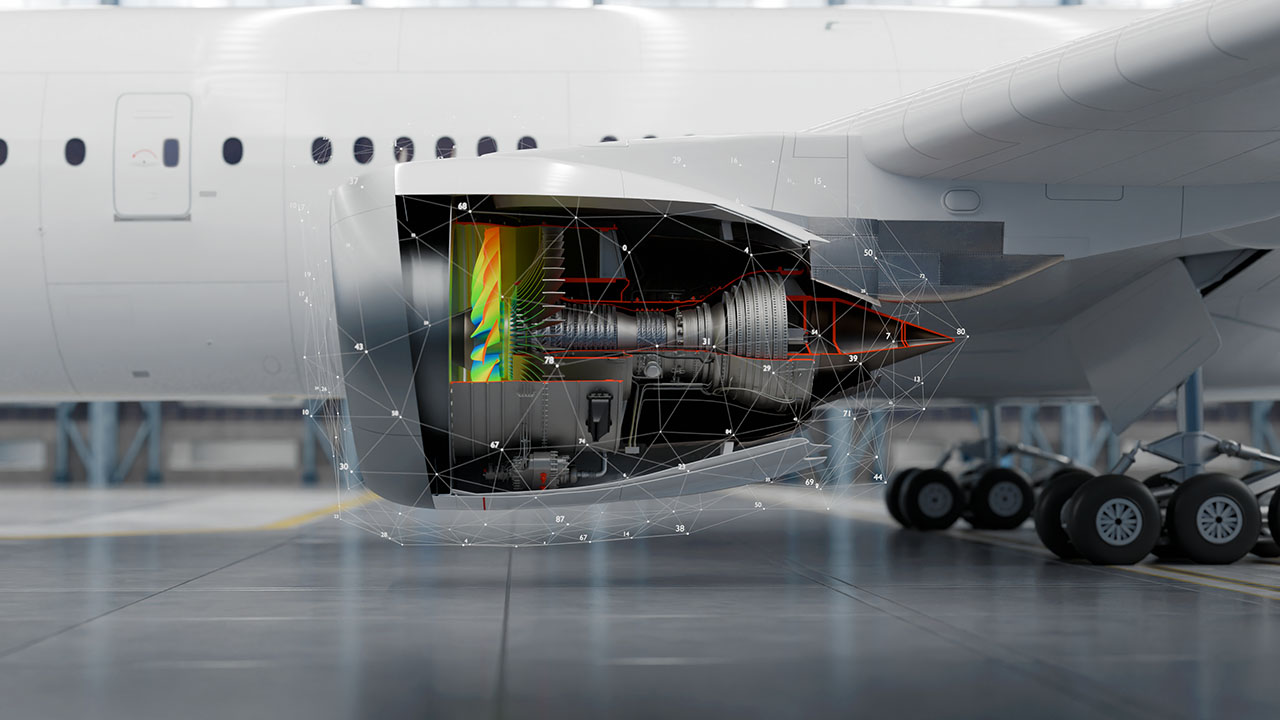
By integrating Altair’s capabilities into the Xcelerator platform, Siemens intends to offer an end-to-end, AI-driven portfolio that unifies simulation, data analysis, and HPC tools. The synergy is expected to extend Siemens’ leadership in virtual product development, enabling engineers to create digital twins, test design iterations virtually and optimise product performance before physical prototyping.
The acquisition deepens Siemens’ exploration into AI-enhanced design. With manufacturing industries under pressure to produce sustainable, efficient and safe products, the ability to simulate and analyse complex systems virtually becomes increasingly critical. Combining embedded hardware and software from Siemens with Altair’s software tools could significantly reduce time‑to‑market and R&D costs.
Integration planning is underway. Altair’s CTO, Sam Mahalingam, and Siemens executive Jean‑Claude Ercolanelli are spearheading the combined simulation and test‑solutions portfolio, which will roll under Siemens Digital Industries Software. Users at Siemens’ Realize Live Americas 2025 conference have been briefed on the roadmap for merging software suites, enabling interoperability and expanding cloud‑native simulation options.
Market reaction to the announcement has been largely favourable. Analysts point out that this represents Siemens’ third‑largest acquisition, second only to its Varian Medical Systems deal, and the biggest yet in its software division. Investors are eyeing enhanced earnings per share within two years post‑closing—a benchmark similar to the Varian acquisition.
Competition in the simulation software space remains intense, with rival consolidations such as Synopsys’ US $35 billion takeover of Ansys earlier this year. Siemens’ strategic bet on Altair appears timely, as industrial users increasingly demand seamless digital‑real world integration and advanced simulation capabilities, underpinned by AI and HPC.
Altair’s established presence in North America, combined with Siemens’ engineering and manufacturing legacy worldwide, paves the way for extensive cross‑selling opportunities. High‑impact use‑cases in electric vehicle development, aerospace, and electrification of train systems could showcase the full power of the unified platform.
The scale of the transaction means full technical, organisational and cultural integration may unfold gradually. However, Siemens has signalled its commitment by placing Altair’s CTO within its senior digital industries hierarchy to ensure sustained innovation and continuity.
With simulation, AI and digital twins becoming indispensable in modern engineering, Siemens’ completion of the Altair acquisition marks a strategic inflection point. The expanded toolkit will serve as a catalyst for manufacturers aiming to embrace advanced engineering methodologies, reflecting Siemens’ broader vision of becoming the leading “One Tech Company” in the digital age.
Follow Arabian Post
Select Arabian Post as your preferred source on Google and MSN News for trusted business news and Arab politics and updates.