Concerns about the long-term security of Greenland have not disappeared despite the fading public rhetoric from U. S. President Donald Trump about acquiring the Arctic island, according to Canada’s Governor General, who warned that geopolitical interest in the territory remains strong and could resurface.
Speaking during remarks on Arctic security and sovereignty, Governor General Mary Simon said the strategic importance of Greenland means questions surrounding control and influence in the region cannot be dismissed simply because Washington’s overt proposals have subsided. The semi-autonomous territory, governed by Denmark but enjoying broad self-rule, sits at the centre of a rapidly evolving geopolitical landscape shaped by climate change, resource competition and great-power rivalry.
Simon’s comments highlight the lingering unease among Arctic nations following Trump’s earlier push to purchase Greenland, an idea that stunned Copenhagen and Nuuk when it surfaced during his presidency. Although the proposal never advanced into formal negotiations and the White House has not repeated the suggestion in recent months, analysts say the episode exposed how global powers increasingly view the Arctic as a strategic frontier.
Greenland fears persist over Trump territorial ambitions resonates strongly across northern capitals where policymakers see the island as critical to future economic and military dynamics. Melting sea ice is opening shipping routes and exposing potential reserves of minerals, rare earth elements and hydrocarbons. Greenland’s vast landmass, positioned between North America and Europe, also carries significant military value due to its location along key transatlantic flight and missile trajectories.
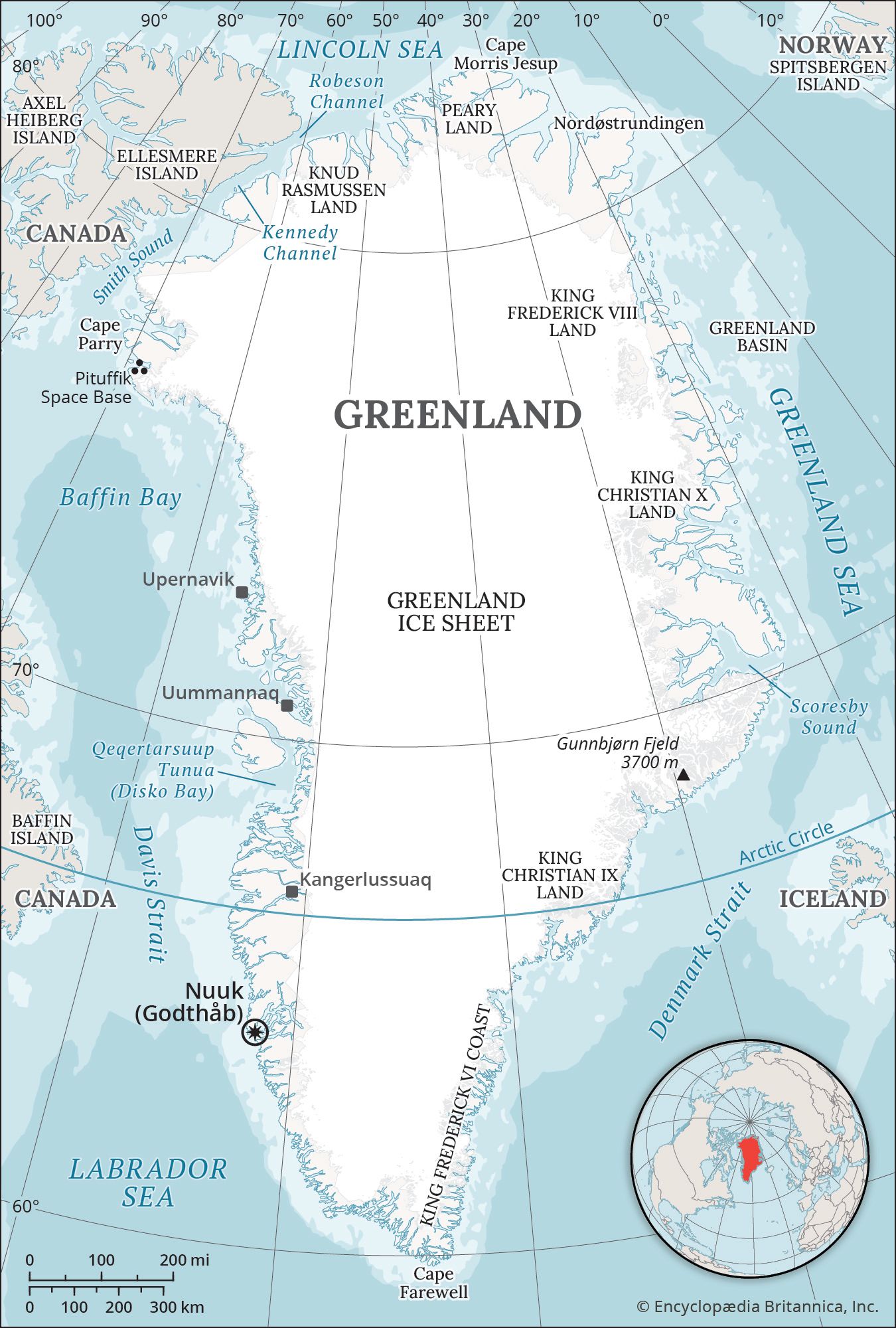
Washington already maintains a major military presence at Pituffik Space Base, formerly known as Thule Air Base, which supports missile warning, space surveillance and satellite operations. The installation reflects Greenland’s longstanding role in North American defence planning under agreements between the United States, Denmark and Greenlandic authorities.
Trump’s earlier remarks about purchasing the island triggered sharp responses from Denmark’s leadership, which emphasised that Greenland was not for sale. Greenland’s own government echoed that stance while stressing its commitment to self-determination. Yet the debate also revived discussion within Greenland about independence and economic development, issues that continue to shape political discourse across the territory’s small population of about 56,000 people.
Simon indicated that Arctic governance now faces a more complicated environment as major powers compete for influence across the polar region. Strategic planners increasingly point to heightened interest from Russia and China in Arctic shipping lanes, energy exploration and scientific research infrastructure. Moscow has expanded military installations across its northern coastline, while Beijing has described itself as a “near-Arctic state” and invested in polar research and infrastructure projects.
Greenland’s mineral wealth has become another focal point in global competition. The island holds deposits of rare earth elements that are essential for advanced technologies including electric vehicles, wind turbines and defence systems. Several exploration projects have attracted international investors seeking to diversify supply chains away from dominant producers elsewhere.
Greenland’s government has moved cautiously in balancing economic opportunities with environmental concerns and political sovereignty. Mining proposals, particularly those involving uranium or large-scale extraction, have sparked debate among residents who worry about ecological impacts and the pace of industrial development. Authorities have tightened regulations on certain projects while encouraging investment aligned with sustainability goals.
Climate change is simultaneously transforming Greenland’s strategic relevance. Rising temperatures have accelerated the melting of the island’s massive ice sheet, contributing to global sea-level rise while making previously inaccessible areas more reachable for exploration and shipping. Scientists warn that continued ice loss could reshape global coastlines and ecosystems, yet the changing landscape also raises economic possibilities that external actors are eager to explore.
Arctic diplomacy has also faced strains following the deterioration of relations between Western nations and Russia. Multilateral cooperation under the Arctic Council, the region’s primary governance forum, has been disrupted by geopolitical tensions. Although environmental and scientific collaboration remains important to member states, security concerns increasingly dominate discussions about the region’s future.
Canada has emphasised the need for stronger Arctic cooperation among democratic nations while supporting the autonomy and aspirations of northern communities. Ottawa views Greenland as an important partner in maintaining stability across the Arctic archipelago and North Atlantic approaches.
Simon’s remarks underscore how debates about Greenland extend far beyond the earlier controversy sparked by Trump’s statements. Strategic analysts argue that even without direct proposals to purchase territory, the island’s growing importance ensures that global powers will continue to seek influence through economic partnerships, security cooperation and infrastructure development.
Political leaders in Greenland have repeatedly affirmed that the island’s future will be determined by its people. The territory has gradually expanded its self-government powers since gaining home rule in 1979 and enhanced autonomy in 2009, with Denmark retaining responsibility for defence and foreign policy. Discussions about eventual independence remain part of Greenland’s political landscape, though economic dependence on Danish financial support presents a significant challenge.
Follow Arabian Post
Select Arabian Post as your preferred source on Google and MSN News for trusted business news and Arab politics and updates.