News related to
Republican

By Nitya Chakraborty February 2025 is not just the moment of truth for the European nations and NATO members but also time for reckoning for the Global Left and the peace movement which are still sizing up the dimension of the impact of U.S. President Donald Trump’s emergence as a peacenik to end the three […]

Leading figures in the cryptocurrency sector, including Coinbase, a16z, Paradigm, Kraken, and Uniswap, have collectively urged the U.S. Congress to repeal a tax policy introduced by the Internal Revenue Service that mandates decentralized finance brokers to report user information. The coalition contends that this regulation could severely impede DeFi innovation by imposing traditional brokerage data collection and reporting requirements on decentralized platforms.

The IRS finalized this significant digital asset broker rule between Christmas and New Year’s Eve, just days before the transition to President Donald Trump’s administration. The rule aims to subject DeFi brokers to the same information-reporting obligations as traditional securities brokers and exchanges. Critics argue that this approach demonstrates a fundamental misunderstanding of DeFi technology and oversteps regulatory boundaries.

Under the Congressional Review Act, recently approved regulations can be rescinded. Senator Ted Cruz, a Republican from Texas, introduced a resolution last week seeking to nullify the IRS’s DeFi broker rule. In a unified response, the Blockchain Association, alongside industry giants such as Coinbase, a16z, Paradigm, Kraken, Uniswap, Anchorage Digital, and numerous others, submitted a letter to congressional leaders advocating for the adoption of Senator Cruz’s resolution.

The letter asserts that the DeFi broker rule, finalized in the closing days of the Biden administration, represents regulatory overreach, fundamentally misinterprets the technology it seeks to regulate, and disregards congressional intent. The coalition emphasizes that utilizing Congress’s authority to overturn federal agency regulations offers a clear and definitive path to revoke this detrimental rule before it takes effect.

Industry leaders express concern that the rule disproportionately targets U.S.-based companies, imposing stringent requirements that foreign competitors are not obligated to follow when serving American customers. This disparity, they argue, could stifle DeFi innovation within the United States, as domestic firms would face unique compliance burdens not shared by their international counterparts.

The Congressional Review Act serves as a potent mechanism for reversing federal regulations, though its application can have lasting implications. Once a rule is nullified under this act, any future attempt to introduce a similar regulation is effectively barred, potentially complicating efforts to establish more balanced oversight in the same domain.

This collective action by the cryptocurrency industry underscores the escalating tension between innovative financial technologies and existing regulatory frameworks. As DeFi platforms continue to evolve, they challenge traditional notions of financial intermediaries, prompting regulators to adapt their approaches. The outcome of this legislative push could set a significant precedent for how decentralized technologies are governed in the future.

In a related development, venture capital firm a16z Crypto has expressed support for a legal challenge against the IRS’s new DeFi rules. The firm argues that the regulations exceed governmental authority, infringe upon constitutional rights, and could adversely affect the United States’ position in the global digital economy. This lawsuit, backed by the Blockchain Association, DeFi Education Fund, and Texas Blockchain Council, contends that the mandated reporting requirements threaten user privacy and could deter innovation in the DeFi space.

The IRS’s finalized rule stipulates that “front-end” crypto service providers adhere to the same tax reporting standards as traditional securities brokers. This encompasses the collection and reporting of user trading information, a requirement that many in the industry view as incompatible with the decentralized nature of DeFi platforms. Critics contend that enforcing such regulations could drive DeFi activities offshore, where U.S. regulatory reach is limited, thereby diminishing the country’s influence in the burgeoning digital asset sector.

The debate over the IRS’s DeFi broker rule highlights the broader challenge of applying existing regulatory paradigms to emerging technologies that operate outside traditional frameworks. As policymakers grapple with these issues, the balance between fostering innovation and ensuring compliance remains a contentious and evolving discourse.

The cryptocurrency community’s unified stance against the IRS’s reporting mandate reflects a broader concern that ill-fitting regulations could hamper the growth and potential of decentralized financial systems. As this situation unfolds, it will serve as a critical test of how regulatory bodies and innovative industries can navigate the complexities of technological advancement in the financial sector.

The outcome of this legislative and legal challenge may well determine the trajectory of DeFi development in the United States and influence how other jurisdictions approach the regulation of decentralized financial technologies. Stakeholders across the spectrum will be closely monitoring the proceedings, recognizing the profound implications for the future of finance and technology integration.


President Donald Trump addressed a gathering of international financiers and technology leaders at the Future Investment Initiative Priority Summit in Miami Beach on Wednesday. The event, hosted by Saudi Arabia’s sovereign wealth fund, the Public Investment Fund , aimed to foster global investment partnerships and economic collaboration. In his opening remarks, President Trump declared, “The United States is back and open for business.” He emphasized his administration’s […]

By Cihan Tuğal DAMASCUS: As the smoke settles on the fall of Bashar al-Assad’s regime in Syria and its replacement by Islamist leadership under Hayat Tahrir al-Sham (HTS), it is clear that Turkey’s far-right governing bloc has emerged from the tumult strong and emboldened. What is less clear is whether this will mean that Recep […]
By Asad Mirza The way the US President Donald Trump literally got enforced his one-man plan for the Gaza Ceasefire and the manner in which he is now trying to organise Peace Talks to get the Russia-Ukraine war ended, are pointers to the future of the American foreign policy. By now the world should have […]

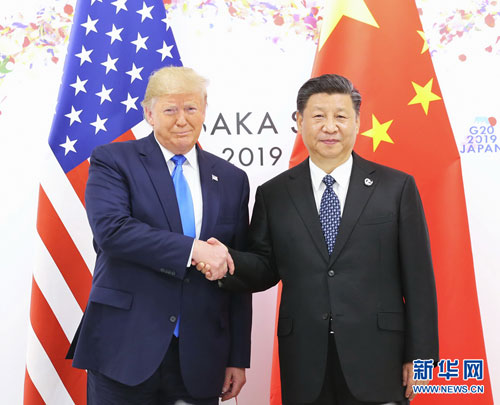
The Trump administration has directed the Department of Homeland Security to terminate all climate-related activities, effectively removing climate considerations from the agency responsible for managing disaster responses across the United States. This directive, issued through an internal memo, signifies a substantial shift in federal disaster preparedness and response strategies. The memo, disseminated to DHS leadership, mandates the cessation of programs and initiatives that address climate change impacts, […]

President Donald Trump is set to meet Jordan’s King Abdullah II at the White House today to deliberate on the U.S. administration’s contentious plan concerning the Gaza Strip. The proposal involves relocating Gaza’s Palestinian population to neighboring countries and redeveloping the territory under U.S. oversight—a strategy that has ignited widespread criticism across the Middle East.

Trump has advocated for the evacuation of Gaza’s 2.2 million residents, suggesting their resettlement in nations such as Jordan and Egypt. He envisions transforming the war-torn enclave into a prosperous area, referring to it as the potential “Riviera of the Middle East.” In a recent interview, Trump stated that Palestinians would not have the right to return to Gaza, proposing instead to provide them with better housing in neighboring countries.

This proposal has been met with firm opposition from key regional players. King Abdullah has unequivocally rejected the idea, emphasizing that Jordan will not accept any forced displacement of Palestinians from their homeland. He has labeled such proposals as a “red line,” underscoring the potential threat they pose to regional stability.

Egypt has also dismissed the plan, with officials reiterating their refusal to compromise on the Palestinian right to self-determination and return. The Egyptian government has emphasized that any attempts to annex land and displace Palestinians are unacceptable.

The Palestinian Authority and Hamas have condemned the proposal, viewing it as an attempt at ethnic cleansing. Hamas spokespersons have asserted that Gaza is not for sale and remains an integral part of Palestinian land.

Within the U.S., the plan has encountered skepticism from several Republican lawmakers. Critics argue that forcibly relocating an entire population could lead to further instability in the Middle East and damage America’s standing in the region.

Despite the backlash, Trump has indicated that he may leverage U.S. aid to encourage compliance with his plan. He has suggested the possibility of withholding financial assistance from countries that refuse to accept Palestinian refugees, a move that could significantly impact nations like Jordan and Egypt, which are among the largest recipients of U.S. aid in the region.

The meeting between Trump and King Abdullah comes at a critical juncture, as a fragile ceasefire between Israel and Hamas hangs in the balance. Trump has issued an ultimatum to Hamas, demanding the release of all hostages by midday Saturday, threatening to propose the cancellation of the ceasefire if his demands are not met. He has warned that failure to comply would result in severe consequences, stating that “all hell is going to break out” if the hostages are not freed.

Analysts suggest that King Abdullah’s visit to Washington is pivotal. As the first Arab leader to meet with Trump since his return to office, Abdullah is expected to present practical Arab perspectives on the Gaza situation. He aims to balance Jordan’s national security interests and domestic concerns while maintaining its crucial relationship with the United States.

Advertisements
By Nitya Chakraborty Is the U.S. President Donald Trump looking for a big deal with the Chinese President Xi Jinping in his second term to reshape the global order favouring two super powers and marginalizing both Western Europe and Russia? The question gets all the relevance if one analyses the policy announcements by the second […]
By Nitya Chakraborty The announcement on Gaza between Israel and Hamas just five days before the inauguration of Donald Trump as the President of USA on January 20 has baffled many leaders of the peace movement as also left liberal political analysts as to how to properly assess the policies of this hard far right […]
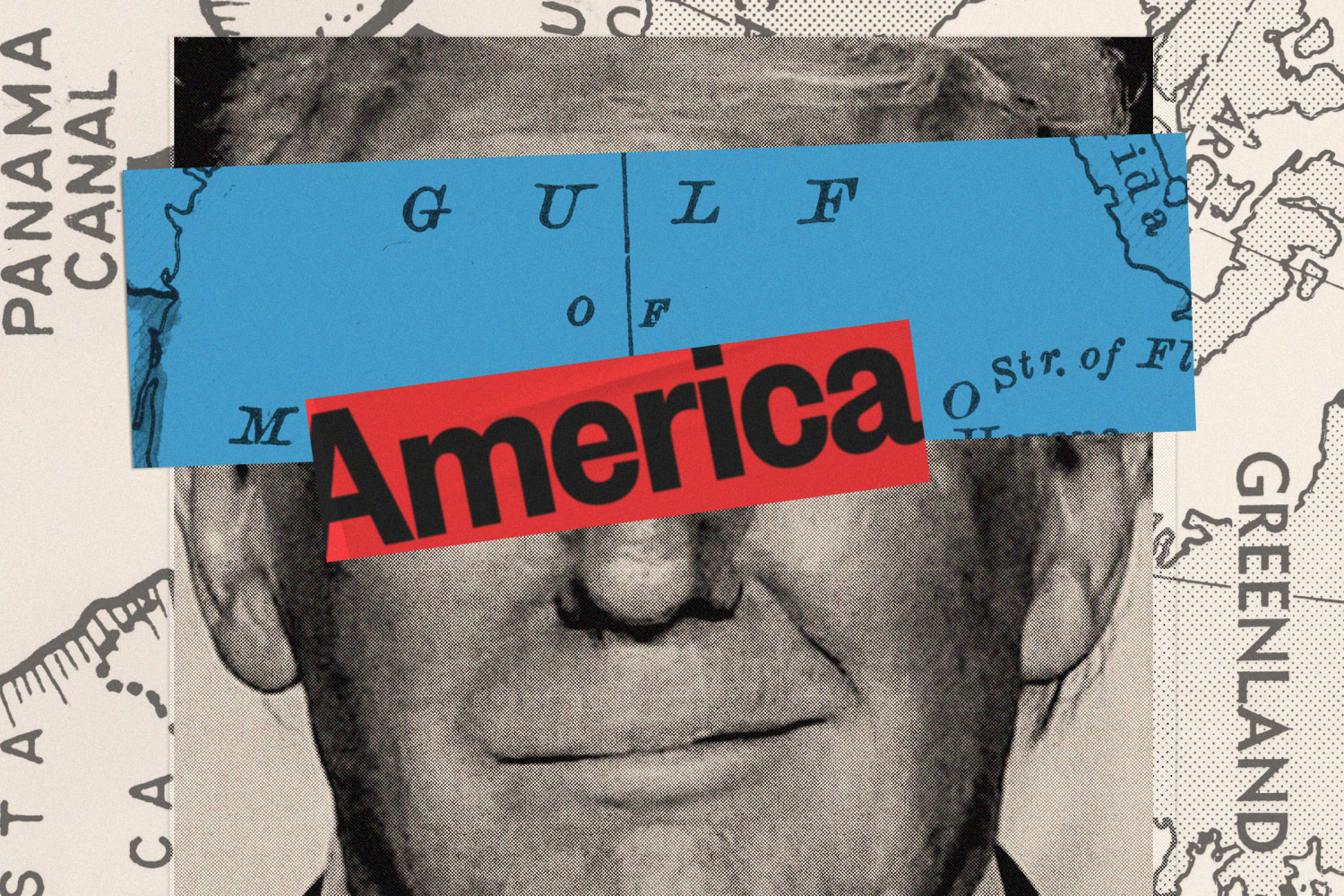
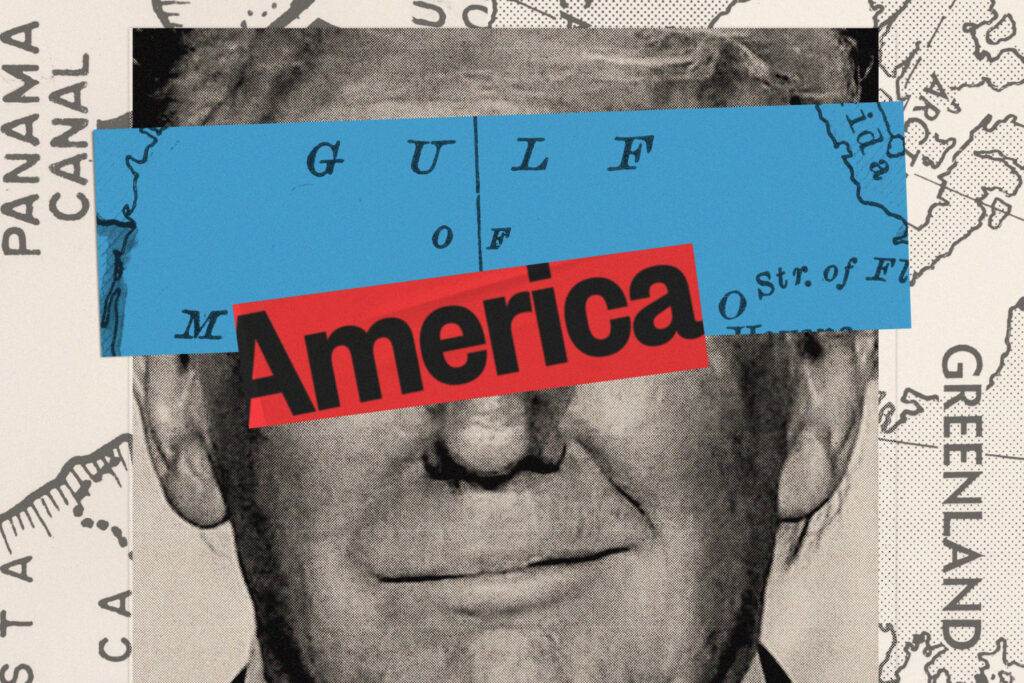
By Nantoo Banerjee There seems to exist a method in US President-elect Donald Trump’s madness when he talks about his desire to annex Canada and Greenland, and renaming the Gulf of Mexico among others. A US annexation of Canada is possible through a treaty between the two countries involving the British Monarch, or a referendum […]


Citigroup has announced its departure from the Net-Zero Banking Alliance (NZBA), becoming the third major U.S. bank to exit the United Nations-backed coalition this month. This move follows similar decisions by Goldman Sachs and Wells Fargo, highlighting a significant shift among American financial institutions regarding collective climate commitments. The NZBA, established in 2021, comprises banks dedicated to aligning their lending and investment portfolios with net-zero greenhouse gas […]

By Nantoo Banerjee Unbelievable but true. The government of the United States of America, supposedly the vanguard of modern capitalism, is fighting with its back to the wall to prevent a private corporate takeover of a publicly-listed US firm by a widely-held Japanese company. Both the outgoing US President Joe Biden of the Democratic Party […]

By Manish Rai While on my recent visit to Iraqi Kurdistan, I visited several frontline positions of the Peshmerga forces, where they are facing the Iraqi Army and active ISIS cells. Firstly, I visited Brigade 14 headquarters near Dibak, approximately 60 km from the Kurdistan capital, Erbil. There, I met with Brigadier General Almi Mzuri; he is a seasoned soldier who worked in the Iraqi Army for […]

Matein Khalid sTrump 2.0 will be all the more potent in reshaping America’s economic destiny since the White House, the Senate and the House are all blood red. Tariffs/mass deportation can mean inflation shocks but deregulation, AI adoption and DOGE will have a disinflationary impact on the economy. Trump will apply punitive tariffs on a selective basis on specific countries (notably China) but his economic team is […]

Several key figures from the Trump family and its network gathered at a high-profile cryptocurrency event in the Gulf region, where the convergence of digital currencies and the ever-growing market for crypto investments was on full display. The event, widely attended by industry leaders, investors, and political figures, provided a platform to discuss the emerging landscape of cryptocurrency, with a particular focus on Bitcoin, blockchain technology, and their future within global markets.

As the world navigates the evolving world of cryptocurrencies, the Gulf has become a hotspot for discussions around Bitcoin’s potential and the rising interest among both investors and political figures in the region. The event served as a reflection of broader global trends, where prominent political and business figures are increasingly aligning themselves with the digital currency space. For the Trump family and its allies, this marks an intensified involvement in the ever-growing crypto economy, a sector that has captured the attention of major global investors.

Donald Trump’s family members and political allies, including former White House officials and business partners, were seen attending various sessions during the gathering. These figures have been closely linked with the cryptocurrency movement for years, and their participation at the Gulf event highlights the increasing intersection between the digital currency world and high-profile political figures. Their presence not only signals a growing interest in the sector but also indicates how crypto has evolved from a niche technology to a mainstream financial asset.

The Trump family’s involvement in crypto aligns with broader Republican Party figures, some of whom have advocated for fewer regulations and a more lenient approach to crypto markets. Trump himself, while not overtly endorsing cryptocurrency in public statements, has repeatedly shown an interest in economic policies that benefit digital assets, often commenting on the need for more favorable conditions for businesses in the U.S. crypto space.

This growing alignment between the Trump family and cryptocurrency advocates has led to discussions regarding how the family’s network could further influence digital asset regulations. It is an environment that is ripe for policy lobbying and potential investment opportunities, making it a key area of focus for those gathered at the Gulf conference.

The Gulf region, particularly countries like the UAE and Saudi Arabia, has increasingly emerged as a global center for cryptocurrency innovation and regulation. These nations have been proactive in cultivating a crypto-friendly environment, with numerous free zones and financial hubs aimed at attracting digital asset companies and investors. Their push to position themselves as leaders in the digital finance sector is evident through initiatives aimed at creating regulatory frameworks that are conducive to cryptocurrency ventures.

For the Trump family and its allies, the event in the Gulf represents not just an opportunity to network, but also a deeper engagement with the region’s cryptocurrency potential. A number of Gulf-based investors have been vocal about their interest in Bitcoin, often citing its promise as a store of value amidst global economic instability. This is a view that aligns closely with statements made by key Trump allies, who see Bitcoin as a hedge against inflation and a safeguard for the future of financial systems.

While the Trump family’s direct involvement in crypto investments remains largely speculative, many members of their political network are increasingly vocal in advocating for the integration of cryptocurrency into mainstream financial markets. At the Gulf gathering, several key figures in the Trump camp discussed the potential for digital currencies to be integrated into broader financial systems, from asset management to cross-border payments, and even within the governance structures of central banks.

The event also highlighted the expanding role of cryptocurrency in global political and economic spheres. From the Trump family’s interactions with regional investors to the broader geopolitical implications of a burgeoning crypto economy, it is clear that the Gulf is positioning itself as a critical player in the digital finance space. For countries seeking to diversify their economies and establish dominance in future technologies, cryptocurrencies present an undeniable opportunity.

This expansion of crypto’s influence has not gone unnoticed among policy-makers. With growing calls for clearer regulations to protect both investors and the integrity of the financial system, the Gulf event also shed light on the regulatory challenges that come with rapid crypto adoption. Many industry leaders, alongside political figures, are discussing the importance of establishing global standards that could guide the industry in its growth while ensuring that digital currencies do not pose systemic risks to the financial ecosystem.

The Gulf event also served as a backdrop to discussions about the broader economic implications of cryptocurrencies, especially Bitcoin. As more global corporations and governments consider how to integrate digital assets into their financial systems, the Trump family’s growing involvement signals a broader shift in how political figures engage with the crypto industry. This is not just about investment but also about shaping the future of digital finance through favorable policies and regulatory measures.

As the cryptocurrency market continues to mature, it is clear that the involvement of key political figures, such as those from the Trump family, will play a crucial role in influencing both the regulatory landscape and the direction of investment in digital assets. The event in the Gulf was a clear demonstration of the growing interconnections between political figures, investors, and the rapidly evolving world of cryptocurrencies.

By Nitya Chakraborty Prime Minister Narendra Modi invited Russian President Vladimir Putin to visit India at the time of his visit to the BRICS summit at Kazan in Russia in October this year. This was immediately accepted by President Putin and in the last six weeks since the Kazan conclave on October 22-23 this year, […]

Balancing Global Dynamics HONG KONG SAR – Media OutReach Newswire – 4 December 2024 – Today, KGI has released its 2025 Market Outlook, covering regions including Mainland China, Hong Kong, Taiwan, the U.S., Singapore, and Indonesia. (From left) Cusson Leung, Chief Investment Officer at KGI; James Chu, Chairman at KGI Securities Investment Advisory; James Wey, Head of International Wealth Management at KGI; Kenny Wen, Head of Investment […]

U.S. President Joe Biden has pardoned his son, Hunter Biden, clearing federal convictions related to gun possession and tax offenses. This decision follows months of scrutiny over Hunter’s legal troubles, which had drawn significant public attention and political criticism. The pardon marks a reversal from the president’s prior stance, where he had assured he would not interfere in the judicial process concerning his son. Hunter Biden was […]

By Anjan Roy The real import of the US department of justice (DOJ) indictment of Indian billionaire, Gautam Adani, on counts of corruption and bribery has been somewhat lost on the wider public. It is the geo-economics of US dominion over the rest of the world that has to be taken note of. It is […]

Political divisions are increasingly shaping public health outcomes, creating barriers to effective healthcare and widening disparities across communities. The interplay between ideological and partisan identities has significant consequences on health policies, behaviors, and outcomes, as seen during the COVID-19 pandemic and beyond.

Polarization occurs when societal opinions, beliefs, or interests split into opposing extremes. This trend has grown over decades in the United States, fueling challenges in addressing public health crises. Researchers Shana Kushner Gadarian, Jay J. Van Bavel, Eric Knowles, and Kai Ruggeri highlight these impacts, emphasizing the urgent need to mitigate the health risks tied to political polarization.

The COVID-19 pandemic exemplified how political affiliations influence health behaviors. Data from 2020 to 2021 showed that individuals who supported Donald Trump were less likely to adopt recommended measures such as mask-wearing and social distancing. This partisan divide extended to vaccination rates, resulting in significantly higher COVID-19-related death rates among Republican voters compared to Democrats.

The research underscores that polarization doesn’t just influence individual behavior—it also stymies public health policymaking. When political leaders prioritize partisan interests over evidence-based strategies, essential compromises become elusive. The aftermath of the Affordable Care Act’s passage revealed this dynamic, with Republican voters less inclined to enroll in the program despite its benefits. Similarly, legislative battles over abortion rights and Medicaid expansion highlight how political divides obstruct progress on crucial health initiatives.

State-level policies further exacerbate health inequities. In the U.S., states with more liberal policies, such as Medicaid expansion, stricter tobacco regulations, higher minimum wages, and tighter gun control, tend to see better health outcomes and longer lifespans. Conversely, conservative-leaning states often resist such measures, leading to poorer health outcomes. This growing divide reflects the broader implications of polarization on individual and community well-being.

Polarization also hinders local governments’ ability to enact health policies. As state-level leaders increasingly preempt local regulations, measures such as paid sick leave, minimum wage adjustments, and firearm safety laws face significant hurdles. This limits the effectiveness of public health strategies and exacerbates disparities between states.

At an individual level, polarization can erode trust in healthcare systems and experts. People with strong partisan identities are more likely to reject contradictory information, even when it pertains to critical health risks or preventive measures. This resistance can lead to lower rates of flu vaccinations, unhealthy dietary choices, and reluctance to seek medical care.

The researchers also observed a link between extreme political beliefs and poorer physical and mental health outcomes. Individuals who align more ideologically with the extremes, compared to their state’s average voter, tend to experience worse overall health. These findings suggest that extreme partisanship not only divides communities but also harms individual well-being.

Former U.S. congressman Pete Hoekstra has been nominated by President Donald Trump to serve as the next U.S. Ambassador to Canada. Hoekstra, who represented Michigan’s 2nd Congressional District from 1993 to 2011, has a long history of involvement in both politics and national security. His nomination is expected to further solidify the U.S.-Canada relationship, although it also raises questions about his qualifications for the diplomatic post. Hoekstra’s […]

KUALA LUMPUR, MALAYSIA – Media OutReach Newswire – 20 November 2024 – Bitcoin, the world’s most famous digital currency, has demonstrated an impressive performance following the U.S. presidential elections, in which Donald Trump, a Republican candidate, achieved a decisive victory. Although it has been widely speculated that Bitcoin would rally under Trump, a 30% rise in value in the course of just two weeks surprised even the […]

By Nitya Chakraborty The Ukraine war entered its 1000th day on Tuesday, November 19 and on the same afternoon, President Zelensky used for the first time high tech AATCMS missiles for striking inside Russia after getting green signal from the outgoing President Joe Biden only two days before. Soon after, President Putin announced lowering the […]
By Dr. Nilanjan Banik Donald Trump made history by winning a larger share of Black and Hispanic votes compared to 2020, and by becoming the first since George W. Bush to win based on popular votes. There had already been indications of Trump winning, although not by such a decisive margin. Initially, the US betting […]

VISHNU RAJA
RYO YAMADA
HITORI GOTOH
IKUYO KITA