News related to
Republican

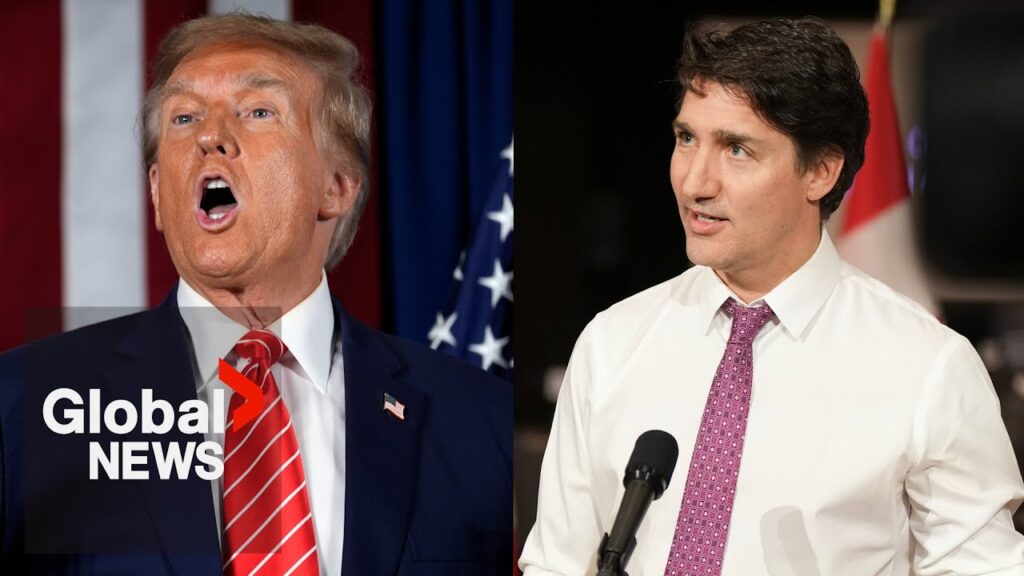
Donald Trump declared a resounding victory following his success in a pivotal electoral contest, marking a significant milestone in his political journey. Speaking to a fervent crowd of supporters, Trump praised his campaign’s momentum and emphasized the importance of his victory in shaping the nation’s future. His remarks came after securing a crucial state that many had anticipated to be a tight race.

Trump’s win has sent shockwaves through the political landscape, igniting debates over the direction of the upcoming election cycle. Political analysts have been quick to weigh in on the implications of his victory, with some suggesting it could be a precursor to a broader surge in support, while others caution that the battle for the White House is far from over.

The former president’s victory in this key state highlights his continuing influence within the Republican Party. In his speech, Trump reinforced his stance on major issues, including immigration, trade, and national security, reiterating promises to restore economic prosperity and strengthen America’s global standing. His remarks were a clear message to his rivals that he is ready to reassert control over the political narrative leading up to the next presidential election.

Trump’s political allies have rallied behind his victory, seeing it as a reaffirmation of his strength as a candidate. Republican figures, many of whom had initially been skeptical about his potential candidacy, have now aligned themselves with his vision for the future. Several prominent party members have voiced their support, underscoring the idea that Trump’s victory could pave the way for a unified Republican front as the race for 2024 intensifies.

Meanwhile, the Democratic Party is bracing for what promises to be a fiercely contested election. Trump’s message of economic recovery and national security resonated with voters in key battleground states, suggesting that his ability to galvanize support among certain demographic groups remains a formidable force. This victory has reignited concerns among Democratic strategists about Trump’s potential to sway critical swing voters.

In the aftermath of his speech, there has been an outpouring of both support and criticism from various quarters. While many of his supporters cheered his victory, praising his leadership and vision, others expressed concerns over the divisive rhetoric that has often characterized his political career. Opponents argue that Trump’s approach to governance, particularly his handling of issues like healthcare, social justice, and climate change, has been polarizing and detrimental to the broader social fabric of the country.

The race for the presidency has undoubtedly entered a new phase, with Trump’s electoral success serving as a reminder of the enduring strength of his political brand. As he continues to rally supporters, the coming months will likely see heightened scrutiny of his policies and public statements. The Republican Party, meanwhile, faces a critical decision as it assesses how best to position itself for the approaching election cycle.

As political analysts digest the implications of this victory, attention is turning to the potential candidates who could emerge to challenge Trump for the Republican nomination. While several prominent figures have already signaled their intentions to run, none have yet been able to replicate the level of support Trump continues to command among a significant portion of the electorate.

The broader political environment remains unpredictable, with many questioning how the next phase of the race will unfold. In the coming months, both parties will focus their efforts on winning over key voting blocs, particularly in swing states, where Trump’s influence has been most keenly felt. As he capitalizes on this victory, Trump will need to navigate both internal party dynamics and external opposition to maintain his political dominance.

Bitcoin has surged to an all-time high as traders factor in the possibility of a Donald Trump victory in the upcoming U.S. presidential election. The cryptocurrency reached new heights, surpassing the $40,000 mark for the first time, driven by a combination of factors, including growing political uncertainty, the appeal of Trump’s economic policies, and an increasing demand for decentralized assets as hedges against inflation.

As the election race intensifies, market analysts are closely monitoring how Trump’s political resurgence could impact traditional markets and the broader economy. Traders seem to be betting that a second Trump presidency would lead to favorable conditions for Bitcoin, particularly given his past rhetoric on the benefits of digital currencies and his critical stance toward centralized financial systems.

Bitcoin’s rapid rise comes at a time when the broader global economy is grappling with uncertainty. The U.S. economy, though resilient in many ways, faces challenges such as inflation, supply chain disruptions, and a fluctuating stock market. With the Federal Reserve’s interest rate hikes and the push for tightening monetary policy, many investors are looking for assets that provide an alternative to traditional banking systems. Bitcoin, often viewed as a store of value similar to gold, fits the bill.

Trump’s influence on Bitcoin’s price movement is not entirely new. In 2017, during his first presidential campaign, Bitcoin saw significant price appreciation, as his anti-establishment rhetoric resonated with many investors seeking refuge from a perceived unstable traditional financial system. His leadership style, coupled with calls to deregulate the financial sector, has always aligned with the ideals of the crypto community, which champions decentralization and reduced government oversight.

The current market sentiment surrounding Bitcoin reflects growing confidence in the cryptocurrency’s long-term potential, especially among traders who perceive Trump’s economic policies as supportive of asset appreciation. Trump’s stance on cryptocurrencies has evolved over time. Initially dismissive, his recent statements have indicated a more favorable approach, particularly with the rise of Bitcoin’s mainstream appeal.

While Bitcoin’s value continues to climb, it has also drawn attention from traditional financial institutions, who are taking a closer look at the asset class. Major financial firms are increasingly open to the idea of incorporating Bitcoin into their portfolios, with some even offering products that allow clients to invest directly in the cryptocurrency. This shift represents a growing mainstream acceptance of Bitcoin, which was once viewed as a speculative and volatile asset.

The surge in Bitcoin’s price is not solely attributable to political factors. The rise of institutional investment, the increasing adoption of blockchain technology, and regulatory clarity are all contributing to the cryptocurrency’s appeal. In countries like El Salvador, where Bitcoin has been adopted as legal tender, the digital currency’s role as a financial tool has become more apparent. The growing use of blockchain technology in industries ranging from supply chain management to healthcare also bodes well for Bitcoin’s future, as it becomes increasingly intertwined with global economic systems.

In the U.S., Bitcoin’s role in the political sphere is also gaining attention. Some political figures, particularly those aligned with the Republican Party, have expressed support for digital currencies, viewing them as a way to counterbalance the influence of the Federal Reserve and the U.S. dollar. Trump, despite his criticisms of the current administration, has been vocal in supporting policies that could benefit the cryptocurrency market. His stance on cryptocurrency has been a mixture of endorsement and skepticism, but his broader economic agenda, which favors lower taxes, deregulation, and less government intervention, aligns with the pro-crypto sentiment prevalent in the market.

Despite Bitcoin’s bullish momentum, there are concerns about the potential risks associated with such rapid price increases. Critics warn that Bitcoin’s volatility could result in a market correction, particularly if traders begin to overextend their positions. Additionally, global regulatory pressures could affect the asset’s price trajectory. Some governments, including China and the European Union, have signaled that they may take a more stringent approach to cryptocurrency regulation, which could influence market sentiment and investor behavior.

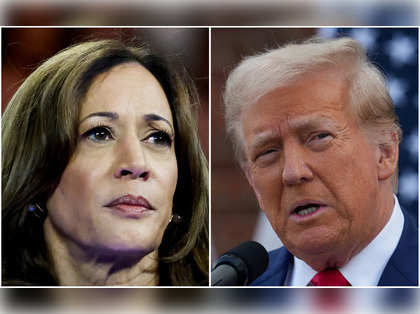
Energy policy has emerged as a crucial issue in the final stretch of the election, with candidates Donald Trump and Kamala Harris presenting starkly contrasting visions for the future of energy in the United States. As voters prepare to head to the polls, both candidates are intensifying their efforts to sway public opinion on how best to address the pressing challenges of climate change, energy independence, and […]

A growing bipartisan consensus among key political leaders in the United States is emerging regarding the establishment of a sovereign wealth fund aimed at enhancing national economic stability. This initiative is gaining traction as both Republican and Democratic lawmakers express optimism about its potential benefits. However, this enthusiasm is met with skepticism from various economic experts and stakeholders who question the fund’s practical implications and operational challenges. […]

By Nitya Chakraborty Republican candidate Donald Trump’s Diwali message, just four days before the crucial November 5 presidential elections in USA, has enormous significance, which goes beyond the possible impact on Hindu-Americans voters on the polling day. The content of the message will have big impact on Bangladesh politics in the event of a Trump […]
By Kalyani Shankar DALLAS (USA): The U.S. Presidential election on November 5 is of immense significance, as it will determine the next tenant of the White House and shape the future of the United States an also its relationship with the other countries of the world.. Whether USA will get its first woman president or […]
By Nantoo Banerjee Domestic issues often override international commitments in diplomacy. China’s preference of Kamala Harris to Donald Trump as the next US president may look unusual but not entirely illogical from the world’s second largest economy’s business point of view. China may not mind if such a possibility could enhance diplomatic discomfort to its […]

Advertisements

Donald Trump has unveiled a tax reform proposal aiming to exempt approximately 93.2 million Americans from federal income taxes. This ambitious plan focuses on eliminating income tax liabilities for individuals earning below a certain threshold, which aligns with Trump’s ongoing efforts to reshape the tax system and promote economic growth. The initiative proposes significant changes, including the removal of taxes on tips and Social Security benefits, signaling a shift in fiscal policy that may impact millions of low- and middle-income workers.

Central to Trump’s tax strategy is the introduction of a new revenue framework based on tariffs, which he argues will replace the traditional income tax model. The proposal outlines a universal 20% tariff on all imports, with an even steeper 60% tariff on goods imported from China. By doing so, the former president aims to generate substantial revenue that would fund his tax cuts and other fiscal initiatives. This approach represents a fundamental change in how the government would collect revenue, relying more heavily on trade rather than direct taxation of citizens’ incomes.

The proposed reforms have sparked debate among economists and policymakers regarding their viability and potential consequences for the economy. Proponents argue that the elimination of income taxes for a large segment of the population would increase disposable income, thereby stimulating consumer spending and fostering economic growth. They contend that individuals who currently face a significant tax burden would have more resources to invest in goods, services, and savings.

Critics, however, caution that such a tax overhaul could lead to considerable budget deficits if the anticipated tariff revenues do not materialize as projected. They highlight that a universal 20% tariff on imports could provoke retaliation from trade partners, particularly China, potentially escalating into a trade war. The economic implications of increased tariffs could also ripple through domestic industries that rely on imported materials, resulting in higher costs for consumers and businesses alike.

Key players in the political landscape are beginning to respond to Trump’s tax plan. Some members of Congress have expressed cautious optimism, suggesting that the proposal may resonate with constituents frustrated by high taxes. Others remain skeptical, voicing concerns about the long-term fiscal implications and the impact on essential government services funded by income tax revenue.

The plan’s reliance on tariffs raises questions about its impact on inflation. With increased costs associated with imported goods, the price of everyday items could rise, disproportionately affecting low-income families who already spend a larger share of their income on necessities. Economists warn that the resulting inflationary pressures could negate any short-term benefits gained from tax exemptions.

Public opinion regarding tax reforms is mixed. A recent survey indicates that while many Americans favor tax cuts, there is significant apprehension about how those cuts would be funded. The possibility of higher consumer prices due to increased tariffs creates a dilemma for many voters, who may find themselves caught between lower taxes and rising costs of living.

Amid this backdrop, Trump’s proposal has found both support and resistance within the Republican Party. Some party members see this as an opportunity to fulfill a long-standing goal of overhauling the tax system in a way that aligns with conservative principles. Others warn against the potential fallout from abandoning traditional income tax structures, emphasizing the need for a balanced approach to tax reform that safeguards government revenue and public services.

As discussions surrounding the proposal continue, financial markets are watching closely. The uncertainty around tariff policies and their economic repercussions could lead to increased volatility, especially in sectors sensitive to trade. Investors are likely to assess how the tax plan and its implementation will influence consumer behavior and corporate profits.

While the tax reform proposal seeks to simplify the tax code and alleviate the burden on a significant portion of the American population, the broader implications of such changes remain to be fully understood. Stakeholders from various sectors are encouraged to engage in the debate, weighing the benefits of tax relief against the potential economic risks associated with an untested revenue model reliant on tariffs.

LOS ANGELES/DNA, UNITED STATES – Newsaktuell – 18 October 2024 – With less than three weeks to go until the November 5 presidential election, a new analysis warns that declining democratic accountability in the US means the power of American people’s voice will be diminished. Two candidates for the US presidency. A person stops to watch a screen displaying the US Presidential debate between Vice President and […]

By Nitya Chakraborty The U.S. Presidential elections on November 5 have assumed unusual significance in the shaping up of the future of Bangladesh which is presently ruled by an interim government headed by the Nobel Laureate Dr. Muhammad Yunus. In the last two weeks, hectic activities were on in both Dhaka as well as in […]

M A Hossain The upcoming US presidential election on November 5, 2024, carries significant implications for the entire world, including Bangladesh’s political landscape. With the recent ouster of Prime Minister Sheikh Hasina and her fleeing the country thus taking refuge in India, Bangladesh stands at a political crossroads, facing unprecedented geopolitical pressures. An intriguing aspect of this shift is the waning interest of foreign lobbyists in Washington, […]

The possibility of Dan Gallagher, Robinhood’s Chief Legal Officer, becoming the next SEC chair is gaining traction, particularly in the event of a Donald Trump presidency. His candidacy signals a shift in regulatory priorities, especially concerning the highly scrutinized cryptocurrency sector. Gallagher, who previously served as an SEC commissioner, has expressed clear opposition to the SEC’s current stance on crypto enforcement, arguing for more nuanced, tailored regulations that support market growth while ensuring investor protection.

As discussions about the leadership of the SEC intensify, Gallagher’s approach to cryptocurrency regulation has garnered support among certain industry players. His emphasis on creating crypto-specific regulations contrasts sharply with the current SEC chair Gary Gensler’s aggressive enforcement of registration requirements for crypto platforms. Gensler has focused heavily on pursuing platforms like Binance and Coinbase, accusing them of offering unregistered securities, a stance Gallagher views as a misapplication of regulatory authority. He contends that such efforts stifle innovation and fail to recognize the unique nature of crypto assets.

The SEC’s crypto enforcement actions have triggered heated debates within the industry. Gallagher has been vocal about the need to differentiate fraud prevention from registration violations, arguing that targeting platforms purely for registration failures doesn’t address the real risks in the crypto market. This perspective has resonated with crypto advocates who view the SEC’s current actions as excessive. Should Gallagher assume leadership, it is expected that the SEC would take a more crypto-friendly approach, reducing its focus on punitive enforcement and prioritizing fraud-related cases.

Gallagher’s potential leadership also raises questions about the future of cryptocurrency exchange-traded funds (ETFs). Under Gensler, the SEC has been reluctant to approve spot Bitcoin ETFs, citing concerns about market manipulation and investor protection. However, there is speculation that a Gallagher-led SEC would be more open to approving these financial instruments, which are seen as crucial for providing retail investors with safer exposure to cryptocurrencies.

The broader implications of Gallagher’s potential appointment extend beyond crypto regulation. His past tenure at the SEC was marked by a strong pro-business stance, advocating for policies that would increase market access and reduce regulatory burdens. This outlook aligns with the broader deregulatory agenda expected from a Trump administration, which would likely seek to roll back several Biden-era policies across financial regulation, including ESG (Environmental, Social, and Governance) disclosure requirements that have been a point of contention.

Industry insiders have pointed out that if Gallagher takes the helm, he may also influence the SEC’s stance on initial public offerings (IPOs) and special purpose acquisition companies (SPACs), which have faced stricter scrutiny under Gensler. Gallagher’s leadership could usher in a period of relaxed oversight, encouraging more companies to go public through traditional IPOs or SPACs without facing stringent SEC regulations.

The SEC, historically structured to maintain a balance between political affiliations, could see a significant shift if Gallagher assumes the role. Currently, only two of the five commissioners are Republicans, with the remaining three appointed by Democratic administrations. However, should a Republican win the presidency, the SEC’s composition would likely change, with more appointees favoring Gallagher’s pro-business, market-friendly regulatory approach. His nomination would also mark a departure from the leadership of Gensler, who has been criticized by both Republican commissioners and crypto proponents for his enforcement-heavy approach.

Meanwhile, Gallagher’s critics argue that a more lenient regulatory approach could pose risks, particularly in a sector as volatile and rapidly evolving as cryptocurrency. They point to the collapse of major crypto firms like FTX, emphasizing the importance of stringent oversight to protect investors. Skeptics warn that weakening the SEC’s enforcement actions could leave gaps in investor protection, potentially leading to fraud and market manipulation.

By Nitya Chakraborty Monday October 7 2024 marks the completion of one year of the Israel-Palestine war which started with the brutal attack on the citizens of Israel by the militant Palestine group Hamas and the more severe retaliation by the Israel Defence Forces (IDF) and the complete annexation of the Gaza area along with […]

KUALA LUMPUR, MALAYSIA – Media OutReach Newswire – 30 September 2024 – The market has reacted live as Vice-President Kamala Harris and former President Donald Trump clashed in their first—and possibly last—debate before the November election. With financial markets already reacting to the debate’s fallout, the candidates’ performance and policies could reshape trading strategies. Below is an outline of what it means for traders’ long-term investment portfolios […]

Vice President Kamala Harris made a notable commitment to bolster investments in artificial intelligence (AI) and cryptocurrency during a high-profile fundraising event in New York City, held as part of her 2024 presidential campaign. Addressing a crowd of key Democratic donors, Harris emphasized the importance of emerging technologies and outlined her vision for fostering growth in the AI and crypto sectors, promising significant support if elected to […]

North Carolina Governor Roy Cooper has suggested that the fallout surrounding Lieutenant Governor Mark Robinson could present an unexpected advantage for Democrats, particularly Vice President Kamala Harris, in the state’s upcoming elections. Robinson, a polarizing figure within the state’s Republican Party, has drawn increasing criticism for his controversial remarks on issues such as transgender rights and slavery, which some view as extreme even within conservative circles.

Robinson’s rise to prominence in 2020, largely supported by a populist, Trump-aligned base, has put him in a powerful position as the GOP’s gubernatorial candidate for 2024. However, a series of inflammatory statements made over the years — including derogatory comments about the LGBTQ+ community and remarks glorifying slavery — have resurfaced, igniting a public relations crisis for his campaign. The scandal has reverberated beyond North Carolina, affecting national politics as well, with Democrats eyeing potential openings.

Governor Cooper, who is not seeking re-election, believes that the controversy surrounding Robinson could benefit the Democrats, particularly as Harris seeks to flip North Carolina in her bid for the White House. Democrats have targeted Robinson’s divisive rhetoric, portraying him as part of a broader Republican movement that threatens to alienate key voter demographics, including women and minorities. Harris’s campaign has already launched targeted ads linking Robinson to former President Donald Trump, amplifying concerns about his suitability to lead a diverse state like North Carolina.

The state’s political landscape has seen significant shifts over the last decade. After briefly flipping for Barack Obama in 2008, North Carolina has remained a critical battleground, with Republicans holding legislative power and Cooper maintaining the governorship. The state’s GOP, previously known for its moderate positions, has increasingly aligned with Trump-style politics, which has energized its base but also alienated some moderate voters. Robinson’s candidacy encapsulates this evolution, as he rose to prominence with no prior political experience, riding the wave of populist anger and the viral nature of social media.

However, the baggage attached to Robinson’s candidacy now threatens to fracture the Republican coalition. His critics, including some within his own party, argue that Robinson’s inflammatory remarks could cost the GOP the state in what is shaping up to be a fiercely contested gubernatorial race. In the latest polling, Robinson trails the Democratic candidate, Attorney General Josh Stein, who has avoided the kind of controversy that has engulfed his opponent. Stein’s potential victory would make him North Carolina’s first Jewish governor, a historic moment that some Democrats believe would further erode the Trump-era influence in state politics.

Harris’s campaign is banking on Robinson’s controversies to swing suburban voters and women back toward the Democratic fold. By highlighting Robinson’s statements, Democrats aim to present Harris as a unifying force capable of bridging the state’s political divides. North Carolina’s importance as a swing state in the 2024 presidential election cannot be overstated, with both parties viewing it as a critical bellwether for national trends. While Robinson remains defiant and insists that his comments are being taken out of context, the broader political fallout is unmistakable.

Prominent Republicans, including Senator Thom Tillis, have expressed concern about the impact Robinson could have on down-ballot races, warning that his candidacy could depress turnout among moderate Republicans and swing voters. Despite this, the state GOP continues to back Robinson, viewing his appeal to the base as essential in a tightly contested election cycle.

Donald Trump, the leading Republican candidate for the 2024 U.S. presidential election, made an unexpected move during a campaign stop at PubKey, a Bitcoin-friendly bar in New York City. Trump, who had previously dismissed cryptocurrencies as “a scam,” surprised many by completing his first-ever Bitcoin transaction, buying hamburgers for his supporters with the digital currency.

During the event, the former president used Bitcoin’s Lightning Network, a technology that enables faster, more cost-efficient transactions. Although PubKey’s representatives did not confirm the specifics of the transaction, footage shows Trump distributing burgers, referring to them as “crypto burgers,” signaling a newfound embrace of the digital asset space.

Coinbase’s recent lobbying efforts have intensified, reflecting a broader strategy to sway U.S. regulatory landscapes in favor of the cryptocurrency sector. Over the past two years, the cryptocurrency exchange has channeled a significant portion of its lobbying budget, with 74% of its total spending during this period aimed at influencing policy and legislative outcomes. Despite these efforts, the exchange’s attempts to elevate cryptocurrency issues during high-profile political […]

The 2024 U.S. presidential election is rapidly shaping up to be a fierce contest, with Pennsylvania standing at the forefront of political attention. Both Kamala Harris, the current Vice President, and Donald Trump, the former president seeking another term, have concentrated their campaigns on the Keystone State. The focus on Pennsylvania comes as the state’s electoral votes are seen as pivotal for either candidate to secure victory […]

Donald Trump’s legal team submitted a not guilty plea on his behalf during a pivotal hearing held on Thursday. The hearing, tied to his federal indictment for attempting to subvert the 2020 election results, resumed after a 10-month delay. Trump’s appearance marked a significant development in an ongoing legal saga that has captivated national attention, coinciding with the release of a consequential U.S. Supreme Court ruling that […]

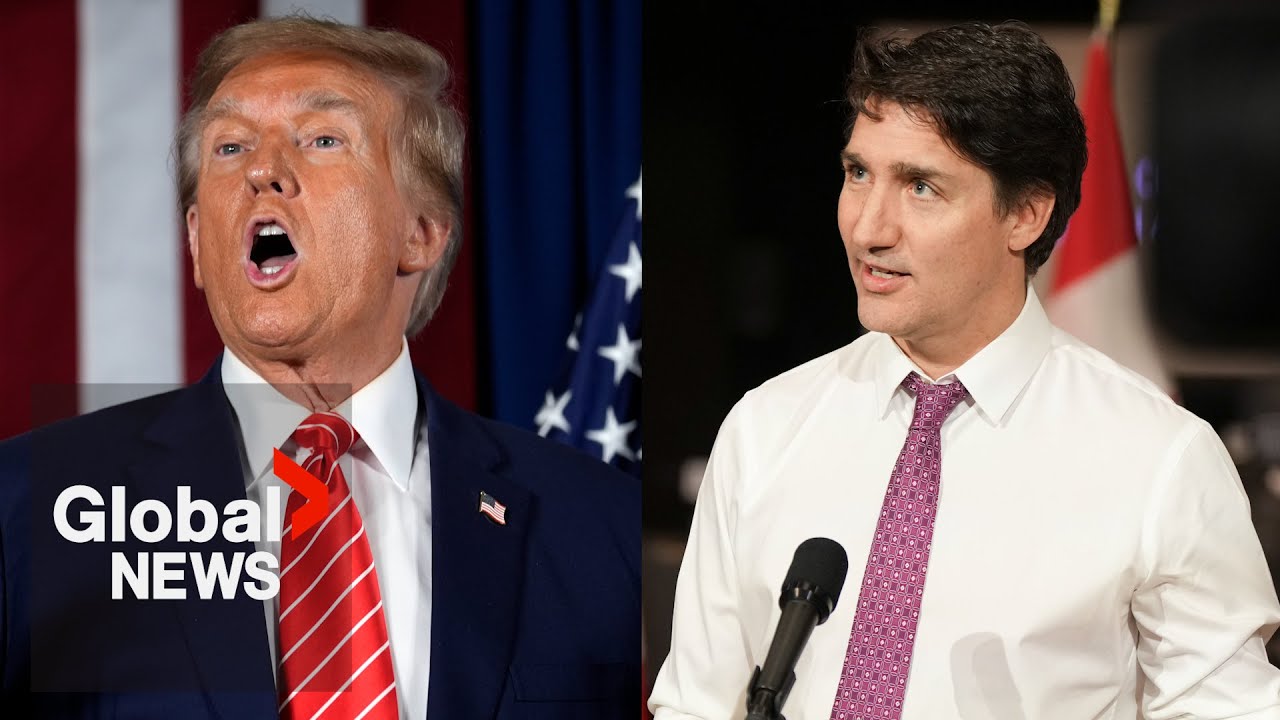
By Arun Kumar Shrivastav The US Presidential election is scheduled for 5 November 2024 while the Canadian elections to elect a new Prime Minister is expected to take place in October 2025. After Kamala Harris became Democratic Party nominee for the President in the upcoming election, Republican Party’s Donald Trump, who was seen as a […]
By Sushil Kutty The Maharashtra assembly polls are slated later this year along with Jharkhand. Also the bypolls in 10 UP assembly seats, which will put Uttar Pradesh Chief Minister Yogi Adityanath to test, are due. The thing to watch, however, is whether Prime Minister Narendra Modi will come out of his post-June 4 shell […]

By Nitya Chakraborty The interim Government in Bangladesh led by Dr. Muhammad Yunus has achieved big success in the last few days in persuading the Biden administration to help in bailing out the country’s ailing economy to meet the immediate challenges of the post-Hasina administration. Interim Government head Dr. Md. Yunus who has good friends […]

KUALA LUMPUR, MALAYSIA – Media OutReach Newswire – 2 September 2024 – The influence of presidential elections on financial markets is often temporary. Still, the psychological effect of elections on traders and investors can cause emotional and illogical behaviour, contributing to increased market swings. Apart from the White House, the Senate is also up for grabs this fall, and the balance of power inside the legislative branch […]

VISHNU RAJA
RYO YAMADA
HITORI GOTOH
IKUYO KITA