News related to
Republican

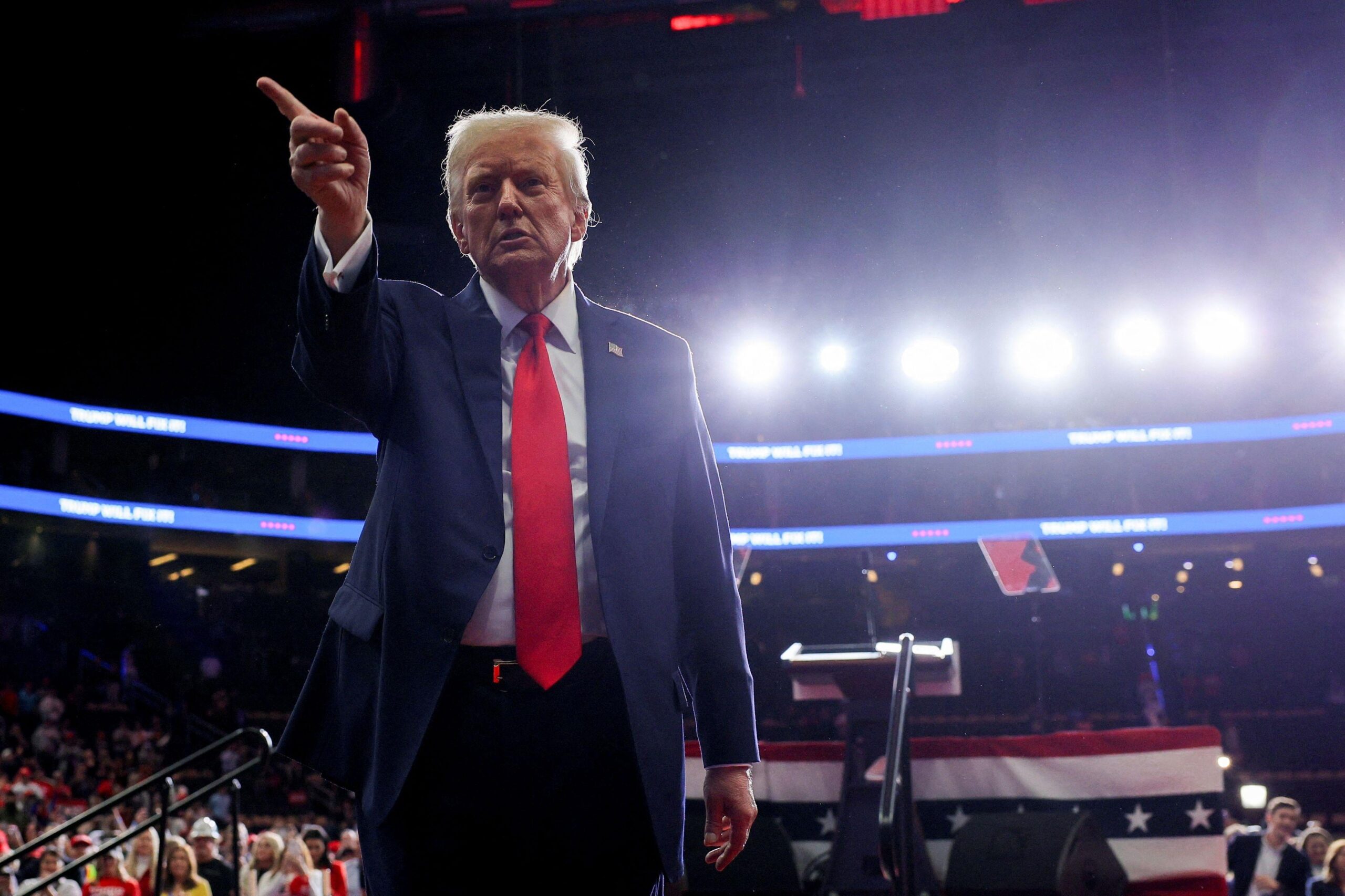
U.S. President Donald Trump has appealed directly to the House of Representatives to pass the GENIUS Act—a bipartisan stablecoin regulation bill cleared by the Senate—without any amendments or delays, stressing that it will position the country as the “undisputed leader” in digital assets.

The Senate passed the bill on 17 June with a decisive 68‑30 vote, supported by senators from both parties. It introduces stringent rules for stablecoin issuance, including full backing of coins with liquid reserves and monthly disclosures of reserve compositions, alongside audit and Treasury oversight provisions. Trump openly praised the legislation, calling it “pure genius” and urging House Republicans to advance a “clean” version so it reaches his desk before Congress breaks for its August recess.

Major market players reacted positively. The approval spurred significant gains in related equities: shares of Circle Internet, issuer of the USDC stablecoin, surged between 16% and 27%, reflecting investor optimism for regulatory clarity and mainstream token adoption.

The GENIUS Act’s framework mandates that only permitted issuers—such as banks or federally approved payment companies—may issue stablecoins for U.S. users. It requires a one‑to‑one reserve ratio in U.S. dollars or Treasuries and monthly public disclosures about reserve composition. Additionally, it introduces safeguards for consumer protection and bankruptcy protocols prioritising stablecoin holders. Large issuers will have to undergo annual audits, and the bill prohibits stabilecoin ownership by Congress members, though it excludes the President and Vice President.

While Trump’s endorsement reflects his broader pro-crypto pivot—underscored by investments like Bitcoin, policy appointments, and support from his digital-assets advisory council—critics have flagged potential conflicts of interest. Trump and his family hold substantial stakes in crypto ventures including World Liberty Financial and its USD1 stablecoin, having earned tens of millions in 2024. Critics stress that exemption of the President from the bill’s conflict-of-interest ban leaves a loophole that some fear could be exploited.

Senators on both sides celebrated the bill. Republican sponsor Bill Hagerty described it as a “paradigm-shifting development” that moves the U.S. toward global leadership in crypto. Senate Banking Chair Tim Scott described it as “the most significant digital assets legislation ever to pass the U.S. Senate”. Treasury Secretary Scott Bessent projected that the bill could expand the stablecoin market to $3 trillion‑plus by decade’s end.

Nonetheless, the path ahead is not without hurdles. Some Democrats, including Elizabeth Warren, Jeff Merkley and others, raised objections during Senate negotiations, warning the bill could grant a “super‑highway for corruption” and fails to curtail potential for big tech firms entering the stablecoin market. Senate negotiators incorporated numerous amendments to secure support, but key concerns remain unresolved.

The U.S. Senate has enacted the GENIUS Act, the first-ever federal framework for regulating dollar‑pegged stablecoins, with a decisive 68–30 bipartisan vote on 17 June 2025. Eighteen Democrats joined Republicans in supporting the legislation, which now advances to the House and is expected to reshape Washington’s digital asset rules.

The bill mandates that stablecoin issuers back tokens with liquid assets such as U.S. Treasuries, require regular financial disclosures and adhere to anti‑money‑laundering measures. It grants banks the authority to issue stablecoins, while explicitly restricting executive branch officials and legislators from sharing in their profits—a direct response to concerns over conflicts of interest.

A surge in crypto-sector investment in political campaigns appears to have shifted momentum. Industry spending topped $119 million in support of pro‑crypto congressional candidates during the 2024 cycle. Lobbyists then intensified efforts to engage Democratic lawmakers, viewed as essential for reaching the 60-vote threshold in the evenly divided Senate.

Internal communications among Democratic operatives reveal strategic alignment with crypto backers. In a private group chat described in reporting by the Lever, coalition members acknowledged that, despite ethical concerns, opposing the industry would be “political suicide.” One member reportedly observed that any amendment targeting Trump‑family conflicts would be “DOA,” suggesting token amendments offered for optics rather than impact.

Legislators including Senator Elizabeth Warren have voiced misgivings, arguing that the bill inadequately shields consumers or addresses risks associated with big‑tech or foreign‑issued stablecoins. She contends it grants too much leeway to the likes of former President Donald Trump’s crypto ventures, such as the Trump memecoin and World Liberty Financial.

The crypto lobby’s efforts have extended beyond campaign funding to retention of influential political operatives. Coinbase, for instance, recently appointed veteran Democratic strategist David Plouffe to its advisory board, joining a roster of insiders from both parties. Observers note this reflects crypto’s emerging status as a “politically competitive” constituency.

The political dynamic has shifted decisively. As AP reports, Democrats are balancing distrust of Trump-linked crypto enterprises with newfound recognition of the sector’s electoral influence. Backing the GENIUS Act became for many a strategic necessity, notwithstanding deep ideological resistance to deregulation.

The Senate vote occurred amid broader legislative discussions. The CLARITY Act—aimed at clarifying agency jurisdiction across the SEC and CFTC—is under consideration in the House Financial Services Committee. Some lawmakers propose merging the stablecoin and authority-defining bills, though others caution it could delay the GENIUS Act’s passage.

Crypto industry leaders view the GENIUS Act as a critical precursor to more comprehensive legislation. Ledger’s Head of Global Policy, Seth Hertline, described the Senate’s action as “a political bellwether” for the sector’s broader legislative agenda.

The bill’s passage also intersects with Trump’s personal crypto interests. His family’s stablecoin projects have sparked accusations of profiteering and lobbying for relaxed oversight. Critics warn that current legislative safeguards fall short of preventing conflicts of interest.

The next phase lies in the House, where Republican leadership must reconcile the Senate’s GENIUS Act with its own STABLE Act or integrate it into broader regulatory plans. Some Republicans advocate adding provisions to limit central bank digital currency initiatives, though such measures may complicate Senate approval.

Major stablecoin issuers such as Tether and Circle —together controlling over $200 billion in supply—stand to gain regulatory clarity and legitimacy if the GENIUS Act becomes law. Recent moves by major corporates, including JPMorgan’s planned stablecoin on Coinbase’s Base chain and indications that Amazon and Walmart are exploring token issuance, signal growing private‑sector enthusiasm.

As the House deliberates, questions remain whether the Senate’s bipartisan vote marks the start of a fully fleshed-out U.S. crypto regulatory regime—or the culmination of a high-stakes battle between policy integrity and political pragmatism.

Defense Secretary Pete Hegseth informed the Senate Appropriations Committee on 11 June 2025 that the United States and Qatar have not yet formalised any agreement transferring a Boeing 747‑8 jetliner gifted by the Qatari royal family for potential use as Air Force One. Lawmakers pressing for details were met with repeated deferrals, as Hegseth invoked security and confidentiality concerns.

Senators voiced concern over the lack of transparency surrounding the gift. Senator Jack Reed of Rhode Island demanded insight into contractual terms and timeframe for retrofitting the aircraft to meet presidential standards, only to be told such information was “not for public consumption”. The Pentagon has neither disclosed cost estimates nor identified a specific US contractor for the extensive upgrade work required, including secure communications, defensive capabilities and airworthiness certification.

Despite earlier assurances from Air Force Secretary Troy Meink that retrofitting expenses could remain under USD 400 million, Democrats remain sceptical. Senator Chris Murphy pointed out that past Air Force One modernisation efforts have encountered significant budget escalations, sometimes reaching billions, and questioned the wisdom of funding work on a foreign jet when replacement aircraft are already in production.

Republicans, including Senators Jim Risch and Roger Marshall, defended the deal, asserting that Qatar and the UAE are strong US allies and that the jet donation alleviates procurement delays with Boeing. Secretary Hegseth echoed this view, suggesting that accepting Qatar’s jet could temporarily ease reliance on delayed Boeing‑built VC‑25B aircraft, though he declined to specify projected completion dates or key benchmarks.

Ethical concerns persist across party lines. Opponents argue that accepting a luxury aircraft from a foreign government may trigger Foreign Emoluments Clause issues or at least generate the appearance of impropriety. Qatar, meanwhile, has maintained that the nature of the transaction is under review—possibly a lease or outright purchase rather than a gift—though final details remain unresolved.

The Boeing 747‑8 in question, approximately 13 years old, features lavish interiors and advanced technology, earning it the nickname “palace in the sky.” Converting it to a presidential transport requires secure communications suites, defensive countermeasures, and structural modifications—a process estimated to span years. While Pentagon officials suggest costs may be contained beneath USD 400 million, analysts warn that upgrades for classified systems and nuclear safety could push costs well above one billion dollars.

Beyond the technical and ethical dimensions, questions remain over how accepting Qatar’s jet might affect broader US defence priorities. Some argue that prioritising resources for a foreign-made interim aircraft could detract from funding the delayed VC‑25B programme, which is pivotal to modernising the presidential fleet.

At the same hearing, Hegseth also dismissed calls for transparency, stating that budgetary and negotiating processes must remain classified for national security. This response intensified criticism from Democratic senators, who claim taxpayers deserve clarity on military expenditures and foreign transfers of high-value assets.

Meanwhile, Senate Republicans rejected two resolutions aiming to pause arms sales to Qatar and the UAE, signalling ongoing bipartisan support for the Gulf states despite growing unease over Trump administration’s foreign dealings. Republicans emphasised the strategic importance of maintaining strong defence cooperation, downplaying concerns over the aircraft gift.

The debate is set to continue as the Air Force advances planning and preliminary feasibility studies. Key upcoming moments include formalisation of the memorandum of understanding, selection of retrofit contractors, and disclosure of cost and timeline projections. The outcome will test the administration’s balance between diplomatic expediency, financial responsibility, and institutional transparency.

Elon Musk has launched a scathing attack on President Donald Trump’s proposed $4 trillion tax and spending bill, branding it the “Debt Slavery Bill” and urging Americans to pressure lawmakers to reject it. The Tesla and SpaceX CEO’s criticism comes as the U.S. national debt approaches $37 trillion, with the Congressional Budget Office projecting the bill would add approximately $2.4 trillion to the deficit over the next […]

KUALA LUMPUR, MALAYSIA – Media OutReach Newswire – 5 June 2025 – May proved to be a rather challenging month for gold traders. XAUUSD, the primary financial instrument for trading gold, fluctuated in a relatively broad range between $3,120 and $3,435 per ounce (oz), but finished the month virtually unchanged, narrowly recording a fifth consecutive monthly gain. Although trading started on a bearish note, XAUUSD found support […]

U.S. prosecutors are investigating whether companies linked to Gautam Adani imported Iranian liquefied petroleum gas into India, potentially violating American sanctions. The probe focuses on shipments received at the Adani-controlled Mundra port in Gujarat, with tankers suspected of using deceptive practices to obscure their origin. This development follows a prior indictment against Adani and associates for alleged bribery and securities fraud.

The U.S. Department of Justice, through its Eastern District of New York office, is examining maritime activities involving tankers that may have transported Iranian-origin LPG to Adani Enterprises. Investigators are scrutinizing whether these vessels employed tactics such as falsified automatic identification system data and forged documentation to mask the true source of the shipments. A Wall Street Journal investigation suggests that LPG shipments imported by Adani from Oman may have actually originated from Iran, using complex third-party logistics to mask the true source.

A spokesperson for the Adani Group has denied any deliberate involvement in sanctions evasion or trade with Iranian-origin LPG, stating the company is unaware of any U.S. investigation. The group maintains that it conducts thorough due diligence on all imports and complies with applicable laws.

This inquiry adds to the legal challenges facing Adani. In November 2024, U.S. authorities indicted Gautam Adani and his nephew, Sagar Adani, alleging they paid over $250 million in bribes to Indian government officials to secure power supply contracts and misled U.S. investors during fundraising activities. The indictment also accuses other individuals, including former employees of a Canadian institutional investor, of obstructing investigations by deleting evidence and providing false information to authorities. The Adani Group has dismissed those accusations as “baseless” and committed to pursuing all legal remedies.

The Adani Group, integral to India’s economy with a valuation of around $150 billion, has faced multiple allegations, including a 2023 report from Hindenburg Research accusing it of securities violations. Despite seeking legal avenues to dismiss the charges and leveraging political support from Republican legislators amid Trump’s relaxed foreign bribery enforcement, the ongoing sanctions-related probe poses a significant risk to Adani’s efforts to clear his and his conglomerate’s name.

The investigation into potential sanctions violations underscores the complexities of international trade compliance, especially for conglomerates operating across multiple jurisdictions. As the U.S. continues to enforce sanctions on Iran, companies engaged in global trade must navigate a landscape fraught with legal and regulatory challenges.

KUALA LUMPUR, MALAYSIA – Media OutReach Newswire – 2 June 2025 – June 2025 is shaping up to be one of the most eventful months of the year for global markets. For traders, this means opportunity—but also volatility. The economic calendar is packed with macroeconomic data releases and central bank meetings, while geopolitical risks remain close to the surface. Beyond the usual inflation prints and interest rate […]

Advertisements

Florida has introduced a legislative proposal to eliminate state-level capital gains tax on Bitcoin, XRP, and stocks, positioning itself as a trailblazer in cryptocurrency-friendly policy within the United States. If enacted, this measure would make Florida the first state to offer such tax exemptions, potentially attracting investors and businesses seeking a more favourable tax environment.

The bill, backed by Republican leadership under Governor Ron DeSantis, aims to exempt profits from the sale of digital assets and traditional equities from state taxation. Proponents argue that this move could bolster Florida’s appeal as a hub for financial innovation and investment. However, it’s important to note that federal capital gains taxes would still apply, as changes at the federal level require congressional action.

Market reactions to the proposal have been notable. Bitcoin experienced a 2.4% increase, trading around $109,835, while XRP saw a 2.2% rise to approximately $2.34. Analysts suggest that such policy shifts could contribute to Bitcoin reaching $135,000 in the coming months, reflecting growing investor confidence in the cryptocurrency market.

This initiative aligns with a broader national trend towards embracing digital assets. President Donald Trump’s administration has signalled support for cryptocurrency and blockchain technologies, with several Republican-led states considering similar tax reforms. Florida’s proposal could serve as a catalyst for other states to reevaluate their tax policies concerning digital assets.

Critics, however, caution that the elimination of state capital gains tax may lead to disparities with federal regulations and complicate tax compliance for investors. They also raise concerns about the potential impact on state revenue and the need for careful consideration of the long-term economic implications.

Global financial markets reeled on Monday following Moody’s Investors Service’s decision to downgrade the United States’ sovereign credit rating from Aaa to Aa1. The move, citing escalating fiscal deficits and a ballooning national debt, has intensified scrutiny over Washington’s economic policies and triggered a wave of investor unease.

The downgrade has led to a sharp rise in U.S. Treasury yields, with the 30-year bond yield climbing to 5.03%, its highest level since November 2023. The 10-year yield also surged to 4.55%, reflecting growing apprehension about the sustainability of U.S. fiscal policy. Concurrently, the U.S. dollar weakened against major currencies, while global equity markets experienced significant declines.

Moody’s action follows the narrow approval of President Donald Trump’s $3.8 trillion tax-cut package by the House Budget Committee. The legislation, which aims to extend the 2017 tax cuts and introduce new reductions on tips and overtime income, is projected to add between $3 trillion and $5 trillion to the national debt over the next decade. Analysts warn that such measures could exacerbate fiscal imbalances and undermine investor confidence.

European markets responded negatively, with the pan-European STOXX 600 index falling by 0.7%, ending a five-week winning streak. Luxury stocks, heavily reliant on Chinese demand, were particularly affected due to disappointing retail sales data from China. In the UK, the FTSE 100 index dropped by 0.8%, while the midcap FTSE 250 fell by 1.3%, influenced by the U.S. credit downgrade and anticipation surrounding a UK-EU summit.

Asian markets mirrored this trend, with key indices declining amid concerns over the U.S. fiscal outlook. The downgrade has also stalled the recent Wall Street rally, with futures dipping and the dollar weakening. Investors are increasingly wary of the U.S.’s rising debt burden and the potential implications for global financial stability.

The concept of “bond vigilantes”—investors who sell off government bonds in response to fiscal irresponsibility—has resurfaced. Analysts caution that if yields continue to rise, it could lead to instability in both bond and stock markets, potentially forcing the Federal Reserve to intervene. Some foresee a scenario where yields could exceed 6%, posing significant risks to economic growth.

Moody’s downgrade aligns the U.S. with other major economies that have lost their triple-A ratings, such as the UK and France. The agency projects that the U.S. debt-to-GDP ratio could reach 134% by 2035, up from 98% last year. The federal deficit, currently at 6.4% of GDP, is expected to rise to 9% by 2035, driven by increased interest payments and entitlement spending.

Despite these warnings, Treasury Secretary Scott Bessent dismissed the downgrade, asserting that the tax cuts would spur economic growth sufficient to offset the increased debt. However, nonpartisan analysts and some lawmakers express skepticism, highlighting the lack of substantial spending cuts or new revenue measures to balance the budget.

The political landscape remains divided, with hardline Republicans advocating for deeper cuts to programs like Medicaid and the repeal of green tax credits. Moderate Republicans and some senators oppose such measures, citing potential harm to vulnerable populations and the broader economy. The proposed cuts could result in 8.6 million people losing Medicaid coverage, raising concerns about the social impact of fiscal austerity.

Matein Khalid While I was not surprised by Moody’s decision to cut the sovereign credit rating of the US from Aaa to Aa1 since I have done my best to warn my friends in this post about the King Dollar’s vulnerable underbelly on debt/deficits, I am surprised that the credit rating agencies is willing to risk the wrath of Trump White House with this move. After all, […]

Iran is offering its sanctioned economy as an investment opportunity to the United States, presenting an unconventional proposition amid ongoing negotiations over its nuclear programme. With diplomatic discussions showing momentum, Iranian officials are openly pitching economic engagement with Washington as a path toward a more durable and beneficial agreement, marking a shift not seen in decades. Talks have gained ground as both sides weigh the possibility of […]

The United States stock market experienced a significant surge following President Donald Trump’s announcement of a 90-day suspension on most newly imposed tariffs. This unexpected policy shift led to a substantial influx of approximately $5.1 trillion into the market, marking one of the most notable rallies in recent history.

On April 9, 2025, President Trump declared a temporary halt to the implementation of new tariffs, with the notable exception of those targeting Chinese imports, which were increased to 125%. This decision came after appeals from over 75 countries seeking relief from escalating trade tensions. The President’s announcement was made via his social media platform, Truth Social, where he encouraged investors to capitalize on the market conditions.

The market responded promptly and positively to the President’s remarks. The S&P 500 index rose by 9.5%, its most significant gain since 2008, while the Dow Jones Industrial Average increased by 7.9%, adding 2,963 points—the largest point gain in its history. The Nasdaq Composite outperformed with a 12.2% surge, marking its most substantial one-day rise since the early 2000s.

Technology stocks, particularly those comprising the “Magnificent Seven,” experienced remarkable rebounds. Nvidia’s stock soared by 18.72%, reflecting strong investor confidence in the semiconductor sector. Tesla’s shares increased by 22.69%, indicating renewed optimism in the electric vehicle market. Apple and Meta Platforms also saw significant gains of 15.33% and 14.76%, respectively, suggesting a positive outlook for consumer electronics and social media industries. Microsoft, Amazon, and Alphabet recorded increases of 10.13%, 11.98%, and 9.88%, respectively, underscoring the broad-based recovery among leading technology firms.

Despite the market’s enthusiastic response, some analysts urge caution, emphasizing the temporary nature of the tariff suspension and the ongoing complexities in international trade relations. The increased tariffs on Chinese goods to 125% have prompted concerns about potential retaliatory measures from Beijing, which could introduce further volatility into the market. Additionally, the bond market exhibited signs of distress, with notable fluctuations in Treasury yields, reflecting underlying uncertainties about the long-term economic implications of the administration’s trade policies.

In Congress, reactions to the President’s tariff pause were mixed. While some Republican lawmakers welcomed the move as a strategic decision to stabilize the economy, others expressed skepticism about the consistency and predictability of the administration’s trade policy. Democratic leaders criticized the abrupt policy shift, labeling it as erratic and potentially destabilizing for both domestic and global markets.

Internationally, the response was varied. While many countries expressed relief at the temporary suspension, the heightened tariffs on Chinese imports escalated tensions with Beijing. China responded by increasing tariffs on U.S. imports to 84%, signaling a potential intensification of the trade conflict between the two economic giants.

President Trump’s decision to pause most new tariffs appears to be a strategic maneuver aimed at alleviating immediate market anxieties and opening avenues for further trade negotiations. However, the selective nature of the tariff adjustments, particularly the substantial increase on Chinese goods, suggests a continued commitment to addressing specific trade imbalances. The administration’s approach reflects an attempt to balance domestic economic interests with the complexities of international trade dynamics.

Treasury Secretary Scott Bessent has disclosed that more than 70 countries have approached the United States to initiate discussions on new trade agreements. This development follows the Trump administration’s implementation of significant tariffs aimed at addressing trade imbalances and protecting domestic industries.

The administration recently imposed a 10% minimum tariff on all imported goods, with higher rates targeting specific nations—25% for allies such as Japan and South Korea, and over 45% for export-reliant countries like Vietnam. These measures have led to global market fluctuations and prompted several nations to seek negotiations. Bessent emphasized that these tariffs serve as a strategic tool to encourage fair trade practices and open markets for American products.

Japan, significantly affected by the new tariffs, has swiftly responded. President Donald Trump announced that Japanese Prime Minister Shigeru Ishiba is sending a delegation to Washington for trade discussions. During a recent call, Ishiba expressed disappointment over the tariffs and urged reconsideration. Bessent noted that Japan’s proactive approach exemplifies the administration’s intention to use tariffs as leverage to bring trading partners to the negotiating table.

The administration’s tariff strategy has elicited mixed reactions domestically and internationally. Critics argue that such measures could escalate into trade wars, leading to increased consumer prices and economic instability. Conversely, supporters contend that the tariffs are a necessary step to rectify longstanding trade inequities and revitalize American manufacturing.

In Congress, the response has been largely supportive among Republicans. Senate Majority Leader John Thune and House Speaker Mike Johnson have opposed bipartisan efforts to limit presidential tariff authority. However, some Republicans, including Senators Chuck Grassley and Mitch McConnell, have advocated for legislation requiring congressional approval for tariffs, reflecting concerns about potential overreach and economic repercussions.

By Nitya Chakraborty Europe, which has always been vocal about its past history and civilization as well its contribution to the making of the modern world, has never faced such humiliation in the hands of its transatlantic ally the USA in the last eighty years since the end of the Second World War in 1945.The […]
By Nantoo Banerjee Returning empty-handed and crestfallen from his meeting with United States President Donald Trump, popular satirical comedian turned Ukraine President Volodymyr Zelensky looks more like a totally confused person now. He doesn’t know whom to trust — highly peeved US President Donald Trump or the leaders of the EU-UK combine, the backstage instigators […]

President Donald Trump’s announcement of a U.S. strategic crypto reserve has sent shockwaves through the cryptocurrency market, leading to significant price surges for selected digital assets.

On March 3, 2025, President Trump unveiled plans to establish a federal stockpile of digital currencies, initially including XRP, Solana , and Cardano . This move represents a substantial shift in governmental approach towards integrating cryptocurrencies into national financial strategies.

The immediate market response was notable. XRP’s value escalated from $2.23 to $2.99, SOL experienced an increase from $140 to $168, and ADA surged from $0.68 to nearly $1. Bitcoin, initially absent from the reserve, saw its price rise by 9% to $93,000, adding $166 billion to its market capitalization.

Following the initial announcement, the administration expanded the reserve to include Bitcoin and Ethereum , acknowledging their foundational roles in the cryptocurrency ecosystem.

The strategic reserve aims to bolster the crypto industry, providing governmental support and potentially stabilizing the market. This initiative aligns with broader Republican policies seeking to position the United States as a leader in digital asset adoption.

In tandem with the reserve’s creation, the White House is set to host a Digital Assets Summit on March 7, 2025. The summit will convene key industry leaders, including Michael Saylor and Brad Garlinghouse, to discuss the future of digital assets and regulatory frameworks.

The administration’s actions have also influenced the regulatory landscape. The U.S. Securities and Exchange Commission is reviewing applications for exchange-traded funds linked to various cryptocurrencies, including Cardano , Solana , XRP, Litecoin , Hedera , Dogecoin , and Polkadot . This development could reshape investor behavior by providing more accessible investment vehicles for digital assets.

The White House’s engagement with blockchain projects extends beyond the reserve. Leading blockchain initiatives, such as Chia , Filecoin , Sui , Aptos , NEAR, and Movement , have participated in discussions with the administration to advocate for clearer legislation and support for the crypto industry.

The administration’s comprehensive approach underscores a commitment to integrating cryptocurrencies into the national financial infrastructure. By establishing the strategic reserve, facilitating industry dialogues, and advancing regulatory clarity, the U.S. positions itself at the forefront of digital asset innovation.

A strategic gathering of House Republicans took place this week at a “Crypto Power Lunch,” which featured key players from the cryptocurrency sector, positioning the event as a precursor to the upcoming White House crypto summit. The meeting included representatives from influential organisations such as the Digital Chamber, Blockchain Association, Paradigm, a16z, CoinFlip, Coinbase, Anchorage Digital, DCG, and ConsenSys. The event highlighted the growing alignment between political leaders and crypto advocates, aiming to shape the future of regulatory frameworks for digital currencies in the United States.

The lunch, hosted in Washington, served as a platform for dialogue between legislators and crypto industry giants. Participants discussed regulatory clarity and the potential for future legislation that would address concerns about market stability, security, and innovation in the rapidly evolving digital assets space. Lawmakers who attended the meeting have voiced a commitment to creating a legislative environment that fosters innovation while ensuring consumer protection.

The move is part of a broader strategy by Republicans to engage with the cryptocurrency community, recognising its potential to drive economic growth and technological advancement. This outreach comes as digital currencies are becoming increasingly mainstream, attracting not only individual investors but also institutional players. Republican lawmakers are positioning themselves as champions of the crypto industry, which has seen explosive growth despite the ongoing regulatory challenges.

The presence of firms like Coinbase and Anchorage Digital signals the crypto industry’s continued interest in influencing policy. Coinbase, one of the largest cryptocurrency exchanges in the world, has long advocated for clear, consistent regulations that would allow businesses to thrive within a defined legal framework. Anchorage Digital, a leader in crypto custody, has similarly lobbied for clarity on how digital assets should be treated by financial regulators.

DCG, the parent company of Grayscale, one of the largest asset managers in the crypto space, also participated in the lunch. DCG’s involvement reflects its ongoing efforts to influence legislative decisions regarding the future of digital asset management. As the largest institutional player in the crypto sector, DCG is concerned about how potential regulation could impact the broader industry, especially in terms of accessibility for institutional investors.

The Blockchain Association and the Digital Chamber, both of which represent a wide array of cryptocurrency-related companies, have been active in advocating for more comprehensive regulation that allows for innovation while addressing concerns related to market manipulation and security risks. Their participation at the lunch signals the need for a more balanced approach to regulation that considers both the opportunities and risks posed by digital currencies.

The event also underscored a growing push from the crypto community to have a seat at the table when it comes to shaping policy. Many industry leaders have expressed concerns over the lack of a clear, unified regulatory framework, which has led to confusion and a fragmented approach to cryptocurrency governance in the US. While some regulators advocate for a more stringent approach, others argue that excessive regulation could stifle innovation and push the industry overseas, potentially leading to the loss of jobs and investment opportunities.

The timing of the lunch is significant, with the White House crypto summit on the horizon. At the summit, President Biden and his administration are expected to engage with both industry leaders and regulatory bodies to discuss the future of cryptocurrency policy. The Republican push to engage with crypto advocates aligns with broader political efforts to ensure that the US remains a global leader in cryptocurrency innovation and adoption.

Some policymakers have called for a more cautious approach, citing the volatility of digital currencies and the potential for misuse in illegal activities such as money laundering or fraud. These concerns have prompted calls for stronger enforcement of anti-money laundering and know-your-customer rules within the industry. However, proponents of the industry argue that the technology behind cryptocurrencies, such as blockchain, offers a more secure and transparent way of conducting financial transactions, reducing the risks of fraud and criminal activity.

As the crypto industry becomes more integrated into the global financial system, the question of how it should be regulated is becoming ever more urgent. The crypto power lunch, which served as a precursor to the summit, represents a concerted effort by Republicans to shape the narrative around digital assets and ensure that any regulatory measures taken in the future reflect the industry’s input.

The impact of these discussions could be far-reaching. Should Congress and the White House agree on a comprehensive regulatory framework for cryptocurrencies, it could set the stage for widespread adoption and integration of digital assets into mainstream financial systems. For businesses operating in the sector, such clarity would provide a level of stability that has been lacking in recent years, potentially unlocking new opportunities for growth and innovation.

The U.S. Senate has confirmed Kash Patel as the new Director of the Federal Bureau of Investigation with a narrow 51-49 vote. Patel, a long-time adviser to President Donald Trump, is set to lead the nation’s premier law enforcement agency, succeeding Christopher Wray, who resigned prior to the completion of his term.

Patel’s confirmation has been met with significant debate, primarily due to his close ties to President Trump and his previous criticisms of the FBI. Democratic senators have expressed concerns that his appointment could lead to the politicization of the bureau. Senator Dick Durbin highlighted Patel’s past statements and actions, suggesting they might compromise the FBI’s impartiality.

Adding to the controversy are Patel’s financial disclosures, which reveal substantial investments in the cryptocurrency sector. According to official filings, Patel holds up to $115,000 in Bitcoin and has invested between $50,001 and $100,000 in Core Scientific, a prominent Bitcoin mining company. These holdings have raised questions about potential conflicts of interest, especially given the FBI’s role in regulating and investigating cryptocurrency-related activities.

During his confirmation hearing, Patel addressed these concerns, stating that his investments are part of a diversified portfolio and asserting that they would not influence his duties as FBI Director. He emphasized his commitment to maintaining the bureau’s integrity and impartiality.

Republican senators have largely supported Patel’s appointment, viewing his leadership as an opportunity to reform the FBI and address perceived biases within the agency. Senator Chuck Grassley expressed confidence in Patel’s ability to restore public trust and ensure the bureau operates without political influence.

Patel’s professional background includes roles as a public defender, a trial attorney at the Department of Justice, and various positions during President Trump’s first term. His supporters cite this experience as evidence of his qualifications to lead the FBI.

However, critics remain skeptical. Concerns have been raised about Patel’s previous appearances on platforms known for promoting conspiracy theories and his past statements regarding internal FBI matters. Some former Justice Department officials have publicly opposed his nomination, suggesting that his leadership could undermine the bureau’s mission and integrity.

As Patel assumes his new role, he faces the immediate challenge of addressing internal morale within the FBI and external perceptions of the bureau’s impartiality. His approach to handling his cryptocurrency investments and potential conflicts of interest will be closely scrutinized by both lawmakers and the public.

The confirmation of Kash Patel marks a significant moment for the FBI, as the agency navigates complex political dynamics and emerging technological challenges. How Patel balances his personal investments with his professional responsibilities will play a crucial role in shaping the bureau’s future direction and public perception.

In the coming weeks, all eyes will be on Director Patel as he outlines his vision for the FBI and addresses the myriad issues facing the agency. His actions and decisions will be pivotal in determining the bureau’s trajectory during his tenure.

As the FBI embarks on this new chapter under Patel’s leadership, the interplay between personal interests and public duty will be a focal point of discussion and analysis among policymakers, law enforcement professionals, and the American public.

The Senate’s confirmation of Kash Patel as FBI Director underscores the deep divisions within the political landscape and highlights the ongoing debates surrounding the role of personal investments in public service. Patel’s tenure will undoubtedly be closely monitored as he steps into this critical position at a pivotal time for the nation.

As Director Patel begins his term, the balance between innovation in financial sectors and the ethical obligations of public office holders will remain a topic of significant importance and scrutiny.

The coming months will reveal how Patel navigates these challenges and whether his leadership will bring the reforms and renewed trust that his supporters anticipate. The outcomes of his decisions will have lasting implications for the FBI and its role in upholding justice and security in the United States.

Director Patel’s approach to his new role will be instrumental in shaping the future of the FBI and its relationship with both the government and the public it serves. His ability to address internal and external concerns will define his legacy and the bureau’s path forward.

As the nation watches, Director Patel’s actions will speak to his commitment to justice, integrity, and the principles that underpin the Federal Bureau of Investigation. The challenges ahead are significant, but so too are the opportunities for positive change under his leadership.

In this critical period, the direction set by Director Patel will influence not only the FBI’s operations but also the broader discourse on ethics, governance, and public trust in federal institutions. His tenure promises to be a defining chapter in the bureau’s storied history.

As Director Patel takes the helm, the interplay between his personal financial interests and his public responsibilities will be a key area of focus, with implications that extend beyond the FBI to the broader landscape of public service ethics.

The path Director Patel charts in addressing these complex issues will be closely observed, setting precedents for future leaders and shaping the narrative of accountability and transparency in government roles.

In navigating the responsibilities of his position, Director Patel’s decisions will resonate through the corridors of power, influencing policy, public perception, and the very fabric of the nation’s approach to law enforcement and justice.

As the FBI enters this new era under Director Patel, the balance he strikes between personal interests and public duty will serve as a barometer for the agency’s commitment to its foundational values and its adaptability in a rapidly evolving societal landscape.

The tenure of Director Patel is poised to be a transformative period for the FBI, with his leadership style and ethical considerations setting the tone for the agency’s future and its role in safeguarding the nation’s security and upholding the rule of law.


By Nitya Chakraborty February 2025 is not just the moment of truth for the European nations and NATO members but also time for reckoning for the Global Left and the peace movement which are still sizing up the dimension of the impact of U.S. President Donald Trump’s emergence as a peacenik to end the three […]


Leading figures in the cryptocurrency sector, including Coinbase, a16z, Paradigm, Kraken, and Uniswap, have collectively urged the U.S. Congress to repeal a tax policy introduced by the Internal Revenue Service that mandates decentralized finance brokers to report user information. The coalition contends that this regulation could severely impede DeFi innovation by imposing traditional brokerage data collection and reporting requirements on decentralized platforms.

The IRS finalized this significant digital asset broker rule between Christmas and New Year’s Eve, just days before the transition to President Donald Trump’s administration. The rule aims to subject DeFi brokers to the same information-reporting obligations as traditional securities brokers and exchanges. Critics argue that this approach demonstrates a fundamental misunderstanding of DeFi technology and oversteps regulatory boundaries.

Under the Congressional Review Act, recently approved regulations can be rescinded. Senator Ted Cruz, a Republican from Texas, introduced a resolution last week seeking to nullify the IRS’s DeFi broker rule. In a unified response, the Blockchain Association, alongside industry giants such as Coinbase, a16z, Paradigm, Kraken, Uniswap, Anchorage Digital, and numerous others, submitted a letter to congressional leaders advocating for the adoption of Senator Cruz’s resolution.

The letter asserts that the DeFi broker rule, finalized in the closing days of the Biden administration, represents regulatory overreach, fundamentally misinterprets the technology it seeks to regulate, and disregards congressional intent. The coalition emphasizes that utilizing Congress’s authority to overturn federal agency regulations offers a clear and definitive path to revoke this detrimental rule before it takes effect.

Industry leaders express concern that the rule disproportionately targets U.S.-based companies, imposing stringent requirements that foreign competitors are not obligated to follow when serving American customers. This disparity, they argue, could stifle DeFi innovation within the United States, as domestic firms would face unique compliance burdens not shared by their international counterparts.

The Congressional Review Act serves as a potent mechanism for reversing federal regulations, though its application can have lasting implications. Once a rule is nullified under this act, any future attempt to introduce a similar regulation is effectively barred, potentially complicating efforts to establish more balanced oversight in the same domain.

This collective action by the cryptocurrency industry underscores the escalating tension between innovative financial technologies and existing regulatory frameworks. As DeFi platforms continue to evolve, they challenge traditional notions of financial intermediaries, prompting regulators to adapt their approaches. The outcome of this legislative push could set a significant precedent for how decentralized technologies are governed in the future.

In a related development, venture capital firm a16z Crypto has expressed support for a legal challenge against the IRS’s new DeFi rules. The firm argues that the regulations exceed governmental authority, infringe upon constitutional rights, and could adversely affect the United States’ position in the global digital economy. This lawsuit, backed by the Blockchain Association, DeFi Education Fund, and Texas Blockchain Council, contends that the mandated reporting requirements threaten user privacy and could deter innovation in the DeFi space.

The IRS’s finalized rule stipulates that “front-end” crypto service providers adhere to the same tax reporting standards as traditional securities brokers. This encompasses the collection and reporting of user trading information, a requirement that many in the industry view as incompatible with the decentralized nature of DeFi platforms. Critics contend that enforcing such regulations could drive DeFi activities offshore, where U.S. regulatory reach is limited, thereby diminishing the country’s influence in the burgeoning digital asset sector.

The debate over the IRS’s DeFi broker rule highlights the broader challenge of applying existing regulatory paradigms to emerging technologies that operate outside traditional frameworks. As policymakers grapple with these issues, the balance between fostering innovation and ensuring compliance remains a contentious and evolving discourse.

The cryptocurrency community’s unified stance against the IRS’s reporting mandate reflects a broader concern that ill-fitting regulations could hamper the growth and potential of decentralized financial systems. As this situation unfolds, it will serve as a critical test of how regulatory bodies and innovative industries can navigate the complexities of technological advancement in the financial sector.

The outcome of this legislative and legal challenge may well determine the trajectory of DeFi development in the United States and influence how other jurisdictions approach the regulation of decentralized financial technologies. Stakeholders across the spectrum will be closely monitoring the proceedings, recognizing the profound implications for the future of finance and technology integration.

President Donald Trump addressed a gathering of international financiers and technology leaders at the Future Investment Initiative Priority Summit in Miami Beach on Wednesday. The event, hosted by Saudi Arabia’s sovereign wealth fund, the Public Investment Fund , aimed to foster global investment partnerships and economic collaboration. In his opening remarks, President Trump declared, “The United States is back and open for business.” He emphasized his administration’s […]

By Cihan Tuğal DAMASCUS: As the smoke settles on the fall of Bashar al-Assad’s regime in Syria and its replacement by Islamist leadership under Hayat Tahrir al-Sham (HTS), it is clear that Turkey’s far-right governing bloc has emerged from the tumult strong and emboldened. What is less clear is whether this will mean that Recep […]
By Asad Mirza The way the US President Donald Trump literally got enforced his one-man plan for the Gaza Ceasefire and the manner in which he is now trying to organise Peace Talks to get the Russia-Ukraine war ended, are pointers to the future of the American foreign policy. By now the world should have […]


The Trump administration has directed the Department of Homeland Security to terminate all climate-related activities, effectively removing climate considerations from the agency responsible for managing disaster responses across the United States. This directive, issued through an internal memo, signifies a substantial shift in federal disaster preparedness and response strategies. The memo, disseminated to DHS leadership, mandates the cessation of programs and initiatives that address climate change impacts, […]

VISHNU RAJA
RYO YAMADA
HITORI GOTOH
IKUYO KITA