News related to
United States

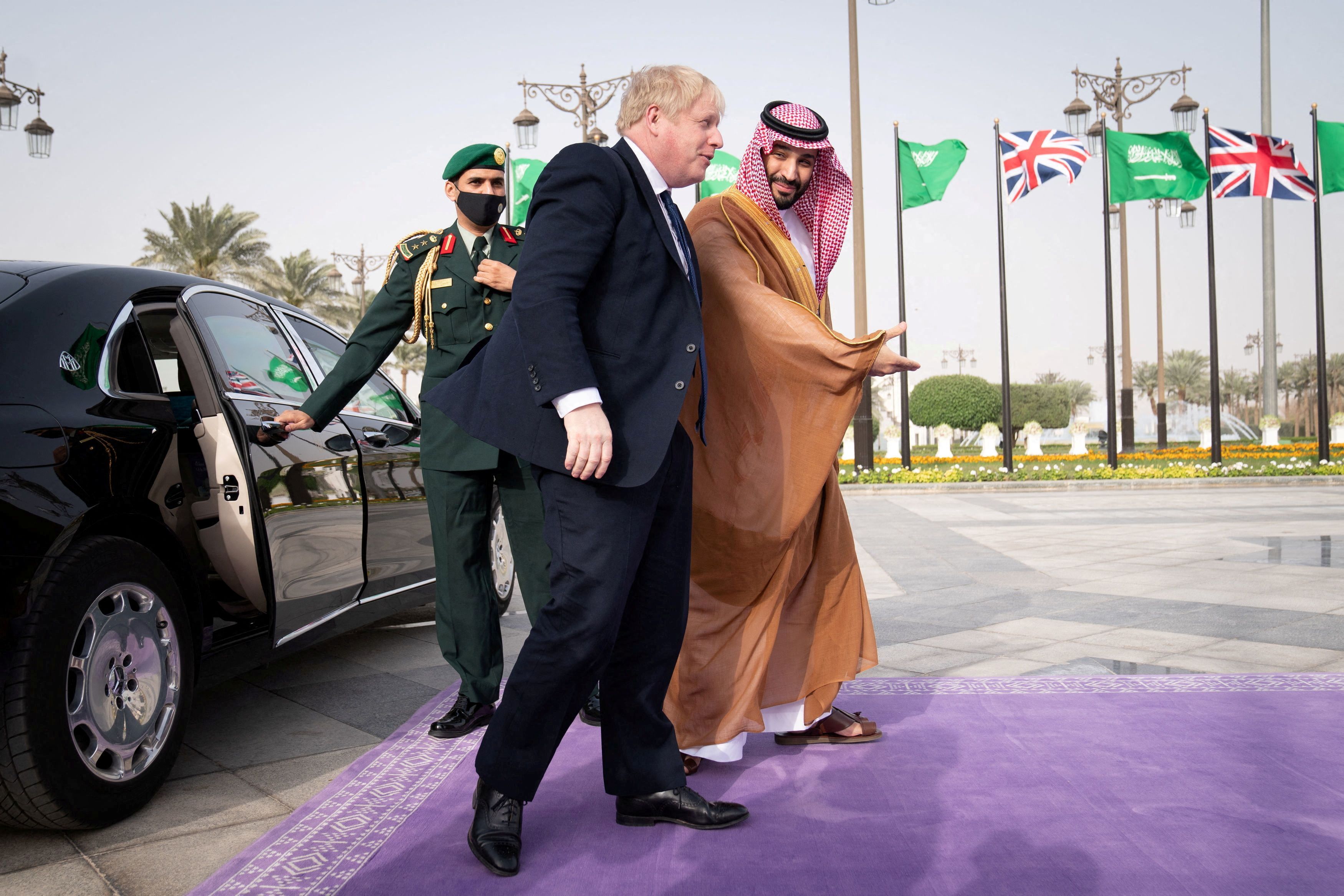
A high-level meeting between Saudi Arabia and the United States has underscored the deepening strategic partnership between the two nations, with a particular focus on the digital economy and fostering innovation. The discussions, which brought together top officials from both countries, aimed at exploring new avenues for collaboration in technology, cybersecurity, and artificial intelligence, areas that are rapidly becoming pivotal in the global economy.

Saudi Arabia, under the leadership of Crown Prince Mohammed bin Salman, has been aggressively pushing forward its Vision 2030 initiative, a comprehensive plan aimed at diversifying the nation’s economy away from its heavy reliance on oil. Central to this vision is the development of a robust digital economy, which the Kingdom views as essential for its future prosperity. The discussions with the U.S. were seen as a critical step in bolstering this aspect of Saudi Arabia’s long-term economic strategy.

The meeting, which took place in Riyadh, featured prominent figures from both the public and private sectors. Key topics included enhancing bilateral cooperation in the digital sphere, fostering innovation ecosystems, and addressing the challenges posed by the rapidly evolving technology landscape. Both sides expressed a strong commitment to working together to advance these objectives, recognizing the mutual benefits that such collaboration could bring.

Saudi officials emphasized the Kingdom’s ambitious plans to become a global leader in technology and innovation. The nation has already made significant investments in this area, including the establishment of tech hubs, the promotion of digital entrepreneurship, and the implementation of advanced technological infrastructure. The U.S., with its well-established tech industry and expertise in innovation, is seen as an ideal partner to help Saudi Arabia achieve these goals.

A key element of the discussions was cybersecurity, an area of increasing concern for both nations. With the rise of digital threats, protecting critical infrastructure and ensuring the security of digital assets have become top priorities. The U.S. has been a leader in cybersecurity innovations, and its expertise is expected to play a crucial role in helping Saudi Arabia develop its capabilities in this domain. The discussions highlighted the importance of sharing knowledge and resources to build resilient cyber defenses that can withstand sophisticated attacks.

Artificial intelligence (AI) also featured prominently in the talks. Saudi Arabia has shown a strong interest in AI, viewing it as a transformative technology that can drive economic growth and improve various sectors, including healthcare, finance, and transportation. The U.S., home to many of the world’s leading AI research institutions and companies, is well-positioned to assist Saudi Arabia in harnessing the power of AI. The two nations discussed potential joint initiatives to develop AI applications that could benefit both countries, as well as the broader global community.

Innovation ecosystems were another focal point of the meeting. Saudi Arabia has been actively working to create a supportive environment for innovation, including the development of new regulations, the promotion of research and development, and the establishment of innovation centers. The U.S. has a long history of fostering innovation through its vibrant startup culture and well-established tech industry. The discussions explored ways to integrate these strengths, with the aim of creating a dynamic innovation ecosystem in Saudi Arabia that could serve as a model for the region.

Both sides also addressed the broader implications of their collaboration on the global stage. The digital economy is increasingly seen as a critical driver of global growth, and partnerships like the one between Saudi Arabia and the U.S. could have far-reaching impacts. By working together, the two nations aim to set new standards for digital innovation and leadership, potentially influencing the direction of the global digital economy.

Economic sentiment across the Gulf Cooperation Council (GCC) remains largely positive despite facing significant challenges. Leaders from the region’s six member states—Saudi Arabia, the United Arab Emirates, Qatar, Kuwait, Oman, and Bahrain—are projecting continued economic growth driven by strategic diversification and investment in key sectors.

Saudi Arabia’s Vision 2030 continues to shape its economic landscape. The Kingdom is expanding its non-oil industries, particularly focusing on tourism, technology, and entertainment. Major projects like NEOM, a futuristic city planned to be powered entirely by renewable energy, are set to bolster economic diversification efforts. Despite fluctuations in oil prices and global economic uncertainties, Saudi Arabia’s economic policies aim to position the country as a global hub for innovation and investment.

The United Arab Emirates is also charting a course of strategic growth. Dubai, in particular, is enhancing its status as a global business and tourism center. The emirate’s emphasis on sustainable development, with initiatives such as the Dubai Clean Energy Strategy 2050, underscores its commitment to a diversified economy. Additionally, Abu Dhabi’s investments in renewable energy and technology sectors are expected to drive future economic stability.

Qatar’s economy is benefiting from its robust infrastructure projects and strategic investments. The country has been preparing for the 2022 FIFA World Cup, which is anticipated to provide a substantial boost to the hospitality and tourism sectors. Additionally, Qatar is focusing on strengthening its natural gas sector, positioning itself as a leading global exporter. This economic strategy aims to maintain Qatar’s high growth trajectory despite regional geopolitical tensions.

Kuwait is working towards economic diversification through its Vision 2035 plan, which seeks to reduce dependency on oil revenues by investing in sectors such as finance, technology, and healthcare. Despite facing budget deficits and economic pressures, Kuwait’s government is committed to implementing reforms and enhancing the investment climate to attract foreign capital.

Oman’s economic policies are geared towards improving its economic resilience through diversification. The Sultanate is investing in industries such as mining, tourism, and manufacturing. Oman’s efforts to enhance its business environment, coupled with regional trade agreements, are designed to foster economic growth. The government is also focusing on developing its infrastructure to support economic activities.

Bahrain is making strides in transforming its economy through investments in banking, finance, and technology. The Kingdom’s focus on becoming a fintech hub reflects its strategy to attract international businesses and foster innovation. Additionally, Bahrain’s efforts to enhance its human capital and improve its regulatory framework are expected to contribute to its long-term economic stability.

Bitcoin exchange-traded funds (ETFs) in the United States have experienced significant growth, amassing over $50 billion in assets as of late August 2024. This milestone comes less than a year after the approval of these ETFs by U.S. regulators, reflecting the increasing acceptance of cryptocurrency within mainstream finance. The top 10 Bitcoin ETFs have attracted substantial investments, driven by a mix of institutional interest and retail participation, […]

OPEC’s crude oil production in August plummeted to its lowest level since January, primarily driven by a significant drop in output from Libya. According to a recent survey, Libya’s ongoing conflict and operational disruptions have sharply curtailed its oil production, contributing to the overall decrease in the organization’s output.

The survey, conducted by an industry analysis firm, reveals that OPEC’s total crude oil production averaged approximately 28.3 million barrels per day (bpd) in August. This marks a notable decline from the 29.1 million bpd recorded in July. Libya, a member of OPEC, saw its production fall by about 300,000 bpd to just over 800,000 bpd due to severe disruptions in its oil infrastructure. These disruptions are attributed to ongoing internal conflicts and blockades affecting key oil fields and export terminals.

The decrease in Libya’s output has had a ripple effect on OPEC’s overall production levels. The survey highlights that other OPEC members have maintained relatively stable production levels or have experienced only minor fluctuations. For instance, Saudi Arabia, the organization’s largest producer, and Iraq, the second-largest, have continued their production commitments in line with previous agreements. Saudi Arabia’s output remains close to 10.5 million bpd, while Iraq produces around 4.4 million bpd.

The impact of Libya’s reduced output is compounded by broader market dynamics. Global oil prices have shown volatility, influenced by fluctuating demand and geopolitical uncertainties. The drop in OPEC’s production underscores the challenges facing the organization as it navigates a complex global oil market characterized by varying national interests and economic pressures.

Analysts suggest that the production decline could influence global oil prices, potentially pushing them higher in response to the reduced supply. However, the extent of this impact will depend on several factors, including the pace at which Libya can restore its oil output and the response of other major oil producers outside OPEC.

The situation in Libya has been a critical factor in the organization’s production dynamics. Ongoing conflict and political instability have disrupted the country’s oil industry, which has historically been a significant contributor to OPEC’s total output. Efforts to stabilize the region and restore production are ongoing, but progress remains slow.

Additionally, the survey highlights that non-OPEC countries, including major producers like the United States and Russia, continue to influence global oil supply and demand trends. The production strategies of these countries play a crucial role in shaping the broader oil market, often counterbalancing the fluctuations within OPEC.

The August production data reflects the complexities of managing a global oil supply amid geopolitical uncertainties and market fluctuations. As OPEC seeks to address the challenges posed by Libya’s output and other external factors, the organization will likely continue to adapt its strategies in response to evolving global conditions.

The future outlook for OPEC’s production levels and global oil prices will depend on several factors, including geopolitical developments, market demand, and the effectiveness of stabilization efforts in Libya and other key regions. The ongoing monitoring of these dynamics will be essential for understanding the broader implications for the global oil market and the energy sector as a whole.

Oil prices declined on Monday as market participants adjusted their strategies in light of anticipated increases in OPEC+ production starting in October. The price of Brent crude fell to $86.20 per barrel, while West Texas Intermediate (WTI) dropped to $83.10 per barrel, reflecting the market’s response to new supply forecasts and ongoing concerns about global demand. The Organization of the Petroleum Exporting Countries and its allies (OPEC+) […]

By Nantoo Banerjee Democratically elected governments often think their electors are idiots. They may have good reasons to build such a notion as a good number of them don’t deserve to be there in terms of their personal background and characteristic traits. Many of them are booked for even criminal offences. Voters have little choice […]

KUALA LUMPUR, MALAYSIA – Media OutReach Newswire – 2 September 2024 – The influence of presidential elections on financial markets is often temporary. Still, the psychological effect of elections on traders and investors can cause emotional and illogical behaviour, contributing to increased market swings. Apart from the White House, the Senate is also up for grabs this fall, and the balance of power inside the legislative branch […]

Advertisements

HONG KONG SAR – Media OutReach Newswire – 28 August 2024 – Prudential plc (“Prudential”; HKEX: 2378; LSE: PRU) today announced its financial results for the six months ended 30 June 2024. Performance highlights on a constant (and actual) exchange rate basis New business profit of $1,468 million. This was up 8 per cent (6 per cent) excluding the effect of interest rate and other economic impacts […]

A positive outlook for the US steel industry has emerged, with experts anticipating a significant rebound in demand by 2025. After struggling with lackluster demand and low prices, steel manufacturers are optimistic that the economic revival will drive a surge in demand for the industrial material, supported by infrastructure projects and technological advancements. Steel executives and industry analysts have noted that the industry has faced considerable challenges […]

SINGAPORE – Media OutReach Newswire – 30 August 2024 – Vizzio Technologies Pte Ltd has been awarded a groundbreaking patent by the United States Patent and Trademark Office (USPTO), marking a significant milestone in the field of 3D city mapping. This world-first patent recognises Vizzio Technologies for its innovative integration of 2D satellite imagery and state-of-the-art AI technology to produce highly detailed and geometrically accurate 3D city […]

GUIYANG, CHINA – Media OutReach Newswire – 29 August 2024 – The China International Big Data Industry Expo 2024 opened on Wednesday in Guiyang, southwest China’s Guizhou Province, attracting over 21,000 guests and 414 domestic and international companies to participate. People walk outside the venue of the China International Big Data Industry Expo 2024 in Guiyang, southwest China’s Guizhou Province “After a decade of development, the expo […]

Amid a backdrop of rising tensions and shifting political landscapes, Israel faces a critical juncture in its ongoing struggle with Iran. As support for Prime Minister Benjamin Netanyahu continues to grow, the question of whether Israel should intensify its confrontation with Iran is gaining prominence. While the prospect of such a move may appeal to some as a demonstration of strength and resolve, the unpredictable nature of warfare poses significant risks that must be carefully considered.

Netanyahu has long positioned himself as a staunch defender of Israel’s security, particularly in relation to the perceived threat from Iran. His rhetoric and actions have consistently underscored the view that Iran’s nuclear ambitions and regional influence constitute an existential danger to Israel. Over the years, Netanyahu has been vocal about the need to curb Iran’s power, and his administration has supported a range of strategies, including military strikes, covert operations, and diplomatic pressure, to achieve this goal.

Recent developments have only heightened the stakes. Iran’s nuclear program appears to be advancing at a rapid pace, with reports suggesting that it may soon reach a critical threshold. Additionally, Iran’s influence in the region, through its support for proxy groups such as Hezbollah and its involvement in conflicts in Syria and Yemen, remains a significant concern for Israel. The strategic calculus for Israel is therefore becoming increasingly complex, as it weighs the potential benefits and costs of escalating the conflict with Iran.

Support for Netanyahu’s hardline approach has been bolstered by several factors. Domestically, his political standing has improved, partly due to his handling of security issues and his ability to present himself as a strong leader in times of crisis. The recent normalization agreements between Israel and several Arab states have also enhanced his reputation, suggesting that Israel’s regional position is stronger than ever. These developments may lead some to believe that now is the opportune moment to confront Iran more directly, capitalizing on Netanyahu’s political momentum and the perceived alignment of regional interests.

However, the decision to escalate the conflict with Iran is fraught with peril. Wars, by their very nature, are unpredictable and can spiral out of control in ways that are difficult to foresee. Even with superior military capabilities, Israel cannot guarantee a quick and decisive victory. Iran is a formidable adversary with a well-established military and a network of regional allies that could respond to Israeli aggression in ways that might destabilize the entire Middle East.

One of the key risks associated with a larger war is the potential for it to draw in other regional and global powers. The Middle East is a complex web of alliances and enmities, and any significant escalation by Israel could provoke responses from other countries, including Russia, Turkey, and the United States. Each of these actors has its own interests and objectives in the region, and their involvement could complicate Israel’s strategic objectives, leading to a protracted and costly conflict.

Moreover, there is the question of public opinion, both domestically and internationally. While Netanyahu may enjoy growing support within Israel, particularly among those who prioritize security concerns, there is also a segment of the population that is wary of the consequences of another major war. The memory of past conflicts, such as the 2006 Lebanon War and the ongoing tensions in Gaza, serves as a reminder of the human and economic toll that war can exact. Internationally, Israel could face increased scrutiny and criticism, particularly if civilian casualties were to mount, which could undermine its diplomatic standing and erode the support it currently enjoys from key allies.

The economic implications of a larger conflict should not be overlooked either. Israel’s economy, while robust, is not immune to the shocks that accompany military conflicts. Prolonged warfare could disrupt trade, deter investment, and strain public finances, leading to long-term economic challenges. The costs of rebuilding and addressing the humanitarian fallout of war could be substantial, diverting resources away from other critical areas such as education, healthcare, and infrastructure.

Given these considerations, the argument against escalating the conflict with Iran gains considerable weight. While the desire to neutralize a perceived threat is understandable, the risks associated with a larger war are significant. Netanyahu’s leadership has been characterized by a willingness to take bold actions, but in this case, caution may be the more prudent course.

Israel’s security concerns are legitimate, and the threat posed by Iran is real. However, history has shown that wars often produce unintended consequences. The 2003 invasion of Iraq by the United States serves as a cautionary tale of how even well-intentioned military interventions can lead to long-term instability and suffering. Israel must weigh the potential short-term gains of weakening Iran against the long-term risks of igniting a broader regional conflict.

Diplomatic efforts, while challenging, offer an alternative path. The international community, including Israel’s allies, has a vested interest in preventing a larger war in the Middle East. Diplomatic channels, including negotiations and multilateral efforts to curb Iran’s nuclear ambitions, should be pursued with renewed vigor. While diplomacy may not provide immediate results, it offers the possibility of a more sustainable and less costly resolution to the ongoing tensions.

The decision to escalate or avoid a larger conflict with Iran is one that will define Netanyahu’s legacy and Israel’s future. It is a decision that requires careful consideration of the potential consequences, both known and unknown. The support for Netanyahu’s approach is undeniable, but the wisdom of pursuing a path of greater confrontation remains questionable. Wars are rarely as simple as they appear at the outset, and the costs of miscalculation can be immense.

As Israel navigates this complex and dangerous terrain, the choice it makes will have profound implications for its security, its economy, and its standing in the world. The allure of a decisive victory over a formidable adversary is strong, but the risks of a broader conflict may ultimately outweigh the potential rewards. Israel must tread carefully, recognizing that while strength is essential, so too is the wisdom to avoid unnecessary and potentially catastrophic conflict.

Nasdaq is making strides toward expanding its financial offerings by seeking approval from the U.S. Securities and Exchange Commission (SEC) for a new set of bitcoin index options. This move, if sanctioned, would mark a significant step forward in the integration of digital assets into mainstream financial markets.

Nasdaq’s proposal is focused on introducing options tied to a bitcoin index, which would offer investors a new way to gain exposure to the cryptocurrency market. The exchange’s submission to the SEC underscores the growing interest in bitcoin-related financial products, especially as institutional and retail demand for cryptocurrency exposure continues to rise.

The proposed bitcoin index options would operate similarly to other index options, allowing investors to speculate on the future price of bitcoin without needing to hold the underlying asset. This would provide a level of risk management and flexibility that could appeal to a broader range of investors. The timing of this move coincides with a period of heightened interest in digital assets, driven by bitcoin’s increased adoption and the introduction of various bitcoin exchange-traded funds (ETFs).

Currently, the SEC has not yet approved options based on any individual exchange-traded funds tied to spot bitcoin prices. The regulatory body has been cautious in its approach to cryptocurrency-related products, citing concerns about market manipulation, investor protection, and the overall stability of the financial system. Despite this, there has been a gradual shift in the SEC’s stance, with more openness to considering such products, particularly as the market matures and safeguards are implemented.

Nasdaq’s initiative reflects a broader trend within the financial industry, where traditional exchanges and financial institutions are increasingly exploring the integration of digital assets. This is part of a larger effort to bridge the gap between traditional finance and the rapidly evolving cryptocurrency sector. By offering bitcoin index options, Nasdaq aims to provide a regulated and transparent environment for investors to participate in the cryptocurrency market, potentially paving the way for other exchanges to follow suit.

The introduction of bitcoin index options would also have significant implications for market dynamics. It could lead to increased liquidity in the bitcoin market, as more participants enter through these new financial instruments. Additionally, it could influence bitcoin’s price stability, as options trading can impact the supply and demand balance of the underlying asset.

However, the SEC’s decision will likely hinge on several factors, including the overall security of the proposed product, the measures in place to prevent market manipulation, and the potential impact on investors. The regulatory body has been under pressure to strike a balance between fostering innovation in the financial markets and ensuring the protection of investors. The outcome of Nasdaq’s application could set a precedent for future cryptocurrency-related financial products in the United States.

If approved, Nasdaq’s bitcoin index options could significantly enhance the accessibility and appeal of cryptocurrency investments, particularly for institutional investors who may have been hesitant to enter the market due to regulatory uncertainties. This development would also signal a further legitimization of bitcoin as a financial asset, potentially driving broader acceptance and adoption.

Nasdaq’s pursuit of SEC approval for bitcoin index options represents a pivotal moment in the ongoing evolution of the financial markets. As the intersection of traditional finance and digital assets continues to develop, the decisions made by regulatory bodies like the SEC will play a crucial role in shaping the future of the industry.

MakerDAO, one of the pioneers in decentralized finance (DeFi), has officially rebranded itself as “Sky,” signaling a major shift in its strategy and offerings. This move, led by co-founder Rune Christensen, is part of a broader effort to enhance user experience and expand the platform’s reach in the ever-evolving crypto landscape. The rebranding includes the introduction of a new website, sky.money, which showcases the platform’s latest features […]

Soaring temperatures across the Mid-Atlantic and Midwest regions of the United States are placing unprecedented pressure on the country’s largest power grid, prompting concerns over potential outages and the grid’s ability to meet the surging demand. As millions of Americans crank up their air conditioners to escape the sweltering heat, power operators are bracing for what could be one of the most challenging tests of the grid’s […]

Presenting Sun Life Pavilion: “Sun Life Believes Art Can Forge a Brighter Tomorrow” HONG KONG SAR – Media OutReach Newswire – 26 August 2024 – Sun Life is proud to announce title sponsorship of ART021 HONG KONG Contemporary Art Fair, marking the highly anticipated debut of this prestigious art fair in Hong Kong, following its acclaimed successes in mainland China with over 20 international-grade art fairs hosted […]

Emirates Global Aluminium (EGA), one of the world’s largest aluminium producers, has announced plans to acquire an 80% stake in the American aluminium recycling company, Spectro Alloys Corporation. This strategic move, subject to regulatory approval, marks a significant step in EGA’s global expansion, particularly in the aluminium recycling sector. The deal, which is expected to close during the third quarter of 2024, underscores EGA’s commitment to growing […]

An Iranian hacking group targeted the WhatsApp accounts of individuals associated with both the Biden and Trump administrations, according to a statement from Meta Platforms. The hackers, posing as tech support agents from well-known companies such as Microsoft and Google, attempted to infiltrate accounts belonging to officials in the United States, the United Kingdom, and the Middle East. Meta revealed that the attempted breaches were part of […]

Ukrainian President Volodymyr Zelenskyy has reiterated his urgent call for increased and expedited defense aid from the United States and its allies, as the conflict with Russia continues to intensify. Following a phone call with U.S. President Joe Biden, Zelenskyy emphasized that Ukraine’s ability to defend itself hinges on the timely delivery of military support. The U.S. has pledged an additional $500 million in budgetary aid, yet Kyiv continues to press for more comprehensive and immediate assistance to bolster its defenses against Russian advances.

Uber is set to expand its ride-hailing services by integrating self-driving vehicles from Cruise, a move that marks a significant collaboration between two companies once seen as competitors in the autonomous vehicle space. The partnership will see Cruise’s fully autonomous robotaxis available on the Uber platform starting next year, providing customers with a new option for transportation in select cities across the United States.

The integration of Cruise’s self-driving cars into Uber’s network is part of a multiyear agreement that aims to bring together the technological capabilities of Cruise, a subsidiary of General Motors, and the vast customer base of Uber. This strategic alliance comes as both companies seek to solidify their positions in the rapidly evolving landscape of autonomous transportation.

Cruise, which has been testing its autonomous vehicles in cities like San Francisco, has made significant strides in developing reliable self-driving technology. The company’s fleet of robotaxis has already provided thousands of rides to the public without a human driver, demonstrating the viability of fully autonomous ride-hailing services. With this partnership, Uber users in participating cities will soon have the option to request a self-driving Cruise vehicle through the Uber app.

Uber’s decision to partner with Cruise represents a shift in strategy for the ride-hailing giant, which had previously invested heavily in developing its own autonomous vehicle technology. However, after facing several challenges, including a fatal accident involving one of its self-driving test vehicles in 2018, Uber scaled back its efforts and eventually sold its autonomous vehicle division, Advanced Technologies Group (ATG), to Aurora Innovation in 2020. By teaming up with Cruise, Uber is now leveraging the expertise of an established player in the autonomous vehicle industry to enhance its service offerings.

For Cruise, this partnership with Uber offers an opportunity to scale its operations and reach a broader audience. The collaboration is expected to accelerate the deployment of Cruise’s autonomous vehicles, which are currently limited to specific areas. By integrating with Uber’s platform, Cruise will be able to expand its reach and provide more customers with access to self-driving rides.

The partnership also reflects the broader trend in the autonomous vehicle industry, where companies are increasingly seeking alliances to share resources and expertise. The collaboration between Cruise and Uber is seen as a strategic move that could help both companies navigate the complexities of regulatory approval, technological development, and market acceptance.

As part of the agreement, Uber and Cruise will work together to ensure that the integration of autonomous vehicles into Uber’s platform is seamless. This includes addressing potential challenges such as customer experience, safety protocols, and the management of mixed fleets that include both human-driven and autonomous vehicles.

The introduction of Cruise’s self-driving cars on Uber’s platform is expected to generate significant interest among customers, particularly those who are early adopters of new technology. However, the rollout will be gradual, with the service initially available in select cities where Cruise has already established a presence.

While the exact details of the service, including pricing and availability, have yet to be disclosed, the partnership is seen as a major step forward for both companies. It underscores the growing momentum behind autonomous vehicles as a viable option for urban transportation and highlights the potential for collaboration between industry leaders in shaping the future of mobility.

As Uber and Cruise prepare for the launch of their joint service, industry observers will be watching closely to see how the partnership unfolds and what it means for the broader adoption of self-driving technology in the ride-hailing industry. The success of this collaboration could pave the way for further developments in autonomous transportation, as well as influence the strategies of other companies in the field.

Saudi Arabia and China are exploring the possibility of trading oil in yuan, a move that could significantly impact the global oil market, which has long been dominated by the US dollar. However, analysts from S&P Global warn that this shift faces numerous challenges and could take decades to achieve substantial scale, casting doubt on the near-term viability of the yuan as a major currency in the oil trade.

Saudi Arabia, the world’s largest oil exporter, has been deepening its economic ties with China, its biggest trading partner. The prospect of conducting oil transactions in yuan instead of the US dollar is seen as part of a broader strategy by China to internationalize its currency and reduce reliance on the dollar. Such a move would also align with Saudi Arabia’s Vision 2030, which aims to diversify the kingdom’s economy and reduce its dependence on oil revenues. However, the potential transition from dollar-based oil trade to yuan-based transactions is fraught with complexities.

Key obstacles include the deep-rooted dominance of the US dollar in global trade, the relative illiquidity of the yuan in international markets, and the complex geopolitical implications of such a shift. The US dollar has been the primary currency for global oil transactions for decades, cementing its status as the world’s leading reserve currency. Any significant move away from the dollar could disrupt financial markets and strain Saudi Arabia’s long-standing relationship with the United States.

Moreover, the yuan’s limited convertibility and lack of deep, liquid financial markets make it a less attractive option for international trade compared to the dollar. Despite China’s efforts to internationalize the yuan, including the establishment of yuan-denominated oil futures contracts in Shanghai, the currency still faces significant barriers to becoming a global standard. The Chinese government’s tight control over the yuan’s exchange rate and its restrictions on capital flows add to concerns about the currency’s suitability for large-scale international transactions.

Additionally, the geopolitical landscape plays a critical role in the potential shift toward yuan-based oil trade. Saudi Arabia’s close military and economic ties with the United States have been a cornerstone of its foreign policy for decades. Moving away from dollar-based transactions could strain this relationship, particularly given the US’s strategic interest in maintaining the dollar’s dominance in global markets.

Despite these challenges, the discussions between Saudi Arabia and China reflect a broader trend of diversification in global trade and finance. As the world’s second-largest economy, China has been increasingly asserting its influence on the global stage, seeking to reduce its vulnerability to US economic policies. For Saudi Arabia, the shift towards yuan-based oil trade would be part of its broader strategy to align itself more closely with Asia’s growing economies, which are expected to drive future demand for energy.

The implications of a successful transition to yuan-based oil trade would be profound for the global economy, particularly for the role of the US dollar. The dollar’s status as the primary currency for oil transactions has been a key factor underpinning its dominance in global finance. A significant shift towards the yuan could erode this dominance, leading to a more multipolar currency system. However, given the numerous challenges and the slow pace of change in global financial systems, such a transition is likely to be gradual and may take decades to materialize.

While the prospect of yuan-based oil trade between Saudi Arabia and China is gaining attention, the path to realizing this shift is complex and fraught with challenges. The dominance of the US dollar, the yuan’s limitations as a global currency, and the geopolitical implications of such a move all suggest that any significant change in the global oil trade currency landscape will be a long and arduous process.

HONG KONG SAR – Media OutReach Newswire – 20 August 2024 – Avenir Group, a global institutional family office focused on multi-strategy investment trading powered by financial technology (FinTech), has become the largest institutional holder of two major Bitcoin exchange traded-funds (ETFs) in Asia in the second quarter (Q2) of 2024. According to its 13-F filing with the U.S. Securities and Exchange Commission (SEC) on 2 August […]

U.S. intelligence agencies have officially attributed a recent series of cyberattacks targeting the 2024 presidential campaigns of Donald Trump and Kamala Harris to Iranian hackers. This confirmation, which marks a significant development in ongoing cybersecurity concerns, highlights Tehran’s broader strategy to interfere in U.S. politics and undermine trust in democratic institutions.

The cyber intrusion, which initially came to light through investigations by private cybersecurity firms, has now been explicitly linked to Iran by a joint statement from the FBI, the Office of the Director of National Intelligence, and the Cybersecurity and Infrastructure Security Agency. The statement underscores the escalating nature of Iran’s cyber operations, particularly as they relate to critical political events in the United States.

According to the U.S. government, these hacking efforts were part of a larger campaign by Iran aimed at influencing the outcome of the U.S. elections. The intrusions were not limited to Trump’s campaign; Harris’ campaign team was also targeted. Hackers reportedly sought to gain access to individuals closely associated with both campaigns, reflecting a concerted effort to gather intelligence and potentially manipulate electoral outcomes.

Private sector entities such as Microsoft and Google had previously issued warnings about similar activities, noting that Iranian groups linked to the Revolutionary Guard had attempted to infiltrate the personal email accounts of individuals connected to both Trump and Harris. These activities were seen as part of a broader pattern of foreign interference that has increasingly characterized U.S. electoral cycles.

Federal officials have emphasized the seriousness of these attacks, noting that they represent not just isolated incidents but a calculated strategy by Iran to exert influence over key aspects of American governance. This strategy, they argue, is particularly concerning given the potential implications for national security and the integrity of the democratic process.

The timing of these revelations, coming as the 2024 presidential race intensifies, adds another layer of complexity to an already fraught political landscape. As U.S. officials continue to investigate the full extent of Iran’s activities, there are growing calls for stronger cybersecurity measures to protect against foreign interference in American elections.

Leaders from the Southern African Development Community (SADC) gathered for their 44th Ordinary Summit in Maputo, Mozambique, with Seychelles making a significant appearance. The summit, which took place on August 16-17, 2024, focused on critical regional issues including economic integration, climate change, and security.

President Wavel Ramkalawan of Seychelles led the nation’s delegation, emphasizing the country’s commitment to regional collaboration and sustainable development. Seychelles, an island nation with a strategic position in the Indian Ocean, has been an active participant in SADC’s efforts to foster economic growth and political stability in Southern Africa.

During the summit, discussions centered on enhancing economic partnerships within the SADC region. Leaders debated strategies to boost intra-regional trade and investment, aiming to reduce economic vulnerabilities and improve resilience against global economic uncertainties. Seychelles has expressed strong support for initiatives aimed at promoting trade and investment, recognizing the potential benefits for its own economy and the broader region.

Climate change emerged as a key topic, with the region’s vulnerability to environmental changes underscored. The summit addressed the need for collective action to mitigate the impacts of climate change, including strategies for disaster preparedness and sustainable resource management. Seychelles, with its unique geographic challenges, has been vocal about the importance of robust climate action and shared resources among member states.

Security concerns also featured prominently in the discussions, reflecting ongoing issues such as maritime security and regional conflicts. The summit reaffirmed the commitment of SADC members to collaborate on security matters, aiming to enhance peace and stability across the region. Seychelles, with its strategic location and maritime interests, has been an active participant in regional security initiatives and cooperative efforts.

The summit provided a platform for the exchange of views and experiences among member states. It highlighted Seychelles’ role in advocating for policies that align with its national interests while contributing to the collective goals of the SADC. The island nation’s engagement in the summit underscores its dedication to fostering regional cooperation and addressing shared challenges.

In addition to these key areas, the summit also included discussions on enhancing institutional frameworks within SADC. Leaders reviewed the effectiveness of existing structures and explored opportunities for strengthening organizational capacities. Seychelles’ participation in these deliberations reflects its ongoing commitment to improving the operational efficiency of the SADC and ensuring that it effectively addresses the needs of its member states.

The outcomes of the summit are expected to shape the future direction of the SADC and influence regional policies. Seychelles’ contributions and active involvement are likely to play a significant role in the implementation of the summit’s resolutions, particularly in areas related to economic development, climate resilience, and regional security.

The 44th Ordinary Summit of SADC Heads of State and Government marks a continued effort towards enhancing regional integration and cooperation. Seychelles’ engagement highlights its strategic role within the organization and its dedication to advancing shared goals and addressing collective challenges in Southern Africa.

VISHNU RAJA
RYO YAMADA
HITORI GOTOH
IKUYO KITA