News related to
United States

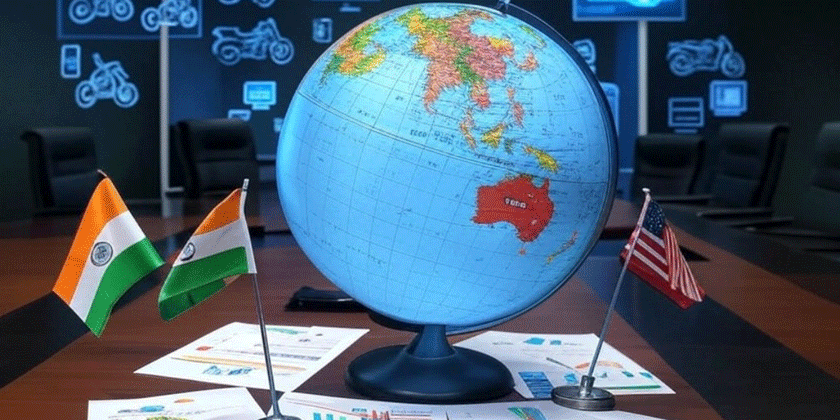
By K Raveendran U.S. Treasury Secretary Scott Bessent’s declaration that India could be the first to finalise a trade deal with the United States after President Trump embarked on his reckless trade war against the world signals a strategic point. The proposed agreement offers India an escape hatch from the looming 26 percent reciprocal tariffs […]
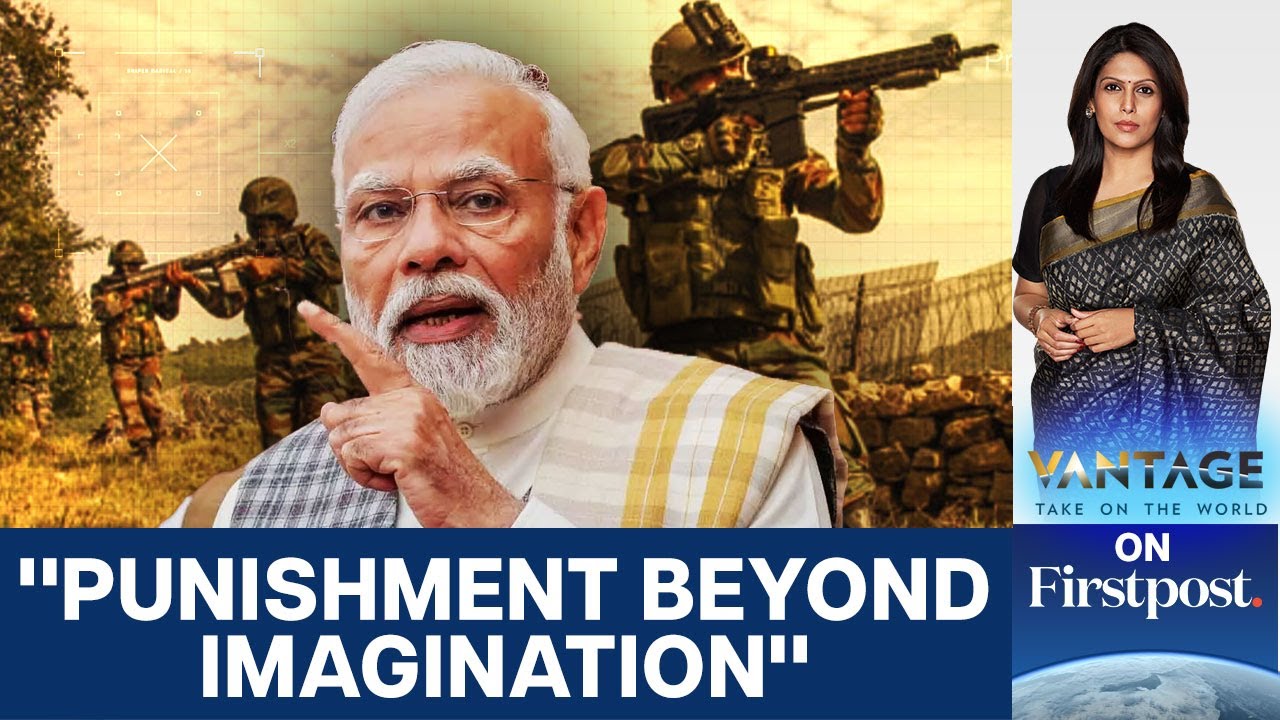
By Nitya Chakraborty Three days have passed since the savage terrorist attack at Pahalgam resulting in the death of 26 people, mostly tourists. The communal tenor of the massacre shocked the Indian people. There was unequivocal demand from the people supported by all sections of the political parties that the Narendra Modi government must take […]

A sharp decline in container traffic from China to the United States has emerged, as the latest round of tariffs imposed by the Trump administration triggers significant shifts in global trade flows. Shipping data and industry reports indicate a substantial drop in U.S. imports from China, with container bookings falling by approximately one-third since early April, according to Hapag-Lloyd, the world’s fifth-largest container-ship operator. The downturn follows […]

Arabian Post Staff -Dubai The United States is preparing to offer Saudi Arabia an arms package exceeding $100 billion, potentially to be announced during President Donald Trump’s upcoming visit to the kingdom in May. This proposal follows a failed attempt by the Biden administration to finalize a defense pact with Riyadh, which included conditions aimed at curtailing Chinese arms acquisitions and investments. Under Trump’s leadership, U.S.-Saudi defense […]

Apple Inc. is set to shift the assembly of all iPhones destined for the US market to India by the end of 2026, marking a significant departure from its longstanding reliance on Chinese manufacturing. This strategic move aims to mitigate risks associated with escalating tariffs and geopolitical tensions between Washington and Beijing.

The United States, accounting for 28% of Apple’s global iPhone shipments in 2024, remains the company’s largest market. The decision to relocate production is driven by the financial impact of steep tariffs on Chinese-manufactured goods, which have reached up to 145%. These levies have prompted Apple to seek alternative manufacturing hubs to safeguard its supply chain and maintain profitability.

India has emerged as a pivotal player in Apple’s diversification strategy. The company plans to double its iPhone production in the country, leveraging the capabilities of its key manufacturing partners, Foxconn and Tata Electronics. Foxconn, Apple’s largest supplier, currently assembles approximately 67% of iPhones produced in India. Tata Electronics, following its acquisition of Wistron’s manufacturing unit, has significantly ramped up its production capacity.

The Indian government’s Production-Linked Incentive scheme has been instrumental in attracting Apple’s investment. This initiative offers financial incentives to companies that boost domestic manufacturing and exports. As a result, Apple’s iPhone production in India reached $14 billion in fiscal year 2024, with exports exceeding $10 billion. Between April and October 2024 alone, production hit $10 billion, with $7 billion worth of iPhones exported.

This expansion has also contributed to job creation, with Apple generating approximately 175,000 direct jobs in India over the past four years. Notably, over 72% of these positions are held by women, reflecting the company’s commitment to inclusive employment practices.

Apple’s shift to India is part of a broader trend among multinational corporations seeking to diversify their manufacturing bases. The move underscores India’s growing prominence as a global manufacturing hub, particularly for high-value electronics. Analysts project that India could account for up to 25% of global iPhone production by 2025, a significant increase from the current 14%.

Despite this transition, Apple continues to rely on Chinese-made components for iPhone assembly, highlighting the complexity of its supply chain. The company is working to develop a more self-reliant manufacturing ecosystem in India, but this process will take time.

By Satyaki Chakraborty Vietnam has shown how a well calibrated trade diplomacy can be conducted in the year 2025 amidst the ongoing tariff war between the two biggest economic and military powers of the world USA and China. Both countries are having best trade relations with this South East Asian nation which is a sort […]

MUMBAI, INDIA – Media OutReach Newswire – 24 April 2025 – The Rhenus Group, a global logistics solutions provider, has announced the official rebranding of Blu Logistics LATAM to Rhenus Logistics, following its acquisition in 2023. The rebranding will enhance the Group’s footprint and operational integration across Latin America, as BLU Logistics LATAM will now commercially operate under the Rhenus Logistics name in Argentina, Colombia, Ecuador, Mexico, […]

Advertisements

A U.S. Army intelligence analyst has pleaded guilty to charges of conspiring to transmit sensitive military information to a foreign national, in a case that has raised serious concerns about national security breaches within the armed forces. Sergeant Korbein Schultz, stationed at Fort Campbell, Kentucky, admitted to providing classified documents to an individual he believed to be residing in Hong Kong. The transactions, which occurred between June […]

By Nitya Chakraborty Chinese President Xi Jinping has won the first round in the protracted battle against Donald Trump over his declaration of tariff war against China. After waiting for long three weeks for a personal call from XI Jinping offering talks to discuss the proposed tariff hikes, Trump partially retreated on Tuesday when he […]

Global markets have been jolted by the ongoing trade dispute between the United States and China, with far-reaching consequences on global economies. Amid this financial instability, India stands out as one of the countries managing the storm with resilience, both politically and economically. While several nations have seen their stock markets fluctuate and their economies face setbacks, India’s performance remains relatively stable, prompting analysts to look closer […]

A militant assault in the Baisaran meadow near Pahalgam, Jammu and Kashmir, resulted in the deaths of 28 tourists and injuries to over 20 others on Tuesday afternoon, marking the deadliest civilian attack in the region since 2019.

The attack occurred around 2:50 PM when four to six assailants, dressed in military-style uniforms, emerged from the surrounding deodar forests and opened fire on tourists enjoying the popular meadow, often referred to as “Mini Switzerland” for its scenic beauty. Eyewitnesses reported that the attackers initially posed as security personnel, asking for identification and religious affiliations before selectively targeting non-Muslim men. Survivors recounted being asked to recite Islamic declarations and undergoing physical checks; those who failed were shot at close range.

The Resistance Front , an offshoot of the Pakistan-based Lashkar-e-Taiba, claimed responsibility for the massacre. In a statement, the group cited opposition to the settlement of over 85,000 non-locals in the Kashmir Valley, alleging it as a demographic alteration. This incident underscores the ongoing tensions following the revocation of Jammu and Kashmir’s special status in 2019, which allowed greater settlement of outsiders in the region.

Among the deceased were 24 tourists from various Indian states, including Karnataka, Kerala, Maharashtra, Odisha, Gujarat, Haryana, West Bengal, and Uttar Pradesh. Two locals from Jammu and Kashmir and two foreign nationals from Nepal and the United Arab Emirates were also killed. The injured, numbering over 20, were airlifted to military hospitals in Srinagar for treatment.

Prime Minister Narendra Modi, cutting short his visit to Saudi Arabia, condemned the attack as a “dastardly and inhuman act” and vowed to bring the perpetrators to justice. Union Home Minister Amit Shah traveled to Srinagar to assess the situation and coordinate the security response. Security forces launched a massive manhunt, deploying helicopters and imposing a temporary lockdown in parts of Pahalgam to apprehend the attackers.

The international community reacted swiftly. U.S. President Donald Trump expressed support for India, while U.N. Secretary-General António Guterres and leaders from Germany, Israel, and the European Union condemned the attack and offered condolences to the victims’ families.

The assault occurred during a period of increased tourism in Kashmir, with projections estimating around two crore visitors to the Union Territory this year. Pahalgam, a gateway to the Amarnath Yatra, had seen a surge in tourist footfall, signaling a return to normalcy after decades of insurgency. This attack threatens to derail these developments, casting a shadow over the region’s stability and economic recovery.

Opposition leaders criticized the government’s narrative of restored normalcy in Kashmir. Congress MP Priyanka Gandhi labeled the attack a “crime against humanity,” while Leader of Opposition Rahul Gandhi described it as “horrific,” emphasizing the need for a reassessment of the region’s security situation.

Eyewitness accounts painted a grim picture of the attack’s aftermath. Videos from the scene showed bloodied individuals lying on the ground, with others pleading for help. One woman was seen screaming for assistance for her husband, while others were seen lying motionless in the meadow. Survivors described the attackers’ methodical approach, with one assailant allegedly telling a woman that she was being spared so she could “narrate the horrors” to Prime Minister Modi.

The attack’s timing, coinciding with U.S. Vice President JD Vance’s visit to India, raised concerns about its potential geopolitical implications. While no direct link has been established, the incident echoes prior high-profile attacks timed with foreign dignitary visits, suggesting a possible strategy to garner international attention.


By Pablo Castaño ROME: There may come a time when we look back on the last decade as an anomaly in the modern history of the Catholic Church. Pope Francis — the figurehead of these years, and a radical by the standards of the Catholic hierarchy — is gone, and we are now likely to […]

The World Trade Organization has projected a 0.2% decline in global merchandise trade volume for 2025, a significant downgrade from earlier forecasts. This contraction is attributed to escalating tariff disputes and increasing policy uncertainties, particularly between major economies. The WTO’s latest Global Trade Outlook and Statistics report, based on policies effective as of April 14, indicates that the anticipated decline is nearly three percentage points lower than […]

Oil prices experienced a significant decline of over 2% on Monday, with Brent crude falling to $66.81 per barrel and West Texas Intermediate dropping to $63.58. This downturn is attributed to progress in US-Iran nuclear negotiations and escalating concerns over the impact of US tariff policies on global demand. The potential easing of sanctions on Iran could reintroduce over a million barrels per day of crude into the market, intensifying supply pressures.

The decline in oil prices poses a substantial challenge to Gulf economies, particularly those heavily reliant on hydrocarbon revenues. S&P Global Market Intelligence has indicated that Oman, Bahrain, and Iraq are at heightened risk of financing pressures if the current price trends persist. These nations, already contending with fiscal deficits and limited sovereign reserves, may face increased borrowing costs and potential credit downgrades.

Conversely, the United Arab Emirates and Qatar are better positioned to withstand prolonged periods of lower oil prices. Their diversified economies and substantial sovereign wealth funds provide a buffer against market volatility. However, even these nations are not immune to the broader economic implications of sustained low oil prices.

The broader financial markets have also reacted to these developments. Major Gulf stock indices experienced declines, with Saudi Arabia’s TASI index falling by 0.7% and Qatar’s index decreasing by 0.3%. These market movements reflect investor apprehension regarding the stability of oil-dependent economies in the face of fluctuating energy prices.

Adding to the complexity is the political climate in the United States. President Donald Trump’s renewed criticism of Federal Reserve Chair Jerome Powell has raised concerns about the central bank’s independence. This political interference is contributing to market uncertainty and could have implications for global economic stability.

The potential for a US recession further exacerbates concerns. Analysts warn that the combination of tariff policies and political instability could dampen economic growth, leading to decreased demand for oil. This scenario would place additional strain on oil-exporting nations, particularly those with less diversified economies.

The Department of Justice has taken an assertive step in its ongoing antitrust lawsuit against Google, urging that the company’s Chrome browser be sold off to a separate entity. This proposal is a crucial part of the remedy phase of the case, where the DOJ seeks to dismantle what it perceives as Google’s monopolistic hold over the online search and browser market. This suggestion marks a significant […]

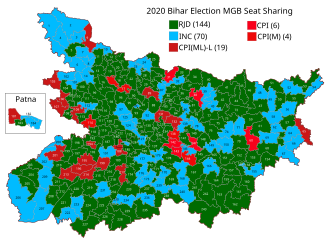
By Kalyani Shankar The Bihar polls at the end of the year are pretty unpredictable. As of now, there will be no cakewalk for the BJP, RJD, Congress or the JD(U). The churning is quietly taking place in Bihar politics. There could be a potential shift in power dynamics. The BJP, playing second fiddle to […]

Oil prices surged over 3% on Thursday, marking the first weekly gain in three weeks. Brent crude futures settled at $67.96 per barrel, while West Texas Intermediate closed at $64.68 per barrel. The uptick was driven by renewed optimism over a potential trade agreement between the United States and the European Union, coupled with the imposition of new sanctions targeting Iran’s oil exports. The prospect of a […]

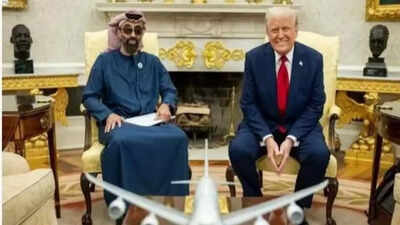
The United Arab Emirates is making significant strides toward securing access to advanced semiconductors from the United States, following its commitment to invest $1.4 trillion in the American economy over the next decade. This investment aims to bolster the UAE’s position in the global artificial intelligence landscape and reduce its reliance on oil revenues.

Peng Xiao, CEO of G42, the UAE’s leading AI firm, stated that the country is making “very good and tangible progress” in obtaining advanced semiconductors from the U.S. This development comes after the UAE pledged substantial investments in U.S. sectors, including AI infrastructure, semiconductors, energy, and manufacturing.

The UAE’s efforts are part of a broader strategy to enhance its technological capabilities and establish itself as a global AI leader. The country has been working closely with U.S. tech giants, such as Microsoft and Nvidia, to develop AI infrastructure and applications. Notably, G42 has partnered with Nvidia to build on the U.S. firm’s Earth-2 platform, focusing on high-resolution climate and weather simulations.

In addition to these collaborations, the UAE has taken steps to address U.S. concerns regarding the security of advanced technologies. G42 has distanced itself from Chinese companies, ceasing business with entities on the U.S. export controls list and removing Huawei technology from its data centers. Peng Xiao emphasized that the UAE can “guarantee the safety and the security” of U.S.-made chips when deployed and used within the country.

The U.S. has responded positively to these measures, approving the export of advanced AI chips to a Microsoft-operated facility in the UAE for use by G42. This approval, which had been delayed due to concerns about technology leakage to China, comes with conditions to ensure the security of the chips. Microsoft must restrict facility access to personnel from countries under U.S. arms embargoes or listed on the Bureau of Industry and Security Entity List.

Oil prices have plummeted to a four-year low, posing significant challenges for Saudi Arabia’s budget, which heavily relies on oil revenues to fund its extensive economic transformation initiatives. The decline is attributed to a combination of factors, including increased oil output from OPEC+ members and escalating trade tensions between the United States and China. Brent crude, the benchmark for Middle Eastern oil, has experienced a drop of […]

Facing impending tariffs on imported semiconductors, NVIDIA and AMD are intensifying their commitment to domestic production, leveraging Taiwan Semiconductor Manufacturing Company’s expanding facilities in Arizona. This strategic shift aims to mitigate the financial impact of proposed duties ranging from 25% to 100% on foreign-made chips, as announced by President Donald Trump. NVIDIA has unveiled plans to invest approximately $500 billion over the next four years to bolster […]

The United States is contemplating a significant escalation in its trade policy by considering tariff increases on Chinese imports, with rates potentially reaching up to 245%. This move underscores the intensifying economic rivalry between the two nations and reflects Washington’s growing concern over China’s trade practices and their impact on American industries. The proposed tariffs aim to address what U.S. officials describe as China’s unfair trade practices, […]

Abu Dhabi National Oil Company is evaluating a potential acquisition of Aethon Energy Management’s US-based natural gas assets, a move that could significantly bolster its presence in the North American energy market. The assets under consideration are valued at approximately $9 billion and are primarily located in the Haynesville shale region spanning Louisiana and East Texas.

Aethon Energy Management stands as one of the largest privately held natural gas producers in the United States, with a focus on the Haynesville shale formation. The company has been exploring strategic options, including a potential sale or initial public offering, with valuations reportedly reaching up to $10 billion. Discussions regarding the acquisition are in preliminary stages, and no definitive agreements have been reached.

This potential acquisition aligns with ADNOC’s broader strategy to diversify its energy portfolio and expand its global footprint. The company has been actively investing in gas, chemicals, liquefied natural gas , and renewable energy sectors. Notably, ADNOC has established XRG, an international investment arm with an enterprise value exceeding $80 billion, aimed at capitalizing on the global demand for lower-carbon energy solutions.

ADNOC’s recent investments include a stake in NextDecade’s LNG export project in Texas, accompanied by a 20-year supply agreement. Additionally, the company has acquired a 10% equity stake in the Area 4 concession of Mozambique’s Rovuma basin, enhancing its LNG production capacity. These strategic moves underscore ADNOC’s commitment to becoming a leading player in the global energy transition.

The United States and Saudi Arabia are preparing to sign a preliminary agreement to collaborate on the development of a civil nuclear industry in the Kingdom. This marks a significant step in the two countries’ ongoing energy partnership, reflecting shared interests in enhancing the security and sustainability of global energy resources.

US Energy Secretary Chris Wright, addressing reporters in Riyadh, confirmed the impending deal, which is set to open a new chapter in Saudi Arabia’s ambitions to develop its own nuclear energy sector. The announcement comes amid growing global demand for cleaner and more sustainable energy solutions. Wright’s comments emphasised the importance of this agreement in both supporting Saudi Arabia’s long-term energy goals and strengthening the bilateral ties between the two nations.

The move follows Saudi Arabia’s ambitious Vision 2030 initiative, a broad economic reform programme designed to diversify the country’s economy away from its heavy reliance on oil exports. Among its many facets, Vision 2030 aims to establish a robust nuclear energy sector that can generate significant portions of the country’s electricity, reducing its dependence on fossil fuels. This is crucial for the Kingdom as it seeks to address both domestic energy needs and environmental concerns.

Saudi Arabia has made significant strides in recent years towards the development of nuclear energy. In 2018, the country’s nuclear authorities announced plans to construct two nuclear reactors by 2030, as part of a broader strategy to introduce nuclear power as a reliable energy source. These efforts have garnered attention from global nuclear power experts and energy companies, particularly those from the US, Russia, and China, all of which are vying for a role in the development of the Saudi nuclear industry.

The United States’ involvement in this sector is not new. Over the past decade, American firms have been at the forefront of nuclear technology development, exporting their expertise in reactors, fuel production, and regulatory frameworks. Saudi Arabia’s decision to move forward with a preliminary agreement highlights the growing importance of collaboration with nuclear powers like the US to achieve these ambitious goals. Additionally, American support could help ensure that the Kingdom adheres to international nuclear safety standards, a crucial consideration in the nuclear energy field.

The potential partnership between the US and Saudi Arabia is a step forward in strengthening their long-standing relationship, which spans multiple areas including defence, trade, and energy. Saudi Arabia’s energy infrastructure, heavily dependent on oil, has been under increasing pressure to adapt to the changing global energy landscape. As the world moves towards more sustainable energy sources, Saudi Arabia aims to take advantage of nuclear energy’s potential to generate electricity without emitting the high levels of greenhouse gases associated with fossil fuel consumption.

For the United States, the deal also represents a strategic move to expand its influence in the Middle East’s evolving energy market. The US has long maintained strong energy ties with the Kingdom, but this agreement will further cement its role as a key partner in Saudi Arabia’s energy diversification plans. By providing expertise in the nuclear field, the US ensures that it will be a prominent player in shaping the future of Saudi Arabia’s energy sector.

Critics, however, have raised concerns about the environmental impact of nuclear energy, especially with the potential risks associated with radioactive waste disposal and reactor safety. Despite these concerns, both nations appear committed to ensuring that the nuclear technology used in Saudi Arabia meets the highest safety standards. The Kingdom’s regulatory bodies are expected to follow stringent international protocols, a key point of focus in the upcoming agreement.

In the broader context, this agreement comes at a time when nuclear energy is experiencing a resurgence globally, driven by the need for cleaner alternatives to fossil fuels. Countries like China and Russia have been aggressively advancing their own nuclear energy sectors, while nations in Europe and Asia are exploring similar initiatives. With the increasing demand for clean energy, Saudi Arabia’s foray into the nuclear power industry positions it as a potential leader in the region, with the ability to export energy solutions to neighbouring countries.

The US-Saudi nuclear cooperation deal also plays a part in the shifting dynamics of international geopolitics. The Middle East has long been a region of strategic importance, and energy remains a critical element in the geopolitical landscape. By fostering deeper cooperation with Saudi Arabia, the US further solidifies its influence in the region, while also promoting energy security for both countries.

Anchorage Digital Bank, the only federally chartered crypto bank in the United States, is under investigation by the Department of Homeland Security’s El Dorado Task Force. The inquiry focuses on the bank’s financial practices, particularly its compliance with anti-money laundering regulations. This development follows Anchorage’s recent appointments as a custodian for major crypto products, including those of BlackRock and 21Shares.

The El Dorado Task Force, established to combat financial crimes, has initiated the probe by reaching out to former employees of Anchorage Digital. While specific details of the investigation remain undisclosed, it aligns with the bank’s ongoing challenges in meeting AML compliance standards. In April 2022, the Office of the Comptroller of the Currency issued a consent order against Anchorage for failing to implement an adequate AML program, citing violations of the Bank Secrecy Act.

In response to regulatory pressures, Anchorage has made significant leadership changes aimed at strengthening its compliance framework. In January 2023, the bank appointed Mark duBose as Chief Compliance and Risk Officer and brought in Palmer, a former Department of Homeland Security attorney, to enhance its AML controls. These appointments are part of Anchorage’s broader strategy to address regulatory concerns and reinforce its commitment to compliance.

Despite these efforts, Anchorage’s role in the crypto industry has expanded. The bank has been selected as a custodian for several high-profile crypto exchange-traded funds , including the ARK 21Shares Bitcoin ETF and the 21Shares Core Ethereum ETF. These appointments underscore Anchorage’s growing influence in the institutional crypto custody space, even as it navigates regulatory challenges.

VISHNU RAJA
RYO YAMADA
HITORI GOTOH
IKUYO KITA
Just in: