News related to
United States

By Nantoo Banerjee The techniques of traditional warfare seem to be fast changing. Attack drones are increasingly playing a significant role in military aggression alongside missiles. The 12-day Israel-Iran war and the ongoing Russia-Ukraine battle showed how devastating the role of drones in modern wars is. In one of the most daring attacks, Ukraine said […]

Coinbase, headquartered in the United States, has secured a place among Time Magazine’s 100 Most Influential Companies of 2025, hailed for reshaping the landscape of digital finance and regulatory engagement. This accolade reflects a marked shift in how cryptocurrency firms are perceived by mainstream institutions.

With over 108 million users and more than $400 billion in custodial assets, Coinbase stands as the largest US-based crypto exchange. Analysts attribute significant weight to its aggressive advocacy efforts in Washington DC and its proactive approach to regulatory compliance, positioning the company as a key policy driver for the digital asset space.

Coinbase’s stock has mirrored its growing stature—rising approximately 42 per cent year-to-date and briefly touching $382 per share following the US Senate’s passage of the GENIUS stablecoin bill on 17 June. Market watchers note that its inclusion in the S&P 500 in May reinforces its transition from niche crypto exchange to mainstream financial institution. That move not only provides visibility to traditional investors but also signals regulatory confidence.

The cardinals of Coinbase’s ascent include its push for firm regulatory frameworks: it recently secured a MiCA license from Luxembourg’s Commission de Surveillance du Secteur Financier, enabling full European market operations. Plans are underway to establish its EU headquarters in Luxembourg, marking a strategic foothold in the continent.

Another bold initiative is Coinbase’s application to the US Securities and Exchange Commission to launch tokenised stock trading. If approved, this service could see the platform rival fintech peers such as Robinhood and Webull, offering fractionalised equity products under one roof.

Financially, Coinbase reported over $2 billion in trailing annual revenue and maintained $420 billion in assets under custody as of Q1 2025, up from $310 billion the preceding year. These figures, alongside institutional-tailored offerings such as Coinbase Prime, have caught the attention of Bernstein analysts, who raised their COIN price target by 50 per cent in light of this recognition.

Despite its successes, Coinbase’s journey has not been without hurdles. A May cyber-extortion attempt linked to stolen customer data resulted in an estimated cost of up to $400 million, though the company managed to contain the breach and refused to submit to ransom demands. This incident followed growing scrutiny from blockchain investigators concerning vulnerabilities and scam-related losses attributed to the platform. Still, the US SEC dismissed its enforcement action in February 2025, signalling regulatory progress.

Beyond its core operations, Coinbase wields significant influence in shaping public policy. Its 2024 lobbying campaign played a central role in positioning cryptocurrency as a campaign issue in the US election cycle. Time again underscored its impact, quoting: “Coinbase led a massive lobbying campaign … helping cement crypto as a voting issue,” and framing the company as “a key driver of the industry’s policy efforts in Washington D.C.”.

Looking ahead, industry observers anticipate further advances as Coinbase expands tokenised equity offerings and solidifies its role in institutional-grade products. These efforts, coupled with sustained lobbying presence and international expansion, point to a future where digital assets underpin new investment paradigms.

Copenhagen’s Parliament has approved legislation granting individuals automatic copyright over their face, body and voice, empowering them to demand takedowns and compensation for unauthorised AI-generated deepfakes. Culture Minister Jakob Engel‑Schmidt underlined the urgency of this measure, warning that “Human beings can be run through the digital copy machine and be misused for all sorts of purposes and I’m not willing to accept that.” Legislators across the political spectrum […]

A Singapore court has postponed the trial of three men accused of illegally redirecting Nvidia AI chips to China until 22 August, after prosecutors stressed the need for additional time to analyse fresh documents and obtain international cooperation. The adjournment allows police to deepen their review of evidence and reach out to overseas authorities for responses.

Charged with fraud, the defendants—Singaporeans Aaron Woon Guo Jie, 41, and Alan Wei Zhaolun, 49, along with Chinese national Li Ming, 51—stand accused of falsifying end‑user information to secure servers during purchases in 2023 and 2024. Those servers, allegedly equipped with high-end Nvidia chips, were then shipped via Singapore to Malaysia before possibly continuing to China. Political pressure surrounds the case, as the United States banned exports of leading-edge chips to China in 2022 over military and intelligence concerns. A senior U.S. official has asserted that DeepSeek, the Chinese AI firm implicated, supports military and intelligence operations.

Home Affairs Minister K. Shanmugam confirmed that Singapore authorities pursued the investigation independently after an anonymous tip-off, and preliminary findings indicate the servers may indeed contain Nvidia’s chips. The equipment, originally sourced from Dell Technologies and Super Micro Computer via Singapore‑based firms, was rerouted to Malaysia, though the final destination remains uncertain.

This case forms part of a broader probe involving 22 individuals and companies alleged to have falsified end‑user data in order to bypass export restrictions. Singapore’s position as a regional invoicing hub—recording 18% of Nvidia’s fiscal year revenues despite accounting for less than 2% of physical shipments—underscores its vulnerability as a transit point in such schemes.

Observers note that policing such complex supply chains is increasingly difficult, especially when high‑performance AI hardware carries dual-use potential with applications in advanced military or surveillance systems. Singapore’s legal actions and multilateral engagements will be closely watched as the court reconvenes late in August.

A new Qingdao Overseas Integrated Service Centre launched at the China‑Arab Business Forum in Qingdao is set to deepen commercial ties between China and the Gulf region by enhancing the current $400 billion trade corridor.

Abdulla Albasha Alnoaimi, UAE commercial attaché to China, and Zeng Zanrong, Qingdao’s municipal party secretary, formally unveiled the centre, established by SepcoIII Electric Power Construction Co and Hisense Group. Drawing on their extensive foothold in the UAE and the broader Middle East, the centre is intended to act as a bridge to support Chinese firms entering Arab markets.

At the forum, 40 projects worth $5.93 billion were signed, spanning high‑end equipment, new energy, advanced materials and next‑generation information technology. These agreements signal a deliberate shift towards elevating the technological content and sophistication of trade between the regions.

Bilateral trade between China and Arab countries reached more than $400 billion in 2024, compared to just $36.7 billion in 2004, marking a ten‑fold rise over two decades. Saudi Arabia and the UAE led these exchanges, recording $107.53 billion and $101.838 billion respectively in 2024, with the latter growing by 7.2 per cent year‑on‑year.

Mohammed Saqib, secretary‑general of the CHIMENA Business Council, emphasised the centre’s role in aligning public and private sectors to drive economic cooperation, cultural exchange and joint investment initiatives. He noted it will act through mechanisms such as overseas industrial parks, procurement matching and international exhibitions.

China’s expansion into the Gulf forms part of its broader geopolitical strategy to diversify trade alliances and reduce dependency on Western markets, especially the US. Chinese firms are now deeply involved in infrastructure development across the MENA region, including ports, industrial zones, and renewable energy projects.

The forum drew 465 multinational firms, including 135 from the Fortune Global 500 and 330 leading industry enterprises across 43 countries. Three focused matchmaking sessions brought together over 300 Chinese companies with counterparts in Egypt, the UAE and Saudi Arabia.

Co‑hosts of the event included the Qingdao municipal government, China’s Ministry of Commerce and the Shandong provincial department of commerce, signalling full institutional support and coordination.

With its strategic location in the UAE, the centre is expected to catalyse an export‑oriented alliance, supporting Chinese firms in sectors such as energy, manufacturing and new materials, as well as bolstering the implementation of the Belt and Road Initiative across Gulf markets.

This initiative aligns with a historical trajectory of Sino‑Arab exchange, tracing back over two millennia via the Silk Route. Contemporary developments reflect a sharpened focus on innovation‑driven partnerships.

The unfolding dynamics underscore a growing economic interdependence between China and Gulf states. The QOISC adds an institutional anchor to sustain momentum, foster deeper investment flows, and integrate advanced technology and green energy into bilateral commerce.

However, observers caution China must continue to navigate geopolitical sensitivities, particularly in managing strategic competition with the US and ensuring sustainable and balanced partnerships that benefit local economies.

Australia’s earnings from mining and energy exports are set to decline over the coming years, with rising gold revenues unable to fully offset weak demand and price falls in iron ore, liquefied natural gas and coal. Government projections show a fall from A$415 billion in 2023–24 to A$385 billion in 2024–25, and further to A$352 billion by 2026–27. The Office of the Chief Economist highlights that surplus global supply—particularly in […]

HÀ TĨNH, VIETNAM – Media OutReach Newswire – 29 June 2025 – VinFast has officially inaugurated its electric vehicle (EV) manufacturing plant in Hà Tĩnh, located in the Vũng Áng Economic Zone, less than seven months after construction began. Spanning 360,000 square meters and with a designed capacity of 200,000 vehicles per year, this marks VinFast’s fifth manufacturing facility worldwide, highlighting the Vietnamese brand’s remarkable execution speed […]

Advertisements

Robinhood has launched micro futures contracts for Bitcoin, Solana and XRP in the United States, enabling retail investors to take directional positions or hedge portfolios with significantly lower capital than standard futures contracts. The offering is accessible to Robinhood’s roughly 26 million funded accounts and is anticipated to democratise access to crypto derivatives.

Micro futures are scaled-down versions of their full-size counterparts, requiring considerably less margin and making them appealing to smaller-scale traders. Industry observers note that each micro XRP contract represents 2,500 XRP with a tick value of about US $1.25, a stark contrast to the 50,000‑unit standard contracts with US $25 ticks. Similarly, micro Solana contracts use a 25‑token multiplier with 0.5 SOL tick increments, each worth US $1.25.

This expansion rounds out Robinhood’s crypto futures suite, which began with Bitcoin and Ether micro futures in January. The addition of XRP and Solana follows what the platform described as strong customer interest and increased regulatory clarity around these tokens. In April, CME Group unveiled institutional-grade XRP futures, underscoring growing market demand.

Robinhood’s strategic acquisitions are reinforcing its crypto ambitions. In June, it completed the US $200 million acquisition of Bitstamp, securing over 50 global licences and bolstering its infrastructure. In May, it acquired Canadian crypto firm WonderFi for US $179 million, integrating platforms such as Bitbuy and Coinsquare into its ecosystem. Data from Robinhood shows crypto notional trading volumes surged to US $11.7 billion in May—a 36 per cent rise month‑on‑month and 65 per cent higher year‑on‑year.

Market participants have welcomed the move toward more accessible derivatives. Robinhood’s “trading ladder” feature allows users to enter and exit positions with precision. The platform also ensures near 24‑hour cash‑settled trading windows, operating between 6 p.m. and 5 p.m. ET.

The decision by Robinhood aligns with a wider industry trend—other platforms, including Coinbase and Charles Schwab, are increasingly offering crypto‑derivatives to satisfy retail and institutional demand. Analysts have described the launch of micro futures as a “gateway” for newer investors who previously found full‑size contracts beyond their reach.

Permissive regulatory signals are reinforcing this shift. XRP’s legal battle with the US Securities and Exchange Commission is advancing toward a resolution typically viewed as favourable for token classification, which has helped restore market confidence and paved the way for enhanced derivative offerings. Solana, meanwhile, has seen robust activity in decentralised finance and NFTs, further stimulating interest in derivative products.

Robinhood’s move also places it in stronger competition with institutional players like CME Group, whose Solana futures trading volume recently hit 1.75 million contracts. By offering micro futures, Robinhood is targeting the lower‑tier end of the market while building out its position in crypto derivatives.

Retail engagement appears crucial to market liquidity. By enabling smaller investors to gain exposure with modest capital—and reduced margin risk—Robinhood may broaden participation and deepen markets for XRP and Solana. However, some industry figures caution that rising complexity may attract regulatory attention, underscoring the importance of robust risk management and investor education.

Robinhood’s micro futures launch reflects its continued strategy of expanding crypto tools after rolling out spot trading in 2018 and its later push into crypto derivatives. With assets under management growing and institutional integrations via Bitstamp and WonderFi at scale, the platform is positioning itself as a full‑service crypto brokerage.

UNESCO has mobilised global policymakers, academics and civil society leaders in Bangkok to cement the adoption of its 2021 Recommendation on the Ethics of Artificial Intelligence, the world’s only universal AI ethics framework endorsed by all 194 member states. With over 1,200 delegates from 88 nations and more than 35 ministers present, the third Global Forum on the Ethics of AI underlined the urgency of embedding ethics […]

OVHcloud posted €271.9 million in revenue for its third quarter of fiscal 2025, representing organic growth of 9.3%, and confirmed its projection to exceed €1 billion in annual revenue. The Paris‑listed cloud provider attributed the Q3 gains to sustained demand for its Public Cloud arm, which grew 17.2% year‑on‑year to €53.6 million, and a revival in Private Cloud, with new customer intake climbing over 25% in its bare‑metal offering. Web […]

Bo Hines, digital asset policy adviser at the White House, confirmed that the United States is actively constructing the infrastructure necessary to support a Strategic Bitcoin Reserve. This initiative follows the executive order signed by President Trump on 6 March 2025, which established both a Strategic Bitcoin Reserve and a broader Digital Asset Stockpile. Hines highlighted that federal agencies have completed accounting for Bitcoin holdings, marking a pivotal step in consolidating treasury-held assets and enabling future acquisitions.

Hines explained that although the order does not compel public disclosure of cryptocurrency holdings, the Treasury may choose to publish a report voluntarily. He emphasised the administration’s inclination to increase government Bitcoin holdings in a budget-neutral way—likely by reallocating existing seized assets or surplus resources—without burdening taxpayers.

The crack team in Washington, including Hines and figures such as David Sacks, are framing Bitcoin as “digital gold”. They contend that, like traditional gold reserves, Bitcoin offers a durable store of value with no central issuer, making it strategically significant for national financial security. Experts point out that such an asset could act as a hedge against inflation and strengthen financial sovereignty, though critics warn of its volatility and speculative nature.

Infrastructure efforts have focused on establishing systems for secure custody, interagency transfer, and real-time accounting of government-held Bitcoin. Hines noted that laying this groundwork is essential before scaling up acquisitions. These efforts reflect a growing shift from regulatory wariness to strategic embrace of digital assets in U.S. policymaking.

Congress is also moving ahead with supporting legislation. The GENIUS Act, jointly advanced by Senators Cynthia Lummis and Tim Scott, is expected to be introduced before the August recess, while further crypto market structure legislation is targeted for completion by September. Hines pointed to this timeline during a session with the senators, underscoring a coordinated push to regulate and support the digital asset space.

State governments and private corporations have already launched Bitcoin-reserve-like initiatives, but the federal programme marks the first national-level effort. This move may be partly inspired by El Salvador’s state-level Bitcoin holding, a model that Hines reportedly examined during conversations with President Nayib Bukele.

Opposition to the federal SBR persists. Economists from the University of Chicago survey unanimously rejected borrowing to acquire crypto assets, citing the speculative nature of Bitcoin. International finance officials—with the European Central Bank in particular—warn that embracing Bitcoin could undermine conventional reserve strategies and monetary stability.

The initiative’s long-term success hinges on robust regulatory clarity. The executive order tasked agencies with full crypto asset accounting and mandated that the Treasury explore budget-neutral acquisition strategies, potentially reallocating portions of gold reserves. These moves aim to balance innovation with fiscal prudence.

As infrastructure construction progresses, the Treasury’s potential publication of federal Bitcoin holdings could signal a new era of transparency and mainstreaming of digital assets in public balance sheets. For stakeholders across government and finance, the outcomes of legislative drafts in the Senate and House will be watched closely.

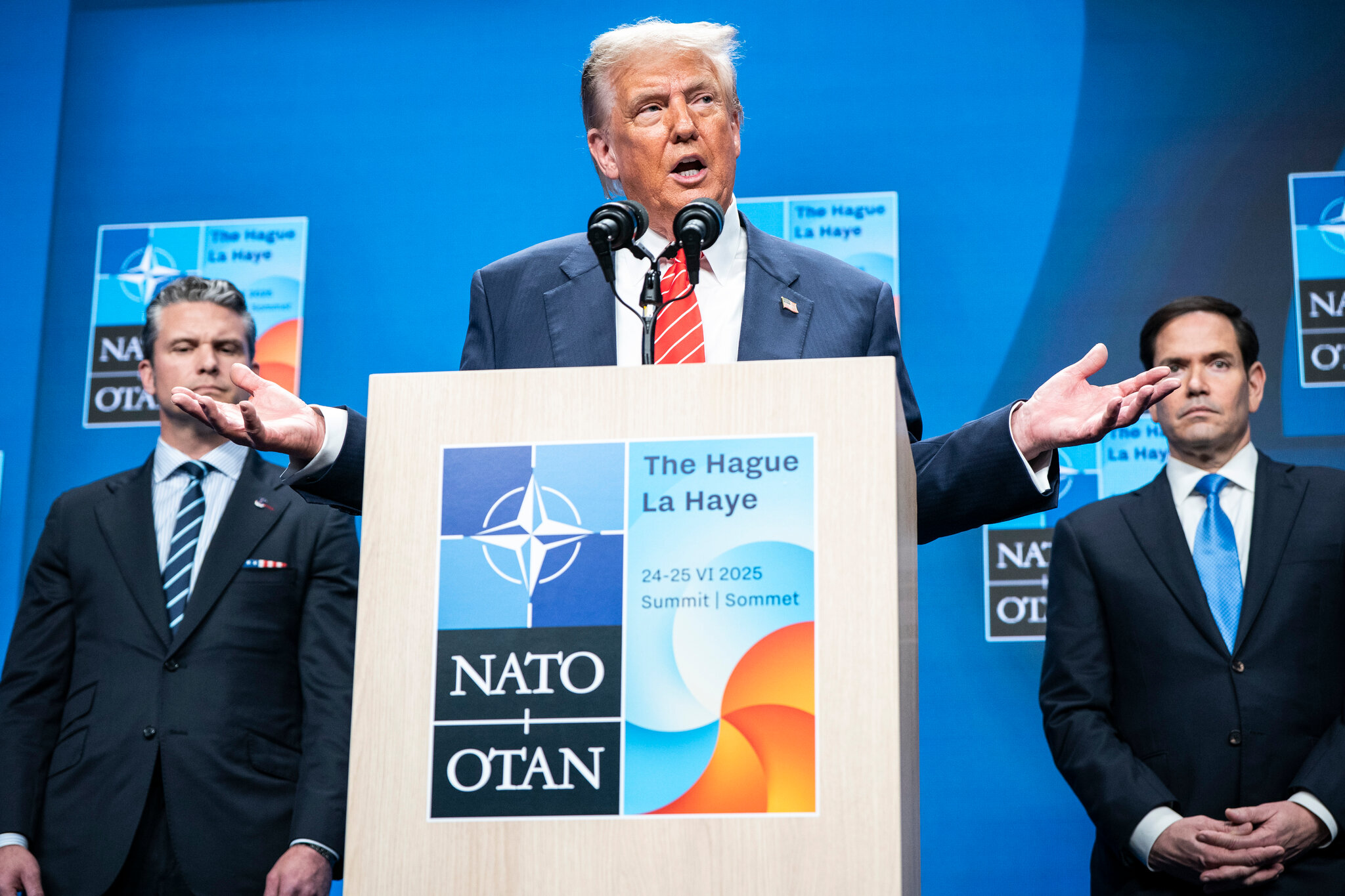
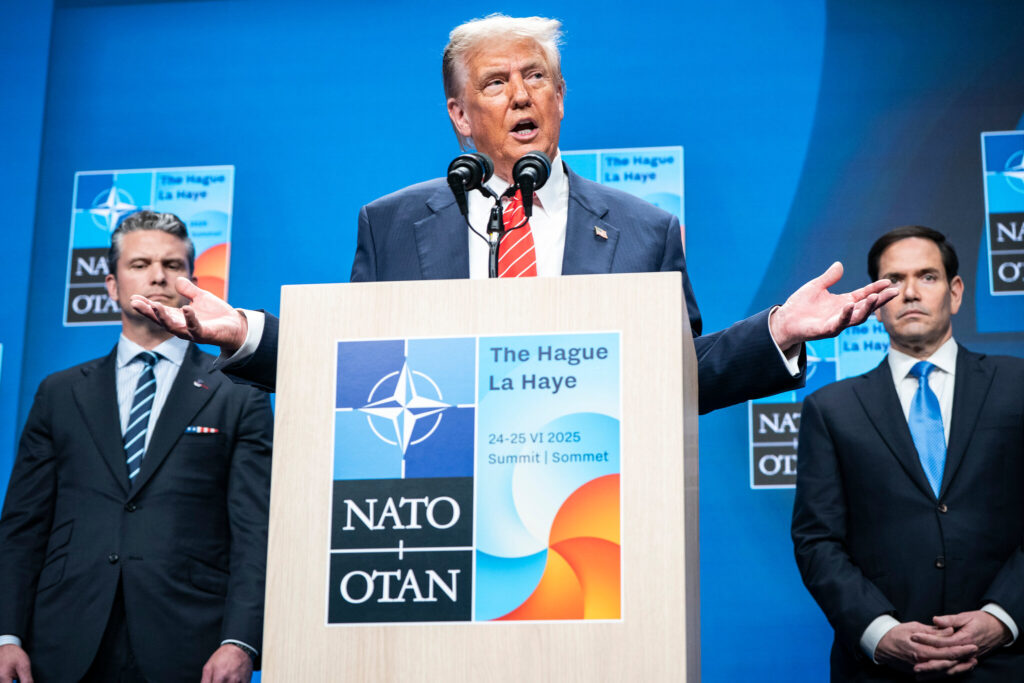
By Nitya Chakraborty The Rambo of the global diplomacy Donald Trump joined the NATO summit at Hague on June 24-25 with a triumphant smile after organizing the ceasefire between Israel and Iran in their 12 day war and strongly imparting the signal that no one matters in the world affairs now excepting the U.S. President. […]

Ghana’s parliament has given approval to a $2.8 billion debt restructuring agreement with 25 creditor nations, including China, France, the United States, Germany and the United Kingdom. This authorisation is vital for unlocking further disbursements from a $3 billion IMF-backed bailout programme initiated in May 2023. Lawmakers, endorsing the restructuring unanimously, approved measures under a memorandum of understanding signed in January 2025 that reschedule debt payments falling due between 20 December 2022 and […]

By Saifur Rahman A number of UAE developers are entering the lucrative US$110.83 trillion real estate market in the United States, after their success in the UAE, which saw real estate transactions exceeded Dh893 billion last year. Americans are also one of the top ten nationalities to invest in the UAE’s real estate market where rental yield ranges between 7 to 9 percent. “Emirati investments in the […]

Denmark’s Ministry for Digital Affairs has begun replacing Microsoft Office 365 with LibreOffice and is exploring wider adoption of Linux, citing a strategic imperative to reduce dependency on foreign software providers. Caroline Stage Olsen, Minister for Digital Affairs, stated that nearly half the ministry’s staff will complete the switch this summer, with full implementation scheduled by autumn. While Windows remains in use, Office products are being phased […]

Greenlogue/AP A newly released global analysis reveals that funding for climate adaptation in the world’s most hazard-prone nations has dropped sharply, leaving them dangerously exposed to floods, heatwaves and storms. The Climate Risk Index 2025, based on data spanning 1993 to 2022 from EM-DAT, the World Bank and IMF, found that more than 765,000 people died and nearly US$4.2 trillion was lost in direct economic damage due to […]

Air India and IndiGo have recommenced services to the UAE after a suspension triggered by airspace closures amid the Israel–Iran conflict. Airlines halted operations on Monday following triggered restrictions from missile strikes on the U.S. Al Udeid Air Base in Qatar. With Gulf skies now reopening, the carriers have initiated phased resumption of flights, prioritising passenger safety and adjusted routing measures.

Reinstatement efforts began on Tuesday, with most Air India flights to and from the Middle East set to resume by 25 June. The airline confirmed European routes would also come back online, and services to the U.S. East Coast and Canada are slated to recommence “at the earliest opportunity”. IndiGo echoed this approach, stating operations through Gulf countries had “stabilised”, albeit with some flights rerouting around closed Iranian airspace, which may cause extended journey times. Air India Express has similarly resumed select West Asian routes, including those from Delhi and Mumbai to Muscat, Riyadh, Jeddah and key UAE destinations.

The sudden airspace closure followed Iran’s missile assault on Qatar’s Al Udeid base in retaliation to U.S. bombings of Iranian nuclear sites. Multiple states, including the UAE, Kuwait, Bahrain, Iraq and Qatar, sealed their skies, incurring over 160 flight diversions. Airlines including Air India, IndiGo, Gulf carriers, and major European operators were forced into rerouting, cancellations and prolonged airborne holds.

In Bengaluru, Kempegowda International Airport experienced significant disruption on Monday, as 21 international flights were either cancelled or diverted. Six incoming flights and ten departures were scrapped, while five services arriving from the Middle East were rerouted to Bengaluru. The affected flights included services from IndiGo, Air India, Akasa Air, Kuwait Airways and Gulf Air, connecting destinations such as Doha, Abu Dhabi, Jeddah, Kuwait, London, Dubai, Dammam and Bahrain. IndiGo has since issued advisories encouraging passengers to verify their itineraries via the airline’s app or website.

Airspace closures prompted widespread disruptions across India. At Delhi’s Indira Gandhi International Airport, 48 flights were cancelled. The closures also affected routes beyond the Gulf, with Air India suspending services to Europe, the East Coast of North America and Canada. Such decisions followed safety concerns reminiscent of past incidents involving civilian aircraft in conflict zones.

Air India’s messaging emphasised the phased nature of the restoration plan. The airline noted that most flights to the Middle East would resume by 25 June and affirmed regular updates to passengers via official channels. Delays and reroutings may continue temporarily as the network stabilises. The airline pledged to avoid airspace deemed unsafe by international aviation authorities. IndiGo’s CEO framed the resumption as “prudent and progressive”, committed to using the safest routes amid ongoing monitoring.

Industry experts highlight the additional burden on airlines due to these disruptions. Longer flight paths translate to higher fuel consumption and operational costs. Rival carriers in Europe and the Middle East have already adopted detours to bypass Israeli, Iraqi and Jordanian airspace, citing financial impacts and tighter margins. Brent crude oil briefly climbed to around $70.80 per barrel following the regional skirmishes, adding strain on airline fuel budgets.

Passenger advocacy groups have urged transparency from carriers during this phase. With unforeseen diversions and cancellations, travellers seek clarity on compensation, rerouting options and timely notifications. Airline platforms are now investing in real-time advisory systems to minimise frustration and smooth operational turbulence.

The current easing of tensions appears tied to a ceasefire agreement brokered by the United States, accepted by both Israel and Iran. Although hostilities continue in limited form, the reopening of Gulf airspace indicates improved conditions for aviation. Travel experts caution, however, that volatility may persist if diplomatic progress stalls or military exchanges recur.

For Indian travellers, the resumption of Middle East routes is particularly timely. The Gulf region is a major employment and transit hub, hosting millions of Indian nationals. Restored connectivity affects not only personal travel but also supply chains, cargo links and business routes vital to India’s economic relations with Gulf partners.

Looking ahead, most Indian airlines face a dual challenge: restoring pre-conflict schedules while preparing contingency plans for renewed tensions. Many are exploring additional over-water routes, flexible flight planning and enhanced coordination with aviation regulators. These efforts aim to ensure that in the event of future disruptions, passenger inconvenience is minimised and safety remains paramount.


Polymarket, the world’s largest blockchain-based prediction market platform, is on the verge of completing a funding round exceeding $200 million that would value the company at over $1 billion. The strategic investment reflects growing investor confidence in forecasting platforms as tools for real-time insights and market intelligence.

The company, founded in 2020 by Shayne Coplan and headquartered in New York, has previously secured $70 million across Series A and B rounds led by General Catalyst, Founders Fund, alongside participation from Ethereum co-founder Vitalik Buterin. That capital helped Polymarket scale its operations offshore, particularly following regulatory setbacks in the United States, where it withdrew services under pressure from the Commodity Futures Trading Commission.

Sources indicate the new investment round will build on these foundations, raising upwards of $200 million and propelling Polymarket into unicorn status with a valuation north of $1 billion. Those close to the transaction describe a diverse syndicate of venture capital firms, strategic investors and high-profile figures from the crypto and financial sectors, though official names are yet to be disclosed.

Polymarket’s appeal lies in its novel combination of decentralised finance, crowd-sourced wisdom and smart contract automation. The platform allows participants to trade on real-world events—ranging from elections and policy outcomes to entertainment and economic indicators—by buying and selling shares reflective of outcome probabilities. Transactions occur using USDC on Polygon, ensuring on-chain settlement and transparency.

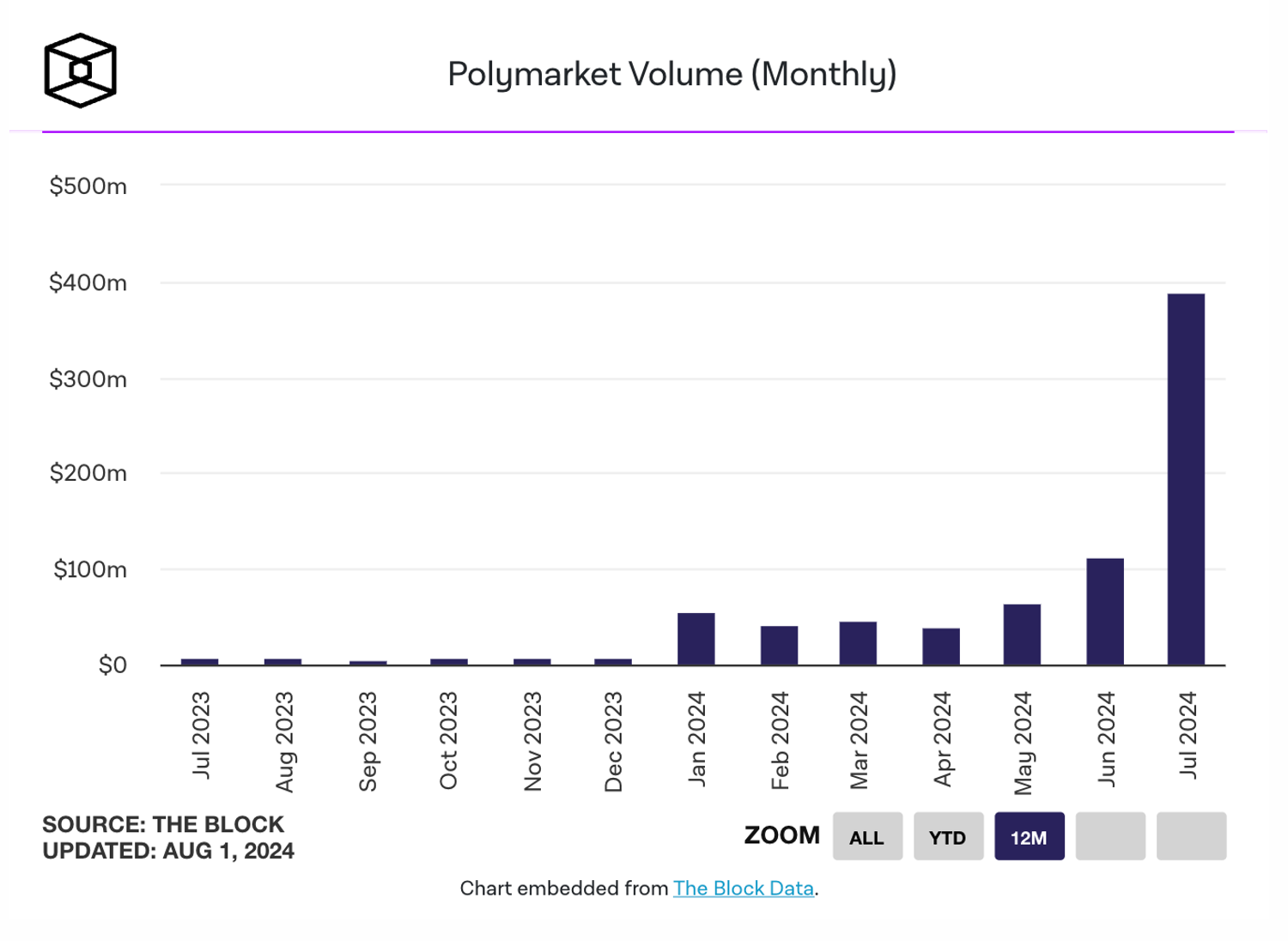
Trading volumes attest to the platform’s influence. In August 2024 alone, Polymarket processed approximately $472 million in trades, with political markets—especially those related to the US presidential election—accounting for nearly $1 billion in wagers by November 2024. Peter Thiel’s Founders Fund highlighted its trust in Polymarket’s market intelligence: “checking Polymarket when breaking news happens has become a habit”.

That compelling performance comes amid regulatory headwinds. Polymarket has barred US users since reaching a settlement with the CFTC in early 2022, which included a US$1.4 million fine and the appointment of former CFTC chairman J. Christopher Giancarlo to its advisory board. These changes aimed to address compliance concerns as the platform expanded internationally. More recently, the FBI reportedly raided Coplan’s home in autumn 2024 as part of an investigation into whether US-based activity violated these agreements.

Despite these challenges, Polymarket has continued to deepen its appeal. Ethereum co-founder Vitalik Buterin has publicly supported the broader application of prediction markets, terming them pioneers in “Info Finance,” an area he believes can enhance journalism, governance and scientific transparency. Polymarket’s data is now cited within Bloomberg’s Terminal services, offering institutional investors fresh analytical layers based on global betting dynamics.

The potential $200 million funding round is expected to include an allocation of token warrants enabling investors to participate in a future token issuance by Polymarket. Earlier reporting by CoinDesk and The Defiant in late 2024 highlighted a $50 million interim funding plan tied to a utility token offering, intended to integrate with or supplant the UMA oracle dispute-resolution system. That mechanism would allow users—or token holders—to validate market outcomes, an evolution that could expand Polymarket’s governance and on-chain autonomy.

Market observers view this token strategy as a logical advancement. Rising volumes and user engagement on election forecasts have revealed limitations in relying solely on external oracles; introducing a native token could decentralise verification and cement Polymarket’s position in the governance of its own markets.

Emerging trends suggest Polymarket is transitioning from an insurgent, crypto-native prediction exchange to a mainstream information infrastructure. Its user base now spans political analysts, financial professionals and retail traders. The recent partnership with X integrates Polymarket’s probabilistic feeds into social media dynamics, allowing users to access market sentiment in real-time alongside breaking news.

Yet questions over regulatory alignment remain. The CFTC is reportedly examining off-shore platforms that permit US bettor access, and lawmakers are considering broader prohibitions on event-based derivatives. The fallout from the 2024 FBI inquiry adds a layer of legal uncertainty, even as Polymarket navigates regulatory environments in Europe and Asia, where its platform has faced access restrictions from gambling regulators in Belgium, Poland, Singapore and France.

As Polymarket nears completion of its landmark funding round, it stands at a crossroads defined by opportunity and scrutiny. A valuation exceeding $1 billion would underscore investor conviction in its model, but unlocking the full potential of prediction markets may depend as much on regulatory clarity as on capital infusion.

Japan’s Financial Services Agency has unveiled plans to amend the Financial Instruments and Exchange Act, bringing cryptocurrencies under securities‑style regulation and opening the door to Bitcoin spot ETFs. The proposals also aim to replace the current progressive tax on crypto gains—ranging up to 55 per cent—with a uniform 20 per cent levy.

The agency’s discussion paper, released on 10 April by its digital policy division, outlines regulatory changes including classification of crypto into “Type 1” and “Type 2”, with insider‑trading rules to follow much like those in equity markets.

Behind the latest move is a growing consensus among Japan’s mainstream political and financial circles. The governing Liberal Democratic Party has actively backed the 20 per cent tax proposal, offering parity with capital‑gains treatment on stocks and bonds. It has also pushed to align tax on derivatives and crypto‑to‑crypto swaps accordingly.

Parliament is expected to review legislative amendments in early 2026, with the FSA targeting a policy direction announcement by mid‑2025.

Analysts note the regulatory upgrade could unlock institutional entry. While crypto ETFs have been launched in the US, Europe and Hong Kong, Japanese regulators have remained notably cautious. Under the proposed amendments, crypto-like instruments would qualify as financial instruments, subject to disclosure, custody, and market‑abuse safeguards.

This shift marks a departure from the current regime under the Payment Services Act, where digital assets are categorised alongside payments rather than securities. The FSA’s plan would position crypto within a legal framework better suited to large-scale trading activities.

Tax treatment has been a central barrier. Gains on crypto are now taxed as “miscellaneous” income—reaching rates as high as 55 per cent—while ETFs qualify as capital gains taxed around 20 per cent. The new flat rate would remove current inequities and possibly stimulate market growth.

Participants in the Japanese financial industry, including SBI and Franklin Templeton, are reportedly making strategic preparations. SBI has already collaborated with both US and UK asset managers to launch crypto‑related products, anticipating that regulatory approval will soon follow.

Despite these signals, caution persists. The Ministry of Finance remains cautious, wary of crypto’s volatility and adverse events such as the collapse of Mt. Gox and DMM Wallet, which led to extensive losses. The FSA itself is said to proceed methodically, emphasising investor protection above all.

To ensure granularity, the FSA’s discussion paper recommends dividing tokens into two regulatory categories: Type 1 assets—used in fundraising or business operations—and Type 2 assets, which include decentralised tokens like Bitcoin and Ethereum with no single issuer. This structure supports tailored oversight, including anti‑insider trading provisions.

Industry reactions reflect a mix of anticipation and prudence. Proponents argue that clearer classification and tax certainty would attract both retail and institutional investors. They point to the global momentum behind crypto ETFs and the relative tax efficiency such structures bring. Opponents, however, urge regulators to remain vigilant to market manipulation and developing infrastructure risks.

Global comparisons place Japan near the frontier of regulatory maturity. Countries such as the United States have delayed crypto classification under securities law even as they approved Bitcoin ETFs. The EU’s MiCA and Hong Kong’s licensing framework signal increased global regulatory alignment. Japan’s proposed amendments would signal competitive parity in Asia‑Pacific markets.

As Japan prepares to table the bill in parliament in 2026, attention will centre on implementation details. These include ETF approval timelines, disclosure requirements for exchanges and custodians, and whether the flat‑tax rate will apply retroactively or to future accruals only.

Cryptocurrency markets are recalibrating as TRON’s USDT reserves climb to an unprecedented $80.7 billion, eclipsing Ethereum’s $73.8 billion—a record milestone for 2025. Data from blockchain analytics firm CryptoQuant highlights that TRON’s share of the Tether stablecoin ecosystem has entered previously uncharted territory.

This expansion further cements TRON as the dominant platform for USDT issuance. Tether’s circulation on TRON—branded as TRC‑20 tokens—has surged sharply since the beginning of the year, jumping from approximately $59.8 billion in January to over $80 billion by mid‑June. In comparison, Ethereum’s ERC‑20 USDT remains below TRON’s benchmark, highlighting a structural shift in network preference.

Market observers attribute TRON’s gains to its lower fees and faster transaction times. A report from NFTEvening confirms that, as of mid‑May, TRON commanded nearly 50 per cent of global USDT supply, while Ethereum’s share hovered around 41 per cent. TRON’s blockchain now processes more than 2.4 million USDT transactions daily, dwarfing Ethereum’s roughly 280 000 transfers.

TRON’s performance in 2021 was already notable, with USDT supply expanding from $6.7 billion to $39.4 billion—an increase of nearly 487 per cent. Stakeholder confidence accelerated through 2024, with TRON first overtaking Ethereum in USDT issuance in November.

While TRON’s stablecoin dominance grows, its total value locked in DeFi has declined—from roughly $7.5 billion in January to about $4.3 billion by mid‑year—according to DefiLlama statistics. However, decentralised exchange activity on TRON is rising; trading volume increased from $4.9 billion in April to $5.5 billion in May. Analysts argue that users may prefer flexible, liquid trading over locking capital in yield‑farming protocols.

TRX, TRON’s native token, has gained approximately 2.2 per cent in the past 24 hours to $0.2729, yet remains some 36 per cent beneath its December 2024 peak of $0.4313. Technical charting shows consolidation below the 20‑day simple moving average and strength above key exponential moving averages, indicating latent bullish potential.

CryptoQuant reports that TRON’s agenda is now largely centred on payments rather than advanced DeFi, noting a distinct mix of tokens like Wrapped TRX and USDD on the network. The network’s recurring USDT mints are viewed as part of a strategic buildup. In mid‑May, Tether authorised another $1 billion mint on TRON, pushing its authorised supply well beyond Ethereum’s at $73.7 billion compared with $74.5 billion.

TRON’s growing role in Asia and emerging markets may be another driver. The platform appeals to users and exchanges that prioritise low cost and swift settlement—features that align with cross‑border remittance and retail payments. However, questions around TRON’s longstanding association with illicit transactions continue to cast a shadow over its rising stature.

Ethereum retains significant traction within DeFi due to its robust ecosystem and broader stablecoin diversity. Nevertheless, ongoing surcharges and network congestion are prompting shifts towards alternate chains like TRON. The competition reflects a broader evolution towards a multi‑chain infrastructure where each blockchain plays to its strengths: Ethereum for advanced financial apps, TRON for efficient payments.

Regulators are also watching this competition. Policy discussions around stablecoin frameworks in the United States, Europe and Asia could reshape how tokens are issued and used. TRON’s dominance in USDT may prompt further scrutiny and prompt Tether to reassess its minting cadence and reserve disclosures across different chains.

Israeli defence minister Israel Katz declared late on 24 June that he had ordered the Israel Defence Forces to resume “high‑intensity operations” against regime targets in central Tehran. The announcement followed allegations that Iran had launched missiles into Israeli territory, in what Tel Aviv described as a blatant breach of a United States‑mediated ceasefire unveiled just hours earlier by President Donald Trump.

Trump had proclaimed a “complete and total ceasefire” on Truth Social, explaining that Iran would halt strikes first, followed by Israel, in a phased arrangement ending after 24 hours. Within three hours of that declaration, Israel alleged that Iran launched missiles toward its southern regions, prompting Katz’s directive to strike key Iranian infrastructure.

Contradicting Israel’s account, Tehran’s ISNA student news agency denied firing any missiles post‑ceasefire. Iranian foreign minister Abbas Araghchi had earlier stated that Tehran would cease retaliatory actions—conditional on Israel halting operations by 04:00 Tehran time, a condition that purportedly lapsed minutes before hostilities were to pause.

President Trump, addressing the situation on social media, urged both nations to honour the agreement and warned against any violations, offering his oversight as guarantor of the pledge. His announcement followed the deployment of U.S. B‑2 bombers striking three Iranian nuclear sites, and a symbolic retaliatory missile strike from Iran against a U.S. base in Qatar—strikes reportedly calibrated to minimise escalation.

Despite conflicting claims, available evidence indicates a spike in missile exchanges. According to Reuters, Israel’s southern city of Beersheba was hit, resulting in at least four fatalities, while various townships experienced temporary power outages after sirens sounded across the region as Iranian missiles streaked overhead.

Tehran mourned significant civilian losses, with over 10 Israelis killed and more than 250 injured during Iran’s earlier onslaught, which included bombardments on central and southern Israeli regions. Meanwhile, Israel took credit for eliminating senior Iranian military personnel and striking strategic nuclear and missile infrastructure; Benjamin Netanyahu celebrated Israel’s success in degrading what he described as a dual existential threat posed by Iran’s capabilities.

Regionally, Qatar responded strongly, summoning Iran’s ambassador and condemning the attack on U.S. forces at Al Udeid Air Base as a violation of its sovereignty and international law. Saudi Arabia expressed hope that all parties would uphold the ceasefire and de‑escalate.

International markets reacted positively to the ceasefire’s initial announcement. Oil prices dropped, and equities rallied on optimism that the conflict in the Strait of Hormuz might ease—although the renewed strikes quickly revived fears of a wider conflagration.

Experts scrutinise the long‑term viability of the truce. Some analysts suggest installation damage to Iran’s nuclear programme may be reversible, with Iran’s leadership determined to rebuild. Others view the U.S. use of bunker‑buster bombs and Israel’s strategic targeting of Iranian deterrents as potential deterrents that may delay a rapid resurgence.

On the political front, Trump is leveraging the declared ceasefire as a foreign‑policy milestone ahead of an imminent NATO summit. Netanyahu affirmed Israel would respond forcefully to any violations. Tehran warned that its military exercise would persist unless the bombing ended, contending that it acted to “punish Israel for its aggression until the very last minute”.

As global attention turns to negotiations, Qatar’s mediation role and U.S. involvement loom large. The deal remains tentative, with both Israel and Iran accusing each other of breaking terms, and uncertainty surrounding whether Trump’s phased ceasefire timeline will endure.

Donald Trump proclaimed a full ceasefire between Israel and Iran on Monday, marking what he described as the end of a “12‑day war” that forced millions from Tehran and sparked grave fears of escalation. He posted on Truth Social that Iran would halt its operations at midnight ET, followed by Israel twelve hours later, culminating in a 24‑hour cessation of hostilities.

Trump touted the move as a diplomatic breakthrough, congratulating “both Countries, Israel and Iran, on having the Stamina, Courage, and Intelligence to end” the conflict. He asserted that the agreement was brokered in discussions with Prime Minister Netanyahu and through U.S. envoys in dialogue with Tehran, with Qatar playing a key intermediary role.

Iran’s foreign minister, Abbas Araghchi, echoed that Tehran’s forces stood down at 4 a.m. Tehran time if Israel ceased its attacks by then, though he clarified that a final decision on halting military operations was pending. Israel’s military has yet to formally acknowledge the ceasefire, and missile alerts and strikes were still reported over Tel Aviv, Beersheba and the Golan Heights in the hours following the announcement.

The conflict began on 13 June when Israel launched airstrikes on Iran’s nuclear and military infrastructure, including sites near Natanz, Isfahan and Tehran. That response, which Israeli authorities described as necessary to counter an alleged Iranian march towards nuclear weapons capability, included the destruction of centrifuge material and the deaths of senior Iranian military figures and nuclear scientists. Iran retaliated with waves of missiles and drones aimed at Israeli territory; Israel intercepted many of them, but civilian casualties were reported in Beersheba and Tel Aviv.

The conflict widened when the United States joined with bunker‑buster strikes on Iranian underground nuclear facilities over the weekend, prompting Iran to retaliate by targeting the U.S. air base at Al Udeid in Qatar. The attack caused no casualties, and Trump later thanked Iran for the “early notice,” calling it a “very weak response”.

Though Trump dismissed European diplomatic efforts as ineffective, he warned that U.S. involvement remained a distinct possibility if Iran escalated further, positioning American strikes solely against nuclear targets. Internal Israeli pressure also rose; Prime Minister Netanyahu reportedly instructed ministers to refrain from public commentary as military activity approached a pause.

Humanitarian fallout during this period has been acute. Over 650 Iranians have died, according to Iranian health data, including civilians, and over 200 Israeli military and civilian fatalities have been reported. Tehran saw large-scale evacuations as power and internet access faltered.

International bodies raised alarms over the bombardment of nuclear facilities. The International Atomic Energy Agency cautioned against striking enrichment sites due to risks of radiological contamination. Legal experts also voiced concerns that the strikes on civilian infrastructure—including hospitals and residential neighborhoods—could constitute violations under international humanitarian law.

Despite the ceasefire declaration, uncertainty remains. Iran’s foreign minister warned that if Israeli attacks persisted past 4 a.m. Tehran time, hostilities could resume. Similarly, Israeli officials reported continued launcher of missiles from Iran, demonstrating that the ceasefire may be fragile.

Regional and global reactions have been varied. Qatar’s prime minister was credited with facilitating Iran’s acceptance of the U.S.-proposed ceasefire. European negotiators, meanwhile, expressed frustration that efforts in Geneva had produced little movement before hostilities intensified. Both Russia and China urged restraint and urged full de‑escalation.

Markets responded positively to the ceasefire announcement, reflecting investor hopes for regional stability, yet the humanitarian toll and legal implications—the destruction of nuclear infrastructure, civilian casualties, and potential violations of international law—leave an ambiguous legacy for a war that surged in intensity over just under two weeks. The path ahead now hinges on whether both nations uphold the phased withdrawal and open room for diplomatic resolution amid deep mistrust.

Al Udeid Air Base in Qatar, hosting around 10,000 U.S. and allied personnel, was struck on 23 June 2025 by a volley of short- and medium-range ballistic missiles launched by Iran in apparent retaliation for American airstrikes on its nuclear facilities. Qatar’s air defences intercepted the incoming salvo, reported as six missiles by Iran and fourteen by U.S. sources, with no casualties or significant damage recorded.

Tehran described the strike as a calibrated response, matching the number of missiles to bombs used in the U.S. assault on Natanz, Fordow and Esfahan, suggesting a bid to avoid civilian harm. Iranian state media dubbed the action “Operation Glad Tidings of Victory” and stressed it was carried out away from populated areas. U.S. President Donald Trump, characterising the barrage as “very weak,” acknowledged that Iran provided advance notice, enabling effective interception and preventing casualties.

Qatar issued a forceful denunciation, condemning the barrage as a “flagrant violation” of its sovereignty and international law. Dr Majed bin Mohammed Al Ansari, spokesperson for Qatar’s Foreign Ministry, warned that the country reserves the right to respond proportionally and reiterated calls for a return to genuine diplomacy. Qatar Airways temporarily suspended flights amid the airspace closure, and India’s embassy in Doha advised nationals to remain cautious amid the unfolding tensions.

The United Arab Emirates and Saudi Arabia also condemned the violence. The UAE described the missiles as a breach of Qatari sovereignty and called for an immediate halt to military escalation. Riyadh echoed this stance, expressing full support for Qatar and branding the strike “unjustifiable,” warning of broader destabilisation. The Arab League, Jordan, Bahrain and Oman joined the chorus, denouncing the attack and urging restraint.

Western capitals emphasised caution. France and Germany condemned the missile salvo but underscored the necessity of diplomacy. The United Nations and European Union called for urgent de-escalatory measures and a return to negotiations, with António Guterres warning of the risk of “regional conflagration”. Beijing and Moscow echoed appeals for a diplomatic resolution.

Iran’s Supreme Leader Ayatollah Ali Khamenei stated that Iran would not succumb to aggression and that its missile barrage equalled the U.S. assault. Tehran also hinted at further measures if U.S. actions persist. Meanwhile, Israel unleashed its most extensive air campaign yet on Tehran, striking sites including Evin Prison and Fordow enrichment facility.

The strikes on Qatar and also U.S. bases in Iraq—though unconfirmed beyond Qatar—have prompted airspace closures over Gulf nations including Kuwait, Bahrain and the UAE. Commercial carriers like IndiGo and Air India Express issued advisories or rerouted flights, contributing to widening disruptions in travel.

Global financial markets reacted nervously, with oil prices briefly spiking over fears of disruption in the Strait of Hormuz, a critical passage for global energy shipments. The International Atomic Energy Agency, meanwhile, voiced anxiety about the security of Iran’s nuclear sites following the U.S. bombardment.

Analysts suggest Iran’s approach was designed to recalibrate the balance of deterrence without provoking full-scale war. The matched missile count, pre-warning, and focus on a remote military target indicate a calculated effort to signal strength while avoiding mass casualties.

Diplomats across Europe, the U.N. and the Gulf pressed for an immediate halt to further strikes and for major powers to step up mediation. Qatar, a longstanding facilitator of regional talks, is uniquely positioned to spearhead efforts. Both Iran and the U.S. have acknowledged potential for dialogue: Trump spoke of the prospect of “peace and harmony,” echoing Tehran’s assertions that the strike completed its “symbolic” objectives.

But with tensions now inflamed between Iran, Israel and the U.S., and Gulf states on alert, diplomatic channels face a critical juncture. Any miscalculation could unleash renewed conflict across the region.

Elon Musk has cast aside the existing Grok AI training corpus and directed xAI to construct an entirely new foundation—one that excludes what he calls “garbage” and “uncorrected data”—and then retrain the model from that vetted base. This overhaul is intended to power the next-generation Grok, tentatively dubbed Grok 3.5 or Grok 4, with “advanced reasoning” capabilities that Musk says will enable it to “rewrite the entire […]

VISHNU RAJA
RYO YAMADA
HITORI GOTOH
IKUYO KITA