Just in:
Acrab Signs MoU with ModigenceVision at SWITCH 2026 to Advance On-Device AI for Robotics // COOEC signs $800 million QatarEnergy offshore pipeline contract // European Union Is Stuck In The Past, As Are Its British Admirers // Dubai exchange records 22% trading growth amid summit plans // MSIG Empowers Malaysian SMEs To Build Resilience and Pursue Growth with Confidence // LlamaIndex unveils OCRia-nano-1 weights for local CPU parsing // India shares briefly erase 2026 losses before retreat // Webuild secures controlling stake in Trevi tender offer // Sabarimala pilgrim arrivals decline despite fully booked slots // Taiwan enforces wider short-selling curbs after market rout // Gartner projects local AI shift among regulated enterprises // BIT Capital Expands Asia-Pacific Activities with Focus on Hong Kong and Singapore, Bringing Its Human × AI Approach to Asian Investors // A Bridge Between Indonesia and China: Bali Brought Together Government, Investors, Developers and Future Technologies at the Indonesia-China Bridge Forum // IP addresses on scrutiny over Sabarimala bookings // Green SM Celebrates Second Anniversary In Indonesia With “G2EEN SEASON” Promotion, Offering Special Fare Discounts // GTA VI Batman parody revives Knightfall comic scene // European gas futures climb as cold forecasts strain supplies // Chinese researchers flag AI threats to nuclear deterrence // Oil prices oscillate as Gulf exports withstand attacks // Google creates simulated internet to test Chrome agents //

News related to
United States

India continues to hold its position as the world leader in cryptocurrency adoption, according to the 2024 Chainalysis Global Crypto Adoption Index. The country’s dominance in this space persists despite a challenging regulatory environment that includes stringent tax policies and bans on foreign crypto platforms. This latest report reflects India’s ability to stay at the forefront of crypto trading and investment, showcasing the nation’s growing influence in […]

By K Raveendran India’s economic aspirations have long been anchored in the expansion of its manufacturing sector, a goal that has become increasingly critical as the country seeks to position itself as a global economic powerhouse. It is widely believed that the realisation of this goal would be impossible without Chinese investments, which however, come […]

Joby Aviation, the electric vertical takeoff and landing (eVTOL) aircraft manufacturer, has formally applied for aircraft certification in the United Arab Emirates. This strategic move marks a significant step in the company’s expansion plans, aiming to establish a presence in the Middle Eastern market for its innovative flying taxis.

The application, submitted to the General Civil Aviation Authority (GCAA) of the UAE, represents a crucial milestone for Joby Aviation, which has been at the forefront of developing urban air mobility solutions. The certification process will involve rigorous testing and compliance with the UAE’s stringent aviation regulations, designed to ensure safety and operational standards for new aircraft technologies.

Joby Aviation’s eVTOL aircraft, characterized by its all-electric propulsion and vertical takeoff capabilities, is positioned to revolutionize urban transportation by reducing travel time and congestion. The company’s push into the UAE market is part of a broader strategy to tap into emerging global markets where infrastructure and regulatory frameworks are increasingly supportive of advanced aviation technologies.

The UAE has been actively working to become a hub for cutting-edge technologies, including advancements in aviation and transportation. The government’s initiatives to support smart city projects and sustainable transport align with Joby Aviation’s mission to provide efficient and eco-friendly transport solutions. As part of its expansion strategy, Joby has engaged in discussions with various stakeholders in the UAE to explore potential partnerships and operational frameworks that would facilitate the integration of its aircraft into the local transportation network.

The certification process will require Joby Aviation to demonstrate the safety, reliability, and efficiency of its aircraft under the UAE’s aviation standards. This involves a comprehensive evaluation of the aircraft’s performance, maintenance procedures, and safety features. The GCAA will oversee this process to ensure that the aircraft meets all necessary criteria before it is allowed to operate commercially in UAE airspace.

Joby’s entry into the UAE market comes at a time when there is growing interest in urban air mobility solutions globally. Several countries and cities are exploring similar technologies, driven by the need to address urban congestion and environmental concerns. By seeking certification in the UAE, Joby is positioning itself to capitalize on the increasing demand for innovative transportation solutions in a region known for its rapid development and technological adoption.

The company has already made significant strides in its home market of the United States, where it has received substantial investment and support from various stakeholders, including government agencies and private investors. The UAE certification is seen as a key step in Joby Aviation’s international growth strategy, which aims to bring its flying taxi services to major cities around the world.

As Joby Aviation progresses through the certification process, it will likely face several challenges, including navigating the regulatory landscape and establishing operational infrastructure in a new market. However, the company’s commitment to advancing urban air mobility and its track record of innovation position it well for success in the UAE.

The outcome of this certification process will not only impact Joby Aviation but also influence the broader landscape of urban air mobility. If successful, it could pave the way for other companies in the sector to enter the UAE market and contribute to the development of a new dimension in urban transportation.

The UAE’s proactive approach to integrating advanced technologies and supporting sustainable initiatives provides a promising environment for Joby Aviation’s ambitions. The company’s application for certification is a clear indication of the growing global interest in eVTOL aircraft and the potential for such technologies to transform urban travel.

As the aviation industry continues to evolve, the introduction of eVTOL aircraft represents a significant leap forward in the quest for more efficient and environmentally friendly transportation solutions. Joby Aviation’s efforts to gain certification in the UAE underscore the importance of regulatory support and innovation in shaping the future of urban mobility.

Google is now facing a significant legal challenge as it stands trial in the United States over accusations of monopolizing the online advertising industry. This case marks the second major antitrust lawsuit against the tech giant within a year. The U.S. Department of Justice (DOJ) has argued that Google’s ad technology has allowed it to unfairly dominate the online advertising space, stifling competition and leaving advertisers and […]

Vishnu Mohandas, the developer behind the open-source photo management application ‘Ente,’ is positioning his creation as a compelling alternative to mainstream services like Google Photos. Ente promises to offer users enhanced privacy protections, addressing growing concerns over data security in the digital age.

Ente, launched in early 2024, aims to fill a niche in the market for privacy-conscious photo management. Unlike established platforms that often monetize user data, Ente operates on a different ethos, prioritizing user control and data protection. The app’s open-source nature means that its code is publicly available for review and improvement, fostering a transparent environment and mitigating potential privacy issues.

The surge in data breaches and privacy violations by major tech companies has fueled interest in alternative solutions like Ente. Mohandas, who has a background in software development and cybersecurity, has designed Ente to be a robust tool for managing personal photos without compromising privacy. The app integrates advanced encryption methods to ensure that user data remains secure from unauthorized access.

Ente’s features include secure cloud storage, where users can upload and access their photos without the fear of data being exploited for targeted advertising. The platform also supports end-to-end encryption, making it difficult for even the service provider to access users’ images. These features are a direct response to the growing backlash against the data practices of tech giants.

Mohandas’s vision extends beyond merely providing a secure alternative. He emphasizes the importance of user autonomy, allowing individuals to control their data without relinquishing their privacy. This approach resonates with a segment of users who are increasingly wary of how their personal information is handled by corporate entities.

The app’s development has been met with a positive reception from privacy advocates and tech enthusiasts. The open-source model has not only contributed to the app’s credibility but also encouraged community contributions, enhancing its security and functionality. Users appreciate the ability to review and customize the app’s features, ensuring that it meets their privacy standards.

Ente’s user interface is designed to be intuitive, catering to both tech-savvy individuals and those who are less familiar with complex software. This accessibility is crucial for attracting a broad user base, particularly those who are seeking an easy transition from more established services.

The launch of Ente comes at a time when discussions around digital privacy are becoming more prominent. Data privacy regulations worldwide, such as the General Data Protection Regulation (GDPR) in Europe and the California Consumer Privacy Act (CCPA) in the United States, reflect growing concerns about how companies manage personal information. Ente aligns with these regulatory trends by offering a solution that prioritizes user privacy and transparency.

As the market for privacy-focused technology continues to expand, Ente represents a significant step towards redefining how personal data is handled. Mohandas’s commitment to creating a more secure and transparent photo management solution underscores a broader movement towards greater digital privacy and user empowerment.

By Nantoo Banerjee The oil price decontrol — at first, the retail prices of petrol by the Manmohan Singh-led government in 2010 and, thereafter, diesel prices by the Narendra Modi-led government in 2015 – to link the local retail market prices with global price trends seems to be meant more to mislead the general public […]
By Nitya Chakraborty Bangladesh Interim Head Dr. Muhammad Yunus has invited Indian Prime Minister Narendra Modi for talks in New York in the last week of September when both of them will be attending the session of United Nations general assembly .So far, there has been no response from the Indian Government sources. In fact, […]
Advertisements

China’s self-driving car industry, a rapidly advancing sector fueled by technological prowess and substantial investments, is now testing its limits on the global stage. As autonomous vehicle manufacturers from China seek to establish a foothold in international markets, they encounter significant challenges, primarily related to data privacy and regulatory compliance. Guangzhou-based WeRide is at the forefront of this expansion. The company’s autonomous vehicles have recently showcased their […]

Tensions between major global powers are escalating as intelligence reports reveal a concerning deepening of military ties between Iran and Russia. Central Intelligence Agency (CIA) Director William Burns has highlighted that Iran is poised to significantly increase its support for Russia by potentially supplying ballistic missiles to aid Moscow’s ongoing conflict in Ukraine. This move, according to Burns, could represent a “dramatic escalation” in the level of […]

M A Hossain Russian President Vladimir Putin’s recent two-day state visit to Mongolia was not only a significant moment in the bilateral relations between Moscow and Ulaanbaatar, but also an event that resonated on the international stage. Mongolia, a nation that ratified the Rome Statute of the International Criminal Court (ICC), became the subject of global attention due to its refusal to comply with the ICC’s warrant […]

OPEC+ has opted to prolong its production restraint by two months to prevent a looming oil surplus this year. This decision comes as economic indicators show slowing growth in China and increasing supply from the United States, driving crude oil prices to their lowest level in 14 months. The coalition, spearheaded by Saudi Arabia and Russia, announced the extension on Thursday after assessing the current global market […]

Banking regulators in the United States, including the Federal Reserve, Federal Deposit Insurance Corporation (FDIC), and Office of the Comptroller of the Currency (OCC), are expected to release significant revisions to bank capital requirements this month. These changes, which aim to strengthen the resilience of the financial system, are part of the larger “Basel III endgame” framework. The upcoming rules are targeted at banks with over $100 billion in assets, with the intention of bolstering their ability to withstand future financial crises.

The planned regulations will eliminate the use of banks’ internal risk models in favor of standardized models, addressing longstanding concerns about inconsistencies in how banks evaluate their risk exposure. If implemented, the new capital requirements will be phased in over three years, beginning in July 2025. However, the proposal has met with significant resistance from the banking industry, which argues that the regulations could lead to reduced lending capacity, stifling economic growth and affecting consumer credit availability.

The proposed revisions represent a culmination of years of efforts by regulators to tighten capital standards in the aftermath of the 2008 financial crisis. Banks have faced increasing scrutiny from both regulators and lawmakers over the adequacy of their capital buffers. Stress tests conducted by U.S. authorities have consistently shown that the nation’s banking system remains well-capitalized, but concerns linger about whether current rules are sufficient to safeguard against future economic shocks.

Among the major changes expected is the implementation of higher capital buffers for banks, particularly those with significant trading operations. This would affect major Wall Street firms, including JPMorgan Chase, Goldman Sachs, and Citigroup. These institutions could be required to hold substantially more capital against their trading assets, which has drawn criticism from the financial sector. The American Bankers Association (ABA) and other industry groups have argued that excessive capital requirements could reduce profitability and hamper their ability to finance economic activity.

Despite these objections, proponents of the new rules, including key regulatory figures, have emphasized the importance of ensuring that banks are prepared for a range of potential crises. Federal Reserve officials have expressed confidence in the banking system’s current stability but have stressed that more stringent capital requirements would reduce the likelihood of taxpayer-funded bailouts in the future. They have also pointed to the Basel III guidelines as an international standard, which the U.S. must comply with to maintain financial stability on a global scale.

Opponents within the banking sector are mounting an aggressive lobbying campaign to delay or modify the rulemaking. They argue that the proposed rules do not take into account the economic impact of stricter capital standards, especially at a time when inflation and interest rate hikes are already placing significant pressure on the industry. Large banks, which are likely to be most affected by the new regulations, have voiced concerns that they will be forced to cut back on lending activities to meet the higher capital requirements.

The pushback has been particularly vocal from some of the biggest players in the financial industry, who warn that the new capital rules could lead to reduced lending to businesses and consumers. The ABA, in a statement, expressed support for strong capital requirements but urged regulators to strike a balance that does not stifle economic growth. They argue that while the banking sector remains resilient, overly stringent capital rules could inadvertently weaken it by making credit more expensive and difficult to obtain.

At the heart of the debate is the balance between financial stability and economic growth. Regulators believe that higher capital buffers will protect the economy from future crises, ensuring that banks can absorb losses without threatening the broader financial system. On the other hand, industry critics argue that the proposed rules may do more harm than good, reducing banks’ ability to lend at a critical time for the economy.

HANOI, VIETNAM – Media OutReach Newswire – 6 September 2024 – Hanoi, Vietnam Amidst a geopolitical and economic landscape fraught with uncertainty, VinFast, the Vietnamese electric vehicle manufacturer, is positioning itself for success with a diversified strategy. By offering a range of products and targeting multiple markets, the company is creating a unique advantage in the rapidly evolving automotive industry. As geopolitical tensions cast a long shadow […]

Alibaba.com, a leading global business-to-business (B2B) e-commerce platform, has partnered with Mastercard to unveil a co-branded credit card aimed at small businesses in the United States. The Alibaba.com Business Edge Credit Card, set to launch later this year, promises to enhance the purchasing power of small enterprises by offering cashback rewards and favorable financing terms on both domestic and international sourcing transactions made through Alibaba’s marketplace.

Designed with small business owners in mind, the credit card aims to address common financial challenges faced by companies engaged in global trade, particularly those involved in cross-border e-commerce. The Alibaba.com Business Edge Credit Card will provide 3% cashback on eligible purchases, along with a 90-day order protection feature. This protection is geared towards businesses seeking to minimize risks when purchasing from international suppliers, a critical factor for companies that depend on reliable sourcing and supplier trust in the global market.

Alibaba’s strategic collaboration with Mastercard highlights the growing significance of financial tools tailored to support small and medium-sized enterprises (SMEs) engaged in international trade. For many businesses, navigating the complexities of global supply chains and managing foreign exchange transactions pose considerable challenges. By introducing this co-branded credit card, Alibaba and Mastercard aim to simplify these processes and empower businesses with greater financial flexibility.

John Caplan, President of North America and Europe for Alibaba.com, emphasized the need for more accessible financial solutions for small businesses engaged in global sourcing. “We understand the difficulties that small business owners face when purchasing from suppliers worldwide. This card was created to make the process easier, more secure, and rewarding,” Caplan remarked. His comments reflect Alibaba’s commitment to expanding its presence in the U.S. market by offering more value to small enterprises through tailored financial solutions.

Mastercard, a global payments leader, brings its expertise to the partnership by ensuring that the Alibaba.com Business Edge Credit Card is equipped with industry-leading security features and seamless transaction capabilities. The card will benefit from Mastercard’s robust global payment network, providing users with easy access to Alibaba’s vast supplier base without the usual concerns surrounding cross-border payments. Small businesses, particularly those relying on Alibaba.com for sourcing products, stand to benefit from reduced transaction fees and enhanced cashback opportunities.

Additionally, Cardless, a U.S.-based fintech firm, is involved in the partnership to offer digital-first capabilities for the card. Cardless is known for its user-friendly app that simplifies the application and card management process, allowing cardholders to access features such as tracking purchases, paying bills, and redeeming rewards—all from a mobile device. The involvement of Cardless adds an extra layer of convenience to the Alibaba.com Business Edge Credit Card, as it provides businesses with a modern, digital solution for managing their spending.

The Alibaba.com Business Edge Credit Card marks Alibaba’s first foray into co-branded credit cards in the United States, demonstrating the company’s intent to strengthen its foothold in the U.S. market. Although Alibaba.com has long been a prominent platform for sourcing goods from international suppliers, the introduction of a co-branded credit card tailored specifically for U.S. businesses signals a shift in the company’s strategy to become more integrated into the financial infrastructure of the country.

By tapping into the vast U.S. small business sector, Alibaba and Mastercard are positioning themselves at the intersection of e-commerce and finance, two industries that continue to experience rapid growth. According to estimates, the U.S. market for small business credit cards is worth billions of dollars, with an increasing number of enterprises relying on credit cards to finance their operations. The introduction of the Alibaba.com Business Edge Credit Card provides an opportunity for Alibaba to offer more than just a marketplace—it positions the platform as a financial partner to its users, offering tools that directly enhance their purchasing and operational capabilities.

Moreover, the launch of the Alibaba.com Business Edge Credit Card comes at a time when global supply chains are under heightened scrutiny. Many small businesses are struggling to navigate the impacts of fluctuating costs, tariffs, and logistics challenges. For businesses using Alibaba.com to source goods, the cashback rewards and extended payment terms offered by the card may help alleviate some of these pressures. By providing users with financial benefits tailored to their purchasing habits, the card is expected to foster long-term loyalty among Alibaba’s U.S. customer base.

The announcement of the card’s waitlist, which went live on September 5, has already generated significant interest from U.S. small business owners. Once available later this year, the Alibaba.com Business Edge Credit Card will allow users to apply through a streamlined digital process facilitated by Cardless. Applicants will be able to complete the process quickly and manage their cards directly from the Cardless mobile app, enhancing accessibility for small business owners who value simplicity and convenience.

Cryptocurrency firms have dramatically escalated their lobbying efforts, pouring millions of dollars into influencing lawmakers and regulators. Companies like Coinbase, Binance.us, and Ripple have taken the lead in boosting their expenditures, signaling their desire to shape policies favorable to the industry amid increasing regulatory scrutiny. The shift comes as governments worldwide consider tightening oversight on the cryptocurrency sector, sparking a significant uptick in corporate interest in political […]

China is preparing to form its largest brokerage firm by merging two major state-owned securities companies, Guotai Junan Securities and Haitong Securities. The merger is estimated to create a financial giant worth approximately $230 billion, positioning it to compete more effectively on the global stage, particularly against established Wall Street institutions. The plan, which has been in development for some time, is part of Beijing’s broader efforts […]

Donald Trump’s legal team submitted a not guilty plea on his behalf during a pivotal hearing held on Thursday. The hearing, tied to his federal indictment for attempting to subvert the 2020 election results, resumed after a 10-month delay. Trump’s appearance marked a significant development in an ongoing legal saga that has captivated national attention, coinciding with the release of a consequential U.S. Supreme Court ruling that […]

Nippon Steel Corp.’s ambitious $14.1 billion takeover of United States Steel Corp. appears to be in jeopardy, with the Biden administration signaling its intention to block the deal. The acquisition, seen as a strategic move by the Japanese steel giant to secure a larger foothold in the U.S. market, has run into significant political opposition as the White House prepares to intervene on grounds of national security and competition concerns. The move could derail what was shaping up to be one of the most significant cross-border acquisitions in the steel industry in years.

The takeover bid, which has been in the works for months, aimed to combine two of the world’s leading steel producers in a move that would have created a global steel powerhouse. Nippon Steel, already a major player in the industry, viewed the acquisition as a way to strengthen its presence in the U.S. market, where demand for steel is expected to surge due to infrastructure projects and defense contracts. U.S. Steel, on the other hand, has been grappling with aging infrastructure and rising costs, making it a potential target for foreign buyers seeking growth opportunities.

However, the proposed deal has drawn scrutiny from U.S. lawmakers and regulatory authorities, particularly due to the strategic importance of the steel sector to national defense. The Biden administration, keen on maintaining control over critical industries, is reportedly preparing to invoke regulatory powers to block the acquisition, citing national security concerns. Officials are reportedly worried that the sale of U.S. Steel to a foreign entity, even one as established as Nippon Steel, could pose risks to the country’s defense capabilities, especially with steel being a critical component in military hardware and infrastructure.

Nippon Steel’s interest in acquiring U.S. Steel is part of a broader strategy by the company to expand its global operations and secure a stable supply chain. With steel prices fluctuating and supply chains becoming more fragile in the aftermath of the COVID-19 pandemic, securing production capacity in key markets has become a priority for many manufacturers. The acquisition of U.S. Steel, with its extensive domestic production facilities and established relationships with American contractors, was seen as an ideal fit for Nippon Steel’s long-term plans.

The Biden administration’s opposition to the deal reflects a broader shift in U.S. trade and industrial policy, which has become increasingly protectionist under the current leadership. As part of its strategy to bolster domestic manufacturing and reduce reliance on foreign suppliers, the White House has taken a more aggressive stance on foreign takeovers, particularly in sectors deemed critical to national security. The steel industry, long considered a backbone of the U.S. economy and defense capabilities, has become a focal point of this policy shift.

Political opposition to the deal has been growing steadily. U.S. lawmakers have raised concerns over the potential loss of control over domestic steel production, pointing to the importance of maintaining a strong domestic industry in the face of global uncertainties. The U.S. Congress has also weighed in, with some members advocating for a review of the transaction under the Committee on Foreign Investment in the United States (CFIUS), which has the authority to block deals that pose a threat to national security.

At the same time, industry insiders argue that Nippon Steel’s acquisition of U.S. Steel would bring much-needed investment to the American company, which has struggled to modernize its operations in the face of mounting competition from international players. U.S. Steel, once a symbol of American industrial might, has seen its market share erode in recent years as cheaper imports and rising production costs have taken their toll. Proponents of the deal argue that foreign investment, particularly from a company with the resources and expertise of Nippon Steel, could revitalize U.S. Steel and strengthen the domestic industry in the long run.

The Biden administration’s stance, however, suggests that political considerations will ultimately outweigh economic arguments. With the 2024 elections looming, the White House is under pressure to demonstrate its commitment to protecting American jobs and industries, especially in critical sectors like steel. Blocking the Nippon Steel takeover allows the administration to signal its support for domestic manufacturing while reinforcing its broader trade policy objectives.

For Nippon Steel, the collapse of the deal would represent a significant setback in its efforts to expand its global footprint. The Japanese company has been aggressively pursuing international acquisitions in recent years as part of a strategy to diversify its operations and reduce its reliance on domestic markets. The U.S. market, with its robust demand for steel and favorable economic conditions, was seen as a key target for expansion. Losing out on the U.S. Steel acquisition would force Nippon Steel to reevaluate its options and look for alternative avenues for growth.

By Sushil Kutty The Maharashtra assembly polls are slated later this year along with Jharkhand. Also the bypolls in 10 UP assembly seats, which will put Uttar Pradesh Chief Minister Yogi Adityanath to test, are due. The thing to watch, however, is whether Prime Minister Narendra Modi will come out of his post-June 4 shell […]

The Internet of Things (IoT) market is set to experience exponential growth over the next decade, with projections estimating its value will soar to $5.33 trillion by 2032, according to industry forecasts. This surge is driven by technological advancements, increasing cloud adoption, and a steady rise in wireless networking capabilities, making IoT an integral part of modern industries and day-to-day life. Research highlights a compound annual growth […]

A tragic shooting unfolded at a Georgia high school where a 14-year-old student opened fire, killing four individuals and injuring nine others, sparking renewed demands for stronger gun safety measures. The shooting occurred during school hours, sending shockwaves through the community and reigniting a national debate on gun control and school safety. Authorities have apprehended the suspect, whose name has not been released due to his age, […]

The United States has launched a series of measures aimed at countering what it describes as Russian attempts to interfere in the forthcoming presidential election. This includes targeting Russian-operated fake news sites and unwitting influencers believed to be spreading disinformation. U.S. officials have identified a sophisticated network of misinformation campaigns orchestrated by Russian entities. These campaigns are designed to manipulate public opinion and sow discord among voters. […]

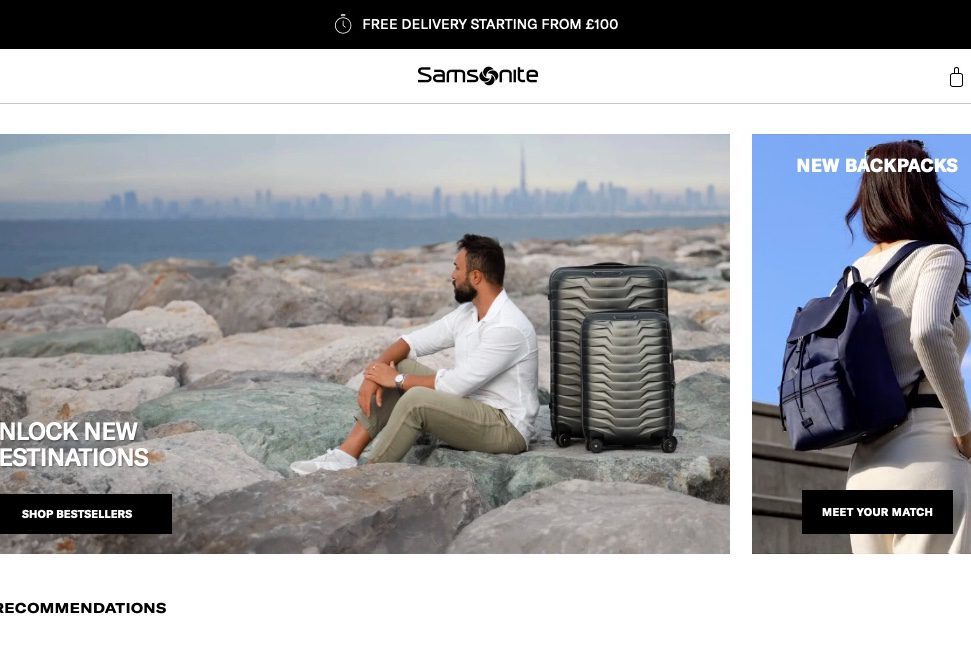
Samsonite International SA, the world’s largest travel luggage company, is preparing for a significant move to enhance its market position by pursuing a dual listing in the United States. According to sources familiar with the matter, Samsonite has selected JPMorgan Chase & Co. and Morgan Stanley to lead the process, signaling its intent to improve liquidity and widen its shareholder base. The decision comes as the company seeks to bolster its global presence and capitalize on the strong recovery of the travel industry.

The dual listing will allow Samsonite to attract a broader range of investors, particularly from the US, where its brands, including American Tourister and Tumi, are already well known. A listing on a US exchange, such as the New York Stock Exchange or Nasdaq, would increase the company’s visibility and provide easier access to the capital markets. This is seen as part of a strategic initiative by the company to diversify its funding sources and offer shareholders the option to trade more easily in a larger and more liquid market.

Samsonite, headquartered in Luxembourg, has been listed on the Hong Kong Stock Exchange since 2011. The company has been looking to expand its investor base, particularly in the wake of a strong recovery in travel demand. The resurgence in global travel after years of pandemic-related disruptions has given the company renewed confidence to explore growth avenues, including a possible US dual listing. The decision is seen as a way to solidify its foothold in a market that has seen increased demand for premium luggage and travel-related goods.

As discussions on the dual listing progress, it is expected that Samsonite will file the necessary paperwork for an initial public offering (IPO) in the US in the coming months. The timeline for the listing remains flexible, but sources suggest the company could be ready to go public in 2024. The dual listing would allow shares to be traded both in Hong Kong and the US, giving Samsonite a strategic edge in navigating international capital markets.

The company’s board is reportedly optimistic about the move, believing that a US listing could bring in significant capital that could be reinvested in expanding Samsonite’s retail footprint, enhancing its digital presence, and accelerating product development. Analysts view the listing as a smart move that would enable the firm to tap into the resurgence of travel demand and capture the attention of a larger pool of investors, especially those focused on the luxury goods and travel sectors.

Samsonite has seen substantial growth since its founding in 1910. The company, initially based in Denver, Colorado, has transformed itself into a global giant in the luggage industry. With operations in over 100 countries and a broad portfolio of brands catering to various market segments, Samsonite is uniquely positioned to take advantage of the recovery in global travel. Its product offerings, which range from budget-friendly to high-end luxury, have made it a household name in both business and leisure travel circles.

While the company faced significant challenges during the COVID-19 pandemic, with travel restrictions severely curtailing demand for its products, the easing of lockdowns and a rebound in international tourism have provided a much-needed boost. The firm reported a strong performance in its most recent earnings, with revenues climbing back to pre-pandemic levels. This recovery has been driven by a surge in demand for luggage and travel accessories as consumers resume international vacations and business trips.

In addition to its traditional luggage products, Samsonite has been investing heavily in expanding its range of travel-related goods, such as backpacks, business bags, and travel accessories. The company has also focused on sustainability initiatives, launching eco-friendly product lines made from recycled materials. These efforts are part of a broader strategy to appeal to environmentally conscious consumers, who are increasingly driving purchasing decisions in the travel goods market.

Samsonite’s leadership has remained focused on maintaining the company’s competitive edge in a rapidly evolving industry. CEO Kyle Gendreau has been vocal about the company’s ambitions to grow its presence in key markets, particularly in North America, Europe, and Asia. The potential US dual listing is seen as a critical part of this strategy, allowing the company to raise additional capital that could be used to fuel its expansion plans.

Market analysts have speculated that Samsonite’s choice of JPMorgan and Morgan Stanley reflects the company’s intent to make a strong debut in the US market. Both banks have extensive experience in handling high-profile IPOs and dual listings, making them ideal partners for a company of Samsonite’s scale and ambitions. Their involvement is expected to instill confidence in prospective investors, many of whom are eager to capitalize on the company’s strong market position and its growth potential.

The dual listing comes at a time when Samsonite is benefiting from favorable market conditions. Travel demand has rebounded sharply, and consumer spending on luggage and travel accessories is expected to grow steadily over the next several years. Industry forecasts indicate that the global luggage market could reach $23.6 billion by 2026, driven by increased travel, rising disposable incomes, and greater demand for premium travel products.


Uniswap Labs, the entity behind the popular decentralized cryptocurrency exchange Uniswap, has been fined $175,000 by the U.S. Commodity Futures Trading Commission (CFTC) for offering illegal leveraged and margined digital asset transactions. The fine stems from violations of the Commodity Exchange Act (CEA), a federal law that regulates the trading of commodity futures in the United States. The CFTC’s action marks a significant development in the ongoing […]

VISHNU RAJA
RYO YAMADA
HITORI GOTOH
IKUYO KITA