News related to
United States

Gautam Adani’s conglomerate has suspended discussions with Israel’s Tower Semiconductor regarding a proposed $10 billion semiconductor manufacturing facility in Maharashtra, citing strategic and commercial uncertainties.

The project, approved by Maharashtra’s state government in September, aimed to produce 80,000 wafers per month and create approximately 5,000 jobs. It was envisioned as a significant step towards bolstering India’s semiconductor industry under the national ‘Make in India’ initiative.

According to individuals familiar with the matter, Adani Group’s internal evaluation raised concerns about the project’s viability, particularly regarding domestic demand for semiconductors. One source noted that the group questioned whether the Indian market could absorb the output, given its nascent stage in semiconductor consumption. UBS estimates indicate that India accounts for only 6.5% of global semiconductor demand, in contrast to the combined 54% share held by the United States and China.

Financial considerations also influenced the decision. While Tower Semiconductor was expected to provide technological expertise, Adani Group reportedly sought a more substantial financial commitment from its partner. A source indicated that Adani desired Tower to have “more skin in the game” financially, beyond its role as a technology provider.

By Nitya Chakraborty Ten days have passed since the gruesome killings of 26 people at Pahalgam on April 22. In the following days, Prime Minister Narendra Modi gave a lead to the boiling mood of the nation by announcing a number of measures, including the suspension of the 1960-signed Indus Water Treaty, followed by Pakistan’s […]
Donald Trump, upon commencing his second term as the 47th President of the United States, proclaimed the onset of a “golden age” for the nation. His inauguration speech outlined an ambitious agenda aimed at reshaping domestic and foreign policies, with immediate and far-reaching implications.

Central to Trump’s address was a commitment to restoring national sovereignty and security. He announced the declaration of a national emergency at the southern border, emphasizing the cessation of illegal immigration. This move aligns with his broader immigration strategy, which includes the suspension of refugee admissions and the initiation of efforts to end birthright citizenship.

In a significant restructuring of the federal government, Trump introduced the Department of Government Efficiency , led by Elon Musk. This new department is tasked with streamlining government operations and reducing bureaucratic inefficiencies. Early reports indicate that D.O.G.E. has already identified potential savings amounting to $150 billion.

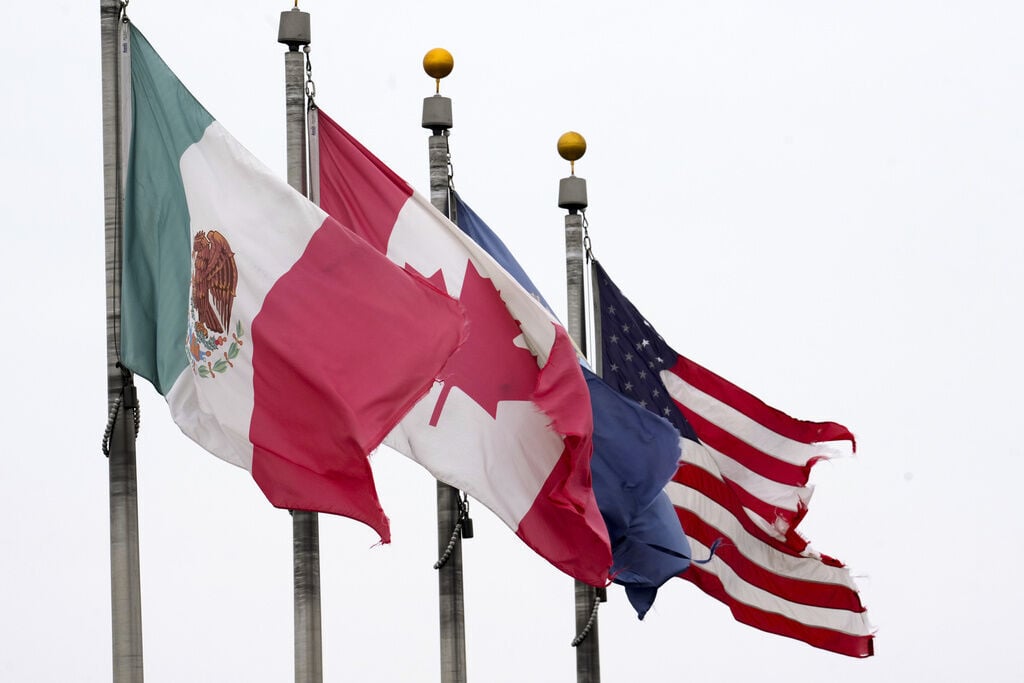
Trump’s economic policies focus on revitalizing American industry and addressing trade imbalances. He announced the implementation of steep tariffs, particularly targeting imports from China, Mexico, and Canada. Additionally, he introduced the concept of an “External Revenue Service” to collect tariffs and taxes from foreign entities, aiming to bolster domestic revenue streams.

Environmental regulations underwent immediate revisions, with Trump revoking the electric vehicle mandate and withdrawing from the Paris Climate Agreement. He emphasized a return to fossil fuel production, including the reinstatement of coal mining operations, positioning these actions as measures to protect American jobs and energy independence.

On social policy, Trump declared that the U.S. government would officially recognize only two genders: male and female. He also announced the dismantling of the Department of Education and the repeal of diversity and inclusion measures, advocating for a merit-based, colorblind society.

Internationally, Trump signaled a shift in foreign policy by expressing intentions to reclaim the Panama Canal and by withdrawing from the World Health Organization. He also imposed sanctions on the International Criminal Court, reflecting a broader strategy of redefining U.S. engagement with global institutions.

Notably absent from Trump’s speech was any mention of cryptocurrency or Bitcoin. This omission had immediate repercussions in the financial markets. Bitcoin’s value dropped by 3.2%, and the $TRUMP memecoin experienced a 15% decline. The broader cryptocurrency market saw liquidations exceeding $1.2 billion, marking one of the most significant downturns in the sector’s history.

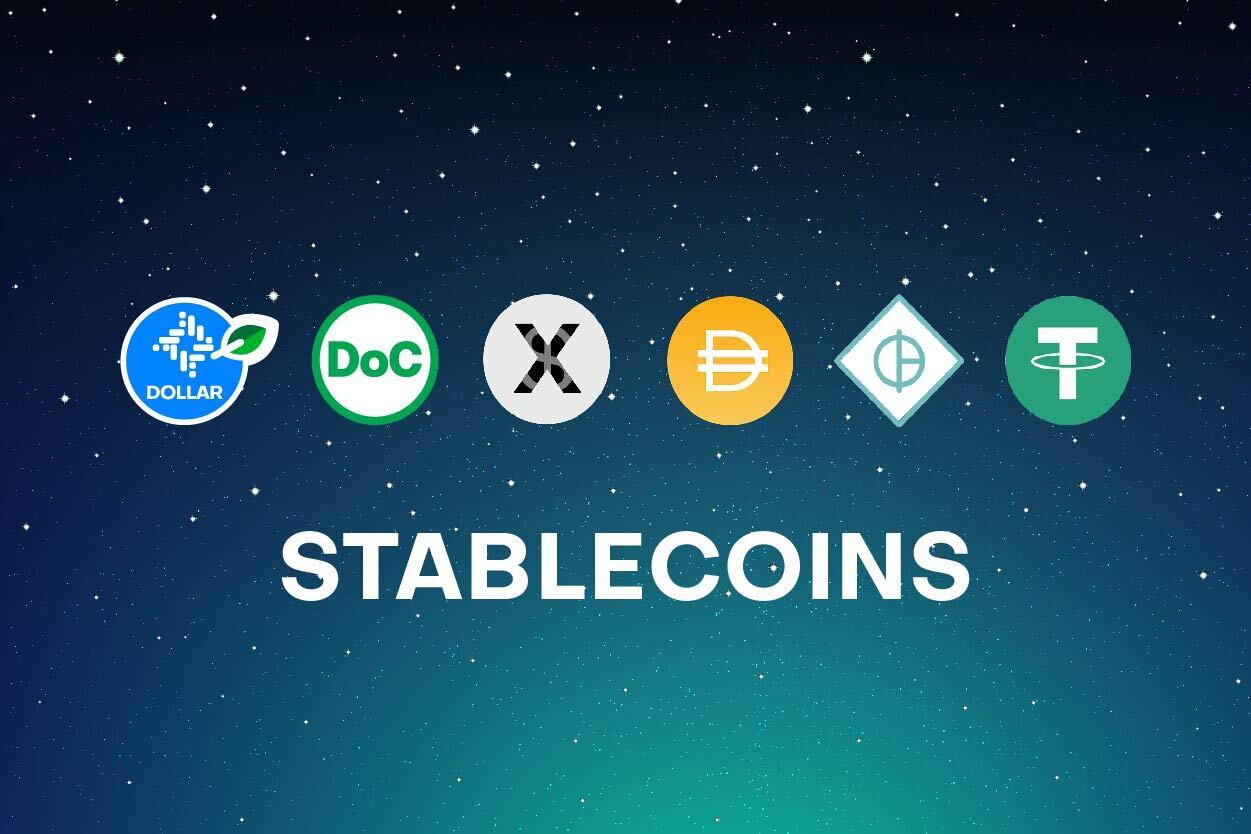
Tether, the issuer of the world’s most traded stablecoin, is preparing to launch a new U.S.-based digital dollar product as early as late 2025 or early 2026, contingent on the progress of stablecoin legislation in Congress. The move signals a strategic pivot as the company seeks to enter the domestic market it has long avoided.

Chief Executive Paolo Ardoino confirmed that the company is developing a separate stablecoin tailored to U.S. regulatory requirements and consumer preferences. Unlike its flagship token, USDT—which dominates global stablecoin circulation with a market capitalisation of nearly $150 billion—this new offering would be issued through a U.S.-based entity and designed to comply with forthcoming federal oversight.

Ardoino described USDT as one of the most successful financial exports of the United States, noting its widespread use in emerging markets as a hedge against inflation and currency instability. However, he acknowledged that U.S. consumers have largely gravitated toward alternatives like Circle’s USDC, which has gained traction amid growing bipartisan support for stablecoin regulation.

The proposed U.S.-specific stablecoin is expected to function as a digital checking account, integrating with point-of-sale systems and offering seamless transaction capabilities. Tether envisions a broader blockchain-powered payment network that could rival existing platforms like Square, potentially transforming the way consumers and merchants interact with digital assets.

This initiative coincides with a significant shift in the U.S. regulatory landscape. President Donald Trump’s administration has expressed support for cryptocurrency innovation, with key legislation such as the STABLE Act and the GENIUS Act advancing through Congress. These bills aim to establish clear guidelines for stablecoin issuers, including mandatory reserve requirements and regular audits, to enhance transparency and financial stability.

Tether’s decision to develop a U.S.-compliant stablecoin reflects its commitment to aligning with these regulatory changes. The company has engaged in discussions with U.S. lawmakers and regulators to ensure that its new product meets the necessary standards. Ardoino emphasized Tether’s proactive collaboration with law enforcement agencies, including the FBI and the Department of Justice, to address concerns related to illicit activities and compliance.

Despite its global success, Tether has faced scrutiny over the transparency of its reserves and its lack of formal audits. In response, the company has appointed a Chief Financial Officer and is pursuing a full audit, engaging with major accounting firms to bolster credibility. These steps are part of a broader effort to enhance trust and demonstrate Tether’s readiness to operate within the U.S. regulatory framework. , Tether considers US-only stablecoin as Trump loosens crypto rules)

Tensions between India and Pakistan have escalated following a deadly attack on Hindu tourists in Indian-administered Kashmir, resulting in 26 fatalities. Both nations have exchanged accusations, with India blaming Pakistan-based militants and Pakistan denying involvement. Diplomatic relations have deteriorated, and both countries have expelled each other’s nationals. The situation has raised concerns about the possibility of military conflict between the nuclear-armed neighbours. Pakistan’s Information Minister, Attaullah Tarar, […]

Dubai hosted the TOKEN2049 crypto conference on Wednesday, drawing approximately 15,000 attendees, including executives from major firms like BlackRock, Goldman Sachs, and Binance. The event, featuring a scheduled appearance by Eric Trump, highlighted both the sector’s resilience and the diminishing enthusiasm surrounding President Donald Trump’s pro-crypto stance.

President Trump, once a sceptic of digital currencies, has positioned himself as a champion of the crypto industry, launching his own cryptocurrency and pledging to ease regulatory constraints. However, the anticipated surge in market performance has not materialised; Bitcoin has declined by over 10% from its peak of $109,225 since Trump’s inauguration, reflecting investor concerns over the pace of policy implementation and broader economic uncertainties.

Despite these challenges, the crypto sector has witnessed significant investment activity. In the first quarter of 2025, global venture capital funding in the industry reached $5.4 billion, marking the strongest performance since mid-2022. Notable deals include Twenty One Capital’s planned $3.6 billion SPAC merger, Ripple’s $1.25 billion acquisition of Hidden Road, and Kraken’s $1.5 billion deal with futures broker NinjaTrader. Galaxy Digital is also set for a Nasdaq listing after securing SEC approval.

Dubai’s emergence as a crypto hub is evident, with initiatives such as Binance receiving a $2 billion investment from Abu Dhabi’s MGX, developers accepting Bitcoin for real estate transactions, and Emirates NBD launching crypto services. The Dubai Multi Commodities Centre has announced plans for a new “crypto tower” by 2027, further cementing the city’s position in the global crypto landscape.

In the United States, the Trump administration has taken steps to foster a more crypto-friendly environment. Regulatory agencies, including the Federal Reserve, FDIC, and OCC, have rolled back previous guidance that urged caution for banks engaging in cryptocurrency activities. The SEC has dropped lawsuits against major crypto firms like Coinbase and Ripple, and a dedicated crypto task force has been established to address the regulatory needs of the evolving digital asset space.

President Trump’s executive order establishing the U.S. Strategic Bitcoin Reserve, holding approximately 200,000 BTC from seizures, has positioned the United States as the largest sovereign Bitcoin holder. However, the announcement initially caused Bitcoin’s price to drop by 5.7% before recovering, indicating market sensitivity to policy developments.

While the administration’s pro-crypto stance has invigorated the market, some investors remain cautious. The launch of Trump-themed cryptocurrencies, such as the $Trump coin, has faced criticism and underperformance, with the coin’s value plummeting by 50% following the debut of a similar token by First Lady Melania Trump.

A federal judge in Texas has ruled that the U.S. Treasury Department’s Office of Foreign Assets Control acted beyond its legal authority when it sanctioned the cryptocurrency mixer Tornado Cash, permanently barring the agency from reimposing such sanctions.

Judge Robert Pitman of the U.S. District Court for the Western District of Texas issued the decision on April 28, stating that OFAC’s designation of Tornado Cash’s smart contracts in August 2022 exceeded the agency’s statutory powers. The court’s ruling follows OFAC’s earlier action on March 21, 2025, when it officially removed Tornado Cash from its Specially Designated Nationals and Blocked Persons List, effectively lifting the sanctions.

The sanctions had been imposed on Tornado Cash for allegedly facilitating the laundering of over $7 billion in virtual currencies, including funds stolen by North Korea’s Lazarus Group. However, the court found that OFAC’s action against the platform’s autonomous smart contracts was not supported by the International Emergency Economic Powers Act , which governs the agency’s sanctioning authority.

In November 2024, the U.S. Court of Appeals for the Fifth Circuit had already determined that OFAC had overstepped its authority by sanctioning Tornado Cash’s immutable smart contracts, which do not qualify as “property” under federal law. This appellate decision laid the groundwork for the Texas district court’s subsequent ruling, which emphasized that OFAC cannot reimpose sanctions on Tornado Cash in the future.

Despite the lifting of sanctions, the legal challenges for Tornado Cash’s developers persist. Roman Storm and Roman Semenov, co-founders of the platform, were indicted in August 2023 by the U.S. Department of Justice on charges including conspiracy to commit money laundering, conspiracy to operate an unlicensed money transmitting business, and conspiracy to violate the IEEPA. The DOJ alleges that Tornado Cash was used to launder more than $1 billion in criminal proceeds, including hundreds of millions of dollars for the Lazarus Group.

Roman Storm was arrested in Washington State and is currently awaiting trial, scheduled for July 2025. Roman Semenov remains at large and has been added to OFAC’s sanctions list. Additionally, Alexey Pertsev, another developer associated with Tornado Cash, was arrested in the Netherlands in August 2022 and was sentenced in May 2024 to five years and four months in prison for money laundering.

The court’s decision has significant implications for the regulation of decentralized technologies. By ruling that OFAC cannot sanction autonomous smart contracts, the judgment underscores the challenges regulators face in applying traditional legal frameworks to decentralized platforms that operate without centralized control.

Advertisements
By Nitya Chakraborty The United States of America President Donald J. Trump has completed his first one hundred days in office in his second non-consecutive term on April 29, Tuesday amidst continuing global disorder over his chaotic policies — unilateral tariffs hike, failure to establish peace in Gaza with Israeli killing spree continuing unabated and […]

Iran is offering its sanctioned economy as an investment opportunity to the United States, presenting an unconventional proposition amid ongoing negotiations over its nuclear programme. With diplomatic discussions showing momentum, Iranian officials are openly pitching economic engagement with Washington as a path toward a more durable and beneficial agreement, marking a shift not seen in decades. Talks have gained ground as both sides weigh the possibility of […]

Governments worldwide collectively hold over 463,741 bitcoins, amounting to approximately 2.3% of the total supply. The United States leads with 198,012 BTC, valued at around $18.3 billion as of April 2025.

This marks a decline from July 2024, when global government holdings stood at 529,591 BTC. The reduction reflects a trend of asset liquidation among several nations.

In March 2025, President Donald Trump signed an executive order establishing the Strategic Bitcoin Reserve. This initiative consolidates seized bitcoins into a national reserve, prohibiting their sale and positioning them as long-term assets.

China maintains approximately 194,000 BTC, primarily from seizures related to the 2019 PlusToken Ponzi scheme. Despite a ban on cryptocurrency activities, these assets remain in state custody.

El Salvador and Bhutan continue to expand their bitcoin reserves through purchases and mining, diverging from the liquidation trend observed in other countries.

Driverless transport options are gaining ground in Abu Dhabi as authorities move to widen the reach of RoboTaxi services across the emirate. The Integrated Transport Centre, operating under Abu Dhabi Mobility, confirmed the expansion of autonomous taxi trials through a strategic collaboration with Autogo, an advanced autonomous mobility solutions provider, and Apollo Go, Baidu’s self-driving platform.

Abu Dhabi Mobility stated that the expansion marks a significant step towards integrating autonomous vehicles into everyday life, with an emphasis on both safety and sustainability. The project is part of the broader Smart Mobility strategy aimed at reducing carbon emissions and improving transport efficiency. This move follows initial successful trials on Yas Island, where RoboTaxis operated under controlled conditions to collect performance and safety data.

The latest phase extends the autonomous taxi service to additional urban areas within Abu Dhabi, including Saadiyat Island and parts of Al Reem Island. Passengers can now hail RoboTaxis through dedicated mobile applications, with the service designed to offer round-the-clock operations. The vehicles are equipped with Level 4 autonomy, meaning they can perform all driving tasks within defined operational areas without human intervention, although a safety operator remains onboard during trials as a precautionary measure.

Autogo and Apollo Go are deploying an updated fleet fitted with enhanced sensor arrays, including lidar, radar, and high-resolution cameras. These vehicles are capable of detecting and responding to complex traffic scenarios, such as pedestrian crossings, cyclist movements, and emergency vehicle prioritisation. Abu Dhabi authorities have indicated that full commercial operations are anticipated once regulatory frameworks are fully established and trial benchmarks are consistently met.

Demand for autonomous mobility services in the emirate has been steadily growing, driven by factors such as urbanisation, digitalisation, and a young, tech-savvy population open to adopting innovative transport modes. Global consultancy reports predict that the Middle East’s autonomous vehicle market will grow significantly over the next decade, with Abu Dhabi positioned to lead regional adoption given its early investment in smart city technologies.

Abu Dhabi’s Department of Municipalities and Transport, which oversees the Integrated Transport Centre, has reiterated its commitment to fostering a regulatory environment that prioritises safety while encouraging innovation. Current trials are being closely monitored, with data analytics playing a key role in assessing vehicle performance, user acceptance, and integration with traditional traffic systems.

Autogo’s Chief Executive Officer, Wang Yu, emphasised the importance of international collaboration in accelerating the adoption of autonomous technologies. Speaking at a media briefing, Yu said the partnership with Abu Dhabi Mobility was a model for how governments and technology firms could work together to bring transformative transport solutions to market. Baidu’s Apollo Go division echoed these sentiments, noting that Abu Dhabi offered favourable infrastructure conditions for high-level autonomous driving trials.

The RoboTaxi initiative forms part of Abu Dhabi’s larger plan to diversify its economy and reduce dependence on oil revenues by investing heavily in technology, innovation, and sustainable infrastructure. The expansion of the service is also aligned with the UAE’s Net Zero 2050 strategy, which targets a significant reduction in greenhouse gas emissions through a variety of initiatives, including sustainable transport solutions.

While the adoption of autonomous vehicles in Abu Dhabi has been largely welcomed, industry experts caution that challenges remain. Public trust in self-driving technology is still developing, and authorities are working to address concerns through extensive safety demonstrations, public education campaigns, and transparent data sharing. Insurance and liability frameworks are also under review, as current models must adapt to scenarios where vehicles, rather than drivers, are responsible for road incidents.

Meanwhile, competition in the global autonomous vehicle sector is intensifying. Companies such as Waymo, Cruise, and Motional have made substantial progress in cities across the United States, while Asian markets like China and Japan are moving rapidly towards large-scale RoboTaxi deployment. Abu Dhabi’s proactive approach is aimed at positioning the emirate as a leader not only regionally but also on the global stage of autonomous mobility.

Recent deployments by Apollo Go in other territories, including parts of China’s first-tier cities, have demonstrated the scalability of the technology, offering encouraging prospects for Abu Dhabi’s ambitions. Autogo’s track record in delivering commercial-scale deployments in international markets has further strengthened confidence in the success of the partnership.

The trial expansion also includes provisions for enhanced accessibility, with the vehicles designed to accommodate passengers with limited mobility. Special features such as lower step-in heights, automatic ramps, and voice-activated controls have been integrated to ensure inclusivity. Abu Dhabi Mobility confirmed that these considerations were central to the service’s design ethos, aiming to create a transport system that is equitable and user-friendly for all demographics.

As the service expands, Abu Dhabi Mobility is engaging with stakeholders across sectors including urban planning, energy, and telecommunications to ensure that the infrastructure needed to support mass autonomous vehicle adoption is in place. This includes the development of smart intersections, 5G communication networks, and dedicated pickup and drop-off zones optimised for autonomous vehicle operations.

Technological advancements are expected to drive further enhancements to the RoboTaxi experience, with future iterations promising even greater vehicle-to-infrastructure communication capabilities and improved AI decision-making models. Engineers working on the trials are also studying the impact of local environmental conditions, such as extreme heat and sandstorms, on the performance of autonomous systems to tailor solutions specifically for the region.

Public sentiment around the RoboTaxi service has so far been largely positive, with early users praising the convenience and novelty of the experience. Authorities have stressed, however, that safety remains the overriding priority, with rigorous checks in place at every stage of service delivery. Plans are underway to gradually transition the RoboTaxi fleet from supervised to fully driverless operations once confidence in system reliability is firmly established.

Abu Dhabi’s vision for a technology-driven future is steadily taking shape, with autonomous transport a key pillar in its broader innovation agenda. The expansion of the RoboTaxi service is being closely watched by global cities also exploring autonomous mobility solutions, underlining the emirate’s growing influence in shaping the next era of urban transportation.


HANOI, VIETNAM – Media OutReach Newswire – 28 April 2025 – VinFast Auto Ltd. (“VinFast” or the “Company”) today announced its preliminary vehicle deliveries for the first quarter of 2025. The Company delivered 36,330 electric vehicles (“EVs”) globally in 1Q25, representing a 296% increase year-over-year. In the first quarter of 2025, deliveries of the VF 6 model increased by 453% compared to the same period in 2024. […]

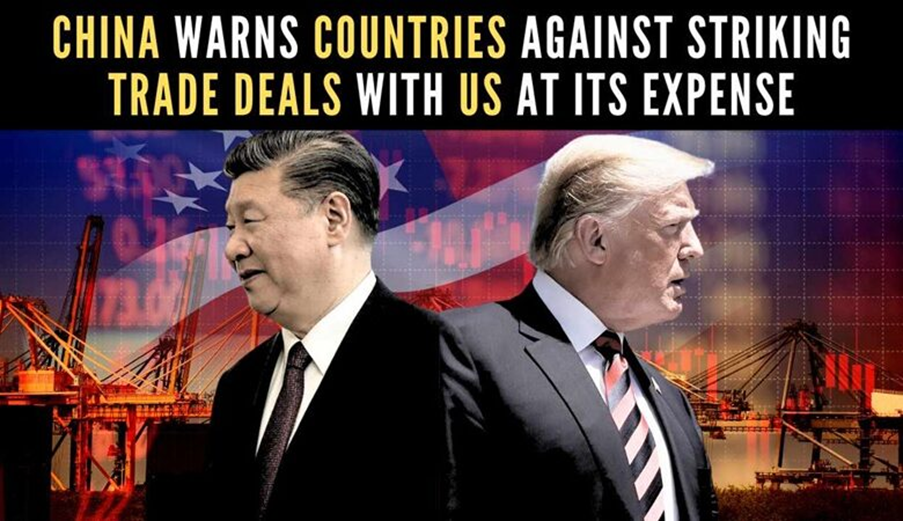
By Nantoo Banerjee Hit by the massive US import tariff, export-led China seems to have gone crazy as its No.1 export destination, the United States of America, has suddenly gone out of reach after US President Donald Trump’s prohibitive import tariff on China. Shockingly, China has issued a warning against countries seeking to strike a […]

A major scientific breakthrough in quantum research has sparked optimism that practical quantum encryption could be realised within the next decade, while a fully developed quantum internet may become achievable within the next half-century, according to leading physicists and technology experts. Researchers at Delft University of Technology in the Netherlands confirmed they had successfully demonstrated quantum entanglement between distant nodes in a network in a stable, reliable […]

Hashdex, the prominent crypto asset management firm based in Brazil, has launched the world’s first spot XRP exchange-traded fund on B3, the São Paulo-based stock exchange. The ETF, known as the Hashdex XRP Fund , started trading this week, marking a significant milestone not only for Latin America’s evolving crypto landscape but also for the global cryptocurrency investment market.

Trading commenced after months of regulatory processes and product development, during which Hashdex worked closely with Brazil’s Comissão de Valores Mobiliários , the national securities regulator. The fund offers direct exposure to XRP, the digital asset created by Ripple Labs, without requiring investors to manage the underlying cryptocurrency themselves. The launch of XRP11 follows a broader trend of growing institutional acceptance of crypto assets in Brazil, where regulatory frameworks have been more accommodating compared to major markets like the United States.

Hashdex’s move underscores Brazil’s increasingly assertive position as a hub for cryptocurrency innovation. Marcelo Sampaio, CEO of Hashdex, said during the fund’s launch that the introduction of a spot XRP ETF aligns with the company’s mission to “bridge the gap between traditional finance and digital assets”. Sampaio added that the demand for diversified crypto investment vehicles has been consistently growing among Brazilian investors, citing the success of earlier Hashdex crypto ETFs such as HASH11, which tracks a basket of cryptocurrencies.

Brazil’s regulatory environment has played a key role in facilitating this development. The CVM has exhibited a proactive stance towards regulating crypto assets while encouraging innovation. In contrast, regulatory bodies like the US Securities and Exchange Commission have taken a more cautious approach, creating delays and uncertainties around the approval of spot crypto ETFs, particularly for assets beyond Bitcoin and Ethereum.

XRP, the digital token linked to Ripple Labs, has had a complex relationship with regulators globally. A significant development came after Ripple secured a partial legal victory against the SEC, wherein a US federal court ruled that XRP sales on public exchanges did not constitute investment contracts. This ruling, while still subject to ongoing litigation and appeals, provided a degree of clarity that has emboldened issuers like Hashdex to pursue XRP-focused financial products in other jurisdictions.

The Hashdex XRP Fund is structured similarly to traditional ETFs. Units of XRP11 are backed 100% by physically held XRP tokens, which are stored in institutional-grade custody solutions provided by trusted crypto custodians. The fund is priced and settled in Brazilian reals, and its portfolio is independently audited to ensure transparency and security for investors.

The move by Hashdex is seen by analysts as a strategic attempt to cement its leadership in the crypto asset management sector within Latin America. Hashdex has already been at the forefront of innovation, having earlier collaborated with Nasdaq to launch a Bitcoin futures ETF in the United States through a hybrid strategy. The launch of XRP11 marks the company’s first foray into offering single-asset spot ETFs focused on altcoins.

Investor response to the new product has been encouraging. Trading volumes for XRP11 on the first day exceeded initial expectations, indicating substantial appetite among retail and institutional investors for regulated crypto products. Paulo Mesquita, Head of Business Development at Hashdex, commented that “the robust reception signals a maturation of crypto investing in Brazil, with investors seeking broader exposure beyond Bitcoin.”

Attention now turns to the potential for similar products in the United States, where the SEC’s approach to spot crypto ETFs has been cautious, despite recent approvals of Bitcoin spot ETFs involving major financial institutions like BlackRock, Fidelity, and Grayscale. Market participants are closely monitoring whether Hashdex’s success in Brazil might embolden US asset managers to push harder for spot ETFs centred on altcoins such as XRP.

Several experts suggest that the SEC’s attitude towards XRP remains a critical obstacle. James Seyffart, an ETF analyst at Bloomberg Intelligence, noted that “until the regulatory status of XRP is definitively settled in the United States, it is unlikely that a spot XRP ETF will gain approval”. However, he added that legal outcomes favourable to Ripple could eventually open the door to similar products in the American market.

Brazil’s advancement comes at a time when global demand for cryptocurrency investment vehicles continues to evolve. Investors are increasingly seeking exposure to digital assets through traditional financial instruments, particularly those offering regulated, easy access without the complexities of direct crypto ownership. Latin America, driven by countries like Brazil, is emerging as a significant frontier for such innovations, offering lessons for larger markets grappling with regulatory hesitations.

Beyond XRP, Hashdex is reportedly exploring the possibility of launching additional single-asset ETFs focused on other major cryptocurrencies such as Solana and Polygon , depending on market conditions and regulatory developments. Such diversification could position Brazil as a critical player in the next wave of crypto investment products, rivalling traditional centres like the US, Europe, and parts of Asia.

Saudi Arabia’s Public Investment Fund has sharply raised its assets under management target for 2030 to $2.67 trillion, marking a significant 43 per cent jump from its earlier ambition of $1.87 trillion. The strategic move follows the sovereign wealth fund surpassing its asset milestone for 2023, underlining its growing influence as a key pillar of the Kingdom’s economic transformation efforts. According to the latest figures released as […]

Syria’s fragile post-war recovery effort gained significant momentum after Saudi Arabia and Qatar pledged to clear the country’s outstanding World Bank debt, a critical step towards unlocking new international funding. The commitment, disclosed following the World Bank and International Monetary Fund spring meetings held last week in Washington, addresses approximately $15 million owed by Damascus, removing a key financial impediment for the new government led by President Ahmed Al-Sharaa.

High-level negotiations between Gulf officials and World Bank representatives culminated in the decision to settle Syria’s arrears, a move regarded by diplomats as essential for enabling the war-torn nation to access multilateral financial assistance. The overdue debt, though relatively modest in scale, had barred Syria from eligibility for fresh disbursements under the World Bank’s policies requiring client countries to be in good standing.

Officials familiar with the discussions indicated that Saudi Arabia and Qatar’s intervention was not merely financial but symbolised broader regional efforts to stabilise Syria’s economy and reintegrate it into international institutions. According to sources briefed on the meetings, both governments framed the payment as part of a larger initiative to support Syria’s economic reconstruction and political transition under Al-Sharaa, who assumed office earlier this year following a contested but internationally recognised electoral process.

President Al-Sharaa, whose government has pledged sweeping economic reforms, welcomed the support, calling it “a step towards restoring Syria’s rightful place in the global community.” Speaking through an official statement issued by the presidential office in Damascus, he emphasised that rebuilding national infrastructure, restoring basic services, and attracting private sector investment were now top priorities. His administration faces the immense challenge of reconstructing a country where more than a decade of conflict left nearly half the population displaced and critical industries in ruins.

Syria’s re-engagement with global financial institutions represents a delicate balancing act for regional and international actors. While Saudi Arabia and Qatar’s financial support signals renewed diplomatic engagement, it also reflects strategic calculations. Officials in Riyadh and Doha are believed to view a stabilised Syria as vital to broader Middle Eastern security and to limiting the influence of rival powers that gained ground during the conflict.

A Gulf-based diplomat with knowledge of the negotiations said that clearing Syria’s World Bank debt was seen as a “foundational gesture” aimed at laying the groundwork for deeper economic cooperation. “There is recognition that Syria’s stability benefits the entire region,” the diplomat explained. “But this assistance is not a blank cheque — it’s tied to expectations around governance, transparency, and economic reform.”

The World Bank, for its part, has been cautiously preparing for Syria’s potential re-entry into development programs. Bank officials underscored that while the clearing of arrears was a necessary procedural step, any future engagement would be closely conditioned on the government’s adherence to principles of accountability and inclusion. A spokesperson for the institution stated that assessment missions would be conducted to evaluate Syria’s institutional capacity and identify priority sectors for assistance, pending board approval.

Economic experts observing the development noted that while $15 million is a small figure compared to the scale of Syria’s reconstruction needs — estimated by some analysts to exceed $400 billion — the symbolic value of the Gulf states’ intervention is considerable. By assuming Syria’s financial obligations, Saudi Arabia and Qatar have effectively opened the door to broader international financial support, including potential aid from bilateral donors and regional development banks.

Syria’s financial rehabilitation comes amid evolving geopolitical dynamics in the Middle East, where Gulf nations have shown a willingness to recalibrate relationships and pursue pragmatic approaches to regional conflicts. Qatar, which once supported opposition groups during the Syrian civil war, has shifted its stance to focus on post-conflict recovery, while Saudi Arabia has sought to spearhead diplomatic normalisation efforts, including Syria’s readmission into the Arab League.

The economic picture within Syria remains dire. Inflation has soared, the Syrian pound continues to depreciate, and essential services such as electricity, healthcare, and education are struggling to function. The United Nations has warned of a worsening humanitarian situation unless economic conditions improve, estimating that over 14 million Syrians require some form of assistance.

President Al-Sharaa’s administration, meanwhile, has signalled a commitment to overhaul outdated regulatory frameworks, encourage foreign investment, and revive critical sectors such as agriculture, manufacturing, and tourism. In a televised address earlier this month, he pledged that Syria would embark on “an era of renewal,” focusing on job creation, infrastructure development, and restoring public trust in state institutions.

International observers caution that much will depend on the government’s ability to implement reforms credibly and transparently. Skepticism persists among some Western governments and humanitarian organisations over the prospects for genuine political and economic liberalisation. Nonetheless, the Gulf states’ financial backing and the World Bank’s procedural readiness mark a notable shift, offering Syria its first tangible pathway to re-entering the global financial system after years of isolation.

Technology stocks surged on April 24, 2025, lifting broader U.S. markets as optimism grew over easing tariff tensions between the United States and China. Investors responded positively to reports suggesting that trade officials from both countries were nearing a compromise to de-escalate tariffs imposed over the past two years. The Nasdaq Composite climbed 2.5% to close at 16,012.34, marking its highest level in over five months. The […]

Bitcoin has soared beyond the $100,000 mark for the first time, reaching an intraday high of around $103,400, in a development that has intensified global debate over the future of cryptocurrencies. The breakthrough, which market analysts describe as a psychological milestone, has reignited bullish sentiment across digital asset markets, drawing renewed attention from institutional investors, hedge funds, and policymakers worldwide.

The world’s largest cryptocurrency by market value has been on an upward trajectory for much of 2025, driven by a mix of factors including growing institutional adoption, favourable regulatory signals, and broader macroeconomic uncertainty. Bitcoin’s surge beyond six figures was underpinned by mounting optimism over the expanding utility of blockchain technologies and the increasing use of cryptocurrencies as hedges against fiat currency devaluation.

According to market analysts tracking digital assets, Bitcoin’s advance to above $100,000 has been fuelled by substantial inflows from institutional investors, including pension funds, insurance companies, and sovereign wealth funds, who view Bitcoin as a store of value comparable to gold. Major asset managers have accelerated their crypto allocations after regulatory bodies in key markets such as the United States, Europe, and parts of Asia finalised clearer frameworks that legitimised cryptocurrency investments in traditional portfolios.

The approval of several Bitcoin spot exchange-traded funds earlier this year has played a crucial role in boosting demand. These instruments have allowed a broader set of investors to gain exposure to Bitcoin without the technical complexities of managing private keys and wallets, a development regarded as pivotal in attracting mainstream capital. The cumulative effect has been a substantial increase in Bitcoin holdings among institutional portfolios, pushing the price upward.

Macroeconomic factors have also contributed significantly to Bitcoin’s ascent. Persistent inflationary pressures in major economies, coupled with declining confidence in central bank policies, have pushed investors to seek alternative assets. Bitcoin, with its capped supply of 21 million coins, has increasingly been perceived as an attractive hedge against currency debasement, especially as traditional safe havens like government bonds offer diminished real returns.

The rally has also been amplified by technological advancements and broader acceptance of cryptocurrencies in everyday financial systems. Major payment networks have expanded their support for crypto transactions, and global banks have rolled out crypto custody services, further embedding Bitcoin into mainstream finance. Moreover, blockchain-based innovations such as decentralised finance platforms and tokenised real-world assets have reinforced the legitimacy of the crypto ecosystem, enhancing investor confidence.

Yet, the parabolic rise of Bitcoin has reignited concerns over the sustainability of such rapid gains. Financial experts warn that while Bitcoin’s fundamentals have strengthened compared to earlier bull cycles, the risk of volatility remains elevated. Bitcoin’s history is littered with examples of sharp corrections following euphoric rallies, and many observers urge caution amid the current exuberance.

Critics argue that despite broader acceptance, Bitcoin still faces unresolved issues including scalability challenges, regulatory uncertainty in emerging markets, and environmental criticisms linked to energy consumption from mining activities. Although significant strides have been made towards sustainable mining practices through greater adoption of renewable energy, environmental concerns continue to shadow Bitcoin’s long-term viability narrative.

Regulatory dynamics remain a crucial determinant of Bitcoin’s future trajectory. Authorities in several jurisdictions, while more accommodating than in previous years, continue to explore stricter frameworks to mitigate risks associated with money laundering, tax evasion, and financial stability. How these regulations evolve will likely influence Bitcoin’s path forward, with potential for both supportive policies and restrictive measures that could dampen enthusiasm.

Geopolitical tensions are another variable that could shape Bitcoin’s outlook. Cryptocurrencies have increasingly been utilised in cross-border transactions and capital flight during periods of political instability, which both enhances their perceived utility and invites tighter scrutiny from national governments wary of losing control over financial flows. Analysts note that Bitcoin’s decentralised nature is both its greatest strength and its most persistent regulatory challenge.

On the technological front, developments surrounding Bitcoin’s scalability solutions, particularly the implementation of Layer 2 protocols like the Lightning Network, offer promising pathways to address transaction speed and cost issues. Broader adoption of these solutions could enhance Bitcoin’s practicality as a medium of exchange, further reinforcing its market position.

Market participants are closely monitoring signals from major economies regarding interest rate policies, as shifts in monetary stances could impact Bitcoin’s appeal relative to traditional investment instruments. Any abrupt tightening by central banks could exert downward pressure on speculative assets, including cryptocurrencies, although Bitcoin’s maturing investment narrative may provide some cushion against such moves.

Bitcoin’s milestone has also reignited discourse about the future of digital currencies in the global economy. Central bank digital currencies are progressing towards launch phases in several countries, potentially reshaping the monetary landscape. Although CBDCs differ fundamentally from decentralised cryptocurrencies, their coexistence will test regulatory boundaries and public preferences regarding privacy, control, and financial sovereignty.

Looking ahead, market strategists caution against assuming a linear trajectory for Bitcoin’s price. While structural factors support a more mature and resilient Bitcoin market compared to previous cycles, external shocks, shifts in investor sentiment, and evolving regulatory landscapes can introduce significant volatility. Nevertheless, Bitcoin crossing the $100,000 threshold stands as a symbolic validation of the digital asset class’s growing influence in the global financial system.

Trading volumes across major exchanges have surged alongside Bitcoin’s price rise, highlighting heightened investor interest and suggesting momentum could continue in the short term. However, analysts emphasise the importance of risk management, noting that Bitcoin’s history has repeatedly demonstrated the potential for large price swings even within broader bullish trends.

By K Raveendran U.S. Treasury Secretary Scott Bessent’s declaration that India could be the first to finalise a trade deal with the United States after President Trump embarked on his reckless trade war against the world signals a strategic point. The proposed agreement offers India an escape hatch from the looming 26 percent reciprocal tariffs […]

By Nitya Chakraborty Three days have passed since the savage terrorist attack at Pahalgam resulting in the death of 26 people, mostly tourists. The communal tenor of the massacre shocked the Indian people. There was unequivocal demand from the people supported by all sections of the political parties that the Narendra Modi government must take […]

A sharp decline in container traffic from China to the United States has emerged, as the latest round of tariffs imposed by the Trump administration triggers significant shifts in global trade flows. Shipping data and industry reports indicate a substantial drop in U.S. imports from China, with container bookings falling by approximately one-third since early April, according to Hapag-Lloyd, the world’s fifth-largest container-ship operator. The downturn follows […]

Arabian Post Staff -Dubai The United States is preparing to offer Saudi Arabia an arms package exceeding $100 billion, potentially to be announced during President Donald Trump’s upcoming visit to the kingdom in May. This proposal follows a failed attempt by the Biden administration to finalize a defense pact with Riyadh, which included conditions aimed at curtailing Chinese arms acquisitions and investments. Under Trump’s leadership, U.S.-Saudi defense […]

Apple Inc. is set to shift the assembly of all iPhones destined for the US market to India by the end of 2026, marking a significant departure from its longstanding reliance on Chinese manufacturing. This strategic move aims to mitigate risks associated with escalating tariffs and geopolitical tensions between Washington and Beijing.

The United States, accounting for 28% of Apple’s global iPhone shipments in 2024, remains the company’s largest market. The decision to relocate production is driven by the financial impact of steep tariffs on Chinese-manufactured goods, which have reached up to 145%. These levies have prompted Apple to seek alternative manufacturing hubs to safeguard its supply chain and maintain profitability.

India has emerged as a pivotal player in Apple’s diversification strategy. The company plans to double its iPhone production in the country, leveraging the capabilities of its key manufacturing partners, Foxconn and Tata Electronics. Foxconn, Apple’s largest supplier, currently assembles approximately 67% of iPhones produced in India. Tata Electronics, following its acquisition of Wistron’s manufacturing unit, has significantly ramped up its production capacity.

The Indian government’s Production-Linked Incentive scheme has been instrumental in attracting Apple’s investment. This initiative offers financial incentives to companies that boost domestic manufacturing and exports. As a result, Apple’s iPhone production in India reached $14 billion in fiscal year 2024, with exports exceeding $10 billion. Between April and October 2024 alone, production hit $10 billion, with $7 billion worth of iPhones exported.

This expansion has also contributed to job creation, with Apple generating approximately 175,000 direct jobs in India over the past four years. Notably, over 72% of these positions are held by women, reflecting the company’s commitment to inclusive employment practices.

Apple’s shift to India is part of a broader trend among multinational corporations seeking to diversify their manufacturing bases. The move underscores India’s growing prominence as a global manufacturing hub, particularly for high-value electronics. Analysts project that India could account for up to 25% of global iPhone production by 2025, a significant increase from the current 14%.

Despite this transition, Apple continues to rely on Chinese-made components for iPhone assembly, highlighting the complexity of its supply chain. The company is working to develop a more self-reliant manufacturing ecosystem in India, but this process will take time.

VISHNU RAJA
RYO YAMADA
HITORI GOTOH
IKUYO KITA
Just in:
Saudi defences destroy three Houthi missiles targeting Riyadh // Bahrain demands UN action after Iranian industrial strike // CrowdStrike explores Zscaler takeover amid cybersecurity dealmaking // Toward a Shared Future for Humanity: Rethinking Civilizational Exchange // PayerMax and ShopeePay Strengthen Strategic Partnership to Advance Digital Payment Collaboration in Southeast Asia // Promoting Common Human Development Through Exchanges and Mutual Learning Among Civilizations // US military rebuts Iran’s Gulf F-16 strike allegation // UN arms talks sidestep binding autonomous weapons rules // Abu Dhabi boat show seals manufacturing partnership on Saturday // Saudi Arabia schedules multinational top-up tax for 2027 // ED searches five districts in probe against hawala // California examines possible criminal breaches in Nvidia investigation // Yeebo Announces Interim Results for FY26/27 Revenue Increases by 45.5% to HK$806.7 Million Profit Attributable to Owners Surges 87.6% to HK$2,284.7 Million // Vinhomes Green Paradise: An ESG++ Megacity and the Future of Sustainable Urban Living // Bail refused to 17-year old in Abhiram murder // Energy Markets Find Little Substance In Shenzhen Summit Promises //
Centre grants aircraft cabin access for Sabarimala pilgrims’ irumudi
// Technology at Work, Heritage for All: The “Chinese Approach” to Safeguarding the Leshan Giant Buddha // Singapore regulator cautions against AI access to bank logins // Ex-minister named accused in Messi visit fraud case //