Just in:
Chinese researchers flag AI threats to nuclear deterrence // Oil prices oscillate as Gulf exports withstand attacks // Oodles Smart Wins Best Use of AI & Smart Living Gold Award at the HKICT Awards 2026 // MSIG Empowers Malaysian SMEs To Build Resilience and Pursue Growth with Confidence // Gartner projects local AI shift among regulated enterprises // Palo Alto weighs Terra acquisition above $500 million // Satheesan rival camp takes grievances to Kharge // A Bridge Between Indonesia and China: Bali Brought Together Government, Investors, Developers and Future Technologies at the Indonesia-China Bridge Forum // Acrab Signs MoU with ModigenceVision at SWITCH 2026 to Advance On-Device AI for Robotics // Dubai exchange records 22% trading growth amid summit plans // GTA VI Batman parody revives Knightfall comic scene // Google creates simulated internet to test Chrome agents // IP addresses on scrutiny over Sabarimala bookings // Green SM Celebrates Second Anniversary In Indonesia With “G2EEN SEASON” Promotion, Offering Special Fare Discounts // Webuild secures controlling stake in Trevi tender offer // Taiwan enforces wider short-selling curbs after market rout // COOEC signs $800 million QatarEnergy offshore pipeline contract // Man held over train assault complaint // LEGOLAND® Discovery Centre Hong Kong “The Holiday Workshop” // BIT Capital Expands Asia-Pacific Activities with Focus on Hong Kong and Singapore, Bringing Its Human × AI Approach to Asian Investors //

News related to
United States

Application for drug marketing registration duly submitted Super heavyweight items are expected to drive performance soaring HONG KONG SAR – Media OutReach Newswire – 1 November 2024 – AIM Vaccine (06660.HK) announced on 1st November that the application for drug marketing registration of the Company’s independently developed 13-valent pneumonia conjugate vaccine has been submitted to the National Medical Products Administration. AIM Persistence Biopharmaceutical Co., Ltd., a wholly-owned […]

Award recipients to receive in-kind technologies and services to accelerate therapeutics to market Merck experts to provide consultation and training in qualification, risk assessment, and process optimization Program extended this year to Australia, New Zealand, Taiwan, South Korea SINGAPORE – Media OutReach Newswire – 1 November 2024 – Merck, a leading science and technology company, today announced the winners of its Emerging Biotech (EB) Grant Program in […]

A significant emigration wave is reshaping Pakistan’s professional landscape, as growing numbers of highly skilled individuals seek opportunities abroad. The trend, fueled by a combination of economic challenges, political instability, and the quest for better living conditions, has raised concerns about the potential long-term impacts on the country’s development. Data from various sources indicate a dramatic increase in the number of educated Pakistanis leaving for foreign shores. […]

By K Raveendran With clear indications that Israel is sparing Iranian oil facilities from attack, the downward pressure on oil has further increased and there is renewed talk of oil settling down around the level of $50 to the barrel. Crude has already fallen to early 70s and the demand-supply equations have not been particularly […]

Bitcoin’s hashrate, an indicator of the computing power dedicated to its blockchain, reached a historic peak of 769.8 exahashes per second (EH/s) this month. This record figure represents a significant rise in mining activity and network security, underscoring a broader trend toward consolidation within the cryptocurrency mining industry. Major players in the field continue to expand their operations while smaller firms face mounting challenges driven by the rising operational costs and the impending 2024 “halving” event.

Since the onset of 2023, Bitcoin’s network has seen consistent hashrate growth, an outcome attributed to two main factors: advancements in mining hardware and the continuing global expansion of large-scale mining farms. Industry leaders have steadily invested in new, high-powered ASIC mining units, specifically designed to increase mining efficiency and profitability. As the network becomes more secure, smaller miners struggle to remain competitive, with analysts suggesting that the upcoming block reward halving may expedite a wave of industry consolidation. The halving, scheduled for April 2024, will reduce miner rewards from 6.25 BTC per block to 3.125 BTC, doubling the cost of producing each Bitcoin, thus favoring large mining entities with greater resources.

With Bitcoin’s rising computational power, the network becomes increasingly resilient to external attacks and manipulations. This enhancement reinforces investor confidence, given the decentralized system’s backbone of advanced security protocols. Such improvements in network integrity are drawing more institutional investors and firms seeking reliable blockchain technology for business applications. However, this strength also has implications for energy consumption, as the cumulative power required to maintain the network continues to climb. Bitcoin’s high electricity demands remain a focal point in debates about the environmental footprint of cryptocurrency mining.

Countries with historically low energy costs, including the United States, Canada, and Kazakhstan, have become attractive locations for mining companies. In the U.S., Texas has emerged as a prominent hub, largely due to favorable energy policies and renewable energy sources. However, fluctuating energy prices and increasing scrutiny over mining’s environmental impact have prompted some regions to reconsider their stance on Bitcoin mining.

By Kalyani Shankar DALLAS (USA): The U.S. Presidential election on November 5 is of immense significance, as it will determine the next tenant of the White House and shape the future of the United States an also its relationship with the other countries of the world.. Whether USA will get its first woman president or […]

Saudi Arabia’s ACWA Power has made a significant leap in the renewable energy sector by securing deals worth over $1.78 billion, aimed at bolstering its portfolio in renewable energy and battery storage projects. These agreements come as part of the company’s strategy to enhance its presence in the sustainable energy market and contribute to the Kingdom’s ambitious Vision 2030 initiative, which seeks to diversify its energy sources […]

Advertisements

HANOI, VIETNAM – Media OutReach Newswire – 17 October 2024 – Vietnam Airlines has successfully launched an unprecedented series of initiatives to offset CO2 emissions and reduce plastic waste. These efforts represent a significant step in the airline’s commitment to sustainable development and align with The Aviation Challenge 2024 organized by the global airline alliance SkyTeam. Students in Con Dao participated in waste collection and learned how […]

French President Emmanuel Macron is set to arrive in Morocco on October 28, marking a significant effort to repair diplomatic ties that have been strained by a series of disputes and political frictions in recent years. The visit, spanning three days, comes at the invitation of Morocco’s King Mohammed VI and is positioned as an attempt to reinforce cooperation between the two countries amid rising regional challenges and shifting political dynamics.

Diplomatic relations between France and Morocco have been complex over the last decade, with periods of both cooperation and tension. Notable points of contention have involved policy disagreements regarding the Western Sahara, Morocco’s push for greater autonomy, and perceptions of French interference in North African affairs. A perceived coolness in bilateral ties reached a tipping point over the past year, as Morocco deepened its ties with other global powers, particularly the United States and Israel, indicating a shift away from its traditional reliance on France as a key ally and economic partner.

The French administration, aware of the economic and strategic value Morocco holds, has framed this visit as an opportunity for Macron to personally affirm France’s commitment to fostering a balanced and respectful partnership. The agenda is expected to address a range of topics crucial to both countries, including economic trade, security collaboration, and cultural exchanges, as well as a potential reset in policies affecting visa issuance for Moroccan nationals—a sensitive topic that has fuelled public resentment in Morocco. Macron’s planned public appearances, speeches, and bilateral meetings with Moroccan officials are anticipated to underscore shared interests while navigating areas of difference diplomatically.

A focal point of Macron’s visit is expected to be Morocco’s reconstruction and recovery efforts following the recent earthquake that devastated the Atlas Mountains region, leaving a trail of significant human and infrastructural damage. Although French relief support following the earthquake had been met with some criticism regarding its timeliness and adequacy, Macron’s engagement with reconstruction efforts may symbolize France’s willingness to assist its long-standing partner in this critical phase, despite prior political strains.

The visit will also provide a platform to address regional security, particularly as Morocco and France have historically shared concerns over terrorism and human trafficking across the Mediterranean. Both countries continue to be key players in counterterrorism efforts in North Africa and the Sahel region, where extremist groups pose a persistent threat. Macron’s discussions with Moroccan leaders are likely to revisit joint security strategies, including intelligence sharing and border control measures, which have served as pivotal elements of cooperation in past years.

Economic collaboration, too, will feature prominently on the agenda. France remains one of Morocco’s largest trading partners, with French companies heavily invested in sectors such as telecommunications, automotive manufacturing, and renewable energy in Morocco. Macron’s delegation includes business representatives aiming to explore new investments, especially in renewable energy projects, a sector where Morocco has established itself as a regional leader. Macron is expected to promote French participation in Morocco’s green initiatives, aligning with global climate commitments and France’s own economic priorities in clean energy transitions.

Observers believe Macron’s visit also reflects a broader objective: to recalibrate France’s influence in a region where economic and political alliances are rapidly evolving. Morocco’s engagement with other international partners, particularly the United States and China, has accelerated, with significant investment flows reshaping Morocco’s infrastructure and defense capabilities. Additionally, Morocco’s recent normalization of ties with Israel has diversified its diplomatic alliances, a move that France has viewed with cautious optimism, recognizing Morocco’s intent to play a more autonomous role in regional affairs.

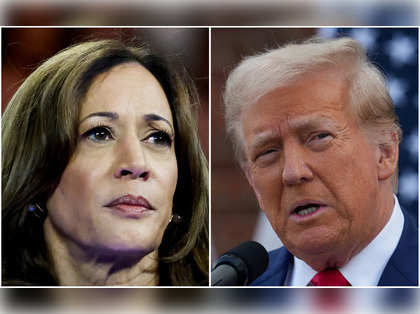
By Nantoo Banerjee Domestic issues often override international commitments in diplomacy. China’s preference of Kamala Harris to Donald Trump as the next US president may look unusual but not entirely illogical from the world’s second largest economy’s business point of view. China may not mind if such a possibility could enhance diplomatic discomfort to its […]

Inflows into digital assets reached $901 million this month, culminating in a remarkable $27 billion year-to-date total, signaling a substantial shift in market sentiment. The surge in inflows is largely attributed to increasing political optimism within the United States, which has invigorated investor confidence in the sector. Notably, the U.S. recorded the largest inflows, totaling $906 million, while Canada, Brazil, and Hong Kong faced slight outflows, highlighting a regional divergence in market dynamics.

Bitcoin emerged as the standout performer this month, drawing an impressive $920 million in inflows, a stark contrast to Ethereum, which witnessed $35 million in outflows. This pronounced divergence indicates a growing preference among investors for Bitcoin, reinforcing its dominance in the digital asset landscape. Solana also attracted attention, garnering $10.8 million in inflows, while blockchain equities gained $12.2 million, reflecting a broader appetite for diversified investments within the crypto ecosystem.

The influx of capital into digital assets aligns with a backdrop of significant political developments in the U.S., including legislative efforts aimed at regulating the cryptocurrency sector. Increased regulatory clarity is seen as a key factor fostering a more secure investment environment, encouraging institutional investors to re-enter the market. This positive sentiment is underscored by discussions surrounding potential regulatory frameworks that could facilitate mainstream adoption of digital currencies.

Analysts highlight the role of political stability in shaping market trends. The Biden administration’s focus on creating a more structured regulatory environment for cryptocurrencies is viewed favorably by investors, contributing to the bullish outlook for digital assets. The prospect of clearer regulations is particularly appealing to institutional investors who have previously been cautious due to the lack of defined guidelines.

As capital flows into digital assets, the implications for traditional financial markets are becoming increasingly pronounced. Financial institutions are taking note of this trend, with several firms beginning to incorporate cryptocurrencies into their portfolios. This shift could signify a broader acceptance of digital assets as a legitimate asset class, potentially reshaping investment strategies across various sectors.

In terms of market performance, Bitcoin’s continued ascent underscores its status as the flagship cryptocurrency. The asset’s ability to attract significant inflows, even amid fluctuating market conditions, reinforces its position as a safe haven for investors seeking refuge from economic uncertainty. Conversely, Ethereum’s outflows may suggest a reassessment of its value proposition, prompting investors to seek alternative avenues within the crypto space.

Emerging trends in the digital asset sector are also evident in the increasing interest in decentralized finance (DeFi) projects. These platforms, which leverage blockchain technology to provide financial services without traditional intermediaries, are gaining traction among investors seeking higher yields and innovative solutions. The continued growth of DeFi is likely to further diversify the landscape of digital assets, attracting a broader range of participants to the market.

The integration of cryptocurrencies into mainstream financial systems is progressing. Major payment processors and financial institutions are exploring ways to facilitate cryptocurrency transactions, enhancing accessibility for everyday consumers. This shift could pave the way for increased adoption, as consumers become more comfortable using digital assets for transactions.

Internationally, the divergence in inflows among different countries illustrates the varying levels of acceptance and regulatory approaches to digital assets. While the U.S. leads in inflows, the outflows in Canada, Brazil, and Hong Kong signal the need for these regions to adapt to changing market conditions. Investors in these areas may be looking for clarity on regulatory measures before committing significant capital to digital assets.

As the market evolves, key players in the digital asset space are adapting their strategies to align with changing investor sentiments. Institutional players, in particular, are refining their approaches to capitalize on the growing demand for cryptocurrencies. The ongoing competition among asset managers to offer crypto-related products reflects a broader trend toward integrating digital assets into traditional investment frameworks.

Looking ahead, the trajectory of digital asset inflows will likely be influenced by ongoing political developments and regulatory updates. As policymakers continue to grapple with the implications of cryptocurrency adoption, the market will respond to both domestic and international regulatory signals. Investors are expected to remain vigilant, monitoring these developments closely as they navigate the evolving landscape of digital assets.


Divya Malhotra Middle East has turned into a ticking time bomb as Iran and Israel stand on the verge of a full-blown war. A lot has transpired between the two countries since the October 2023 Hamas attack on Israel and the ensuing Gaza war. Israel is more than a thousand miles away from Iran. They do not share any border and there are no significant bilateral claims […]

HONG KONG SAR – Media OutReach Newswire – 24 October 2024 – The global economic recovery presents a mixed picture. While the US economy looks set for a soft landing, the eurozone continues to face many uncertainties, particularly in the industrial sector. China, meanwhile, is struggling to sustain its growth. Finally, our political and social risk index remains at a high level despite the fall in inflation […]

In collaboration with the National University of Laos, ASEAN Foundation and SAP conclude the ASEAN Data Science Explorers 2024 Regional Finals in Vientiane, Lao PDR. VIENTIANE, LAOS – Media OutReach Newswire – 23 October 2024 – The ASEAN Foundation, in collaboration with SAP, successfully concluded the eighth ASEAN Data Science Explorers (ASEAN DSE) 2024 Regional Finals in Vientiane, Lao PDR. Twenty students from secondary and tertiary institutions […]

Group also maintains top 5 global employer status in 2024 ranking BASEL, SWITZERLAND – EQS Newswire – 25 October 2024 – Syngenta Group has once again secured its position as one of the world’s top five employers, and the #1 agricultural employer, in the 2024 Science Careers Top Employers Survey. This marks the eighth consecutive year the company has achieved this prestigious recognition, underscoring its unwavering dedication […]

Ledger, a leading cryptocurrency security company, is setting its sights on expanding into the Middle East and India, identifying both regions as ripe for growth in the digital asset sector. During a recent industry conference, Ledger’s CEO, Pascal Gauthier, articulated the company’s strategy to capitalize on the increasing interest in cryptocurrencies and the demand for secure storage solutions. He emphasized that the company’s commitment to enhancing security measures aligns with the burgeoning crypto market in these regions.

Gauthier noted that the Middle East, with its rapidly evolving financial landscape and the region’s growing acceptance of digital currencies, presents a significant opportunity for Ledger. Countries like the United Arab Emirates and Saudi Arabia are making strides in blockchain technology and regulatory frameworks that support cryptocurrency activities. This shift is encouraging local businesses and consumers to explore digital assets, prompting the need for reliable security solutions to protect their investments.

India, on the other hand, has seen a marked increase in cryptocurrency adoption despite regulatory uncertainties. The country’s young, tech-savvy population is driving a surge in digital asset investments, with several startups focusing on providing crypto-related services. Gauthier indicated that Ledger’s expansion into India would cater to this increasing demand for secure crypto storage, especially among individuals seeking to invest in digital currencies amidst a landscape that has faced both regulatory challenges and opportunities.

Gauthier’s remarks come at a time when major players in the tech and finance sectors are recognizing the potential of the crypto market in these regions. The UAE has launched initiatives like the Dubai Multi Commodities Centre, which aims to foster a conducive environment for crypto businesses. Additionally, the recent formation of regulatory bodies in the Gulf states is paving the way for more structured engagement with cryptocurrencies.

Industry experts believe that Ledger’s expansion plans will not only enhance the company’s market presence but also contribute to the broader acceptance of cryptocurrencies in the region. The availability of secure hardware wallets is crucial for building consumer confidence in digital assets, especially in markets where scams and security breaches have raised concerns.

As Ledger ramps up its efforts, it is also likely to face competition from other firms looking to establish themselves in these emerging markets. The rise of local competitors offering similar security solutions could challenge Ledger’s market share. However, the company’s established reputation and commitment to innovation may position it favorably against such challenges.

To further bolster its market strategy, Ledger is expected to engage in partnerships with local financial institutions and technology firms. Collaborating with existing players in the market will enhance its distribution channels and brand recognition, facilitating smoother entry into the Middle East and Indian markets. This approach will allow Ledger to tailor its offerings to meet local consumer preferences and regulatory requirements.

The growing trend of integrating blockchain technology in various sectors, including finance, supply chain, and healthcare, is also playing a pivotal role in shaping Ledger’s expansion strategy. As businesses in these regions seek to harness the benefits of blockchain, there will be an increasing demand for secure crypto management solutions, which Ledger is well-positioned to provide.

Education and awareness surrounding cryptocurrency and blockchain technology are essential for fostering a supportive environment for digital assets. Ledger plans to invest in initiatives aimed at educating potential customers about the importance of security in the crypto space. By conducting workshops and seminars, the company aims to demystify cryptocurrencies and promote responsible investing practices.

Consumer sentiment in both the Middle East and India towards digital currencies is changing. The potential for high returns has drawn many investors, despite the associated risks. As governments in these regions begin to provide clearer regulatory guidelines, the influx of institutional investors is also anticipated, further legitimizing the crypto market. Ledger’s expansion aligns with this trend, as the demand for secure storage solutions will grow alongside institutional interest.

The company’s product line, which includes hardware wallets and other security solutions, is continually evolving to meet the diverse needs of consumers. This adaptability will be key in navigating the unique challenges and opportunities presented by the Middle East and Indian markets.

Over 700 exhibitors from 17 countries and regions to participate from 6-8 November at the Hong Kong Convention and Exhibition Centre Exhibition reflects four prominent market trends: technology, lifestyle, functionality and sustainability Concurrent Hong Kong International Optometric Symposium to explore latest breakthroughs in myopia control and prevention Finalists of the 24th Hong Kong Eyewear Design Competition to be unveiled HONG KONG SAR – Media OutReach Newswire – […]

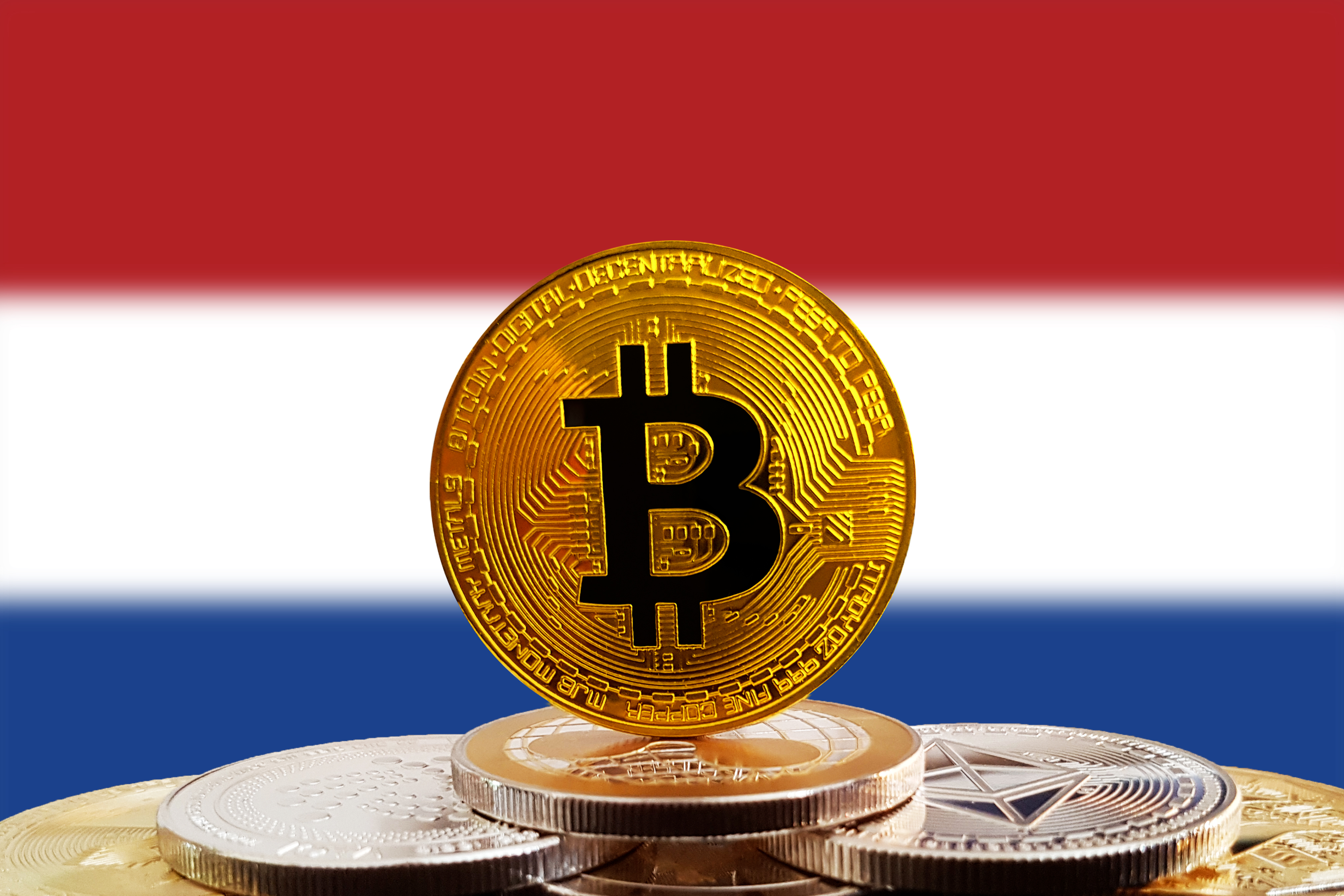
The Netherlands has introduced a draft bill requiring cryptocurrency service providers to report detailed client information to tax authorities, marking a significant alignment with the EU’s tax and transparency goals for digital assets. The proposal aims to close existing tax loopholes in cryptocurrency transactions, ensuring that individuals and companies report taxable income generated through digital assets, with authorities seeking to curb tax evasion effectively across Europe.

Central to this legislation is the adherence to DAC8, the EU’s eighth Directive on Administrative Cooperation, which mandates crypto-asset providers to share user transaction data with local tax bodies. DAC8, recently ratified by the European Council, is set to be implemented across the European Union by January 2026. The new rules are part of the EU’s extensive drive to regulate the crypto space, with a focus on enhancing tax compliance and preventing digital assets from serving as havens for illicit transactions.

In alignment with the DAC8 standards, the Dutch bill specifies that service providers, including exchanges, brokers, and wallet providers, must report all transactions involving Dutch residents to national tax agencies. This includes recording details of transaction amounts, dates, market values, and fees, ensuring that the Dutch authorities have a comprehensive view of all crypto-related activities. Additionally, the Netherlands intends to comply with the Organisation for Economic Co-operation and Development’s (OECD) Crypto-Asset Reporting Framework (CARF), which expands the scope of data sharing to include non-EU jurisdictions, such as the United States and the United Kingdom. CARF seeks to standardize crypto-asset reporting, aiming to make it more challenging for users to transfer assets across borders to evade tax responsibilities.

The Dutch Ministry of Finance anticipates that these measures will substantially increase transparency within the crypto sector, which has previously posed challenges for tax authorities due to the ease of transferring assets across platforms and borders. The Ministry asserts that these steps are essential to creating a fair tax landscape, ensuring that all income, including that derived from cryptocurrencies, is accurately declared and taxed. Proponents of the bill also believe it will aid in reducing financial crimes linked to crypto, aligning with similar EU initiatives like the Markets in Crypto-Assets Regulation (MiCA), which further addresses regulatory oversight in the sector.

As the Netherlands opens this proposal to public feedback, debate around user privacy concerns and the potential regulatory burden on crypto providers is already emerging. Critics argue that requiring such comprehensive data collection risks overreach and could dissuade crypto firms from operating in the Netherlands or the EU altogether. Concerns also extend to data protection issues, as the expansive data-sharing requirements could expose users to breaches and misuse if adequate safeguards are not put in place. Additionally, some crypto advocates argue that stricter regulations may push users towards decentralized platforms that operate outside the purview of centralized tax authorities, which could undermine the very goal of transparency.

Despite these reservations, the Netherlands and other EU states are prioritizing tax compliance to counter potential losses in tax revenue associated with the expanding crypto market. Studies by EU agencies suggest that by reducing tax evasion in crypto transactions, member states could collectively enhance tax revenues by over €1 billion annually. For countries with rapidly growing crypto sectors, this potential revenue increase is particularly enticing as they contend with budgetary pressures and demands for greater public services.

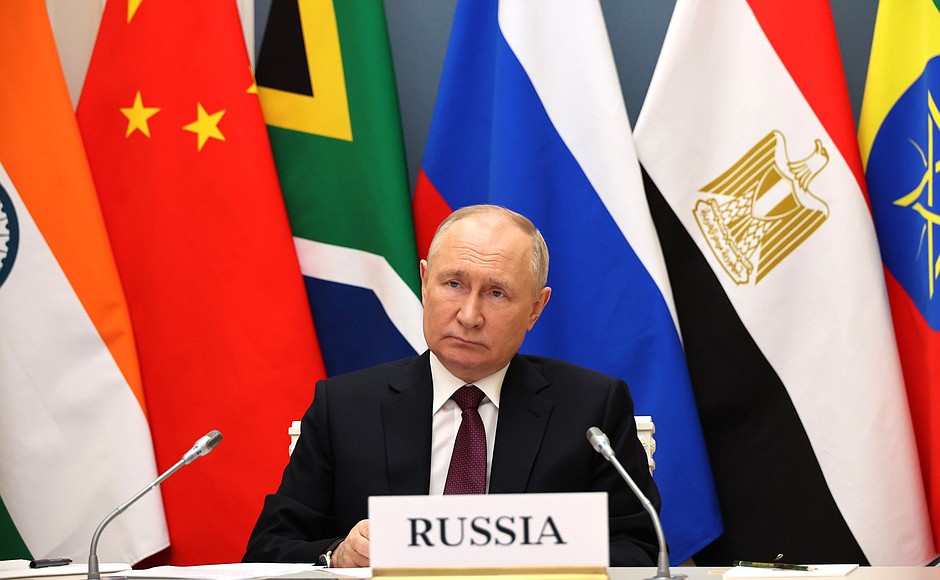
Amid rising geopolitical tensions and ongoing economic sanctions from Western nations, Russia has intensified its push for a clearing and depository system among BRICS nations—an alliance comprising Brazil, Russia, India, China, and South Africa. This initiative aims to facilitate intra-BRICS trade and investment by creating alternative mechanisms that would reduce reliance on Western financial systems, particularly the U.S. dollar.

The call for such a system has gained momentum during discussions at the BRICS summit held in Johannesburg earlier this year, where leaders explored strategies to enhance economic collaboration and safeguard member countries from external economic pressures. Russian President Vladimir Putin, emphasizing the need for financial sovereignty, outlined how a dedicated clearing system would not only streamline trade among BRICS nations but also insulate them from unpredictable sanctions imposed by Western governments.

The financial architecture proposed includes a shared clearing platform that would allow member states to transact in their local currencies. This system is expected to alleviate the costs associated with currency conversion and reduce exposure to fluctuations in the dollar’s value. The depository system would enable BRICS countries to hold reserves and facilitate investments without the involvement of Western banking systems, which often serve as gatekeepers for international trade and finance.

As part of this initiative, the Russian government has engaged with various BRICS member states to discuss technical and regulatory frameworks necessary for establishing this new financial infrastructure. Recent engagements include high-level talks with Chinese and Indian officials, where they explored the operational aspects of the proposed clearinghouse. Both countries have expressed interest, seeing the potential benefits of minimizing their dollar dependency amid geopolitical tensions with the West.

Analysts note that this initiative comes at a time when BRICS countries are seeking to redefine their positions in global trade and finance. The bloc has increasingly advocated for a multipolar world order, aiming to challenge the dominance of the United States and its allies in international financial institutions. The proposed clearing and depository system aligns with these aspirations, reflecting a broader trend of economic diversification and regional integration among non-Western nations.

While the technical implementation of this system remains in preliminary discussions, there are significant challenges to overcome. These include the establishment of common regulatory standards, addressing concerns about currency stability among member states, and ensuring the system’s resilience against external shocks. Moreover, skepticism persists regarding the political will of member nations to fully commit to this initiative, particularly given the varying degrees of economic interdependence and political alignment among them.

Experts predict that the success of the BRICS clearing and depository system will hinge on several factors, including the resolution of these technical challenges and the ongoing commitment of member states to foster economic collaboration. The establishment of a robust framework that can operate independently of Western financial institutions will require significant investments in infrastructure and regulatory harmonization.

In parallel to these discussions, Brazil and China have initiated bilateral agreements to promote trade in their local currencies, signaling a growing trend among BRICS nations to seek alternatives to the dollar. This move underscores the urgency felt by member states to enhance their economic resilience and foster greater autonomy in global markets.

The backdrop of escalating tensions between Russia and Western nations adds a layer of urgency to these discussions. Sanctions targeting Russia have intensified following its military actions in Ukraine, prompting a reevaluation of its economic relationships globally. Russia’s outreach to BRICS allies is not merely strategic; it is also a pragmatic response to the constraints imposed by Western financial measures.

While the BRICS clearing system remains in its conceptual phase, the desire among member nations for a more independent financial architecture reflects a significant shift in global economic dynamics. As emerging economies seek to forge stronger ties and reduce their vulnerabilities, the success of this initiative could have profound implications for the future of international trade and finance.

Several countries, including South Africa and India, have indicated their support for exploring mechanisms to facilitate trade in local currencies. Such support could provide the momentum needed to advance the technical discussions into actionable plans. If successful, this could mark a pivotal moment for BRICS as it seeks to position itself as a counterbalance to Western hegemony in global economic governance.

HONG KONG SAR – Media OutReach Newswire – 24 October 2024 – Paul Chan, Financial Secretary of the Hong Kong Special Administrative Region, is visiting the United States (October 22-24), where he delivered keynote speeches at the Bloomberg Global Regulatory Forum on the topic of financial sustainability (October 22) and at a business luncheon (October 23) in New York. At the Bloomberg Global Regulatory Forum, Mr Chan […]

Diplomatic negotiations have led to the Nigerian government officially dropping charges against Tigran Gambaryan, a senior executive at Binance Holdings, who was facing legal action over allegations of money laundering. His release is seen as a crucial step in resolving the broader tensions between Nigerian authorities and the cryptocurrency industry, which has been under intense scrutiny due to concerns over foreign exchange manipulation and money laundering.

Gambaryan, a U.S. citizen, had been detained in Nigeria since February 2024 following his visit for discussions aimed at addressing Nigeria’s regulatory concerns over cryptocurrency trading. His arrest and subsequent trial became a flashpoint in Nigeria’s ongoing efforts to regulate the digital currency market, which has been accused of contributing to currency volatility and evasion of foreign exchange rules. The detention also attracted significant attention from U.S. officials, with some members of Congress calling for stronger intervention to secure his release.

After months of legal wrangling and growing diplomatic pressure, Nigeria’s Federal Inland Revenue Service (FIRS) decided to drop tax-related charges against Gambaryan. In an official statement, Binance expressed relief, stating that Gambaryan was not involved in decision-making at the company, and his detention was unnecessary for resolving the broader dispute between the Nigerian government and Binance. The FIRS’s decision has been hailed as a significant breakthrough in what had become a protracted standoff.

Binance has reiterated its commitment to cooperating with Nigerian authorities to address regulatory concerns. The exchange remains at the center of Nigeria’s wider crackdown on cryptocurrency activities, with Nigerian regulators expressing unease about the role of digital currencies in capital flight and foreign exchange violations. Binance’s legal troubles in the country are not entirely over, as it still faces other charges, primarily linked to alleged money laundering.

The executive’s detention was fraught with challenges, including deteriorating health conditions. According to Binance, Gambaryan, who had spent 110 days in custody, had contracted both malaria and pneumonia while being held in Kuje prison. Despite court orders for his medical treatment, delays in his care raised concerns about the conditions of his detention, further complicating diplomatic efforts to secure his release.

Binance’s legal representatives expressed hope that the Economic and Financial Crimes Commission (EFCC) would soon follow the FIRS’s example by dropping its case against Gambaryan, thereby allowing him to return to his family in the United States. Gambaryan’s arrest also drew wider international attention, with several U.S. lawmakers addressing the issue. This diplomatic angle added another layer of complexity to an already high-profile case that has implications for international business relations and cryptocurrency regulation.

Nigeria’s decision to drop the charges is seen as a potential turning point in the strained relationship between Binance and African regulators. Binance’s dominance in the global cryptocurrency market has made it a target of regulatory actions across several jurisdictions. As cryptocurrency adoption grows in regions like Africa, governments are grappling with how to regulate digital assets while protecting their economies from the risks associated with unregulated financial flows.

The Nigerian government’s initial crackdown on Binance and other cryptocurrency exchanges was part of a broader move to clamp down on speculative trading activities that were blamed for exacerbating the country’s foreign exchange crisis. The Central Bank of Nigeria (CBN) had earlier banned cryptocurrency transactions in 2021, but enforcement challenges and continued use of digital currencies led to ongoing tensions between the authorities and crypto platforms.

As part of the government’s efforts to rein in the sector, Nigerian authorities detained two senior Binance executives in early 2024 following allegations of foreign exchange manipulation. The authorities argued that speculative trading of cryptocurrencies had contributed to the depreciation of the naira. These actions were taken within the broader context of Nigeria’s struggle to stabilize its currency amidst economic pressures and rising inflation.

Although the charges against Gambaryan have been dropped, the broader regulatory environment for cryptocurrencies in Nigeria remains uncertain. Many see this case as indicative of the Nigerian government’s stance on cryptocurrency regulation. The government has been attempting to balance the need for financial innovation with the risks that come from unregulated digital markets. While the decision to release Gambaryan is being welcomed by the crypto community, it remains to be seen how future cases involving cryptocurrency firms will be handled by Nigerian regulators.

A significant slowdown in wind power development is hindering the world’s efforts to meet renewable energy goals, particularly as nations strive to cut carbon emissions in line with climate agreements. Wind energy, once seen as a pivotal solution to transitioning away from fossil fuels, is facing mounting challenges that threaten its viability as a cornerstone of the global energy mix. Despite the increasing urgency for green energy […]

Global oil prices have started to recover after last week’s sharp decline, which saw a 7% loss driven by concerns over supply and demand dynamics. Factors such as higher output from major oil-producing nations and fears of slowing demand due to global economic uncertainty had sent prices tumbling. However, industry analysts now anticipate a gradual recovery, citing potential geopolitical risks and tightening supply measures from key producers like Saudi Arabia and Russia. Market participants are closely monitoring the evolving situation, especially with winter approaching, which traditionally bolsters demand.

Several contributing factors have influenced the market volatility. Last week’s sharp drop was linked to bearish demand signals, particularly from China, one of the largest importers of crude oil. China’s economic slowdown has continued to worry energy traders, as the country’s lower-than-expected industrial activity and economic data cast a shadow over oil demand projections.

Meanwhile, on the supply side, major oil exporters have maintained elevated production levels, adding to the downward pressure on prices. Saudi Arabia and Russia, both key members of the OPEC+ alliance, have previously agreed on voluntary cuts to manage the market, but production has remained higher than some traders anticipated. The United States, too, has seen an increase in shale production, further influencing the global oil supply glut.

Despite the recent pullback, market experts believe a rebound is on the horizon. Seasonal factors, including colder weather in the northern hemisphere, are likely to drive demand for heating oil, helping to support prices. In addition, geopolitical tensions in key energy regions, such as the Middle East, remain a wildcard that could lead to supply disruptions and drive prices higher in the near term. Any further developments in the Israel-Gaza conflict, for example, could ripple through the global energy markets, with potential repercussions for oil flows.

Energy traders have also been closely watching U.S. crude inventories, which play a crucial role in balancing global supply-demand. A significant drop in stockpiles could prompt oil prices to move upward. Additionally, the Federal Reserve’s approach to interest rates and inflation continues to impact broader market sentiment, including energy commodities.

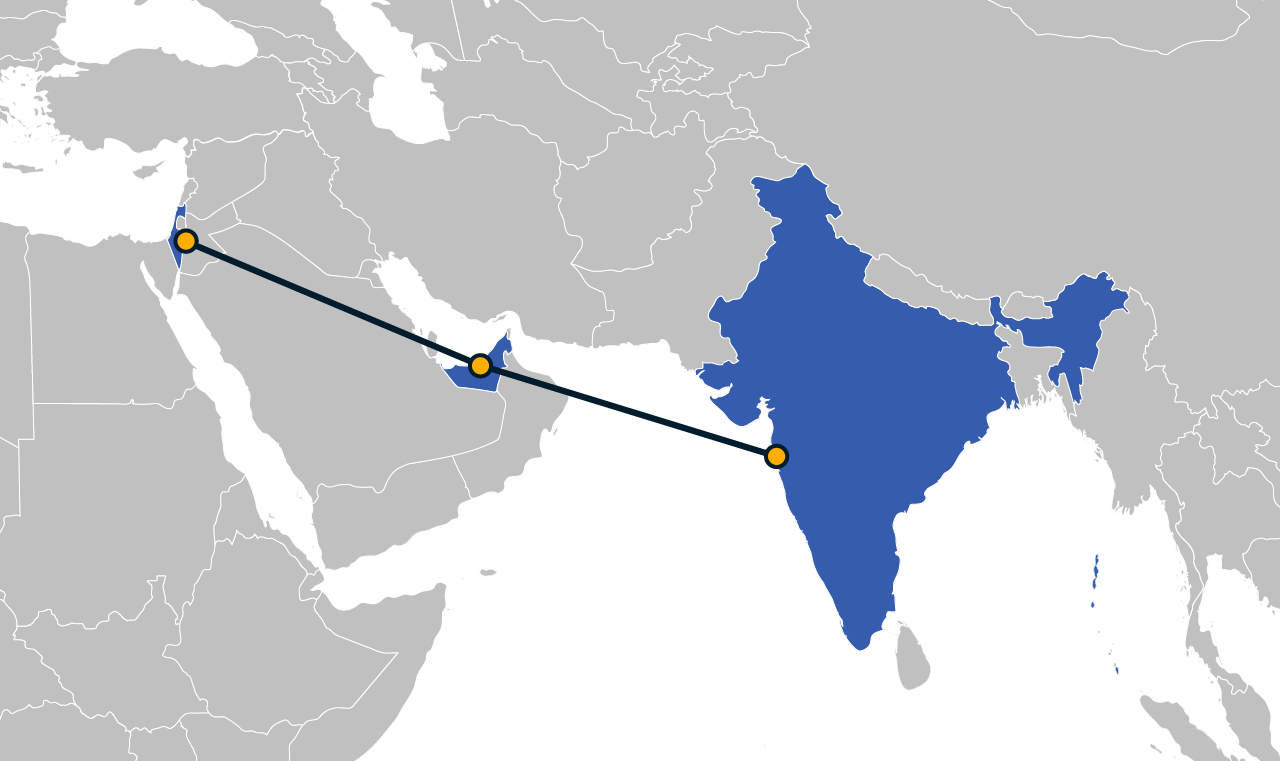
By Nantoo Banerjee It is good to note that the proposed India-UAE food corridor has already roped in a third partner, Israel. The project is expected to eventually involve the United States as well. The US was a key initiator of the historic four-nation I2U2 virtual summit in July 2022 bringing together leaders of India, […]

VISHNU RAJA
RYO YAMADA
HITORI GOTOH
IKUYO KITA