News related to
United States

India’s efforts to strengthen ties with the United States are facing significant hurdles due to key staffing gaps within President Donald Trump’s administration. Diplomatic engagement between the two countries has been hindered as vital foreign policy roles in Washington remain vacant, impacting India’s ability to effectively navigate the US political landscape.

Over the past few months, Indian officials have expressed concerns regarding the lack of permanent appointments in crucial diplomatic positions, including roles at the Department of State and the National Security Council. The vacancies have caused delays in ongoing discussions on key issues such as trade, defence cooperation, and counterterrorism. Despite a shared interest in expanding bilateral relations, the absence of key decision-makers has created a diplomatic impasse, making it increasingly difficult for Indian diplomats to secure face-to-face meetings with senior US officials.

The US has traditionally relied on a network of ambassadors and senior officials to manage foreign policy and maintain smooth relations with global partners. However, under the Trump administration, numerous diplomatic posts remain unfilled, including positions critical to managing India-US relations. These gaps have left many key policy decisions in limbo, complicating efforts to address pressing global challenges, including the Indo-Pacific security framework and trade negotiations.

India, in particular, has been affected by this lack of political continuity. For instance, while the US has reaffirmed its commitment to strengthening defence and economic ties with India, the absence of a US ambassador to India and a permanent Assistant Secretary of State for South and Central Asia has made it difficult to reach concrete agreements. Without these senior officials in place, policy coordination becomes more fragmented, forcing Indian officials to engage with temporary appointees who lack the authority to make significant policy changes.

Indian diplomats have found it especially challenging to build rapport with the Trump administration, which has demonstrated a preference for unconventional approaches to diplomacy. The absence of a steady stream of high-level communication has left gaps in the continuity of US policy towards India, further complicating efforts to resolve existing tensions, such as trade disputes and visa restrictions.

While India has attempted to address these challenges through alternative channels, such as the strategic dialogue and consultations with lower-ranking officials, these engagements have failed to produce the desired outcomes. For example, discussions aimed at resolving trade imbalances and the reduction of tariffs have stalled, with both sides unable to reach an agreement due to a lack of dedicated leadership on either side.

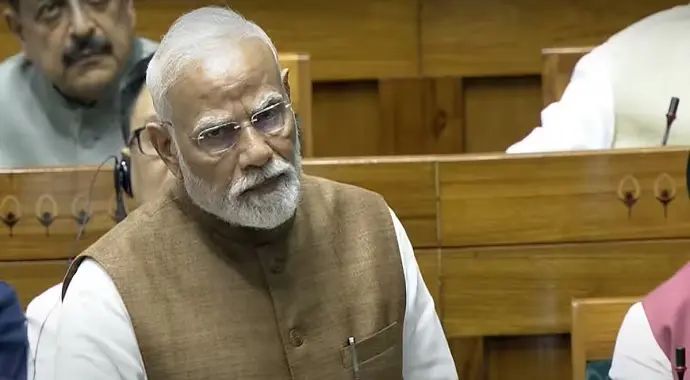
The Indian government, under Prime Minister Narendra Modi, has worked to bolster its position in the global order by forging closer ties with the US. However, without the necessary diplomatic infrastructure in place, India has been forced to wait for the completion of staffing appointments in the Trump administration before advancing critical bilateral agendas. While there has been progress in areas such as defence cooperation, the lack of substantive discussions on trade and technology has caused frustration in New Delhi.

At the heart of this diplomatic challenge is the ongoing uncertainty surrounding the US administration’s foreign policy direction. As key positions remain vacant, the White House’s ability to provide a cohesive strategy on international affairs has been compromised, particularly in its dealings with major global powers like India. This vacuum has also complicated the Trump administration’s broader efforts to pivot its foreign policy towards the Indo-Pacific region, an area of strategic interest to both the US and India.

India’s strategic priorities have been clear: maintaining a robust relationship with the US while balancing its growing ties with China and Russia. As India seeks to navigate these complex geopolitical waters, the Trump administration’s staffing issues continue to be a major stumbling block. The lack of clear leadership in critical areas of US foreign policy has left many in India questioning the future trajectory of their relationship with Washington.

The growing importance of economic and technological collaboration between the two countries has intensified the urgency for resolution. As the US and India aim to establish a more comprehensive partnership, delays in staffing appointments are causing significant setbacks in addressing mutual concerns in areas such as cybersecurity, trade, and investment.


The governments of Rwanda and the United States have formalised a migrant resettlement agreement, under which Kigali will take in up to 250 individuals deported from the US. The deal, confirmed by officials from both countries, represents a significant step in Washington’s broader efforts to manage its immigration challenges, particularly regarding the removal of people without legal status. Under the terms of the agreement, the migrants will […]

US President Donald Trump has announced plans to significantly raise tariffs on exports from India, citing the country’s oil purchases from Russia as the primary reason for the move. The statement marks an escalation in tensions between the two countries, with both sides having clashed over trade policies and geopolitical issues in recent years.

Trump’s remarks, made on social media, have ignited a strong response from New Delhi, which views the threat as unjustified and damaging to its economic interests. The US President criticized India’s ongoing imports of Russian crude oil, calling the move a betrayal, as the West intensifies efforts to isolate Moscow over its invasion of Ukraine. He pointed out that India’s purchases were then being resold on the international market for profits, further compounding the situation.

The US government has consistently condemned the sale of Russian oil to countries that are still buying from Moscow amid global sanctions designed to cripple the Russian economy. These sanctions, which were imposed by the US and its allies in response to Russia’s aggressive actions in Ukraine, have led to a complex diplomatic web, with several nations, including India, caught in the middle.

While the US and European Union have significantly reduced their oil imports from Russia, countries like India and China have stepped in to fill the gap, buying discounted crude oil from Moscow. India, in particular, has ramped up its purchases of Russian energy, a decision that is seen by many as a strategic move to secure energy resources at lower costs. These purchases have helped India maintain its economic growth amidst the energy price crisis exacerbated by the war in Ukraine.

The announcement by Trump that tariffs on Indian goods would be substantially raised could have serious repercussions for trade between the two nations. India is one of the United States’ largest trading partners, and any significant tariffs would undoubtedly affect a range of industries, from agriculture to technology. In 2022, the bilateral trade between the two countries surpassed $150 billion, with India exporting a wide array of goods to the US, including textiles, chemicals, and pharmaceuticals.

The Indian government, however, has rejected Trump’s claims, arguing that its oil purchases from Russia are in line with its energy security needs and do not violate any international laws. New Delhi has maintained a neutral stance on the war in Ukraine, calling for dialogue and diplomacy to resolve the crisis rather than escalating sanctions and pressure on Russia.

India’s position reflects a broader strategy of balancing its foreign relations with both the West and Russia. While it maintains strong ties with the US and Europe, it also values its long-standing relationship with Russia, particularly in defense and energy sectors. Over the years, Russia has been a reliable supplier of defense equipment to India, a factor that continues to shape India’s foreign policy decisions.

The economic impact of higher tariffs could have a ripple effect on both countries’ economies. India could face higher costs for its exports to the US, which might lead to inflationary pressures within certain sectors. For the US, such tariffs could result in higher prices for American consumers on imported goods, potentially exacerbating inflation at a time when the country is already grappling with economic challenges.

The political fallout from Trump’s threat to raise tariffs could further complicate efforts to resolve trade disputes between the US and India. Both nations have been working on strengthening their strategic and economic ties, but issues like tariffs and energy trade could undermine this progress. Negotiations over trade deals, such as the proposed free trade agreement, may now face significant hurdles as both sides dig in their heels.

The decision to increase tariffs on India could also have wider implications for the global economy. It might set a precedent for other nations to retaliate against countries purchasing Russian oil, particularly those in the Global South who have not been willing to fully sever their economic ties with Moscow. This could potentially fragment the global energy market even further, making it harder for countries to secure stable and affordable energy supplies.

This development highlights the growing division between the US-led West and countries that have opted to remain neutral or continue engaging with Russia. As the war in Ukraine shows no sign of abating, the economic and diplomatic repercussions of these decisions are likely to continue shaping global relations for the foreseeable future.

OPEC+ members are poised to approve a significant increase in oil output at a crucial meeting scheduled for Sunday. Sources indicate that the group will likely raise production, though discussions are still ongoing over the exact size of the hike for September. The decision follows rising concerns about global oil supplies and the potential for further disruptions from Russia. This move comes as the international community grapples […]

Despite mounting international tensions and growing calls for sanctions, India has confirmed its commitment to continuing oil purchases from Russia. The decision, which has drawn both support and criticism, comes in the face of strong opposition from Western powers, particularly the United States.

India’s robust relationship with Russia, especially in energy sectors, remains central to its strategy to ensure energy security amid global market volatility. While the United States has intensified its warnings against increasing trade with Russia, citing geopolitical risks and the ongoing war in Ukraine, Indian officials assert that the decision aligns with the country’s broader economic interests and long-term energy goals.

The timing of the announcement comes as global oil prices continue to fluctuate, driven by factors ranging from OPEC+ production cuts to the ripple effects of the Russia-Ukraine conflict. With Russia now facing significant sanctions from the West, including oil price caps and restrictions on exports, India has emerged as one of the largest buyers of Russian crude oil, navigating complex international pressures while keeping its energy needs in focus.

India’s oil imports from Russia soared in the wake of the war in Ukraine, particularly after Western nations moved to isolate Moscow from the global market. The country, which historically sourced much of its oil from the Middle East, found Russian oil a lucrative alternative as Western sanctions created discounts, allowing India to tap into a relatively cheap energy supply.

Russia, in turn, welcomed the partnership, as it opened new markets and ensured continued demand for its oil. According to official sources, Russia’s increased sales to India, and other non-Western nations, helped offset some of the lost revenue due to sanctions.

India’s government, however, has been careful to position its stance within a framework of neutrality. Public statements highlight that the nation’s energy decisions are based on its own national interest, focusing primarily on economic stability and the welfare of its people. Officials have also pointed out that India is among the world’s most energy-hungry nations and needs to secure a steady and affordable supply of oil to support its growing population and economic expansion.

Internationally, this trade has sparked debates over the moral and strategic implications of engaging with Russia. Critics argue that by maintaining ties with Russia, India risks undermining global efforts to isolate Moscow, particularly as Western governments seek to enforce stricter sanctions. They point out the tensions between India’s non-alignment policy and its deepening economic relationship with a nation under international scrutiny.

On the other hand, some argue that India’s approach reflects a pragmatic understanding of its own strategic priorities, particularly the need to balance international relationships with domestic requirements. With rising fuel costs and inflation becoming pressing issues for many nations, securing affordable energy resources has become a matter of national security.

India’s oil trade with Russia, however, is not without its challenges. Western nations have long pressured India to reduce its dependence on Russian energy. The Biden administration, particularly, has warned that India’s continued imports could strain relations, especially as the US seeks to maintain solidarity with its European allies in pressuring Russia. Washington’s position on the matter is clear: nations that continue to do business with Russia will face consequences, with potential impacts on trade and geopolitical ties.

Yet, India’s economic and geopolitical imperatives make it unlikely to back down. As part of the BRICS group, which also includes Brazil, Russia, China, and South Africa, India has voiced its commitment to a multipolar world order where nations can pursue their own economic paths, free from external coercion. India has also consistently argued for the need for dialogue and peaceful resolution in the Russia-Ukraine conflict, advocating for diplomacy over military escalation.

The ongoing conflict has undeniably reshaped global energy dynamics, forcing countries to reassess their energy strategies and alignments. While India’s stance has garnered significant attention, its broader approach is seen as part of an evolving foreign policy that seeks to advance national interests without being swayed by external pressures.

By K Raveendran Donald Trump’s aggressive tariff regime, launched under the guise of bolstering American strength and reclaiming lost economic ground, has triggered a worldwide response that may ultimately defeat the very goal it seeks to achieve. Framed as a nationalist project to assert America’s economic primacy, the tariff war has turned out to be […]
By Nitya Chakraborty It is not a cliché to say that our powerful Prime Minister Narendra Modi’s moment truth has arrived after 11 years of ruling the country as the unchallenged leader. The 25 per cent tariff hike on Indian exports announced by the United States President Donald Trump on Wednesday and taking effect from […]
Advertisements

The United States has introduced new visa restrictions for citizens of 31 African countries, a move that directly impacts nations such as Nigeria, Ghana, and Gambia. This policy revision limits non-immigrant visas to single-entry permits, significantly altering the travel dynamics for individuals from these countries. The policy, announced by the U. S. State Department, aims to curb perceived abuse of the American visa system while reinforcing the […]

The Securities and Exchange Board of India has escalated its investigation into the trading activities of Jane Street, a global proprietary trading firm, as part of a broader probe into alleged market manipulation. The regulatory body has now requested trading data from several Indian stock exchanges, further deepening its scrutiny of the firm’s involvement in the country’s financial markets.

SEBI’s action stems from claims that Jane Street engaged in manipulation of stock indices through derivative positions. This move follows a regulatory ban imposed on the firm in early July, which temporarily barred it from conducting any trading activities in Indian markets. The ban was issued after SEBI’s preliminary findings suggested that Jane Street had used complex strategies to artificially influence the performance of key stock indices.

As part of the ongoing investigation, SEBI is focusing on obtaining detailed trading records from exchanges including the Bombay Stock Exchange and the National Stock Exchange of India. The goal is to determine whether the firm’s activities, particularly its use of derivatives, involved any illegal practices that could have distorted market prices or harmed retail investors.

Industry experts suggest that the regulator’s heightened interest in Jane Street reflects a broader concern about the role of large institutional traders in shaping market dynamics. Derivative positions, often leveraged and high-risk, can be used to exert significant influence on the underlying stocks, especially in a market as liquid as India’s. By examining data from exchanges, SEBI aims to clarify the extent of Jane Street’s trading strategies and assess whether they align with Indian securities laws.

The investigation is seen as a key test of SEBI’s ability to enforce its regulations on foreign firms operating in India’s rapidly growing financial markets. Despite the firm’s global operations, Jane Street has a significant presence in India, with its trading strategies often tied to the country’s major stock indices. The firm’s complex use of derivatives, particularly index futures, has drawn scrutiny from both regulators and market participants, who have raised concerns about potential market distortion.

Jane Street, which is based in the United States, has yet to publicly comment on SEBI’s request for trading data or the investigation itself. The firm has previously maintained that its activities are compliant with global market regulations, including those in India. However, the SEBI inquiry underscores growing concerns among global regulators about the tactics employed by large-scale traders in emerging markets.

The investigation into Jane Street is part of a broader initiative by SEBI to strengthen its oversight of foreign investment in India. Over the past few years, SEBI has been increasingly focused on improving market transparency and curbing potential manipulative practices, particularly in high-frequency trading and derivative markets. While foreign firms play an essential role in providing liquidity to Indian markets, their influence has raised alarms about potential market imbalances.

Market analysts point out that the use of derivatives and other sophisticated financial instruments by international trading firms has brought India into closer alignment with global financial markets. However, the rise of algorithmic and high-frequency trading has led to concerns over market stability, especially in volatile times. In response, SEBI has ramped up its efforts to ensure that such trading does not compromise the fairness or integrity of the market.

In the wake of SEBI’s actions, some market participants have called for more stringent regulations governing the use of derivatives in India. While derivatives are legal and widely used, their impact on the underlying markets can sometimes be opaque, especially when large institutional players use them in tandem with other strategies to influence stock movements. Calls for greater transparency and stricter enforcement mechanisms are expected to intensify as the investigation continues.

The timing of SEBI’s investigation is significant, as it comes at a time of heightened global scrutiny on market manipulation and the role of high-frequency traders. In the wake of high-profile cases involving market abuses in other jurisdictions, regulators are under pressure to ensure that trading practices do not undermine investor confidence or market integrity.

A deadly shooting at the Grand Sierra Resort in Reno, Nevada, on Monday left three people dead and three others wounded, prompting an immediate law enforcement response. The attack, which took place inside the popular casino, occurred around midday, sending shockwaves through the community. Authorities quickly responded to the scene, with Reno Police Chief Kathryn Nance confirming the fatalities and injuries. The victims’ identities have not been […]

South Africa’s trade proposal to the United States remains unaddressed with only four days left before a critical deadline. The proposal, submitted last month, aims to prevent the imposition of steep tariffs on South African goods, which could significantly affect the nation’s economy. As the deadline draws near, the lack of response from Washington has raised concerns among policymakers in Pretoria about the potential impact on exports […]

M. A. Hossain When Dmitry Medvedev, former Russian president and current deputy chair of Russia’s Security Council, addressed the Liberation Movements Summit in South Africa on July 27, his message was as predictable as it was provocative: Russia stands with Africa in the fight against neocolonialism and envisions a multipolar world. Coming from a Kremlin official, this claim may appear noble at first glance—until one examines the underlying logic, […]

Sony has initiated legal proceedings against Tencent, accusing the Chinese tech giant of copying elements from its highly successful Horizon franchise. The lawsuit, filed in the United States, claims that Tencent’s upcoming title, Light of Motiram, is a “slavish clone” of Sony’s critically acclaimed Horizon series, which has become one of its most prized intellectual properties. The central issue at the heart of the lawsuit revolves around […]

President Trump has sharply shortened his own deadline for punishing buyers of Russian oil, catching markets off guard and forcing investors to price in a risk that had previously been dismissed.  On Monday, standing beside UK Prime Minister Keir Starmer in Scotland, Trump announced that Moscow now has only 10 to 12 days to secure a peace deal over Ukraine.   If it doesn’t, he says he will […]

KUALA LUMPUR, MALAYSIA – Media OutReach Newswire – 28 July 2025 – Forex traders are bracing for what could be one of the most pivotal trading weeks of the year. The calendar is packed with high-impact releases that could send shockwaves through the markets, potentially even temporarily halting trading altogether as global economies digest a barrage of critical data. From central bank decisions to blockbuster economic reports, […]

Malaysia’s central bank has revised its economic growth forecast for 2025, citing increased volatility stemming from ongoing global trade tensions, notably those related to US tariffs. The Bank Negara Malaysia reduced its expected GDP growth to a range of 4% to 5%, down from an earlier projection of 5% to 5.5%. The adjustment comes as a response to the shifting dynamics of global trade, which have been exacerbated by the imposition of tariffs by the United States under the administration of President Donald Trump.

While Malaysia has been largely insulated from direct tariff measures, the broader implications of the US-China trade war and related tariffs have left a significant mark on its export-driven economy. Malaysia’s position as a key player in global supply chains has made it vulnerable to shifts in the global trade environment. The US tariffs, particularly on Chinese goods, have reverberated through Southeast Asia’s manufacturing sector, affecting Malaysia’s export performance and business sentiment.

BNM’s decision to cut the forecast reflects the broader concerns surrounding economic stability in the region. The central bank noted that the uncertainty surrounding US trade policy, particularly regarding its tariffs on various Chinese products, is likely to persist throughout 2025. Furthermore, the report highlighted the continued risks posed by rising protectionism and trade barriers globally, which have disrupted supply chains and added to market volatility.

In addition to the impact of tariffs, Malaysia’s central bank has also pointed to domestic factors influencing growth. These include higher inflationary pressures, mainly due to increased global commodity prices, which have had a knock-on effect on consumer spending. Malaysia’s key exports, such as palm oil, rubber, and electronic components, have all seen price fluctuations driven by external factors such as US tariffs and China’s economic slowdown.

The reduction in growth expectations comes at a time when Malaysia is also grappling with challenges in maintaining fiscal discipline. The government has pledged to reduce its budget deficit but has struggled to meet its revenue targets, further complicating the nation’s economic outlook. Malaysia’s reliance on exports, especially to major economies like the United States and China, has made it particularly sensitive to trade tensions. These developments have placed additional strain on the country’s fiscal policy, forcing the government to reconsider its growth strategies.

The central bank’s move is likely to have significant implications for Malaysia’s monetary policy. With inflation on the rise and external risks mounting, BNM may opt to adopt a more cautious stance in terms of interest rate adjustments. While the central bank has refrained from any immediate changes, economists expect that it will closely monitor both domestic and international developments, particularly as trade tensions show no sign of easing.

The challenges facing Malaysia’s economy are also compounded by global economic slowdowns, which have affected demand for Malaysian goods and services. As countries like the United States and China grapple with their own internal economic issues, Malaysia’s export markets have softened, leading to a reduced demand for its products. In particular, Malaysia’s electronics and semiconductor industries, which account for a significant portion of its exports, have faced headwinds as the US-China trade war has diverted global supply chains elsewhere.

Despite these challenges, the government remains optimistic about Malaysia’s long-term prospects. The country has made significant strides in diversifying its economy over the past few years, with a growing emphasis on technology, innovation, and sustainable development. Malaysia’s efforts to strengthen its digital infrastructure and promote industries such as e-commerce and renewable energy are seen as key to sustaining growth, even amid global trade disruptions.

A transformative trade agreement between the United States and the European Union is poised to redefine their economic relations. US President Donald Trump announced the deal, which is set to have far-reaching implications on both sides of the Atlantic. The agreement includes the unprecedented opening of trade at zero tariffs, along with a significant commitment from the EU to purchase $750 billion worth of energy over the […]

A widespread outage at Linode’s Newark, New Jersey data centre has led to significant disruptions for users across multiple regions globally. The issue began at approximately 10:00 UTC on July 27, 2025, and has affected the functionality of several key services across Linode’s network. The Newark facility, one of Linode’s primary data centres in the United States, is at the centre of a cascading failure that has […]

By Manish Rai Recently, we saw large-scale violence targeting the Syrian Druze community in Sweida province in southern Syria. Druze are a small religious minority group in Syria and are around 3.20% of the total Syrian population. As per the Syrian Observatory for Human Rights (SOHR) Syrian interim President Ahmed al-Sharaa’s forces and allied militias have carried out massacres in Sweida, and approximately 600 members of the […]

OPEC+ is expected to maintain its current strategy on oil production levels when the Joint Ministerial Monitoring Committee convenes on Monday, despite shifting market conditions. Key delegates from the oil-producing coalition indicated that there will be no immediate changes to the group’s decision to increase output in August, which will see a rise of 548,000 barrels per day.

The JMMC, comprising high-ranking officials from the Organization of the Petroleum Exporting Countries and its allies, including Russia, is scheduled to meet at 1200 GMT. The outcome of this meeting has drawn considerable attention as global oil markets adjust to fluctuating demand patterns and supply conditions.

Several OPEC+ delegates, speaking anonymously, stated that the group is unlikely to alter its course, with the decision to gradually increase production still firmly in place. “There is a consensus that the demand recovery during the summer months is adequate to absorb the additional supply,” one source said. “The market dynamics currently seem to support this increase, and we are committed to regaining lost market share.”

Since the production cuts agreed upon in 2020 to counter the downturn caused by the COVID-19 pandemic, OPEC+ has been slowly increasing its oil output in a phased approach. However, with global economies on a recovery path, the group is under increasing pressure to balance its output against rising demand, particularly in regions such as Asia and North America.

While the rise in demand, particularly during the summer driving season, is helping to absorb the additional barrels, concerns have been voiced over the potential for global oil prices to soften. The overall impact of geopolitical tensions, the economic slowdown in key markets, and the risk of higher interest rates remain points of consideration for the group. However, OPEC+ delegates have indicated that their immediate focus will be on ensuring market stability while continuing to rebuild their market share lost during the pandemic.

Experts also pointed out that a significant shift in the global oil market would need to occur before the JMMC meeting in order to warrant a change in strategy. For now, the consensus is that OPEC+ will stick with the current path to bolster its market position. The decision to implement production increases has thus far been perceived as cautious and calibrated, aimed at preventing market volatility while capitalising on seasonal demand.

The continued commitment to raise output reflects OPEC+’s broader goal of restoring pre-pandemic production levels, despite the headwinds faced in navigating complex global markets. With increasing production from non-OPEC countries, including the United States and Brazil, OPEC+ is mindful of its position and market share but seeks to avoid dramatic shifts in strategy that could destabilise oil prices.

The JMMC’s decision will carry significant weight in shaping the oil market’s near-term trajectory. While global oil inventories remain relatively tight, with a demand spike in the Northern Hemisphere, OPEC+ is closely monitoring the response of major economies to any potential macroeconomic uncertainties. The meeting will also likely set the tone for discussions in future OPEC+ summits, where longer-term strategies will be evaluated in light of emerging trends, particularly energy transitions.

By Nitya Chakraborty The Left wing section in the Democratic Party in the United States of America led by Senator Bernie Sanders is on upswing even though the party establishment seems clueless to deal effectively with the challenge thrown by the second term President Donald Trump to the very existence of its rival party. After […]
By Nitya Chakraborty The recent months have not been comfortable for India with its two neighbours Pakistan and India, but as regards the third most powerful neighbouring county China, th scenario has turned different. India-China ties which became bitter at the time of clashes in Galwan valley in 2020, started softening from last year and […]

Emerging Markets Become the “Blue Ocean” for Enterprises Going Global SHANGHAI, CHINA – Media OutReach Newswire – 23 July 2025 – XTransfer, the World’s Leading & China’s No.1 B2B Cross-Border Trade Payment Platform, announces that its global enterprise customer base has exceeded 700,000. This significant milestone highlights the platform’s remarkable achievements in supporting small and medium-sized enterprises (SMEs) to expand globally. As a global leader in the […]

Merz Aesthetics® Hong Kong Launches Ultherapy® Authenticity Verification Reward Program This August Consumers Urged to Verify Ultherapy® Transducers Authenticity for Safe and Effective Treatments HONG KONG SAR & MACAU SAR – Media OutReach Newswire – 30 June 2025 – Merz Aesthetics®, the world’s largest dedicated medical aesthetics business for more than 115 years, leads the industry shift with Ultherapy PRIME®, the latest innovation in hyper-personalized, non-invasive skin […]

VISHNU RAJA
RYO YAMADA
HITORI GOTOH
IKUYO KITA