Just in:
Balagopal challenges CM over tax revenue // PayerMax and ShopeePay Strengthen Strategic Partnership to Advance Digital Payment Collaboration in Southeast Asia // California examines possible criminal breaches in Nvidia investigation //
Rahul addresses League’s INDIA bloc grievances
// Saudi defences destroy three Houthi missiles targeting Riyadh // CrowdStrike explores Zscaler takeover amid cybersecurity dealmaking // UN arms talks sidestep binding autonomous weapons rules // Bail refused to 17-year old in Abhiram murder // Yeebo Announces Interim Results for FY26/27 Revenue Increases by 45.5% to HK$806.7 Million Profit Attributable to Owners Surges 87.6% to HK$2,284.7 Million // Technology at Work, Heritage for All: The “Chinese Approach” to Safeguarding the Leshan Giant Buddha // Abu Dhabi boat show seals manufacturing partnership on Saturday // ED searches five districts in probe against hawala // Diabetes Malaysia And Alpro Pharmacy Set National Record With 11,007 Most Blood Glucose Screenings Conducted Across Malaysia In Just 48 Hours // Padmini follows Padmaja for ‘ghar vapsi’ // Sabarimala booking discrepancies prompt sabotage angle probe // Saudi Arabia schedules multinational top-up tax for 2027 // Promoting Common Human Development Through Exchanges and Mutual Learning Among Civilizations // Anthropic briefly reaches $2 trillion in Nasdaq debut //
Centre grants aircraft cabin access for Sabarimala pilgrims’ irumudi
// Vinhomes Green Paradise: An ESG++ Megacity and the Future of Sustainable Urban Living //

News related to
United States

Robinhood is set to enter the Singaporean cryptocurrency market in 2025, marking a significant expansion of its services beyond traditional stock trading. The platform, known for democratizing investing in stocks, will leverage Bitstamp’s entities to facilitate its cryptocurrency operations in the region.

This move comes as the global cryptocurrency industry gains more traction, and the demand for user-friendly platforms has grown in Asia. Singapore, a thriving hub for fintech and digital assets, is an ideal location for Robinhood’s expansion into cryptocurrencies, as its government has embraced crypto regulation and blockchain technology.

Robinhood’s partnership with Bitstamp, a prominent European cryptocurrency exchange, is expected to strengthen the platform’s operational capabilities and credibility. The collaboration will allow Robinhood to conduct its cryptocurrency trading activities through Bitstamp’s established infrastructure, which complies with local regulations and security standards.

Singapore has long been a leader in cryptocurrency adoption, with regulatory frameworks that support the growth of blockchain technology. The Monetary Authority of Singapore , the country’s financial regulator, has taken a proactive approach in shaping the digital asset landscape, offering a regulatory sandbox for cryptocurrency firms and ensuring robust consumer protection measures. Robinhood’s entry into this environment signals its commitment to expanding its portfolio in a market with substantial growth potential.

The decision to extend Robinhood’s offerings to include cryptocurrency trading aligns with the company’s broader strategy to diversify its services and tap into the growing demand for digital currencies. Cryptocurrencies have witnessed increased interest in Asia, particularly in Singapore, where retail and institutional investors are keen to explore new opportunities in the space. With the backing of Bitstamp’s infrastructure, Robinhood will be well-positioned to cater to both individual investors and those looking for more secure and regulated trading platforms.

Robinhood’s move into cryptocurrency services follows its increasing focus on diversifying its product offerings. Initially renowned for its commission-free stock trading, the platform has expanded into other asset classes such as options, ETFs, and now digital assets. The company’s emphasis on low-fee trading options aligns with its mission to make financial services more accessible to a broader audience.

The global cryptocurrency market has become increasingly competitive, with established players such as Binance, Coinbase, and Kraken dominating the space. Robinhood’s entry into the market, however, could stir competition by attracting its large user base from its stock trading platform. The platform’s user-friendly interface and commitment to low fees have made it a popular choice among retail investors, and the addition of cryptocurrency services will likely appeal to this demographic.

Analysts predict that Robinhood’s move into the crypto market could bring about significant changes to the competitive landscape, particularly in Singapore. The country’s strong regulatory framework, combined with a growing appetite for digital asset investment, positions Robinhood to tap into a diverse range of customers. As a result, the company’s operations in Singapore will likely influence how cryptocurrency exchanges interact with regulators and consumers in the region.

By entering Singapore, Robinhood also demonstrates its broader vision of becoming a global player in the cryptocurrency market. The company has previously stated its intentions to expand its cryptocurrency offerings beyond the United States, and the Singapore initiative represents a key milestone in that strategy. The move could pave the way for further international expansion into other markets in Asia and beyond.

Despite the promising prospects, Robinhood’s foray into cryptocurrencies may face challenges, particularly concerning regulation and market volatility. Although Singapore’s regulatory environment is regarded as supportive, crypto firms must navigate stringent compliance requirements. Additionally, the volatile nature of cryptocurrency prices may create uncertainty in the market, impacting investor confidence and trading volumes. These risks will require Robinhood to maintain a robust risk management framework as it launches its services in Singapore.

The entry of a major player like Robinhood into the cryptocurrency space is indicative of the growing mainstream acceptance of digital currencies. As traditional financial institutions and established companies continue to embrace cryptocurrencies, the industry is expected to mature and become more integrated with the global financial system. This trend is expected to accelerate as regulatory clarity improves and more investors become comfortable with the risks and rewards of digital assets.

OKX has made a significant stride in its European expansion by securing a Markets in Crypto-Assets license, positioning itself as one of the first global exchanges to comply with the European Union’s new regulatory framework for digital assets. The MiCA license, a milestone in crypto regulation, enables the exchange to legally operate across 28 countries within the European Economic Area , further solidifying OKX’s position as a key player in the global cryptocurrency landscape.

This development comes at a time when the crypto industry is facing increasing regulatory scrutiny, particularly in Europe. The MiCA framework aims to establish a comprehensive regulatory environment for digital assets, addressing concerns such as investor protection, market integrity, and financial stability. By obtaining this license, OKX demonstrates its commitment to operating within the regulatory boundaries set by the EU, enhancing trust and reliability for both individual and institutional users.

With the MiCA license now in place, OKX has expanded its services to include euro-denominated trading pairs, providing a seamless integration for European users. This move allows customers in the EEA region to trade digital assets directly with euros, facilitating smoother transactions and reducing the need for conversions. Furthermore, OKX has introduced free bank transfers and fiat payment options, making it easier for European customers to deposit and withdraw funds.

The decision to offer free bank transfers and fiat payment options is particularly notable, as it addresses one of the common pain points for cryptocurrency users: high transaction fees. By eliminating these charges, OKX is able to enhance its competitiveness in an already crowded market, attracting users who may have been deterred by traditional exchange fees. These efforts also align with the company’s broader strategy to provide a user-friendly and cost-effective platform for its European clientele.

OKX’s expansion into the European market marks a new chapter in the company’s international growth. The exchange, which was founded in 2017, has quickly established itself as one of the largest and most reputable platforms in the crypto space. Its growth has been driven by a focus on innovation, security, and customer service, which has earned it a loyal user base in regions around the world. The company’s expansion into Europe reflects its commitment to diversifying its reach and tapping into the growing demand for crypto services across the continent.

As one of the first global exchanges to secure a MiCA license, OKX is now well-positioned to capitalise on the evolving regulatory environment in Europe. The MiCA framework, which is set to come into full effect in 2024, aims to provide legal certainty for crypto businesses operating in the EU. For exchanges like OKX, compliance with MiCA is essential for maintaining a strong presence in the European market, as regulators seek to ensure that crypto activities are conducted safely and transparently.

The move is also significant because it comes at a time of heightened regulatory uncertainty in other parts of the world. In the United States, for example, the crypto industry is facing increasing pressure from lawmakers and regulators, who are working to create a more structured approach to digital asset regulation. In this context, Europe’s MiCA framework offers a more defined path forward for crypto businesses looking to operate within a regulated environment.

Beyond the regulatory benefits, OKX’s decision to offer localized services tailored to the needs of European users is a key aspect of its strategy. The company has long emphasised the importance of localisation, recognising that each market has its unique requirements and challenges. By offering euro pairs and a range of fiat payment options, OKX is making it easier for European users to engage with the platform and participate in the growing digital asset economy.

OKX’s success in securing the MiCA license also highlights the company’s ongoing efforts to prioritise compliance and security. Over the years, OKX has made significant investments in strengthening its security infrastructure, which is a critical factor in maintaining the trust of its users. The exchange has implemented a variety of measures to safeguard customer assets, including robust encryption protocols, multi-signature wallets, and insurance funds for potential losses due to breaches.

The MiCA license also places OKX in a favourable position to expand its range of services across Europe. As the regulatory environment in Europe becomes clearer, OKX will have the opportunity to offer additional products and services, such as staking, lending, and asset management, to a wider audience. The company’s ability to operate in 28 EEA countries provides it with a significant competitive edge over other exchanges that may be restricted by more stringent regulations.

However, the regulatory landscape for crypto assets remains dynamic, and OKX’s ability to maintain its position in the European market will depend on its continued compliance with MiCA and other evolving regulations. As the EU finalises the implementation of MiCA in the coming years, exchanges like OKX will need to adapt to new rules and requirements that could affect everything from anti-money laundering measures to customer due diligence.

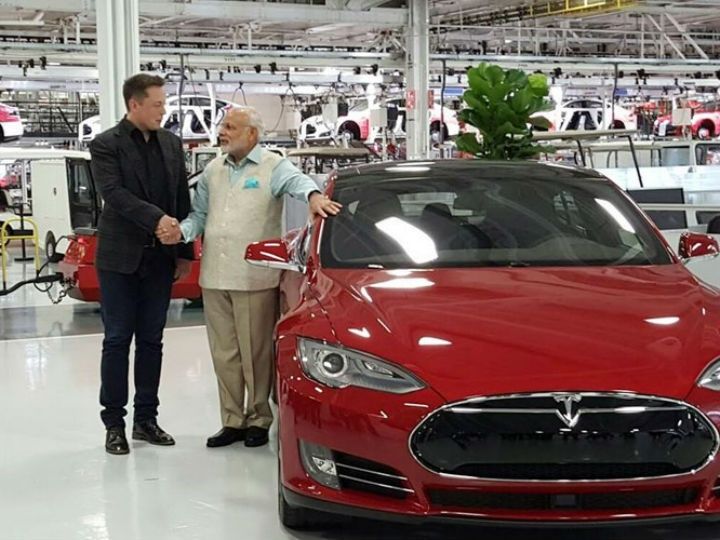
Tesla Inc. has made a significant move towards entering the Indian market, as evidenced by a surge in job openings across key locations like Mumbai and Delhi. The company is currently seeking to fill 13 roles, spanning customer-facing and back-end positions, marking a clear commitment to establishing a foothold in India’s growing electric vehicle sector.

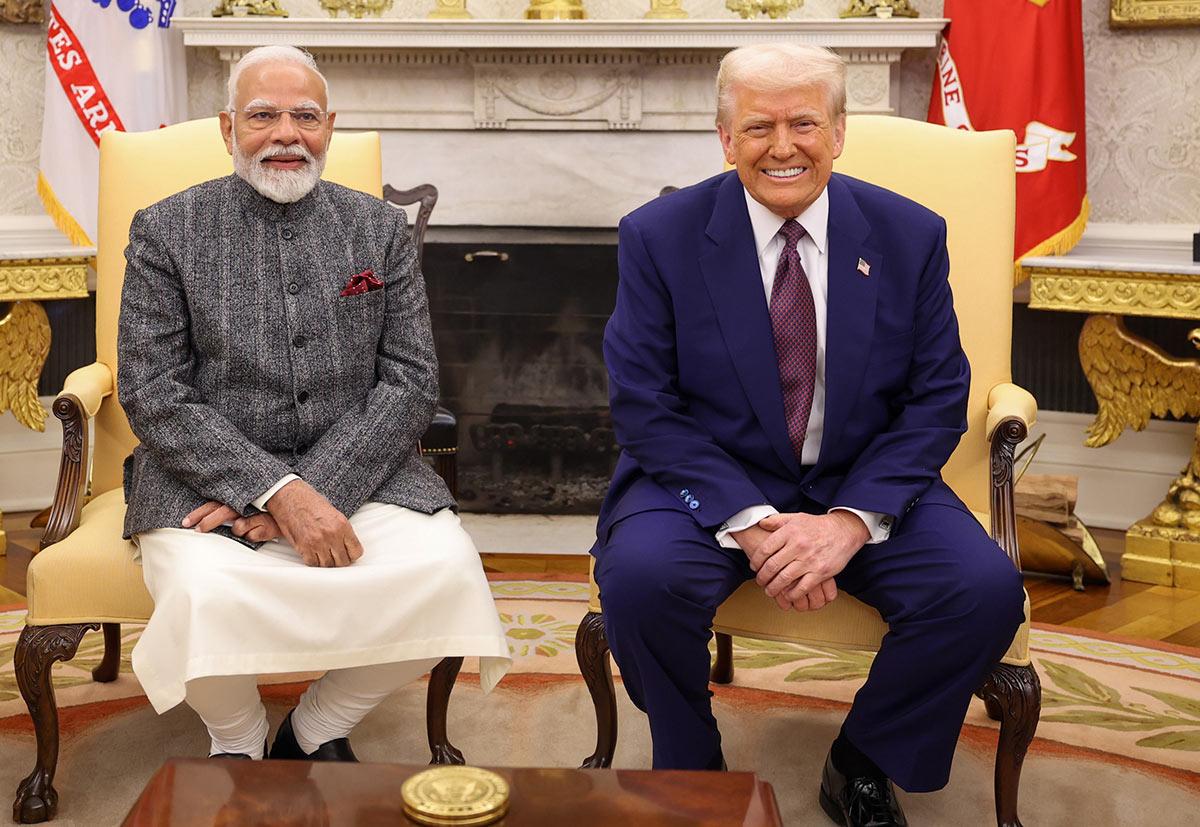
The announcement comes after Elon Musk’s high-profile meeting with Prime Minister Narendra Modi, a discussion that appears to have catalysed Tesla’s decision to pursue expansion in the region. The timing of this strategic move is especially relevant given the recent developments in India’s trade policies, with the government reducing import duties on luxury cars, a measure that could provide Tesla with a more favourable environment for operations.

India’s electric vehicle market, while still in its infancy compared to China’s, is poised for considerable growth. The country’s rapid urbanisation, increased government focus on sustainability, and rising interest in eco-friendly transportation solutions position it as a key player in the global EV landscape. Tesla, with its reputation for high-performance, premium EVs, stands to benefit from these trends.

Tesla’s recruitment efforts are seen as an indication of the company’s intention to tap into the vast potential of India’s automotive sector. The roles available span various areas, including technical support and operations, aimed at building the company’s infrastructure in the region. This is not the first time Tesla has shown interest in India; however, the recent policy changes have provided a more favourable environment for international companies looking to expand their operations.

Prime Minister Modi’s engagement with Elon Musk is likely to have been a pivotal factor in advancing Tesla’s plans for India. During the meeting, both parties discussed ways to enhance cooperation, particularly in sectors such as renewable energy and electric vehicles. Tesla’s entry into India aligns with the government’s push to reduce carbon emissions and transition towards sustainable energy solutions.

The reduction in import duties on luxury vehicles is a significant policy shift that could greatly benefit Tesla’s plans. Previously, India imposed high import duties on foreign-made vehicles, making it challenging for companies like Tesla to price their products competitively in the local market. The recent reduction, part of a broader effort to stimulate the EV sector, is seen as a move to attract global automakers. Tesla, which manufactures its vehicles primarily in the United States, is expected to benefit from these lower tariffs, potentially making its vehicles more affordable for Indian consumers.

India’s EV market, while smaller than China’s, is growing at a rapid pace. The country’s government has set ambitious targets for electric vehicle adoption, with a focus on reducing air pollution and decreasing dependence on imported oil. The Indian government has also introduced several incentives to promote the sale and manufacturing of electric vehicles, including subsidies for EV buyers and manufacturers, as well as tax exemptions for charging infrastructure.

Despite these encouraging trends, Tesla will face stiff competition in the Indian market. Homegrown automakers, such as Tata Motors and Mahindra & Mahindra, have already established themselves as key players in the EV sector, offering affordable electric cars that cater to Indian consumers’ needs. Additionally, the infrastructure for electric vehicles in India remains underdeveloped in many regions, with limited charging stations and a lack of widespread awareness among consumers about EV technology.

Nevertheless, Tesla’s brand recognition and technological expertise are expected to give it an edge in the Indian market. The company’s high-performance vehicles, coupled with its focus on sustainable energy solutions, could appeal to India’s growing middle and upper classes, who are increasingly concerned with environmental issues. Additionally, Tesla’s potential to create local manufacturing jobs and contribute to India’s green energy goals may help the company secure government support.

Tesla’s entry into India also signals the increasing importance of emerging markets in the global automotive industry. As more companies look to expand beyond their traditional markets in North America and Europe, countries like India and China are becoming central to the automotive industry’s future growth. India, with its large population, growing middle class, and rising environmental awareness, presents a significant opportunity for Tesla to expand its global footprint.

By Kunal Bose The world, much to its disappointment, is seeing the United States of America, which is the world largest economy and mightiest military power, rapidly embracing raw, unrestrained capitalism under the newly inaugurated second-term Presidency of Donald John Trump abandoning all traces of egalitarianism. Induction of Tesla chairman Elon Musk to head the […]

West Virginia’s healthcare industry is grappling with mounting workforce shortages, presenting ongoing challenges that are straining hospitals and healthcare providers across the state. Despite efforts to address the issue, the shortage of medical professionals continues to hinder service delivery, with significant implications for patient care and hospital operations.

Hospitals in West Virginia, particularly in rural areas, have reported increasing difficulties in attracting and retaining skilled workers, such as doctors, nurses, and other essential healthcare staff. These shortages have led to higher workloads for existing staff, longer wait times for patients, and concerns over the quality of care. The challenges have intensified in the wake of the COVID-19 pandemic, which exacerbated the already precarious state of the healthcare workforce.

The West Virginia Hospital Association has highlighted these persistent issues in a series of statements, emphasising the detrimental impact on healthcare services. The association’s president, whose remarks have resonated with both healthcare workers and policymakers, warned that without significant intervention, the situation could worsen, affecting the accessibility and standard of care in the state.

A primary concern is the rising demand for healthcare services, especially with an aging population. West Virginia has one of the oldest populations in the United States, and as more people reach retirement age, there is an increasing need for medical professionals to manage chronic conditions, provide long-term care, and address the complexities of aging health concerns. However, the supply of healthcare workers has failed to keep pace with this demand, leading to workforce imbalances that challenge the state’s healthcare infrastructure.

Another significant issue contributing to the workforce shortage is the growing number of healthcare professionals leaving the industry. Many nurses and doctors are opting for early retirement or leaving the profession due to burnout and stress, further compounding the problem. High levels of emotional and physical exhaustion, exacerbated by the pandemic, have led to job dissatisfaction among healthcare workers, making it difficult for healthcare facilities to retain their workforce.

Financial pressures have also played a role in the workforce shortage. Many healthcare organisations, particularly smaller and rural hospitals, have been unable to offer competitive salaries or benefits that can attract or retain highly skilled medical staff. As a result, healthcare workers are often lured to other regions or larger urban hospitals, where compensation and resources are more robust.

The state’s government has taken some steps to address these workforce challenges, including offering incentives for healthcare workers to stay in West Virginia or return to the state. Financial incentives, such as loan forgiveness programs and recruitment bonuses, have been introduced, but these measures have not yet led to significant improvements in the overall workforce numbers.

There have been efforts to expand medical training opportunities within the state. Educational institutions have been working to increase the number of graduates in fields like nursing, medicine, and allied health, in hopes of alleviating the shortage over time. However, experts argue that without immediate action to retain existing staff and improve working conditions, these long-term solutions may not have a sufficient impact in the short term.

Health experts have also pointed to the increasing reliance on technology as a potential solution to some of these workforce gaps. Telemedicine and digital health tools have been widely embraced during the pandemic, and their continued use could help mitigate the effects of workforce shortages by allowing healthcare providers to extend their reach and provide care in areas where staffing is limited. However, the success of this approach depends heavily on infrastructure and the ability to integrate these technologies effectively into the state’s healthcare system.

As West Virginia struggles with these workforce challenges, there are growing concerns that the state’s healthcare system may become unsustainable, particularly in its rural regions. These areas are particularly vulnerable, with fewer healthcare facilities and fewer resources available to deal with rising patient numbers. If the shortage of medical professionals is not addressed, these communities could face even greater difficulties in accessing the care they need.

For now, healthcare providers across the state are focusing on strategies to manage the existing workforce more effectively. Many hospitals are implementing measures to reduce staff burnout, such as offering flexible hours, improving work environments, and providing additional support for mental health. Some hospitals are also turning to innovative staffing solutions, including expanding the use of advanced practice providers, such as nurse practitioners and physician assistants, to fill gaps in care.

Despite these efforts, healthcare leaders remain cautious about the future. The workforce shortages are expected to persist unless more substantial reforms are introduced, including increased investments in the healthcare sector, better incentives for workers, and continued expansion of training programs. As the situation evolves, the state’s policymakers and healthcare administrators will need to work collaboratively to develop sustainable solutions that ensure quality care for all West Virginians.

KUALA LUMPUR, MALAYSIA – Media OutReach Newswire – 18 February 2025 – The global cryptocurrency market has seen unprecedented growth in the previous year, spearheaded by Bitcoin and Ethereum. Institutional participation was very important in driving prices higher, with Bitcoin reaching an all-time high above $100,000 in December 2024. With the spreading adoption of crypto assets, regulators have paid even more attention to the industry. Kar Yong […]

Cryptocurrency giant Tether has embarked on an ambitious venture beyond digital finance, investing $200 million to acquire a majority stake in Blackrock Neurotech, a leading brain-computer interface company. This strategic move, executed through Tether’s venture division, Tether Evo, signifies the company’s commitment to advancing neurotechnology and making it accessible to a broader audience.

Blackrock Neurotech, based in the United States, specializes in developing neural implants that enable direct communication between the human brain and computers. These devices have the potential to revolutionize the lives of individuals with neurological disorders by restoring motor functions and facilitating control over digital interfaces. Notably, Blackrock Neurotech has achieved significant milestones, including restoring speech for an ALS patient through a BCI implant, enabling communication at a rate of 62 words per minute.

Paolo Ardoino, Tether’s Chief Technology Officer, emphasized the importance of democratizing access to such transformative technologies. He stated that Tether is committed to developing BrainOS as an open-source platform, collaborating with universities worldwide to ensure the technology remains in the public domain. This approach aims to prevent monopolization by a few entities and promote widespread adoption and innovation in the BCI field.

The development of BrainOS is poised to position Tether as a significant player in the neurotechnology sector, directly competing with companies like Neuralink. Founded by Elon Musk, Neuralink has been at the forefront of BCI innovation, recently implanting its device in a third human patient. This patient, paralyzed from the neck down, has been able to control digital devices through thought, marking a significant advancement in the practical application of BCI technology.

Advertisements

Luxury hotel earns another prestigious accolade for its exceptional service and world-class facilities BANGKOK, THAILAND – Media OutReach Newswire – 17 February 2025 – Dusit Thani Kyoto, a luxury urban oasis operated by Dusit International, one of Thailand’s leading hotel and property development companies, has built on its recent One Michelin Key recognition by earning a 2025 Forbes Travel Guide Four-Star Award—further cementing its reputation as one […]

A fresh debate has erupted surrounding the United States’ vast gold reserves, with Tesla CEO Elon Musk’s latest initiative drawing significant attention. The billionaire entrepreneur’s venture into auditing the nation’s most famous gold vault, Fort Knox, has sparked a chain of reactions among US lawmakers, financial experts, and the general public. Musk’s involvement, via his cryptocurrency project D.O.G.E., has reignited long-standing questions about the transparency and true scale of the nation’s gold holdings.

The Fort Knox vault, located in Kentucky, has long been a symbol of American financial security. It is home to thousands of tonnes of gold, which are believed to be held as part of the US’ reserve assets. While the facility itself has been shrouded in mystery for decades, Musk’s recent remarks have breathed new life into theories that question the actual existence and accessibility of these gold reserves. His call for an independent audit using his company’s resources has added fuel to an ongoing fire, leading to broader scrutiny of the US government’s financial transparency.

At the centre of this new controversy is Musk’s claim that there are inconsistencies regarding the Fort Knox vault’s gold inventory. The entrepreneur’s involvement with cryptocurrency, particularly through D.O.G.E., has raised eyebrows due to the rapid growth and volatility of digital currencies. Musk, who has been known to influence markets with his statements, now aims to apply the same approach to the traditional gold market. By introducing D.O.G.E., a cryptocurrency linked to his ambitious tech empire, Musk is positioning the digital asset as a tool for conducting an audit of the US gold reserves.

US lawmakers have quickly joined the debate, with several key figures calling for a full audit of the nation’s gold holdings. Senator Joe Manchin, a senior figure in US politics, has been vocal about the need for transparency in the government’s financial affairs. He has expressed concern that the gold may not be where it is supposed to be or that the quantities may have been overstated. His remarks have sparked both support and criticism, with some arguing that the audit would help restore public trust in the US financial system, while others believe it could undermine faith in the nation’s economic stability.

The idea of auditing Fort Knox is not new. Over the years, various proposals to open the vaults for a comprehensive check have been raised, but none have gained significant traction. Some believe that the gold has been subject to changes in ownership or use, potentially as collateral for government loans or other financial arrangements. Musk’s recent comments, however, have added a new layer of intrigue, with his backing of a high-profile audit pushing the issue to the forefront once again.

Many experts view the current debate as part of a larger trend in which billionaires and tech moguls, such as Musk, use their influence to challenge established systems. These figures are increasingly venturing into areas traditionally dominated by governments and central banks, and their ability to sway public opinion has become more pronounced in recent years. By combining the potential of cryptocurrency with a highly publicised investigation into one of the US government’s most guarded assets, Musk is demonstrating the growing convergence of traditional finance and emerging technologies.

The issue of transparency surrounding Fort Knox also taps into wider concerns about the US economy. The country’s debt continues to rise, and there are growing calls for a revaluation of the assets held by the Federal Reserve. Gold has long been seen as a hedge against inflation and economic uncertainty, and questions about its true volume in government hands have led to speculation about the US’ ability to back its currency with tangible assets. Critics of the current system argue that a more accurate and transparent audit of the gold reserves could shed light on the government’s financial health and provide clearer insight into the US dollar’s future stability.

Adding further complexity to the situation is the role of cryptocurrency in this conversation. Musk, through his involvement with D.O.G.E., has embraced digital currencies as a powerful financial tool. Cryptocurrency’s decentralised nature contrasts sharply with the traditional and highly centralised nature of national gold reserves. By advocating for an independent audit using his crypto project, Musk is signalling a challenge to the long-standing dominance of traditional financial systems, proposing that digital currencies could offer a more transparent, equitable method of handling government assets.

Financial analysts have mixed opinions on whether Musk’s proposed audit will succeed. On one hand, the billionaire’s reputation for challenging norms has earned him a dedicated following, particularly among younger investors and cryptocurrency enthusiasts. His involvement with D.O.G.E., which has grown rapidly in value, has brought significant media attention to the project, and some believe this could give it the momentum needed to gain government approval for the audit. On the other hand, critics argue that such a move could lead to unforeseen consequences for both the US economy and the global financial landscape.

The debate is also gaining traction among gold industry leaders, some of whom argue that Musk’s initiative could be disruptive. They contend that an audit of Fort Knox could create market volatility, particularly for the gold markets, which are already subject to fluctuations based on geopolitical events and investor sentiment. These concerns highlight the complexity of aligning digital and traditional financial systems, especially when such powerful figures enter the fray.

French energy giant EDF has entered a strategic partnership with TAQA Group, a Saudi-based energy company, to push forward innovations in geothermal energy technology. The deal, which also includes power generation and HVAC applications as well as compressed air energy storage, was formalised during the third PIF Private Sector Forum at the King Abdul Aziz International Conference Centre in Riyadh, Saudi Arabia. Omar Aldaweesh, CEO of EDF […]

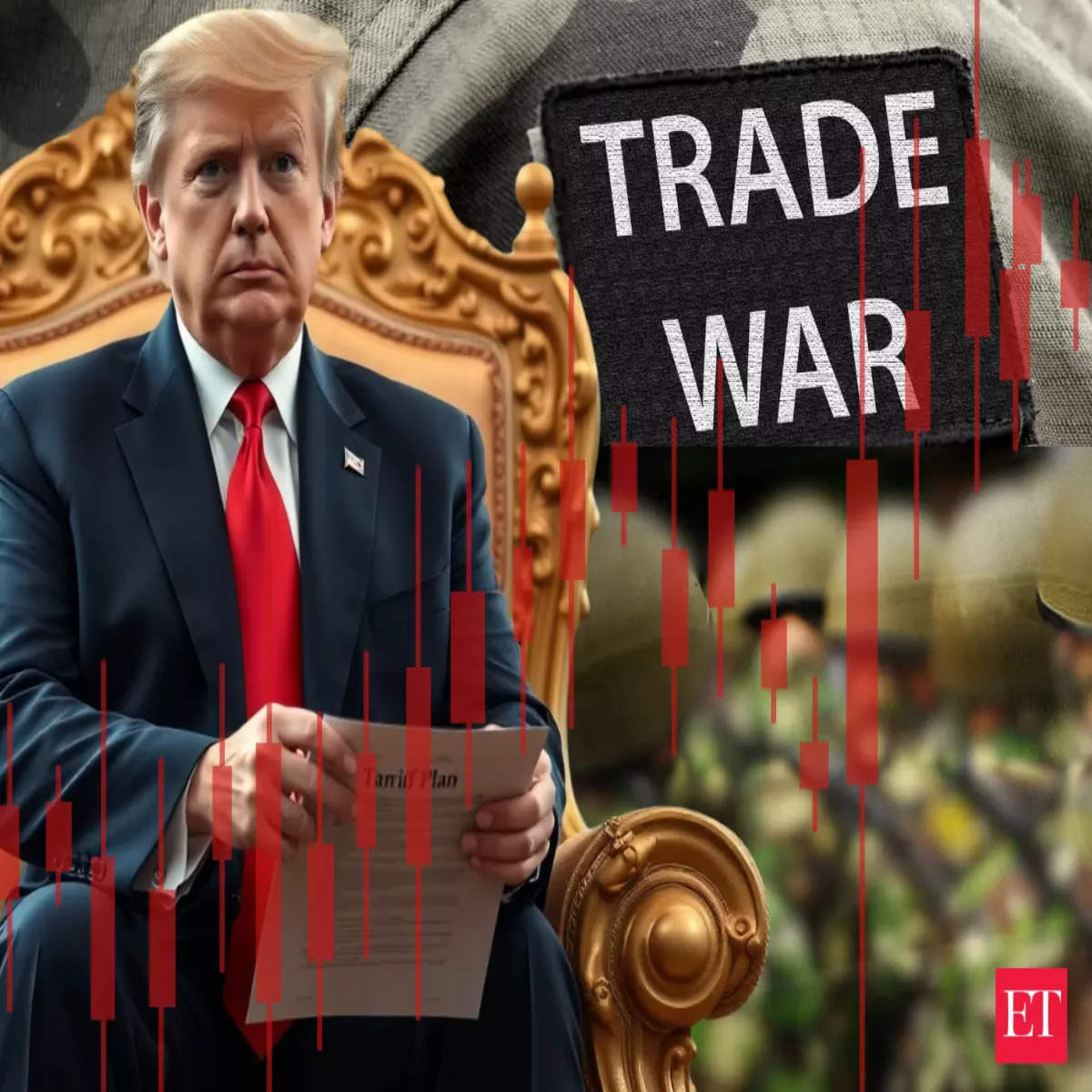
A looming tariff threat from the United States is casting a shadow over multiple sectors in India, including automobiles, textiles, and footwear, with analysts warning that potential hikes in import duties could disrupt trade and economic growth. This growing concern comes amid rising trade tensions between the two countries, which have led to a heightened focus on the viability of Indian exports in the face of stricter US trade policies.

The US administration has indicated that it might impose higher tariffs on goods from India, a move that could significantly affect industries critical to the Indian economy. With the US being one of India’s largest trading partners, the prospect of tariffs on goods such as cars, clothing, and shoes is troubling for manufacturers and exporters alike. According to recent reports, India’s automotive and textile sectors have been identified as particularly vulnerable due to their significant export volumes to the US market.

The automotive sector, which includes both luxury cars and compact vehicles, stands to lose billions of dollars in export revenue should tariffs increase. India is home to several global automotive manufacturers, including Maruti Suzuki, Tata Motors, and Mahindra & Mahindra, which export a substantial number of vehicles to the US. A tariff hike could render these products less competitive, pushing US-based consumers towards locally manufactured or cheaper imported alternatives from other countries. In 2023, India exported nearly $2 billion worth of cars to the US, a figure that could shrink under new tariffs.

Similarly, the textiles industry, another key player in India’s export economy, faces a turbulent future if tariffs are raised. India is the world’s second-largest producer of textiles, with a significant portion of its products headed to the US market. The US is a vital customer for Indian textiles, including apparel, fabrics, and home furnishings. Analysts argue that any increase in tariffs could lead to a decline in demand, as US buyers might seek more affordable alternatives from other suppliers, particularly from countries that currently benefit from lower trade barriers.

The footwear sector is also at risk, with India exporting a wide range of footwear items to the US. Footwear exports have been a growing part of India’s manufacturing output, with the US accounting for a major portion of this trade. A tariff increase could significantly affect manufacturers, especially small and medium enterprises , which depend heavily on the US market for revenue. These companies may struggle to absorb the additional costs imposed by tariffs, leading to potential price hikes or a reduction in exports.

The looming tariff threat is not just about trade barriers; it also reflects broader geopolitical concerns. Trade relations between the US and India have been increasingly strained due to disagreements over various trade practices, including market access, intellectual property rights, and agricultural policies. The US has expressed dissatisfaction with India’s protectionist policies, and this discontent has translated into the threat of tariffs. However, the issue is not only about trade; it also touches on political relations, with both countries vying for greater economic influence in the region.

Trade experts suggest that India could be facing a period of heightened vulnerability, especially as the US underlines its “America First” policy, prioritising domestic industries and reducing reliance on imports. While India has sought to diversify its trade partnerships and strengthen ties with other countries, including the European Union and Japan, the US remains a key economic player. This makes the potential for increased tariffs particularly damaging for India, especially in light of its ambition to boost exports and achieve a higher growth trajectory.

In response to the threat of higher tariffs, the Indian government has ramped up efforts to protect its domestic industries by exploring alternative markets and seeking to negotiate more favourable trade terms with the US. The government has also engaged in diplomatic efforts to reduce trade tensions, hoping to find common ground on issues that could benefit both nations. However, some experts are sceptical about the immediate impact of these negotiations, given the political climate and the US’s growing tendency to assert its economic interests.

The potential consequences of these tariffs extend beyond individual industries. Analysts caution that a tariff hike could lead to inflationary pressures within India, as businesses may pass on the additional costs to consumers. This, in turn, could affect consumer spending and dampen overall economic activity. Moreover, sectors like automotive manufacturing and textiles are major sources of employment, and any disruption in these industries could result in significant job losses, further straining India’s labour market.

For now, industry stakeholders are watching closely as developments unfold. The automotive sector is exploring strategies to mitigate the impact of potential tariffs, including shifting production to other countries or adjusting product lines to cater to the changing demands of US consumers. Similarly, the textiles industry is focusing on increasing its competitive edge by diversifying its offerings and tapping into non-US markets. However, these measures may not be enough to offset the damage caused by a sharp rise in tariffs, which could push both sectors to reconsider their overall export strategies.

GCC countries continue to assert their dominance in global energy markets, securing top rankings across key indicators such as crude oil production, reserves, and natural gas resources. According to the latest figures from the Statistical Centre for the Cooperation Council for the Arab Countries of the Gulf , the region remains the leading force in crude oil production and holds vast reserves of both crude oil and natural gas.

The GCC nations, collectively producing approximately 17 million barrels per day of crude oil in 2023, account for an impressive 23.2% of the world’s total crude oil output. Despite facing a 6.8% reduction in production compared to 2022, the GCC still maintains its status as the world’s top producer. The drop in output reflects broader market dynamics, including fluctuating global demand and OPEC’s collective production targets.

The region’s extensive crude oil reserves continue to fuel its position as a key player in global energy, with the GCC countries holding the largest share of these resources. The capacity to produce such vast quantities of oil underpins the economic stability of the member states, whose economies are heavily reliant on oil and gas exports.

In addition to crude oil, the GCC also leads in natural gas reserves, further solidifying its status as a critical energy hub. The region ranks second globally in natural gas exports, with its abundant reserves ensuring a continued supply to major global consumers. The GCC’s gas infrastructure, supported by investments in extraction and export facilities, plays a pivotal role in meeting the growing demand for cleaner energy alternatives.

The latest rankings also highlight the region’s strength in marketed natural gas production, where the GCC countries are positioned third worldwide. This places the Gulf nations among the most significant producers of natural gas, behind only the United States and Russia. As global energy consumption increasingly shifts towards natural gas due to its lower carbon footprint compared to coal and oil, the GCC’s growing role as a supplier of this resource is becoming ever more vital.

The United Arab Emirates is set to engage in high-level discussions with the European Union to bolster international efforts against money laundering and financial crimes. Hamid Al Zaabi, Secretary General and Vice Chairman of the UAE National Anti-Money Laundering and Combatting Financing of Terrorism and Financing of Illegal Organisations Committee, announced the upcoming talks, emphasizing the UAE’s dedication to global financial stability.

Al Zaabi highlighted the necessity of international collaboration, noting that the UAE has already initiated dialogues with the United States and France to develop a comprehensive strategy addressing financial crimes, including those related to narcotics and fraud. He stated, “Through comprehensive preventive measures, the UAE continues to foster a stable and secure economic environment for all.”

This initiative follows the seventh EU-UAE Structural Dialogue on Anti-Money Laundering and Countering the Financing of Terrorism , held in Abu Dhabi in November 2024. The meeting underscored the commitment of both parties to combat financial crimes and enhance international cooperation. Discussions focused on current global trends and challenges in AML/CFT, with both sides expressing a shared determination to strengthen collaborative measures.

The EU emphasized the importance of law enforcement and judicial cooperation between the UAE, EU member states, and relevant EU bodies. The dialogue was co-chaired by representatives from the UAE Ministry of Foreign Affairs, the European External Action Service , the EU Delegation to the UAE, and the European Commission. Plans were made to convene the next round of discussions in Brussels in early 2025.

In addition to these dialogues, the UAE hosted a seminar titled “European Union Sanctions and Enhancing Cooperation to Strengthen Sanction Effectiveness” in Abu Dhabi. The event provided a comprehensive overview of EU sanctions frameworks and explored avenues for enhanced cooperation to ensure the efficacy of sanctions. Attendees included representatives from various UAE public sector entities, reflecting the nation’s commitment to aligning with international standards and practices in financial regulation.

The UAE’s proactive stance is further evidenced by its hosting of the 2024 Asia/Pacific Group on Money Laundering Annual Meeting and Technical Assistance and Training Forum. The event, attended by over 400 delegates from the Asia-Pacific region, served as a platform to coordinate anti-money laundering and counter-terrorism financing technical assistance. The forum welcomed new Development Assistance Partners, including the EU AML/CFT Global Facility, Germany’s Global Program Combating Illicit Financial Flows , and Luxembourg’s Institute for Legal Support and Technical Assistance .

These efforts are part of a broader strategy by the UAE to enhance its financial regulatory framework and international cooperation. In November 2024, the UAE and Sweden signed bilateral agreements on mutual legal assistance in criminal matters and extradition, aiming to strengthen collaboration in combating organized crime. Sweden’s Minister for Justice, Gunnar Strömmer, emphasized that these agreements would reduce criminals’ ability to operate within both countries.

The UAE’s commitment to combating financial crimes is also evident in its recent actions against international criminal networks. The country has been instrumental in targeting the Kinahan cartel, a notorious organized crime group involved in drug trafficking and money laundering. In late 2024, Ireland signed an extradition treaty with the UAE, facilitating the prosecution of cartel members residing in Dubai. This development followed the arrest of Sean McGovern, a key figure in the Kinahan cartel, in Dubai. The treaty represents a significant step in international efforts to dismantle such criminal organizations.

French authorities have been investigating investments by Marseille-based drug dealers in Dubai’s real estate market. Luxurious skyscrapers, such as “Act One” and “Act Two,” have become focal points in judicial investigations into money laundering activities. French drug traffickers are suspected of channeling illicit funds into these properties, highlighting the UAE’s ongoing challenges in preventing financial crimes. The UAE’s collaboration with international partners is crucial in addressing these complex transnational issues.

Chinese state-sponsored hacking group Salt Typhoon has intensified its cyber-espionage activities, targeting telecommunications providers worldwide by exploiting known vulnerabilities in Cisco network devices. Despite previous exposure and sanctions, the group continues to infiltrate critical infrastructure, compromising sensitive communications data. Between December 2024 and January 2025, Salt Typhoon successfully breached at least five telecommunications networks, including two based in the United States. Other affected entities include a U.S.-based […]

The Trump administration has directed the Department of Homeland Security to terminate all climate-related activities, effectively removing climate considerations from the agency responsible for managing disaster responses across the United States. This directive, issued through an internal memo, signifies a substantial shift in federal disaster preparedness and response strategies. The memo, disseminated to DHS leadership, mandates the cessation of programs and initiatives that address climate change impacts, […]

As 2025 unfolds, entrepreneurs are strategically positioning themselves to harness emerging trends across various sectors. Key areas such as artificial intelligence , sustainability, and remote work are at the forefront, offering a plethora of innovative business opportunities. The AI industry is witnessing significant advancements, with startups like Figure AI leading the charge. The company is reportedly in discussions to secure $1.5 billion in new funding, potentially elevating […]

By K Raveendran The Indo-US joint declaration presents a striking imbalance, appearing more as a dictated statement than a mutually crafted agreement. The document is overwhelmingly skewed in favour of the United States, particularly in the domain of defence procurement, where it reads less like a diplomatic understanding and more like a sales pitch for […]

A federal judge in Washington, D.C., has approved a 60-day halt to the U.S. Securities and Exchange Commission’s civil lawsuit against Binance, the world’s largest cryptocurrency exchange. This decision follows a joint motion by both parties, aiming to allow time for the SEC’s newly established crypto task force to potentially influence the case’s resolution.

The lawsuit, initiated by the SEC in June 2023, accuses Binance and its founder, Changpeng Zhao, of multiple violations, including artificially inflating trading volumes, diverting customer funds, and misleading investors about regulatory oversight. These allegations have been a significant point of contention between the regulatory body and the crypto exchange.

The recent establishment of the SEC’s crypto task force, led by Commissioner Hester Peirce, known for her supportive stance on digital assets, signifies a potential shift in the agency’s approach to cryptocurrency regulation. This development comes under the administration of President Donald Trump, who has expressed intentions to position the United States as a global hub for the crypto industry. The nomination of Paul Atkins, a pro-crypto attorney, as the new SEC chair further underscores this directional change, although his confirmation by Congress is still pending.

In their joint motion, the SEC and Binance highlighted that the task force’s work “may impact and facilitate the potential resolution of this case.” They proposed to submit a joint status report at the end of the 60-day period to inform the court about the case’s status and the necessity of extending the stay.

This pause in legal proceedings reflects a broader trend within the SEC, as the agency reassesses its regulatory framework concerning digital assets. Under the previous leadership of Gary Gensler, the SEC adopted a stringent stance towards cryptocurrency platforms, leading to multiple lawsuits and enforcement actions. The current shift suggests a more collaborative approach, aiming to develop clear guidelines that balance investor protection with industry innovation.

Binance has welcomed this development, reiterating its commitment to compliance and regulation. A spokesperson for the company stated, “The SEC’s case has always been without merit, and we are eager to put this behind us and to continue our focus on keeping Binance the most secure, licensed, and trusted exchange in the world.”

Cullman High School seniors Nora Sheffield and Elianna Hollis have been distinguished as National Merit Finalists, a prestigious recognition awarded to high-achieving students across the United States. This accolade underscores their exceptional academic performance and dedication.

The National Merit Scholarship Program annually identifies and honors students who demonstrate outstanding academic abilities. Out of approximately 1.3 million entrants, only about 15,000 advance to the Finalist stage, representing less than 1% of U.S. high school seniors. These students are now eligible for various National Merit Scholarships, which will be awarded based on their abilities, skills, and accomplishments.

Principal Allison Tuggle of Cullman High School expressed immense pride in Sheffield and Hollis’s achievements. “This incredible achievement is a testament to their hard work, dedication, and academic excellence,” Tuggle stated. “Reaching this level of distinction is no small feat, and it reflects not only their academic prowess but also their commitment to personal growth and excellence.”

The journey to becoming a National Merit Finalist begins with the Preliminary SAT/National Merit Scholarship Qualifying Test , which serves as an initial screening for program entrants. Students who score in the top percentile are designated as Semifinalists and must then fulfill several requirements to advance to the Finalist stage. These include maintaining an outstanding academic record, securing a recommendation from a school official, writing a personal essay, and achieving SAT or ACT scores that confirm their earlier performance.

In addition to Sheffield and Hollis, St. Bernard Preparatory School’s senior Willa Smith has also been named a National Merit Finalist. Headmaster Phuong Nguyen announced Smith’s accomplishment during a gathering in the school’s dining hall, highlighting the significance of her achievement. “Out of 3.6 million students who took the PSAT/NMSQT, Willa is among the 15,000 students nationwide who have advanced to Finalist standing,” Nguyen remarked. “This distinction not only recognizes her exceptional academic ability but also qualifies her for National Merit Scholarship opportunities.”

Smith’s peers, faculty, and family celebrated her success with a congratulatory event, acknowledging her hard work and dedication. She plans to attend the University of Alabama in Tuscaloosa, aiming to further her education and pursue her academic interests.

The National Merit Scholarship Corporation is a not-for-profit organization established in 1955 to conduct the National Merit Scholarship Program. Its mission is to recognize and honor academically talented students and to encourage the pursuit of academic excellence at all levels of education. Each year, the NMSC awards approximately 7,500 National Merit Scholarships, worth more than $30 million, to deserving students.

The recognition of Sheffield, Hollis, and Smith as National Merit Finalists brings pride not only to their respective schools but also to the broader Cullman community. Their achievements serve as an inspiration to fellow students, exemplifying the rewards of dedication, hard work, and a commitment to academic excellence.

As these students advance in the National Merit Scholarship competition, they embody the values of perseverance and intellectual curiosity. Their successes reflect the supportive educational environments fostered by Cullman High School and St. Bernard Preparatory School, institutions committed to nurturing the potential of their students.

The National Merit Scholarship winners are slated to be announced between April and July 2025. These scholarships are awarded based on a comprehensive evaluation of the Finalists’ academic records, the rigor of the courses taken, leadership roles, contributions to school and community activities, and other significant accomplishments.

Brazil is set to host the BRICS leaders’ summit in Rio de Janeiro on 6th and 7th July 2025, as announced by Foreign Minister Mauro Vieira. This gathering will bring together heads of state from Brazil, Russia, India, China, South Africa, and other partner nations, marking a significant event in international diplomacy. Assuming the rotating presidency of BRICS on 1st January 2025, Brazil has been actively preparing […]

Samsung has initiated the rollout of the first software update for its Galaxy S25 series, targeting T-Mobile users in the United States. This update introduces seamless background installations, significantly reducing device downtime during the update process. The update, approximately 585 MB in size, also includes the February 2025 security patch, addressing over 40 vulnerabilities. Additionally, it resolves issues such as image banding in low-light photography and enhances […]

Elon Musk’s Department of Government Efficiency has commenced significant layoffs within the U.S. federal workforce, issuing termination notices to over a dozen employees at the U.S. Digital Service . This action aligns with President Donald Trump’s directive to streamline government operations and reduce expenditures. The layoffs have sparked nationwide protests, with demonstrators targeting Tesla showrooms to express their dissent against Musk’s cost-cutting measures and perceived influence over […]

Exotel, a prominent cloud-based customer engagement platform, has entered into a strategic partnership with Knowmax, an AI-driven knowledge management provider, aiming to revolutionize customer experience operations. This collaboration seeks to enhance query resolution efficiency and bolster agent productivity by integrating Exotel’s communication solutions with Knowmax’s intelligent knowledge management system. The alliance is poised to offer enterprises seamless access to actionable insights, thereby optimizing customer interactions across various […]

Saudi Arabia has solidified its position among the world’s top ten battery energy storage markets, marked by the commissioning of the 500 MW/2,000 MWh Bisha Battery Energy Storage System in the southwestern province of ‘Asir. This facility stands as one of the largest energy storage projects in the Middle East and Africa. The Bisha BESS, owned by Saudi Electric Company , comprises 122 prefabricated storage units designed […]

VISHNU RAJA
RYO YAMADA
HITORI GOTOH
IKUYO KITA