Just in:
Danone expands consumer insight capabilities to accelerate nutrition innovation through Southeast Asia R&I Application Lab upgrade // Ukraine faces $32.6 billion financing gap amid legislative delays // Dubai airport passenger traffic drops 28.1% amid conflict // Regulator demands answers on controversial power deal // Broermann Medical Innovation Award 2026: Three Pioneers of Modern Obesity and Diabetes Therapies Honored // First Abu Dhabi Bank proposes AED15 billion share sale // EU levies definitive duties on five steel suppliers // Ayara Kamala Reveals a Refreshed Vision for Wellness in Phuket // Mangroves Documentary Premieres, Exploring How Cities and Wetlands Coexist // Microsoft restores cloud services after gateway software failure // Mangroves Documentary Premieres, Exploring How Cities and Wetlands Coexist // Bora Group 3Q26: Revenue and Net Income Expansion Continues U.S. Manufacturing and Biologics Footprint Complete; Margin Expansion to Follow as Utilization Improves // Mangroves Documentary Premieres, Exploring How Cities and Wetlands Coexist // Bankrupt Indian Business Barons Mostly Live Life King-Size // Galaxy Resort Presents: “Plácido Domingo & José Carreras: The Legends United Opera Gala” // Fraudsters register brand lookalikes within a day // Govt offers talks to protesting teachers after CM signal // Mexican journalists demand accountability after Acapulco reporter killed // Row over Sabarimala toilet disruption // JPMorgan restores transactions after banking payments disruption //

News related to
cyberattack

A significant surge in data breaches attributed to artificial intelligence has emerged as a pressing concern for cybersecurity leaders across the Asia-Pacific region, according to a comprehensive survey by Cloudflare. The study highlights that a staggering 87% of cybersecurity professionals view AI as a factor contributing to the increasing sophistication of cyberattacks, raising alarms about the evolving landscape of digital threats. The survey results underscore a growing […]

The expansion of smart cars is introducing a range of privacy and cybersecurity challenges that demand immediate attention. With vehicles evolving into data-collecting machines, privacy experts and regulators are sounding alarms about the vast amount of personal data being harvested. As modern cars are now equipped with sensors, cameras, and GPS systems, they gather data about drivers’ locations, driving habits, and even contacts stored in smartphones. This trend is raising significant concerns about who controls this data and how it is being used.

Automakers, eager to enhance the driving experience, have equipped their latest models with state-of-the-art connectivity features, from Wi-Fi to cloud services, making these vehicles resemble smartphones on wheels. However, the rise of connected cars has simultaneously led to an increase in the collection and monetization of personal information. Companies are gathering sensitive data through multiple channels, including onboard systems that monitor everything from driving behavior to entertainment preferences. What happens to this data, where it is stored, and how it is shared are questions that car owners are increasingly asking.

Privacy advocates have raised alarms about the potential risks posed by these vehicles. Smart cars can track driver behavior, record routes, and even monitor interactions with third-party services, creating a detailed profile of individual users. The data being collected is staggering, with some estimates suggesting that the average car could generate over a terabyte of data annually. Automakers have started to capitalize on this data, using it to optimize services, and in some cases, sharing it with third parties for targeted marketing and other purposes. However, transparency about what data is collected and how it is used remains limited, creating a troubling scenario for users who are often unaware of the extent of the data being harvested.

Regulatory frameworks are lagging behind technological advancements, leaving a regulatory vacuum in many parts of the world. China has made strides in addressing these concerns by tightening rules around data collection from connected vehicles. Meanwhile, other major markets, including the United States and Europe, have yet to introduce comprehensive regulations governing how carmakers handle user data. In the absence of robust laws, automakers have relied on vague privacy policies, which often lack clarity on what data is being shared and with whom.

The push for regulatory oversight is intensifying, with cybersecurity experts warning of the growing vulnerability of smart cars to hacking and cyberattacks. Hackers could potentially exploit weak points in a car’s digital systems to access personal data or even take control of the vehicle. As smart cars become more autonomous and connected, the risk of malicious attacks increases, prompting calls for automakers to bolster their cybersecurity measures and increase transparency around data usage.

At the heart of this debate is the question of consumer consent. Many car owners are unaware of the extent to which their vehicles collect data, and even when privacy policies are available, they are often filled with legal jargon that makes it difficult for users to understand what they are agreeing to. Automakers have generally not been proactive in educating consumers about their data rights, and the onus often falls on users to navigate complex policies and settings to protect their information.

Despite these concerns, some automakers have started to take steps toward greater transparency. For example, certain manufacturers have implemented clearer policies regarding the sharing of personal data, pledging not to sell data to third-party advertisers or resellers without explicit consent. These moves, however, are the exception rather than the rule, and much more needs to be done to ensure that consumers are fully informed and protected in the age of smart cars.

A U.S. judge has ruled that the criminal case against Roman Storm, one of the key developers behind Tornado Cash, will proceed to trial on December 2. Storm, a notable figure in the cryptocurrency space, faces up to 45 years in prison if convicted on charges of conspiracy to commit money laundering and violating U.S. sanctions. His trial, which has drawn significant attention from the blockchain community, will be a crucial moment for the broader discussion surrounding decentralized finance (DeFi) and privacy tools within the cryptocurrency ecosystem.

The decision to move forward with the trial comes as part of a larger crackdown on Tornado Cash, a popular cryptocurrency mixing service that the U.S. government alleges was used to facilitate the laundering of illicit funds, including proceeds from hacking and other cybercriminal activities. Tornado Cash enables users to obscure the origin and destination of cryptocurrency transactions, making it difficult for regulators to track the flow of funds.

Storm, alongside other developers involved with Tornado Cash, was arrested in August 2023 after being accused of aiding cybercriminals, including the North Korean hacking group Lazarus. The group has been responsible for several high-profile cyberattacks and is believed to have laundered millions of dollars in stolen cryptocurrencies through Tornado Cash. The U.S. Treasury Department has sanctioned Tornado Cash, citing its role in enabling criminal activities and undermining national security.

The charges against Storm include conspiring to commit money laundering and violating the International Emergency Economic Powers Act (IEEPA), a law that grants the U.S. government broad powers to impose sanctions in response to national security threats. Prosecutors argue that Storm knowingly aided in the development and promotion of Tornado Cash, fully aware of its potential use by malicious actors.

Storm’s legal team, however, is contesting these allegations, claiming that Tornado Cash is a decentralized platform that cannot be held accountable for how individuals use the service. They argue that Storm had no direct involvement in criminal activities and that the platform was designed to enhance privacy, a fundamental principle of blockchain technology. Privacy advocates in the crypto industry have also rallied behind Storm, warning that the case could set a precedent for how developers of open-source software are treated by law enforcement.

The case has sparked a heated debate within the cryptocurrency community over the balance between privacy and compliance with government regulations. While blockchain technology was initially praised for its transparency, tools like Tornado Cash complicate regulatory oversight. Cryptocurrency mixers, which combine multiple transactions to obscure the trail of funds, have long been a controversial issue in the crypto space. Proponents argue that they are essential for protecting user privacy, particularly in a financial system where transaction data can be easily traced. However, regulators have increasingly focused on their potential misuse by criminals, terrorists, and sanctioned entities.

Tornado Cash, in particular, has been a focal point for regulators as they step up enforcement actions against entities operating in the DeFi space. According to the U.S. government, Tornado Cash has been linked to billions of dollars in illicit transactions, a claim that has intensified scrutiny on the platform and its developers.

In Storm’s defense, many in the industry highlight the decentralized nature of the platform, which operates without a central authority controlling its operations. Supporters argue that this makes it difficult, if not impossible, to hold individual developers accountable for how users interact with the platform. However, critics of this defense point to the fact that Tornado Cash’s smart contracts were developed and maintained by a team of engineers, implying that they had a responsibility to ensure compliance with legal frameworks.

The outcome of Storm’s trial is likely to have broader implications for the crypto industry, particularly in the development of privacy tools and the role of developers in ensuring regulatory compliance. Industry experts warn that if Storm is found guilty, it could deter innovation in the DeFi space and lead to increased pressure on developers to incorporate anti-money laundering (AML) and know-your-customer (KYC) protocols into their platforms.

Storm’s co-developer, Alexey Pertsev, also faces similar charges in the Netherlands. The case against Pertsev, who was arrested in August 2023, has attracted widespread criticism from the global crypto community, with many arguing that the arrest of developers for creating open-source software sets a dangerous precedent. Pertsev’s trial is scheduled to begin early next year, adding to the growing tension between privacy advocates and regulators.

As the trial date approaches, the case against Storm continues to draw attention from legal experts, industry insiders, and privacy advocates alike. The case highlights the delicate balancing act between technological innovation and the need for regulatory oversight in a rapidly evolving financial landscape. The legal battle over Tornado Cash is seen as part of a broader struggle over how to regulate the decentralized world of cryptocurrency without stifling innovation.

A significant data breach has come to light involving Star Health and Allied Insurance Co., one of India’s leading health insurance providers. The breach reportedly involves the unauthorized access and dissemination of sensitive customer data through Telegram chatbots, raising serious concerns about cybersecurity measures in the insurance sector. The incident was first reported by cybersecurity experts who detected unusual activity linked to the company’s data infrastructure. This […]

Cybersecurity research reveals a staggering 70% increase in Distributed Denial of Service (DDoS) attacks across Gulf countries since the beginning of the year. The escalation highlights a troubling trend, with the UAE and Saudi Arabia being the primary targets. The UAE faces 40% of the region’s total DDoS incidents, while Saudi Arabia encounters 26%, indicating a concentrated focus of cybercriminal activities on the region’s most significant economies. […]

Sparkle, Italy’s premier international telecommunications provider, has joined forces with Nexim Global, an Italo-American telecom firm, to enhance global internet connectivity and cybersecurity services. This partnership, announced during the IBC2024 conference, aims to offer a comprehensive suite of internet protocol (IP) services and distributed denial-of-service (DDoS) protection to clients worldwide. The collaboration between Sparkle and Nexim Global is set to significantly impact the telecommunications landscape, integrating Sparkle’s […]

NL-ix and Nokia have launched a significant upgrade to their network security, introducing Nokia’s Deepfield Defender to combat distributed denial-of-service (DDoS) attacks. This deployment, one of the largest of its kind in Europe, aims to bolster the resilience of NL-ix’s internet exchange infrastructure. The collaboration focuses on deploying Nokia’s advanced Deepfield Defender, a system designed to identify and neutralize DDoS threats in real-time. The solution enhances NL-ix’s […]

Advertisements

In an increasingly digital world, online security and privacy have become paramount, especially in regions like the Middle East, where business, politics, and technology are booming. As more individuals and companies in the UAE and surrounding countries embrace digital tools, the demand for secure internet access has risen sharply. One solution that has gained popularity is the use of a free VPN (Virtual Private Network), offering users […]

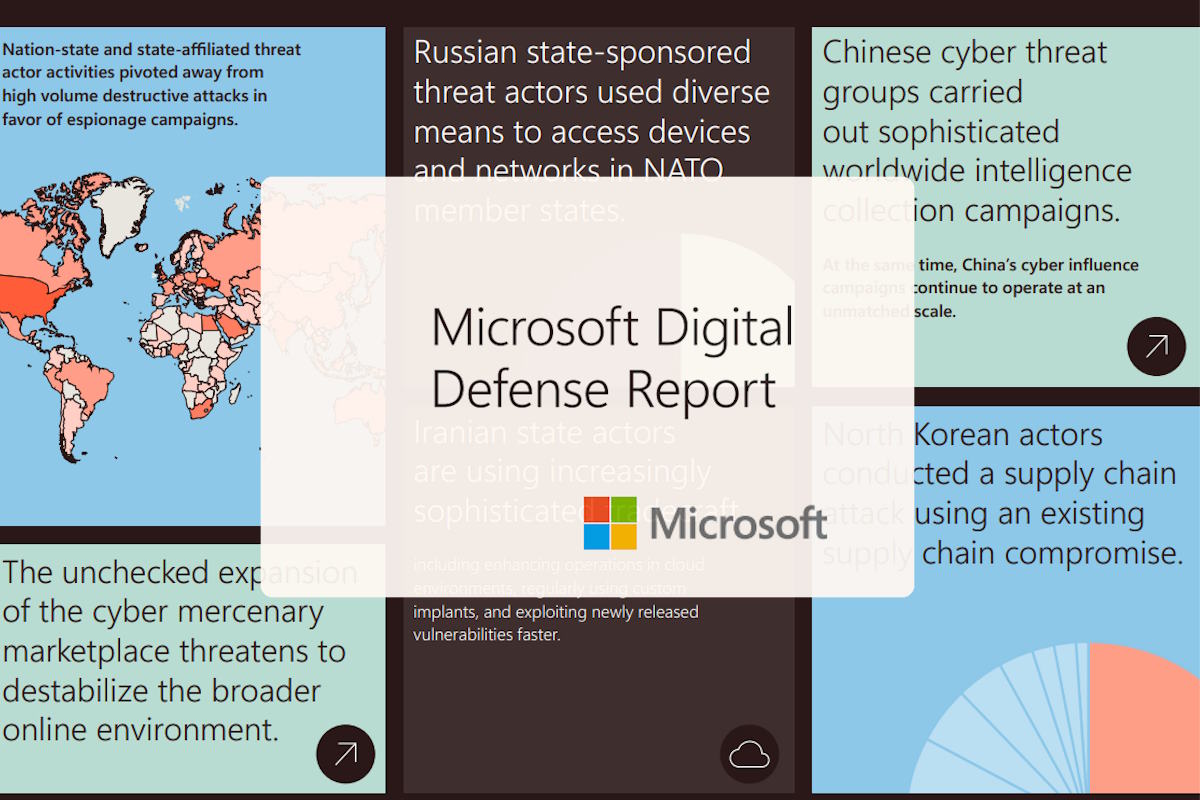
Microsoft’s ambitious leap into the world of generative AI with its Copilot tool has garnered widespread attention. Positioned as an AI-powered assistant integrated into nearly all Microsoft 365 services, Copilot promises to revolutionize the way businesses operate. The company is marketing Copilot as a game-changer, boosting productivity and potentially transforming enterprise workflows. Its integration into Microsoft’s suite of products suggests a long-term commitment to AI-powered solutions. However, as Copilot’s adoption accelerates, security concerns are casting a shadow over its potential. Industry analysts and cybersecurity experts are sounding the alarm about the security vulnerabilities this generative AI assistant may introduce, especially when utilized alongside Microsoft 365.

For Microsoft, Copilot has already proven to be a substantial revenue driver. Reports of a 60% surge in sales within a single quarter show that enterprises are interested in leveraging its capabilities. The tool’s rapid expansion into organizations of all sizes highlights the growing demand for AI-driven solutions in enhancing productivity. According to Microsoft’s CEO, the growth of Copilot for Microsoft 365 has outpaced all other software launches for the office suite, an indication that businesses are embracing the potential efficiency gains. This uptake is not surprising, given the promise of Copilot to automate tasks, simplify workflows, and assist employees with complex processes.

Despite these impressive sales figures, the challenges ahead may undermine Copilot’s continued growth. Experts have flagged several security vulnerabilities that could derail its adoption, particularly for enterprise users handling sensitive data. The integration of AI into essential productivity tools opens up a host of security questions, and researchers are urging caution as organizations explore the use of Copilot in their operations. While the technology has significant upside, its security risks must be addressed to ensure long-term success.

One of the primary concerns surrounding Copilot is the nature of its access to corporate data. Given that Copilot functions as an AI assistant, it requires extensive access to company files, emails, documents, and other sensitive information stored within Microsoft 365. The scope of this access is where the security risks begin. By design, the AI needs to draw upon vast amounts of data to provide relevant and contextually appropriate assistance to users. However, this same feature could potentially open up new vulnerabilities.

The potential for misuse of this access is a major worry. Hackers, insiders, or even external parties could exploit security gaps, gaining unauthorized access to confidential information. The AI’s deep integration with core systems provides an appealing target for bad actors. This is compounded by the fact that AI systems like Copilot can be difficult to monitor. Their operation often involves learning and making decisions based on the data they interact with, making it challenging for organizations to fully control or predict their actions.

While Microsoft has stressed that Copilot’s design includes stringent security measures, including encryption and advanced threat detection, some experts remain skeptical. Security protocols that might be effective for conventional software may not fully protect systems that rely on generative AI. The sheer volume of data that Copilot processes raises additional concerns about how well security measures can keep pace. Analysts from cybersecurity firms are warning that traditional security strategies may need to evolve to address these unique risks.

There’s also concern about the risks posed by inadvertent misuse within companies. Employees using Copilot could unintentionally expose sensitive data or trigger breaches without realizing it. The AI’s ability to pull from a wide array of corporate resources means it could retrieve or expose information that should remain confidential, even if done unintentionally. Ensuring that Copilot’s access is limited appropriately and that users understand the security implications of their interactions with the AI is essential. Organizations must invest in rigorous training and develop protocols to prevent accidental data leaks or breaches.

Another layer of concern relates to how Copilot integrates with existing Microsoft 365 features. Many organizations have already invested heavily in Microsoft’s cloud services, and Copilot’s introduction adds another complex layer to their systems. This interconnectedness, while beneficial for workflow automation, creates a situation where vulnerabilities in one part of the system could compromise the entire infrastructure. If Copilot becomes an entry point for cyberattacks, the potential damage could extend across the entirety of an organization’s Microsoft ecosystem.

Gartner has added to the chorus of concerns, with warnings about the potential security challenges that enterprises could face when using Copilot in conjunction with Microsoft 365. Their assessment has caught the attention of IT professionals, some of whom are hesitant to fully embrace the technology. Despite Microsoft’s assurances that Copilot is secure, there’s a growing belief that the risk environment for AI-powered productivity tools is still evolving. Enterprises that operate in sectors requiring strict data protection standards, such as finance or healthcare, may find it particularly difficult to justify adopting Copilot without robust security guarantees.

Additionally, the complexity of generative AI introduces concerns about transparency. AI systems, by their nature, can be opaque. Their decision-making processes are often not fully understood, even by the engineers who design them. This creates a dilemma for organizations that need to ensure compliance with regulations and internal security policies. If Copilot makes a decision or provides an output that leads to a security issue, it may be difficult to trace the root cause or assign responsibility. This lack of transparency could make some organizations wary of trusting their most sensitive information to a generative AI system.

There are also issues of compliance and regulatory challenges. For companies that operate in highly regulated industries, the introduction of AI assistants like Copilot may require new compliance strategies. Questions surrounding data privacy, user consent, and cross-border data transfers could complicate the use of AI tools, particularly in regions with stringent privacy laws such as the European Union’s General Data Protection Regulation (GDPR). Companies will need to ensure that Copilot’s operation aligns with these legal frameworks to avoid regulatory pitfalls.

Microsoft, for its part, appears to be aware of these concerns and is likely working to address them. The company has a track record of adapting its security practices in response to emerging threats, and it’s reasonable to assume that they will continue to improve Copilot’s security as new risks emerge. However, until these improvements are fully realized, the apprehension surrounding Copilot’s security is unlikely to dissipate entirely.

Despite these warnings, it’s also possible that fears of Copilot’s security vulnerabilities are overstated. Microsoft has long been a dominant player in enterprise software, and its reputation for securing its platforms is strong. The company is no stranger to navigating security concerns, and its investment in AI safety and security research could lead to breakthroughs that mitigate the risks associated with Copilot. Furthermore, early adopters of Copilot may find that the productivity gains outweigh the security risks, particularly if their operations don’t involve handling highly sensitive data.

Yet, the caution expressed by cybersecurity experts and analysts cannot be ignored. The introduction of AI-powered tools like Copilot represents a significant shift in how businesses manage their data and productivity. The allure of AI-enhanced workflows is undeniable, but the accompanying security risks could be enough to slow Copilot’s momentum, especially among large enterprises that prioritize data security above all else.


Check Point Software Technologies has been distinguished as a leader in the GigaOm Radar report for Security Policy as Code. The company’s recognition highlights its significant advancements in automating security policy management through code, reflecting an increasing trend towards integrating security into the development lifecycle. Security Policy as Code (SPaC) has emerged as a critical component in modern cybersecurity strategies, providing organizations with a means to define, […]

The International Monetary Fund (IMF) has released its comprehensive research assessing the cyber resilience of the ecosystem supporting central bank digital currencies (CBDCs). The study, published at the end of August, addresses the growing need for updated payment systems and highlights both the opportunities and challenges presented by CBDCs. As central banks worldwide explore digital currencies, the IMF’s report stresses the critical importance of cybersecurity. According to […]

Oracle co-founder Larry Ellison revealed plans to bolster cloud security by integrating AI-driven autonomous systems to preempt and neutralize cyberattacks. During Oracle CloudWorld, Ellison highlighted how these systems would revolutionize the industry by preventing data breaches like ransomware and identity theft. This move aligns with Oracle’s multicloud strategy, showcased by its partnership with AWS. Ellison emphasized the critical role of AI in ensuring a seamless, secure cloud […]

Microsoft Windows users are encountering a surge in malware threats following an extensive series of security updates on Patch Tuesday, as new warnings from U.S. government agencies highlight the growing risks. The heightened alert has underscored the critical need for continued security measures, as users grapple with the implications of the latest vulnerabilities and threats.

Patch Tuesday, a routine monthly event where Microsoft releases security updates, was unusually significant this month. The company rolled out a broad array of patches aimed at addressing a variety of vulnerabilities affecting Windows operating systems. However, this surge in updates has coincided with a noticeable increase in malware attacks, raising concerns among cybersecurity experts and government officials alike.

The U.S. Cybersecurity and Infrastructure Security Agency (CISA) and other federal entities have issued urgent advisories, emphasizing the importance of applying these patches to prevent potential exploits. These advisories come in response to a spate of sophisticated cyberattacks that have targeted both individual users and large organizations. The recent alerts reveal a pattern of aggressive malware campaigns that exploit vulnerabilities addressed in the latest updates.

Experts from the cybersecurity community have observed a marked uptick in threats, including ransomware and spyware, which have intensified following the Patch Tuesday updates. These malicious programs are designed to infiltrate systems, often leveraging the same vulnerabilities that Microsoft aimed to address. The increase in attacks highlights the persistent and evolving nature of cyber threats, emphasizing the necessity for vigilant and ongoing security practices.

The rising malware incidents have sparked significant concern about the potential implications for millions of Windows users globally. As users scramble to implement the latest patches, there are growing worries about the effectiveness of these updates against increasingly sophisticated threats. The cybersecurity landscape is evolving rapidly, with new attack vectors and techniques emerging frequently, making it crucial for users to stay updated and proactive in their security measures.

Security experts advise that users must not only apply the latest patches but also adopt comprehensive security practices, including regular system scans, the use of robust antivirus software, and cautious behavior online. These measures are vital in mitigating the risks associated with malware and ensuring that systems remain secure amidst the evolving threat landscape.

The situation has prompted discussions about the broader implications for long-term security support for Windows users. With the ongoing threat of malware and the need for constant updates, there is growing debate about the sustainability of security practices and the potential need for users to consider additional protective measures. As the landscape of cyber threats continues to shift, users and organizations must remain adaptable and proactive in their approach to cybersecurity.

As the cybersecurity community continues to assess and respond to these developments, the focus remains on ensuring that users are equipped with the tools and knowledge needed to defend against evolving threats. The situation serves as a stark reminder of the importance of maintaining robust security practices and staying informed about the latest developments in the field.

WazirX, one of the largest cryptocurrency exchanges in India, continues to grapple with the aftermath of a significant security breach that resulted in the theft of over $234 million in digital assets. The cyberattack, which occurred in mid-July, has left approximately 43% of customer funds at risk, as the hacker has successfully moved 2,600 ETH (Ethereum) to unknown wallets, complicating the recovery efforts. The incident began when […]

North Korea has increasingly turned to cybercrime to fund its weapons programs, with the U.S. State Department revealing that approximately 40% of these programs are financed using stolen cryptocurrency. This estimate was highlighted as part of the broader efforts by the U.S. and allied nations to curb North Korea’s illicit activities, particularly those linked to its missile and nuclear ambitions. The U.S. has identified that North Korean […]

Multiple French websites, including prominent platforms like Doctolib and La Voix du Nord, have fallen victim to a series of cyberattacks. These incidents are attributed to pro-Russian hacker groups such as UserSec, RipperSec, Holy League, and Cyber Army Now. The surge in cyberactivity appears to be linked to the recent detention of Telegram CEO Pavel Durov in France. Doctolib, a widely used digital healthcare platform, and La […]

An Iranian hacking group targeted the WhatsApp accounts of individuals associated with both the Biden and Trump administrations, according to a statement from Meta Platforms. The hackers, posing as tech support agents from well-known companies such as Microsoft and Google, attempted to infiltrate accounts belonging to officials in the United States, the United Kingdom, and the Middle East. Meta revealed that the attempted breaches were part of […]

U.S. intelligence agencies have officially attributed a recent series of cyberattacks targeting the 2024 presidential campaigns of Donald Trump and Kamala Harris to Iranian hackers. This confirmation, which marks a significant development in ongoing cybersecurity concerns, highlights Tehran’s broader strategy to interfere in U.S. politics and undermine trust in democratic institutions.

The cyber intrusion, which initially came to light through investigations by private cybersecurity firms, has now been explicitly linked to Iran by a joint statement from the FBI, the Office of the Director of National Intelligence, and the Cybersecurity and Infrastructure Security Agency. The statement underscores the escalating nature of Iran’s cyber operations, particularly as they relate to critical political events in the United States.

According to the U.S. government, these hacking efforts were part of a larger campaign by Iran aimed at influencing the outcome of the U.S. elections. The intrusions were not limited to Trump’s campaign; Harris’ campaign team was also targeted. Hackers reportedly sought to gain access to individuals closely associated with both campaigns, reflecting a concerted effort to gather intelligence and potentially manipulate electoral outcomes.

Private sector entities such as Microsoft and Google had previously issued warnings about similar activities, noting that Iranian groups linked to the Revolutionary Guard had attempted to infiltrate the personal email accounts of individuals connected to both Trump and Harris. These activities were seen as part of a broader pattern of foreign interference that has increasingly characterized U.S. electoral cycles.

Federal officials have emphasized the seriousness of these attacks, noting that they represent not just isolated incidents but a calculated strategy by Iran to exert influence over key aspects of American governance. This strategy, they argue, is particularly concerning given the potential implications for national security and the integrity of the democratic process.

The timing of these revelations, coming as the 2024 presidential race intensifies, adds another layer of complexity to an already fraught political landscape. As U.S. officials continue to investigate the full extent of Iran’s activities, there are growing calls for stronger cybersecurity measures to protect against foreign interference in American elections.

Arabian Post Staff Hundreds of small banks across India experienced a significant disruption in their services after a ransomware attack targeted C-Edge Technologies, a technology service provider that plays a crucial role in the country’s financial infrastructure. The attack, which occurred on July 31, 2024, forced nearly 300 banks to go offline temporarily, causing widespread inconvenience to customers, particularly in rural and semi-urban areas. The National Payments […]

Cybersecurity Experts Bolster Digital Transformation, Strengthen Corporate Defenses TAIPEI, TAIWAN – Media OutReach Newswire – 30 July 2024 – In response to global supply chain changes, Malaysia has become a top choice for international manufacturers, promoting digital transformation across various industries. However, with the advancement of digitalization, cybersecurity risks have also increased, leading many international corporations to demand more robust supply chain cybersecurity. As a high-tech stronghold, […]

At least 12.6% of an organisation’s annual revenues were at risk to cyber threats Sensors detected 125% attack hours – 10 attack hours in an 8-hour workday Businesses endured on average 1,104 hours of critical attacks during a span of 880 working hours; protected from a potential of 46 days of downtime Malware trended up 30% YoY, including a massive 92% spike in May alone Ransomware intensifies […]

Arabian Post Staff The Identity Theft Resource Center (ITRC) reported a staggering 1,170% increase in data breach victims in Q2 2024 compared to the same period last year. This alarming surge, affecting over a billion individuals, is primarily attributed to a few massive breaches that significantly inflated the numbers. ITRC CEO Eva Velasquez highlighted that these breaches are not isolated incidents but part of a growing trend […]

Arabian Post Staff The cybersecurity landscape is witnessing intensified scrutiny over timely software patching as a critical defense against emerging threats. As vulnerabilities in systems become increasingly exploited by cybercriminals, organizations worldwide are urged to prioritize and streamline their patch management practices. The latest data highlights a surge in cyberattacks exploiting unpatched software vulnerabilities. These attacks often target weaknesses in outdated software, leading to significant breaches and […]

Saudi Arabia’s Information Authority (IA) has recently issued a statement confirming the integrity and safety of its digital systems and those within the broader sector. This announcement comes amid heightened global concerns over cybersecurity threats and data breaches that have targeted numerous countries and sectors worldwide. The IA’s declaration aims to reaffirm the robustness of Saudi Arabia’s information infrastructure, which is crucial given the country’s ambitious digital […]

VISHNU RAJA
RYO YAMADA
HITORI GOTOH
IKUYO KITA
Just in:
Galaxy Resort Presents: “Plácido Domingo & José Carreras: The Legends United Opera Gala” // UK privacy regulator flags GTA 6 phishing threats // Ayara Kamala Reveals a Refreshed Vision for Wellness in Phuket // Hong Kong International Airport Online Shop Winter Festive Offer // EU levies definitive duties on five steel suppliers // Hong Kong schedules Gulf-Asia investment forum for 2027 // Mubadala and Centerbridge secure £1.17bn Canaccord wealth agreement // Bora Group 3Q26: Revenue and Net Income Expansion Continues U.S. Manufacturing and Biologics Footprint Complete; Margin Expansion to Follow as Utilization Improves // Row over Sabarimala toilet disruption // Mangroves Documentary Premieres, Exploring How Cities and Wetlands Coexist // ASEAN adopts binding pact on regional digital commerce // Danone expands consumer insight capabilities to accelerate nutrition innovation through Southeast Asia R&I Application Lab upgrade // Ramayana triggers high tourist traffic to Jatayu rock centre // Mangroves Documentary Premieres, Exploring How Cities and Wetlands Coexist // Ukraine faces $32.6 billion financing gap amid legislative delays // Pink Economy report puts equal rights at the heart of Thailand’s road to Bangkok WorldPride 2030 // Microsoft restores cloud services after gateway software failure // Google identifies autonomous AI systems conducting vulnerability attacks // Over 360 electricity distribution professionals meet in Seoul for CIRED’s first major event in the Asia-Pacific region // Mangroves Documentary Premieres, Exploring How Cities and Wetlands Coexist //