News related to
opportunities

An investment fund backed by the Abu Dhabi Investment Authority (ADIA) is seeking to raise $4 billion to expand its infrastructure portfolio in India. This move underscores the growing appeal of Indian infrastructure as a strategic investment opportunity amid an evolving economic landscape.

The fund, operating under the name of its supporting entity, ADIA, aims to tap into India’s burgeoning infrastructure sector, which has seen increased interest from global investors. The initiative reflects ADIA’s strategy to capitalize on high-growth opportunities in emerging markets, leveraging its significant financial resources to drive infrastructure development in India.

India’s infrastructure sector has become a focal point for foreign investments due to the country’s ambitious growth targets and substantial need for infrastructure development. The Indian government has rolled out several initiatives to bolster infrastructure, including road construction, urban development, and renewable energy projects. These initiatives are intended to support the nation’s rapid urbanization and economic growth, presenting a lucrative opportunity for investors.

ADIA’s decision to invest further in Indian infrastructure aligns with broader trends in global investment strategies, where there is a noticeable shift towards infrastructure assets in high-growth regions. The focus on India is particularly significant due to the country’s ongoing economic reforms and its strategic importance in the global economy.

The fund’s investment strategy involves identifying and financing key infrastructure projects that can provide long-term value and stability. This includes investments in sectors such as transportation, energy, and urban development. By targeting these areas, the fund aims to contribute to India’s economic growth while securing attractive returns for its investors.

India’s infrastructure needs are vast and varied, with the government estimating a requirement of several trillion dollars over the next decade to support its development goals. The country’s infrastructure deficit has been a critical barrier to sustained economic growth, and substantial investments are required to address this gap. The influx of capital from ADIA’s backed fund is expected to play a significant role in meeting these needs.

The Indian government has been proactive in creating an investor-friendly environment to attract foreign capital. This includes policy reforms aimed at improving the ease of doing business, enhancing regulatory frameworks, and offering incentives for infrastructure investments. These measures have contributed to increased confidence among global investors and have been instrumental in driving foreign direct investment (FDI) into the infrastructure sector.

As the fund gears up for its fundraising campaign, it is also expected to face competition from other global investors looking to tap into India’s infrastructure market. Several international players have shown keen interest in Indian infrastructure projects, driven by the country’s robust economic growth prospects and its large-scale infrastructure requirements.

The impact of this fund’s investment will likely be far-reaching, contributing to the development of critical infrastructure projects that are essential for India’s continued economic advancement. It will also highlight the attractiveness of Indian infrastructure assets to other global investors, potentially leading to additional capital inflows into the sector.

The ADIA-backed fund’s effort is part of a broader trend where sovereign wealth funds and large institutional investors are increasingly looking towards emerging markets for growth opportunities. With India being one of the fastest-growing major economies, it stands out as a key destination for such investments.

A substantial rise in gambling interest has emerged in the United Arab Emirates (UAE), with recent data indicating a 12.54% increase following a pivotal announcement in 2024. This uptick marks a significant shift in leisure activities and reflects broader changes in societal attitudes and regulatory frameworks concerning gambling.

The surge in interest is attributed to a high-profile decision by the UAE government to review and amend its stance on gambling activities. The announcement, made earlier this year, involved a major policy shift aimed at modernizing the country’s entertainment regulations. This move is part of a broader strategy to diversify the UAE’s economy and enhance its appeal as a global destination for tourism and leisure.

According to industry reports and consumer behavior studies, this policy change has sparked a notable increase in both online and land-based gambling activities within the UAE. The growth is particularly evident in online platforms, where a marked rise in user registrations and engagement metrics has been observed. Traditional casinos and betting shops are also experiencing higher foot traffic and increased revenue, reflecting the changing preferences of residents and visitors.

Experts attribute this shift to several factors. Firstly, the relaxation of regulatory constraints has opened new avenues for gambling operators, leading to a broader range of offerings and promotional activities. This increased accessibility is likely contributing to the higher levels of public interest and participation. Additionally, the integration of advanced technology in gambling platforms has made them more appealing and user-friendly, attracting a wider audience.

The UAE’s move aligns with a global trend where traditional restrictions on gambling are being reevaluated in favor of economic benefits. Many countries have undergone similar transformations, driven by the potential for substantial revenue generation and the creation of new job opportunities. For the UAE, the focus has been on balancing economic growth with the need to maintain social and cultural values.

Another significant aspect of this development is the impact on tourism. The UAE, known for its luxury tourism sector, sees gambling as a potential enhancer of its global tourism appeal. By incorporating modern gambling facilities, the country aims to attract a new segment of tourists who are seeking diverse entertainment options. This strategy is expected to boost overall tourism revenue and contribute to the UAE’s goal of becoming a leading global leisure destination.

The regulatory changes have also sparked discussions about the potential social implications. While the economic benefits are considerable, there is ongoing debate about the need for safeguards to prevent gambling-related issues. Public health experts and social commentators are advocating for measures to address potential risks associated with increased gambling participation. Ensuring that responsible gambling practices are promoted and that support systems are in place will be crucial as the industry expands.

Snoop Dogg and filmmaker Robert Rodriguez are turning to their fans for financial backing to support their upcoming ventures. This novel approach allows fans to directly invest in and participate in the development of creative projects, reflecting a broader trend in the entertainment industry towards decentralized funding models.

Snoop Dogg is leveraging his significant fan base by offering opportunities to invest in his various artistic endeavors. His latest venture, which involves both music and entrepreneurial projects, is poised to benefit from the direct involvement of his supporters. By inviting fans to contribute financially, Snoop Dogg aims to create a more interactive and invested audience for his work.

Similarly, Robert Rodriguez, known for his distinctive filmmaking style and successful projects such as “Desperado” and “Sin City,” is exploring fan funding to finance his new film projects. Rodriguez’s move is part of a growing trend where traditional financing models are being disrupted by more personalized and engaging methods. This strategy not only raises capital but also generates early buzz and a committed audience for the projects.

This shift towards fan investment underscores a larger transformation in the entertainment industry. As digital platforms and social media become more integral to the creative process, artists and creators are increasingly seeking ways to engage their audiences in financial and creative decision-making. This model benefits both the creators, who gain financial support and build a loyal following, and the fans, who gain a sense of ownership and involvement in the projects they support.

The impact of fan financing extends beyond individual projects. It signifies a broader trend where crowdfunding and decentralized investment are reshaping how creative works are funded and distributed. This approach challenges traditional financing structures and opens up new possibilities for artists to bring their visions to life without relying solely on conventional studio or production company backing.

The increasing popularity of crowdfunding platforms like Kickstarter and Indiegogo has demonstrated the potential of this model. These platforms have been instrumental in financing a wide range of projects, from independent films to innovative products. The success stories from these platforms have paved the way for high-profile artists and creators to explore similar funding mechanisms.

Snoop Dogg’s and Rodriguez’s initiatives also highlight a growing trend of collaboration between artists and fans. By involving fans directly in the investment process, creators can cultivate a more engaged and enthusiastic audience. This engagement can lead to more robust promotional efforts and a more dedicated fan base, which is crucial in a competitive entertainment landscape.

In addition to financial contributions, fans who invest in these projects may receive exclusive content, early access to releases, and other perks. This creates a reciprocal relationship between creators and supporters, enhancing the overall fan experience and fostering a deeper connection to the work.

The rise of fan financing also reflects broader economic and technological trends. As digital tools and platforms become more accessible, they enable new forms of engagement and collaboration. This democratization of funding and participation is reshaping industries beyond entertainment, including technology, fashion, and even philanthropy.

As Snoop Dogg and Robert Rodriguez forge ahead with their fan-funded projects, they join a growing cohort of creators who are redefining traditional funding models. Their efforts exemplify how digital innovation and audience engagement can combine to create new opportunities and reshape the creative landscape.

CERT and IIT Madras have officially embarked on a landmark collaboration aimed at fostering global innovation and strengthening educational excellence. The memorandum of understanding (MoU) signed between the two entities is set to create a dynamic platform that will leverage both organizations’ strengths in cutting-edge research, academic distinction, and technological development.

This strategic alliance is expected to pave the way for a series of initiatives that will not only boost the institutions’ reputations on the global stage but also have a far-reaching impact on industries worldwide. By integrating the expertise of IIT Madras, a leader in academic research, and CERT’s proficiency in cybersecurity and technology solutions, the partnership seeks to address pressing global challenges and advance technological solutions across various sectors.

The collaboration outlines several key areas of focus, including research in artificial intelligence, cybersecurity, and advanced technology solutions, all of which are critical in today’s digital age. The MoU also emphasizes the importance of fostering innovation in education through joint efforts to develop advanced curricula and research programs that cater to the evolving needs of industries and academia alike.

Industry experts have lauded the move as a significant step towards bridging the gap between academia and industry. The combination of IIT Madras’s academic prowess and CERT’s technical expertise in cybersecurity will serve to fuel research that addresses complex global issues, especially in sectors such as healthcare, finance, and critical infrastructure. This partnership is poised to contribute to the development of solutions that could be transformative for both the education system and the industrial sector at large.

One of the primary goals of the collaboration is the establishment of a joint innovation lab that will focus on research in emerging technologies. This lab will act as a hub for students, faculty, and industry professionals to collaborate on projects that have the potential to generate innovative solutions to real-world problems. The innovation lab will facilitate the development of products and services that align with global industry standards, positioning both CERT and IIT Madras as leaders in technological advancement.

Furthermore, the partnership will work on creating academic programs that integrate real-world technological challenges into the curriculum. Students from IIT Madras will have the opportunity to collaborate with experts from CERT on cutting-edge research projects, gaining hands-on experience in fields like artificial intelligence and cybersecurity. This exchange of knowledge and expertise is expected to produce graduates who are not only academically proficient but also equipped with the practical skills required in the global workforce.

As part of the agreement, CERT and IIT Madras plan to host joint conferences, workshops, and seminars, bringing together thought leaders from various industries to discuss the latest trends in technology and innovation. These events will serve as platforms for exchanging ideas, promoting interdisciplinary collaboration, and inspiring the next generation of innovators.

The strategic partnership between CERT and IIT Madras also includes provisions for developing joint patent filings and intellectual property management. This aspect of the collaboration is particularly significant as it will encourage the commercialization of new technologies and innovations, contributing to the global tech ecosystem. Both institutions are keen on ensuring that the research and development emerging from this partnership can be translated into practical solutions that have a tangible impact on industries.

CERT, a renowned name in cybersecurity and risk management, brings a wealth of experience in handling complex cyber challenges. Its collaboration with IIT Madras, known for its expertise in technology and engineering education, represents a fusion of academia and industry that is expected to produce groundbreaking research. Both institutions have expressed their commitment to pushing the boundaries of innovation and expanding their influence beyond their respective regions to the global stage.

In addition to technological advancements, the partnership aims to enhance educational frameworks by developing new methods of teaching and learning. IIT Madras is already known for its forward-thinking approach to education, and this collaboration is expected to further enrich its programs by incorporating global industry perspectives. The collaboration will likely see a revamping of existing curricula to ensure they meet the demands of a rapidly changing technological landscape, preparing students for the challenges and opportunities of the future.

On a broader scale, this collaboration marks an important milestone in international academic and industry partnerships. The global push for innovation, particularly in the realms of artificial intelligence, cybersecurity, and advanced technology, has made partnerships like this one increasingly essential. With the global economy becoming more interconnected, the exchange of knowledge and expertise between institutions like CERT and IIT Madras will be instrumental in addressing complex global issues and driving sustainable development.

As both organizations work towards achieving their shared objectives, there is an expectation that this partnership will serve as a model for other academic and industrial collaborations. The blend of academic excellence and industry know-how is a recipe for success, not only in terms of producing world-class research but also in ensuring that the results of this research can be applied in practical and impactful ways.

Nippon Steel Corp.’s ambitious $14.1 billion takeover of United States Steel Corp. appears to be in jeopardy, with the Biden administration signaling its intention to block the deal. The acquisition, seen as a strategic move by the Japanese steel giant to secure a larger foothold in the U.S. market, has run into significant political opposition as the White House prepares to intervene on grounds of national security and competition concerns. The move could derail what was shaping up to be one of the most significant cross-border acquisitions in the steel industry in years.

The takeover bid, which has been in the works for months, aimed to combine two of the world’s leading steel producers in a move that would have created a global steel powerhouse. Nippon Steel, already a major player in the industry, viewed the acquisition as a way to strengthen its presence in the U.S. market, where demand for steel is expected to surge due to infrastructure projects and defense contracts. U.S. Steel, on the other hand, has been grappling with aging infrastructure and rising costs, making it a potential target for foreign buyers seeking growth opportunities.

However, the proposed deal has drawn scrutiny from U.S. lawmakers and regulatory authorities, particularly due to the strategic importance of the steel sector to national defense. The Biden administration, keen on maintaining control over critical industries, is reportedly preparing to invoke regulatory powers to block the acquisition, citing national security concerns. Officials are reportedly worried that the sale of U.S. Steel to a foreign entity, even one as established as Nippon Steel, could pose risks to the country’s defense capabilities, especially with steel being a critical component in military hardware and infrastructure.

Nippon Steel’s interest in acquiring U.S. Steel is part of a broader strategy by the company to expand its global operations and secure a stable supply chain. With steel prices fluctuating and supply chains becoming more fragile in the aftermath of the COVID-19 pandemic, securing production capacity in key markets has become a priority for many manufacturers. The acquisition of U.S. Steel, with its extensive domestic production facilities and established relationships with American contractors, was seen as an ideal fit for Nippon Steel’s long-term plans.

The Biden administration’s opposition to the deal reflects a broader shift in U.S. trade and industrial policy, which has become increasingly protectionist under the current leadership. As part of its strategy to bolster domestic manufacturing and reduce reliance on foreign suppliers, the White House has taken a more aggressive stance on foreign takeovers, particularly in sectors deemed critical to national security. The steel industry, long considered a backbone of the U.S. economy and defense capabilities, has become a focal point of this policy shift.

Political opposition to the deal has been growing steadily. U.S. lawmakers have raised concerns over the potential loss of control over domestic steel production, pointing to the importance of maintaining a strong domestic industry in the face of global uncertainties. The U.S. Congress has also weighed in, with some members advocating for a review of the transaction under the Committee on Foreign Investment in the United States (CFIUS), which has the authority to block deals that pose a threat to national security.

At the same time, industry insiders argue that Nippon Steel’s acquisition of U.S. Steel would bring much-needed investment to the American company, which has struggled to modernize its operations in the face of mounting competition from international players. U.S. Steel, once a symbol of American industrial might, has seen its market share erode in recent years as cheaper imports and rising production costs have taken their toll. Proponents of the deal argue that foreign investment, particularly from a company with the resources and expertise of Nippon Steel, could revitalize U.S. Steel and strengthen the domestic industry in the long run.

The Biden administration’s stance, however, suggests that political considerations will ultimately outweigh economic arguments. With the 2024 elections looming, the White House is under pressure to demonstrate its commitment to protecting American jobs and industries, especially in critical sectors like steel. Blocking the Nippon Steel takeover allows the administration to signal its support for domestic manufacturing while reinforcing its broader trade policy objectives.

For Nippon Steel, the collapse of the deal would represent a significant setback in its efforts to expand its global footprint. The Japanese company has been aggressively pursuing international acquisitions in recent years as part of a strategy to diversify its operations and reduce its reliance on domestic markets. The U.S. market, with its robust demand for steel and favorable economic conditions, was seen as a key target for expansion. Losing out on the U.S. Steel acquisition would force Nippon Steel to reevaluate its options and look for alternative avenues for growth.

ERC-20 tokens are a vital component of the Ethereum blockchain, enabling the creation and management of digital assets within its ecosystem. These tokens adhere to a standardized set of rules that ensure their compatibility and functionality across various platforms and applications on Ethereum. At their core, ERC-20 tokens represent a standard interface for creating digital assets on the Ethereum blockchain. This standardized approach means that different tokens, […]

Bill Gates’ seminal essay on the dominance of content—aptly titled “Content is King”—has proven remarkably prescient as we navigate the digital landscape of 2024. His prediction that the future of online attention and revenue would pivot around content creation has come to fruition, with creators becoming pivotal players in a burgeoning trillion-dollar economy. Yet, despite the centrality of creators in this landscape, SocialFi platforms, which marry social media and decentralized finance, have yet to fully capture the mainstream audience’s imagination. For the true potential of SocialFi to be realized, a hybrid approach that synergizes its inherent benefits with traditional social media mechanics may be key.

At the heart of SocialFi’s promise is its commitment to empowering Web3 natives—those who operate within the decentralized realm of blockchain and cryptocurrency. These platforms aim to reimagine how creators monetize their content by integrating financial incentives directly into the social engagement ecosystem. Theoretically, this model is compelling: creators can earn from their work not just through indirect means, such as advertising revenue or sponsorships, but through direct interactions and transactions facilitated by blockchain technology. This could revolutionize the way content creators operate, giving them more control and financial reward.

However, the promise of SocialFi remains largely untapped outside of the Web3 niche. Mainstream users, who are more accustomed to traditional social media platforms like Instagram, TikTok, and Twitter, have yet to fully embrace the benefits of decentralized finance. One reason for this hesitation is the complexity and unfamiliarity of blockchain technology for the average user. SocialFi platforms often require a degree of technical understanding and crypto-literacy that can be a barrier to entry for many potential users. Moreover, the user experience on these platforms often lacks the polish and simplicity that mainstream social media giants have perfected over the years.

To address these challenges, SocialFi platforms could benefit from adopting a hybrid approach that blends their core decentralized features with elements from established social media platforms. This would involve creating a more user-friendly interface and offering seamless integration with existing social media accounts. By lowering the barrier to entry, SocialFi platforms could potentially attract a broader audience, including those who are less familiar with blockchain technology but are interested in the financial opportunities it presents.

Moreover, incorporating features from mainstream social media could enhance user engagement on SocialFi platforms. For instance, platforms could integrate familiar content discovery algorithms and social sharing features that users have come to expect. This would not only make SocialFi more accessible but also more engaging for users who are accustomed to scrolling through content feeds and interacting with a variety of posts.

Another significant factor in boosting SocialFi’s mainstream appeal is enhancing the creator experience. While financial incentives are a compelling draw, creators also seek robust tools to manage their content and interact with their audience. SocialFi platforms need to offer comprehensive analytics, easy content management systems, and effective community-building tools. By addressing these needs, SocialFi can provide creators with a compelling reason to transition from traditional social media platforms to a decentralized model.

The hybrid approach could also involve partnerships with existing social media platforms. By collaborating with these giants, SocialFi platforms could leverage their established user bases and technological infrastructure to introduce decentralized features gradually. For instance, a partnership could involve integrating SocialFi’s financial incentives into existing social media platforms, allowing users to earn rewards for engagement without requiring them to switch platforms entirely. This could serve as a bridge for mainstream users to experience the benefits of SocialFi without the need for a complete overhaul of their online habits.

Furthermore, education plays a crucial role in this transition. For SocialFi to gain traction, there needs to be a concerted effort to demystify blockchain technology and its applications. Educational campaigns, workshops, and simplified guides can help bridge the knowledge gap and make the concept of decentralized finance more approachable to the general public. As more users become familiar with the benefits and mechanics of SocialFi, the adoption rate is likely to increase.

SocialFi platforms also have an opportunity to differentiate themselves by focusing on niche communities and specialized content. While mainstream platforms cater to a broad audience, SocialFi can carve out a space for more targeted communities and content creators. By providing a platform for niche interests and specialized content, SocialFi can attract dedicated user bases that are passionate about specific topics, thus fostering a more engaged and supportive community.

Advertisements

The Internet of Things (IoT) market is set to experience exponential growth over the next decade, with projections estimating its value will soar to $5.33 trillion by 2032, according to industry forecasts. This surge is driven by technological advancements, increasing cloud adoption, and a steady rise in wireless networking capabilities, making IoT an integral part of modern industries and day-to-day life. Research highlights a compound annual growth […]

Shares of Kofola, the well-known Czech beverage producer, surged to their highest level in over two years, reflecting growing investor confidence in the company’s financial outlook. The rise comes on the heels of positive market forecasts, which project significant earnings growth in the near future. The company, which has a strong presence across Central Europe, is positioning itself for continued expansion, with eyes set on lucrative markets […]

A recent survey by Agoda has highlighted Laos as a leading destination for Thai travelers, ranking it alongside Japan and Taiwan. This survey, completed earlier this month, indicates a strong preference among Thai tourists for these three locations, which offer a blend of appealing factors including local cuisine, cultural experiences, and ease of access.

According to the data, 74 percent of Thai travelers have chosen Japan, Taiwan, and Laos as their top destinations for repeat visits. These preferences underscore a growing trend among tourists seeking rich cultural experiences and culinary delights. Hong Kong and Vietnam also rank highly, but Laos has gained notable traction, reflecting its increasing appeal.

The survey reveals that 32 percent of respondents are motivated by the thrill of adventure when choosing their travel destinations. This category includes activities like hiking, exploring new environments, and engaging in local outdoor experiences. The allure of local cuisine also plays a significant role, with 23 percent of travelers specifically drawn to the opportunity to enjoy regional dishes. The opportunity to experience arts and cultural heritage is another key factor for 20 percent of respondents, reflecting a strong interest in the historical and artistic elements of their travel destinations.

Moreover, the desire to reconnect with family and friends influences travel decisions for some, highlighting the importance of personal relationships in shaping travel preferences. This aspect of travel resonates particularly well in destinations like Laos, where cultural connections and personal bonds can enhance the overall experience.

Laos’s rise in popularity can be attributed to several factors. The country’s rich cultural heritage and culinary variety make it an attractive option for travelers looking for authentic experiences. Additionally, Laos’s accessibility from Thailand plays a crucial role, with many Thai travelers finding it easy to visit due to its proximity and convenient travel options.

The survey’s findings reflect a broader trend in travel preferences, where cultural immersion and local experiences are becoming increasingly important. This shift is evident in the popularity of destinations that offer unique cultural and culinary experiences, as well as opportunities for adventure and personal connections.

Banks in the United Arab Emirates are increasingly poised to expand their lending activities, driven by a robust economic outlook and improving asset quality, according to the Central Bank of the UAE (CBUAE). This shift reflects growing confidence in the stability and potential of the financial sector, fostering a more dynamic lending environment. The CBUAE’s latest report highlights that the UAE’s economic stability has strengthened significantly, supporting […]

ACWA Power, a leading player in global energy and water desalination, is set to develop a new independent water plant in Sharjah, UAE, with an investment totaling $680 million. This major initiative marks a significant expansion of the company’s operations in the Middle East and aims to bolster the region’s water security and infrastructure.

The new facility will be located in the Al Hamriya area of Sharjah and is expected to substantially increase the Emirate’s water production capacity. ACWA Power has secured a 35-year concession for the project, which aligns with its broader strategy to enhance its footprint in the region’s water and energy sectors.

The plant, named the Sharjah Independent Water Plant (SIWP), is slated to have a production capacity of 600,000 cubic meters per day. It will utilize advanced reverse osmosis technology, which is both energy-efficient and environmentally friendly. This technology will help reduce the carbon footprint associated with water desalination, addressing sustainability concerns while meeting growing water demands.

The Sharjah Independent Water Plant is part of the broader UAE Water Security Strategy 2036, which aims to secure sustainable water sources and enhance the efficiency of the water sector. By investing in cutting-edge technology and infrastructure, ACWA Power is contributing to the UAE’s goal of ensuring a reliable and sustainable water supply for its population.

In addition to bolstering water security, the project is expected to create numerous job opportunities and stimulate local economic growth. Construction of the plant will involve a range of activities, from civil engineering to specialized technology installation, providing a boost to local businesses and workforce.

The financing for the project includes a combination of equity and debt, with significant contributions from international and local financial institutions. This financial backing reflects the confidence in the project’s viability and its alignment with regional development goals. The plant’s construction is anticipated to create a substantial number of jobs, both directly and indirectly, benefiting the local community.

The announcement comes as part of a series of strategic moves by ACWA Power to enhance its portfolio and reinforce its position as a leader in the water and energy sectors. The company’s commitment to innovation and sustainability is evident in its choice of technology and its adherence to international standards for environmental protection and operational efficiency.

ACWA Power’s CEO, Paddy Padmanathan, emphasized the strategic importance of the SIWP in meeting the growing demand for water in the UAE and supporting the country’s environmental objectives. He noted that the project represents a significant step forward in advancing the company’s mission to provide reliable and sustainable solutions for critical infrastructure.

This development follows a trend of increased investment in water infrastructure across the Middle East. The region, characterized by its arid climate and growing population, faces ongoing challenges related to water scarcity and the need for efficient resource management. The Sharjah Independent Water Plant is expected to play a key role in addressing these challenges by improving water supply reliability and contributing to the overall resilience of the regional water network.

The plant’s design incorporates state-of-the-art technology to ensure high efficiency and minimal environmental impact. The use of reverse osmosis technology is particularly notable for its lower energy consumption compared to traditional desalination methods. This choice aligns with global trends toward more sustainable and eco-friendly practices in water treatment.

Construction is projected to commence shortly, with completion anticipated within a few years. The timeline reflects the complexity of the project and the commitment to ensuring that the plant meets the highest standards of performance and reliability.

The SIWP will also contribute to the UAE’s broader goals of economic diversification and sustainability. By investing in advanced water infrastructure, ACWA Power supports the country’s efforts to reduce its dependence on traditional water sources and enhance its resilience against potential water shortages.

Gulf Cooperation Council (GCC) banks are expected to maintain robust performance through 2024, according to a new report by S&P Global Ratings. Despite uncertainties and potential economic disruptions, these financial institutions are well-positioned to navigate the challenges and sustain their strong financial metrics.

S&P Global Ratings’ latest analysis highlights that GCC banks have demonstrated remarkable resilience over recent years. Their solid performance is attributed to a combination of strong capital buffers, prudent risk management practices, and favorable economic conditions within the region. The banks’ ability to adapt to fluctuations in the global economic environment has been crucial in maintaining their stability.

One significant factor contributing to the banks’ resilience is their strong capitalization. GCC banks have managed to build and maintain high capital adequacy ratios, providing them with a solid cushion against potential financial shocks. This strong capital base allows them to absorb losses and continue operating effectively even in adverse conditions.

Additionally, GCC banks have benefited from improved economic conditions in the region. The ongoing economic diversification efforts by GCC countries, aimed at reducing their dependency on oil revenues, have created a more stable economic environment. Investments in infrastructure, tourism, and technology have bolstered economic growth, supporting the financial sector’s stability.

The report notes that while GCC banks are in a favorable position, they are not entirely immune to external shocks. Global economic uncertainties, fluctuations in oil prices, and geopolitical tensions could pose risks to the financial stability of these institutions. However, the banks’ strong risk management practices and conservative lending strategies are expected to mitigate these risks effectively.

In particular, the banking sector’s focus on digital transformation has enhanced its ability to manage and respond to potential disruptions. The adoption of advanced technologies and digital platforms has improved operational efficiency, customer engagement, and risk management. This technological edge positions GCC banks to better handle emerging challenges and capitalize on new opportunities.

Moreover, the GCC banking sector has shown a commitment to strengthening regulatory frameworks and compliance standards. This proactive approach to regulatory adherence has enhanced transparency and accountability within the sector, further bolstering its resilience.

S&P Global Ratings also highlights that GCC banks are likely to continue benefiting from supportive government policies and economic initiatives. The ongoing reforms and strategic plans undertaken by GCC governments aim to enhance economic stability and promote sustainable growth, providing a favorable environment for the banking sector.

By Arun Srivastava The RSS leadership has imparted a new dimension to its protracted battle against Prime Minister Narendra Modi by extending support to caste census at the three day conclave of RSS organisations that ended in Kerala on September 2. With deepening existential crisis and unable to find a viable political device to combat […]
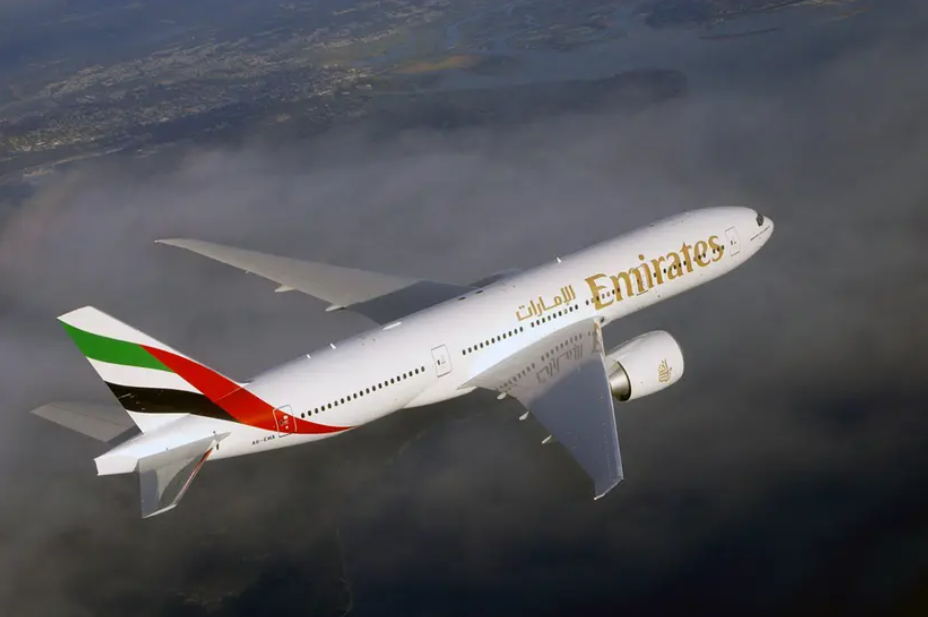
Emirates has expanded its network with a new service linking Dubai to Madagascar, with a stopover in Seychelles. The inaugural flight, EK707, landed at Ivato International Airport on September 3, marking a significant milestone for the airline and its passengers.

This new route enhances connectivity between the Indian Ocean archipelago and the African continent, offering travelers a convenient option for reaching Madagascar, a destination known for its unique biodiversity and vibrant culture. The service also bolsters Emirates’ presence in the Indian Ocean region, building on its extensive global network.

Ivato International Airport’s traditional water cannon salute welcomed the flight, a symbolic gesture reflecting the importance of this new connection. The service will operate with a Boeing 777-300ER, providing passengers with a comfortable and efficient travel experience.

Emirates’ decision to introduce this route underscores its commitment to expanding its global footprint and catering to the growing demand for connectivity in the region. The new service is expected to foster economic growth by enhancing tourism and business opportunities between Dubai, Seychelles, and Madagascar.

Travelers can now enjoy seamless access to Madagascar’s remarkable landscapes, including its renowned national parks and wildlife reserves. The connection to Seychelles also offers an attractive stopover option, allowing passengers to explore the beautiful islands before continuing their journey to Madagascar.

The introduction of this service aligns with Emirates’ strategic goals to enhance its network and offer more choices to its customers. The airline’s investment in new routes and destinations reflects its ongoing efforts to meet the evolving needs of the global travel market.

This development comes as part of a broader trend in the aviation industry, where airlines are increasingly focusing on expanding their networks to emerging destinations. By establishing new routes and enhancing connectivity, airlines aim to capture new markets and respond to shifting travel demands.

The new Emirates service to Madagascar is poised to play a key role in strengthening ties between the regions and providing travelers with more options for exploring one of the world’s most intriguing destinations. The route is expected to contribute positively to the local economies of the regions served, offering opportunities for growth and development.

IIT Delhi has inaugurated its first international campus in Abu Dhabi, marking a significant milestone in the institution’s expansion strategy. The new facility, situated in the UAE capital, represents IIT Delhi’s commitment to globalizing its world-renowned STEM education and research programs. This move is part of a broader initiative to enhance international collaboration and extend the institution’s educational reach beyond India’s borders.

The campus, located within the Abu Dhabi University district, is equipped with state-of-the-art facilities designed to foster advanced research and innovation. This expansion aims to build on IIT Delhi’s established reputation for excellence in engineering and technology, bringing its expertise to a new geographical region. The initiative aligns with the UAE’s strategic goals of enhancing educational offerings and fostering innovation-driven growth.

IIT Delhi’s new international campus will offer a range of undergraduate and postgraduate programs tailored to local and regional needs, including specialized courses in artificial intelligence, data science, and sustainable engineering. The institution has emphasized that the Abu Dhabi facility will serve as a hub for collaborative research, drawing on the UAE’s growing emphasis on technological advancement and smart city development.

The decision to establish a campus in Abu Dhabi reflects both IIT Delhi’s strategic vision and the UAE’s broader educational objectives. The UAE has been making substantial investments in higher education and research, aiming to position itself as a global leader in innovation. The partnership between IIT Delhi and UAE institutions is expected to strengthen the region’s academic and technological landscape.

This expansion is also seen as a response to the increasing global demand for high-quality STEM education and research opportunities. By leveraging its established reputation and expertise, IIT Delhi seeks to attract students and researchers from around the world, thereby enhancing its global footprint and influence.

The launch of the Abu Dhabi campus comes amid growing interest in international education partnerships, with many institutions seeking to broaden their global reach. For IIT Delhi, this venture not only represents an opportunity to extend its impact but also to contribute to the UAE’s educational and technological ambitions. The partnership is expected to yield mutual benefits, including collaborative research projects, student exchange programs, and joint ventures with local industries.

The new facility has been designed with a focus on cutting-edge technology and sustainability. It includes advanced laboratories, collaborative workspaces, and high-tech classrooms, all intended to support a dynamic learning and research environment. The campus is set to become a key player in the region’s academic and technological advancements, reinforcing IIT Delhi’s role as a leading global institution.

IIT Delhi’s international campus in Abu Dhabi is poised to attract students and researchers from across the globe, positioning itself as a significant educational hub in the Middle East. This move is expected to enhance the institution’s global network and influence, while contributing to the development of the UAE’s educational infrastructure and research capabilities.

The Singapore dollar has reached its strongest level against the US dollar in over ten years, reshaping economic dynamics and influencing various sectors from tourism to trade. This notable appreciation of the Singapore dollar, driven by a mix of global economic factors and local financial policies, has brought both opportunities and challenges to different stakeholders.

The current strength of the Singapore dollar, surpassing 1.35 against the US dollar, marks a significant shift in the currency’s performance. This upsurge is attributed to Singapore’s robust economic fundamentals, strategic monetary policies by the Monetary Authority of Singapore (MAS), and a relatively stable political environment compared to other global economies. Investors and analysts have observed that this strength reflects broader trends of a resilient Singaporean economy amidst global uncertainties.

For tourists, this stronger Singapore dollar translates to enhanced purchasing power. Visitors from countries with weaker currencies find their travel budgets stretching further, resulting in increased spending on luxury goods, dining, and entertainment. This shift has been beneficial for Singapore’s retail and hospitality sectors, with luxury boutiques and high-end restaurants reporting a boost in sales from foreign tourists. The tourism sector, a significant contributor to Singapore’s economy, is experiencing a revival as a result of this currency trend.

On the flip side, Singapore’s strong dollar poses challenges for local exporters. Companies exporting goods and services may face reduced competitiveness in international markets due to the higher cost of Singaporean products. This could impact profit margins and market share, particularly in sectors where price sensitivity is crucial. Exporters, especially those dealing with bulk commodities and price-competitive goods, are likely to experience squeezed margins unless they can offset the higher costs through operational efficiencies or increased value addition.

Importers, however, benefit from a stronger Singapore dollar. Lower costs for imported goods can lead to reduced expenses for businesses reliant on foreign products and raw materials. This could translate to lower prices for consumers, especially for imported electronics, vehicles, and other high-value items. The increased purchasing power of the dollar enables businesses to negotiate better terms with international suppliers and capitalize on favorable exchange rates.

The appreciation of the Singapore dollar has also influenced financial markets, with increased capital inflows observed as investors seek stable and profitable opportunities in Singapore. The local stock market has witnessed heightened activity, with foreign investors showing greater interest in Singaporean equities. This influx of investment is bolstering market liquidity and providing additional capital for domestic companies.

Moreover, the currency strength has implications for Singapore’s monetary policy. The MAS, which has a mandate to ensure price stability and economic growth, is closely monitoring the impact of the currency’s appreciation on inflation and economic activity. While a stronger dollar can help in containing import-driven inflation, it also requires careful management to ensure that the broader economic growth is not adversely affected.

The currency’s rise is also intertwined with global financial trends. Investors are increasingly turning to safe-haven assets and stable currencies amid economic uncertainties and geopolitical tensions. The Singapore dollar, often seen as a stable and secure currency, has attracted significant interest from global investors looking to hedge against risks. This trend is reflective of a broader shift towards currencies and assets perceived as safe havens in volatile times.

State-of-the-art facility based in Singapore aims to accelerate adoption of Robotics and AI across Southeast Asia through training and education, improving access to new healthcare technologies and delivering better care experiences across the region SINGAPORE – Media Outreach Newswire – 4 September 2024 – Medtronic plc, a global leader in healthcare technology, expands the capabilities of Medtronic Customer eXperience Center (MCXC) in Singapore with the opening of […]

Brookfield Renewable Partners is on the brink of finalizing a major transaction involving Saeta Yield, a leading Spanish renewable energy firm. The deal, valued at approximately $1.1 billion, will see Saeta Yield acquired by Masdar, an Abu Dhabi-based renewable energy powerhouse. This move underscores a significant shift in the global renewable energy landscape and highlights the growing influence of Middle Eastern investors in the European green energy […]

Ambitious climate change targets set by numerous nations aim to combat global warming by accelerating the shift toward renewable energy. While this transition is crucial, it comes with an increased demand for critical minerals essential for the development and implementation of renewable technologies. To navigate this complex interplay, a comprehensive bibliometric review has been conducted to shed light on the challenges and research trends surrounding the mineral […]

With bold ventures across multiple industries, Vingroup exemplifies Vietnam’s potential on the world stage, becoming a symbol of innovation, ambition, and national pride. HANOI, VIETNAM – Media OutReach Newswire – 4 September 2024 – Founded in 1993 by Pham Nhat Vuong, Vingroup has rapidly transformed into Vietnam’s largest private conglomerate. Over the past three decades, the company has played a crucial role in the nation’s development, reshaping […]

Sharjah’s first independent water project, the Hamriyah Independent Water Project (IWP), is set to become a reality through a landmark partnership between ACWA Power and the Sharjah Electricity, Water, and Gas Authority (SEWA). This significant development represents a major step forward in the region’s efforts to enhance its water infrastructure and ensure sustainable water management. The agreement between ACWA Power and SEWA marks a pivotal moment in […]

Takaful insurer Abu Dhabi National Takaful Company (ADNTC) has decided to halt its planned acquisition of Dubai-based AMAN Insurance’s portfolio. This decision, announced today, reflects a strategic shift and indicates a reevaluation of ADNTC’s growth strategies in the UAE market. The cancellation of the deal, which was initially valued at approximately AED 600 million, marks a significant development in the regional insurance sector. The acquisition was set […]

Saudi Aramco is set to retain its 10% stake in the joint venture between Renault and Geely, underscoring its commitment to expanding partnerships in the automotive sector. The move signifies Aramco’s strategic focus on strengthening its position within the evolving landscape of automotive technology and sustainable energy solutions.

The alliance between Renault and Geely, formed in early 2024, aims to develop advanced powertrains and enhance vehicle electrification. Aramco’s involvement, first reported in March 2024, was seen as a significant step given its expertise in energy and automotive technologies. The company’s decision to maintain its stake highlights its long-term vision of integrating its energy solutions with the automotive industry’s shift towards sustainability.

Recent industry developments indicate a growing trend of traditional energy companies investing in automotive technologies. This trend reflects a broader shift towards electrification and hybrid powertrains, as automakers and energy firms align strategies to address climate change and evolving consumer preferences.

Aramco’s decision aligns with its broader strategy to diversify its investments and reduce its reliance on traditional oil and gas revenues. The company’s engagement in the Renault-Geely venture is part of a larger effort to position itself at the forefront of energy innovation. By holding onto its stake, Aramco aims to leverage the growing market for electric and hybrid vehicles, which is expected to see substantial growth over the next decade.

The joint venture between Renault and Geely, based in China, represents a significant collaboration in the global automotive industry. Renault, a major player in European automotive markets, and Geely, a key Chinese automotive manufacturer, have combined their resources to accelerate the development of new technologies and expand their market reach. Aramco’s involvement brings additional expertise and resources to the table, enhancing the venture’s capacity for innovation.

Aramco’s focus on maintaining its stake also signals its intention to explore further partnerships within the automotive and technology sectors. The company is reportedly in discussions with other automakers and technology firms to identify new opportunities for collaboration. This strategy is in line with Aramco’s goal of integrating its energy solutions with emerging technologies to drive growth and sustainability.

Analysts view Aramco’s commitment to the Renault-Geely venture as a strategic move that positions the company favorably in the rapidly changing automotive industry. The investment aligns with global trends towards sustainable transportation and energy efficiency. As the automotive industry continues to evolve, Aramco’s role in these developments could play a crucial part in shaping future innovations.

The Renault-Geely joint venture is set to benefit from Aramco’s expertise in energy and its substantial financial resources. This partnership is expected to facilitate the development of advanced technologies and accelerate the adoption of sustainable practices in the automotive sector. The continued collaboration reflects a shared vision of addressing environmental challenges and meeting the demands of a changing market.

With the automotive industry increasingly focusing on sustainability and technology integration, Aramco’s strategic investments are likely to have a significant impact. The company’s decision to retain its stake in the Renault-Geely venture underscores its commitment to being at the forefront of these changes. As the industry progresses, Aramco’s involvement in such partnerships could enhance its influence and drive innovation across the sector.

VISHNU RAJA
RYO YAMADA
HITORI GOTOH
IKUYO KITA