Just in:
Toward a Shared Future for Humanity: Rethinking Civilizational Exchange // Balagopal challenges CM over tax revenue // Promoting Common Human Development Through Exchanges and Mutual Learning Among Civilizations // Phancy Announces Business Performance for the Nine Months Ended September 30, 2026 // Sabarimala booking discrepancies prompt sabotage angle probe // Travel Insurance Was Built for the Few Who Claim. Ancileo’s Felt Coverage™ is for Everyone Else // European Commission takes systems offline after AI cyberattack // ED searches five districts in probe against hawala // PayerMax and ShopeePay Strengthen Strategic Partnership to Advance Digital Payment Collaboration in Southeast Asia // Sui activates Hashi Bitcoin lending across partner network // Saudi Arabia schedules multinational top-up tax for 2027 // Padmini follows Padmaja for ‘ghar vapsi’ // Yeebo Announces Interim Results for FY26/27 Revenue Increases by 45.5% to HK$806.7 Million Profit Attributable to Owners Surges 87.6% to HK$2,284.7 Million // Russia permits retail cryptocurrency purchases under regulated framework // Crypto market loses $150 billion amid broad sell-off // Dubai Introduces SHARH, an AI-Powered Platform Helping Entrepreneurs Buy, Sell and Manage Businesses in the UAE // Workday targets Honeydew purchase to unify AI metrics // Technology at Work, Heritage for All: The “Chinese Approach” to Safeguarding the Leshan Giant Buddha // Diabetes Malaysia And Alpro Pharmacy Set National Record With 11,007 Most Blood Glucose Screenings Conducted Across Malaysia In Just 48 Hours // Jaiedco and Golden Bridge Announce Strategic Collaboration for a New Dubai Islands Development //

News related to
opportunities

The recent acquisition of intellectual property (IP) rights to Neiro, a Shiba Inu dog owned by Atsuko Sato—the caretaker of Kabosu, the original “Doge” meme dog—has intensified discussions within the cryptocurrency community. This move, led by the Own the Doge decentralized autonomous organization (DAO), aims to establish an “official” Neiro meme coin, highlighting the growing trend of IP-backed tokens in the digital currency market.

Neiro, a ten-year-old rescue dog, became part of Sato’s family earlier this year, following the passing of Kabosu. The introduction of Neiro was met with enthusiasm online, leading to the creation of multiple Neiro-themed meme coins across various blockchain platforms. However, the absence of official endorsement or IP rights led to concerns about the legitimacy and authenticity of these tokens.

In response, the Own the Doge DAO, which holds the IP rights to the original Doge meme, secured the rights to Neiro’s likeness and name. This strategic acquisition is intended to provide a legitimate foundation for an official Neiro meme coin, distinguishing it from unlicensed counterparts. Members of the DAO are expected to vote in the coming weeks to determine which Neiro meme coin will receive official IP status, a decision that could significantly influence the token’s market value and acceptance.

The rise of IP-backed meme coins reflects a broader trend in the cryptocurrency market, where digital assets associated with popular internet memes gain substantial attention and investment. Tokens like Dogecoin and Shiba Inu have demonstrated the potential for meme-based cryptocurrencies to achieve significant market capitalizations. However, the proliferation of unlicensed meme coins has raised concerns about investor protection and market integrity.

The establishment of official IP rights aims to address these issues by providing a layer of legitimacy and authenticity to meme coins. This approach seeks to protect both the creators’ rights and investors from potential scams associated with unlicensed tokens. The cryptocurrency community has shown increasing interest in IP-backed tokens, viewing them as a means to ensure the credibility of meme-based digital assets.

Despite the potential benefits, challenges remain in implementing IP-backed meme coins. The decentralized and often anonymous nature of the cryptocurrency market makes enforcement of IP rights difficult. Additionally, the rapid creation and dissemination of meme coins can outpace efforts to establish official endorsements, leading to a proliferation of unlicensed tokens that may confuse or mislead investors.

The forthcoming vote by the Own the Doge DAO represents a pivotal moment in the evolution of meme coins. A decision to endorse an official Neiro meme coin could set a precedent for how IP rights are utilized to legitimize digital assets in the cryptocurrency market. This development underscores the increasing intersection of internet culture, intellectual property law, and digital finance.

As the cryptocurrency market continues to evolve, the role of IP rights in legitimizing digital assets is likely to become more prominent. The case of Neiro’s IP acquisition illustrates the complexities and opportunities at this intersection, highlighting the need for clear guidelines and strategies to navigate the rapidly changing landscape of meme-based cryptocurrencies.


Bitflow Finance has launched an Automated Market Maker (AMM) for Runes on the Stacks blockchain, aiming to improve the trading experience for Bitcoin-based assets. This development leverages the recent Nakamoto upgrade, which enhances transaction speeds and security on the Stacks network.

The Nakamoto upgrade has significantly reduced transaction times on Stacks, with block times now averaging less than 10 seconds. This improvement positions Stacks as a competitive platform for decentralized finance (DeFi) applications, offering faster and more secure transactions.

Bitflow’s Runes AMM utilizes this enhanced infrastructure to provide a seamless trading experience for users. By integrating liquidity from various decentralized exchanges (DEXs) and liquidity pools, Bitflow ensures that trades are executed at optimal rates, eliminating the need for users to navigate multiple platforms.

The introduction of the Runes AMM is expected to boost liquidity and trading volume for Runes tokens, a metaprotocol on Bitcoin. This development aligns with the broader trend of integrating Bitcoin with DeFi platforms, offering users more opportunities to engage with the cryptocurrency ecosystem.

In addition to the Runes AMM, Bitflow has introduced a DEX aggregator that scans connected DEXs and liquidity pools to find and execute the most cost-effective trading routes. This feature simplifies the trading process, allowing users to focus on actual trading rather than navigating complex trading processes.

AtNorth, a Nordic leader in high-performance computing (HPC), colocation, and AI services, has secured a significant plot of land in Långsele, located within Sweden’s Sollefte Municipality at Hamre Industripark. This acquisition, which spans 30 hectares, marks a key milestone in the company’s strategy to enhance its data center capabilities and reinforce its position within the global tech infrastructure market. The land, chosen for its prime location and […]

Global data center operator Serverfarm and Greece’s Independent Power Transmission Operator (IPTO) have come together to form Gemini, a joint venture aimed at establishing hyperscale-ready data centers throughout Greece. This collaboration signifies an important step in addressing the growing demand for robust digital infrastructure in Europe, driven by the rapid expansion of cloud services, artificial intelligence, and big data applications. The joint venture will leverage the strengths […]

Cango Inc., a Shanghai-based automotive transaction service platform, has entered the cryptocurrency mining sector by acquiring 32 exahashes per second (EH/s) of Bitcoin mining capacity from Bitmain Technologies Georgia Limited and Bitmain Development Limited for $256 million. This acquisition positions Cango as the third-largest publicly traded Bitcoin mining firm by deployed hashrate, just behind CleanSpark, which operates 33.7 EH/s.

The acquisition includes on-rack miners, indicating that Bitmain may continue to serve as the colocation provider. Additionally, Cango has agreed to acquire an additional 18 EH/s of mining capacity from Golden TechGen Limited and other entities for approximately $144 million, to be paid through the issuance of Cango’s common stock. This potential acquisition could bring Cango’s total mining capacity to 50 EH/s, placing it on par with Marathon Digital Holdings.

In November, Cango reported mining 363.9 BTC with the deployed 32 EH/s and did not liquidate any assets. The company did not specify the hardware models it purchased from Bitmain. However, with a unit cost of $8 per terahash per second (TH/s) and Bitmain Georgia as the counterparty, it suggests that Cango may have acquired 50 EH/s of the Antminer S19XP series that Bitmain Technologies Georgia imported since 2023.

This strategic move marks a significant shift for Cango, traditionally known for its automotive services, as it diversifies into the cryptocurrency mining industry. The company’s management has expressed confidence in the profitability of this venture, citing the increasing demand for Bitcoin and the potential for substantial returns on investment.

The cryptocurrency mining industry has seen significant growth, with companies expanding their operations to meet the rising demand for digital currencies. Cango’s entry into this market reflects a broader trend of traditional businesses exploring opportunities in the crypto space.

Investors have responded positively to Cango’s strategic pivot, with the company’s stock price experiencing a notable increase since the announcement of the acquisition. This uptick reflects market optimism regarding the potential profitability of Cango’s new venture into cryptocurrency mining.

SoftBank Group has unveiled an ambitious $100 billion investment plan aimed at expanding artificial intelligence infrastructure in the United States. The announcement, led by CEO Masayoshi Son, positions the Japanese telecom and technology giant as a major player in shaping the future of AI development. The investment, which will span the next four years, underscores SoftBank’s commitment to leveraging AI technology for both economic and technological growth […]

SINGAPORE – Media OutReach Newswire – 18 December 2024 – FBS, a leading global broker, proudly shares the achievements of its 2024 Corporate Social Responsibility (CSR) initiatives, demonstrating the company’s commitment to creating positive change worldwide. Over the past year, FBS has carried out 16 impactful projects across seven countries, directly benefiting over 14 000 individuals through initiatives focused on education, disaster relief, and humanitarian support. Donations […]

Advertisements

Princess Resorts is set to transform Jamaica’s tourism sector with the development of the country’s first-ever casino, marking a significant milestone in the nation’s hospitality and entertainment offerings. The resort, which is expected to open in 2025, will feature a $400 million investment, making it one of the most ambitious projects in the Caribbean region in recent years. The development will not only add a new layer to Jamaica’s resort scene but will also create a considerable impact on the local economy, both in terms of tourism and employment.

The integrated resort will consist of 1,005 rooms, including a variety of luxury accommodations, with overwater suites designed to provide guests with exclusive and high-end experiences. This expansion into the casino and gaming market highlights the increasing demand for diverse tourist attractions and is seen as a pivotal step in attracting new types of visitors to the island, particularly those interested in gaming and luxury entertainment.

Jamaica’s tourism industry, which has long been known for its beautiful beaches, vibrant culture, and all-inclusive resorts, has faced increasing competition from other Caribbean destinations. The introduction of a casino resort is expected to bolster the country’s appeal, particularly to affluent travelers seeking a comprehensive luxury vacation experience. The resort’s casino will offer a range of gaming options, from traditional table games to modern slot machines, catering to both seasoned players and newcomers to the gaming world.

The resort is also expected to serve as a catalyst for broader economic growth. According to industry experts, the project will generate hundreds of jobs, including those in hospitality, security, construction, and management, contributing to the island’s employment rate. Local businesses are also poised to benefit from the influx of international tourists who will spend on dining, shopping, and other leisure activities outside the resort complex.

Princess Resorts has a history of successful luxury developments, with locations in other parts of the Caribbean, including the Bahamas. The company’s decision to invest in Jamaica is seen as a strategic move to capitalize on the island’s stable tourism industry and its position as one of the top destinations in the region. While the development promises to bring new opportunities to Jamaica, it also raises questions about the balance between mass tourism and preserving the island’s cultural and environmental heritage.

Local stakeholders have expressed mixed reactions to the casino project. While some view it as a necessary step toward diversifying Jamaica’s tourism offerings, others are concerned about the potential negative impacts on local communities. There is growing concern that the expansion of large-scale resorts with integrated gaming facilities could lead to increased commercialization, potentially eroding the island’s unique cultural identity and its natural landscapes.

The Jamaican government has remained supportive of the project, citing its potential to boost the economy and elevate the country’s profile as a luxury tourism destination. Authorities have stressed that the development is in line with the government’s broader strategy to attract high-net-worth individuals and families, while also creating sustainable job opportunities for Jamaicans. The regulatory framework for the casino’s operations will be closely monitored, with the aim of ensuring that gaming activities comply with local laws and are integrated responsibly into the broader tourism ecosystem.

While the Jamaican government has embraced the project, critics argue that there should be a more comprehensive examination of the social implications of introducing a casino culture. Gambling addiction, increased crime, and the potential for exploitation of vulnerable communities are among the concerns raised by various advocacy groups. To mitigate these risks, local leaders have called for the implementation of responsible gaming practices and stronger community support mechanisms to ensure that the benefits of the development outweigh any adverse effects.

The casino will likely set a new benchmark for the Caribbean resort market, with developers looking to Princess Resorts as a model for future integrated casino-resort developments across the region. Many see the move as a signal of the growing importance of gaming in the tourism industry, which has long been dominated by beach resorts and eco-tourism. As Jamaica positions itself as a leading destination for luxury travelers and gaming enthusiasts, the success of this project will undoubtedly have broader implications for the Caribbean’s tourism and hospitality sectors.

Hundreds of eager visitors flocked to Caesars Virginia for the grand opening of the highly anticipated casino in Danville, Virginia, with a significant number traveling from nearby North Carolina. The event, which took place on Tuesday, attracted a large crowd, showcasing the appeal of the new facility to both locals and out-of-state casino-goers.

The opening of Caesars Virginia marks a pivotal moment in the region’s economic development, as the facility brings gaming, entertainment, and employment opportunities to the area. Situated just over the state line, the casino’s strategic location is expected to draw significant foot traffic from North Carolina, where gambling options are more limited.

Caesars Virginia, the state’s first casino, occupies a sprawling space that includes a casino floor, hotel accommodations, dining options, and entertainment venues. The facility is designed to offer a complete entertainment experience, catering not only to avid gamblers but also to those seeking a more comprehensive leisure experience.

The casino, located in the southern part of Danville, was built to capitalize on Virginia’s expanded gaming industry. State lawmakers legalized commercial casinos in 2020, with Caesars being the first to open its doors in this burgeoning market. The opening is part of a broader effort to stimulate economic growth and attract tourists to the region, especially in the wake of a changing landscape for gaming in the southeastern United States.

For North Carolina residents, the allure of Caesars Virginia’s grand opening was undeniable. With only a limited number of gambling options within the state’s borders, North Carolinians have frequently crossed state lines to visit casinos in nearby locations, such as those in Cherokee, North Carolina. Caesars Virginia, however, offers a new, nearby alternative that is expected to become a destination for both seasoned gamblers and newcomers alike.

Many attendees at the grand opening expressed excitement over the expanded gaming options now available in the area. “It’s great to have something this big and exciting so close to home,” said one attendee from Raleigh, North Carolina. The crowd at the event included a mix of seasoned casino visitors and newcomers eager to explore what the new venue had to offer.

The casino’s opening also highlights the growing competition among regional gaming markets. As Virginia continues to open its doors to the gaming industry, neighboring states like North Carolina are reevaluating their own stances on expanded gambling. In particular, North Carolina has been under pressure to revisit its gambling laws, as casinos like Caesars Virginia and the nearby casinos in South Carolina increasingly draw attention from potential gamblers.

Caesars Virginia offers a wide range of gaming options, from slot machines to table games, along with plans for a poker room in the future. In addition to the gambling offerings, the casino has invested in upscale dining options, entertainment venues, and luxury accommodations, positioning itself as not just a casino, but a comprehensive entertainment hub. The development is expected to create numerous jobs in the region, providing both direct employment in the casino itself and indirect job creation in sectors such as hospitality, retail, and services.

One of the key factors that helped make Caesars Virginia a reality was the financial investment from Caesars Entertainment, one of the largest casino and entertainment companies in the world. The company has deep roots in the gaming industry, and its experience and expertise were pivotal in ensuring the success of the project. The company’s long-standing reputation in the industry has been a significant draw for both gamblers and investors, further bolstering confidence in the casino’s future success.

For Danville, the opening represents a major milestone in the city’s revitalization efforts. The area has faced economic challenges in the past, including job losses due to the decline of manufacturing and tobacco industries. However, Caesars Virginia offers the potential to reverse these trends by bringing in new revenue streams, both through gambling and tourism. Local businesses stand to benefit from the influx of visitors, and the city itself could see long-term economic growth as a result of the casino’s opening.

The grand opening also signifies the growing trend of casinos being seen as economic drivers for their communities. As gambling becomes increasingly legalized across the country, more and more cities are seeking to tap into this lucrative industry. Danville’s choice to embrace the expansion of the gaming sector is a clear reflection of the city’s determination to adapt to changing economic realities.

While the grand opening was a celebration for many, there are concerns from some segments of the community about the potential social impacts of the casino. Critics have raised issues surrounding the possibility of increased gambling addiction, as well as the long-term effects of having a large casino in a community with a relatively small population. Nevertheless, the city has expressed confidence that Caesars Virginia will operate responsibly, with a focus on promoting responsible gaming practices.

Infinity Power, a prominent renewable energy developer partly owned by Masdar, is evaluating the possibility of launching an initial public offering (IPO) on the Abu Dhabi Securities Exchange (ADX) within the next two to three years. The company’s chairman, Mohamed Jameel Al Ramahi, revealed this potential move in an interview, signaling Infinity Power’s ambition to expand its influence in the global clean energy sector. Infinity Power is […]

Arab nations have ramped up their recruitment of migrant workers, capitalizing on the global surge in demand for labour across various sectors. As economic recovery accelerates worldwide, these countries are seeing an influx of foreign workers filling key roles in industries such as construction, hospitality, healthcare, and retail. The trend has intensified due to the increasing need for skilled and semi-skilled labour, particularly in the wake of the COVID-19 pandemic, which had earlier disrupted migration flows.

This growing demand for foreign labour in the Gulf states, such as the United Arab Emirates (UAE), Saudi Arabia, Qatar, and Kuwait, reflects a broader global phenomenon where labour shortages are pushing countries to adopt more flexible immigration policies. These nations have long relied on migrant workers to fuel their economies, but the scale and scope of the current influx are higher than before, driven by ambitious infrastructure projects, the rapid expansion of new industries, and a burgeoning consumer market.

The demand for migrant workers is particularly high in the construction sector. With large-scale projects such as the World Expo 2020 in Dubai and the 2022 FIFA World Cup infrastructure projects in Qatar, Arab nations have become magnets for workers from countries like India, Bangladesh, Pakistan, and the Philippines. In these countries, millions of people are seeking better opportunities abroad, often choosing the Gulf region for its proximity, relatively higher wages, and work availability. The UAE, for instance, has seen an increase in foreign labour as it continues to diversify its economy, moving away from oil dependency and investing in tourism, real estate, and technology.

In response, governments in the Gulf have streamlined visa processes, introduced new work schemes, and made significant changes to labour laws in an attempt to better manage the growing migrant population. The Saudi government, for example, has rolled out its Vision 2030 initiative, which includes large-scale projects requiring substantial foreign manpower, while also pushing for reforms to ensure fairer treatment of migrant workers.

Despite these efforts to regulate and manage the migrant workforce, challenges remain. Migrant workers often face difficult working conditions, including long hours and low wages, especially in the construction and service industries. Human rights organizations have regularly highlighted concerns over worker exploitation, inadequate living conditions, and restrictions on freedom of movement. These concerns have prompted some governments to introduce reforms aimed at improving the welfare of migrant workers, including enhancing housing standards and addressing unpaid wages.

The COVID-19 pandemic also played a significant role in reshaping migration trends within the Arab states. During the height of the pandemic, strict lockdown measures and border closures disrupted the flow of migrant workers. However, as vaccination efforts gained ground and restrictions eased, there was a swift rebound in the demand for foreign workers. This led to a rapid recovery in the number of migrant workers coming to the Gulf region, particularly for roles in healthcare, where there has been a significant push to employ foreign doctors and nurses to cope with the demand created by the pandemic.

Qatar’s shift towards a more comprehensive legal framework for migrant workers, which includes a minimum wage law and abolishment of the kafala system, reflects a growing recognition of the need to balance economic growth with fair labour standards. However, critics argue that the changes, while significant, may not go far enough to ensure the complete protection of migrant workers’ rights. Moreover, the influx of migrant workers can sometimes put a strain on social services and infrastructure, leading to concerns over housing shortages and rising costs in certain urban areas.

While the recruitment of migrant workers is essential for the continued economic growth of the region, it has sparked debate about the long-term sustainability of such a workforce model. Some experts have pointed out that reliance on migrant labour, without sufficient investment in the local workforce or a focus on upskilling nationals, could lead to social inequalities. Additionally, the ongoing geopolitical situation and economic shifts could affect the stability of migration flows, leading to a need for more robust policies to ensure both the welfare of workers and the long-term economic health of the region.

The growing migrant workforce also reflects a significant demographic shift in these countries. The UAE, for example, has a population where expatriates outnumber nationals, with migrants forming the backbone of the economy. This demographic imbalance raises questions about the long-term social and political implications, particularly as migrant workers often face difficulties in achieving permanent residency or citizenship. Some Gulf states have introduced policies that provide greater rights to long-term residents, but these changes have been incremental.

At the same time, the rise of technology and automation in sectors such as manufacturing and logistics could alter the demand for migrant workers in the coming years. As automation takes over certain low-skilled jobs, it is likely that there will be a shift towards a more skilled migrant workforce. Countries like Saudi Arabia and the UAE are already focusing on training their workforce to meet the demands of new technologies, which could reduce their reliance on foreign workers in the long run.

The Gulf Cooperation Council (GCC) region is experiencing a significant influx of international banks and private credit firms, drawn by a burgeoning consumer market and robust economic growth. This trend is reshaping the financial landscape, introducing new opportunities and challenges for both local and foreign entities.

International financial institutions are increasingly targeting the GCC’s expanding consumer base. Private credit funds have raised under $500 million for the area since 2020, indicating a growing interest in the region’s financial prospects. Lawrence Golub, CEO of Golub Capital, noted that new mid-sized businesses in the Gulf present fresh lending opportunities for private credit firms. He emphasized that while initial opportunities may be in the “hundreds of millions not billions of dollars,” the region’s economic dynamics are favorable for direct lending capital.

The GCC’s banking sector has demonstrated resilience and growth, outperforming global peers in several metrics. In 2023, the region’s banks achieved a return on equity (ROE) of 10.9%, surpassing the global average of 9.0%. This robust performance is attributed to high hydrocarbon prices, rapid economic growth, low unemployment rates, and ambitious public investment programs. These factors have collectively supported strong balance sheets and solid margins for GCC banks.

The rise of private credit in the GCC is also notable. Firms such as Fortress Investment Group, KKR & Co., and Carlyle Group Inc. have been actively acquiring consumer loan packages in Europe and the U.S., and are now turning their attention to the Gulf. This shift is driven by the search for higher returns and the region’s evolving regulatory landscape, which now facilitates the establishment and management of private credit funds in the UAE and Saudi Arabia.

The consumer sector’s growth is a significant factor attracting these financial institutions. The GCC’s youthful and affluent population is driving demand for a wide range of consumer goods and services, from retail to real estate. This demand creates a fertile ground for banks and private credit firms seeking to capitalize on the region’s economic expansion.

However, this influx of foreign financial entities introduces new challenges. Local banks, which have traditionally dominated the market, now face increased competition. To maintain their market share, they may need to innovate and adapt to the evolving financial landscape. Additionally, the entry of international players could lead to regulatory challenges, necessitating robust frameworks to ensure fair competition and financial stability.

The GCC’s regulatory environment has been evolving to accommodate this growth. The Financial Services Regulatory Authority (FSRA) of the Abu Dhabi Global Market (ADGM) recently issued a regulatory framework for private credit funds, enabling ADGM funds and their managers to originate and invest in private credit. This development reflects the region’s commitment to creating an attractive environment for international investors.

SINGAPORE – Media OutReach Newswire – 17 December 2024 – FBS, a leading global broker, has just launched its promotional campaign Happy New Trade. The promo is designed to help traders turn their New Year’s resolutions into reality. Running until January 26, 2025, the campaign offers participants the chance to achieve more, with exclusive rewards and thrilling opportunities waiting at every level. The Happy New Trade promo […]

India’s Income Tax Appellate Tribunal (ITAT) has clarified the taxation of cryptocurrency profits, ruling that sales of digital assets made before the introduction of the Virtual Digital Asset (VDA) tax regime in 2022 should be treated as capital gains. The ruling grants taxpayers the advantage of benefiting from long-term capital gains tax rates and deductions, a decision that addresses the ambiguity surrounding crypto taxation in the country. This distinction provides a significant tax break to early investors and holders of digital currencies such as Bitcoin.

The ruling comes after prolonged uncertainty about the classification of cryptocurrencies and their tax implications. For years, crypto enthusiasts and investors faced challenges in determining how their assets would be taxed under India’s complex tax system. Prior to 2022, India’s tax laws did not specifically mention cryptocurrencies, leaving a grey area that many tried to navigate on their own.

Under the tribunal’s ruling, taxpayers who held digital assets for more than 36 months, which is the criteria for long-term capital gains in India, can now apply long-term capital gains tax rates to their crypto profits. This means that they are eligible for a lower tax rate compared to short-term holdings. The long-term capital gains tax rate in India is set at 20%, which is significantly lower than the 30% rate applied to short-term capital gains or income derived from crypto assets sold after the introduction of the 2022 VDA tax regime.

The ITAT’s judgment holds particular importance for early crypto investors who acquired Bitcoin and other digital currencies before 2022. These investors now stand to benefit from favorable tax treatment, as their holdings are deemed long-term by the tribunal. The lower tax rate, combined with the potential for deductions under the capital gains tax scheme, could lead to a substantial reduction in tax liabilities for many individuals and entities.

However, this ruling has also led to questions regarding the tax treatment of crypto assets purchased after the 2022 policy changes. Under the new VDA tax regime, which came into effect in April 2022, all profits from the sale of virtual digital assets are taxed at a flat rate of 30%. This includes Bitcoin, Ethereum, and other cryptocurrencies. The introduction of this flat 30% tax rate marked a significant shift in how crypto gains were treated by the Indian tax authorities, reflecting the government’s increasing interest in regulating the booming digital assets market.

While the 2022 VDA tax regime introduced clear guidelines, it also drew criticism from many in the crypto community who felt that the high tax rate could stifle growth and innovation in India’s emerging digital economy. The flat rate, while providing simplicity and certainty, has been viewed by some as burdensome for investors, particularly those involved in the trading and long-term holding of cryptocurrencies.

In light of the tribunal’s ruling, industry experts believe that the Indian government may need to revisit its approach to crypto taxation. The decision to classify pre-2022 crypto sales as capital gains could pave the way for a broader discussion on whether similar tax breaks or more flexible treatment should apply to sales after 2022. There is growing concern that the high 30% tax rate on crypto profits could drive Indian investors to seek opportunities in more crypto-friendly jurisdictions.

The ITAT ruling also underscores the importance of establishing clear, coherent guidelines for the taxation of digital assets. As cryptocurrencies become more integrated into global financial systems and India’s tech ecosystem, the country’s tax policies will likely need to evolve to remain competitive. This could include adopting more progressive tax structures for crypto assets, such as allowing for capital gains tax relief on shorter holding periods, or considering measures to encourage innovation within India’s growing blockchain and crypto industries.

Despite the government’s attempt to bring more clarity through the 2022 tax regime, the taxation of crypto assets remains a contentious issue in India. With crypto investments becoming increasingly mainstream, the government faces the challenge of striking a balance between generating revenue and fostering a conducive environment for digital asset development. The ongoing debate highlights the need for a tax system that can adapt to the rapid changes in digital finance while also ensuring that investors are not overly burdened by steep tax rates.

The tribunal’s decision comes at a crucial time as India seeks to position itself as a leader in the digital economy. With the global rise of blockchain technology, fintech, and decentralized finance (DeFi), India’s tax treatment of cryptocurrencies could have significant implications for both domestic and international investors. Policymakers will need to carefully consider the economic impact of their decisions on innovation and investment in the sector, particularly given the substantial growth of digital assets worldwide.

Findings show increasing attention on directors’ compensation from financial institutions Retainer fees for board chairs are typically 1.3 times to two times higher than board members KUALA LUMPUR, MALAYSIA – Media OutReach Newswire – 17 December 2024 – Aon plc (NYSE: AON), a leading global professional services firm, announced the findings from the 2024 Director’s Remuneration Report in collaboration with FIDE FORUM, a community of board leaders […]

The rise of Bitcoin exchange-traded funds (ETFs) has seen a notable milestone, with Bitcoin ETFs now surpassing gold ETFs in assets under management (AUM). This shift represents a significant turning point in the financial landscape, signaling growing investor confidence in digital assets despite gold’s long-established dominance as a safe haven investment.

Bitcoin ETFs, which first launched in 2021, have rapidly gained traction among institutional and retail investors alike. As of December 2024, Bitcoin ETFs in the United States have amassed over $40 billion in AUM, outpacing gold ETFs which currently hold around $38 billion. The accelerated growth of Bitcoin ETFs has prompted discussions regarding the evolving role of cryptocurrency in traditional investment portfolios and its potential to replace or complement gold as a store of value.

This change comes despite the fact that gold ETFs have been available for over two decades, providing investors with a simple, liquid, and low-cost way to gain exposure to the price of gold without physically owning the metal. Gold has historically been viewed as a stable investment, especially during periods of economic uncertainty, inflation, or geopolitical unrest. Bitcoin, on the other hand, has only been in existence since 2009 and has gained significant attention in recent years as an alternative asset class.

Several factors contribute to the growing appeal of Bitcoin ETFs. One of the key drivers has been the institutionalization of the cryptocurrency market. Large financial institutions, including BlackRock, Fidelity, and others, have entered the Bitcoin ETF space, bringing credibility to the market and attracting new investors. Additionally, the growing acceptance of Bitcoin as a legitimate asset class by regulators and financial authorities has alleviated concerns regarding its volatility and security risks.

In particular, the launch of Bitcoin ETFs backed by Bitcoin futures has helped to fuel the growth of the sector. These ETFs offer exposure to Bitcoin’s price movements without the need for investors to directly hold or store the cryptocurrency. By offering a regulated investment vehicle, these funds provide investors with the potential for Bitcoin’s upside without the complexities of self-custody and security issues associated with owning the cryptocurrency directly.

The rise of Bitcoin ETFs also reflects a broader shift in investor sentiment, particularly among younger investors who are more comfortable with technology and digital assets. Many millennials and Gen Z investors, who have grown up in an era of digital finance and cryptocurrency, view Bitcoin not only as a speculative investment but also as a hedge against traditional financial system risks. They often see Bitcoin as a “digital gold,” capable of offering similar benefits as gold, such as inflation protection, but with greater potential for upside in the long run.

Meanwhile, gold ETFs are showing signs of stagnation, with inflows into these products slowing as interest in alternative assets like Bitcoin continues to grow. While gold still holds its position as a primary hedge against inflation and economic instability, the digital asset class, led by Bitcoin, is capturing a larger portion of the market share. The price volatility of Bitcoin, which was once considered a major drawback, is now seen by many as an opportunity for higher returns, making it a more attractive option for risk-tolerant investors.

Another factor contributing to the growth of Bitcoin ETFs is the increasing interest in decentralized finance (DeFi) and blockchain technologies. As the blockchain ecosystem expands, more investors are recognizing the potential for Bitcoin and other cryptocurrencies to disrupt traditional financial systems. The transparency, security, and accessibility offered by blockchain technology make it a compelling alternative to conventional banking and financial services, leading more investors to explore Bitcoin as part of a diversified portfolio.

Despite its growing popularity, Bitcoin remains a volatile asset, subject to large price swings. While Bitcoin’s AUM has surpassed that of gold ETFs, it is important to note that Bitcoin’s value is still largely driven by speculation, regulatory developments, and market sentiment. Unlike gold, which has a long history of stability, Bitcoin’s future remains uncertain, with potential regulatory changes and market fluctuations posing risks for investors.

Nevertheless, Bitcoin’s ascent in AUM marks a significant shift in the investment landscape, reflecting growing acceptance of cryptocurrencies as a legitimate asset class. The race between Bitcoin and gold is far from over, and it remains to be seen whether Bitcoin can maintain its lead over gold in the long term or if the precious metal will once again take the upper hand.

As Bitcoin ETFs continue to grow in popularity, financial advisors and wealth managers will need to adjust their strategies to accommodate this shift. The inclusion of Bitcoin in traditional investment portfolios presents both opportunities and challenges, requiring investors to carefully consider their risk tolerance and long-term financial goals.

Tata Steel has launched an all-women shift at its Noamundi iron ore mine in Jharkhand, marking a groundbreaking initiative in India’s mining industry. This step underscores the company’s commitment to fostering gender equality and inclusivity in a traditionally male-dominated sector. The shift, which commenced in late 2024, is expected to pave the way for more women to actively participate in the mining workforce.

The decision to implement this all-women shift follows Tata Steel’s broader strategy to integrate diversity into its operations. The company has been at the forefront of promoting gender inclusivity, not just in leadership roles but across all levels of its workforce. By introducing an all-women shift, Tata Steel aims to challenge stereotypes that women are not suited for roles in industries such as mining, which have long been considered predominantly male environments.

The Noamundi mine, one of Tata Steel’s key iron ore production facilities, is known for its high-grade ore and plays a significant role in the company’s operations. The move to introduce the all-women shift is seen as a symbolic and strategic step toward normalizing the presence of women in mining operations, a sector where they have been underrepresented. According to industry experts, this shift has the potential to change the dynamics of the workforce in mines across the country.

Tata Steel’s decision was met with a positive response from both within the company and the larger industrial community. The company’s leadership, in particular, has emphasized that the initiative is part of a broader effort to provide equal opportunities for women in all spheres of business. The all-women shift is not only a step toward ensuring gender parity but also aligns with Tata Steel’s corporate social responsibility goals, which include fostering diversity and enhancing women’s participation in industrial operations.

The Noamundi mine is located in the mineral-rich region of Jharkhand, which is home to several large iron ore deposits. Tata Steel has a longstanding presence in the state, and its operations are crucial to the region’s economic growth. By introducing women into its workforce at the Noamundi mine, Tata Steel is setting an example for other mining companies to follow. The success of this initiative could lead to its expansion in other facilities operated by the company.

The women who have joined the all-women shift come from diverse backgrounds, and many are from the surrounding rural areas. Tata Steel has provided specialized training to ensure these women are equipped with the necessary skills to operate machinery, conduct safety checks, and manage other operational tasks within the mine. This training is part of the company’s broader commitment to skill development and empowerment for women in the region. By ensuring that these women have the right technical expertise, Tata Steel is fostering an environment where gender does not limit career advancement.

This initiative aligns with broader national and global trends aimed at increasing female participation in STEM (Science, Technology, Engineering, and Mathematics) fields and other traditionally male-dominated industries. The mining sector, in particular, has been under scrutiny for its lack of gender diversity. Across the world, efforts are being made to ensure women are given equal opportunities to succeed in industries like mining, which have historically sidelined them. By introducing an all-women shift, Tata Steel is actively contributing to this global movement.

The broader implications of this move are significant, not only for the mining industry but for corporate India at large. In an era where corporate social responsibility and diversity are increasingly becoming important metrics for success, Tata Steel’s initiative could set a precedent for other large companies, particularly in sectors like manufacturing, heavy industry, and construction, where gender diversity remains a challenge. The company’s initiative could be a catalyst for similar programs at other facilities across India, helping to shape the future of gender equality in the workforce.

Tata Steel has a longstanding history of championing diversity and inclusion. The company has previously been recognized for its efforts in empowering women, particularly in leadership roles. Over the years, Tata Steel has taken steps to break barriers for women in various parts of its operations. The introduction of the all-women shift at the Noamundi mine is a logical extension of this commitment, demonstrating the company’s ongoing efforts to ensure that women have a seat at the table in all aspects of its operations.

The shift also brings attention to the potential challenges women face in the mining sector, such as safety concerns, lack of infrastructure, and societal biases. Addressing these challenges requires significant investment in infrastructure, cultural change within the workplace, and ongoing training programs. Tata Steel has taken measures to ensure that the working conditions at the mine are conducive to a gender-inclusive environment, with the necessary facilities and safety standards in place.

With this new initiative, Tata Steel is not only reinforcing its leadership role in the mining sector but also setting a new standard for other companies in India. As the first company to operationalize an all-women shift in the country’s mining sector, Tata Steel is setting a benchmark that could inspire other industries to rethink their approach to gender diversity and inclusion. The Noamundi mine, which has long been an important part of Tata Steel’s operations, will now serve as a beacon of progress for gender equality within India’s industrial landscape.

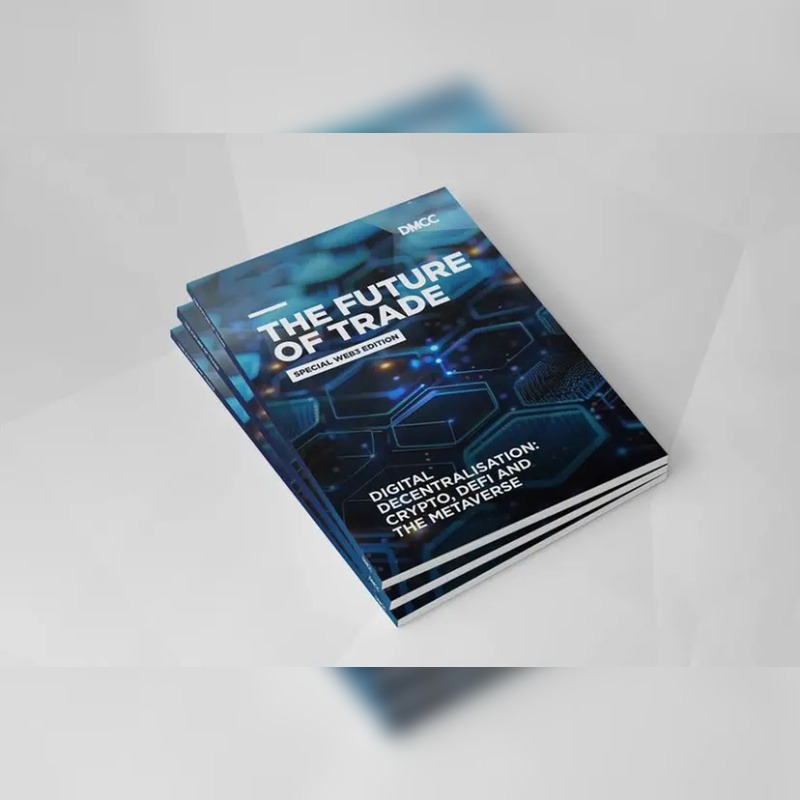
The Dubai Multi Commodities Centre (DMCC) has launched the DMCC Crypto Centre Metaverse, a digital twin of its physical Crypto Centre, developed in collaboration with Infinite Reality, a leader in immersive technologies. This initiative aims to enhance engagement within Dubai’s burgeoning Web3 ecosystem.

The metaverse platform offers users an interactive digital experience, featuring gamified zones and a trading game designed to educate participants about cryptocurrency markets. Belal Jassoma, Director of Ecosystems for DMCC, highlighted the significance of this development, noting that the global metaverse market is projected to exceed USD 3.1 trillion by 2030. He stated, “In launching the DMCC Crypto Centre Metaverse, we are not only providing a cutting-edge digital experience for our ecosystem members but also demonstrating a real pragmatic use case of next-gen technology at the intersection of blockchain and AI.”

This launch aligns with the UAE government’s Dubai Metaverse Strategy, which seeks to position the Emirate among the top 10 metaverse economies globally and establish Dubai as a leading hub for immersive technologies. The strategy underscores the government’s commitment to fostering innovation and integrating advanced technologies into various sectors.

The DMCC Crypto Centre, located in the Uptown Tower, serves as a hub for over 600 crypto firms, providing infrastructure and services to support the growth of startups and established companies in the crypto and blockchain sectors. The introduction of its metaverse counterpart is expected to further enhance collaboration and innovation within the community.

Dubai’s commitment to becoming a global leader in Web3 and blockchain technologies is evident through various initiatives. In October 2024, Sui, a prominent blockchain platform, launched ‘SuiHub Dubai,’ its first global hub aimed at driving Web3 innovation. SuiHub Dubai provides Web3 startup founders with access to workshops, technical support, community-driven events, resources, funding, and technical expertise, ensuring they have the support needed to launch and scale their projects using Sui’s blockchain infrastructure.

The Dubai International Financial Centre (DIFC) has been instrumental in fostering innovation within the financial sector. In January 2023, DIFC launched a metaverse platform as part of the Dubai Metaverse Strategy, providing startups with training, workshops, and networking opportunities. The platform focuses on policy development, legal frameworks, and digital identity, contributing to the broader adoption of metaverse technologies.

The UAE’s proactive approach to embracing advanced technologies has attracted global attention. The implementation of an Innovation Testing License provides a regulatory sandbox that allows companies to test new technologies and business models in a controlled environment. This initiative encourages innovation and enables regulatory bodies to better understand the risks associated with digital assets and new financial technologies.

The Dubai AI Campus, a dedicated ecosystem for AI and Web3 innovation, offers state-of-the-art physical and digital infrastructure to support the growth of these technologies. Located in the heart of Dubai, the campus provides an environment conducive to research, development, and collaboration among industry players.

The DMCC’s latest initiative is expected to play a pivotal role in attracting more businesses and talent to Dubai’s crypto and blockchain sectors. By providing a virtual environment that mirrors its physical counterpart, the DMCC Crypto Centre Metaverse offers companies the opportunity to engage with the ecosystem remotely, facilitating global collaboration and innovation.

The UAE-China Investment Summit, hosted by HSBC in collaboration with Abu Dhabi Global Market (ADGM) during Abu Dhabi Finance Week (ADFW), concluded with a strong call to enhance economic relations and build strategic partnerships between the United Arab Emirates and China.

Commemorating 40 years of economic partnership, the summit convened senior political and economic experts, investors, and business leaders to explore cooperation in trade, investment, sustainable finance, innovation, technology, and infrastructure development.

Salem Mohammed Al Darei, CEO of ADGM, highlighted the summit as a significant milestone in diplomatic relations, providing a platform to explore opportunities in trade, investment, and cultural exchange. He emphasized Abu Dhabi’s role as the “capital of capital” and ADGM’s position as the region’s fastest-growing international financial center.

Zhang Yiming, China’s Ambassador to the UAE, remarked on the four-decade-long diplomatic ties, built on shared aspirations and purposeful cooperation. He noted that the summit reflects a commitment to exploring new opportunities and fostering sustainable economic growth benefiting both nations.

Mohammed Abdulrahman Al Marzouqi, CEO of HSBC Bank Middle East in the UAE, underscored the bank’s role in promoting bilateral investments. He noted that non-oil trade between the UAE and China reached $81 billion in 2023, with expectations for significant growth as Abu Dhabi’s transformation accelerates and China strengthens its global leadership in trade, renewable energy, and innovation.

The summit featured discussions, presentations of investment opportunities, and exclusive networking sessions, reinforcing its status as a key event of Abu Dhabi Finance Week. Both nations expressed a commitment to accelerating growth in priority sectors, including renewable energy and digital transformation.

The UAE holds a pivotal position as China’s largest trading partner in the Middle East, serving as a gateway for Chinese firms seeking to expand in the region. The summit’s emphasis on strategic partnerships aims to leverage this position, fostering mutual investments and driving sustainable growth.

The UAE property market has experienced a significant surge in demand as a growing number of Europeans relocate to Dubai, seeking a dynamic lifestyle and favorable business environment. According to Ali Sajwani, Managing Director of Damac Properties, a leading real estate developer in the region, the shift has been fueled by a combination of factors that make Dubai an increasingly attractive destination for expatriates. These factors include […]

Parkin and BATIC, two prominent players in the realm of urban mobility solutions, have announced a strategic collaboration aimed at transforming parking systems in Saudi Arabia. The partnership focuses on leveraging cutting-edge technologies to enhance the efficiency and accessibility of parking infrastructure across key urban areas. Parkin, a company known for its innovative smart parking systems, and BATIC, a leader in digital transformation solutions for the transport […]

Vantage Data Centers, a leading global provider of hyperscale data center campuses, has secured a €1.4 billion ($1.5 billion) investment to bolster its operations across Europe, the Middle East, and Africa (EMEA). This substantial capital infusion comes from GIC, a prominent global investor, and MEAG, the asset manager for Munich Re Group. The transaction marks GIC’s inaugural investment in Vantage’s EMEA platform and signifies an expansion of […]

The UAE’s payment industry is on track for significant growth, projected to reach a value of $27.3 billion by 2028. This surge reflects the country’s increasing digital transformation, with innovative payment technologies gaining traction across multiple sectors. The shift toward a cashless economy and the growing demand for online and mobile payment solutions are key drivers behind this expansion. The shift to digital payments has been accelerated […]

US investors are closely watching the performance of the Gulf Cooperation Council (GCC) countries, with expectations that they will soon surpass Latin America in key global equity indices such as MSCI and FTSE. As geopolitical stability, economic diversification, and investment-friendly policies continue to reshape the GCC region, investor sentiment is shifting in favor of markets like Saudi Arabia, the UAE, and Qatar. These shifts are positioning the GCC as a competitive alternative to Latin American markets, which have traditionally dominated emerging market portfolios.

The transformation of the GCC has been driven by the Vision 2030 initiatives in Saudi Arabia and similar long-term strategies in the UAE, Oman, and other member states, which aim to reduce dependence on oil exports and stimulate private-sector growth. The shift towards sustainable, knowledge-based economies has attracted foreign investment, with an increasing number of global funds seeking exposure to these markets. As a result, GCC markets are becoming more integrated into international investment indices, which influences investor behavior and portfolio allocations.

Over the last few years, the region has experienced remarkable economic resilience. Saudi Arabia, for instance, has embarked on large-scale infrastructure projects, including the $500 billion NEOM city, aiming to transform the country into a global tech hub. The UAE’s successful diversification into technology, tourism, and finance, alongside Qatar’s investments in real estate and sports, have been pivotal in shaping the region’s economic future. These developments have helped insulate the GCC from global economic shocks that have impacted other emerging markets, particularly in Latin America.

On the other hand, Latin America faces several challenges, including political instability, high inflation rates, and the ongoing effects of the COVID-19 pandemic. While countries like Brazil and Mexico continue to attract significant foreign investment, they struggle with internal issues that undermine their competitiveness in global markets. Currency devaluations, fiscal deficits, and socio-political unrest have made it difficult for Latin American nations to maintain the economic momentum necessary to attract sustained foreign capital flows.

One key factor driving the GCC’s rise in global indices is the region’s regulatory reforms and commitment to improving market transparency. The recent opening up of Saudi Arabia’s stock market to foreign investors has significantly boosted its profile in the MSCI Emerging Markets Index, making it one of the most important global equity markets. Likewise, the UAE and Qatar have undergone similar reforms to make their markets more attractive to international investors. These changes have helped secure the region’s position as a top destination for investment.

By contrast, Latin American markets face continued hurdles in enhancing their market accessibility to foreign investors. While efforts to reform capital markets have been made, the pace of regulatory change has often been slow, and institutional instability in countries like Argentina and Venezuela poses ongoing risks to foreign capital. The lack of uniform regulatory standards across the region makes it harder for investors to manage risk efficiently compared to the more standardized frameworks seen in the GCC.

Investor preferences are also shifting toward sectors where the GCC has a clear competitive advantage. The rise of the global green economy, for instance, has created new opportunities for the region, particularly in the fields of renewable energy and sustainable infrastructure. Countries like Saudi Arabia and the UAE have announced major green energy projects that are not only environmentally beneficial but also expected to generate long-term economic returns. These initiatives align well with the investment priorities of ESG (Environmental, Social, and Governance) focused funds, further boosting the region’s appeal.

Latin America, by contrast, has yet to fully tap into the green economy. While there are emerging opportunities, the lack of coherent national strategies and adequate infrastructure to support renewable energy projects has hindered the region’s growth in this space. The region’s natural resources, such as lithium and copper, are essential for the global transition to electric vehicles, but the lack of stable governance and investment in infrastructure has delayed progress.

The relative stability of GCC countries—especially in terms of governance and fiscal policy—has made them more attractive to foreign investors. With some Latin American countries struggling with political volatility, the GCC offers a more secure investment environment. Saudi Arabia’s Crown Prince Mohammed bin Salman has implemented various reforms to strengthen the business environment, which have been widely praised by foreign investors. Similarly, the UAE’s policies of attracting global talent and fostering innovation have made it one of the most dynamic economies in the region.

As the global economic landscape shifts, the GCC’s strong economic fundamentals, combined with its strategic initiatives to diversify and attract foreign capital, are making it a prominent contender for investors. The region’s stock markets are likely to continue their upward trajectory, surpassing Latin America in indices like MSCI and FTSE, further consolidating their position in the global investment community.

VISHNU RAJA
RYO YAMADA
HITORI GOTOH
IKUYO KITA
Just in:
LittleLives, Little Lab and SEGi College Sign MOU to Explore Early Childhood Education Collaboration Across ASEAN // European Commission takes systems offline after AI cyberattack // Sui activates Hashi Bitcoin lending across partner network // PayerMax and ShopeePay Strengthen Strategic Partnership to Advance Digital Payment Collaboration in Southeast Asia // ED searches five districts in probe against hawala // 2026 Tropical Rainforest Ecosystem Partners Conference Kicks off in Hainan // Dalilk Academy reaches 27 million, targets 100 million by 2030 // Jaiedco and Golden Bridge Announce Strategic Collaboration for a New Dubai Islands Development // Travel Insurance Was Built for the Few Who Claim. Ancileo’s Felt Coverage™ is for Everyone Else // Dar Global unveils $700m Trump development in Qatar // Anthropic shares finish above offer price after Nasdaq debut // Russia permits retail cryptocurrency purchases under regulated framework // Yeebo Announces Interim Results for FY26/27 Revenue Increases by 45.5% to HK$806.7 Million Profit Attributable to Owners Surges 87.6% to HK$2,284.7 Million // Coinbase targets 2027 launch amid state gambling lawsuits // Phancy Announces Business Performance for the Nine Months Ended September 30, 2026 // Sharjah clears Kalba free zone plan for 400MW complex // Saudi Arabia schedules multinational top-up tax for 2027 // Saudi defences destroy three Houthi missiles targeting Riyadh // Oil futures rebound after Riyadh strikes and tanker alerts // Sabarimala booking discrepancies prompt sabotage angle probe //