News related to
opportunities

Largest-ever delegation of homegrown tech companies capturing global attention and potential business opportunities HONG KONG SAR – Media OutReach Newswire – 8 January 2025 – Hong Kong Science and Technology Parks Corporation (HKSTP) marked significant presence at the Consumer Electronics Show (CES) 2025 in Las Vegas, where a largest-ever delegation of 51 tech companies and institute at Hong Kong Tech Pavilions is capturing the attention of industry […]

Emirates NBD Bank PJSC, a leading financial institution based in Dubai, has announced the issuance of five-year notes, set to be listed on the Taipei Stock Exchange (TPEx) in Taiwan. This strategic move aims to diversify the bank’s investor base and enhance its presence in the Asian financial markets. The notes, denominated in U.S. dollars, are scheduled for listing on TPEx on or about January 31, 2024. […]

The Abu Dhabi National Oil Company (ADNOC) is poised for significant expansion in global markets, with its CFO, Alvaro Silva, indicating that this growth could play a crucial role in boosting the development of the company’s drilling units. The state-owned oil giant, one of the largest and most profitable energy firms globally, is concentrating on increasing its international footprint as part of a broader strategy to diversify […]

Venture capital funding in Saudi Arabia and the UAE has experienced a notable decline, as shifting investor priorities and regional economic trends impact the growth of startups and early-stage businesses in both countries. The drop reflects broader changes in the global investment landscape, marked by a heightened focus on risk-adjusted returns and increased caution in the face of global economic uncertainty. In the past year, venture capital […]

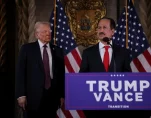
Emirati billionaire Hussain Sajwani has pledged to invest $20 billion in the U.S. data center industry, a move announced alongside President-elect Donald Trump at his Mar-a-Lago residence in Palm Beach, Florida.

Sajwani, chairman of Dubai-based DAMAC Properties, expressed his intention to potentially exceed the $20 billion investment, contingent upon favorable market conditions. This substantial commitment underscores the growing demand for data infrastructure to support advancements in artificial intelligence and cloud services.

DAMAC Properties, under Sajwani’s leadership, has a history of collaboration with the Trump Organization, notably developing the Trump International Golf Club in Dubai, which opened in 2017. Sajwani’s relationship with Trump has been well-documented, with the two families sharing both business and personal ties.

The announcement comes amid a surge in investments in AI technology and the necessary infrastructure to support it. Since the introduction of OpenAI’s ChatGPT in late 2022, there has been a significant increase in funding directed toward generative AI technology and the infrastructure required to support it. For instance, Microsoft announced plans to invest approximately $80 billion this fiscal year to expand its AI capacity.

President-elect Trump has emphasized his commitment to bolstering domestic industries and attracting foreign investment. During his campaign, he proposed higher tariffs on Chinese goods to limit China’s access to advanced data center technology. The announcement of Sajwani’s investment aligns with Trump’s economic agenda, aiming to stimulate job creation and technological advancement within the United States.

However, it’s worth noting that not all previously announced investments have come to fruition. Early in his first term, Trump announced a $10 billion investment by Foxconn in a Wisconsin factory, which promised thousands of jobs but was largely abandoned. Despite such precedents, the current investment climate, particularly in AI and data infrastructure, appears more robust, with multiple tech giants committing substantial funds to expand their capabilities.

Sajwani’s investment is expected to focus on the construction of data centers across various U.S. states, including Texas, Arizona, Oklahoma, Ohio, Illinois, Louisiana, Michigan, and Indiana. These facilities will play a crucial role in supporting the growing demands of AI applications and cloud computing services.

The U.S. data center industry has been experiencing significant growth, with estimates suggesting that the country could attract up to $1 trillion in data center investments over the next five years. Sajwani’s commitment represents a notable contribution to this expanding sector, highlighting the increasing importance of data infrastructure in the digital economy.

In addition to his ventures in real estate and data centers, Sajwani has diversified his business interests through his private investment firm, which acquired Italian fashion group Roberto Cavalli in 2019. He has also invested in luxury developments in London, including the Versace-branded DAMAC Tower in Nine Elms.

The collaboration between Sajwani and Trump has not been without scrutiny. Their business dealings have raised questions about potential conflicts of interest, given Trump’s political position and the international scope of their ventures. Nonetheless, both parties have maintained that their relationship is strictly professional, centered around mutually beneficial business opportunities.

As the U.S. continues to tighten restrictions on the export of AI chips to China, investments like Sajwani’s are seen as strategic moves to bolster domestic technological infrastructure. The Biden administration had previously implemented measures to limit China’s access to advanced AI technology, a stance that President-elect Trump appears poised to continue with key appointments in his administration.

Sajwani’s commitment to investing in U.S. data centers reflects a broader trend of international investors recognizing the potential of the American technology sector. With the increasing integration of AI and cloud services into various industries, the demand for robust data infrastructure is set to rise, making such investments both timely and strategically significant.

The announcement has been met with optimism from industry analysts, who view it as a positive indicator of continued growth and innovation in the U.S. technology sector. As these data centers become operational, they are expected to create numerous job opportunities and contribute to the advancement of AI and cloud computing technologies.

While the full impact of Sajwani’s investment will unfold over the coming years, its alignment with current technological trends and economic policies suggests a significant boost to the U.S. data center industry. As the digital economy expands, the importance of such infrastructure investments cannot be overstated, positioning the United States as a continued leader in technological innovation.

Foster Environmental, Social and Governance (ESG) adoption by Singapore enterprises through national frameworks, grants, and a hub to align with global sustainability standards. Accelerate innovation through increased funding for the development of sustainable technologies and the adoption of artificial intelligence. Strengthen workforce capabilities with targeted professional growth programmes, leadership benchmarks, and micro-credentialling to prepare talent for global challenges. SINGAPORE – Media OutReach Newswire – 8 January 2025 […]

SHANGHAI, CHINA – Media OutReach Newswire – 7 January 2025 – In today’s era of diversity, freedom, and a pursuit of high-quality living, recreational vehicles (RVs) have become the preferred choice for many seeking to explore the world and enjoy life. As a pioneer in creating the “mobile home” experience, New Gonow has leveraged its exceptional product capabilities, keen market insights, and strong innovation to gain widespread […]

Advertisements

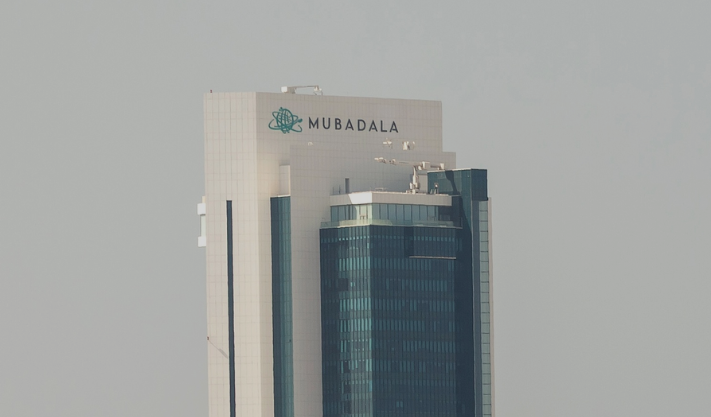
State-owned investors, notably sovereign wealth funds (SWFs) and public pension funds (PPFs), are significantly increasing their presence in global private markets. With combined assets under management exceeding $13 trillion, these entities are reshaping investment landscapes by channeling substantial capital into sectors such as private equity, real estate, and infrastructure. Mubadala Investment Company, Abu Dhabi’s sovereign wealth fund, exemplifies this trend. In 2024, Mubadala’s investments surged by 67% […]

Saudi Arabia has taken a significant step toward revolutionizing its renewable energy sector, announcing the prequalification of 33 companies for its ambitious 8GWh Battery Energy Storage System (BESS) projects. This initiative, which is a critical part of the country’s broader energy transformation strategy, aims to enhance the efficiency and stability of the nation’s power grid while bolstering its renewable energy capacity. The announcement marks a pivotal milestone […]

Abu Dhabi has introduced a new initiative aimed at easing business setup procedures, creating a more efficient environment for entrepreneurs and investors. The Abu Dhabi Regulatory Authority (ADRA) has been established to streamline business registration processes, offering faster, more transparent services to individuals and companies looking to establish operations in the emirate. ADRA’s formation marks a significant shift in how businesses interact with regulatory bodies, as it […]

PureHealth’s subsidiary, Ardent Health, has executed a strategic move to bolster its presence in the United States healthcare market. The UAE-based health provider announced the acquisition of a significant U.S. healthcare player, marking a pivotal moment in its global expansion strategy. This development positions Ardent Health as a more formidable force within the competitive American healthcare landscape, aligning with PureHealth’s long-term goals to diversify and expand its operations internationally.

The deal, valued at billions of dollars, grants Ardent Health an influential role within the U.S. healthcare sector, which has seen increasing demand for services, particularly in the aftermath of the COVID-19 pandemic. Ardent Health, which already operates a network of hospitals, outpatient centers, and healthcare services across the U.S., will leverage this acquisition to further expand its geographical footprint and service offerings. Experts believe this acquisition reflects a calculated strategy to access new patient populations, advance healthcare innovation, and enhance service delivery across different states.

The acquisition involves several hospitals and healthcare facilities, adding more than 2,000 beds to Ardent Health’s network, enhancing its capacity to meet growing demand for healthcare services, particularly in underserved regions. This move further aligns with the increasing trend of healthcare consolidation in the U.S., as healthcare providers look to increase their operational efficiencies and compete with larger hospital networks.

The acquisition also opens up new opportunities for Ardent Health to integrate its healthcare models with the acquired facilities. With a focus on innovative care delivery systems, Ardent aims to introduce cutting-edge technologies such as telemedicine, digital health solutions, and artificial intelligence-driven diagnostics to improve patient outcomes. This integration could provide Ardent with a competitive advantage, positioning it as a leader in offering cost-effective, patient-centric care.

For PureHealth, this acquisition aligns with its broader strategy to diversify its portfolio and deepen its international presence. The company’s growth trajectory has been marked by aggressive expansion into various international markets, with a particular emphasis on the U.S., a market that has shown resilience and growth even amidst economic challenges. PureHealth’s CEO, who has been instrumental in orchestrating the acquisition, commented that the move is crucial for achieving the company’s goal of becoming a leading global player in healthcare by 2025.

Healthcare analysts have noted that this acquisition also represents a shift towards a more integrated and patient-focused healthcare model. By expanding its reach in the U.S., Ardent Health is poised to compete with well-established U.S.-based healthcare systems. This growth will likely allow Ardent Health to capitalize on the growing trend toward value-based care, which incentivizes healthcare providers to improve patient outcomes while reducing costs.

The deal underscores the growing importance of international investment in the U.S. healthcare sector, as foreign entities increasingly recognize the opportunities in one of the world’s largest and most lucrative healthcare markets. This acquisition also highlights the ongoing trend of Middle Eastern healthcare giants making strategic inroads into Western markets, a move that reflects the global nature of the healthcare industry and the increasing demand for quality care worldwide.

Ardent Health, under the leadership of PureHealth, is expected to continue its trajectory of growth, driven by this acquisition and other strategic initiatives. The acquisition process, which is still subject to regulatory approvals, will likely face scrutiny from U.S. antitrust regulators. However, experts anticipate that the deal will clear these hurdles, as it is expected to strengthen competition and improve healthcare service delivery in the affected regions.

The expansion of Ardent Health’s footprint is seen as a response to the broader challenges facing U.S. healthcare, such as rising costs, an aging population, and disparities in access to quality care. By acquiring facilities in underserved markets, Ardent Health aims to bridge some of these gaps while enhancing its overall service offerings. Furthermore, the acquisition aligns with PureHealth’s emphasis on improving healthcare infrastructure in emerging markets, where there is a pressing need for advanced healthcare systems.

As the healthcare sector evolves globally, players like PureHealth’s Ardent Health are capitalizing on mergers and acquisitions to achieve economies of scale, increase their market share, and enhance patient care. The success of this acquisition will likely have a ripple effect across the industry, prompting further consolidation and strategic partnerships within the healthcare sector.

Over 300 industry leaders convene in Hong Kong to explore the future of Asian property markets HONG KONG SAR – Media OutReach Newswire – 7 January 2025 – The MIPIM Asia Summit concluded its 18th edition on December 4th, bringing together over 400 international delegates at the Grand Hyatt, Hong Kong. As Asia’s premier real estate investment platform, this year’s summit focused on the vision for the […]

SINGAPORE – Media OutReach Newswire – 7 January 2025 – Zuellig Pharma, a leading healthcare solutions company in Asia, has announced that it has completed the acquisition of Propan, a market leading brand in the multivitamin-appetite stimulant segment, from ADP Pharma Corporation. Propan is an established and trusted brand in the Philippines. It remains a reliable partner in promoting healthier lives across the nation. From prescription capsules […]

LAS VEGAS – Media OutReach Newswire – 6 January 2025 – Innolux will showcase its latest, most innovative product technologies in Las Vegas, U.S.A. from January 7 to 9 under the theme “Driving New Possibilities”. James Yang, President of Innolux, said that Innolux has added yet more value to its display field, created outstanding innovative technologies, and crafted comprehensive scenario-tailored service solutions, exporting these boons to overseas […]

Currency markets sent a resounding message last week: the US remains the dominant force in the global economy. The dollar surged to a two-year high against the euro, which fell to $1.0267, and reached an eight-month peak against sterling, with the pound dropping to $1.2354, which is its lowest level since late April. This sharp rally reflected a growing belief among investors that the US economy’s resilience […]

By K. Raveendran The government has notified draft rules relating to the digital privacy protection law. Undoubtedly, this underscores a critical moment in the ongoing evolution of privacy legislation. The law, ostensibly designed to safeguard citizens, particularly children, from the darker corners of the digital realm, also raises profound concerns about the potential for governmental […]

HONG KONG SAR – Media OutReach Newswire – 2 January 2025 – The social media platform Xiaohongshu, known as the “Chinese version of Instagram,” has rapidly risen in popularity in recent years. With its massive traffic and influence, it has become an essential guide for mainland Chinese tourists visiting Hong Kong. This trend has motivated more businesses and enterprises to leverage the platform for promotion, striving to […]

Dubai’s property market has experienced a remarkable surge in demand, with the fourth quarter of 2024 marking the highest-ever quarterly sales, signaling a bullish outlook for 2025. The city’s real estate sector continues to attract investors and homebuyers, bolstered by favorable economic conditions and government initiatives aimed at supporting growth. The trend suggests that Dubai’s property market will likely maintain its momentum, making it one of the most attractive destinations for real estate investment globally.

The Dubai Land Department (DLD) reported that in Q4 2024, the total value of real estate transactions soared to new heights, breaking previous records. In addition to an increase in the volume of sales, the average property prices have seen upward movements, driven by high demand in both residential and commercial segments. This strong performance is attributed to a combination of factors, including the city’s resilient economic recovery, strong investor confidence, and a growing population that is increasingly seeking quality housing and investment opportunities.

Leading this growth is the luxury real estate segment, which has experienced a particularly sharp uptick. High-net-worth individuals and international investors have shown a preference for prime residential properties, with villas, penthouses, and beachfront developments seeing the most significant price increases. As international travel restrictions ease and global investors return to the market, Dubai’s luxury offerings continue to be seen as attractive, safe havens for capital preservation.

In addition to the luxury sector, there is increasing interest in mid-market housing. The city’s developers have been responding to this demand by focusing on affordable housing projects, catering to the growing middle class. Several large-scale developments, particularly in emerging areas such as Dubai South, Dubai Creek Harbour, and Mohammed bin Rashid City, are underway to address this need.

The government’s proactive role in shaping the property landscape cannot be overstated. Initiatives such as long-term visas, tax breaks, and investor-friendly policies continue to provide a favorable business environment for property owners. Furthermore, the Expo 2020 Dubai, despite its delayed launch, has had a lasting impact on the city’s infrastructure, attracting additional global attention and investment. The city’s diverse and dynamic economy, with sectors like tourism, technology, and finance growing at a rapid pace, further strengthens the property market’s growth potential.

Dubai’s location as a global financial hub and a gateway between East and West remains a crucial factor for foreign buyers. The city’s diversification efforts, which focus on sectors such as fintech, renewable energy, and logistics, make it an attractive option for investors seeking growth and stability. As a result, Dubai’s real estate market remains a strong performer compared to other global cities.

The UAE’s ambitious Vision 2025 plans, which include expanding tourism, enhancing urban infrastructure, and fostering a knowledge-based economy, will likely boost demand for both residential and commercial properties in the long term. These national efforts support the city’s appeal as a thriving center for business and leisure, encouraging both local and foreign investments.

As Dubai’s economy continues to diversify and evolve, real estate will remain a key pillar. Developments in the infrastructure sector, such as the expansion of the Dubai Metro and road networks, are expected to play a significant role in sustaining the growth of property markets in both established and developing areas. Additionally, a growing focus on sustainability and green developments has led to an increase in eco-friendly properties, which appeal to environmentally conscious buyers and investors.

The residential market, while currently the star of the show, is not the only segment benefitting from this upswing. Dubai’s commercial real estate market has also seen robust demand, particularly in office spaces and retail developments. As more businesses, particularly tech and financial firms, establish a foothold in the city, the demand for high-quality office spaces in prime locations has risen. Moreover, the hospitality industry has also enjoyed a boost, with new luxury hotels and resorts attracting both international and regional visitors, supporting the broader tourism sector.

Looking ahead to 2025, experts predict that Dubai’s property market will continue to attract investment, particularly from buyers and developers seeking stability amid global economic uncertainties. Analysts are particularly optimistic about the long-term prospects of the market, with the growing demand for both luxury and affordable housing creating a balanced real estate ecosystem. The projected growth of the city’s economy, combined with its increasing role as a global business hub, positions Dubai to maintain its upward trajectory.

Despite the optimistic outlook, challenges remain, particularly in terms of rising construction costs and the potential for market saturation in some areas. However, developers are adapting to these challenges by focusing on innovative design and sustainable construction practices. The launch of new projects is expected to continue at a strong pace, with an emphasis on meeting the needs of an increasingly diverse population. Whether through green building initiatives, mixed-use developments, or community-focused design, Dubai’s real estate sector is evolving to meet the demands of modern buyers and investors.


Saudi Arabia has secured a significant financial agreement, arranging a $666 million Shariah-compliant revolving credit facility. This deal represents the country’s continuing efforts to bolster its economy while maintaining adherence to Islamic financial principles. The facility was structured in alignment with Shariah law, which prohibits earning or paying interest, marking an important step for the nation’s economic and fiscal policies.

The loan is set to bolster Saudi Arabia’s financial resources, enabling it to support its economic diversification programs under Vision 2030. This initiative, launched by Crown Prince Mohammed bin Salman, aims to reduce the kingdom’s reliance on oil revenues by expanding investments in sectors like technology, tourism, and entertainment. As part of this strategy, Saudi Arabia has been working to establish itself as a leading hub for global finance, with a strong focus on Islamic finance.

Key international and local banks participated in the deal, underscoring the growing confidence in Saudi Arabia’s financial and economic reforms. The country’s ability to attract investment in this manner signals a positive outlook for its economic future, as it navigates the transition towards a more diverse and sustainable economic model.

The revolving credit facility is structured to provide flexibility in financing, offering Saudi Arabia the ability to draw and repay funds as needed. This arrangement reflects a growing trend among global sovereigns seeking to tap into Shariah-compliant financial instruments. The use of such instruments is becoming increasingly popular, especially in the Middle East, where Islamic finance is a long-standing practice.

Saudi Arabia’s commitment to maintaining a robust and diversified economy is evident in its proactive approach to financing. The revolving credit facility aligns with the broader objectives of Vision 2030, aiming not only to reduce the kingdom’s dependence on oil exports but also to position it as a key player in the global financial landscape.

The financial facility is also a testament to the continued strength of the Saudi banking sector. Despite challenges posed by global economic fluctuations, Saudi banks have demonstrated resilience, supported by sound regulatory frameworks and a relatively stable domestic economy. This deal further underscores the country’s ability to secure favorable financing terms in the global market.

For global investors, this deal represents a favorable opportunity, as Saudi Arabia’s creditworthiness remains strong, bolstered by its strategic economic initiatives. With international markets increasingly receptive to Shariah-compliant investments, Saudi Arabia is well-positioned to capitalize on these trends, fostering further growth and stability.

The arrangement also reflects the broader international appetite for Islamic finance products. Global financial institutions are increasingly keen on structuring deals in compliance with Islamic finance principles, attracted by the stability and ethical foundations of these financial models. This aligns with global financial trends that emphasize sustainability, ethical investing, and financial inclusion.

Saudi Arabia’s ability to attract such significant financing indicates a growing trust in the kingdom’s economic reforms. With continued investments in infrastructure and development projects, the deal contributes to the country’s long-term economic objectives. This marks another milestone in the ongoing evolution of Saudi Arabia’s financial landscape, which aims to integrate more Islamic finance mechanisms and create a sustainable, diversified economy.

The success of the deal highlights the growing sophistication of the Saudi financial market. As more international institutions embrace Shariah-compliant products, the kingdom is establishing itself as a financial powerhouse in the region. This further positions Saudi Arabia as a leader in Islamic finance, not only attracting regional but also global investors seeking ethically aligned opportunities.

The $666 million deal is part of a broader set of financial moves that align with the kingdom’s Vision 2030 goals. With a clear focus on reducing its dependency on oil and diversifying into other sectors, Saudi Arabia is positioning itself as a destination for international investment. This revolving credit facility represents a key component of these efforts, reinforcing Saudi Arabia’s fiscal stability and commitment to a robust, sustainable future.

SINGAPORE – Media OutReach Newswire – 2 January 2025 – Crystal Learning Pte. Ltd. and Lingo School of Knowledge are pleased to announce the streamlining of their combined language offerings following their recent merger. This strategic decision will create a more focused and efficient portfolio, enabling regular class openings, greater operational synergy, and more opportunities for students to start their language learning journeys. Under this new structure, […]

Abu Dhabi’s sovereign wealth fund Mubadala has taken the lead in global investment deals, outshining Saudi Arabia’s Public Investment Fund (PIF) with a remarkable $29 billion in recent transactions. The massive deals, which span various sectors from energy to technology, signal Mubadala’s growing influence in international markets and its strategic approach to diversifying assets. This shift also highlights the evolving power dynamics between the Gulf’s financial titans, with each country intensifying efforts to bolster its economic position amid fluctuating oil prices and geopolitical shifts.

Mubadala’s landmark investments come at a time when Saudi Arabia has aggressively expanded the reach of its PIF, particularly through high-profile acquisitions and a focus on sectors such as entertainment, tourism, and green energy. However, Mubadala’s swift maneuvers in the market have positioned it to not only compete with the PIF but potentially reshape the future of the investment landscape in the Middle East. The fund’s most notable deals include a series of investments in technology companies, as well as strategic moves in the renewable energy sector, aimed at securing long-term returns in an increasingly volatile global economy.

Experts suggest that Mubadala’s success is tied to its methodical approach to diversification. Unlike the PIF, which has been bold in pursuing large-scale, high-risk investments, Mubadala has focused on stabilizing its portfolio with balanced investments across a wide range of industries. This includes a heightened focus on cutting-edge industries such as artificial intelligence, clean energy, and biotechnology. As a result, Mubadala has emerged as a significant player in these high-growth areas, while also maintaining a strong foothold in more traditional sectors like real estate and infrastructure.

The timing of Mubadala’s recent success also speaks volumes about its ability to adapt to changing market conditions. Amid rising inflation and shifting investor sentiments, the fund has strategically pivoted towards companies with promising growth prospects, even as market conditions become more unpredictable. The diversification strategy has not only paid off but has also placed Mubadala in a position to capitalize on opportunities in the rapidly changing global economy.

Saudi Arabia, meanwhile, is determined to maintain the prominence of the PIF as the engine driving the kingdom’s economic transformation under its Vision 2030 plan. The PIF has ramped up its investments in global companies, most notably in the entertainment and sports sectors, including stakes in firms like Lucid Motors and endeavors such as the development of the $500 billion smart city, Neom. But despite the PIF’s ambitious projects and high-profile investments, critics argue that its heavy reliance on the oil sector makes it vulnerable to market fluctuations, a concern that Mubadala’s diversified approach may be better positioned to mitigate.

Saudi officials have defended the PIF’s strategy, stating that it plays a critical role in advancing the country’s non-oil economy. The PIF’s investments, particularly in the entertainment and sports sectors, are expected to bring long-term returns and aid in the creation of new jobs, especially for Saudi youth. Yet, this aggressive pursuit of diversification has raised questions about the risk of spreading its resources too thin. Mubadala, on the other hand, has positioned itself to weather global downturns by maintaining a more balanced portfolio, one that includes significant investments in both emerging technologies and established industries.

SYDNEY, AUSTRALIA – Media OutReach Newswire – 1 January 2025 – With the rapid development of the Web3 ecosystem, 2024 undoubtedly marks a pivotal moment in the blockchain industry. This year, Memecoins have transformed from speculative assets into a mainstream cultural phenomenon, becoming a key driver of widespread consensus and wealth transfer. As new issuance models and evolving asset types continue to emerge, the substantial investment opportunities […]

HO CHI MINH CITY, VIETNAM – Media OutReach Newswire – 30 December 2024 – Visa, the global leader in digital payments, reveals a surge in contactless payments across the Asia-Pacific (AP) region, with Vietnam leading the charge based on a recent survey commissioned by Visa done by YouGov[1]. VisaNet data analyzed by the Visa Consulting & Analytics (VCA) shows a significant shift in payment behavior, with nearly […]

Citigroup has announced its departure from the Net-Zero Banking Alliance (NZBA), becoming the third major U.S. bank to exit the United Nations-backed coalition this month. This move follows similar decisions by Goldman Sachs and Wells Fargo, highlighting a significant shift among American financial institutions regarding collective climate commitments. The NZBA, established in 2021, comprises banks dedicated to aligning their lending and investment portfolios with net-zero greenhouse gas […]

VISHNU RAJA
RYO YAMADA
HITORI GOTOH
IKUYO KITA