Just in:
Technology at Work, Heritage for All: The “Chinese Approach” to Safeguarding the Leshan Giant Buddha // US military rebuts Iran’s Gulf F-16 strike allegation // Phancy Announces Business Performance for the Nine Months Ended September 30, 2026 // Jaiedco and Golden Bridge Announce Strategic Collaboration for a New Dubai Islands Development // Russia permits retail cryptocurrency purchases under regulated framework // Sui activates Hashi Bitcoin lending across partner network // Toward a Shared Future for Humanity: Rethinking Civilizational Exchange // Balagopal challenges CM over tax revenue // Workday targets Honeydew purchase to unify AI metrics // 2026 Tropical Rainforest Ecosystem Partners Conference Kicks off in Hainan // Padmini follows Padmaja for ‘ghar vapsi’ // Dubai Introduces SHARH, an AI-Powered Platform Helping Entrepreneurs Buy, Sell and Manage Businesses in the UAE // Coinbase targets 2027 launch amid state gambling lawsuits // Diabetes Malaysia And Alpro Pharmacy Set National Record With 11,007 Most Blood Glucose Screenings Conducted Across Malaysia In Just 48 Hours // Crypto market loses $150 billion amid broad sell-off // Promoting Common Human Development Through Exchanges and Mutual Learning Among Civilizations // Dalilk Academy reaches 27 million, targets 100 million by 2030 // PayerMax and ShopeePay Strengthen Strategic Partnership to Advance Digital Payment Collaboration in Southeast Asia // Ex-minister named accused in Messi visit fraud case // Sabarimala booking discrepancies prompt sabotage angle probe //

News related to
opportunities

Emirates National Oil Company (ENOC) is contemplating an expansion of its Jebel Ali Oil Refinery, as articulated by its CEO. This initiative aims to enhance operational capacity and cater to rising regional and global demands for refined products. Currently, the refinery has a processing capacity of 140,000 barrels per day, primarily producing a range of fuels and petrochemical products. The Jebel Ali facility has been instrumental in […]

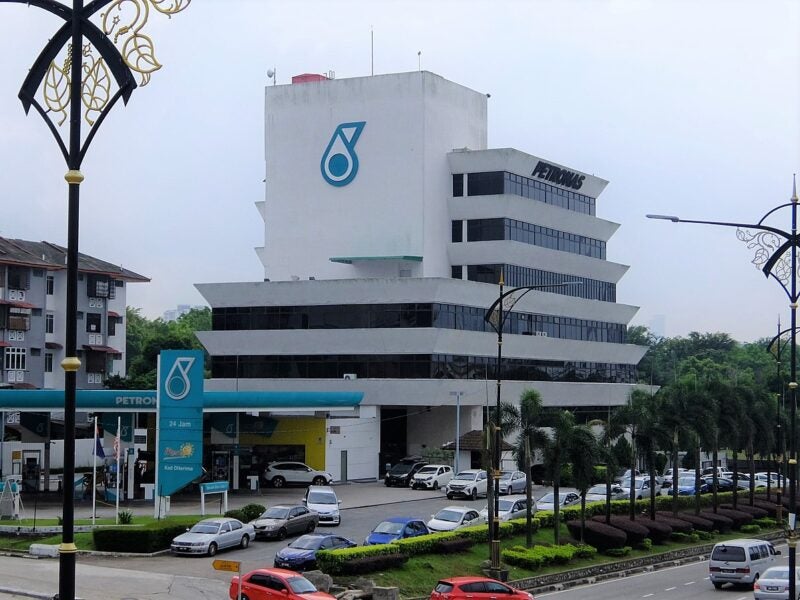
Petronas, the Malaysian oil and gas company, has achieved a significant milestone by securing an onshore concession license in Abu Dhabi. This development signals a noteworthy expansion for Petronas in the Middle East, positioning the company for increased engagement in the region’s burgeoning energy sector.

The agreement grants Petronas the right to explore, develop, and produce hydrocarbons in the concession area, an endeavor that aligns with the company’s strategic focus on enhancing its international upstream portfolio. The concession spans a 30-year term, during which Petronas aims to leverage its technological expertise and innovative solutions to optimize production while adhering to the highest environmental standards.

Abu Dhabi’s hydrocarbon-rich landscape has long attracted major oil players due to its substantial reserves and favorable investment climate. The emirate is keen on diversifying its economy and enhancing energy sustainability, and Petronas’s involvement is anticipated to contribute positively to these objectives. This concession license aligns with Abu Dhabi’s broader strategy to attract foreign investment while ensuring a sustainable energy future.

The licensing agreement underscores the UAE’s commitment to maintaining its status as a pivotal player in the global energy market. It also reflects Petronas’s strategic intention to capitalize on growth opportunities outside its home market, thereby enhancing its global footprint. The partnership with the Abu Dhabi National Oil Company (ADNOC) is expected to facilitate knowledge transfer and collaboration, fostering innovation within the energy sector.

ADNOC has actively sought international partners to strengthen its upstream capabilities, and Petronas’s involvement is seen as a testament to ADNOC’s strategy of forging alliances with leading global energy firms. The collaboration will focus on advanced technologies, including digitalization and artificial intelligence, to enhance exploration and production efficiencies.

Petronas has been expanding its international operations over the past few years, with significant investments in various countries, including Canada, Brazil, and Mozambique. The company aims to maintain a balanced portfolio while exploring opportunities in renewable energy, aligning with global shifts towards sustainable practices. The Abu Dhabi concession marks a continuation of Petronas’s efforts to adapt to evolving market dynamics and shifting energy demands.

Industry analysts view this agreement as a positive step for both Petronas and ADNOC, as it creates synergies that can drive value creation. The partnership is expected to leverage ADNOC’s extensive experience in the region along with Petronas’s technical capabilities, thereby enhancing operational efficiencies. With the global energy landscape undergoing significant transformations, this collaboration is poised to bolster the resilience and competitiveness of both entities.

The concession also comes at a time when oil prices are experiencing volatility, prompting many companies to reassess their strategies and investments. By securing this license, Petronas is positioning itself to navigate these fluctuations effectively. The company’s focus on innovation and sustainability is anticipated to enhance its adaptability to market challenges, ensuring its long-term growth prospects.

As the energy transition accelerates, the partnership between Petronas and ADNOC is likely to explore opportunities beyond traditional oil and gas. The companies may jointly investigate initiatives in carbon capture and storage, as well as investments in renewable energy projects. This strategic approach is essential for maintaining relevance in a rapidly changing energy landscape.

Both companies are well-positioned to contribute to Abu Dhabi’s goal of achieving net-zero emissions by 2050. The collaboration could lead to groundbreaking advancements in energy efficiency and sustainability practices, setting a benchmark for future partnerships in the region.

While the immediate focus is on hydrocarbon production, the strategic collaboration may pave the way for broader initiatives that align with global sustainability goals. This could include exploring alternative energy sources, enhancing energy efficiency measures, and investing in clean technologies that reduce carbon footprints.

The successful acquisition of the onshore concession license by Petronas not only highlights its commitment to expanding its operational footprint but also underscores the importance of collaboration in achieving energy sustainability. The agreement reflects a shared vision between ADNOC and Petronas to develop innovative solutions that meet the demands of an evolving energy landscape while prioritizing environmental stewardship.

As global energy markets continue to transform, Petronas’s expansion into Abu Dhabi marks a significant development in the region’s oil and gas sector. This venture is expected to enhance both companies’ operational efficiencies, drive technological innovation, and contribute to the sustainable development goals set forth by the UAE. The collaboration serves as a model for future partnerships, illustrating the potential of strategic alliances in navigating the complexities of the energy industry.

The Karl Lagerfeld brand is venturing into the luxury real estate market, announcing ambitious plans to expand its portfolio of branded residences both in the UAE and globally. This move marks a significant shift for the iconic fashion house, which has primarily been associated with haute couture, accessories, and lifestyle products. The expansion aligns with a broader trend in the luxury sector, where fashion brands are increasingly diversifying their offerings to include real estate as a means to enhance their brand presence and engage consumers in new ways.

The announcement comes as part of a collaboration between the Karl Lagerfeld brand and the luxury real estate developer, K. Group, headquartered in Dubai. The partnership aims to develop exclusive residential projects featuring the distinctive design and aesthetic synonymous with Lagerfeld’s legacy. The first of these projects is expected to launch within the next two years in one of Dubai’s upscale neighborhoods, further solidifying the city’s reputation as a global luxury hub.

This strategic expansion into branded residences capitalizes on the growing demand for luxury living spaces that offer personalized experiences, combining opulence with the allure of high fashion. Branded residences have become increasingly popular among affluent buyers seeking unique living experiences that reflect their lifestyle preferences. This trend is particularly pronounced in regions such as the Middle East, where luxury and exclusivity are paramount.

Lagerfeld’s iconic design sensibility, characterized by clean lines, bold colors, and a contemporary aesthetic, will play a central role in shaping the residential projects. Each residence is expected to showcase custom interiors inspired by Lagerfeld’s distinct style, ensuring that residents will experience a unique living environment that embodies the brand’s ethos. The integration of high-quality materials, innovative design features, and cutting-edge technology will further enhance the allure of these properties.

As the luxury real estate market continues to evolve, fashion houses like Karl Lagerfeld are leveraging their brand equity to tap into new revenue streams. This strategy not only enhances brand visibility but also creates a sense of community among residents who share an affinity for the brand. Moreover, the collaboration with K. Group will enable the Karl Lagerfeld brand to benefit from the developer’s extensive market knowledge and expertise in the real estate sector.

The global luxury real estate market is witnessing a surge in interest from high-net-worth individuals seeking investment opportunities that combine lifestyle with financial returns. According to industry analysts, the branded residences market is projected to grow significantly, driven by increasing demand for luxury properties in prime locations. The trend is particularly evident in cities like Dubai, where luxury developments have consistently attracted wealthy investors from around the world.

The partnership between Karl Lagerfeld and K. Group represents a broader trend among luxury brands diversifying their portfolios. Similar ventures have been seen with brands like Versace, Bulgari, and Armani, each establishing their own branded residences in various markets. These projects not only serve as a revenue stream but also deepen the emotional connection between consumers and the brand, fostering loyalty and enhancing the overall brand experience.

The move into branded residences also aligns with the growing consumer preference for experiential luxury, where buyers are increasingly looking for more than just a property. They seek a lifestyle that is intricately woven with the values and aesthetics of the brands they admire. By offering residences that reflect the essence of the Karl Lagerfeld brand, the company is poised to capitalize on this shift in consumer behavior, providing potential buyers with a unique living experience that transcends traditional luxury.

With the Karl Lagerfeld brand’s expansion into branded residences, the fashion house is set to redefine the luxury living experience. The move underscores the evolving landscape of the luxury market, where boundaries between fashion, lifestyle, and real estate continue to blur. As the brand prepares to unveil its first residential projects, anticipation is building among potential buyers eager to experience the unique fusion of high fashion and luxury living.

Google has announced a significant investment of $1 billion (36 billion Thai baht) into Thailand, marking a strategic move to enhance the country’s digital infrastructure. The tech giant will establish a new data center and further expand its cloud capabilities in Thailand, a region recognized as a growing hub for digital transformation. This investment, disclosed on Monday, positions Thailand as a pivotal location in Google’s broader Asia-Pacific strategy to harness the potential of artificial intelligence (AI) and cloud computing.

This expansion reflects Google’s growing interest in Southeast Asia’s digital economy, which has been steadily increasing in global significance. By building a data center in Thailand, Google aims to support the country’s rapidly evolving digital landscape, while also strengthening its cloud infrastructure across the Asia-Pacific region. The move is part of Google’s broader efforts to stay competitive in the AI and cloud computing markets, where it faces fierce competition from other tech players, including Microsoft and OpenAI.

Thailand’s digital economy has gained substantial momentum in the past decade, positioning the country as a key player in Southeast Asia’s tech scene. According to a 2023 report by Google, Temasek, and Bain & Company, Thailand’s digital economy ranks as the second-largest in Southeast Asia. It is projected to reach a valuation of $50 billion by 2025, underscoring the country’s rapid digitalization and growing importance in the regional tech landscape. Google’s investment aligns with these trends, helping to accelerate digital transformation in a market poised for further growth.

Google’s decision to invest heavily in Thailand is also influenced by the country’s growing digital consumption. With increased internet penetration and rising demand for cloud-based services, the Thai market presents a substantial opportunity for tech giants to expand their services. The new data center will support the growing needs of businesses and consumers in the region, providing enhanced connectivity, improved access to cloud computing services, and greater data storage capacities. This development is expected to spur innovation, particularly in sectors such as e-commerce, financial technology (fintech), and digital content creation.

Artificial intelligence is another key area where Google seeks to make significant strides with this investment. The data center in Thailand will not only serve as a cloud infrastructure hub but will also contribute to Google’s efforts to push AI applications and services into the Thai market. As AI becomes increasingly integrated into various industries, including healthcare, education, and finance, the infrastructure provided by Google’s new data center is anticipated to support a wide array of AI-driven innovations. The expansion will also facilitate the adoption of AI technologies by local businesses, enhancing their operational efficiencies and enabling them to compete on a global scale.

Thailand’s strategic geographical location within Southeast Asia makes it an ideal choice for Google’s investment. The country serves as a gateway to several other fast-growing markets in the region, offering access to both emerging and established economies. By enhancing its infrastructure in Thailand, Google is well-positioned to tap into broader regional opportunities, particularly as Southeast Asia continues to witness a surge in digital adoption and technological advancements.

Google’s investment is also expected to have a significant economic impact on Thailand. The construction of the data center will create numerous jobs, both directly and indirectly, across various sectors, including technology, construction, and services. Moreover, the expansion of Google’s cloud services in Thailand will benefit local businesses, enabling them to leverage advanced digital tools and platforms to drive growth and innovation. As a result, Thailand is likely to experience a boost in its digital economy, contributing to the overall economic development of the country.

This announcement comes at a time when major tech companies are increasingly focusing on artificial intelligence as the next frontier of technological advancement. As companies like Microsoft and OpenAI continue to advance their AI capabilities, Google’s investment in Thailand underscores its commitment to remaining competitive in this evolving landscape. The new data center will be a critical part of Google’s strategy to enhance its AI infrastructure and deliver cutting-edge AI solutions to customers in Southeast Asia and beyond.

Google’s AI ambitions in Thailand are not just about technology development; they also encompass AI education and skills development. The company has been working with local institutions to provide training in AI and cloud computing, aiming to build a workforce capable of supporting the country’s digital future. This initiative is expected to create a pipeline of skilled workers in Thailand, further positioning the country as a regional leader in AI and digital innovation.

This $1 billion investment also highlights the increasing importance of Southeast Asia as a focus for global tech giants. As the region’s digital economy continues to expand, companies are recognizing the need to invest in local infrastructure to meet the growing demand for digital services. Google’s data center in Thailand is part of a broader trend of tech companies establishing a stronger presence in Southeast Asia, seeking to capitalize on the region’s rapid digital growth.

Dubai has taken a significant step toward solidifying its position as a global leader in innovation and intellectual property (IP) management with the launch of the Dubai Intellectual Property Hub (DIPH). Developed in collaboration between the Dubai Future Foundation (DFF) and the UAE Ministry of Economy, the DIPH aims to provide a centralized platform for managing IP and intangible assets (IA) in the region. The initiative targets a wide range of stakeholders, including innovators, artists, entrepreneurs, researchers, academics, and startups, by offering streamlined support and resources.

The DIPH was unveiled at the “IP2024: Glimpse on the Future of IP” event, which attracted high-level officials, industry experts, and leading figures from the IP sector. The introduction of this hub underscores the UAE’s ambitions to position itself as a competitive hub for global intellectual property development and protection. The platform is designed to assist those working in knowledge-based industries, which are becoming increasingly crucial in today’s digital economy.

The Dubai Intellectual Property Hub is expected to fill a longstanding gap in the region’s innovation ecosystem by offering a one-stop solution for intellectual property needs. Through DIPH, innovators will have access to various resources that streamline the IP registration and management process, reducing the complexity that often hampers the commercialization of innovative ideas. By making it easier for creators to secure their intellectual property rights, Dubai is also encouraging the creation and growth of knowledge-based industries.

The launch of the DIPH comes at a critical time when global economies are placing more emphasis on knowledge and innovation. Intangible assets, such as patents, trademarks, copyrights, and trade secrets, are increasingly valuable, and their protection is crucial to driving growth and competitiveness in global markets. This new hub aims to address that demand by providing comprehensive support for the entire IP lifecycle, from idea generation and patent registration to commercialization and enforcement.

In remarks delivered during the launch event, officials highlighted the significance of the DIPH in fostering innovation not just in the UAE but across the broader Middle East and North Africa (MENA) region. The platform aims to establish Dubai as a center for IP-related activities, attracting talent and investment from across the globe. By empowering individuals and organizations to secure their intellectual property more efficiently, the UAE aims to create an environment that nurtures creativity and entrepreneurship.

The DIPH’s comprehensive services include assistance with patent filings, IP rights consultations, educational workshops, and resources on the commercialization of intangible assets. The hub also promises to facilitate networking opportunities between innovators, investors, and legal experts, thereby fostering collaborations that could lead to the development of cutting-edge technologies and creative endeavors.

The collaboration between the Dubai Future Foundation and the Ministry of Economy also reflects the UAE’s broader strategy of diversifying its economy away from traditional sectors like oil and gas. By promoting knowledge-based industries, the UAE is positioning itself as a global leader in sectors like artificial intelligence, biotechnology, and clean energy, where intellectual property plays a critical role. Officials at the launch underscored that the Dubai Intellectual Property Hub is aligned with the UAE’s long-term vision for innovation-driven economic growth.

The DIPH aims to be more than just a registry for patents and trademarks; it aspires to be a catalyst for innovation across multiple sectors. By providing a centralized resource for IP-related activities, the hub is set to attract innovators from around the world, providing them with the tools and support they need to succeed. This effort is in line with Dubai’s larger objective to become a leader in the global knowledge economy, fostering a fertile environment where new ideas and technologies can flourish.

The launch of the Dubai Intellectual Property Hub coincides with the UAE’s commitment to aligning its innovation goals with international standards. Officials noted that DIPH would ensure that the UAE remains compliant with international intellectual property laws and agreements, facilitating smoother collaboration with global partners and investors. This alignment is particularly crucial in today’s interconnected world, where cross-border collaborations are becoming more prevalent.

The introduction of DIPH has been met with widespread optimism from industry experts, who believe that the hub will help to overcome several challenges currently faced by innovators and businesses in the region. One of the primary obstacles to IP protection in many emerging markets is the lack of streamlined processes and resources for managing intellectual property rights. By addressing these gaps, the Dubai Intellectual Property Hub is expected to provide an essential service that will benefit both local and international innovators.

The DIPH is also designed to support the growth of startups in the UAE, which are often heavily reliant on their intellectual property for competitive advantage. Startups and small businesses frequently struggle to navigate the complex world of intellectual property law, and the DIPH aims to alleviate some of these burdens by offering tailored support to emerging companies. Through educational resources, legal consultations, and partnerships with venture capital firms, the hub will assist startups in securing their innovations and bringing them to market.

DUBAI, UAE – EQS Newswire – 1 October 2024 – Dubai Electricity and Water Authority (DEWA) (www.DEWA.gov.ae) organises the 26th Water, Energy, Technology and Environment Exhibition (WETEX) from 1 to 3 October 2024 at the Dubai World Trade Centre. The exhibition is a standout event in the global sustainability calendar. It is the largest exhibition in the region in energy, water, green development, sustainability, decarbonisation, green mobility, […]

DP World, the global logistics giant headquartered in Dubai, is preparing to make a significant contribution to Mozambique’s economic landscape by expanding its operations in the country. This development follows a high-profile meeting between Sultan Ahmed bin Sulayem, the CEO and Chairman of DP World Group, and Mozambique’s President, Filipe Nyusi, during the United Nations General Assembly (UNGA) in New York. The two discussed a range of new investment initiatives aimed at enhancing Mozambique’s logistics and industrial capabilities, with DP World confirming its intention to deepen its involvement in the nation’s infrastructure projects.

The company’s new plans come amid Mozambique’s efforts to become a critical player in regional trade, particularly as it seeks to leverage its strategic location along the southeastern coast of Africa. DP World’s planned investments focus primarily on the development of ports and related infrastructure, with an emphasis on increasing trade capacity, boosting local employment, and fostering economic growth.

DP World has long viewed Africa as a key area for growth, and Mozambique represents a strategic link in the company’s broader ambitions across the continent. The nation’s ports, including Maputo and Nacala, serve as vital gateways for international trade, facilitating the movement of goods to and from landlocked countries in southern Africa. By enhancing these logistics hubs, DP World aims to further integrate Mozambique into global trade routes, making it a more attractive destination for foreign investment and positioning the country as a regional logistics hub.

The meeting between DP World’s leadership and President Nyusi underscores the importance of Mozambique’s logistics sector in regional economic development. According to sources familiar with the discussion, both parties are committed to ensuring that the planned investments align with Mozambique’s national development strategy. This includes improving the efficiency of port operations, upgrading existing facilities, and constructing new logistics centers to meet the growing demand for trade services.

Mozambique has already benefited from DP World’s presence in the region. The company operates several ports and terminals across Africa, and its involvement in Mozambique is expected to bring similar benefits. This expansion is part of a broader strategy by DP World to strengthen its footprint across Africa, where it has already made substantial investments in countries like Senegal, Egypt, and Somaliland. In these nations, DP World has transformed local port infrastructure, increasing trade volumes and creating thousands of jobs.

For Mozambique, the focus on infrastructure investment comes at a critical time. The country has been recovering from economic disruptions caused by natural disasters and regional instability, and the development of its logistics sector is seen as vital to ensuring long-term growth. By improving trade routes and modernizing ports, Mozambique hopes to attract more foreign investors, stimulate job creation, and diversify its economy beyond natural resource extraction.

DP World’s involvement in Mozambique could also serve as a catalyst for the country’s broader development goals. In addition to the direct economic benefits of improved logistics infrastructure, there are potential spillover effects in areas like industrial development, transportation, and tourism. The expansion of port facilities could, for example, lead to the growth of ancillary industries such as manufacturing and processing, which in turn would create further job opportunities for the local population.

The partnership between DP World and Mozambique is expected to support regional trade by facilitating the movement of goods across borders. Mozambique’s ports play a critical role in serving landlocked countries like Zimbabwe, Malawi, and Zambia, which rely on Mozambique’s transportation networks to access global markets. With DP World’s expertise in logistics and port management, these networks could become more efficient, reducing transportation costs and speeding up trade flows.

Mozambique’s growing importance as a logistics hub is also evident in the increasing number of global players looking to invest in the country. Aside from DP World, other international companies have shown interest in Mozambique’s ports, attracted by the country’s geographical position and the potential for growth in regional and international trade. The expansion of logistics services in Mozambique not only benefits the local economy but also contributes to the wider African Continental Free Trade Area (AfCFTA) initiative, which seeks to create a single market for goods and services across the continent.

DP World’s investment in Mozambique is part of a long-term strategy to strengthen its presence in emerging markets. The company has been expanding aggressively across Asia, Latin America, and Africa, focusing on regions with high growth potential and strategic importance. Mozambique fits well into this strategy, given its natural resources, growing population, and proximity to major international trade routes.

Advertisements

The shift towards open-source web browsers is gaining traction as users seek alternatives to mainstream options like Chrome. The growing awareness of privacy concerns, performance benefits, and customization opportunities has fueled interest in non-Chrome browsers. With various platforms available, understanding their advantages can guide users in making informed choices about their web browsing experience. Open-source browsers, such as Firefox, Brave, and Opera, stand out for their commitment […]

Adnoc Drilling has initiated a significant campaign targeting unconventional oil and gas resources, with an investment exceeding $1.7 billion. This move underscores the company’s commitment to expanding its operational capabilities and enhancing its production capacity amid the growing global demand for energy. The unconventional campaign aims to unlock resources that require advanced extraction technologies, reflecting a strategic shift toward maximizing the potential of the region’s energy landscape. […]

Verizon Communications has agreed to sell over 6,300 wireless towers to Vertical Bridge, a major U.S. infrastructure provider, in a landmark deal valued at $3.3 billion. The transaction, which was officially confirmed this week, marks a significant move in Verizon’s strategy to focus on 5G expansion, while also offering a substantial opportunity for Vertical Bridge to enhance its nationwide portfolio. Under the terms of the agreement, Vertical […]

Sovereign wealth funds in the Gulf Cooperation Council (GCC) countries have made significant investments, deploying $55 billion in various sectors during the first three quarters of 2024. This surge in investment underscores the GCC’s continued commitment to diversify its economies and reduce reliance on oil revenues. These funds are channeling capital into technology, healthcare, renewable energy, and infrastructure, among other sectors, aiming to foster long-term growth and […]

The United States government has enacted a new regulatory framework aimed at enhancing the export of artificial intelligence (AI) chips, particularly to nations in the Middle East. This development arrives amid increasing global demand for AI technologies and reflects a broader strategic intent to foster technological cooperation with regional allies. The updated policies are expected to significantly impact the semiconductor industry, as key players adapt to the […]

Abu Dhabi National Oil Company (Adnoc) has successfully concluded a significant acquisition, purchasing Covestro, the prominent German chemicals manufacturer, for an estimated €12 billion. This landmark deal marks a critical strategic move for Adnoc, bolstering its position in the global chemicals market while also enhancing its diversification efforts beyond oil and gas.

Adnoc’s acquisition of Covestro is seen as a vital component of its long-term strategy to expand its portfolio into high-value chemicals, driven by the increasing demand for sustainable and innovative products. The deal not only aligns with the UAE’s broader economic diversification goals but also underscores Adnoc’s commitment to investing in advanced technologies and sustainable practices within the chemical sector.

Covestro, recognized for its production of polycarbonate and other high-performance materials, has a robust market presence across various industries, including automotive, electronics, and construction. The acquisition is anticipated to provide Adnoc with enhanced access to advanced materials and innovative chemical solutions, positioning the company to meet the evolving demands of global markets. Furthermore, it is expected to facilitate significant synergies and operational efficiencies, capitalizing on Adnoc’s existing capabilities and Covestro’s innovative technologies.

Analysts have noted that the deal reflects a broader trend among oil and gas companies seeking to pivot towards chemical production as a means of revenue diversification. This shift is driven by the global transition to a low-carbon economy, prompting traditional energy firms to explore opportunities in more sustainable sectors. By investing in Covestro, Adnoc is not only expanding its product offerings but is also positioning itself to lead in the production of environmentally friendly materials.

The transaction is poised to enhance Covestro’s growth trajectory, allowing it to leverage Adnoc’s extensive resources and market expertise. It is expected to strengthen Covestro’s operational framework, particularly in research and development, facilitating the innovation of new products tailored to meet the needs of a changing marketplace.

Industry experts have expressed optimism regarding the deal’s potential impact on the chemical sector in the Middle East. Adnoc’s acquisition of Covestro is likely to attract further investments into the region, stimulating growth and encouraging collaboration between traditional energy companies and chemical manufacturers. The integration of Covestro’s advanced technologies with Adnoc’s operational excellence could lead to groundbreaking developments in sustainable chemical production.

The acquisition process has garnered attention not only for its financial magnitude but also for its implications on the geopolitical landscape of the energy sector. As companies like Adnoc expand their chemical production capabilities, it signifies a shift in focus from crude oil dependence towards the production of value-added products. This strategic pivot aligns with the UAE’s ambitions to emerge as a leader in sustainable development and innovation.

Following the announcement of the deal, both companies have reiterated their commitment to maintaining high operational standards and ensuring that the transition is seamless for employees and stakeholders. Adnoc has pledged to uphold Covestro’s legacy of innovation and sustainability, ensuring that the integration aligns with its own values and objectives.

Market reactions to the acquisition have been largely positive, reflecting investor confidence in Adnoc’s strategic direction. The company’s decision to invest heavily in chemicals has been viewed as a proactive approach to securing its future in an industry facing significant transformation. Analysts anticipate that this acquisition will not only enhance Adnoc’s profitability but also solidify its reputation as a forward-thinking leader in the energy sector.

The deal also highlights the growing significance of partnerships in the global chemical market. By acquiring Covestro, Adnoc is tapping into a wealth of expertise and established market relationships that could further its reach into new markets. This collaborative approach is indicative of the evolving dynamics within the chemical industry, where innovation and sustainability are becoming paramount.

As the global demand for sustainable materials continues to rise, Adnoc’s investment in Covestro positions it strategically to capitalize on this trend. The transition towards environmentally friendly alternatives is reshaping the chemical landscape, and companies that adapt to these changes are likely to thrive in the coming years.

Consortium achievements illustrate the capability of industrial metaverse in 3 industry whitepapers SEOUL, SOUTH KOREA – Media OutReach Newswire – 1 October 2024 – Technology is evolving to support modernization and enable innovation in industry. South Korea’s National IT Industry Promotion Agency (NIPA) is supporting local technology development, eventually promoting the efforts and success to an international audience. Though often conflated with gaming and social networking, metaverse […]

Coinbase has taken a significant step to bolster transparency within the cryptocurrency ecosystem by launching cbBTC, a wrapped version of Bitcoin designed to address concerns regarding the management of digital assets. The announcement was made on September 12, with the token now available for trading across multiple jurisdictions, including the United Kingdom, Australia, Singapore, and most U.S. states, excluding New York. cbBTC is structured to operate on […]

Valve is reportedly gearing up to enhance the capabilities of the Steam Deck, with credible leaks suggesting the addition of virtual reality (VR) support and ARM architecture compatibility. This development is seen as a strategic move to tap into the growing VR gaming market and broaden the device’s functionality. A recent investigation into Valve’s software updates indicates that the company is testing features that may soon allow […]

Qatar Airways has solidified its global presence by purchasing a 25% stake in Virgin Australia, marking a significant move in its bid to expand its footprint in the Asia-Pacific region. The Gulf-based carrier’s acquisition was announced on Tuesday, following an agreement with Bain Capital, the U.S. private equity firm that owns the majority stake in the Australian airline. This investment signals Qatar Airways’ strategic ambitions to leverage the Australian market while bolstering Virgin Australia’s competitive edge in the aviation industry.

The acquisition comes as Virgin Australia seeks to recover from its challenging financial history. Having previously entered voluntary administration during the pandemic, Virgin Australia was restructured under Bain Capital’s ownership, focusing on a leaner business model. The airline is now positioning itself for growth, and Qatar Airways’ investment is expected to inject fresh capital into its operations, aiding in recovery and expansion efforts.

Qatar Airways, which is known for its vast global network and premium service, views this partnership as an opportunity to enhance its services to and from Australia. The Gulf airline has long sought greater access to the Australian market, one of the most competitive and lucrative aviation sectors in the world. By securing a stake in Virgin Australia, Qatar Airways gains an ally in navigating the regulatory and operational complexities of expanding services to Australian cities, including Sydney, Melbourne, and Brisbane.

While Virgin Australia’s domestic market share is strong, the airline has faced stiff competition from rival Qantas. The Australian aviation market, dominated by Qantas domestically and internationally, offers limited space for competing carriers. Virgin Australia has typically targeted the budget-conscious traveler, but the tie-up with Qatar Airways suggests that it may look to differentiate itself with an upgraded premium offering. Qatar Airways is known for its luxury service standards, and its involvement could lead to a redefined experience for Virgin Australia’s passengers.

This move is not Qatar Airways’ first attempt to break into the Australian market. The airline has been active in lobbying for more flight routes to Australia, seeking to operate more than the currently approved services under Australia’s strict bilateral air service agreements. Australian regulators have maintained a cautious approach in granting additional air traffic rights, particularly given Qantas’ dominant position. However, with this partnership, Qatar Airways may now benefit from Virgin Australia’s existing infrastructure, potentially allowing it to expand its reach without the need for extensive regulatory approvals.

Industry experts suggest that Qatar Airways’ investment aligns with a broader trend in the aviation sector, where carriers are seeking partnerships to weather market volatility. The global airline industry has undergone significant shifts due to the pandemic, with many companies looking for strategic alliances to survive and thrive in the post-pandemic world. Virgin Australia’s restructuring and focus on core markets make it an attractive partner for Qatar Airways, which is always looking to diversify its revenue streams and increase its influence in key markets.

As part of the acquisition agreement, Virgin Australia will retain operational independence, continuing to manage its fleet, staff, and branding. Bain Capital will also retain a majority stake, with its representatives remaining actively involved in the airline’s governance. Qatar Airways’ role is expected to be that of a strategic partner, offering financial support, technical expertise, and perhaps most importantly, access to its extensive network of international destinations.

Analysts believe that Qatar Airways’ involvement could also open up more long-haul routes from Australia to the Middle East, Europe, and beyond. Virgin Australia’s limited long-haul capacity has been one of its weaknesses, particularly compared to Qantas, which dominates the international space with its extensive network. Qatar Airways, with its globally recognized hub in Doha, can offer Virgin Australia passengers access to a wide range of destinations, providing new travel opportunities for both leisure and business travelers.

The timing of the deal is significant, as the global aviation industry is recovering from the pandemic’s devastating effects. Passenger demand is rebounding, but airlines face new challenges, including rising fuel costs and the need for more sustainable practices. Qatar Airways has been at the forefront of adopting fuel-efficient aircraft and promoting greener operations, and its partnership with Virgin Australia could bring similar advancements to the Australian carrier.

While this acquisition has drawn attention from industry watchers, it also highlights the growing trend of consolidation and partnership within the airline industry. As carriers face increasing competition and mounting operational costs, collaborations like this one are seen as vital for survival and growth. For Qatar Airways, the stake in Virgin Australia is more than just a financial investment – it is a strategic step towards expanding its reach in one of the world’s most competitive aviation markets.

The announcement has also prompted speculation about how this partnership could impact Virgin Australia’s relationship with other global alliances. Virgin Australia has historically partnered with several international carriers, including Delta Air Lines and Singapore Airlines, to provide international connectivity. Qatar Airways is a member of the oneworld alliance, which raises questions about whether Virgin Australia will eventually move towards joining a global airline alliance, potentially enhancing its ability to compete on the world stage.


RIYADH, SAUDI ARABIA – Media OutReach Newswire – 30 September 2024 – This past Saturday, the Annual Financial Services Forum in Riyadh successfully convened regulatory and industry leaders to discuss the future of the Saudi financial landscape. Hosted by j. awan & partners, the forum emphasized key strategies to enhance Saudi Arabia’s position as a global financial hub. In attendance at the forum were key figures such […]

A significant $13 billion investment is set to transform the UK’s tech infrastructure with Blackstone, one of the world’s largest alternative investment firms, committing to develop a state-of-the-art artificial intelligence (AI) data center in Blyth, Northumberland. The development, announced by Blackstone’s president Jon Gray, will be situated at Northumberland Energy Park Phase 3, repurposing a site that was once slated for Britishvolt’s electric vehicle battery plant. This […]

Taiwan’s Financial Supervisory Commission (FSC) has officially opened the door for professional investors, including institutions and high-net-worth individuals, to engage in foreign virtual asset exchange-traded funds (ETFs). This landmark decision is set to significantly impact Taiwan’s financial market, as it provides a regulated pathway for local investors to tap into the growing digital asset sector. The move comes after months of deliberation by the FSC, the nation’s […]

Amid soaring rental prices in Dubai, the archaeological discovery of a 7,000-year-old city has sparked interest as a potential refuge for those seeking affordable housing solutions. Excavations in the region have uncovered remnants of a once-thriving community, complete with advanced infrastructure that challenges previous assumptions about early urban development in the Arabian Peninsula. The city, located near the shores of the Persian Gulf, reveals intricate buildings and […]

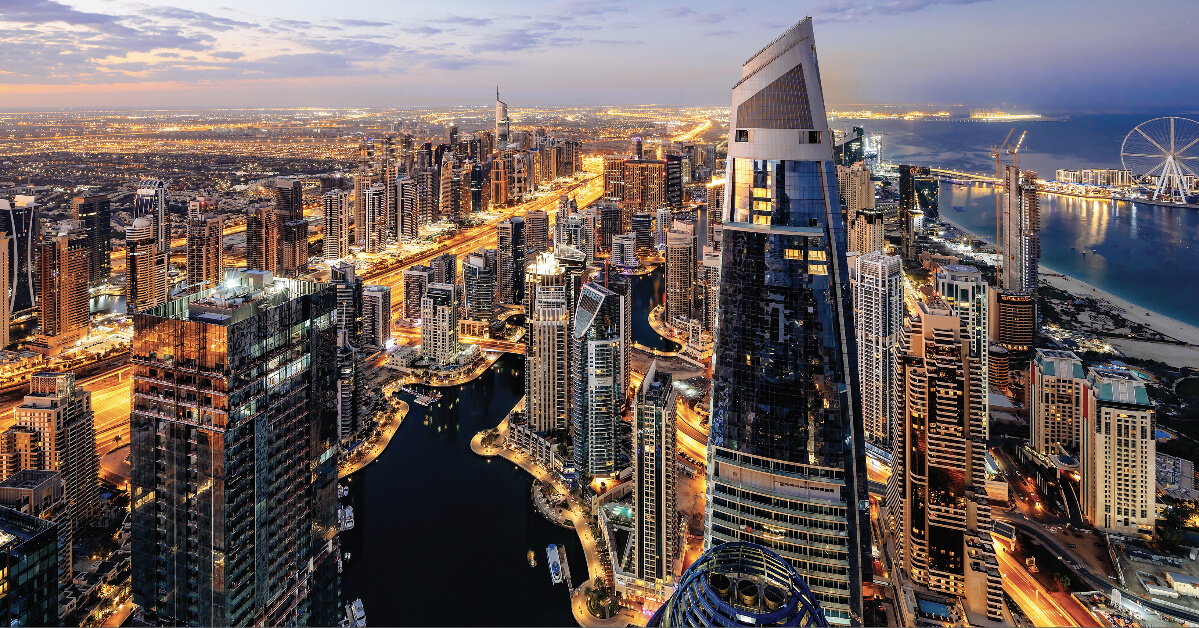
Dubai’s property market is poised for a significant surge with an anticipated launch of nearly 40,000 new off-plan units in the last four months of 2024. This development comes amid a backdrop of increased demand for residential properties, particularly in high-end and strategically located areas.

The off-plan sector has already seen robust performance, with transaction values reaching AED 52 billion in the second quarter of 2024, reflecting an 81% increase compared to the same period last year. This growth can be attributed to a strong economic environment and investor confidence in Dubai’s real estate market. The areas most active in transactions include Jumeirah Village Circle, Mohammed Bin Rashid City, Business Bay, Ras Al Khor, and Dubai Hills Estate .

Key developers have been proactive in responding to the rising demand, introducing a diverse range of units designed to appeal to various buyer segments. This includes a mix of apartments and villas, with a focus on modern amenities and customization options . Industry experts highlight a growing preference among buyers for off-plan properties, driven by flexible payment plans and the allure of new developments. The strategic planning by developers aims to capitalize on this trend and ensure adequate supply to meet the increasing demand.

Dubai’s strategic positioning as a global business hub and a desirable residential destination is playing a crucial role in this surge. Investors are drawn to the city not only for its investment potential but also for its lifestyle offerings and modern infrastructure. The government’s initiatives to boost the economy and enhance living standards contribute to a favorable market environment .

Analysts anticipate that this influx of new projects will significantly impact the market, addressing the current shortage of ready-to-move-in homes. The combination of high demand and new supply is likely to keep property values stable, while still offering attractive opportunities for investment .

With developers focusing on key trends such as sustainability and technological integration in housing projects, the Dubai real estate market is well-positioned for continued growth. The upcoming months are expected to further highlight Dubai’s appeal as a leading destination for real estate investment. This dynamic landscape is poised to attract both local and international investors eager to capitalize on the evolving market conditions .

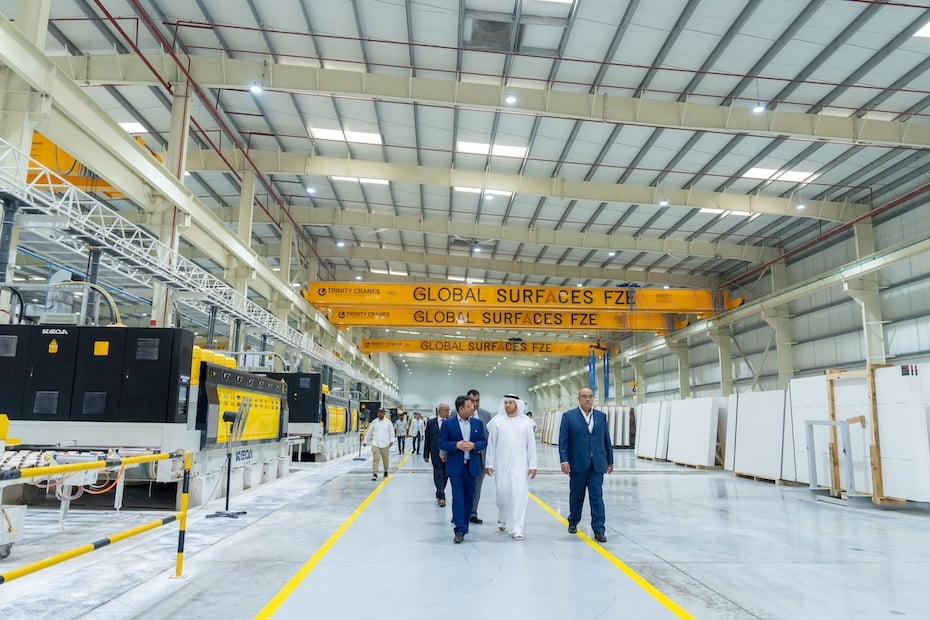
Global Surfaces, a key player in the artificial quartz market, has inaugurated a manufacturing facility in the Jebel Ali Free Zone (Jafza), marking a significant step in the region’s industrial expansion. The state-of-the-art facility, with a price tag of Dhs100 million, is poised to become the largest of its kind in the Middle East, focusing on advanced production processes to meet the surging demand for engineered quartz across the Gulf region and beyond.

The new facility is expected to drastically enhance the company’s production capacity and solidify its market leadership in the region. The plant has been equipped with the latest technology to manufacture artificial quartz and other surface materials, positioning Global Surfaces to capitalize on the growing trend of sustainable and resilient building materials in real estate and construction projects.

Global Surfaces’ decision to base its manufacturing hub in Jafza aligns with Dubai’s strategy to position itself as a global manufacturing and logistics center. This strategic location will allow the company to serve both regional and international markets with greater efficiency. Dubai’s well-established infrastructure, combined with its connectivity through Jafza and proximity to the Jebel Ali Port, was a critical factor in Global Surfaces’ choice of location. The facility will not only boost the company’s operational capabilities but will also create new employment opportunities, contributing to the local economy.

Jafza, part of DP World’s expansive logistics network, is home to over 7,500 businesses from around 135 countries. It has long been a magnet for global manufacturing and trading enterprises due to its integrated infrastructure and streamlined processes for global trade. The free zone’s strategic location offers easy access to key markets across the Middle East, Asia, and Europe, making it an ideal base for companies like Global Surfaces, which aims to scale its production and distribution networks across multiple continents.

Artificial quartz, a popular alternative to natural stone, is increasingly in demand for both commercial and residential projects due to its durability, low maintenance, and eco-friendly properties. The market for quartz surfaces has seen steady growth as developers and architects prefer engineered materials for high-traffic areas such as kitchens and bathrooms. Additionally, advancements in manufacturing technologies have made artificial quartz more customizable, offering a wider range of aesthetic options compared to traditional materials like marble or granite.

The global market for artificial quartz is projected to grow significantly in the coming years, with demand fueled by a resurgence in construction activity, urbanization trends, and the shift towards sustainable building materials. The Middle East, particularly the UAE, has been at the forefront of adopting these innovations, driven by ambitious infrastructure and real estate projects. Global Surfaces’ new facility in Jafza is positioned to tap into this rising demand, enabling faster production cycles and reduced lead times for clients.

While artificial quartz is a key focus of the new plant, the facility will also produce a variety of surface materials to cater to diverse industry needs. With the advanced capabilities of this plant, Global Surfaces will be able to cater to custom specifications, offering clients a broad spectrum of colors, textures, and finishes.

As Global Surfaces scales its production output, the company is expected to strengthen its ties with key developers and contractors in the region. By ensuring a steady supply of high-quality artificial quartz surfaces, the firm is likely to play a vital role in some of the region’s most prestigious construction projects, particularly in the UAE and Saudi Arabia, where demand for cutting-edge building materials remains robust.

The company’s commitment to sustainability is another significant aspect of this expansion. The new facility in Jafza is designed to minimize environmental impact through energy-efficient processes and the use of sustainable raw materials. Global Surfaces has pledged to reduce its carbon footprint by incorporating green technologies into its production line, aligning with the broader industry shift towards environmentally responsible manufacturing practices.

Global Surfaces has also hinted at potential future expansions, both in terms of product offerings and geographical reach. The Jafza facility is seen as a cornerstone of the company’s long-term growth strategy, enabling it to serve not only the Middle East but also other global markets, including Europe and North America.

This latest development from Global Surfaces highlights the company’s ambition to become a leading name in the global artificial quartz industry. The Jafza facility, with its advanced technological capabilities and strategic location, will be instrumental in achieving this goal. The company’s leadership expressed optimism about the future, emphasizing that the new plant would enable them to better meet the needs of their clients while supporting the UAE’s industrial and economic growth.

Premier banking forum unites 150+ banking leaders, regulators, advisory partners, and tech visionaries from across Asia. HO CHI MINH CITY, VIETNAM – Media OutReach Newswire – 26 September 2024 – Backbase, the global leader in engagement banking successfully concluded its flagship event, ENGAGE Asia 2024, in Ho Chi Minh City on September 11-12, 2024. The event, held at Le Méridien Saigon, was attended by over 150 banking […]

VISHNU RAJA
RYO YAMADA
HITORI GOTOH
IKUYO KITA