News related to
opportunities

Thailand’s Securities and Exchange Commission (SEC) has officially given the green light for mutual and private funds to explore investments in digital assets. This regulatory shift, seen as a significant development in the nation’s financial landscape, aims to provide more diverse investment opportunities, especially in cryptocurrency, to both domestic and foreign markets. The SEC’s decision comes as global interest in digital assets and crypto-based exchange-traded funds (ETFs) […]

Ripple has launched a new offering called Ripple Custody, aimed at banks and fintech companies seeking secure digital asset storage. This marks a significant step for Ripple as it expands its service portfolio to support the growing demand for digital asset management solutions in the financial sector. The custody service integrates with Ripple’s XRP Ledger, offering a comprehensive solution that not only stores digital assets securely but also supports tokenization, compliance tools, and faster trading.

The launch of Ripple Custody comes at a time when more financial institutions are exploring crypto assets as part of their service offerings. Ripple’s platform provides an integrated and user-friendly interface that allows financial firms to manage a range of digital assets, including cryptocurrencies and tokenized real-world assets. The service also includes anti-money laundering (AML) risk monitoring, which is critical for meeting regulatory requirements in the global financial landscape.

Ripple Custody is built upon the technology of Ripple’s existing XRP Ledger blockchain, known for its efficiency and low-cost transaction capabilities. This ledger forms the backbone of Ripple’s ecosystem, facilitating fast and secure transactions between institutions. By integrating this ledger with the custody service, Ripple ensures that users have access to advanced blockchain technology for managing and transacting digital assets. The company’s focus on scalability and security makes it a competitive option for financial entities looking to diversify their portfolios with crypto assets.

This new service also capitalizes on Ripple’s acquisition of Metaco, a Swiss-based provider of digital asset custody and tokenization technology. This acquisition allowed Ripple to strengthen its technological capabilities in the custody space, positioning itself as a key player in the digital asset management sector. Ripple’s expansion into the custody business is part of a broader strategy to offer end-to-end solutions for financial institutions, from secure storage to liquidity and tokenization of various assets.

Ripple’s growing ecosystem aligns with the broader trend in the financial industry where digital assets are becoming a more accepted part of mainstream finance. Financial institutions are under increasing pressure to offer secure, compliant, and efficient digital asset services to meet the evolving needs of their clients. By addressing these requirements with Ripple Custody, Ripple is ensuring that its platform remains relevant in an ever-changing market.

Ripple Custody also offers advanced compliance tools, crucial for institutions navigating the complex regulatory environment around digital assets. These tools are designed to assist financial firms in adhering to AML, Know Your Customer (KYC), and other regulatory standards, reducing the risks associated with digital asset transactions. Ripple’s emphasis on compliance sets its custody service apart from other offerings in the market, as it provides an added layer of security for institutions wary of regulatory hurdles.

Another key feature of Ripple Custody is its support for the tokenization of real-world assets, enabling users to create digital representations of physical assets. This feature has the potential to unlock liquidity in traditionally illiquid markets by allowing assets like real estate or commodities to be traded on blockchain platforms. Tokenization is seen as a major innovation in the financial sector, offering new opportunities for both investors and institutions to access global markets more easily.

Ripple’s custody service also aims to enhance the speed and efficiency of trading through its integration with the XRP Ledger. By using this blockchain, the service can offer lower transaction fees and faster settlement times compared to traditional systems, making it an attractive option for institutions looking to optimize their operations. Ripple’s focus on transaction speed and cost efficiency reflects its ambition to compete with traditional financial infrastructure.

The launch of Ripple Custody has attracted attention from various sectors of the financial industry, as Ripple continues to solidify its position as a leader in the blockchain and digital asset space. By offering a secure, compliant, and efficient solution for digital asset storage and management, Ripple is helping to drive the mainstream adoption of digital currencies and tokenized assets among financial institutions.

JOHANNESBURG, SOUTH AFRICA – Media OutReach Newswire – 10 October 2024 – IT News Africa is excited to announce IT Leaders Forum 2024, which will take place on November 5, 2024, at The Capital Empire in Sandton, South Africa. This premier event will bring together top technology decision-makers from diverse industries to explore strategies for resilience and innovation in the IT sector. In the face of skilled […]

Fortinet has launched its Security Awareness and Training Service to over 30,000 primary and secondary schools throughout Saudi Arabia, marking a significant advancement in the country’s cybersecurity education landscape. This initiative aligns with the Saudi government’s commitment to enhancing cybersecurity awareness among the youth and bridging the existing skills gap in the nation. The service, which is being provided at no cost, aims to equip students and […]

Ratan Tata, a stalwart in India’s corporate landscape and a key figure in elevating the Tata Group to international prominence, has passed away at the age of 86. His leadership was marked by significant transformations within the Tata Group, extending its reach across various sectors including steel, automotive, and technology, while also prioritizing philanthropic initiatives that enhanced the group’s societal contributions. Tata’s tenure as chairman began in […]

Jonathan Keyes has been appointed as the Head of Sustainable Finance for the Middle East by ING, the Dutch multinational banking and financial services corporation. This strategic move aligns with ING’s commitment to promoting sustainability and supporting clients in their transitions toward more sustainable business practices. Keyes, who previously held the position of Global Head of Sustainable Finance at the bank’s headquarters in Amsterdam, brings a wealth […]

Bond sales across the Middle East are expected to achieve unprecedented levels in 2024, driven by favorable market conditions, a surge in infrastructure spending, and robust economic recovery initiatives. This trend reflects a growing confidence among investors in the region’s economic resilience and long-term potential. Financial analysts project that bond issuances could surpass previous records as governments and corporations capitalize on favorable borrowing conditions and the need […]

Advertisements

Qatar’s Lesha Bank has finalized the acquisition of Bereke Bank in Kazakhstan, marking a significant expansion into Central Asia’s financial landscape. This strategic move aims to bolster Lesha Bank’s regional presence and enhance its service offerings, catering to a broader customer base in both retail and corporate banking sectors. The acquisition was officially announced following regulatory approval from Kazakhstan’s National Bank. This pivotal decision reflects a growing […]

China Tiejsu has been awarded a significant construction contract for a tower in Dubai’s Business Bay, marking a notable expansion of its presence in the UAE construction market. This contract comes at a time when the UAE is experiencing a construction boom, fueled by ambitious development projects aimed at enhancing the country’s infrastructure and real estate sectors. The new tower is set to contribute to the skyline of Business Bay, a hub for commercial and residential developments in Dubai.

The announcement of this deal highlights the growing confidence in the UAE’s real estate sector, which is recovering robustly following the economic impacts of the COVID-19 pandemic. With an increase in demand for both commercial and residential properties, developers are keen on investing in high-profile projects. Business Bay has emerged as a focal point for real estate investments, driven by its strategic location and modern amenities, making it an attractive area for businesses and residents alike.

The contract awarded to China Tiejsu signifies not only the company’s commitment to quality construction but also its ability to navigate the complexities of large-scale projects. The firm, which has previously engaged in various international projects, is known for its efficient construction practices and innovative engineering solutions. The Business Bay tower will likely incorporate modern design elements and sustainable building practices, aligning with global trends towards greener construction.

As the UAE government pushes forward with its Vision 2040 initiative, which aims to diversify the economy and enhance sustainability, the demand for innovative construction solutions is more pronounced. The emphasis on building environmentally friendly structures is expected to be a key component of the Business Bay project, positioning it as a leader in sustainable urban development.

This contract is part of a broader strategy by China Tiejsu to establish a foothold in the Gulf region, leveraging its expertise in infrastructure development. The company aims to enhance its reputation by delivering high-quality projects on time and within budget, ensuring client satisfaction. The strategic location of Business Bay, with its proximity to key areas such as Downtown Dubai and the Dubai Canal, further adds to the attractiveness of this project.

With the global construction industry also facing challenges such as supply chain disruptions and fluctuating material costs, China Tiejsu’s ability to manage these factors will be critical. The firm has developed robust supply chain strategies to mitigate these risks, ensuring the smooth progression of its projects. This proactive approach not only enhances operational efficiency but also positions China Tiejsu as a reliable partner in the region.

The award of this contract is expected to create numerous job opportunities within the local market, further supporting the UAE’s economic recovery. The construction sector, which plays a crucial role in the nation’s economy, has seen a surge in employment as new projects get underway. Skilled labor and construction workers will be in high demand, contributing to the local workforce and economic growth.

The government’s commitment to enhancing the infrastructure in Dubai has attracted various international construction firms, resulting in heightened competition and innovation within the sector. This environment has pushed companies to adopt advanced technologies and sustainable practices, which are increasingly becoming the norm in new construction projects. China Tiejsu’s entry into the Business Bay market underscores this trend, showcasing the potential for future collaborations and partnerships.

Market analysts predict that the construction sector in the UAE will continue to grow, driven by ongoing investments in infrastructure, tourism, and real estate. The upcoming Expo 2025 in Dubai is also expected to stimulate further development, as the city prepares to accommodate increased visitors and businesses. With the backing of the government’s supportive policies and investment incentives, the landscape for construction companies appears promising.

Spinneys has announced plans to construct a significant facility in Food Tech Valley, marking a pivotal move in its expansion strategy within the region’s rapidly evolving food industry. This project aligns with the growing emphasis on innovation in food technology and aims to enhance the supermarket chain’s logistics and distribution capabilities.

Food Tech Valley, located in Abu Dhabi, is envisioned as a hub for food innovation, sustainability, and advanced agricultural practices. Spinneys’ decision to establish a facility here underscores the region’s commitment to transforming its food supply chain through cutting-edge technology and infrastructure. The new facility is expected to serve as a central point for the company’s operations, significantly streamlining its supply chain and improving access to fresh and sustainable food products.

The upcoming development will house state-of-the-art facilities designed for food processing, storage, and distribution, catering to the increasing demand for high-quality and innovative food products. It is anticipated that the facility will integrate advanced technologies to optimize operations, thereby reducing waste and enhancing overall efficiency. With this move, Spinneys aims to solidify its position as a leader in the retail food sector while addressing consumer preferences for sustainability and innovation.

Local authorities have welcomed Spinneys’ investment as a major boost to the regional economy. The project is expected to create numerous job opportunities, further contributing to Abu Dhabi’s vision of economic diversification and sustainability. Food Tech Valley is part of a broader initiative by the Abu Dhabi government to develop the food sector, encouraging investments in advanced agricultural practices and food technology.

Spinneys’ commitment to sustainability is a cornerstone of this new initiative. The facility will incorporate environmentally friendly practices, including energy-efficient systems and waste reduction technologies. By embracing sustainable practices, Spinneys aims to meet the growing consumer demand for ethically sourced and environmentally friendly products, reinforcing its brand identity as a responsible retailer.

As food supply chains face increasing pressure from global events and rising consumer expectations, the establishment of this facility is a strategic response to these challenges. Spinneys recognizes the necessity of evolving its operations to adapt to shifting market dynamics, ensuring that it can provide consumers with the best products while maintaining efficiency in its supply chain.

Industry experts view Spinneys’ investment as part of a larger trend towards modernization in the food retail sector. The shift towards technology-driven solutions in logistics and supply chain management is seen as essential for retailers aiming to remain competitive. By investing in advanced facilities and technology, Spinneys is positioning itself to navigate future challenges and meet consumer needs effectively.

The facility is expected to enhance Spinneys’ existing distribution network, allowing for quicker and more efficient delivery of products to its stores across the region. This development aligns with the company’s long-term vision to enhance customer experience by ensuring product availability and freshness, ultimately driving customer loyalty and satisfaction.

Community engagement and collaboration with local stakeholders will also play a crucial role in the development of this facility. Spinneys plans to work closely with local farmers and producers to promote regional products, thereby supporting local economies and reducing the carbon footprint associated with long-distance transportation of goods. This initiative is aligned with the broader goal of enhancing food security in the region, which has become increasingly important given global supply chain challenges.

As the project moves forward, Spinneys is committed to transparency and accountability, ensuring that all stakeholders are informed and engaged throughout the process. The company’s focus on sustainability, innovation, and community collaboration reflects its dedication to not only meeting market demands but also contributing positively to the environment and society.

Investors and market analysts are closely monitoring this development, as it could set a precedent for future investments in the food sector within the region. The successful implementation of this facility may encourage other retailers and producers to explore similar initiatives, fostering a culture of innovation and sustainability in the food industry.

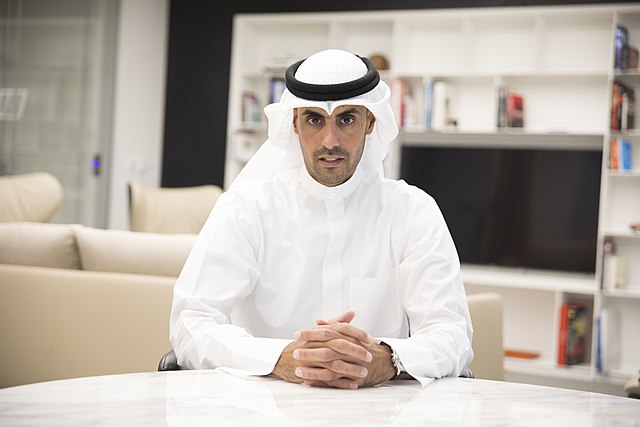
Interest in real estate investment trusts (REITs) within the Gulf Cooperation Council (GCC) is increasing, fueled by favorable economic conditions, including lower interest rates and supportive government initiatives. These factors are positioning REITs as a viable investment avenue, particularly in the United Arab Emirates, where significant moves by key players signal a burgeoning market.

This week, reports emerged that Dubai Holding, a prominent state-backed conglomerate, is contemplating the establishment of a REIT, which underscores a growing trend among major firms in the region to explore this investment vehicle. The potential of a Dubai Holding REIT reflects the larger movement towards diversifying investment portfolios, a strategy encouraged by the UAE government as part of its broader economic goals.

Concurrently, the Dubai-based developer BinGhatti has expressed interest in launching a REIT, having previously issued a $200 million bond in a bid to bolster its financial footing. The firm’s initiative comes on the heels of increasing investor appetite for diversified real estate assets, particularly as traditional investment avenues face uncertainty.

Market analysts note that the current low interest rates create an attractive environment for real estate investment. With borrowing costs remaining subdued, developers and investors find it more feasible to finance property purchases and projects. This trend could potentially amplify returns on investments, particularly through REITs, which offer shareholders dividends from income generated by real estate investments.

The tax exemptions provided to REITs in the UAE further enhance their appeal. These exemptions, coupled with the government’s encouragement for diversified investments, aim to attract both domestic and foreign investors, positioning the UAE as a competitive market for REITs. By alleviating some financial burdens associated with real estate investments, the government hopes to stimulate growth in this sector, ultimately leading to more sustainable economic development.

Experts assert that the burgeoning interest in REITs also aligns with global investment trends. Investors worldwide are increasingly turning to REITs as a method of accessing real estate markets without the need for direct ownership. This trend is particularly appealing in regions experiencing rapid urbanization and population growth, such as the GCC. By investing in a REIT, individuals can gain exposure to a diversified portfolio of income-generating properties, which can be more stable compared to traditional equities.

The diversification of the investment landscape in the GCC is not limited to REITs. The broader trend toward alternative investments is gaining traction, with private equity and venture capital also drawing attention. Investors are exploring ways to balance risk and reward, seeking opportunities that traditional investment vehicles may not offer. As the GCC nations strive to diversify their economies away from oil dependency, the growth of alternative investments is expected to play a pivotal role in shaping the region’s financial landscape.

Dubai’s real estate market has demonstrated resilience, with property prices showing signs of recovery following previous downturns. This renewed confidence in the real estate sector, coupled with low interest rates, positions REITs as an attractive option for both local and international investors looking to tap into the UAE’s dynamic property market. The potential for stable income through dividends from REITs aligns with the growing demand for income-generating assets, particularly among retirees and long-term investors.

The development of the REIT sector in the GCC is still in its infancy, but the commitment from major firms like Dubai Holding and BinGhatti suggests a significant shift towards embracing this investment model. As these companies move forward with their plans, their success will likely pave the way for more firms to enter the market, fostering a competitive environment that could lead to further innovations in real estate investment.

The establishment of regulatory frameworks supporting REITs is essential for their growth. The UAE has made strides in creating a conducive environment for REITs, with guidelines that facilitate their operation while ensuring investor protection. Ongoing collaboration between the government, regulatory bodies, and the private sector will be crucial in driving the success of REITs in the region.

The global economy’s current landscape, characterized by uncertainty and volatility, emphasizes the importance of diversifying investment portfolios. As investors increasingly seek stable and resilient options, the GCC’s REITs present a promising alternative. The region’s economic diversification initiatives and the ongoing development of its real estate market contribute to a favorable outlook for REITs.

Several airlines have expanded their operations over Afghanistan, marking a significant shift in air traffic dynamics in a region characterized by geopolitical instability and ongoing tensions. This development comes in the wake of changing airspace policies and a gradual restoration of air routes previously closed due to security concerns. The resumption of flights has attracted attention from various sectors, including commerce, humanitarian efforts, and diplomatic engagements. Countries […]

Hafeet Rail has successfully secured $1.5 billion in project financing from a consortium of banks, marking a significant milestone in the development of rail infrastructure in the region. This funding will support the construction and operational phases of the Hafeet Rail project, which aims to enhance connectivity and economic activity across various regions. The financing consortium includes several prominent international banks, each bringing extensive expertise in infrastructure […]

National Industries Group (NI Group), one of Kuwait’s leading conglomerates, is weighing a strategic move to acquire Foulath Holding, a key player in the steel and industrial sectors across the Gulf region. This potential acquisition signals NI Group’s intent to further expand its regional influence, adding to its already diverse portfolio that spans building materials, financial investments, and manufacturing across the Middle East, Europe, and North America.

Foulath Holding, based in Bahrain, specializes in steel production through its subsidiary companies like SULB and Bahrain Steel. These entities play a significant role in supplying critical steel infrastructure, not only to local markets but also to global players. SULB, in particular, has been instrumental in producing structural steel sections, which are essential for various industrial projects throughout the region. Its operations are anchored in Bahrain and Saudi Arabia, with a large production capacity focused on regional demand and export.

This possible acquisition aligns with NI Group’s long-term strategy to enhance its industrial base, particularly in sectors poised for growth. Established in 1960, NI Group has evolved into a significant industrial conglomerate, boasting a robust financial standing and a clear vision of expanding its industrial footprint. With more than 1800 employees, NI Group’s operations are diversified through companies like National Industries Company (NIC), which leads in producing building materials and infrastructure products in Kuwait.

For Foulath Holding, the acquisition could provide a stronger financial backing, leveraging NI Group’s extensive resources and experience in the industrial and financial sectors. Foulath’s role in regional steel production is vital, given the growing demand for infrastructure and construction projects throughout the GCC. This synergy could position both entities to capitalize on large-scale regional initiatives such as Saudi Arabia’s Vision 2030, which demands substantial steel input for infrastructure development.

NI Group’s ambitions are not confined to the Gulf. Through its subsidiaries like Noor Financial Investment Company and Proclad Group, it has already made strides in international markets. Noor, for example, has a diverse portfolio in financial services and real estate investments, while Proclad Group provides critical engineering solutions for the oil, gas, and energy sectors.

The discussions around the acquisition come at a time when the global steel industry faces increasing challenges, including fluctuating raw material prices and rising demand for sustainable production methods. Should NI Group successfully close this deal, it would bolster its capabilities to respond to these challenges while securing a stronger foothold in the steel manufacturing space. Such a move could also provide opportunities for innovation and expansion in environmentally friendly steel production, aligning with global trends toward sustainable development.

Further enhance the Company’s earnings per share and maintain long-term financial stability HONG KONG SAR – Media OutReach Newswire – 9 October 2024 – Yuexiu Transport Infrastructure Limited (“Yuexiu Transport” or the “Company”; stock code: 01052.HK) announced today that a wholly-owned subsidiary of the Company has entered into an agreement to acquire 55% equity interests in the target company which holds the toll collection rights of Henan […]

VanEck, a leading global asset management firm, has introduced a $30 million early-stage fund, VanEck Ventures, marking a significant move into the realms of fintech, digital assets, and artificial intelligence (AI). This initiative aims to capitalize on the burgeoning opportunities in technology-driven financial services, with the fund dedicated to pre-seed and seed-stage startups. The company’s focus is squarely on supporting visionary founders and entrepreneurs as they develop cutting-edge financial applications and infrastructure for the next generation.

The new fund is part of VanEck’s broader strategy to expand its presence in emerging sectors such as blockchain, cryptocurrency, and AI, which are increasingly becoming integral to the global financial ecosystem. Fintech has seen an explosion of growth, driven by rapid digitalization and consumer demand for innovative financial solutions. With this fund, VanEck is positioning itself at the forefront of this transformation, aiming to fuel the growth of promising early-stage companies.

The fund, VanEck Ventures, reflects the company’s growing interest in startups that can disrupt traditional financial systems with groundbreaking technologies. The global shift towards decentralized finance (DeFi) and blockchain-based financial services has created a fertile environment for innovation. Fintech solutions are enabling faster, cheaper, and more accessible financial services to both individuals and businesses, particularly in underserved markets. Similarly, AI is becoming a pivotal tool for enhancing decision-making, automating processes, and improving customer experiences within the financial sector.

VanEck Ventures will target a wide range of innovative companies, particularly those working on decentralized finance, AI-driven financial technologies, and blockchain-based solutions. The fund’s focus on pre-seed and seed stages highlights its commitment to backing startups during their formative years, when support and funding can have the most significant impact. With many early-stage fintech and AI companies struggling to secure financing, the creation of this fund provides crucial capital and resources to help these businesses scale.

The global fintech landscape has been evolving rapidly, with investment in the sector reaching unprecedented levels. In recent years, a growing number of traditional financial institutions and asset managers have been diversifying into fintech and digital assets to stay competitive. VanEck’s new venture fund is a testament to this shift, demonstrating how established firms are seeking to harness the potential of disruptive technologies. As the lines between traditional finance and technology continue to blur, VanEck Ventures is well-positioned to drive the next wave of financial innovation.

VanEck’s foray into venture capital follows a pattern seen in other major asset management firms. Several of these firms have launched venture funds aimed at early-stage fintech companies in the hopes of getting ahead of technological changes reshaping the financial services landscape. By investing in startups at the pre-seed and seed stages, VanEck not only aims to benefit from potential returns but also gain strategic insights into emerging technologies and business models.

AI’s role in transforming financial services has also been a key driver of investment interest. AI and machine learning are now being deployed across various financial processes, from fraud detection and risk management to customer service and algorithmic trading. The integration of AI technologies in fintech has led to more efficient, secure, and personalized services. As the sector matures, it is expected that more startups will emerge, leveraging AI to develop innovative solutions that address the complex challenges faced by the financial industry.

VanEck Ventures’ commitment to digital assets aligns with the growing institutional interest in blockchain and cryptocurrency technologies. Blockchain is seen as a foundational technology that can enhance transparency, security, and efficiency in financial transactions. VanEck has been an early advocate of cryptocurrency investments, notably with its push for a Bitcoin exchange-traded fund (ETF). The creation of VanEck Ventures represents a natural extension of the company’s efforts to foster the development of blockchain-based financial solutions.

The competitive nature of the fintech landscape, combined with the rapid pace of innovation, means that early-stage funding is critical for startups looking to make an impact. For companies in this space, having access to not only capital but also strategic guidance from an established player like VanEck could prove invaluable. The firm’s expertise in asset management and financial services positions it as a key partner for fintech and AI startups seeking to navigate the complexities of their respective industries.

VanEck’s decision to launch VanEck Ventures at this moment speaks to the broader trends driving the financial services industry. As fintech, AI, and blockchain technologies converge, the boundaries between these fields are becoming increasingly porous, resulting in a surge of new opportunities for innovation. Companies that can effectively harness these technologies stand to redefine the future of finance, and VanEck Ventures aims to be at the heart of this transformation.

The focus on pre-seed and seed-stage companies also underscores VanEck’s long-term vision for the sectors in which it is investing. While the risks associated with early-stage investments are higher, so too are the potential rewards. By backing innovative startups at an early stage, VanEck is positioning itself to not only gain financial returns but also play a pivotal role in shaping the evolution of fintech and AI.


A significant surge in data breaches attributed to artificial intelligence has emerged as a pressing concern for cybersecurity leaders across the Asia-Pacific region, according to a comprehensive survey by Cloudflare. The study highlights that a staggering 87% of cybersecurity professionals view AI as a factor contributing to the increasing sophistication of cyberattacks, raising alarms about the evolving landscape of digital threats. The survey results underscore a growing […]

Surging interest in initial public offerings (IPOs) has led many families in India to allocate their savings towards these investments, igniting fears of a potential market bubble. With a plethora of IPOs hitting the market, a growing number of retail investors are now navigating the complex landscape of public offerings, eager to capitalize on perceived opportunities for wealth generation. This significant shift in investment strategy has raised […]

Dubai Holding, a prominent global investment conglomerate, has announced its intention to establish a Real Estate Investment Trust (REIT), targeting substantial investment in the region’s thriving real estate sector. This strategic move aligns with the company’s broader vision of enhancing Dubai’s position as a premier investment destination while responding to the increasing demand for innovative financial products in the market. The planned REIT will focus on a […]

A transformative budget for 2025 has been approved by the UAE Cabinet, reflecting a strategic vision to enhance the nation’s economic growth, development, and social welfare. The budget, amounting to an unprecedented AED 72.8 billion (approximately USD 19.8 billion), is designed to bolster critical sectors, improve infrastructure, and drive innovation.

Key allocations in the budget underscore a commitment to education, healthcare, and economic diversification. The Ministry of Education will receive AED 16.2 billion, marking a significant increase aimed at advancing educational facilities and enhancing the quality of teaching. This initiative aligns with the broader objective of cultivating a skilled workforce equipped to meet the demands of a rapidly evolving job market.

Healthcare also sees substantial investment, with AED 10 billion earmarked to improve public health services and infrastructure. This funding is expected to expand healthcare access and enhance service delivery across various emirates, particularly in remote areas. The focus on healthcare is part of a long-term strategy to prioritize citizens’ health and well-being, especially in light of the challenges posed by global health crises.

Infrastructure development continues to be a priority, with a notable AED 14 billion allocated for projects aimed at modernizing transport and logistics systems. This investment is poised to facilitate greater connectivity within the UAE and enhance the nation’s position as a global trade hub. It underscores the commitment to maintaining a competitive edge in the region’s logistics and supply chain sectors.

The budget also emphasizes environmental sustainability and energy efficiency. Initiatives aimed at promoting renewable energy and reducing carbon emissions are integral to the government’s long-term vision. Funding for green projects and sustainable practices reflects a commitment to diversifying the energy portfolio and reducing dependency on fossil fuels. This aligns with the UAE’s ambitious sustainability goals, which aim to establish the country as a leader in clean energy solutions.

The Cabinet’s decision to prioritize economic diversification is evident in the allocation of AED 9 billion to support small and medium-sized enterprises (SMEs). Recognizing the pivotal role that SMEs play in driving economic growth and job creation, the government aims to provide these businesses with the necessary resources and support to thrive in a competitive market. This initiative is expected to stimulate innovation and entrepreneurship across various sectors.

Digital transformation is another focal point of the budget, with AED 6.4 billion directed towards enhancing digital infrastructure and cybersecurity measures. As the UAE continues to position itself as a tech-savvy nation, investments in digitalization are crucial for driving efficiency and improving service delivery in both public and private sectors. This funding aims to foster a digital ecosystem that encourages technological advancements and enhances the overall quality of life for residents.

The Cabinet’s approval of the budget reflects a comprehensive approach to governance, prioritizing both immediate needs and long-term goals. The strategic allocations signal a robust framework for navigating challenges while harnessing opportunities for growth. The budget aims to position the UAE as a resilient economy capable of adapting to global shifts and uncertainties.

In addition to focusing on domestic priorities, the budget also highlights the UAE’s commitment to international partnerships. Allocations for foreign aid and developmental assistance demonstrate the nation’s dedication to fostering relationships with other countries and contributing to global efforts in areas such as education, health, and infrastructure development. This commitment enhances the UAE’s reputation as a proactive player on the international stage, reinforcing its position as a leading contributor to global development.

The government has expressed optimism that the 2025 budget will stimulate economic activity and support job creation across various sectors. Officials anticipate that strategic investments will yield positive returns, enhancing overall economic resilience. The budget serves as a roadmap for growth, providing a foundation for initiatives aimed at increasing productivity and fostering a culture of innovation.

Abu Dhabi has emerged as the wealthiest city globally, boasting sovereign wealth funds (SWFs) that collectively manage assets worth $1.7 trillion. This ranking highlights the city’s financial significance and positions it as a critical player on the world stage.

The analysis, conducted by various financial institutions, underscores Abu Dhabi’s SWFs, including the Abu Dhabi Investment Authority (ADIA) and Mubadala Investment Company. These entities have strategically diversified their investments across sectors such as technology, infrastructure, healthcare, and renewable energy, driving substantial returns. As of this year, the ADIA alone manages assets estimated at over $700 billion, positioning it as one of the largest SWFs globally.

A crucial aspect of Abu Dhabi’s financial success stems from its oil and gas revenues, which have historically fueled the growth of these funds. The emirate has effectively transformed its natural resource wealth into a broad-based investment strategy, allowing it to capitalize on opportunities beyond hydrocarbons. Investments in international markets and partnerships with global firms have further diversified its portfolio and reduced dependency on oil revenues.

The financial environment in Abu Dhabi benefits from robust government support and a commitment to enhancing the investment climate. Initiatives to attract foreign direct investment (FDI) have played a vital role in expanding the emirate’s economic landscape. The introduction of new laws and reforms aimed at easing business operations, coupled with free trade zones, has made Abu Dhabi an appealing destination for global investors.

Recent developments indicate that the UAE, led by Abu Dhabi, is keen on positioning itself as a center for financial technology (fintech). The government has launched various initiatives to promote innovation in the financial sector, attracting startups and established companies to the region. These initiatives are expected to create a vibrant ecosystem that enhances the emirate’s economic resilience.

While Abu Dhabi’s wealth continues to grow, it faces challenges common to cities reliant on large-scale investments. The ongoing global shift towards sustainable investments and green energy poses both risks and opportunities. Abu Dhabi is already taking proactive measures to address these changes, with investments in renewable energy projects such as the Mohammed bin Rashid Al Maktoum Solar Park and the Barakah Nuclear Energy Plant.

Another key player in Abu Dhabi’s economic landscape is the Abu Dhabi Global Market (ADGM), an international financial center that has garnered attention for its regulatory framework and ease of doing business. ADGM has attracted numerous global financial institutions and fintech firms, enhancing the emirate’s reputation as a financial hub. This growth is evidenced by a significant increase in the number of registered entities within ADGM, reflecting the appeal of Abu Dhabi as a business destination.

The global economic climate, characterized by inflationary pressures and geopolitical uncertainties, also influences investment strategies in Abu Dhabi. Financial analysts note that the emirate’s diversified approach mitigates risks associated with market volatility. Its emphasis on long-term investments and sustainable growth positions Abu Dhabi favorably compared to cities that may rely heavily on cyclical industries.

Abu Dhabi’s wealth is not just confined to financial markets. The emirate has invested heavily in cultural and social projects aimed at enhancing quality of life and promoting tourism. Initiatives such as the Louvre Abu Dhabi and the Guggenheim Museum project exemplify the city’s commitment to fostering a rich cultural scene, making it an attractive destination for visitors and expatriates alike.

As global economies navigate the complexities of post-pandemic recovery, Abu Dhabi’s status as the world’s richest city reinforces its position as a resilient and adaptive financial center. The emirate’s strategic investments and commitment to innovation and sustainability ensure that it remains a focal point for wealth generation and investment opportunities.

The ranking of Abu Dhabi as the wealthiest city underscores not only its financial prowess but also the broader trends shaping global wealth distribution. As sovereign wealth funds gain prominence in the investment landscape, cities like Abu Dhabi exemplify how strategic asset management can lead to sustainable economic growth.

A significant refinancing deal has been finalized for Fairmont The Palm, a prominent luxury hotel located in Dubai. IFA Hotels & Resorts announced it has secured a $163 million refinancing package from Emirates NBD. This move is aimed at strengthening the hotel’s financial position and facilitating continued investment in its operations and services.

Fairmont The Palm is situated on the iconic Palm Jumeirah, a man-made island renowned for its luxurious residences and attractions. The hotel boasts 391 rooms, multiple dining options, and extensive leisure facilities, including a private beach, swimming pools, and wellness services. Given Dubai’s status as a premier tourist destination, the hotel’s location and amenities contribute to its strong appeal.

The refinancing package represents an important step in IFA Hotels’ strategy to optimize its capital structure and support the ongoing recovery of the hospitality sector in Dubai. The funds are expected to be utilized for various enhancements within the hotel, ensuring that it remains competitive in a rapidly evolving market.

Dubai’s hospitality industry has shown resilience and adaptability in the face of challenges brought on by the COVID-19 pandemic. As travel restrictions ease and international tourism rebounds, hotels across the emirate are focusing on improving guest experiences and expanding their offerings. Fairmont The Palm, with its established reputation and high occupancy rates, stands well-positioned to benefit from this recovery.

The financing from Emirates NBD not only underscores the bank’s confidence in the hospitality sector but also aligns with its commitment to supporting strategic developments in Dubai’s tourism landscape. Emirates NBD has played an active role in financing significant projects across various sectors, reflecting its dedication to facilitating growth in the region’s economy.

Investment in hospitality has become a priority for Dubai, particularly as the emirate aims to attract 25 million visitors annually by 2025. Initiatives to enhance tourism infrastructure, such as the recent launch of new entertainment venues and improved transportation links, are part of a broader strategy to diversify the economy and reduce reliance on oil revenues.

Fairmont The Palm’s refinancing is indicative of broader trends within the hospitality sector, as hotels and resorts seek financial solutions that enable them to adapt to changing market dynamics. Many establishments are re-evaluating their business models to focus on sustainability, digital transformation, and personalized guest experiences.

Industry analysts point to the increasing importance of wellness and sustainability in hospitality. As guests become more conscious of their impact on the environment, hotels that invest in sustainable practices are likely to gain a competitive edge. Fairmont The Palm has been recognized for its commitment to sustainability, implementing eco-friendly initiatives such as waste reduction programs and energy-efficient technologies.

Looking ahead, Fairmont The Palm plans to capitalize on emerging trends in the hospitality industry. The hotel is exploring new culinary concepts, partnerships with local artists for cultural programming, and technology-driven enhancements that improve guest interactions. These initiatives aim to create memorable experiences that resonate with both leisure and business travelers.

The refinancing deal is not only beneficial for Fairmont The Palm but also reflects the overall health of Dubai’s hospitality market. With the UAE government’s efforts to boost tourism and investments in infrastructure, hotels are witnessing a surge in both domestic and international bookings. As events and exhibitions resume, the demand for accommodations is expected to increase further, providing opportunities for hotels to maximize their revenue streams.

Several key players in the hospitality sector are closely monitoring the developments surrounding Fairmont The Palm and other major hotels in Dubai. The success of such refinancing deals could pave the way for additional investments and partnerships in the region, particularly as the emirate strives to maintain its position as a leading global tourist destination.

As the global hospitality industry continues to recover from the pandemic, the focus on financial resilience and adaptability will be paramount. Fairmont The Palm’s successful refinancing indicates a positive outlook for the sector, positioning the hotel to thrive amidst the evolving landscape.

A major milestone has been reached by the latest MMORPG from NCsoft, Throne and Liberty, as it attracted over three million players within its launch week. This significant achievement underscores the game’s potential to capture a vast audience and reflects the high anticipation surrounding its release. With its blend of captivating graphics, intricate gameplay mechanics, and immersive storytelling, Throne and Liberty promises to redefine the standards of […]

Cryptocurrency markets are experiencing notable fluctuations, with Bitcoin holding steady at approximately $62,000 despite significant swings in traditional financial assets like stocks and gold. The dynamics between these markets reveal a complex relationship, influenced by various economic indicators and investor sentiment. While risk assets such as equities have surged, driven by optimistic corporate earnings and robust economic data, precious metals like gold have faced downward pressure. Recent […]

VISHNU RAJA
RYO YAMADA
HITORI GOTOH
IKUYO KITA
Just in:
Sabarimala booking discrepancies prompt sabotage angle probe // FirstBank expands LIT app with integrated financial services // CrowdStrike explores Zscaler takeover amid cybersecurity dealmaking // Energy Markets Find Little Substance In Shenzhen Summit Promises // Saudi Arabia schedules multinational top-up tax for 2027 // Diabetes Malaysia And Alpro Pharmacy Set National Record With 11,007 Most Blood Glucose Screenings Conducted Across Malaysia In Just 48 Hours // Egypt’s African Union trade climbs to $8.2 billion // Crypto market loses $150 billion amid broad sell-off // Technology at Work, Heritage for All: The “Chinese Approach” to Safeguarding the Leshan Giant Buddha // Padmini follows Padmaja for ‘ghar vapsi’ // Singapore regulator cautions against AI access to bank logins //
Centre grants aircraft cabin access for Sabarimala pilgrims’ irumudi
// ED searches five districts in probe against hawala // Abu Dhabi boat show seals manufacturing partnership on Saturday // Bail refused to 17-year old in Abhiram murder // Promoting Common Human Development Through Exchanges and Mutual Learning Among Civilizations // Balagopal challenges CM over tax revenue // Yeebo Announces Interim Results for FY26/27 Revenue Increases by 45.5% to HK$806.7 Million Profit Attributable to Owners Surges 87.6% to HK$2,284.7 Million // PayerMax and ShopeePay Strengthen Strategic Partnership to Advance Digital Payment Collaboration in Southeast Asia // Saudi defences destroy three Houthi missiles targeting Riyadh //