Just in:
US military rebuts Iran’s Gulf F-16 strike allegation // ED searches five districts in probe against hawala // Anthropic shares finish above offer price after Nasdaq debut // Saudi defences destroy three Houthi missiles targeting Riyadh // Diabetes Malaysia And Alpro Pharmacy Set National Record With 11,007 Most Blood Glucose Screenings Conducted Across Malaysia In Just 48 Hours // Saudi Arabia schedules multinational top-up tax for 2027 // Yeebo Announces Interim Results for FY26/27 Revenue Increases by 45.5% to HK$806.7 Million Profit Attributable to Owners Surges 87.6% to HK$2,284.7 Million // Dubai Introduces SHARH, an AI-Powered Platform Helping Entrepreneurs Buy, Sell and Manage Businesses in the UAE // 2026 Tropical Rainforest Ecosystem Partners Conference Kicks off in Hainan // Oil futures rebound after Riyadh strikes and tanker alerts // Sabarimala booking discrepancies prompt sabotage angle probe // Coinbase targets 2027 launch amid state gambling lawsuits // Thailand’s Most Iconic New Year’s Celebration Returns: ICONSIAM Unveils “Amazing Thailand Countdown 2027” // Toward a Shared Future for Humanity: Rethinking Civilizational Exchange // Crypto market loses $150 billion amid broad sell-off // Singapore regulator cautions against AI access to bank logins // PayerMax and ShopeePay Strengthen Strategic Partnership to Advance Digital Payment Collaboration in Southeast Asia // Workday targets Honeydew purchase to unify AI metrics // Balagopal challenges CM over tax revenue // Russia permits retail cryptocurrency purchases under regulated framework //

News related to
opportunities

The United Arab Emirates property market is witnessing a notable influx of foreign institutional investors, marking a significant shift from its earlier reputation as a speculative arena dominated by individual buyers. This transformation is attributed to a combination of regulatory reforms, economic diversification, and the nation’s robust infrastructure, collectively enhancing the market’s appeal to large-scale investors. Historically, the UAE’s real estate sector was perceived as volatile, with […]

Dubai is implementing significant regulatory reforms to enhance its status as a burgeoning hub for hedge funds. The Dubai Financial Services Authority is conducting a comprehensive review of existing regulations to eliminate unnecessary burdens and lower entry barriers for financial firms.

The DFSA has proposed reducing the minimum capital requirements for certain money managers, aligning more closely with European Union and United Kingdom standards. This marks one of the most substantial regulatory shifts in nearly two decades. Currently, Dubai hosts over 70 hedge funds, with a significant number managing assets exceeding $1 billion.

In addition to lowering capital thresholds, the DFSA is considering reducing the amount of emergency cash that firms are required to maintain. Furthermore, the authority may abolish rules necessitating regulatory approval for key personnel hires, shifting the responsibility of vetting to the companies themselves.

These proposed changes aim to minimize barriers to entry and foster a more conducive business environment for hedge funds. The DFSA emphasizes that these reforms will maintain compliance with international regulatory standards while promoting growth within the financial sector.

The Dubai International Financial Centre , established in 2004, operates as an independent jurisdiction within the United Arab Emirates, with its own legal and regulatory framework based on international standards and principles of common law. This unique environment has been instrumental in attracting global financial services and related industries to Dubai.

The DIFC does not impose any investment or leverage restrictions on hedge funds, providing managers with broad flexibility to design products that align with their strategies. Mandatory disclosures are required in the hedge fund’s prospectus, and specific rules relate to prime brokers, who must be eligible custodians authorized to provide custody services in the DIFC or recognized foreign entities.

Setting up a fund in the DIFC requires either establishing a domestic fund manager or licensing an existing fund manager from a recognized jurisdiction to act as the external fund manager of the DIFC fund. The base capital requirement for a Category 3C Fund Manager is $70,000, with actual capital required depending on the nature and scale of the business.

The DFSA’s commitment to promoting the development of the financial services industry in Dubai has garnered support from international bodies such as the Managed Funds Association . The MFA acknowledges that the new statutory objective will help the DFSA prioritize the growth of the financial services industry in Dubai, allowing alternative investment funds to better serve institutional investors in the region.

The evolving regulatory environment in the UAE is critical for hedge funds and alternative investment firms looking to thrive in the region. Understanding key regulatory trends, upcoming changes, and potential areas of focus provides valuable insights for those already regulated or exploring opportunities in the UAE’s dynamic financial landscape.

Abu Dhabi-based renewable energy company Masdar is exploring the acquisition of a stake in TotalEnergies’ renewable energy assets in Portugal, according to sources familiar with the matter. This potential investment underscores Masdar’s strategic expansion into the European renewable energy market as it strives to achieve a global renewable energy capacity of 100 gigawatts by 2030.

The discussions involve Masdar potentially leveraging Saeta Yield, a green energy company it acquired from Brookfield Renewable for $1.4 billion in September 2024, to facilitate the deal. Saeta Yield’s portfolio includes 745 megawatts of operational wind assets and a 1.6 GW development pipeline across Spain and Portugal, positioning it as a significant player in the Iberian renewable energy sector.

TotalEnergies currently operates approximately 600 MW of installed renewable capacity in Portugal, predominantly in wind energy, with additional solar and hydroelectric assets. The valuation of wind assets per megawatt is currently higher than that of solar, making this an attractive investment opportunity for Masdar. TotalEnergies has not commented on the potential stake sale.

Masdar’s interest in TotalEnergies’ assets aligns with its broader strategy to expand its presence in the Iberian Peninsula. In addition to the Saeta Yield acquisition, Masdar secured a minority stake in a 2 GW solar portfolio controlled by Spanish utility Endesa. The company is also in negotiations with Endesa to further expand their partnership, reflecting its commitment to the European renewable energy market.

These strategic moves are part of Masdar’s ambitious plan to scale up its renewable energy capacity globally. The company’s goal of reaching 100 GW by 2030 is supported by investments in various markets, with a significant focus on Europe. The acquisition of stakes in established renewable assets, such as those owned by TotalEnergies and Endesa, provides Masdar with a robust platform to achieve its expansion objectives.

The potential deal with TotalEnergies would not only enhance Masdar’s asset base but also strengthen its operational capabilities in managing wind energy projects. This is particularly pertinent given the higher valuation and demand for wind assets in the current market. By integrating TotalEnergies’ Portuguese assets, Masdar could optimize its portfolio and enhance its competitive position in the European renewable energy sector.

Masdar’s strategic acquisitions and partnerships in the Iberian Peninsula reflect a calculated approach to establishing a strong foothold in a region with abundant renewable energy resources. The company’s investments are aligned with the European Union’s commitment to increasing renewable energy production, offering Masdar opportunities for growth and collaboration within the European market.

As the global energy landscape shifts towards sustainable sources, Masdar’s proactive expansion into established and emerging renewable energy markets positions it as a key player in the transition to clean energy. The company’s strategic investments in Europe, particularly in the Iberian Peninsula, demonstrate its commitment to contributing to global renewable energy targets and addressing climate change challenges.

Steadfastly Implements High-Quality Development Strategies and Optimize Channel Structures with a Focus on Global Market Expansion HONG KONG SAR – Media OutReach Neswire – 21 March 2025 – ZJLD Group Inc. (“ZJLD” or the “Company”, together with the Company’s subsidiaries, collectively the “Group”) (SEHK stock code: 06979. HK), an outstanding representative in the Chinese baijiu industry and the first baijiu company listed in Hong Kong Stock Exchange, […]

HONG KONG SAR – Media OutReach Neswire – 21 March 2025 – Hong Kong has unveiled its pioneering Low-altitude Economy (LAE) Regulatory Sandbox, marking the official start of pilot projects to promote development of the LAE with a view to creating new business opportunities, strengthening city management and bringing a new “smart city” experience to the public. Speaking at the launch event yesterday (March 21), Chief Executive […]

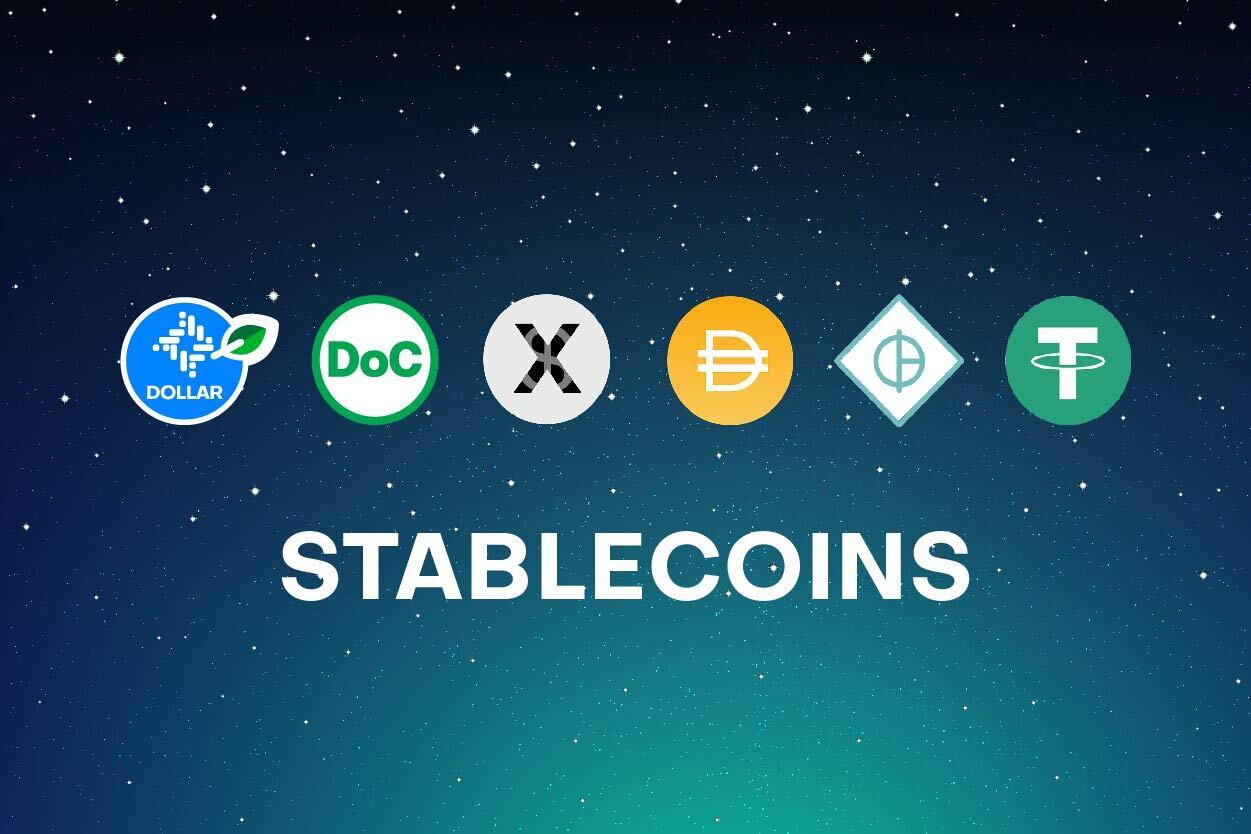
Chinese financial experts have raised concerns that US dollar-pegged stablecoins may strengthen the dollar’s global dominance by linking international credit to virtual economies. They advocate for China to develop its own stablecoins to enhance the yuan’s international standing.

A recent opinion piece published in several Chinese outlets considers how China should respond to the proliferation of US dollar stablecoins. The article suggests that China’s central bank should consider issuing its own stablecoins to counter the influence of dollar-pegged digital currencies.

Wang Yongli, former Vice President of the Bank of China, analyzed the position of the U.S. dollar as the world’s dominant currency and its implications for China’s monetary strategy. He pointed out that many countries, including China, have sought to internationalize their currencies and reduce reliance on the dollar, but these efforts face significant challenges. Despite China being the world’s second-largest economy and the largest trading nation in goods, the RMB’s share in global payments remains low, only around 4%, compared to the dollar’s nearly 50%. The RMB’s share in global reserves is also minimal, at just over 2%, while the U.S. dollar, despite declining from its peak, still accounts for nearly 60%.

China has been proactive in developing its own central bank digital currency , known as the digital yuan or e-CNY. This initiative aims to modernize the country’s payment systems and promote the yuan’s international use. The digital yuan is currently being tested in various regions and sectors within China, with plans for broader implementation in the future.

The internationalization of the yuan faces challenges, particularly due to China’s stringent capital controls, which limit the currency’s convertibility. These controls are in place to maintain financial stability but hinder the yuan’s acceptance as a global currency. Additionally, geopolitical tensions and U.S. sanctions add complexity to China’s efforts to promote the yuan internationally.

In response to these challenges, Chinese researchers have proposed the idea of a common Asian digital currency. Such a currency could reduce the region’s reliance on the U.S. dollar and enhance financial cooperation among Asian countries. This proposal reflects a strategic move to counter the dollar’s dominance and promote regional financial stability.

The proliferation of US dollar stablecoins presents both opportunities and challenges for global financial systems. While they offer efficiency and accessibility in digital transactions, they also reinforce the dollar’s hegemony, potentially undermining other currencies. China’s consideration of its own stablecoins and the development of the digital yuan are strategic efforts to enhance the yuan’s global standing and mitigate the risks associated with dollar-dominated digital currencies.

HONG KONG SAR – Media OutReach Newswire – 20 March 2025 – China Mobile International (“CMI”) hosted the AI+ Era Global Development Forum in Hong Kong on March 19. Distinguished guests included Li Huidi, Executive Vice President of China Mobile; Mu Chenhong, Deputy Director of the Information Center, Liaison Office of the Central People’s Government in the Hong Kong SAR; Wong Chi Kwong, Tony, JP, the Commissioner […]

Advertisements

President Donald Trump has called on Congress to expedite the passage of stablecoin and cryptocurrency reserve legislation, emphasizing the need for regulatory clarity in the rapidly evolving digital asset sector. This appeal was made during his address at the Digital Asset Summit, marking the first time a sitting U.S. president has spoken at a cryptocurrency-focused conference.

In his speech, President Trump underscored the importance of integrating digital assets into the mainstream financial system, stating, “We must ensure that our regulatory framework fosters innovation while protecting consumers and maintaining financial stability.” He urged legislators to deliver comprehensive bills to his desk before the congressional recess in August, reflecting a sense of urgency in addressing the regulatory challenges posed by digital currencies.

This development follows the Senate Banking Committee’s recent advancement of the Generating Necessary Information for Unobstructed Selection Act, a bipartisan bill co-sponsored by Senators Bill Hagerty and Kirsten Gillibrand. The GENIUS Act aims to provide federal legitimacy to stablecoins, digital currencies pegged to traditional assets like the U.S. dollar, by establishing a dual regulatory framework. This framework would allow stablecoin issuers to register with either state or federal authorities, thereby promoting their adoption as mainstream payment options. However, critics, including Senator Elizabeth Warren, have raised concerns about potential risks such as insufficient consumer safeguards and financial instability, cautioning against a possible Big Tech takeover of the dollar.

In addition to legislative efforts, the Trump administration has taken proactive steps to position the United States as a leader in the digital asset space. Earlier this month, President Trump signed an executive order establishing a Strategic Bitcoin Reserve and a U.S. Digital Asset Stockpile. The Strategic Bitcoin Reserve is designed to treat bitcoin as a reserve asset, capitalized with bitcoin forfeited in criminal or civil asset forfeiture proceedings. This move aims to create a “digital Fort Knox,” signaling a significant shift in the U.S. government’s approach to digital assets. The U.S. Digital Asset Stockpile will consist of other digital assets obtained through similar forfeiture proceedings, with strategies for their responsible stewardship under consideration.

The administration’s actions have been met with both optimism and skepticism. Proponents argue that these measures will integrate cryptocurrencies more deeply into the financial system, transforming them into viable payment systems and investment vehicles. Kevin O’Leary, a prominent investor and “Shark Tank” star, remarked that under President Trump’s leadership, cryptocurrency is moving away from its “cowboy era,” referencing past market volatility and regulatory uncertainties. O’Leary noted that with the implementation of regulations, crypto is becoming more integrated with financial institutions, signaling a maturation of the industry.

Conversely, critics express concerns over the rapid institutionalization of digital assets without comprehensive regulatory oversight. They caution that an overly permissive stance could lead to financial instability and inadequate consumer protections. The debate highlights the delicate balance policymakers must strike between fostering innovation and ensuring the safety and soundness of the financial system.

The Digital Asset Summit also featured discussions on the global implications of the United States’ digital asset policies. Industry leaders emphasized the need for international collaboration to establish harmonized regulatory standards, citing the borderless nature of cryptocurrencies. They argued that coordinated efforts are essential to prevent regulatory arbitrage and to promote the healthy development of the global digital asset ecosystem.

As the legislative process unfolds, all eyes are on Congress to see how it will navigate the complex landscape of digital asset regulation. The outcome will have profound implications not only for the United States but also for the global financial system, as nations worldwide grapple with the challenges and opportunities presented by the rise of digital currencies.

HONG KONG SAR – Media OutReach Neswire – 20 March 2025 – Hong Kong has maintained its World No.3 ranking in the latest Global Financial Centres Index (GFCI) after New York (No.1) and London (No.2). Hong Kong’s overall rating increased by 11 points to 760, remaining top in the Asia-Pacific region. The biannual GFCI, published today (March 20) by the Z/Yen from the United Kingdom and the […]

Thailand’s edible insect industry has emerged as a global leader, seamlessly blending tradition with modern sustainability practices. This sector not only offers a rich source of nutrition but also presents environmentally friendly alternatives to conventional protein sources. In Thailand, consuming insects is deeply rooted in cultural traditions, especially in regions like Isan and the north. Markets frequently display an array of fried insects, including grasshoppers, crickets, silkworm […]

Dubai has embarked on a groundbreaking initiative to revolutionise its real estate sector by launching a pilot project for property tokenization. Spearheaded by the Dubai Land Department , this endeavour positions Dubai as the first property registration authority in the Middle East to integrate blockchain technology into property title deeds, marking a significant milestone in the region’s technological advancement. The core objective of this project is to […]

Cognite, an industrial software firm backed by Saudi Aramco, has inaugurated an artificial intelligence services center in Bengaluru, Karnataka. The company is actively pursuing partnerships with leading Indian conglomerates to enhance industrial operations through advanced AI solutions. The newly established center has already secured collaborations with a prominent cement manufacturer and a major automotive company, though specific details remain undisclosed. Håkon Bjerke, Cognite’s Chief Strategy Officer, emphasized […]

The Uniswap community has approved two governance proposals, allocating a total of $165.5 million to bolster the development of its ecosystem. This substantial funding is directed towards advancing the recently launched Unichain Layer 2 network and Uniswap v4 protocol, as well as initiating new liquidity incentive programs.

The first proposal earmarks $95.4 million for the Uniswap Foundation’s grants budget, accompanied by an additional $25.1 million designated for operational expenses over the next two years. These funds aim to enhance capital efficiency, activate revenue streams, and attract active contributors to the platform. The second proposal allocates $45 million to support liquidity incentives, a strategic move to attract new users and sustain ecosystem growth through developer-centric activities.

Gauntlet, a Web3 risk management protocol, has been entrusted with managing these liquidity incentives. They have deployed and configured an Aera vault on the mainnet for the Uniswap Foundation, injecting over 7.5 million UNI tokens, valued at approximately $52 million at current prices. This initiative is designed to draw in new users and maintain growth across both networks.

The approval of these proposals also lays the groundwork for the long-discussed ‘fee switch’ mechanism. This feature would redirect a portion of protocol fees, currently earned by liquidity providers, towards UNI token holders. The Uniswap Foundation has indicated that it will proceed with the necessary legal steps to activate this switch, aligning the interests of governance members with the protocol’s long-term success.

The community’s decision to allocate substantial funds to ecosystem development reflects a strong commitment to increasing the network’s scalability and creating new opportunities for growth. The foundation’s long-term goal is to transition Uniswap from a decentralized exchange into a platform that can also cater to developers, bringing significant value to the Uniswap community.

Uniswap v4, launched in mid-January 2025, introduced the concept of ‘hooks’—contracts that allow developers to customize interactions within pools, swaps, and fees. The launch of Unichain, built on the Optimism tech stack, further enhances Uniswap’s scalability by providing a Layer 2 network capable of supporting more transactions at lower fees.

The activation of the fee switch represents a significant step in Uniswap’s ongoing efforts to align the interests of its governance members with the protocol’s long-term success. Over $1 billion in annualized fees have been generated by the Uniswap protocol, and this shift would allow token holders to capture a portion of that revenue.

This development has had a positive impact on the market perception of Uniswap’s native token, UNI. Following the announcement, the price of UNI experienced a notable surge, reflecting growing optimism among investors regarding the platform’s future prospects.

Organisations should balance optimisation and workforce expectations HONG KONG SAR – Media OutReach Newswire – 19 March 2025 – KPMG China announced today the release of its ninth annual Hong Kong Employment Outlook survey, providing insights into the latest trends and challenges facing the region’s employment market. The report covers the headcount expectations of Hong Kong professionals, a salary outlook with an analysis of compensation and benefits […]

HONG KONG SAR – Media OutReach Newswire – 19 March 2025 – Hong Kong Life has been the title sponsor of the “MacPherson Festival x Candy Lo Timeline II Concert 2025,” presented by the talented singer Candy Lo. After three years, Candy Lo will once again share her musical journey with fans, showcasing a new interpretation of timeline in her music and spirit, reflecting her vibrant musical […]

Abu Dhabi’s renewable energy company, Masdar, is nearing a $200 million agreement to acquire a 49.9% stake in a 450-megawatt solar portfolio managed by Spanish utility Endesa. This strategic move aims to bolster Masdar’s presence in Spain, aligning with its ambition to achieve 100 gigawatts of global renewable energy capacity by 2030. A Masdar spokesperson commented on the company’s expansion goals, stating that they are actively exploring […]

Recent regulatory changes enhance credibility for corporate trustees but add to complexity and costs New eMPF Platform to reshape Hong Kong’s pension system and bring wave of change for pension trustees HONG KONG SAR – Media OutReach Newswire – 18 March 2025 – Access to Chinese Mainland clients, Asia’s growing private wealth sector and improving industry credibility are underpinning a positive outlook for Hong Kong’s trust industry, […]

Abu Dhabi’s Department of Municipalities and Transport has introduced the Value Housing Programme, a strategic initiative designed to diversify the emirate’s real estate market and elevate living standards for both individuals and families. This programme underscores the emirate’s commitment to fostering inclusive and sustainable communities, aligning with the broader objectives of the UAE Year of Community. The programme’s phased implementation aims to address the increasing demand for […]

Revenue Growth Supported by Multiple Pillars Steadily Enhancing Shareholder Returns HONG KONG SAR – Media OutReach Neswire – 17 March 2025 – The world’s largest telecommunications infrastructure service provider China Tower Corporation Limited (“China Tower” or the “Company”) (Stock Code: 0788.HK) is pleased to announce its annual results for the year ended 31 December 2024. Performance Highlights RMB Million 2024 2023 Change Operating revenue 97,772 94,009 4.0% […]

The global economy is experiencing fresh waves of volatility as Trump’s second term reignites trade conflicts, currency battles, and inflationary pressures. Markets have already reacted—tariff hikes on Chinese goods, retaliatory measures from Beijing, and escalating tensions with Europe are shifting capital flows at a breakneck pace. Investors can’t afford to be complacent. They must position portfolios to withstand uncertainty, hedge against risk, and seize opportunities in this […]

LONDON, UNITED KINGDOM – Media OutReach Newswire – 17 March 2025 – Diginex Limited (“Diginex” or the “Company”)(Nasdaq: DGNX), an impact technology company specializing in environmental, social, and governance (“ESG”) issues, today announced the signing of two memorandum of understandings (“MOUs”) to pursue a broad strategic partnership to facilitate Diginex with its planned expansion in the United Arab Emirates (“UAE”) and the broader Gulf Cooperation Council region […]

CME Group, the world’s largest futures exchange, has introduced Solana futures contracts, providing institutional investors with an additional tool for trading the popular cryptocurrency. This move marks a significant step in the expansion of derivatives markets, particularly as digital assets like SOL continue to rise in prominence within the blockchain ecosystem.

The introduction of Solana futures comes at a time when demand for cryptocurrency-related products among institutional players is growing. By expanding beyond traditional spot trading and options, CME Group is responding to a clear market trend: the increasing appetite for advanced financial instruments in the digital asset space. With the launch of these futures contracts, CME Group further solidifies its position as a leader in cryptocurrency derivatives trading, following its successful rollouts of Bitcoin and Ethereum futures.

For institutional investors, Solana futures provide a method of hedging risk and gaining exposure to the cryptocurrency market without having to directly own or manage the underlying asset. Futures contracts are particularly useful for large-scale traders, offering opportunities to speculate on price movements and manage the volatility associated with crypto assets. The addition of SOL futures further diversifies the range of cryptocurrency products available on the CME Group’s platform, complementing its existing offerings.

SOL, the native cryptocurrency of the Solana blockchain, has seen impressive growth in recent months. It continues to strengthen its position as a leading layer 1 network, noted for its fast transaction speeds and low costs, which have made it a popular choice for developers. As the blockchain ecosystem continues to evolve, Solana’s robust performance in areas like decentralized finance , NFTs, and gaming has contributed to a growing number of use cases, driving interest among both retail and institutional investors.

The rise of Solana can be traced to its unique combination of scalability and decentralization, offering an alternative to slower and more expensive platforms like Ethereum. In particular, Solana’s ability to process thousands of transactions per second at a fraction of the cost of its competitors has made it an attractive option for developers seeking high-performance blockchain solutions. This technical advantage is reflected in the increasing adoption of the Solana network, further contributing to its growing market capitalization and network activity.

As the launch of Solana futures unfolds, the attention is on how the product will be received by institutional traders, many of whom have previously shown a preference for more established cryptocurrencies like Bitcoin and Ethereum. However, the entry of new institutional investors into the Solana market could be a game-changer. The volatility that characterises Solana’s price movements may appeal to institutional traders looking for more active trading opportunities and higher-risk, higher-reward positions. Moreover, the futures contracts offer a way to gain exposure to Solana’s price without being directly affected by the underlying volatility in the same way as spot holders.

In addition to its core functionality as a trading tool, the launch of Solana futures is also indicative of broader trends within the cryptocurrency market. The growing institutional interest in digital assets has led to a surge in derivative products, enabling sophisticated trading strategies that were once unavailable in the traditional financial markets. The success of Bitcoin and Ethereum futures, which have attracted billions in liquidity, serves as a precedent for the growing acceptance of cryptocurrencies in institutional investment portfolios.

The move to introduce Solana futures aligns with CME Group’s broader strategy of offering diverse cryptocurrency-related products to meet the needs of institutional investors. By expanding its product offering to include Solana, CME Group not only attracts more traders to its platform but also increases the legitimacy of the cryptocurrency market within traditional financial systems. This development is likely to encourage further innovation and investment in the sector.

Beyond Solana’s technical advantages, the timing of its futures contract launch also positions CME Group strategically within the broader cryptocurrency landscape. As the digital asset market continues to mature, institutional adoption is poised to grow, with more regulatory clarity and financial infrastructure emerging. As one of the first exchanges to offer a futures contract for Solana, CME Group places itself at the forefront of this market evolution.

Despite Solana’s recent successes, challenges remain for the network. The blockchain’s rapid growth has been accompanied by concerns over network stability, with occasional outages raising questions about the scalability and reliability of its technology. While these issues have not significantly hindered Solana’s progress to date, any technical difficulties could potentially affect investor confidence in the network. However, as Solana continues to innovate and improve its infrastructure, its position in the crypto space looks increasingly secure.

The introduction of Solana futures is expected to bring increased liquidity to the market, further boosting its visibility and legitimacy in the eyes of institutional investors. For CME Group, the move represents a strategic push to offer products that cater to the growing demand for cryptocurrency-based trading instruments, and it reflects the evolving nature of digital asset markets.


HONG KONG SAR – Media OutReach Newswire – 17 March 2025 – Mr Albert Wong, CEO of Hong Kong Science and Technology Parks Corporation (HKSTP), led a delegation on a highly successful European Innovation Mixer tour in March, engaging with over 1,000 students and innovation and technology (I&T) talents, encouraging them to pursue opportunities in Hong Kong. The delegation also secured over 1,000 business collaboration opportunities, further […]

Marrakech is set to become the epicentre of technological innovation as it hosts the third edition of GITEX Africa from 14 to 16 April 2025. Under the High Patronage of His Majesty King Mohammed VI, this event is organised by the Ministry of Digital Transition and Administration Reform in collaboration with the Digital Development Agency and KAOUN International. GITEX Africa has rapidly established itself as the continent’s […]

VISHNU RAJA
RYO YAMADA
HITORI GOTOH
IKUYO KITA
Just in:
Saudi defences destroy three Houthi missiles targeting Riyadh // Yeebo Announces Interim Results for FY26/27 Revenue Increases by 45.5% to HK$806.7 Million Profit Attributable to Owners Surges 87.6% to HK$2,284.7 Million // Promoting Common Human Development Through Exchanges and Mutual Learning Among Civilizations // Oil futures rebound after Riyadh strikes and tanker alerts // Sui activates Hashi Bitcoin lending across partner network // Toward a Shared Future for Humanity: Rethinking Civilizational Exchange // Dubai Introduces SHARH, an AI-Powered Platform Helping Entrepreneurs Buy, Sell and Manage Businesses in the UAE // Workday targets Honeydew purchase to unify AI metrics // Jaiedco and Golden Bridge Announce Strategic Collaboration for a New Dubai Islands Development // Anthropic shares finish above offer price after Nasdaq debut // Padmini follows Padmaja for ‘ghar vapsi’ // Dar Global unveils $700m Trump development in Qatar // Russia permits retail cryptocurrency purchases under regulated framework // Singapore regulator cautions against AI access to bank logins // Thailand’s Most Iconic New Year’s Celebration Returns: ICONSIAM Unveils “Amazing Thailand Countdown 2027” // Diabetes Malaysia And Alpro Pharmacy Set National Record With 11,007 Most Blood Glucose Screenings Conducted Across Malaysia In Just 48 Hours // Crypto market loses $150 billion amid broad sell-off // PayerMax and ShopeePay Strengthen Strategic Partnership to Advance Digital Payment Collaboration in Southeast Asia // ED searches five districts in probe against hawala // Balagopal challenges CM over tax revenue //