News related to
opportunities

Ethena, a prominent player in the cryptocurrency space, has formed a strategic partnership with the on-chain derivatives protocol Derive, marking a significant development in decentralized finance (DeFi). This collaboration ensures that Ethena’s sENA token holders will secure 5% of the total DRV token supply, positioning Ethena as a key participant in Derive’s expanding ecosystem.

Derive’s innovative derivatives protocol, designed to offer a decentralized solution for futures trading, enhances its offerings by integrating Ethena’s synthetic dollar, USDe. This partnership aims to further stabilize both platforms’ token economies and enhance the trading experiences within decentralized markets. The integration of sENA holders into Derive’s ecosystem highlights a growing trend of DeFi protocols leveraging cross-collaboration to boost liquidity and foster mutual growth.

Ethena’s USDe, a synthetic dollar backed by Ethereum and Bitcoin collateral, is known for its delta-neutral stability model. By utilizing a combination of staked assets and perpetual/futures market spreads, USDe maintains a stable value relative to spot crypto assets. This approach contrasts with traditional stablecoins like USDC or USDT, as it is designed specifically for the crypto-native world, ensuring that it remains resilient against traditional financial risks while offering a scalable solution within DeFi. The recent collaboration underscores Ethena’s vision to provide decentralized financial products that are both sustainable and innovative, giving its users new ways to engage in the DeFi ecosystem.

In addition to its technical components, Ethena also emphasizes the importance of transparency and security in its operations. The protocol’s use of off-chain custody and multisig infrastructure ensures that assets remain secure even as they flow across different DeFi platforms. This commitment to user safety is crucial as the DeFi space continues to mature, and the partnership with Derive reflects Ethena’s continued dedication to enhancing its product offerings.

With the backing of its innovative financial model, Ethena aims to create an environment that supports greater integration between DeFi protocols and their respective user bases. By securing a portion of Derive’s DRV token supply for sENA holders, Ethena is enhancing its utility within the DeFi ecosystem and aligning itself with platforms that share a similar vision of decentralized finance.

This partnership is also poised to create new opportunities for liquidity provision and reward generation for users. As both protocols focus on providing long-term stability through hedging and derivatives trading, Ethena’s integration with Derive could signal further shifts in how decentralized platforms manage risk and reward in the future.

The inclusion of sENA holders in Derive’s DRV token distribution exemplifies the increasing interconnectivity of decentralized finance protocols. It reflects a broader trend where platforms are pooling resources and expanding their services to reach a wider audience, offering more diverse investment strategies and trading opportunities. This trend is likely to accelerate as the DeFi space continues to evolve, with strategic collaborations becoming a core component of long-term growth strategies.


Hong Kong’s first two-day outdoor music and cultural festival hosted by Hypebeast, featured 24 musical acts alongside a multitude of brand activations, art installations and interactive experiences. HONG KONG SAR – Media OutReach Newswire – 3 December 2024 – Hypebeast, the leading global platform for contemporary culture and lifestyle, concluded Hypefest Hong Kong 2024 on November 9-10. Financially supported by the Mega Arts and Cultural Events (Mega […]

DUBLIN, IRELAND – Media OutReach Newswire – 3 December 2024 – Aon plc (NYSE: AON), a leading global professional services firm, today announces the appointment of Anne Corona as CEO of Enterprise Clients and global chief commercial officer, effective 1 January 2025. This appointment is part of the firm’s strategy to advance its commercial capabilities by deepening commercial alignment, integration of data and analytics and service excellence […]

BANGKOK, THAILAND – Media OutReach Newswire – 2 December 2024 – Her Royal Highness Princess Sirivannavari Nariratana Rajakanya graciously inaugurated the Federation of Thai Fashion Designers (FTFD). The FTFD aims to advance the Thai fashion industry by fostering sustainable growth and establishing Thailand as a global fashion hub. Event Highlights The inauguration ceremony took place on Friday, 29 November 2024, at Impact Arena, Exhibition and Convention Center, […]

HONG KONG SAR – Media OutReach Newswire – 2 December 2024 – The 18th MIPIM Asia Summit returns this year to address key themes reshaping the real estate landscape in Asia and globally. Bringing together prominent international investors and speakers, the MIPIM Asia Summit 2024 will feature the prestigious MIPIM Asia Awards Ceremony and take place on December 3rd and 4th at the Grand Hyatt in Hong […]

From wars in Eastern Europe and the Middle East to rising tensions in the Taiwan Strait, geopolitical instability has become the defining characteristic of our time. There are now more active armed conflicts than at any point since World War II. Simultaneously, the digital realm has become a battleground, with cyberattacks escalating in frequency and sophistication, targeting both national infrastructures and private enterprises. While these developments are […]

HONG KONG SAR – Media OutReach Newswire – 2 December 2024 – Golden Resources Development International Limited today announces its HK$1 billion ambitious plan to transform more than 250,000 square meters of acquired land and properties in Hokkaido’s Niseko into Hirafu Grand Centro, a game-changing retailtainment destination over the next decade. Project Hir@fu, the initiative’s pilot phase, will launch seven new restaurants in Niseko for the 2024 […]

Advertisements

HONG KONG SAR – Media OutReach Newswire – 2 December 2024 – The “Building Your Edges: Tech-Forward Ventures in ASEAN” summit, hosted by edge Summit in collaboration with Oracle NetSuite and ONE Pacific, with support from Cyberport and Gobi Partners, explored how Hong Kong businesses can leverage contemporary cloud ERP systems, startup support initiatives, and venture capital opportunities to expand into the ASEAN market, facilitating growth, expansion, […]

Koc Holding, one of Turkey’s leading conglomerates, has firmly denied reports suggesting it is in discussions regarding the sale of its stake in Yapi Kredi Bank to Qatar National Bank (QNB). The Turkish holding company, which controls a significant share of Yapi Kredi, clarified that no such negotiations have taken place, responding to growing speculation about a potential deal with the Qatari financial institution.

The rumors surfaced amid QNB’s broader strategy of expanding its presence in Turkey, a key market for the Middle Eastern bank. QNB has been actively pursuing acquisitions in Turkey in recent years, strengthening its position within the country’s financial sector. However, despite these ambitions, Koc Holding has stated unequivocally that there are no ongoing talks regarding the sale of its shares in Yapi Kredi to QNB, dispelling widespread assumptions about an impending transaction.

This development comes at a time when Turkey’s banking sector is navigating a complex economic environment. High inflation, currency volatility, and shifting geopolitical dynamics have placed considerable strain on the country’s financial markets, which may have prompted some analysts to speculate about possible mergers or acquisitions in the banking industry. Additionally, QNB’s interest in Turkish assets has been well-documented, with the bank seeking to capitalize on Turkey’s sizable market and relatively high returns in the financial sector.

While Koc Holding’s denial temporarily quells the rumors surrounding a potential Yapi Kredi transaction, it is clear that the Turkish banking landscape remains a focal point for foreign investors, especially those from the Gulf region. Qatar-based QNB, which has been expanding its footprint in Turkey, already holds a stake in other Turkish financial institutions. The bank’s ambitions to consolidate its holdings in the country align with broader regional strategies by Gulf-based investors to diversify their portfolios beyond the Gulf Cooperation Council (GCC) region.

For Koc Holding, Yapi Kredi remains a valuable asset in its diversified portfolio, and its involvement in the banking sector is integral to its broader business strategy. The holding company has been a major player in Turkey’s financial industry for decades, with its involvement in banking extending back to the late 1980s when it first acquired a stake in Yapi Kredi. The bank has since grown to become one of Turkey’s largest and most influential financial institutions.

While Koc Holding has dispelled the claims of a sale to QNB, analysts continue to watch the Turkish financial sector closely for signs of potential mergers and acquisitions. The region’s banks have been under pressure as they navigate the economic challenges posed by inflation and the depreciation of the Turkish lira. Despite these hurdles, Turkish financial institutions remain attractive to foreign investors due to their relatively high returns and the significant untapped potential of the Turkish market.

QNB, as one of the largest banks in the Middle East and North Africa (MENA) region, has made strategic acquisitions across the region over the years. With operations in 31 countries, including a significant presence in the GCC and North Africa, the bank has been keen to expand its holdings in Turkey, a nation that has become an increasingly vital market for financial services. The speculation around Yapi Kredi was fueled by reports that QNB had expressed interest in increasing its stake in the Turkish banking sector, but Koc Holding’s statement puts those rumors to rest—at least for the time being.

Although the QNB and Yapi Kredi discussions appear to be off the table, the dynamic between foreign banks and Turkish financial institutions will continue to evolve. The relationship between Qatar and Turkey has grown stronger in recent years, with both nations bolstering their economic ties. These diplomatic and financial linkages have facilitated greater cross-border investments, including in the Turkish banking sector, where Gulf investors are particularly active.

Turkey’s financial market is viewed by many as being ripe for consolidation and foreign investment. With inflation levels above 50% and the currency’s depreciation impacting many domestic financial institutions, the market offers substantial growth opportunities for foreign banks with the capacity to weather short-term volatility. International investors like QNB have been increasingly involved in Turkey’s economic recovery, using strategic acquisitions as a way to capitalize on the long-term prospects of the country’s banking system.

Despite the challenges posed by the country’s economic instability, Turkish banks are showing resilience. Several of the country’s largest banks, including Yapi Kredi, have managed to maintain strong balance sheets, thanks in part to their robust risk management strategies. This stability, combined with the potential for future growth, continues to attract interest from regional players looking to expand their presence in one of the largest emerging markets in Europe and Asia.

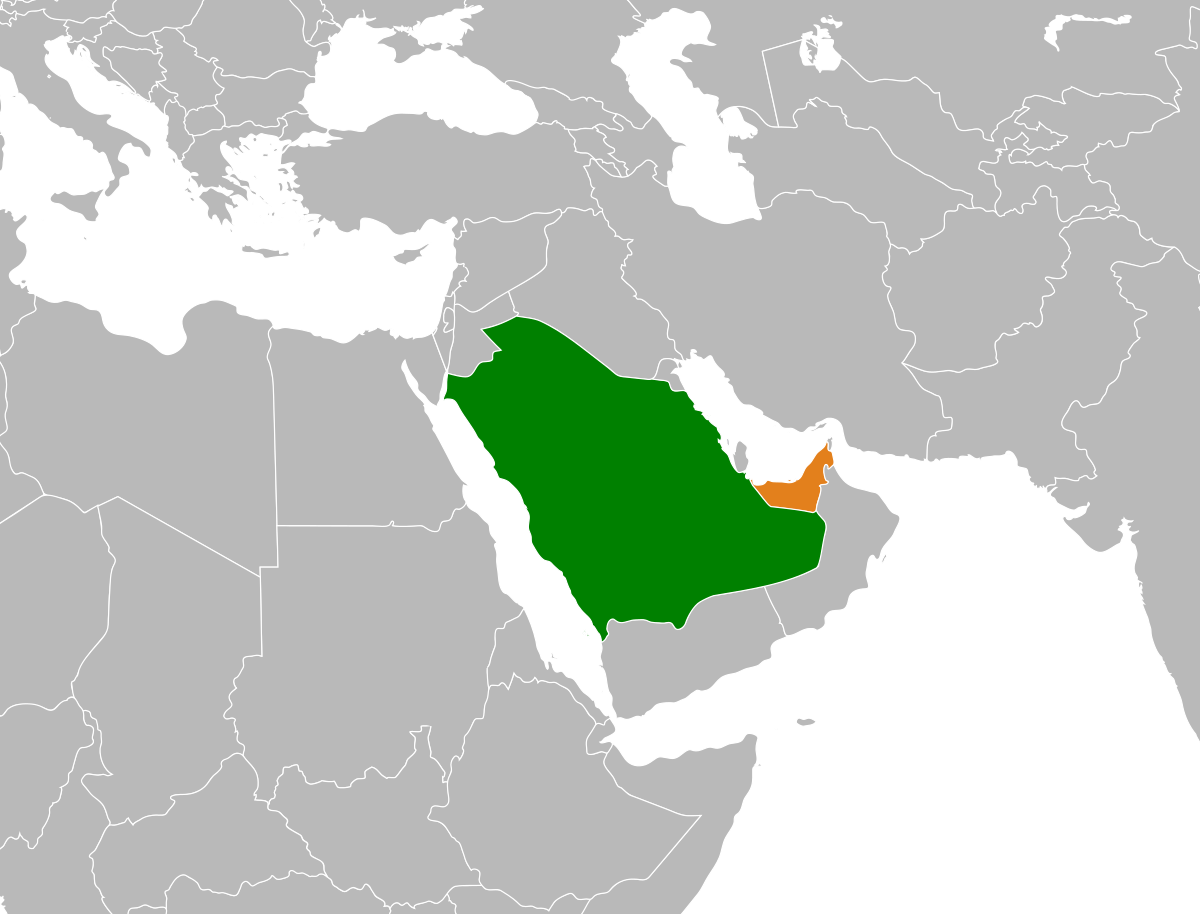
UAE President Sheikh Mohamed bin Zayed Al Nahyan and Saudi Crown Prince Mohammed bin Salman held a high-level meeting to further solidify their countries’ bilateral relations, underscoring the enduring strength of their partnership. The meeting comes as both nations navigate complex regional and global challenges, aiming to reinforce their cooperation in key sectors such as energy, security, and technology.

The summit, which took place in Abu Dhabi, reflects the growing strategic importance of the UAE-Saudi relationship. This alliance has been marked by a shared commitment to regional stability, economic growth, and development. The two leaders’ discussions have centered on deepening political and economic collaborations, enhancing trade, and exploring opportunities in emerging fields like renewable energy and space exploration.

The UAE and Saudi Arabia have long been influential players in the Gulf region, and their partnership is often seen as a counterbalance to external powers. Their collaboration spans beyond bilateral matters, impacting broader issues such as security in the Middle East, OPEC oil production agreements, and joint ventures in technological advancements. The convergence of their interests is aimed at positioning the two nations as global leaders in multiple sectors.

Trade relations between the UAE and Saudi Arabia have been growing steadily, with the UAE becoming one of Saudi Arabia’s largest trading partners. The two nations are focused on further facilitating economic integration through the Gulf Cooperation Council (GCC), which serves as a platform for harmonizing their policies on trade, investment, and infrastructure. Their concerted efforts are seen as crucial for advancing the region’s economic diversification and reducing dependence on oil.

In the realm of energy, the UAE and Saudi Arabia are working together to lead the charge on clean energy initiatives. Both countries have made significant strides in developing sustainable energy solutions, with large investments in solar power, nuclear energy, and hydrogen. Their collaboration in these sectors is intended to help the Gulf region transition toward a low-carbon future while maintaining energy security.

Security is another critical component of the UAE-Saudi partnership. Both nations have faced regional security threats, particularly from non-state actors and the geopolitical tensions surrounding Iran. As a result, the UAE and Saudi Arabia have worked in tandem to fortify their defense mechanisms and enhance intelligence sharing. Their coordinated efforts are also evident in joint military operations, particularly in Yemen, where both countries have been involved in the ongoing conflict as part of a Saudi-led coalition.

The leaders’ discussions also touched on the importance of technological innovation as a driver of future economic growth. The UAE has positioned itself as a hub for technological advancements in the Middle East, with initiatives like Dubai’s smart city projects and the UAE’s space program gaining international recognition. Meanwhile, Saudi Arabia has launched its own ambitious Vision 2030 initiative, which includes plans for transforming its economy through technology, including its investments in artificial intelligence, blockchain, and digital infrastructure.

The strategic alliance between the UAE and Saudi Arabia has not only helped shape the region’s economic and political landscape but has also made them key partners in broader international forums. Both nations have increasingly taken a proactive stance in addressing global challenges, including climate change, public health, and geopolitical tensions. Their efforts to collaborate on such issues signal a broader commitment to fostering stability and peace in the Middle East and beyond.

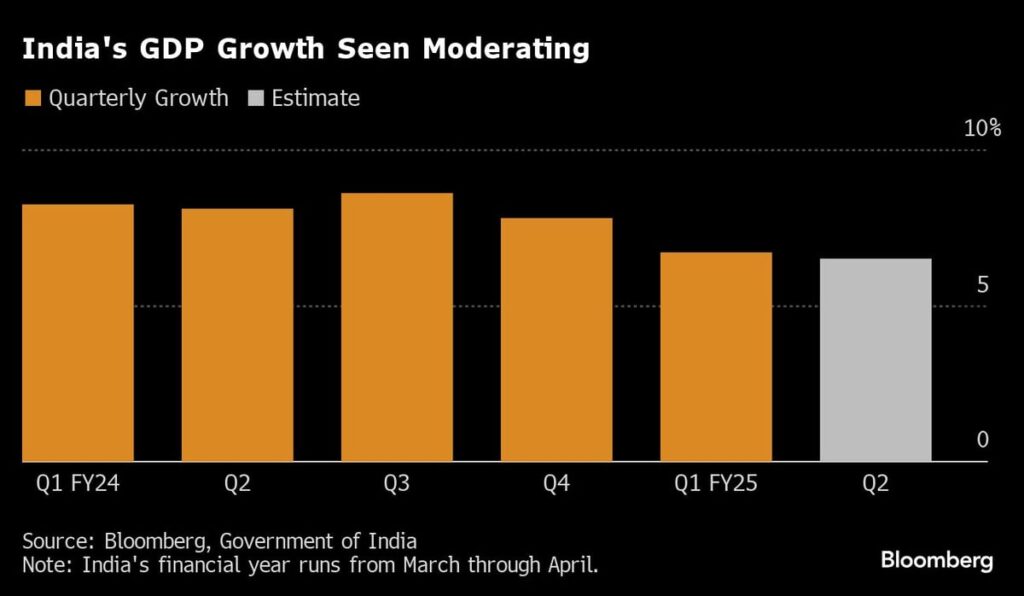
By Dr. Gyan Pathak Slowing down of GDP growth to seven quarters low of 5.4 per cent during second quarter of the financial year 2024-25 and contraction of the wages during the same period for the first time since the pandemic (March 2021) shows that India has fallen into a vicious circle of decline in […]


The partnership will bring sports and technology into the same arena to power up HKRT’s players, football fans and the broader community HONG KONG SAR – Media OutReach Newswire – 29 November 2024 – The Football Association of Hong Kong, China (HKFA) is pleased to announce that the Hong Kong, China Representative Team (HKRT) has received strong support from the shared power bank provider CHARGESPOT, which will […]

The transition from traditional banking systems to cryptocurrency has marked a pivotal shift in the financial world, driven by the impact of demonetization trends and the surge in digital transactions. This evolution, explored in depth by researchers Aashi Rawal, Santosh Gopalkrishnan, Dhanashree Tharkude, and Pallavi Deshpande, highlights the challenges and opportunities that cryptocurrencies present to global financial frameworks. A comprehensive study presented at the 2024 International Seminar […]

Understood. Let me research and draft the report for you. Please hold on.

Dubai will host the second edition of the Japan Kyoto Trade Exhibition in February 2025, showcasing Japan’s innovative industries and fostering cross-border business opportunities. Organized by MAICO Enterprises Inc., a prominent Japanese trade organization, this event is set to bring together global businesses, investors, and policymakers in a celebration of economic collaboration and cultural exchange.

Scheduled from February 10 to 13 at the Dubai World Trade Centre, the exhibition will highlight sectors such as technology, green energy, and consumer goods. The event aims to promote Japan’s traditional craftsmanship alongside its advancements in technology, emphasizing sustainability and innovative trade practices.

This year’s exhibition builds upon the success of the inaugural event, which featured over 300 exhibitors and attracted more than 20,000 visitors. Organizers have expressed confidence in surpassing these figures in 2025, given the strategic location of Dubai as a global trade hub and its commitment to fostering international partnerships.

Seef Properties has formalized its commitment to supporting female entrepreneurs through a strategic partnership with Ra’edat, a platform dedicated to empowering women in business. This collaboration aims to create avenues for aspiring and established female entrepreneurs by offering innovative retail opportunities within Seef Properties’ network. The agreement aligns with Bahrain’s broader efforts to nurture entrepreneurial talent and advance gender equality in the business sector.

The memorandum of understanding (MoU) enables women-led businesses to access retail spaces under the “Mahali” initiative, which is part of Seef Properties’ portfolio. These spaces, located at Seef Mall and other prime locations, provide tailored environments for businesses to scale operations, engage customers, and enhance their visibility. This initiative is particularly designed to support homegrown enterprises seeking to establish a stronger foothold in the marketplace.

Ahmed Yusuf, Chief Executive Officer of Seef Properties, highlighted the collaboration as a step toward fostering a robust entrepreneurial ecosystem in Bahrain. He emphasized the company’s commitment to empowering women entrepreneurs through providing opportunities that combine prime retail locations with business development resources. Yusuf also noted that the initiative would contribute to Bahrain’s long-term economic vision by encouraging diversity and inclusivity within the entrepreneurial landscape.

Ra’edat, recognized for its role in promoting women’s economic participation, expressed optimism about the partnership’s potential to strengthen the region’s business ecosystem. By facilitating access to premium retail environments, the platform envisions fostering growth for women-led businesses and inspiring a broader cultural shift toward gender-balanced economic contributions.

University College Dublin Global Lounge: ‘Empower, Connect & Create’ SINGAPORE – Media OutReach Newswire – 29 November 2024 – University College Dublin (UCD) and Kaplan (Singapore) have officially launched the new University College Dublin Global Lounge at Kaplan City Campus @ Wilkie Edge [1]. This launch represents another significant milestone in the longstanding strategic partnership between UCD and Kaplan. The Global Lounge is designed to inspire students […]

Abu Dhabi Investment Group is set to deploy a significant $100 billion in Brazil’s economy, marking a major step in the strengthening of bilateral economic ties between the UAE and Latin America’s largest economy. The announcement, made in late November 2024, highlights the UAE’s growing investment interests in Brazil, underscoring the nation’s desire to diversify its portfolio globally. The planned investments span a range of sectors, with […]

PRYPCO, a prominent Dubai-based real estate firm led by Amira Sajwani, has launched an innovative fractional ownership platform aimed at democratizing access to premium properties in the city. The platform allows investors to buy fractions of luxury real estate, significantly lowering the barriers to entry in a market traditionally dominated by high-net-worth individuals. The new platform is poised to reshape the landscape of real estate investment in […]

Dubai’s Roads and Transport Authority (RTA) has unveiled a major update to its traffic management strategy by introducing variable road toll pricing (Salik) and dynamic parking tariffs. This decision marks a shift toward a more adaptive and responsive traffic system, aimed at improving traffic flow and reducing congestion across the city. The move includes the implementation of event-specific parking rates to address higher demand during major events, […]

Dubai’s real estate sector is witnessing a surge in competition as new developers enter the market, driving up supply and introducing diverse offerings. With the demand for luxury properties continuing to soar, a new generation of developers is working to reshape the landscape, creating challenges for established players while offering unique opportunities for investors and buyers.

The entrance of these new developers is a reflection of Dubai’s dynamic property market, which has shown impressive resilience despite global economic pressures. These newcomers are not only investing in residential projects but also diversifying into commercial spaces, mixed-use developments, and hospitality, areas that are seeing a significant increase in demand. The competition has intensified as developers offer more attractive terms and design concepts to stand out in a crowded market.

One of the key reasons for the heightened interest is Dubai’s sustained appeal to global investors. The UAE’s economic recovery, backed by government initiatives to attract foreign investment, continues to position the country as a hub for both business and leisure. Additionally, the government’s policy of easing property ownership restrictions for foreigners has opened up opportunities for international investors, further fueling demand.

Developers such as the Dubai-based Azizi Developments and Arada have been gaining traction with their focus on affordable luxury. Azizi’s portfolio, which includes high-end residential and mixed-use developments, caters to both local and international buyers looking for properties that combine luxury with functional living. Arada’s presence, marked by their flagship development in Sharjah, is another example of developers aiming to capture a diverse clientele by offering competitive prices and quality.

Dubai’s real estate sector is seeing a significant shift toward sustainability and innovation. Many new developers are incorporating green building practices and energy-efficient technologies into their designs to meet the rising demand for eco-friendly living spaces. This focus on sustainability is aligned with the UAE’s broader vision of creating a greener, more sustainable future.

Key players in the market, including Emaar Properties and DAMAC, continue to dominate the luxury sector, but the influx of new developers is pushing them to evolve their offerings. For instance, Emaar is now emphasizing the creation of smart homes and lifestyle-oriented communities, areas where its competitors are also investing heavily. Meanwhile, DAMAC, known for its high-end residential developments, has started to explore the commercial and hospitality sectors in response to shifting market dynamics.

While luxury remains the primary focus of many high-profile developments, affordable housing is becoming increasingly popular. This shift is driven by a growing middle class within the UAE and an influx of professionals from various sectors. Developers are responding by providing more affordable, yet high-quality, housing options, ensuring that they capture a wider market share.

Real estate experts also point to the increase in the number of Dubai’s population as another driving factor in the demand for new housing developments. Projections estimate that the city’s population will continue to rise in the coming years, with more people flocking to the city for its tax-free incentives and high quality of life. As the population grows, developers are focusing on mixed-use developments that provide residential, retail, and entertainment options all in one location.

The competition among developers is forcing many to reconsider traditional marketing strategies. Digital marketing has become a critical tool, with developers focusing on online platforms and virtual tours to attract a global audience. Some have even begun incorporating virtual reality (VR) into property showings, enabling potential buyers to experience properties remotely, no matter where they are located.

Dubai’s burgeoning property market is not without challenges, however. While demand remains strong, the rapid influx of new projects may lead to an oversupply in certain sectors, particularly in the luxury segment. Experts warn that while the demand for high-end properties is robust, it could eventually stabilize, creating an imbalance in the market. Consequently, developers are keenly focused on maintaining a competitive edge through innovation, design, and value-added services.

The fluctuating cost of raw materials, labor shortages, and global supply chain disruptions pose hurdles for developers trying to stay on track with their project timelines. These factors have contributed to slight delays in the delivery of some developments, but most developers have adjusted their plans to minimize the impact on their portfolios.

Wizz Air Abu Dhabi, the UAE’s rapidly growing budget airline, has announced the launch of a new route connecting the emirate to Varna, Bulgaria. This marks another significant expansion for the airline, which is focused on broadening its network in both Eastern Europe and the Middle East.

The new service to Varna, a popular Black Sea coastal city known for its cultural heritage and tourism appeal, is expected to cater to growing demand for both leisure and business travel between the UAE and Bulgaria. The route will operate twice a week, offering travelers convenient and affordable access to one of Bulgaria’s major economic and tourist hubs.

This development comes on the heels of a broader strategy by Wizz Air Abu Dhabi to tap into emerging markets and strengthen its presence in Europe. Bulgaria, with its increasingly attractive tourist spots and growing economy, aligns well with the airline’s aim to connect less-traveled yet high-potential destinations. As the demand for travel rebounds globally, Wizz Air Abu Dhabi continues to focus on offering competitive prices and flexibility, responding to shifting patterns in consumer behavior.

The announcement is part of Wizz Air Abu Dhabi’s broader efforts to expand its network in the region. The airline, which started operations in 2020 as a joint venture between the Hungarian carrier Wizz Air and Abu Dhabi’s state-owned ADQ, has steadily increased its footprint across both regional and European routes. The addition of Varna represents a further commitment to enhancing connectivity between the UAE and Eastern Europe, an area of growing importance for tourism and trade.

For the Bulgarian tourism sector, this new route is expected to have a positive impact, especially as the country’s tourism authorities aim to attract more visitors from the Gulf region. Varna, with its rich historical sites, sandy beaches, and vibrant nightlife, is becoming an increasingly popular destination for travelers from the Middle East, offering a blend of cultural exploration and relaxation.

The launch of the route is also expected to provide more opportunities for travelers to access both Bulgaria’s bustling urban centers and its scenic coastlines. As the tourism landscape continues to evolve, the introduction of direct flights from the UAE will likely improve trade and people-to-people ties between the two regions. Wizz Air Abu Dhabi’s competitive pricing model ensures that more people will be able to afford travel to Bulgaria, a destination that has traditionally been more distant for many travelers in the Middle East.

Varna’s connection to Abu Dhabi is not just a win for tourists but also for business. Bulgaria, known for its fast-developing economy and strategic location within Europe, offers significant potential for investment and collaboration in industries such as technology, agriculture, and energy. Direct flights will facilitate smoother travel for businesspeople looking to engage in partnerships or expand their operations in the region.

The introduction of the route aligns with Wizz Air Abu Dhabi’s overall strategy to diversify its offerings and expand into markets that present high growth potential. The airline’s flexible model, which allows for efficient operations with a low-cost structure, has enabled it to compete aggressively in the region’s air travel market. By prioritizing short-to-medium haul flights and tapping into underserved markets, Wizz Air Abu Dhabi has positioned itself as a key player in the Middle East’s aviation landscape.

Despite the challenges posed by the global pandemic and fluctuating fuel prices, Wizz Air Abu Dhabi has remained resilient, continuously exploring ways to expand its network. The airline’s fleet, which consists primarily of Airbus A321 aircraft, is optimized for cost-effective operations and allows the airline to offer affordable fares while maintaining high standards of safety and customer service.

Industry analysts expect this new route to be a part of a larger trend in the global aviation sector, where low-cost carriers are increasingly looking to expand their networks into less-traveled destinations, especially in emerging markets. As demand for affordable travel options grows, Wizz Air Abu Dhabi’s business model appears well-suited to meet the evolving needs of both leisure and business travelers.

The Varna route, launching in early December 2024, is set to further solidify Wizz Air Abu Dhabi’s position as a major player in the competitive low-cost carrier market. With more direct connections between the UAE and Eastern Europe, travelers will have increased access to key markets in both regions, providing opportunities for tourism, business, and cultural exchange. As the airline continues to expand, its impact on the regional and international travel market is likely to increase, further boosting the connectivity between the Middle East and Europe.

Saudi Arabia’s insurance sector is experiencing a transformative shift, with mergers and acquisitions (M&As) expected to surge in the coming years, according to Moody’s. The sector’s ongoing consolidation is driven by a combination of market pressures, regulatory changes, and evolving consumer demands. Moody’s recent analysis suggests that the trend towards mergers and acquisitions could redefine the landscape, bringing both opportunities and challenges to industry players.

The Saudi insurance market has been under intense scrutiny as it adapts to evolving regulations, demographic changes, and heightened competition. As part of the country’s Vision 2030 goals, the Kingdom aims to diversify its economy, reduce reliance on oil, and develop various sectors, including insurance. The consolidation trend reflects a broader strategy to streamline operations, enhance profitability, and meet growing demand for more comprehensive insurance products.

In particular, the Saudi Arabian Monetary Authority (SAMA) has implemented stricter capital requirements for insurance firms in recent years. These regulations aim to ensure financial stability and protect policyholders but have also placed pressure on smaller insurers. As a result, many companies are struggling to maintain their competitive edge, leading them to explore strategic partnerships or acquisitions.

The consolidation process is further fueled by rising operational costs. Insurers are under pressure to enhance their digital capabilities, improve customer experiences, and streamline their administrative processes. The increasing reliance on technology is leading to significant investment in digital infrastructure, with firms seeking to pool resources to stay competitive in an increasingly tech-driven market. Larger entities are better positioned to capitalize on these changes, and mergers allow them to strengthen their technological and operational foundations.

One of the most significant drivers behind the surge in M&A activity is the shifting demographics of the Kingdom. Saudi Arabia’s young, tech-savvy population is reshaping the demand for insurance products, especially in health, life, and vehicle insurance. With an increasing awareness of the importance of financial protection, there is growing interest in comprehensive insurance policies tailored to the needs of younger consumers. The consolidation of smaller companies into larger ones may enable insurers to better target these evolving consumer preferences and offer a wider range of services.

Foreign investments in Saudi Arabia’s insurance sector are also playing a pivotal role in the current consolidation trends. The Kingdom’s market remains attractive to international investors looking to capitalize on its expanding insurance market. As the sector continues to mature, the influx of foreign capital is expected to foster even more M&A activity. Global players see the potential for growth in Saudi Arabia, especially as the country develops a more diverse economy and strengthens its regulatory framework.

The Saudi government’s approach to healthcare, including reforms and a shift towards privatization, has also influenced the insurance sector. With healthcare services being increasingly privatized, the demand for health insurance coverage is rising. Insurers are now seeking to expand their portfolios to include comprehensive health policies and other specialized coverage plans. Larger firms, often backed by foreign investors, are best positioned to acquire companies with expertise in specific areas, allowing them to quickly adapt to the evolving landscape.

While the outlook for mergers and acquisitions is generally positive, the sector is also facing challenges. The increasing concentration of the market may lead to concerns over competition, with some experts warning that fewer players in the market could limit choices for consumers. Smaller insurers may find it difficult to compete against larger, more capitalized companies, potentially leading to a reduction in diversity within the market. Regulatory bodies will need to monitor the consolidation process closely to ensure that it does not hinder competition or lead to higher premiums for consumers.

The global economic environment is another factor that may influence the pace and nature of M&As in the Saudi insurance market. Economic fluctuations, shifting oil prices, and geopolitical factors could create uncertainty, which may affect investment decisions. However, despite these risks, the long-term prospects for the sector remain strong, supported by Saudi Arabia’s strategic economic plans and its ambition to become a regional financial hub.

HONG KONG SAR – Media OutReach Newswire – 28 November 2024 – De Beers Group proudly supported the Hong Kong Fashion Designers Association (HKFDA) 40th Anniversary Gala Dinner and Fashion Visionaries Award 2024, taking place at Cloud 39 Ballroom, The Henderson, on November 26th. De Beers Group proudly supports the Hong Kong Fashion Designers Association (HKFDA) 40th Anniversary Gala Dinner and Fashion Visionaries Award 2024 by sponsoring […]

Transformative Event Shines a Spotlight on the Collaborative Design Excellence at the Greater Bay Area, setting the stage for a new era of creativity in the region Exhibition at DX design hub will run from December 3 to 16 with free public entry HONG KONG SAR – Media OutReach Newswire – 29 November 2024 – Organised by Hong Kong Design Centre (HKDC) and with the steer and […]

VISHNU RAJA
RYO YAMADA
HITORI GOTOH
IKUYO KITA
Just in:
Balagopal challenges CM over tax revenue // Jaiedco and Golden Bridge Announce Strategic Collaboration for a New Dubai Islands Development // Sui activates Hashi Bitcoin lending across partner network // US military rebuts Iran’s Gulf F-16 strike allegation //
Rahul addresses League’s INDIA bloc grievances
// Energy Markets Find Little Substance In Shenzhen Summit Promises // Workday targets Honeydew purchase to unify AI metrics // Ex-minister named accused in Messi visit fraud case // 2026 Tropical Rainforest Ecosystem Partners Conference Kicks off in Hainan // Diabetes Malaysia And Alpro Pharmacy Set National Record With 11,007 Most Blood Glucose Screenings Conducted Across Malaysia In Just 48 Hours // Crypto market loses $150 billion amid broad sell-off // PayerMax and ShopeePay Strengthen Strategic Partnership to Advance Digital Payment Collaboration in Southeast Asia // Toward a Shared Future for Humanity: Rethinking Civilizational Exchange // Dubai Introduces SHARH, an AI-Powered Platform Helping Entrepreneurs Buy, Sell and Manage Businesses in the UAE //
Centre grants aircraft cabin access for Sabarimala pilgrims’ irumudi
// Yeebo Announces Interim Results for FY26/27 Revenue Increases by 45.5% to HK$806.7 Million Profit Attributable to Owners Surges 87.6% to HK$2,284.7 Million // Russia permits retail cryptocurrency purchases under regulated framework // Bail refused to 17-year old in Abhiram murder // Sabarimala booking discrepancies prompt sabotage angle probe // Padmini follows Padmaja for ‘ghar vapsi’ //