News related to
opportunities

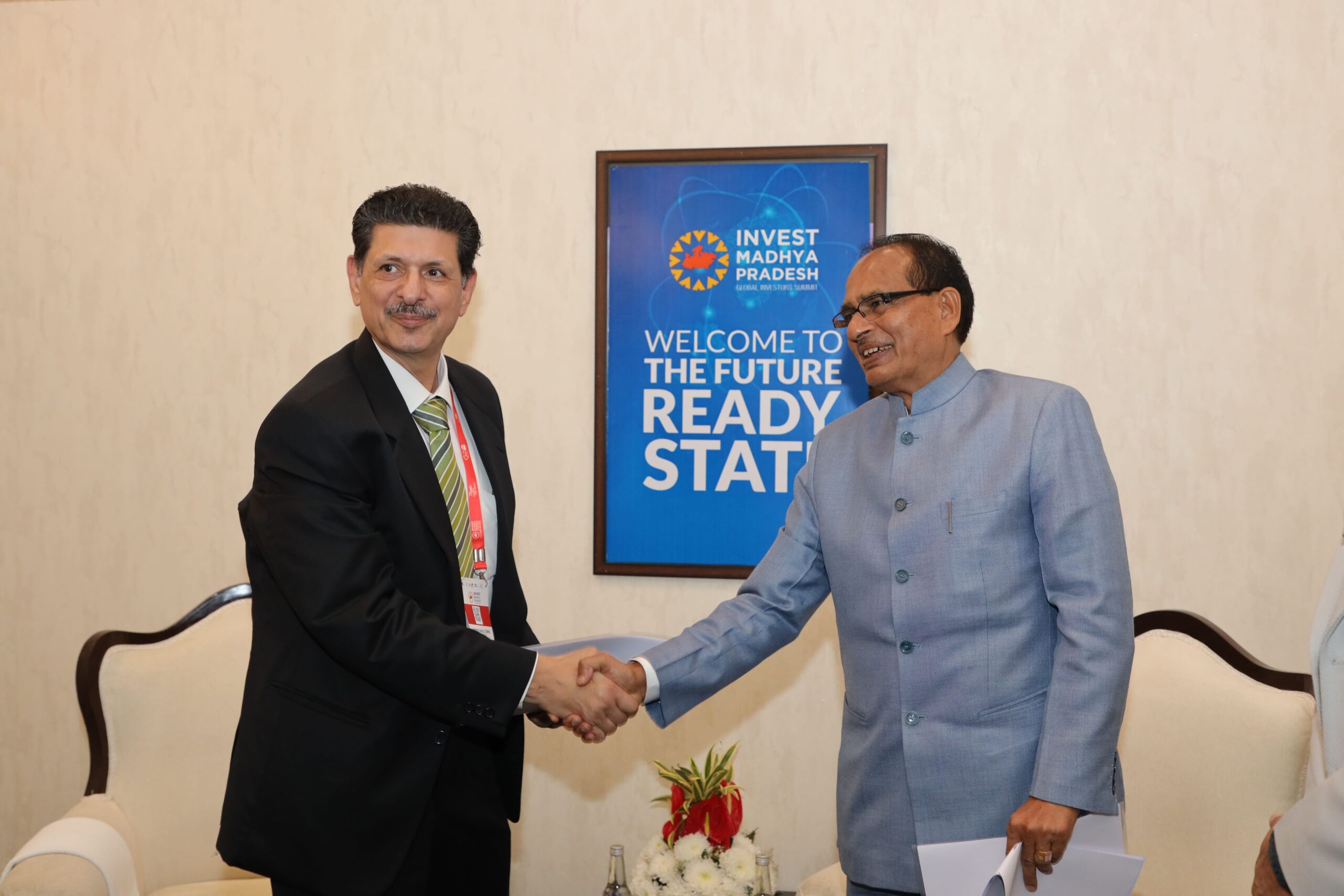
By L S Herdenia BHOPAL: Bhopal is decorating itself to accord warn welcome to over 100 big industrial magnets who will be in the capital city to attend Madhya Pradesh government sponsored Industrial Summit. The Summit will be inaugurated by the Prime Minister Narendra Modi on February 24. Nearly a hundred distinguished industrialists and chiefs […]

stc.AI, the artificial intelligence arm of Saudi Arabia’s leading digital enabler stc Group, has launched a groundbreaking large language model sovereign cloud platform. This move positions the kingdom at the forefront of the AI revolution, marking a key milestone in its ambition to become a global technology hub. The platform is set to run Llama 405B, one of the most advanced AI models in existence, and is […]

FloppyPepe , a meme-inspired cryptocurrency, is rapidly gaining attention, with projections suggesting it could outperform established assets like Solana by an astonishing 10,300% in the current market cycle. While Solana has seen significant price increases due to optimism surrounding an upcoming exchange-traded fund approval and network improvements, the emergence of FloppyPepe signals a new wave of interest in meme tokens, potentially reshaping investor expectations.

Solana’s price surge has captured the crypto community’s focus, with many analysts forecasting a rise to $300 within the next month. This bullish sentiment stems from two key factors: the expected approval of Solana’s ETF, which could drive more institutional investment, and the recent upgrades to the Solana network aimed at improving scalability and performance. These developments have led to a renewed sense of optimism among SOL holders, some of whom are betting that the asset could once again rival top cryptocurrencies like Bitcoin and Ethereum.

Despite these positive developments, the market’s attention is increasingly divided as new contenders emerge in the meme-token sector. FloppyPepe, based on the popular “Pepe the Frog” meme, has gained traction in the crypto world with its growing following. Initially a niche meme coin, it has now sparked excitement due to its aggressive price predictions. The token’s rapid rise is fuelled by social media buzz and a cult-like following, typical of meme-based cryptocurrencies, which have historically seen dramatic increases in value based on viral trends and online hype.

FloppyPepe’s meteoric growth potential lies in its ability to capitalise on the volatile nature of meme coin markets. Similar to the explosive rises of tokens like Dogecoin and Shiba Inu, FloppyPepe thrives on community engagement, social media momentum, and speculative trading. In fact, some analysts predict that the token could see gains surpassing 10,000% if the momentum continues. This level of growth would make it one of the most significant stories of the current crypto cycle, challenging even established players like Solana.

On the other hand, Solana’s long-term viability faces a set of challenges that could affect its current optimism. Although the upcoming ETF approval is expected to bring institutional investors into the fold, it also raises questions about whether Solana can maintain its market position when other blockchain projects continue to emerge with similar technological advancements. While Solana’s network upgrades promise to enhance its functionality, the broader market still wrestles with concerns over scalability, security, and its ability to differentiate itself in a crowded field.

FloppyPepe, with its meme token status, operates in a much different market segment. While the meme-token market is often criticised for being speculative and volatile, the sheer unpredictability of these assets is what attracts traders looking for massive short-term gains. Additionally, the token’s success is tied not only to its meme origins but also to its engagement with the broader cryptocurrency community, which frequently fuels the rise of such assets. Its ability to capture the zeitgeist of internet culture may help it continue to grow, even in the face of potential market corrections.

It is important to note that the cryptocurrency market is notoriously volatile, with prices frequently shifting based on broader macroeconomic trends, regulatory news, and technological advancements. The rise of meme coins like FloppyPepe challenges traditional investment principles, as these tokens often lack the fundamental backing seen in more established assets like Solana. Yet, their appeal lies in the speculative gains they offer in the short term, making them a high-risk, high-reward asset class for adventurous investors.

For now, FloppyPepe’s future trajectory remains unclear, and its ability to continue growing at its current pace will depend on several factors, including the level of continued community support and its integration into broader crypto exchanges. The token’s surge in popularity highlights the growing trend of meme-based cryptocurrencies, which continue to captivate retail investors and provide new opportunities for speculative trading. While Solana’s infrastructure improvements may help it sustain its growth over time, FloppyPepe offers an example of how meme tokens can reshape the landscape in unexpected ways.

Global Aerospace Logistics , a key player in the UAE’s aerospace and defence sector, has entered into a strategic partnership with GE Aerospace to enhance the development of Emirati talent in the aerospace industry. The Memorandum of Understanding was officially signed on the opening day of the International Defence Exhibition and Conference 2025, marking a significant step forward in the region’s efforts to bolster its workforce in this high-tech, specialised field.

Under the terms of the agreement, GAL and GE Aerospace will collaborate on a series of initiatives aimed at providing Emirati students and professionals with practical, hands-on training and exposure to cutting-edge technologies. The partnership is designed to equip young Emiratis with the skills and knowledge needed to drive innovation and growth within the aerospace sector.

The initiative focuses on creating a pipeline of highly skilled professionals who will contribute to the UAE’s broader vision of becoming a global hub for aerospace innovation. This aligns with the nation’s strategic goals of diversifying its economy, reducing reliance on oil, and investing in high-value industries such as space exploration and defence technology. The collaboration between GAL and GE Aerospace represents a concerted effort to meet these objectives while simultaneously addressing the growing demand for skilled talent in the sector.

The MOU details a comprehensive approach to talent development, combining academic partnerships, vocational training, and industry placements. A key aspect of the programme will be providing training in the latest aerospace technologies, as well as leadership and management skills. Both companies are committed to nurturing the next generation of engineers, technicians, and innovators who will shape the future of the aerospace industry in the UAE.

“This collaboration is a testament to the UAE’s commitment to fostering local talent and ensuring that Emiratis are at the forefront of technological advancements in the aerospace industry,” said a representative from GE Aerospace. The partnership will not only address the skills gap in the local workforce but also build a sustainable framework for long-term growth in the sector.

In addition to technical training, the MOU also focuses on providing opportunities for Emiratis to gain practical experience in aerospace operations. This hands-on exposure is seen as essential in preparing the workforce for the complex challenges of the industry. By working closely with GE Aerospace, GAL aims to create a robust system for skill development that will equip Emiratis with the expertise needed to succeed in both the domestic and international aerospace markets.

The UAE has already made significant strides in developing its aerospace sector. Over the past few years, the country has invested heavily in space exploration, launching the Mars mission and becoming one of the few nations to send an interplanetary probe to the Red Planet. Furthermore, the UAE has built a strong presence in defence technology, with an increasing number of local companies supplying high-tech systems to regional and global markets.

However, the growing aerospace industry also poses a challenge in terms of workforce readiness. There is a pressing need to ensure that Emiratis are well-equipped to take on leadership roles in this rapidly evolving field. This partnership with GE Aerospace is seen as a crucial step in addressing that challenge and ensuring that the UAE’s aerospace ambitions are realised.

The partnership also underscores the UAE’s broader strategy of building international collaborations to drive innovation. By working with global leaders in aerospace technology, the country is positioning itself as a key player on the world stage. GE Aerospace, with its long history and extensive expertise in the field, is an ideal partner for GAL as they work together to build a new generation of aerospace professionals in the UAE.

The signing of the MOU at IDEX 2025 is part of a broader push by the UAE government to position the nation as a global leader in defence and aerospace technologies. The country is actively seeking international partnerships to enhance its technological capabilities, foster innovation, and create job opportunities for Emiratis. The aerospace sector, with its focus on cutting-edge technologies and high-skilled labour, is a central part of this vision.

IDEX 2025, the largest defence exhibition in the region, served as the perfect venue for this announcement, bringing together leading industry players from around the world. The event provided a platform for GAL and GE Aerospace to showcase their shared commitment to advancing the UAE’s aerospace capabilities and talent development initiatives.

Hayden Davis, the creator behind the highly debated LIBRA memecoin, has introduced a new digital token named MELANIA, further stirring up the already volatile world of cryptocurrency. Davis, who rose to prominence for his controversial involvement with LIBRA, stated that he had refunded $5 million to prominent investor Dave Portnoy after the latter faced significant losses with the previous token. This latest move by Davis has sparked a new wave of interest and scepticism within the crypto community, especially given the history of volatility surrounding his previous projects.

LIBRA, which gained widespread attention due to its speculative nature and ties to the social media influencer community, was initially touted as a groundbreaking new cryptocurrency. However, its journey was marred by controversies, including fluctuating values and allegations of market manipulation. Despite the backlash, LIBRA achieved a notable degree of success in terms of market presence, albeit with a reputation that many considered controversial. Its erratic performance and the subsequent departure of several investors raised questions about the stability of such tokens.

Davis, who had been at the forefront of the LIBRA coin’s launch, faced intense scrutiny over its impact. The memecoin’s popularity grew quickly, attracting investors seeking fast returns, yet it was often criticised for lacking a solid underlying value or utility. LIBRA’s volatility led to substantial losses for many, including Portnoy, a prominent figure in the financial world, who invested heavily into the token. Portnoy, who is known for his outspoken persona, expressed frustration over the unpredictability of the coin, noting that his investment had been marred by significant financial losses.

In response, Davis made an unexpected move by announcing that he had refunded Portnoy’s $5 million in an effort to address the criticism that had been directed towards LIBRA. Davis’ refund, while somewhat mitigating the damage to Portnoy’s portfolio, did little to quell the broader doubts about the memecoin’s legitimacy. His actions sparked a polarising debate within the crypto world, with some applauding the gesture as a sign of accountability, while others viewed it as a tactical move to bolster his reputation ahead of the release of his new token, MELANIA.

MELANIA’s launch is the latest addition to a growing trend of memecoins that have taken over the crypto space in recent years. These tokens, often based on internet trends or pop culture references, are typically known for their highly speculative nature. MELANIA, however, presents itself as a different entity, according to Davis, who claims that the token will have a stronger focus on utility and long-term value. While the specifics of MELANIA’s underlying technology remain unclear, Davis has been vocal about his plans for the token to transcend the typical characteristics of memecoins by incorporating elements of DeFi and NFTs .

The unveiling of MELANIA has already generated a significant amount of attention, both positive and negative. On the one hand, the cryptosphere is intrigued by Davis’ bold claim that he has “sniped” both LIBRA and MELANIA tokens, suggesting that he has the ability to strategically manipulate or influence the market in his favour. On the other hand, sceptics have raised concerns that Davis is once again positioning himself as a central figure in the creation of speculative assets, potentially leading investors down a similar path as with LIBRA.

Despite the criticism, Davis has insisted that he is taking a more responsible approach with MELANIA, aiming to create a cryptocurrency that balances the high-risk, high-reward nature of the market with a more stable and transparent framework. He has outlined plans for MELANIA to support charitable initiatives, including efforts to assist underprivileged communities, which he hopes will add credibility to the project. The combination of social causes with cryptocurrency is becoming an increasingly popular trend in the space, with several blockchain projects positioning themselves as vehicles for social good.

Critics, however, remain unconvinced by Davis’ assurances, pointing out that the broader crypto market remains largely unregulated, with limited safeguards for investors. As evidenced by the LIBRA experience, tokens in the memecoin category can experience significant swings in value, often driven more by hype than tangible innovation. The unpredictability of these assets has led to calls for greater oversight in the cryptocurrency sector, as more individuals and institutions enter the market looking to capitalise on the potential for quick returns.

Adding to the intrigue is Davis’ claim that he was responsible for “sniping” both LIBRA and MELANIA, a term often used in trading circles to describe taking advantage of market opportunities at opportune moments. Whether this refers to manipulating market sentiment or executing tactical trades in his favour remains unclear, but it further adds to the mystique surrounding Davis as a figure in the crypto world. His activities have sparked interest not only from investors but also from regulatory bodies who are beginning to take a closer look at the actions of influential players in the cryptocurrency space.

West Virginia’s healthcare industry is grappling with mounting workforce shortages, presenting ongoing challenges that are straining hospitals and healthcare providers across the state. Despite efforts to address the issue, the shortage of medical professionals continues to hinder service delivery, with significant implications for patient care and hospital operations.

Hospitals in West Virginia, particularly in rural areas, have reported increasing difficulties in attracting and retaining skilled workers, such as doctors, nurses, and other essential healthcare staff. These shortages have led to higher workloads for existing staff, longer wait times for patients, and concerns over the quality of care. The challenges have intensified in the wake of the COVID-19 pandemic, which exacerbated the already precarious state of the healthcare workforce.

The West Virginia Hospital Association has highlighted these persistent issues in a series of statements, emphasising the detrimental impact on healthcare services. The association’s president, whose remarks have resonated with both healthcare workers and policymakers, warned that without significant intervention, the situation could worsen, affecting the accessibility and standard of care in the state.

A primary concern is the rising demand for healthcare services, especially with an aging population. West Virginia has one of the oldest populations in the United States, and as more people reach retirement age, there is an increasing need for medical professionals to manage chronic conditions, provide long-term care, and address the complexities of aging health concerns. However, the supply of healthcare workers has failed to keep pace with this demand, leading to workforce imbalances that challenge the state’s healthcare infrastructure.

Another significant issue contributing to the workforce shortage is the growing number of healthcare professionals leaving the industry. Many nurses and doctors are opting for early retirement or leaving the profession due to burnout and stress, further compounding the problem. High levels of emotional and physical exhaustion, exacerbated by the pandemic, have led to job dissatisfaction among healthcare workers, making it difficult for healthcare facilities to retain their workforce.

Financial pressures have also played a role in the workforce shortage. Many healthcare organisations, particularly smaller and rural hospitals, have been unable to offer competitive salaries or benefits that can attract or retain highly skilled medical staff. As a result, healthcare workers are often lured to other regions or larger urban hospitals, where compensation and resources are more robust.

The state’s government has taken some steps to address these workforce challenges, including offering incentives for healthcare workers to stay in West Virginia or return to the state. Financial incentives, such as loan forgiveness programs and recruitment bonuses, have been introduced, but these measures have not yet led to significant improvements in the overall workforce numbers.

There have been efforts to expand medical training opportunities within the state. Educational institutions have been working to increase the number of graduates in fields like nursing, medicine, and allied health, in hopes of alleviating the shortage over time. However, experts argue that without immediate action to retain existing staff and improve working conditions, these long-term solutions may not have a sufficient impact in the short term.

Health experts have also pointed to the increasing reliance on technology as a potential solution to some of these workforce gaps. Telemedicine and digital health tools have been widely embraced during the pandemic, and their continued use could help mitigate the effects of workforce shortages by allowing healthcare providers to extend their reach and provide care in areas where staffing is limited. However, the success of this approach depends heavily on infrastructure and the ability to integrate these technologies effectively into the state’s healthcare system.

As West Virginia struggles with these workforce challenges, there are growing concerns that the state’s healthcare system may become unsustainable, particularly in its rural regions. These areas are particularly vulnerable, with fewer healthcare facilities and fewer resources available to deal with rising patient numbers. If the shortage of medical professionals is not addressed, these communities could face even greater difficulties in accessing the care they need.

For now, healthcare providers across the state are focusing on strategies to manage the existing workforce more effectively. Many hospitals are implementing measures to reduce staff burnout, such as offering flexible hours, improving work environments, and providing additional support for mental health. Some hospitals are also turning to innovative staffing solutions, including expanding the use of advanced practice providers, such as nurse practitioners and physician assistants, to fill gaps in care.

Despite these efforts, healthcare leaders remain cautious about the future. The workforce shortages are expected to persist unless more substantial reforms are introduced, including increased investments in the healthcare sector, better incentives for workers, and continued expansion of training programs. As the situation evolves, the state’s policymakers and healthcare administrators will need to work collaboratively to develop sustainable solutions that ensure quality care for all West Virginians.


Dubai’s International Financial Centre has seen an unprecedented 25% rise in company registrations over the last year, marking a record high. The financial district, now home to 6,920 active companies, has experienced a significant surge, up from 5,523 in the previous year. This surge signals a growing trend of international businesses, particularly hedge funds, flocking to the emirate’s burgeoning financial sector. The rapid rise in registrations comes […]

Advertisements

Mubadala Investment Company has secured a deal to acquire a minority stake in Apleona, one of Europe’s top integrated facility management providers. This move forms part of a broader investment effort led by Bain Capital’s Private Equity team in Europe, which aims to bolster Apleona’s growth trajectory, further establishing it as a dominant player in the European facility management sector. Headquartered in Neu-Isenburg, Germany, Apleona delivers a […]

UAE President Sheikh Mohamed bin Zayed Al Nahyan met with Ukrainian President Volodymyr Zelensky in Abu Dhabi on Monday, marking a significant step towards enhancing diplomatic and economic cooperation between the two nations. The meeting, which took place at Qasr Al Shati, underscored the UAE’s commitment to bolstering global partnerships and supporting peaceful conflict resolution in the region. Both leaders discussed a range of issues aimed at […]

Qatar has unveiled a significant reduction in business set-up fees, a move aimed at making it easier for entrepreneurs to establish entities within the country’s growing financial hub. The Qatar Financial Centre announced that the application fee for licensing an entity within its platform will be reduced by a staggering 90%, dropping from $5,000 to $500.

This reduction applies specifically to businesses that will engage in non-regulated activities within the QFC, although Single Family Offices are excluded from the fee cut. The new initiative is designed to lower entry barriers and encourage more entrepreneurs and businesses to take advantage of Qatar’s thriving financial ecosystem.

The QFC, a key pillar in Qatar’s economic diversification strategy, has positioned itself as a dynamic platform for both local and international companies seeking to operate in the region. This step reflects the country’s growing emphasis on fostering a more open and accessible business environment, especially as it seeks to attract startups, SMEs, and other entrepreneurs from around the globe.

The decision to slash set-up costs for businesses seeking to operate in the QFC is part of Qatar’s broader agenda to strengthen its competitive edge in the Middle East and North Africa region. By making it easier to establish companies, Qatar aims to tap into the growing demand for financial services and other non-regulated activities.

The move is also expected to benefit those looking to establish smaller, niche companies that might not otherwise have considered Qatar as a viable business location due to high initial costs. Qatar’s commitment to creating a more entrepreneur-friendly landscape aligns with its long-term vision of fostering sustainable growth through diversification and innovation.

Notably, while the QFC’s new fee structure is designed to attract entities with non-regulated business models, it also sends a message to the broader market about Qatar’s evolving role as a business hub in the region. By reducing the cost of entry, the country hopes to level the playing field for businesses of all sizes and industries.

This fee reduction aligns with Qatar’s wider economic reforms, including those that aim to ease regulations on foreign investments, offer tax incentives, and provide better access to capital for emerging businesses. The QFC’s efforts also reflect Qatar’s strategic aim of becoming a more diversified, competitive, and resilient economy, reducing its reliance on traditional sectors such as oil and gas.

In recent years, the country has made substantial strides in creating an environment conducive to growth and innovation. Initiatives like this are likely to play a key role in positioning Qatar as an attractive destination for foreign direct investment , which will be pivotal for future economic expansion.

The move is also in keeping with global trends that see financial centres and business hubs competing to provide the most appealing regulatory and fiscal environments. Qatar is positioning itself to meet the growing demand for digital finance, fintech, and other non-regulated sectors, where opportunities for growth and profitability are seen to be abundant.

In addition to these measures, Qatar’s focus on creating a more transparent and streamlined regulatory environment has been instrumental in its quest to attract international businesses. The QFC offers a competitive range of services designed to simplify processes for companies, including business licensing, tax exemptions, and operational support, further enhancing its appeal to potential investors.

Qatar’s economic diversification strategy is being closely monitored by industry experts, with many recognising the country’s growing importance as a business and financial hub in the Gulf region. By lowering business entry fees and removing traditional barriers to establishment, Qatar is positioning itself as a forward-thinking, business-friendly nation eager to promote entrepreneurship and global investment.

Given its strategic geographical location and political stability, Qatar is increasingly seen as a secure and profitable gateway for businesses looking to access the broader MENA region. The government’s proactive approach to enhancing the business climate, evidenced by the fee reduction, has already yielded tangible results in attracting international investors and business operations to the country.

While the new fee structure is a positive development for the QFC, it is also crucial to consider how it will resonate with other financial hubs in the region, such as Dubai and Abu Dhabi. These cities have long been established as business destinations, with comprehensive support networks and attractive fiscal policies. Qatar’s recent measures indicate an understanding of the need to foster a competitive business environment, but the long-term impact on regional competition remains to be fully seen.

For now, however, the move to significantly reduce business licensing fees is expected to boost Qatar’s image as a modern, progressive economy that is actively seeking to expand its footprint in the international business world. It also reflects the wider trend of economic liberalisation and market-friendly reforms sweeping across the Gulf region.

KUALA LUMPUR, MALAYSIA – Media OutReach Newswire – 18 February 2025 – The global cryptocurrency market has seen unprecedented growth in the previous year, spearheaded by Bitcoin and Ethereum. Institutional participation was very important in driving prices higher, with Bitcoin reaching an all-time high above $100,000 in December 2024. With the spreading adoption of crypto assets, regulators have paid even more attention to the industry. Kar Yong […]

In a strategic move to enhance sustainable energy access, Masdar, TotalEnergies, and EPointZero have entered into a framework agreement aimed at delivering clean energy solutions across Africa and Asia. This collaboration seeks to address energy deficits in underserved communities by leveraging the combined expertise of the three companies in renewable energy development. The partnership focuses on deploying secure and sustainable electricity to local neighborhoods in Africa, with […]

A team of scientists from Bengaluru has developed a cutting-edge catalyst that could significantly enhance the production of green hydrogen, offering a promising solution for a cleaner energy future. Green hydrogen, produced by splitting water into hydrogen and oxygen using renewable electricity in a process called electrolysis, has emerged as one of the most sought-after clean fuels to decarbonise various sectors, including transport and heavy industry. The […]

SK Telecom has become a founding member of the MIT GenAI Impact Consortium, collaborating with Massachusetts Institute of Technology faculty and global industry leaders to explore the commercialization and societal implications of generative artificial intelligence technologies. The consortium, a strategic initiative led by MIT President Sally Kornbluth, aims to provide practical direction to the AI industry by examining the transformative potential of generative AI across various sectors. […]

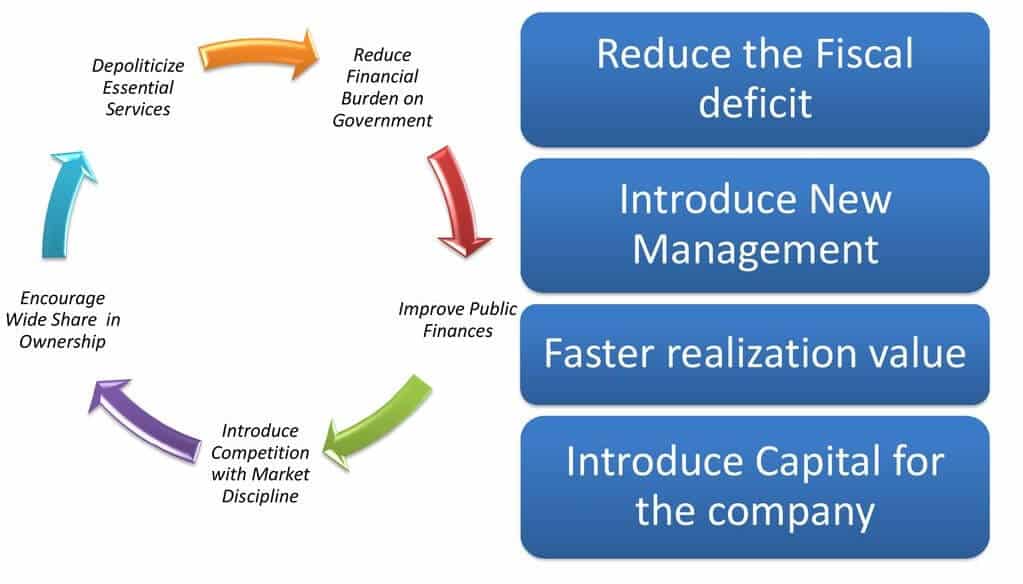
By Nantoo Banerjee The government disinvestment in India’s state-controlled enterprises is always welcome if it is aimed to make them professionally managed entities for faster growth. Unfortunately, the haphazard disinvestments in public sector enterprises (PSE) by the government seem to have only a single purpose — financing part of the annual union budget deficit. The […]

Saudi Arabia holds the largest portion of the Gulf Cooperation Council’s debt capital market , accounting for 44.8 percent of all outstanding issuances, according to recent data from Fitch Ratings. This makes the kingdom a dominant player within the region’s financial landscape, which has seen substantial growth over the past year. The total value of the GCC’s debt capital market surpassed $1 trillion by the end of […]

SafeMoon is preparing to release a new memecoin on the Solana blockchain, marking a significant shift for the company and its investors. The announcement follows the recent burning of most of the circulating supply of its native token, SFM. With this strategic move, the company aims to attract new interest and drive liquidity, despite the token’s current low trading volume.

SafeMoon’s decision to burn a substantial portion of the SFM supply has garnered attention in the crypto community. The burn, which reduced the total token count by a considerable margin, is seen as a way to enhance scarcity and increase the value of remaining tokens. As a result, SFM holders now have an opportunity to sell their holdings, though the liquidity remains low. This initiative aligns with SafeMoon’s broader plan to maintain its relevance within the highly competitive cryptocurrency space.

The memecoin launch on Solana represents a new direction for SafeMoon, which had previously been associated with the Binance Smart Chain. By integrating with Solana, the company aims to tap into a growing ecosystem known for its fast transactions and low fees. Solana’s scalability has made it an attractive platform for both developers and investors, with an increasing number of projects migrating to the blockchain.

Solana’s technical advantages, such as its high throughput and lower transaction costs, have made it a favoured choice for memecoins and other decentralized applications. This move may signal a shift in how SafeMoon plans to diversify its offerings and potentially widen its user base. However, the success of this transition remains contingent on several factors, including the broader market sentiment and the response from the Solana community.

As part of the launch, SafeMoon will also introduce new utility features to the memecoin, aiming to distinguish it from other coins in the meme category. While details remain scarce, the company has hinted at unique staking opportunities and integration with decentralized finance platforms. Such features could help the token gain traction beyond speculative trading and offer long-term value to holders.

The timing of SafeMoon’s venture into the memecoin sector is notable, as the meme coin market has seen significant fluctuations. Despite the volatile nature of these assets, the trend of memecoins continues to thrive, with new coins emerging almost daily. SafeMoon’s decision to burn a large portion of its supply may be seen as an attempt to position itself strategically in a market dominated by high-profile coins like Dogecoin and Shiba Inu.

For SFM holders, the new memecoin could offer an alternative investment opportunity. While the value of SFM itself remains uncertain due to the ongoing low liquidity, the introduction of a memecoin on a platform like Solana could reinvigorate interest in the SafeMoon ecosystem. However, the challenge lies in converting the existing SFM tokens into assets that hold tangible value in the broader market.

Despite the potential for growth, SafeMoon will need to address several challenges. The cryptocurrency market is notoriously volatile, and the performance of the new memecoin will depend on various external factors, including regulatory changes, investor sentiment, and competition from other projects. Additionally, the lack of liquidity in the current market may make it difficult for holders to realise significant returns on their tokens.

SafeMoon’s move also raises questions about the long-term sustainability of its model. Critics have pointed out the risks associated with burning large portions of a token’s supply and launching new assets in an already saturated market. While burning tokens can create a sense of scarcity, it does not guarantee that demand will follow, particularly in an environment where many tokens are vying for attention.

Despite these concerns, SafeMoon remains optimistic about its future. The company has expressed confidence in its ability to innovate within the crypto space and provide value to its community. By tapping into Solana’s fast-growing ecosystem, SafeMoon is positioning itself to capitalise on the increasing interest in blockchain-based assets. Whether this strategy will be enough to reinvigorate the SafeMoon brand and attract new investors remains to be seen.

Volatility in the cryptocurrency market has triggered a reassessment of investment strategies, as many high-cap digital assets have faced significant price drops. While the broader crypto market has experienced notable growth in the past year, recent corrections have caused some of the most established tokens to witness double-digit percentage declines. This has led to a contraction in the overall market capitalization, falling from roughly $1.3 trillion to about $1.15 trillion.

Despite the challenging conditions, one lesser-known cryptocurrency, Propichain , is emerging as a promising contender for investors seeking value in a recovering market. Propichain, which focuses on blockchain interoperability and decentralized finance , has seen a notable rise in interest amid the market’s turbulence. Analysts predict that the token could experience a significant surge, with some forecasting an astonishing 44,000% growth potential.

Propichain’s appeal lies in its unique approach to solving issues within the blockchain space, particularly its focus on enabling seamless communication between different blockchains. This feature positions Propichain as a solution to one of the key challenges facing the crypto industry today – fragmentation. While blockchain technology has made great strides in recent years, the lack of interoperability between networks has hindered its potential for widespread adoption.

By allowing different blockchains to interact with one another, Propichain offers a new layer of flexibility that could drive the next wave of blockchain innovation. This could prove to be particularly beneficial for decentralized finance projects, which require robust infrastructure for cross-chain transactions. As the DeFi space continues to expand, the ability for various blockchain systems to communicate effectively with one another becomes increasingly important.

Another factor driving Propichain’s potential for massive growth is its development team. The team has a strong track record in blockchain development and has demonstrated an ability to execute complex projects. Propichain’s partnership with established players in the DeFi space, along with its commitment to continuous innovation, further solidifies its position in the market.

With blockchain interoperability becoming more critical, Propichain is positioning itself as a key player in the ecosystem. While other projects are focused on scaling their own networks, Propichain is building a solution that could help other projects scale by connecting them to a larger network of blockchains. This approach could enable Propichain to tap into a wide array of use cases and applications, expanding its reach across industries and potentially leading to widespread adoption.

In addition to its technical capabilities, Propichain has a growing community of supporters and developers who are actively involved in the project’s ecosystem. This community-driven approach is crucial for the long-term success of any blockchain project, as it ensures that the platform remains responsive to the needs of its users and can adapt to changing market conditions.

The tokenomics behind Propichain are also worth noting. The platform uses a unique consensus mechanism that not only enhances security but also incentivizes participation from a wide range of stakeholders. This decentralized approach helps to maintain the integrity of the network while ensuring that it remains accessible to a broad base of users. As demand for blockchain interoperability continues to rise, Propichain’s value proposition could become increasingly attractive to investors looking for opportunities in a market that is still finding its footing after the recent correction.

While the broader cryptocurrency market continues to face volatility, Propichain’s prospects are attracting attention from both retail investors and institutional players. Several industry experts believe that the coin’s market potential could be unlocked as blockchain interoperability becomes a critical factor in the future development of the sector. These factors combined position Propichain as a cryptocurrency that may be poised for a major breakout.

However, as with any investment in the crypto space, there are risks associated with investing in Propichain. The volatility that has shaken the crypto market in recent months serves as a reminder that even the most promising projects can be affected by market forces. Therefore, while the potential for growth is significant, investors must also weigh the risks carefully.

Gold-backed tokens have not lived up to expectations as the price of the precious metal sees a decline while risk assets gain traction. Amid growing speculation that former President Donald Trump’s tariffs may only be a negotiating strategy, investors are reassessing the global economic landscape. As the price of gold drops, the market shift raises questions about the stability of gold-backed tokens and whether they can weather the storm of fluctuating commodity prices.

Despite gold-backed tokens being promoted as a safe haven for investors, their performance has faltered in recent months, mirroring a broader decline in the precious metal’s price. Gold, once viewed as a reliable store of value, has faced downward pressure as investors recalibrate their portfolios in the face of shifting economic factors. The appeal of these tokens—cryptocurrencies that are tied to the price of gold—has diminished in light of market developments that have bolstered other asset classes.

The scenario surrounding Trump’s tariffs has added to the uncertainty. Wall Street analysts are increasingly speculating that the tariffs might not be as severe as originally anticipated. In fact, some view them as a mere tactic in a broader trade negotiation strategy. This perspective has led to a shift in sentiment, with risk assets—such as stocks—seeing an uptick as investors shift focus toward growth opportunities, leaving gold-backed assets in a precarious position.

The price of gold, which peaked earlier in the year due to inflation fears and global uncertainties, has now come under pressure. This decline has seen gold tokens, which track the price of the commodity, underperforming. As institutional investors have shifted their attention to more volatile but potentially lucrative assets, gold has lost some of its former appeal as a hedge against inflation and economic instability.

At the same time, riskier assets, particularly stocks, have surged. Investors are encouraged by signs of economic recovery and the resilience of equity markets. Analysts suggest that the ongoing optimism surrounding the potential easing of trade tensions, particularly between the US and China, has contributed to the rising demand for equities and corporate bonds. This sentiment is in stark contrast to the subdued demand for gold, which typically thrives in periods of heightened economic uncertainty.

The divergence between traditional assets and gold has prompted some financial experts to rethink the role of gold-backed tokens in a diversified portfolio. These digital assets, which have been gaining traction over the past few years, are now facing criticism for not providing the same level of stability that physical gold traditionally offers. With risk assets becoming more attractive to institutional investors, there are concerns that gold-backed tokens might not be able to maintain their value in the face of these shifting market dynamics.

The situation is further complicated by ongoing debates surrounding the broader implications of Trump’s trade policies. With tariffs remaining a key point of contention in international trade relations, the market remains on edge. The possibility of a trade war or retaliatory measures from other nations has been a key driver of gold’s price in the past. However, if the tariffs prove to be a bluff or a short-term negotiation tactic, the potential for further downside in gold prices could become less likely, providing more space for risk assets to flourish.

While gold-backed tokens have faced challenges, the broader cryptocurrency market has continued to evolve. The rise of other types of digital assets, particularly those tied to more volatile sectors like technology and energy, has drawn investor attention away from precious metals. This shift is evident in the increasing focus on tokens linked to blockchain innovation, artificial intelligence, and green energy. Gold, historically seen as a safe bet in times of economic crisis, is now competing with a new generation of digital assets that offer the promise of higher returns, albeit with greater risk.

This change in the investment landscape has left many wondering whether gold-backed tokens will continue to serve as a reliable store of value. The volatility in both the price of gold and the broader financial markets has highlighted the complex relationship between traditional assets and their digital counterparts. As more investors look to diversify their portfolios, the demand for assets like gold-backed tokens may become less pronounced, particularly if the broader trend towards riskier, high-growth investments continues.

The Middle East and North Africa region is poised for a strong year of initial public offerings in 2025, with Saudi Arabia set to dominate the market, according to recent analysis. With 27 potential listings on the horizon, Saudi Arabia continues to assert itself as the powerhouse of regional IPO activity. As the world economy begins to stabilize post-pandemic, the Middle East’s capital markets are set to […]

German asset management firm Patrizia has secured a licence to open its inaugural office in the Abu Dhabi Global Market , marking a strategic expansion into the Middle Eastern market. This move highlights the firm’s growing interest in tapping into the region’s expanding real estate and investment landscape.

Patrizia’s decision to establish a presence in ADGM, a global financial centre based on the Abu Dhabi island, comes as the firm looks to enhance its footprint in key international markets. The company’s new office in Abu Dhabi will focus on expanding its investor base, strengthening relationships with local partners, and identifying new opportunities in real estate investment management. This initiative aligns with the firm’s broader strategy to diversify its portfolio and engage in markets with strong growth prospects.

The ADGM has emerged as a major hub for international firms looking to capitalise on the Gulf region’s real estate potential. By offering a robust regulatory framework, tax incentives, and a conducive environment for global financial operations, ADGM has become an attractive destination for international businesses. Patrizia’s entry into the market reflects a growing trend of global firms seeking to establish a foothold in the UAE, particularly in Abu Dhabi, which continues to position itself as a critical player in the global financial sector.

In line with this strategic expansion, Patrizia intends to leverage its experience in managing both private and institutional capital, bringing its expertise to the Middle East’s dynamic real estate sector. The firm’s portfolio, which spans residential, office, and retail properties, is well-positioned to cater to the evolving demands of the regional market. By establishing a local office, Patrizia will be able to offer more personalised services to investors, enhancing its ability to respond to the specific needs of clients in the region.

With a presence in key European cities and a strong global network, Patrizia has been at the forefront of sustainable real estate investment. The firm has committed itself to integrating environmental, social, and governance principles into its investment strategies. The Middle East office is expected to serve as a hub for these initiatives, allowing Patrizia to collaborate with local stakeholders on projects that align with the region’s growing focus on sustainable development. Abu Dhabi’s Vision 2030, which promotes sustainable economic growth and diversification, offers a solid foundation for such efforts.

The UAE’s commitment to fostering innovation and sustainability makes it an attractive market for real estate investment. Patrizia’s move to open an office in Abu Dhabi demonstrates its readiness to engage with local government initiatives and contribute to the region’s ambitious development goals. This expansion also comes amid increased interest from international investors in the UAE’s property market, which has seen resilience in recent years despite global economic challenges.

The licensing of Patrizia’s office further cements ADGM’s reputation as a preferred destination for global asset managers and investment firms. The jurisdiction’s legal infrastructure, coupled with its strategic location, has made it an ideal base for businesses targeting the Middle East and beyond. Abu Dhabi, as the capital of the UAE, continues to be a pivotal location for regional financial activities, drawing attention from multinational companies looking to establish or expand their presence in the Middle East.

Patrizia’s office is expected to enhance the company’s capability to manage real estate assets for both institutional investors and private clients in the region. This includes expanding its reach to investors interested in long-term, sustainable investments across asset classes. The firm’s ability to offer tailored solutions for clients, combined with its broad experience in managing diverse portfolios, positions it well to cater to the needs of investors in Abu Dhabi and the broader Middle Eastern market.

Patrizia’s expansion into Abu Dhabi also reflects a broader shift in the financial sector, where firms are increasingly seeking to capitalise on the opportunities presented by emerging markets. The UAE, and specifically Abu Dhabi, has become a vital nexus for investment activity, attracting capital from around the world. With its strong infrastructure and commitment to enhancing its financial services industry, the UAE is positioning itself as a key financial centre for global asset management firms.

Dubai’s Museum of the Future recently hosted an array of global dignitaries attending the World Governments Summit 2025, which concluded last week. The summit attracted over 30 heads of state and government, more than 80 international and regional organizations, and 140 government delegations, totaling over 6,000 participants.

Among the distinguished visitors to the museum were President Andry Rajoelina of Madagascar, Vice President Félix Ulloa of El Salvador, Prime Minister Sonexay Siphandone of Laos, and Chairwoman Željka Cvijanović of the Presidency of Bosnia and Herzegovina. These leaders explored the museum’s innovative exhibits, which span themes from outer space exploration to the intricacies of inner space, reflecting the institution’s commitment to showcasing future trends and technological advancements.

The Museum of the Future, celebrated for its avant-garde architecture and often referred to as “the most beautiful building on Earth,” serves as a global platform for intellectual discourse. It aims to foster discussions on future opportunities and challenges, bringing together thought leaders, policymakers, and innovators to collaboratively shape the trajectory of humanity.

During their visits, the delegations were briefed on the museum’s role in promoting knowledge-driven dialogues and its efforts in exploring transformative trends across various sectors. The immersive experiences offered by the museum provided these global leaders with insights into potential future scenarios, emphasizing the importance of proactive governance and international cooperation.

The World Governments Summit 2025, held from February 11 to 13 in Dubai, centered on the theme “Shaping Future Governments.” The event convened a diverse group of participants, including heads of state, ministers, industry leaders, and experts, to deliberate on pressing global challenges and innovative solutions. Key topics encompassed governance, economic development, technological innovation, sustainability, and global health.

His Excellency Mohammad Al Gergawi, Minister of Cabinet Affairs and Chairman of the World Governments Summit Organization, highlighted the summit’s significance, stating that it has achieved its prominent status through a unique and forward-thinking vision. This vision prioritizes proactive future planning as the foundation of effective governance, focusing on empowering individuals and developing thriving communities. It champions international partnerships and collaboration as the most effective way to achieve common goals and ensure prosperity for all.

The summit featured over 200 interactive sessions, addressed by more than 300 prominent figures. Discussions ranged from the integration of artificial intelligence in public services to strategies for sustainable urban development. Notably, the event also hosted 21 global forums that delved into future trends and their implications for governments worldwide.

In addition to the high-profile political figures, the summit attracted leaders from various sectors. Sundar Pichai, CEO of Google and Alphabet; Robin Li, Co-founder and CEO of Baidu; and Larry Ellison, Chairman and CTO of Oracle, were among the notable attendees. Their participation underscored the critical intersection of technology and governance in addressing contemporary global issues.

The Museum of the Future’s engagement with these leaders during the summit exemplifies its mission to be more than just a repository of exhibits. It strives to be an active participant in the global dialogue on shaping the future, providing a space where ideas converge, and collaborative solutions emerge.

Saudi Arabia’s Public Investment Fund is intensifying its efforts to diversify the nation’s economy by expanding tourism investments beyond the capital city, Riyadh. This strategic move aligns with the Kingdom’s Vision 2030 objectives, aiming to transform Saudi Arabia into a global tourism hub. In July 2023, PIF established the Saudi Tourism Investment Company, known as Asfar, to spearhead the development of new tourism projects across various cities. […]

Cybercriminals are intensifying efforts to compromise YouTube users by dispatching deceptive emails that closely mimic official communications from the platform. These fraudulent messages aim to trick recipients into downloading malicious software, jeopardizing personal data and account security. Reports indicate that these phishing emails often appear to originate from legitimate YouTube addresses, such as “[email protected].” The emails may prompt users to review alleged policy violations or updates, urging […]

VISHNU RAJA
RYO YAMADA
HITORI GOTOH
IKUYO KITA