News related to
opportunities

Lenovo Group, the world’s largest PC maker, has announced plans to establish a state-of-the-art manufacturing facility in Saudi Arabia. This move aligns with the Kingdom’s Vision 2030 strategy, which seeks to diversify the economy by developing its technology and manufacturing sectors. The new facility, which will focus on assembling and producing personal computers and IT equipment, is expected to strengthen Lenovo’s foothold in the Middle East while driving local job creation and technical skill development.

Set to be located in the King Abdulaziz City for Science and Technology (KACST) area, the factory underscores the growing importance of Saudi Arabia as a strategic hub for global technology companies. Lenovo’s decision to invest in this region comes as demand for PCs and enterprise IT solutions continues to grow across the Gulf Cooperation Council (GCC) countries. With an annual production capacity estimated to reach tens of thousands of units, the plant will play a key role in meeting the technology needs of government entities, enterprises, and individual consumers in the region.

The factory is expected to generate hundreds of jobs for Saudi nationals, with Lenovo committing to knowledge transfer and training programs aimed at fostering local expertise in advanced manufacturing processes. This initiative aligns with the Kingdom’s Saudization goals, which prioritize the integration of local talent into key economic sectors. Lenovo’s executives emphasized that the plant would not only serve regional markets but also have the potential to export products to neighboring countries, further positioning Saudi Arabia as a technological hub for the wider Middle East.

Lenovo’s partnership with local entities and stakeholders, including the Ministry of Investment and the Saudi Industrial Development Fund, highlights the collaborative approach that has characterized its entry into the market. By leveraging Saudi Arabia’s supportive regulatory environment and infrastructure, the company aims to streamline operations and maximize efficiency in its production pipeline. This collaboration marks another milestone in Saudi Arabia’s efforts to attract foreign direct investment into its high-tech industries, a key pillar of Vision 2030.

The timing of Lenovo’s announcement coincides with a global shift in manufacturing trends, as companies seek to diversify their supply chains and mitigate risks associated with overdependence on specific regions. Lenovo’s Saudi factory will help the company reduce logistical complexities and ensure supply chain resilience, especially in a post-pandemic world where disruptions to global trade have underscored the need for localized production hubs.

While Lenovo has long been a dominant force in the global PC market, this investment represents its first manufacturing venture in Saudi Arabia. It signals the company’s intent to deepen its engagement with Middle Eastern markets, which have experienced steady growth in digital adoption and IT spending. Analysts believe this move could serve as a blueprint for other tech companies looking to expand their presence in the region.

The announcement also reflects the Kingdom’s broader ambitions to become a leader in emerging technologies such as artificial intelligence, robotics, and cloud computing. Saudi Arabia’s investments in smart cities like NEOM and other large-scale infrastructure projects are expected to drive demand for IT hardware and services, providing a robust market for companies like Lenovo to tap into. Additionally, the factory’s establishment could catalyze the development of ancillary industries, such as component manufacturing and logistics, further enriching the local economy.

Observers note that Lenovo’s move could pave the way for increased competition among technology companies in the region, prompting other global players to explore similar opportunities. This competitive environment is likely to benefit end-users by improving access to cutting-edge technology and reducing costs through localized production.

As the factory’s construction progresses, Lenovo plans to roll out community engagement programs aimed at fostering innovation and interest in technology among Saudi youth. These initiatives, including internships and partnerships with local universities, are intended to ensure that the Kingdom’s workforce remains equipped to meet the demands of a rapidly evolving digital economy.

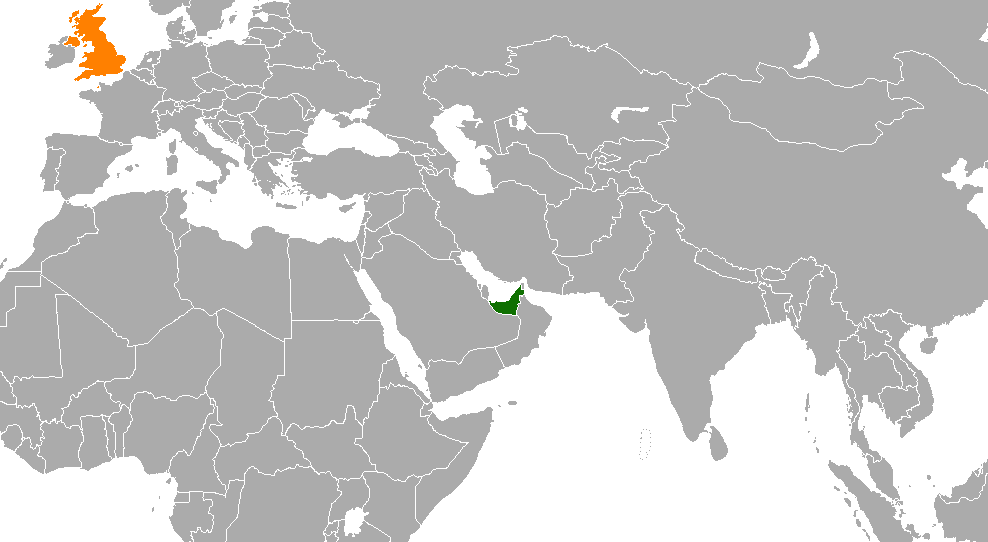
An increasing number of British residents, particularly high-net-worth individuals (HNWIs), are seeking a move to the UAE, drawn by the nation’s tax-friendly environment and strategic economic opportunities. This trend is amplified by the UK’s proposed reforms targeting non-domiciled residents and heightened post-Brexit challenges.

The UK government is set to introduce significant changes to its tax structure for non-domiciled individuals starting April 2025. This will extend taxation to global income after a four-year grace period, a measure projected to generate £2.7 billion annually by 2028. Coupled with stricter immigration rules and economic uncertainty, these changes are driving more residents to explore overseas options.

The UAE, particularly Dubai, has emerged as a top destination for British expatriates. Offering zero income tax, world-class infrastructure, and diverse investment opportunities, the UAE provides a stark contrast to the rising tax burdens in the UK. According to reports, the UAE is poised to attract 6,700 millionaires in 2024 alone, solidifying its status as a global hub for affluent expatriates.

Dubai’s real estate market exemplifies the appeal for British investors. Property transactions involving UK nationals surged by 43% in the first quarter of 2024 compared to the same period last year. The city’s attractive rental yields, high-quality developments, and residency incentives such as the Golden Visa make it a compelling choice for long-term investment and relocation. British buyers now feature prominently in popular neighborhoods like Palm Jumeirah and Dubai Marina, underscoring the UAE’s pull amid shifting global economic landscapes.

The migration trend also reflects broader changes in the UK’s workforce dynamics. Brexit-related policies have curtailed the mobility of skilled professionals and tightened visa regulations, affecting sectors like healthcare and technology. Simultaneously, Dubai’s robust economy, driven by tourism, tech, and real estate, offers a stable environment for career growth and entrepreneurship.

SINGAPORE – Media OutReach newswire – 15 November 2024 – This holiday season, Suntec City is thrilled to announce its first-ever collaboration with POP MART, bringing an unforgettable festive celebration. From 20 November to 25 December, shoppers can immerse themselves in a world of fun centred around POP BEAN, the beloved mini chibi version of iconic POP MART characters. Shoppers can look forward to the excitement of […]

LIMA, PERU / SHANGHAI, CHINA – Media OutReach Newswire – 15 November 2024 – “From Chancay to Shanghai,” this expression has become quite popular in Peru, and it has finally become a reality. China’s financial hub Shanghai, which has the world’s largest port, is expected to welcome more goods from Latin America. And from Shanghai, these products will be shipped throughout Asia. The Chancay Port, which was […]

Salik, the toll operator for Dubai’s roadways, has posted a significant increase in its earnings, signaling a promising growth trajectory. The toll operator, which manages Dubai’s Salik toll system, revealed that its profits have surged, bolstered by an uptick in traffic volumes and improved operational efficiencies. The company, which operates the electronic toll collection system across Dubai, saw its revenues climb sharply. The key factor behind this […]

Abu Dhabi’s sovereign wealth fund, the Abu Dhabi Investment Authority (ADIA), is significantly increasing its allocations to private equity in a strategic pivot to enhance long-term returns. This move underscores ADIA’s growing interest in high-risk, high-reward investment opportunities as it adapts to global market shifts. The fund’s decision comes at a time when traditional investment avenues are facing unprecedented volatility and when private equity is seen as […]

HONG KONG SAR – Media OutReach Newswire – 15 November 2024 – The Elite Programme of Hong Kong Science and Technology Parks Corporation (HKSTP) aims to nurture both local and international tech ventures with high growth potential. With 24 companies currently active in the programme, including 13 home-grown companies and 11 from overseas, the Elite companies span across different industries, including AI & robotics, life and health […]

Advertisements

SINGAPORE – Media OutReach Newswire – 14 November 2024 – Eude Technology PTE. LTD. (Eude Technology) is proud to announce a strategic research partnership with Nanyang Technological University’s (NTU) College of Computing and Data Science, Division of Artificial Intelligence. This collaboration will focus on groundbreaking research in frontier AI technologies, with an emphasis on developing next-generation Large Language Models (LLMs). The partnership brings together Eude Technology’s entrepreneurial […]

SINGAPORE – Media OutReach Newswire – 14 November 2024 – Singapore-headquartered and SGX-listed Sheffield Green held the inauguration ceremony for its first training centre under Wind Asia Training on October 23, 2024 in Machohou Industrial Park in Chiayi County, Taiwan. This marks a significant milestone for the company’s global training business. The training centre operates by leveraging on the synergy of funding, technology, and expertise from Singapore, […]

Shaping Responsible Supply Chains for a Sustainable Future HONG KONG SAR – Media OutReach Newswire – 14 November 2024 – Organised by amfori, a leading global business association for sustainable trade, its highly anticipated flagship event “amfori Asia Sustainability Summit” was concluded with great success yesterday at Hotel ICON in Hong Kong SAR, China. Attracting over a hundred participants from across Asia, this event highlighted the significant […]

HONG KONG SAR – Media OutReach Newswire – 14 November 2024 – OneConnect Financial Technology Co., Ltd (“OneConnect” or the “Company”, NYSE: OCFT, HKSE: 6638), a business technology service provider for financial institutions, announced its results for the first three quarters ending September 30, 2024. 2024 is a pivotal year for OneConnect as it advanced the second phase of its strategy, focusing on “product upgrades, deepening customer […]

UAE investors have seen their wealth soar following a remarkable surge in Bitcoin prices, attributed to the political and economic shifts following Donald Trump’s victory in the US election. The cryptocurrency, which had been volatile in the years preceding the win, experienced unprecedented growth as markets reacted to the shifting political landscape, with many investors in the UAE now seeing significant returns on their investments.

Bitcoin’s price surged sharply after the US election results were confirmed, with many financial analysts predicting the trend would continue as uncertainty around Trump’s policies drove investors toward assets perceived as safer or potentially more profitable. The volatile nature of cryptocurrencies makes them an attractive option for those willing to accept the risks for the potential rewards. For investors in the UAE, Bitcoin presented a new opportunity, and many took advantage of the fluctuating prices in anticipation of future growth.

Several prominent cryptocurrency investment platforms have seen increased activity in the UAE, with more people turning to Bitcoin as a hedge against inflation and political instability. The surge in Bitcoin’s value has not only been a boon for individual investors but also for cryptocurrency trading platforms and firms offering Bitcoin-based investment products. Several such platforms reported a spike in sign-ups and transactions in the wake of Trump’s election win, which, combined with the global economic uncertainty that followed, has sparked an interest in digital currencies as an alternative to traditional investments.

In Dubai, where many investors have a global outlook, Bitcoin is quickly becoming a key component of wealth management strategies. The local cryptocurrency market has witnessed a rise in demand for both Bitcoin and other digital assets. Investors are diversifying their portfolios with more aggressive positions in cryptocurrency, banking on the potential for continued growth amid the global economic challenges. Some have even opened Bitcoin-specific funds, offering high-risk, high-reward opportunities to those seeking to capitalize on the digital currency’s upward trajectory.

A key factor contributing to this wave of Bitcoin investment is the cryptocurrency’s appeal as an alternative store of value. With concerns around traditional financial systems, particularly in the Middle East, many are seeking to protect their wealth by investing in assets that are decentralized and not subject to the fluctuations of regional currencies or government policies. Bitcoin, with its promise of independence from state-controlled monetary systems, offers a solution that is increasingly attractive to investors in the UAE.

The global appeal of Bitcoin, combined with its growing legitimacy, has made it a more palatable option for UAE investors, many of whom are looking to broaden their financial horizons. The UAE’s status as a financial hub with a progressive regulatory environment for cryptocurrencies has further contributed to the growing interest. While cryptocurrencies remain largely unregulated in many parts of the world, the UAE has been one of the leading countries in the region to introduce frameworks aimed at fostering innovation while protecting investors.

The surge in Bitcoin prices has also prompted a flurry of interest from young, tech-savvy investors in the UAE. As more millennials and Gen Z individuals enter the investment landscape, they are increasingly looking toward digital currencies as a means of growing their wealth. The UAE has one of the highest concentrations of cryptocurrency holders in the Middle East, with a growing number of younger investors taking positions in Bitcoin as part of a broader trend of tech-driven financial strategies.

While the surge in Bitcoin’s price has created substantial wealth for some investors, the cryptocurrency market remains highly volatile, and many caution against overexposure. Financial advisors emphasize the importance of diversifying portfolios, as the rapid rise in Bitcoin’s value could be followed by equally dramatic declines. Investors are urged to remain cautious, keeping in mind that the cryptocurrency market’s unpredictability makes it unsuitable for all types of investors.

The geopolitical factors that contributed to Bitcoin’s rise are also critical to understanding the broader trends at play. Following Trump’s win, the global economy experienced shifts in trade relations and economic policies, which, in turn, affected investor behavior. As Bitcoin’s value continues to fluctuate in response to these political developments, the currency remains a speculative asset. However, for many in the UAE, the rewards have been substantial, allowing some to realize returns on their investments that were previously unimaginable.

Following the victory of Donald Trump in the 2024 U.S. presidential elections, the UAE has experienced a significant surge in remittance flows, with major beneficiaries being India and the Philippines. This spike is attributed to a combination of factors, including a shift in economic dynamics, increasing confidence in the stability of the global economy, and adjustments in the exchange rates. With these countries historically being some of the largest recipients of remittances from the UAE, the recent growth reflects deeper patterns in the region’s labor markets, trade relations, and the broader economic impact of political developments in the United States.

The rise in remittances highlights an enduring trend of expatriates from South Asia and Southeast Asia sending money home, especially in the face of shifting geopolitical and economic landscapes. While the UAE has long been a hub for foreign workers, the current influx of financial support underscores both the strength of these diasporas and their economic significance to the countries of origin. India and the Philippines, two of the top remittance-receiving nations globally, have seen increases that could have significant effects on their local economies, particularly in terms of poverty reduction, infrastructure development, and consumption spending.

For India, which is consistently one of the largest recipients of remittances globally, the increase reflects ongoing economic stability. Many Indian workers in the UAE are employed in sectors such as construction, hospitality, and services, industries that have been impacted by fluctuating global demand. However, with Trump’s victory, there has been a renewed optimism about the UAE’s economic outlook, boosting confidence among remitters. Additionally, the Indian Rupee’s performance against the UAE Dirham has also played a crucial role in making remittance transfers more lucrative for Indian workers, with an improved exchange rate encouraging them to send more money home.

Philippine remittance volumes have mirrored this surge, driven by the large number of Filipino workers across various sectors in the UAE. The increase in remittances to the Philippines is tied to both economic and political factors. With Trump’s win, many Filipino workers have reported feeling more confident in their job security within the UAE, leading to higher disposable incomes and an increased desire to support their families back home. The Duterte administration’s improved diplomatic relations with the UAE, as well as the UAE’s robust labor laws, have also contributed to a more secure working environment for Filipino expatriates. Furthermore, the Philippine government has actively encouraged remittances as a key element in sustaining the country’s economic growth, which is evident in the increased financial flows back home.

One of the key drivers behind the rising remittance numbers is the favorable exchange rate that has emerged following Trump’s victory. The UAE Dirham is pegged to the U.S. Dollar, and with Trump’s anticipated pro-business policies, many economists predict continued economic growth in the region, leading to stronger currencies like the Dirham. As a result, workers from India and the Philippines are able to send larger amounts of money home for each unit of foreign currency they earn.

This surge also aligns with broader trends in global migration patterns, where many labor-exporting countries have seen their nationals continue to seek employment in the UAE despite challenges posed by the global economy. With job opportunities available in sectors like construction, health care, and information technology, both India and the Philippines remain major exporters of labor to the UAE, a relationship that continues to be a vital component of both nations’ economic strategies.

Another factor influencing the rise in remittances is the UAE’s active role in international trade. Trump’s foreign policy outlook, which tends to favor global markets and open trade policies, has reinforced investor confidence in the UAE, positioning it as a leading financial center in the region. This has had a trickle-down effect on remittances, as expatriates feel more secure in sending money back home, knowing that the overall economic stability of the UAE is likely to hold steady.

For both India and the Philippines, remittances are a critical pillar of economic support. The funds sent by workers abroad contribute significantly to the countries’ GDP, provide direct financial assistance to households, and bolster government revenues. In India, remittances have been linked to the reduction of poverty, greater access to education and healthcare, and even the growth of small businesses. Similarly, in the Philippines, remittances support everything from consumer spending to investments in rural development and infrastructure projects.

Despite the positive impact of these remittance flows, challenges persist. The COVID-19 pandemic had a brief dampening effect on global remittances due to economic uncertainties and travel restrictions, but the post-pandemic recovery has led to a strong rebound in money transfers, especially from the UAE. Many of the expatriate workers in the UAE rely heavily on their income to support families in their home countries, making the rise in remittances particularly crucial for those living in more economically vulnerable regions.

Masdar, a prominent UAE-based energy developer, has embarked on exploring the potential for large-scale renewable energy projects in Albania, as part of its broader strategy to expand its global footprint in the clean energy sector. The company, known for its vast experience in renewable energy, is particularly focused on Albania’s wind and solar potential, considering the country’s efforts to transition towards cleaner sources of energy. Albania, with […]

Dubai has marked a new milestone in its push to become a leader in futuristic transport solutions with the commencement of construction for the city’s first air taxi station. Located close to Dubai International Airport (DXB), this development is a pivotal step toward integrating urban air mobility (UAM) into the city’s transportation infrastructure. This ambitious project, spearheaded by Dubai’s Roads and Transport Authority (RTA) in collaboration with […]

The Saudi Public Investment Fund (PIF), a major sovereign wealth fund under the Saudi government, has executed a notable transaction by divesting over $1 billion worth of shares in the Saudi Telecom Company (STC). This decision aligns with the PIF’s strategy to rebalance its investment portfolio, shedding portions of domestic holdings to fund international acquisitions and domestic development initiatives, particularly in high-growth sectors outside of oil.

This strategic move involved the sale of a 4% stake in STC through a secondary share placement. A major player in the Saudi economy, STC is considered a blue-chip stock on the Saudi exchange, Tadawul, where it holds a considerable influence on market performance. The transaction came after months of market speculation about potential PIF divestitures, spurred by the Fund’s stated ambition to optimize capital flows toward diverse global and domestic investments, potentially in technology and renewables, where PIF sees long-term growth opportunities.

The secondary share placement, conducted through a structured auction, attracted significant interest from both institutional and retail investors in Saudi Arabia and abroad. Market analysts report that this interest underlines the strong international appetite for shares in Saudi Arabia’s robust telecom sector, a pivotal component of the Vision 2030 economic reform plan. Under this framework, which aims to reduce Saudi Arabia’s dependency on oil revenue, sectors like technology and telecommunications are prioritized for growth.

Prior to the sale, PIF held a 64% stake in STC, which translates to substantial influence over the company’s strategic direction. By reducing its stake by 4%, PIF remains the controlling shareholder while monetizing a portion of its holdings, a strategy that reflects the Fund’s ongoing recalibration toward agile capital allocation. PIF’s latest divestiture follows a similar move in 2021 when it sold a 6% stake in STC, raising approximately $3.2 billion, a transaction that bolstered its financial flexibility for reinvestment.

Market observers suggest that this sale is likely to bolster investor confidence in Saudi corporate equities, given PIF’s role in maintaining liquidity and investor interest in Tadawul-listed firms. As PIF diversifies its holdings, the Fund has attracted global interest for its capacity to influence capital flow into emerging market sectors and sustainable development projects, often supported by Saudi state-owned enterprises and investments from foreign sovereign funds.

The timing of this transaction aligns with PIF’s mandate to sustain a diversified portfolio that supports domestic projects like the Red Sea tourism initiative, NEOM, and Qiddiya, in addition to investments in international tech and innovation enterprises. Analysts point out that the sale proceeds may be allocated toward similar domestic mega-projects or invested abroad to capture strategic returns from fast-growing sectors such as artificial intelligence, energy storage, and automation. A notable aspect of PIF’s recent portfolio strategy includes collaborations with international technology firms, signaling an interest in assets that foster cross-border digital infrastructure.

The shift also reflects STC’s own strategic trajectory, as the company continues to expand its service offerings, venturing into digital services and content creation. As part of the broader telecom transformation in Saudi Arabia, STC aims to tap into areas like cloud services, cybersecurity, and data management, all seen as integral to supporting Saudi Arabia’s growing digital economy. PIF’s partial divestment does not signify a reduction in STC’s importance but rather indicates the Fund’s confidence in STC’s operational independence and market resilience.

For international investors, this transaction highlights STC’s status as a critical component of Saudi Arabia’s evolving economic structure. The company remains positioned as a cornerstone of Saudi Arabia’s Vision 2030, which emphasizes developing sectors like entertainment, tourism, and technology. Analysts suggest that, by divesting a stake in STC, PIF frees up capital that can be redirected to reinforce these high-growth industries, underpinning Saudi Arabia’s long-term economic diversification efforts.

Following the transaction, STC’s stock initially witnessed moderate fluctuations, reflecting standard market responses to significant share movements. Market analysts anticipate that, in the near term, STC’s stock price may stabilize, buoyed by investor confidence in its fundamentals. Observers also emphasize that the transaction reflects positively on the Saudi stock exchange, underscoring Tadawul’s growing role as a hub for institutional and foreign investors seeking exposure to Middle Eastern equities.

STC, on its part, remains committed to its expansion strategy, which involves fortifying its digital platforms and expanding telecommunications infrastructure. These initiatives align with the demands of a more digitally interconnected society and the anticipated increase in data consumption across Saudi Arabia, partly driven by high smartphone penetration and rising demand for e-government services. Industry insiders point out that STC’s ongoing investment in 5G infrastructure and data centers positions it well to capture market share in the expanding Gulf tech landscape.

KUALA LUMPUR, MALAYSIA – Media OutReach Newswire – 14 November 2024 – Adding exotic currency pairs to a portfolio is a popular way to get exposed to a wider variety of assets. These pairs, which include currencies from emerging markets or smaller economies, offer unique opportunities due to their volatility and potential for high returns. For traders in regions like India and Southeast Asia, exotic pairs can […]

HONG KONG SAR – Media OutReach Newswire – 13 November 2024 – The first baijiu company listed on the Hong Kong Stock Exchange and the second Chinese sauce-aroma baijiu stock being publicly listed, ZJLD Group Inc. (“ZJLD” or the “Company”, SEHK stock code: 06979. HK), is pleased to announce that the Group has been awarded the supreme honor – The Listed Company of the Year in The […]

RIYADH, SAUDI ARABIA – EQS Newswire – 13 November 2024 – President and CEO Philippe Delorme of KONE (www.KONE.com), a global leader in the elevator and escalator industry, is visiting the Gulf Cooperation Council (GCC) region following the launch of KONE’s new global strategy ‘Rise’, to discuss how digital and sustainable vertical transport innovations are critical in helping address the rapid growth across the GCC. “With urban […]

Revolut has officially launched its crypto trading platform, Revolut X, in 30 additional European countries. The expansion marks a significant milestone for the financial technology company, which is targeting experienced traders seeking advanced features in cryptocurrency trading. The new rollout is designed to bolster the platform’s presence in Europe, tapping into an increasing demand for more sophisticated trading tools.

The platform, which first launched in the UK and Europe, offers a comprehensive suite of crypto trading features tailored to individuals with a higher level of expertise in the digital assets space. Revolut X includes a range of tools such as real-time market data, advanced charting, and analysis capabilities that are expected to appeal to traders with more in-depth knowledge of the volatile cryptocurrency market.

Revolut, known for its wide array of financial services, had previously made moves in the cryptocurrency market by offering a simpler, more beginner-friendly crypto service through its primary app. The launch of Revolut X in these new markets is part of the company’s strategy to differentiate itself in an increasingly competitive space dominated by established players such as Binance, Kraken, and Coinbase.

The 30 new countries added to Revolut X’s reach include several key European markets, notably in the EU and surrounding regions. These markets represent some of the most active areas for cryptocurrency adoption, with high levels of market penetration and investor interest. For Revolut, this is a calculated move aimed at capturing more of the trading segment from other platforms that cater to more advanced users.

Industry experts suggest that Revolut’s expansion into these markets comes at a time when crypto trading is gaining momentum across Europe. Regulatory frameworks in many EU nations are becoming more favorable, with clearer rules providing a safer environment for traders. This is seen as a major advantage for platforms like Revolut X, which seeks to build trust and legitimacy in a market that has faced scrutiny in recent years due to concerns over security and market manipulation.

With the introduction of advanced trading features, Revolut X also aims to address the growing demand for decentralized finance (DeFi) and other innovative financial products. As more traders seek out opportunities in non-fungible tokens (NFTs), decentralized exchanges (DEXs), and other blockchain-based assets, Revolut is positioning itself as a key player in these evolving markets.

The cryptocurrency sector in Europe has shown considerable growth, with increasing institutional interest and more retail investors participating in crypto markets. Several nations, particularly Germany, France, and the Netherlands, have already seen a rise in retail investment, and there is an ongoing effort within the European Union to establish clearer regulatory standards for digital assets. This regulatory clarity, along with the expanding acceptance of crypto in traditional financial systems, provides a supportive backdrop for Revolut’s expansion.

However, Revolut’s venture into the cryptocurrency space has not been without challenges. Despite the company’s large customer base and technological edge, it faces stiff competition from other financial technology companies and crypto-native platforms that are already well-established in European markets. Furthermore, cryptocurrency trading remains a high-risk venture for many traders, with concerns over market volatility, regulatory changes, and technological risks such as hacking and fraud.

For Revolut, the strategic move to expand Revolut X to 30 new markets is aimed at capitalizing on the increasing adoption of cryptocurrencies and positioning itself as a serious player in the crypto trading sphere. It also aligns with the company’s broader goal of diversifying its service offerings to encompass a wider array of financial products. This includes plans to broaden access to traditional banking, investment options, and more advanced trading tools. As the market matures and regulatory clarity continues to evolve, Revolut’s early investments into crypto trading could prove to be a significant growth area in its future.

The introduction of Revolut X in these 30 countries also signals a shift in the company’s overall business strategy. By targeting more experienced traders, Revolut is moving away from its initial focus on mainstream consumers and expanding into a niche that has shown higher profitability. This move reflects broader trends in the financial industry, where firms are seeking to capture more sophisticated users who are looking for advanced trading features and greater customization in their investment strategies.

BANGKOK, THAILAND – Media OutReach Newswire – 13 November 2024 – Dusit International, one of Thailand’s leading hotel and property development companies, has signed a Memorandum of Understanding (MoU) with Tourism Development Fund (TDF), the national enabler of the tourism sector in Saudi Arabia, to establish a preliminary framework for developing hospitality projects that will enhance the country’s tourism infrastructure. Signed at the World Travel Market 2024 […]

KUALA LUMPUR, MALAYSIA – Media OutReach Newswire – 13 November 2024 – As China solidifies its influence across Southeast Asia, it becomes the region’s largest trading partner and a crucial investor in areas like infrastructure, technology, and renewable energy. This release explores how China’s expanding economic reach shapes Southeast Asian markets, from Indonesia’s booming coal exports to Vietnam’s tech transformation, and provides a glimpse into future growth […]

The Zimbabwe-Zambia (Zim-Zam) Energy Projects Summit will take place from November 18-20, 2024, in Victoria Falls, Zimbabwe, and could not be more timely. With the governments of both countries making innovative structural changes to make energy projects more bankable, appetite for investment is high. This is the opportunity to secure a more sustainable energy future for both Zimbabwe and Zambia. LONDON, UK – EQS Newswire – 12 […]

Deutsche Telekom has made a significant move into the blockchain space by partnering with Meta Pool, marking a pioneering step in the telecom industry. As the first telecom giant to run a validator node on the NEAR blockchain, this partnership represents an innovative leap toward integrating telecommunications with decentralized technologies. The collaboration aims to bolster the scalability and security of the NEAR protocol, while furthering Deutsche Telekom’s commitment to exploring blockchain and Web3 solutions.

The NEAR blockchain, recognized for its high throughput and low transaction costs, is positioning itself as a formidable competitor in the rapidly expanding blockchain ecosystem. By running a validator node, Deutsche Telekom is not only contributing to the network’s infrastructure but also aligning itself with the emerging trend of decentralized finance (DeFi) and Web3 technologies. Validator nodes are crucial components in blockchain networks, as they validate transactions and ensure the integrity and security of the blockchain.

This strategic partnership with Meta Pool, a leading staking provider for the NEAR blockchain, allows Deutsche Telekom to play a critical role in the operation and security of the network. Through this collaboration, Deutsche Telekom aims to leverage its expertise in telecommunications to support the growth of blockchain-based ecosystems. The partnership also opens the door for future ventures in decentralized applications, marking a new chapter for the company in the digital era.

Telecom giants have been gradually exploring blockchain for its potential to improve network management, enhance data security, and enable novel financial services. However, Deutsche Telekom’s decision to operate a validator node on the NEAR blockchain takes this exploration a step further. It reflects a broader trend where traditional industries are increasingly recognizing blockchain as a transformative technology that extends beyond cryptocurrencies.

NEAR’s unique consensus mechanism, known as Nightshade, is designed to enhance scalability without sacrificing decentralization. With its sharding protocol, NEAR allows for the processing of a high volume of transactions in parallel, making it an ideal blockchain for large-scale applications. This scalability is a key feature that distinguishes NEAR from other blockchains, positioning it as a powerful platform for developers building decentralized applications.

By participating in the NEAR ecosystem, Deutsche Telekom strengthens its position as a forward-thinking player in the telecom industry. The company has been an active participant in the digital innovation space, with initiatives spanning cloud computing, 5G technology, and smart networking solutions. Its involvement with blockchain technology further cements its commitment to staying ahead of the curve in a rapidly evolving digital landscape.

For Meta Pool, the collaboration with Deutsche Telekom brings credibility and stability to its operations. As a provider of staking services, Meta Pool allows users to pool their tokens to participate in network validation, enabling them to earn rewards while contributing to the blockchain’s security. With Deutsche Telekom’s technical expertise and global infrastructure, Meta Pool gains a valuable partner that can help scale its services and reach a broader audience.

The partnership is also a testament to the growing interest in blockchain’s potential to disrupt traditional industries. Blockchain technology, which underpins cryptocurrencies like Bitcoin and Ethereum, has found applications far beyond digital currencies. From supply chain management to voting systems, decentralized finance to digital identity verification, blockchain offers a wide array of possibilities for sectors ranging from finance to healthcare.

For Deutsche Telekom, the partnership also signals a shift towards exploring new revenue streams. The telecom industry, long dependent on providing connectivity and infrastructure, is now looking toward Web3 technologies as a way to diversify its offerings. By running a validator node on the NEAR blockchain, Deutsche Telekom could potentially tap into the emerging market for decentralized services, a space that promises significant growth as the adoption of blockchain continues to rise.

The telecom industry is no stranger to technological advancements, having embraced 5G and cloud computing as key components of its future growth strategy. However, blockchain presents a unique set of opportunities and challenges that require a nuanced understanding of both telecommunications and decentralized networks. Deutsche Telekom’s move into the blockchain space signals a broader trend where telecom companies are beginning to experiment with blockchain as a tool to enhance their service offerings.

The implications of Deutsche Telekom’s move could reverberate across the telecom sector. Other major telecom operators may follow suit, recognizing the importance of blockchain as a technology that can offer more than just a buzzword. As blockchain continues to mature, its potential to redefine industries outside of finance grows clearer. The collaboration between Deutsche Telekom and Meta Pool could pave the way for more partnerships between blockchain platforms and traditional telecom giants, contributing to the further mainstreaming of decentralized technologies.

The participation of a major player like Deutsche Telekom brings legitimacy to blockchain as an enterprise-grade solution. Telecom companies, with their vast infrastructure and global reach, are uniquely positioned to help scale decentralized networks. Their involvement in blockchain could facilitate its adoption across various industries, bringing new business models and opportunities for collaboration.

VISHNU RAJA
RYO YAMADA
HITORI GOTOH
IKUYO KITA
Just in:
Egypt’s African Union trade climbs to $8.2 billion // 2026 Tropical Rainforest Ecosystem Partners Conference Kicks off in Hainan // Padmini follows Padmaja for ‘ghar vapsi’ // ED searches five districts in probe against hawala // Phancy Announces Business Performance for the Nine Months Ended September 30, 2026 // Yeebo Announces Interim Results for FY26/27 Revenue Increases by 45.5% to HK$806.7 Million Profit Attributable to Owners Surges 87.6% to HK$2,284.7 Million // PayerMax and ShopeePay Strengthen Strategic Partnership to Advance Digital Payment Collaboration in Southeast Asia // Saudi defences destroy three Houthi missiles targeting Riyadh // Bail refused to 17-year old in Abhiram murder // Dubai Introduces SHARH, an AI-Powered Platform Helping Entrepreneurs Buy, Sell and Manage Businesses in the UAE //
Centre grants aircraft cabin access for Sabarimala pilgrims’ irumudi
// Workday targets Honeydew purchase to unify AI metrics // Sabarimala booking discrepancies prompt sabotage angle probe // Promoting Common Human Development Through Exchanges and Mutual Learning Among Civilizations // Ex-minister named accused in Messi visit fraud case // Diabetes Malaysia And Alpro Pharmacy Set National Record With 11,007 Most Blood Glucose Screenings Conducted Across Malaysia In Just 48 Hours // Technology at Work, Heritage for All: The “Chinese Approach” to Safeguarding the Leshan Giant Buddha // Russia permits retail cryptocurrency purchases under regulated framework // Energy Markets Find Little Substance In Shenzhen Summit Promises // Sui activates Hashi Bitcoin lending across partner network //